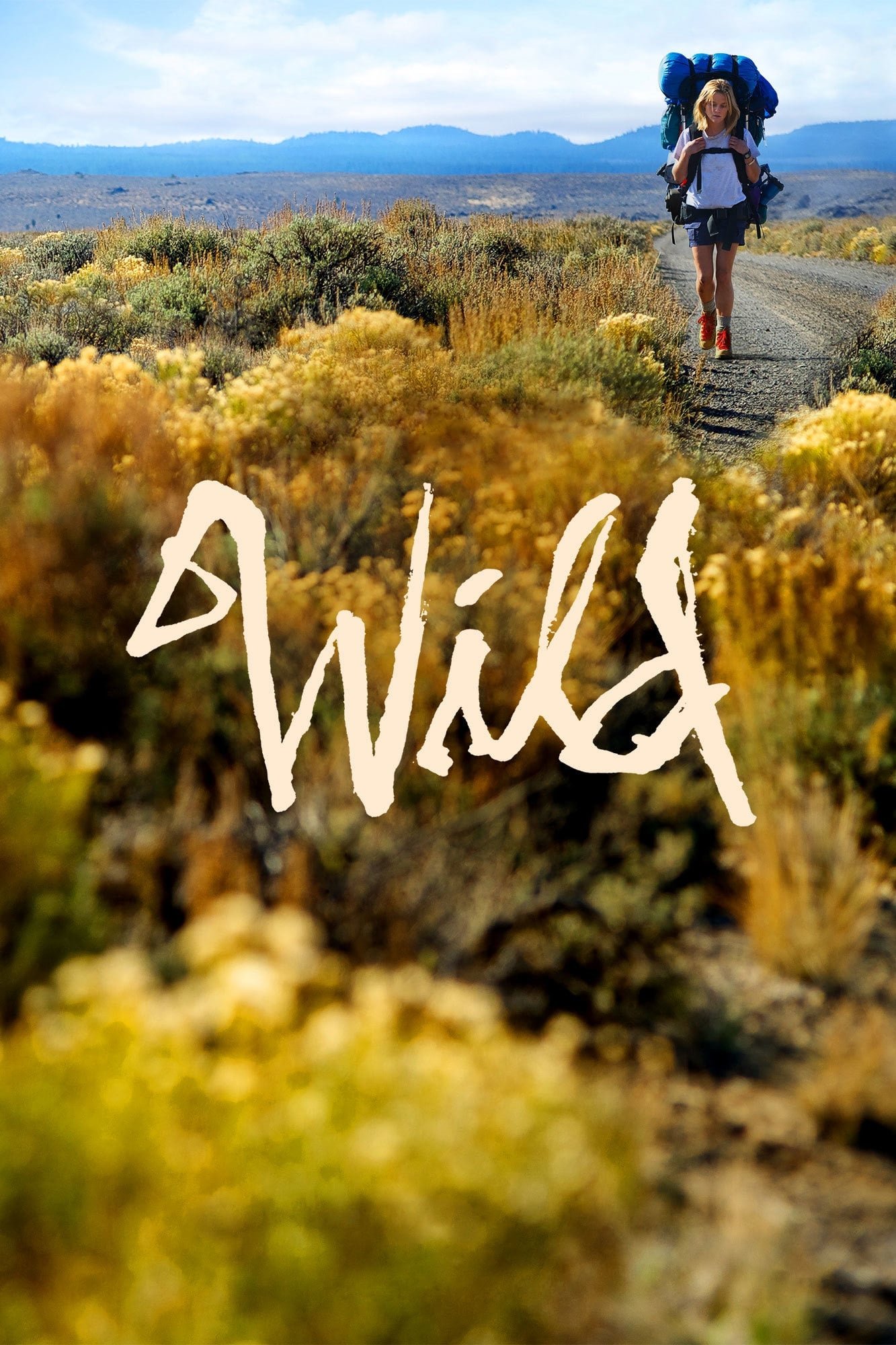
Most critics come away won over, and the praise gathers almost entirely around Reese Witherspoon. Review after review calls the performance raw and unvarnished, a deliberate step away from the roles she is known for, and several name it among her best. Laura Dern, seen only in flashback as the mother, is singled out nearly as often, and a few think she leaves the stronger impression. Nick Hornby’s script is credited with wit and a refusal of easy sentiment, and Jean-Marc Vallée’s fragmented cutting between trail and memory is generally admired.
The reservations gather around that same fragmentation. The Playlist finds the flashbacks repetitive and manipulative, Slant thinks Vallée is outmatched by his material, and The New Yorker calls the film literal-minded rather than poetic. Time Out alone considers Witherspoon miscast. Little White Lies goes furthest, dismissing the whole thing as synthetic and calculated. The spread is wide, though the dissenters are few.
L
Los Angeles Times
3 December 2014 · Betsy Sharkey
90*
Vallée and Hornby balance the inner and outer journeys while Witherspoon delivers a raw, emotionally naked performance.
The critic praises the remarkably fluid fragmentation of memories and the trail journey, along with Witherspoon's edgy, brainy performance that captures the character's self-centered processing of trauma. Strong supporting turns and an appealing take on women's liberation stories round out the positive verdict.
A thoughtfully rugged awards vehicle for Witherspoon that makes great use of striking locations and a resonant script; her excellent performance anchors the inner journey alongside the physical trek.
The critic praises the film as a vivid wilderness adventure and powerful story of family anguish and survival, highlighting Witherspoon and Dern's performances and the honest mother-daughter portrayal. The fractured storytelling is handled well, making it compelling despite being episodic.
The film is a quietly moving coming-of-age story that resists formula or easy redemption. It is driven by a strong, unvarnished performance from Witherspoon.
The film follows Cheryl Strayed on her solo hike of the Pacific Crest Trail as she grapples with personal demons and memories of her mother. Vallée directs Witherspoon in a role against her usual type as a self-destructive woman seeking redemption in the wilderness.
The film is a lean, energetic adaptation that creates a hallucinatory montage of the hike and backstory. It feels like a real journey despite some narrative ambiguity.
The film respects Strayed’s free-associative narrative and reveals that images and emotions can carry meaning more effectively than conventional plotting.
The film has an appealing authenticity from handheld camerawork and natural light but lacks emotional weight overall, undermined by heavy-handed moments despite Witherspoon's committed performance.
The critic finds the film efficient in its storytelling but lacking inventive visual expression from the director, who is outmatched by the material and performers. It never quite matches the blunt audacity of its title despite strong work from the screenwriter and lead actress.
The film is synthetic and obvious Oscar-bait, with Witherspoon overplaying her redemption arc; Laura Dern leaves the strongest impression as the mother in flashbacks.
The film is an honest and surprising chronicle of determination and rebirth, driven by Reese Witherspoon's fearless lead performance. Vallée keeps the story dynamic through confident direction and a strong script that avoids stereotypes.
The critic describes the film as a magnificent hike and praises Witherspoon as being as good as she has ever been. Laura Dern's supporting performance is also highlighted as terrific.
Wild is a genuine and good redemption story that probes the degradation of the flesh and the salvation of the spirit. Witherspoon delivers a remarkable, nuanced performance as a complex, self-possessed woman.
The critic calls the film an exhilarating screen experience that avoids easy self-help tropes. Witherspoon's vulnerable and believable turn as the messy, self-destructive protagonist is singled out for praise.
This is a somber and touching adaptation that emphasizes rumination over dramatization, with a showcase performance inviting viewers into the inner life of a lost young woman. Vallée's direction and editing help convey Strayed's gradual self-understanding through a patient, peaceful approach.
Witherspoon delivers one of her best performances as Cheryl Strayed on her grueling hike, with strong support from Laura Dern and solid direction and editing from Vallée. The result is an epic yet intimate and ultimately uplifting story of personal redemption.
Reese Witherspoon breaks out of her rom-com image with a raw, gutsy performance as Cheryl Strayed on her self-imposed purgatory hike. Vallée directs with restraint and employs dry humour alongside the emotional depth in this adaptation.
Reese Witherspoon shines as Cheryl Strayed, who hikes the Pacific Crest Trail to overcome her demons after her mother's death and a spiral of self-destruction. Nick Hornby's script keeps the redemption story gritty and avoids cheesiness.
The critic praises the film's immersive quality, Reese Witherspoon's committed performance, and the effective collage-style editing of flashbacks. She criticizes the script for some cheesy signposting and an unnecessary twee summation at the end.
22 October 2014 · festival review · Lisa Giles-Keddie
70*
The critic finds the film an engaging spiritual journey of self-redemption with scenic beauty and strong performances from Witherspoon and Laura Dern. She notes some calculated heartstring-pulling but overall calls it empowering and worth the journey.
The critic calls the adaptation well-intentioned but misguided, with manipulative and repetitive flashbacks that undermine emotional depth. She finds Witherspoon's performance respectable but not transformative and the themes clichéd and unsubtle.
Ordered by the weight we give each publication, then by score. Scores are normalised to 100; * means inferred from an unrated review. Summaries are ours, not quotations; follow the links for the reviews themselves. How we rate