Jean-Marc Vallée’s account of Cheryl Strayed’s long walk is plain, patient and honest about how badly she prepared for it. Witherspoon carries it, Laura Dern steals it in a handful of flashbacks, and only a habit of over-explaining lets it down.
In the summer of 1995 Cheryl Strayed walked eleven hundred miles of the Pacific Crest Trail and afterwards wrote a book about it that a great many people read. Jean-Marc Vallée’s film, from a screenplay by Nick Hornby, puts Reese Witherspoon in the boots and Laura Dern in the memories and gets on with it. Wild is a good, plain, decent-hearted film about grief and walking, more honest than most of its kind, and it is worth your evening. Its one real fault is a habit of telling us what it has already shown.
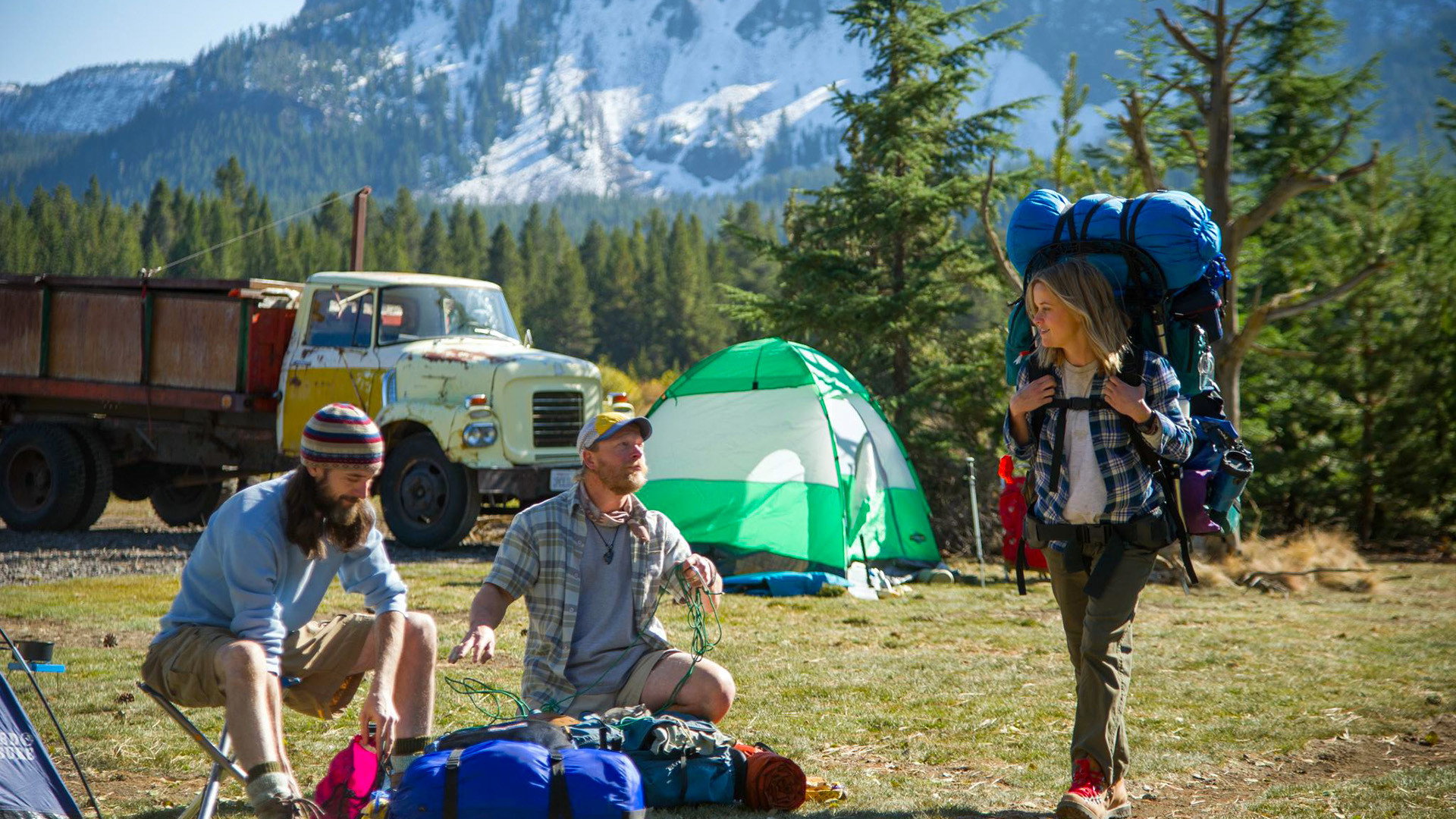
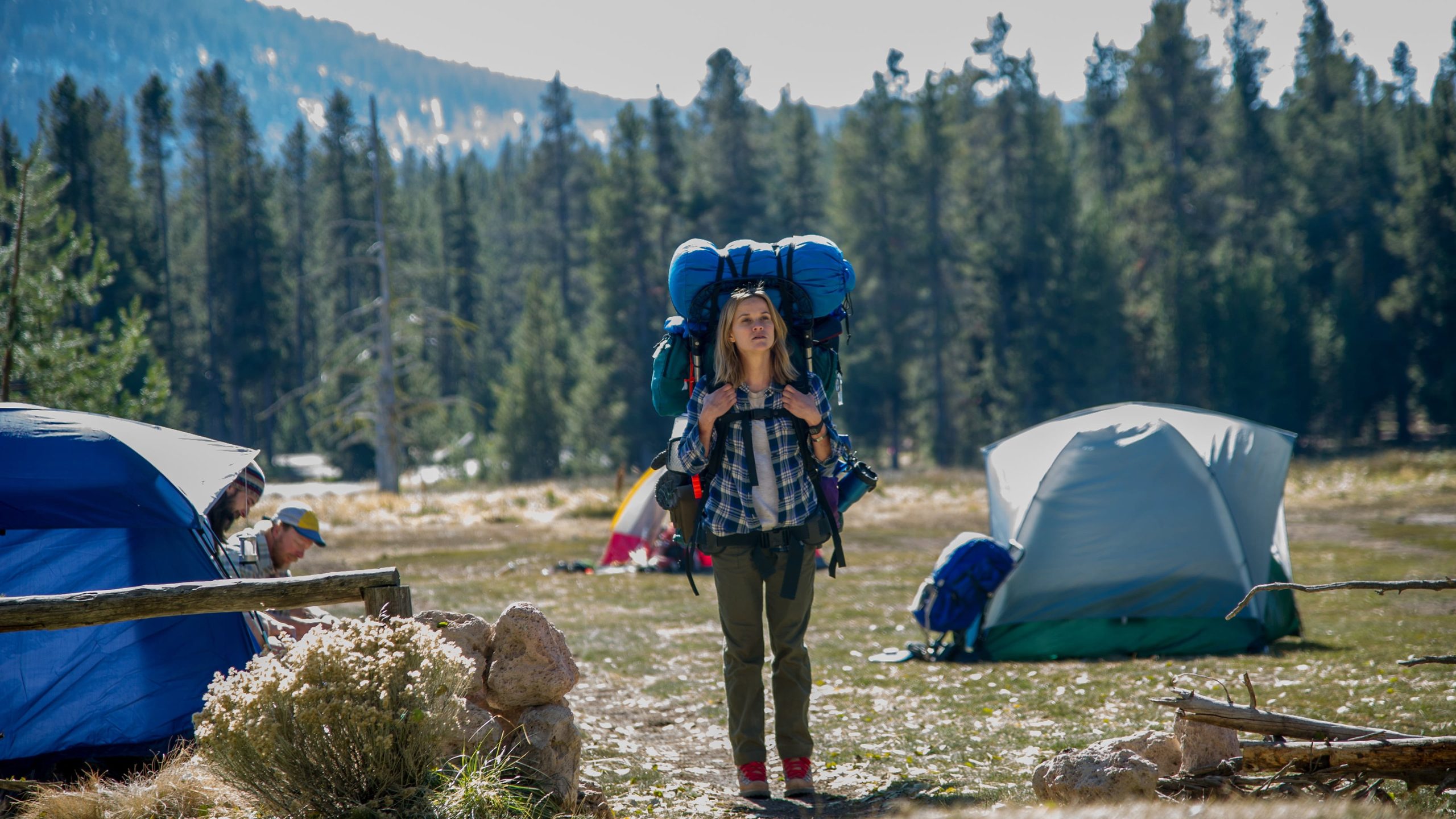
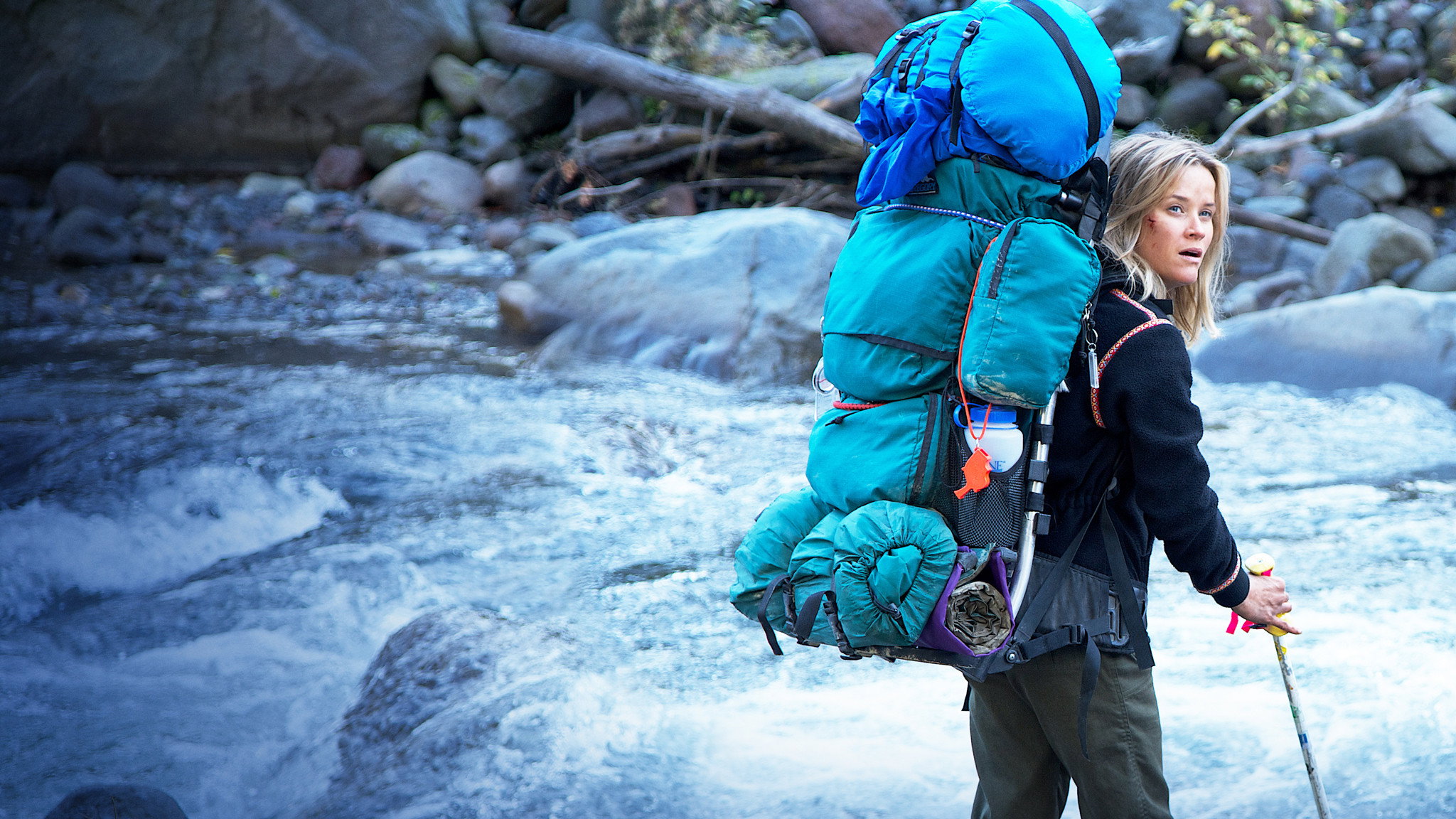
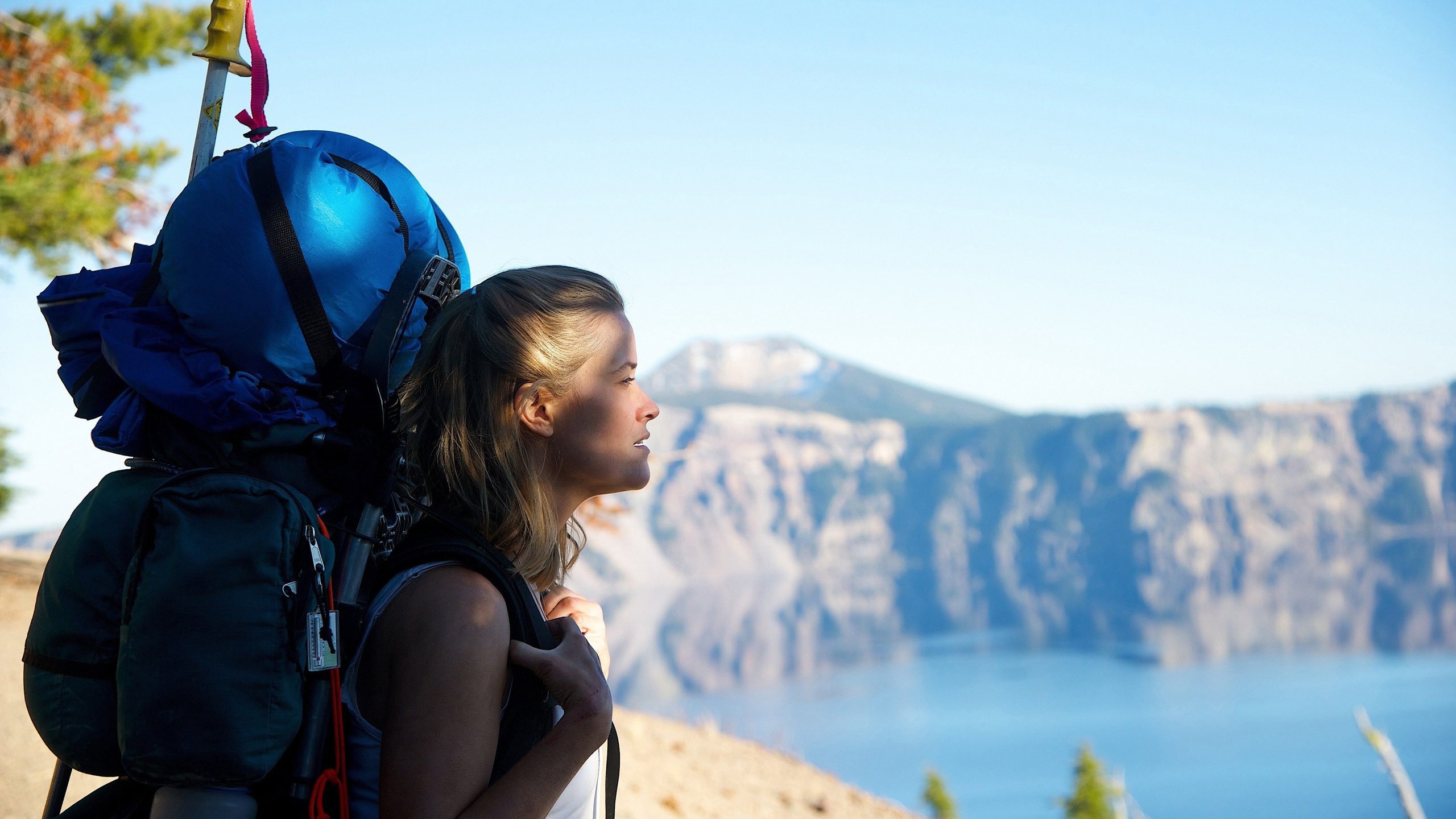
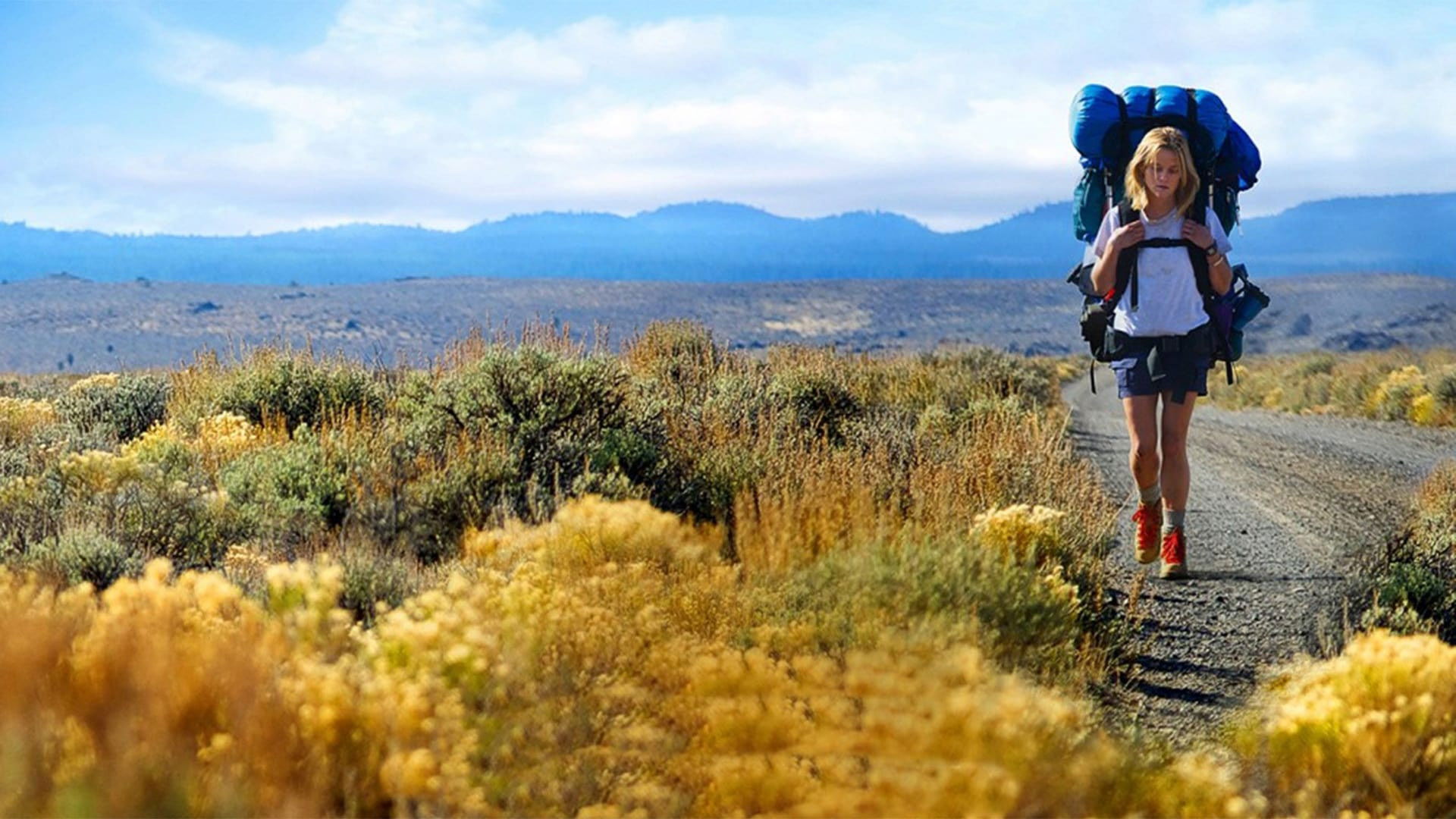
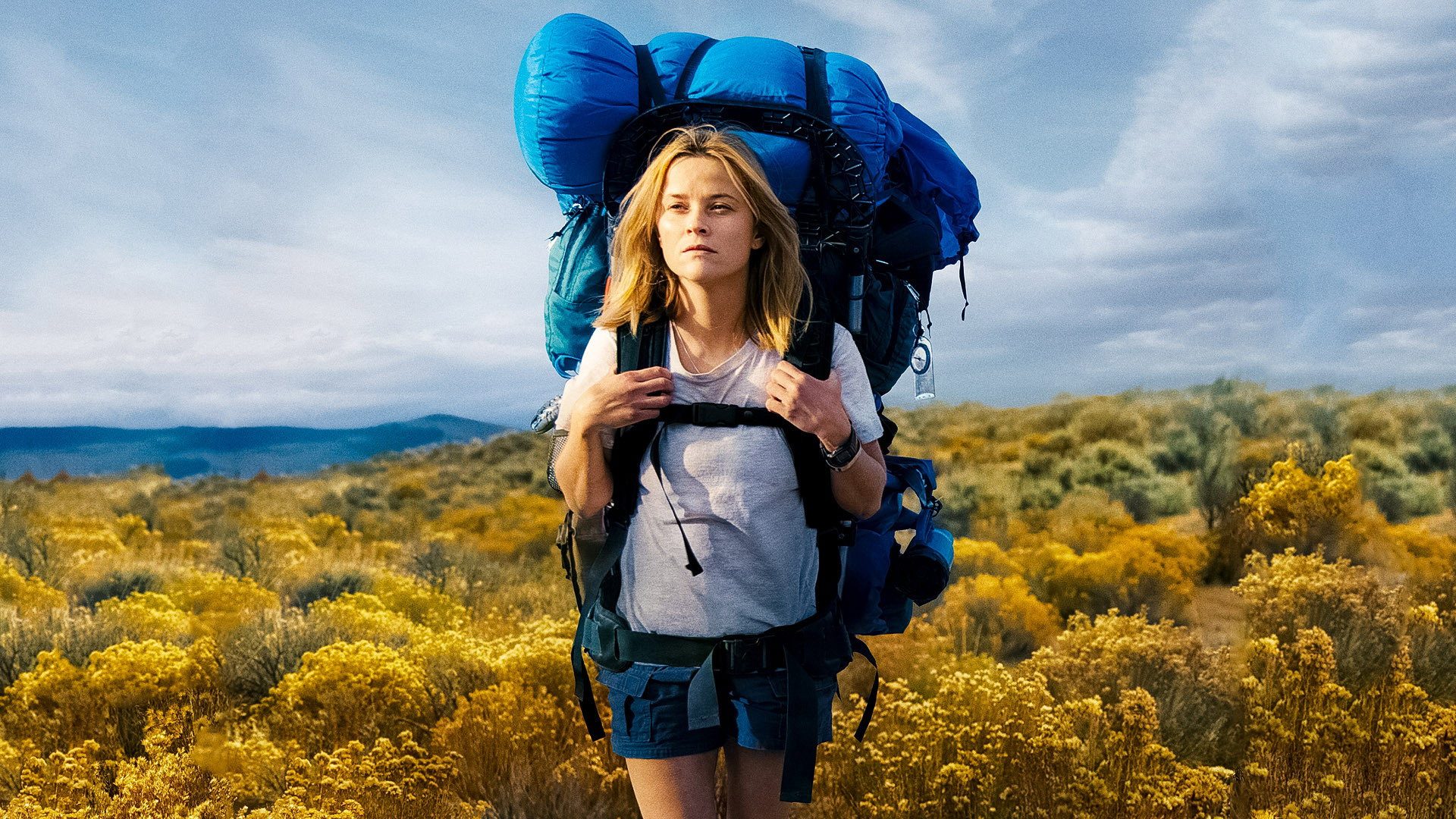
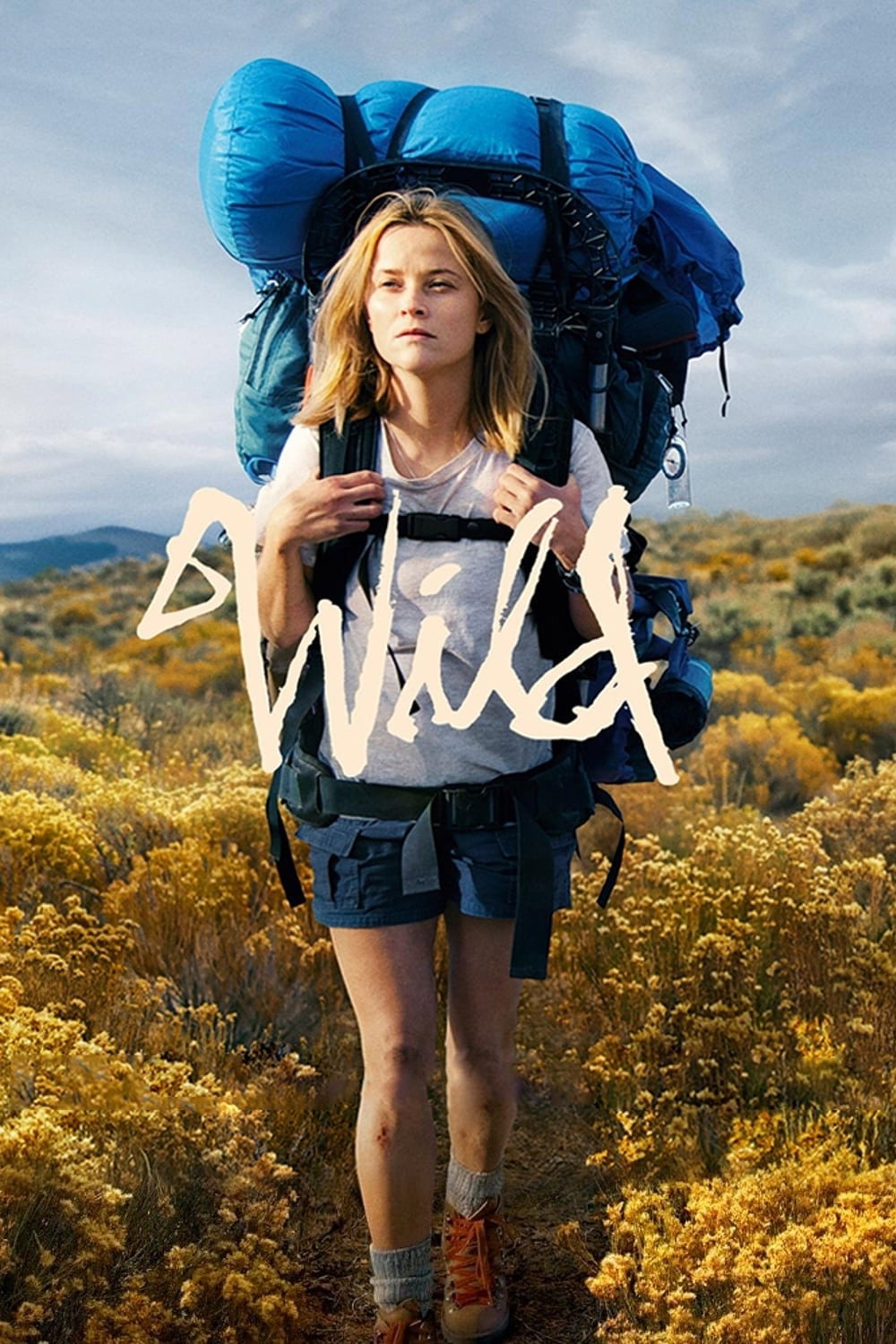
The trick of the thing is in the cutting. Vallée edits with Martin Pensa, and they treat memory the way it behaves: a line of dialogue arrives before the picture it belongs to, a face from home flashes up in the middle of the desert and is gone, a song starts in Cheryl’s head and stops the moment she notices it. The only music is scraps she hums, and the film cuts them off as abruptly as she does. Yves Bélanger shoots handheld in available light, so the desert is bleached and hard at midday and the Oregon forest is grey-green and wet, and he never pulls back for the postcard when a shot of a blistered heel will do. John Paino’s best contribution is the rucksack, so tall and overstuffed that Cheryl has to sit on the floor, strap herself in and roll onto her knees to stand up.
Witherspoon, who also produced, plays Cheryl without the usual armour. She is sunburnt, sweat-stained and frequently frightened, and the film is candid about what a woman alone on a trail is frightened of: every man she meets, from the farmer Frank (W. Earl Brown) who offers a lift to a pair of hunters later on, is a threat until he proves otherwise, and the film makes us wait for the proof each time. She is also frequently ridiculous, buying the wrong fuel for her stove and eating cold mush for days, and Witherspoon lets the ridiculousness stand. Kevin Rankin’s Greg, the competent hiker who keeps turning up ahead of her, is the film’s quiet joke about how little she prepared.
Then there is Dern. Bobbi Grey is on screen for perhaps twenty minutes, in fragments, and she is the reason the film works. There is a memory of her in the kitchen of a house with no money in it, singing while she cooks, and Cheryl, home from college and cruel in the way only a daughter can be, asks how she can possibly be so happy. Dern’s answer, and the face she gives it with, moved us far more than we expected. It moved us because Dern plays Bobbi not as a saint but as a woman who has decided, against the evidence, to be cheerful, and who knows exactly what the decision costs her. Every later shot of Cheryl on the trail carries that kitchen with it.
Hornby’s script is at its best when it is not explaining. The trail-register device, in which Cheryl signs each stop with a line from a writer she loves, is charming the first time and a reading list by the fourth. The men on the trail arrive in a suspiciously tidy order, each carrying his lesson like a water bottle. A fox appears, and appears again, and we could feel the film wanting us to make something of it. The pictures had told us what the walk meant; the script keeps stepping in to say it again, and we were irritated on its behalf.
Vallée made Dallas Buyers Club the year before, in the same handheld, natural-light, no-fuss manner, and the two films share a virtue: neither is interested in making its subject nice. Cheryl’s heroin and her adulteries are shown without a wince and without a flourish.
See it, then, for Dern, for the cutting, and for a lead who has agreed to look tired for 115 minutes. It carries a 15, for the drugs and one grim motel scene, and it plays well at home, where the sound design that does half the memory work is easier to hear.