Film review

Into the Wild

2007 · Directed by Sean Penn · 2h 28m · MPA R

In a sentenceEmile Hirsch goes looking for freedom and finds an unusually good supporting cast

AdventureDrama

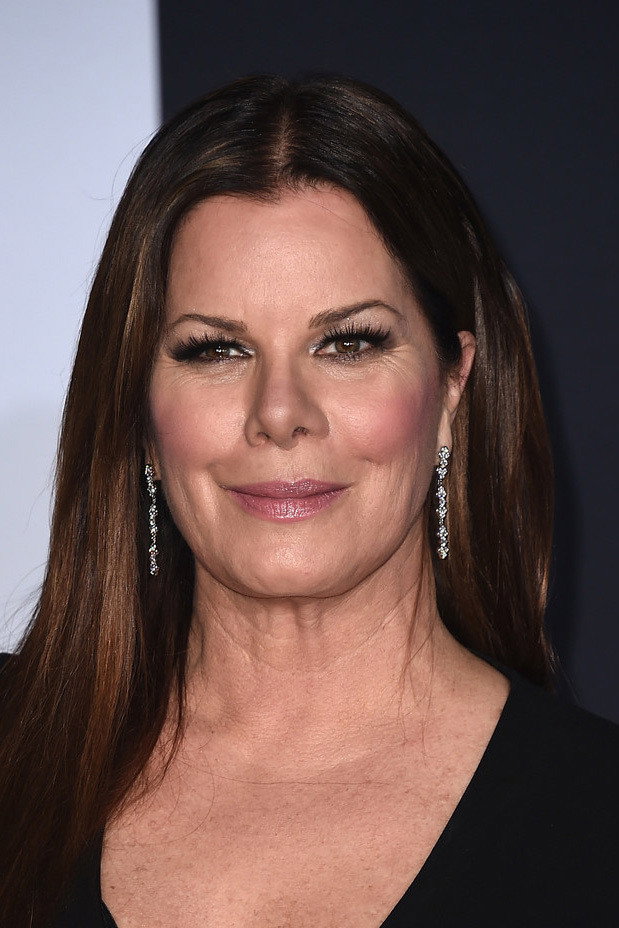
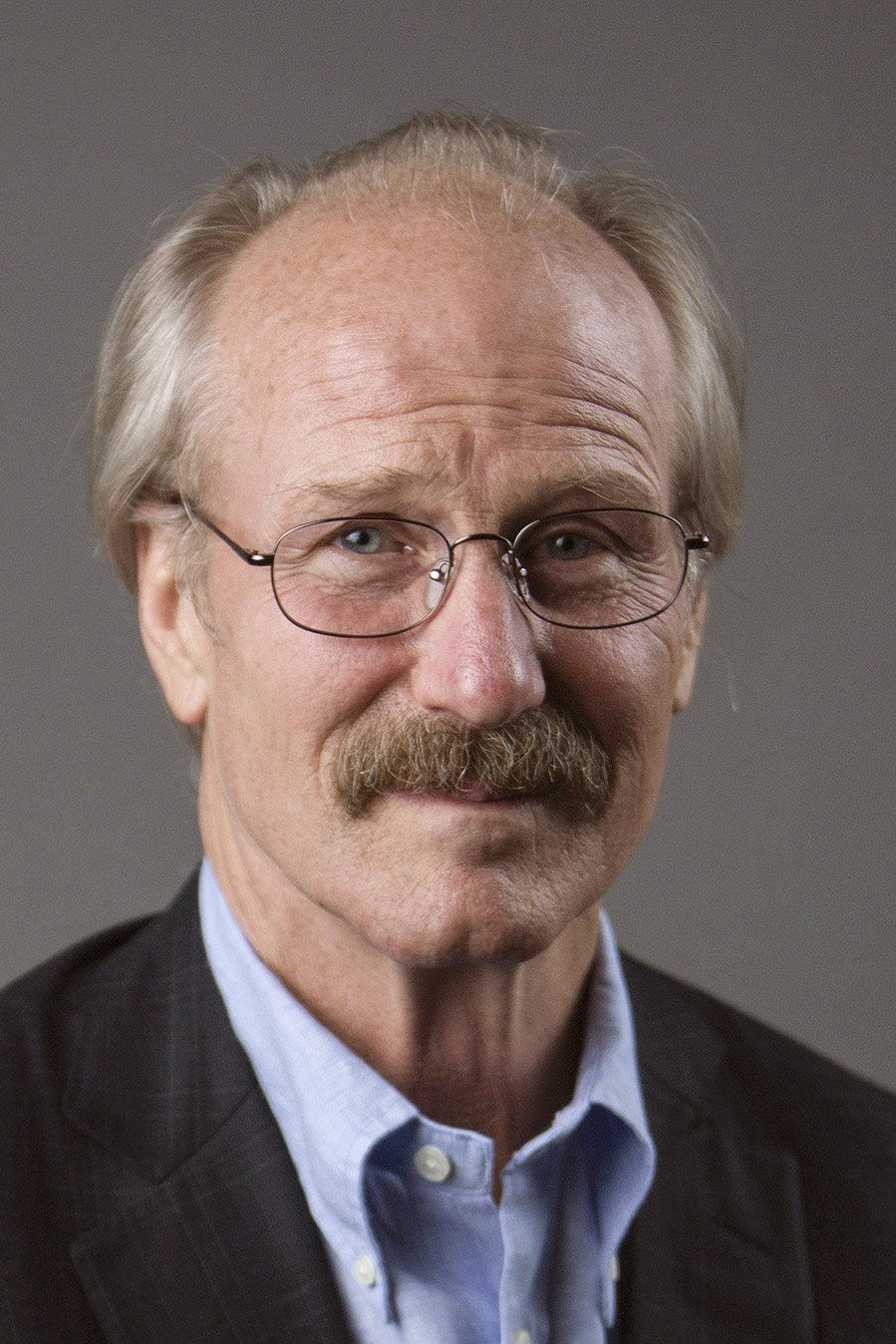
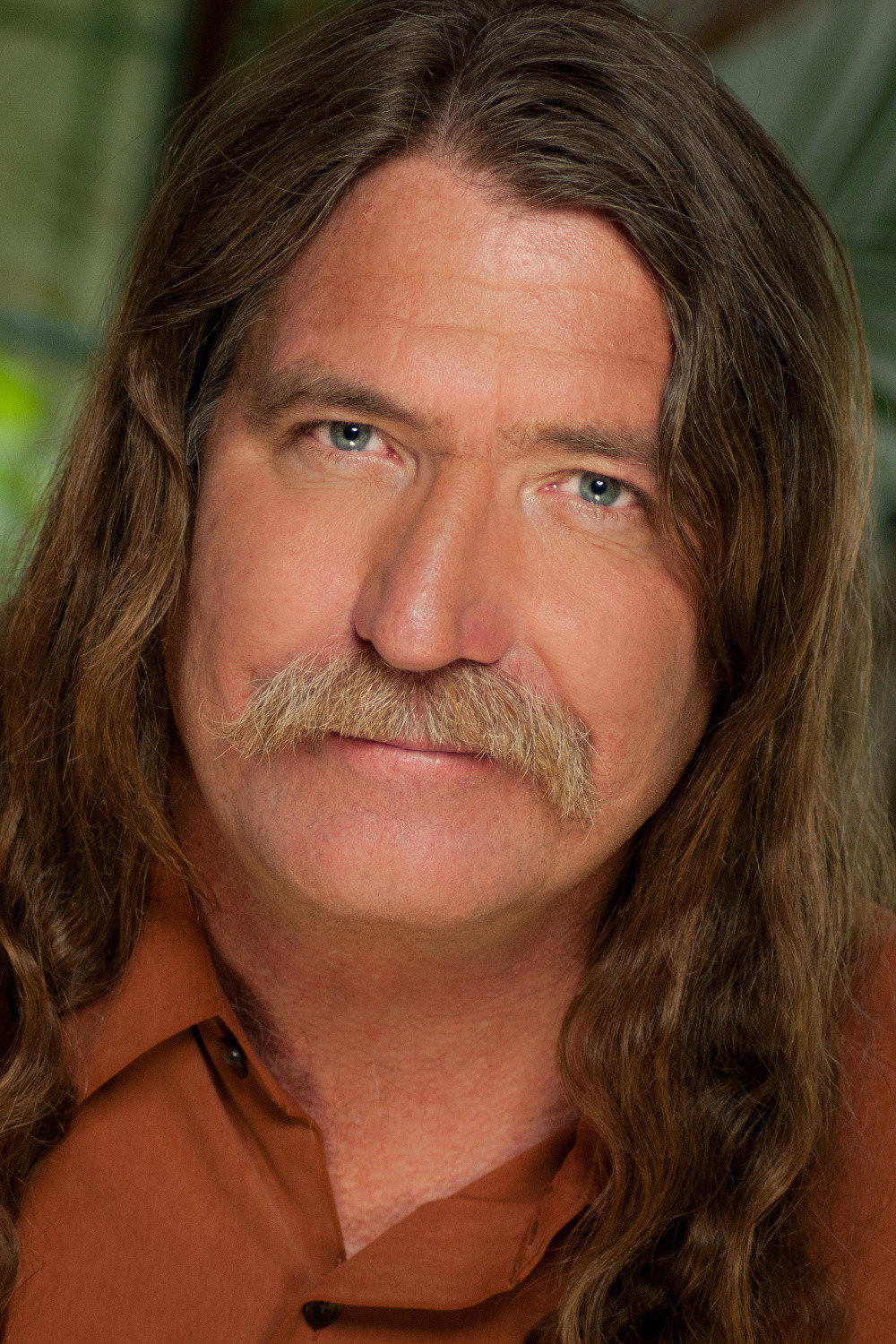
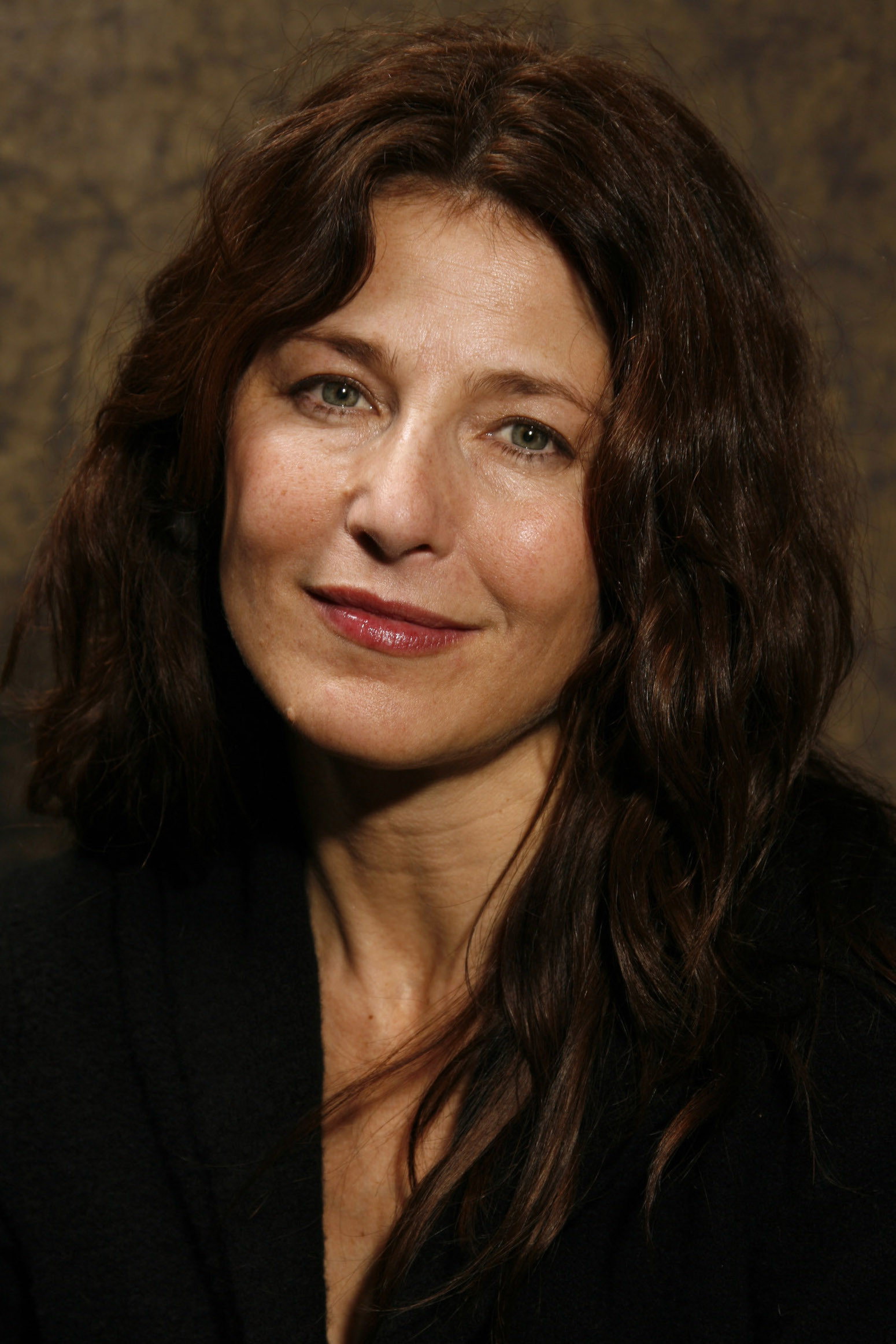
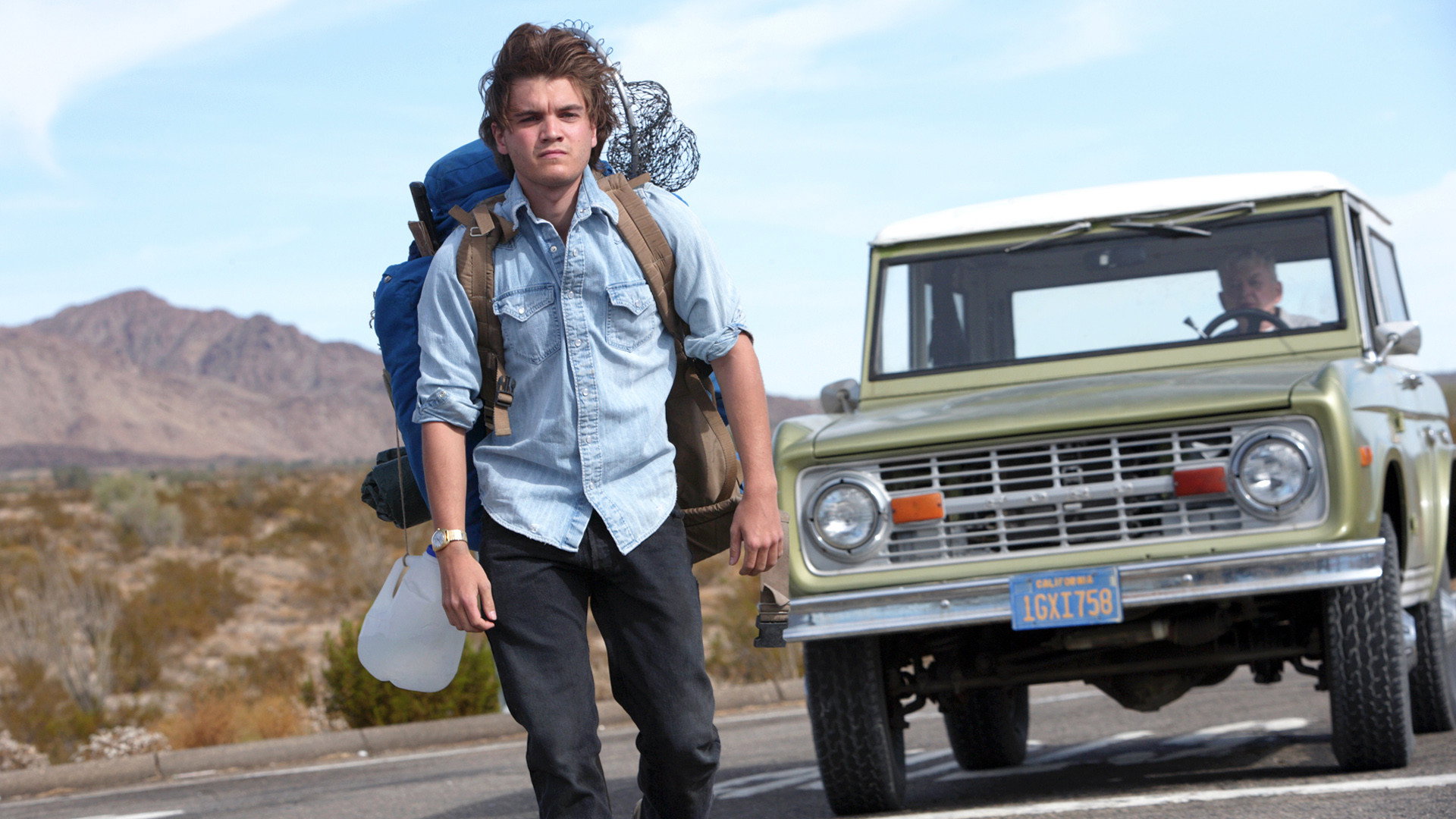
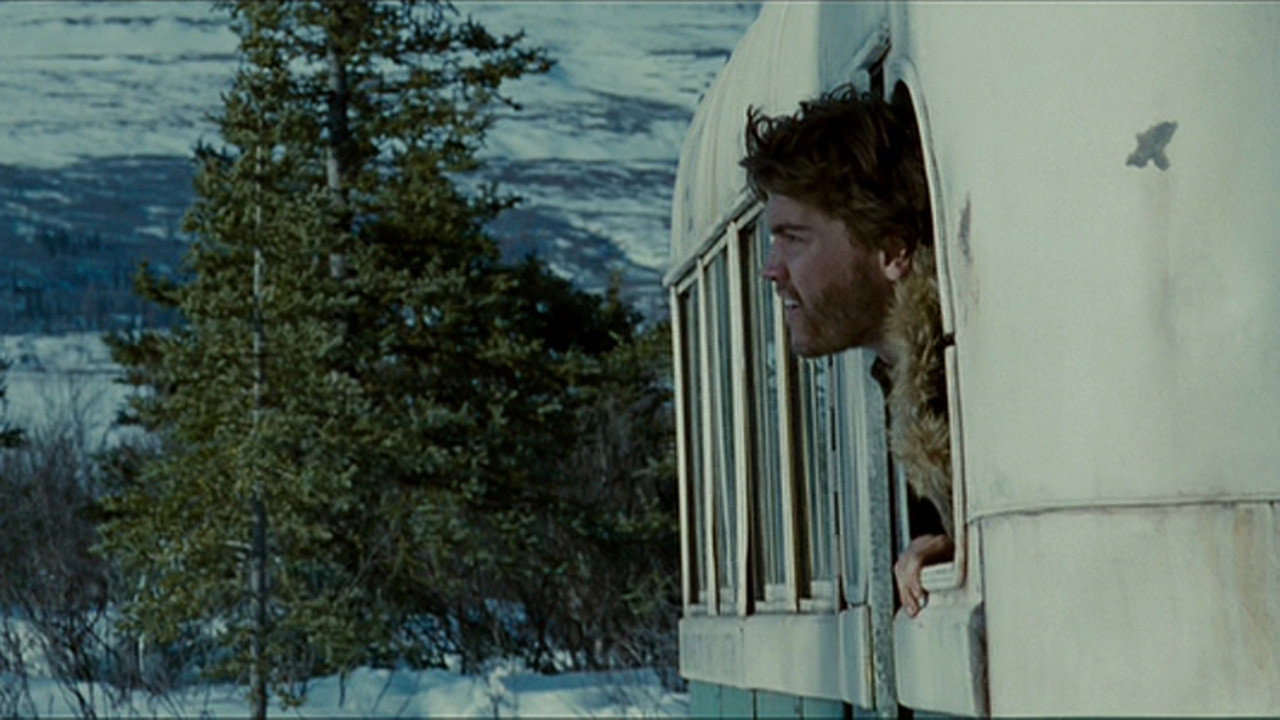
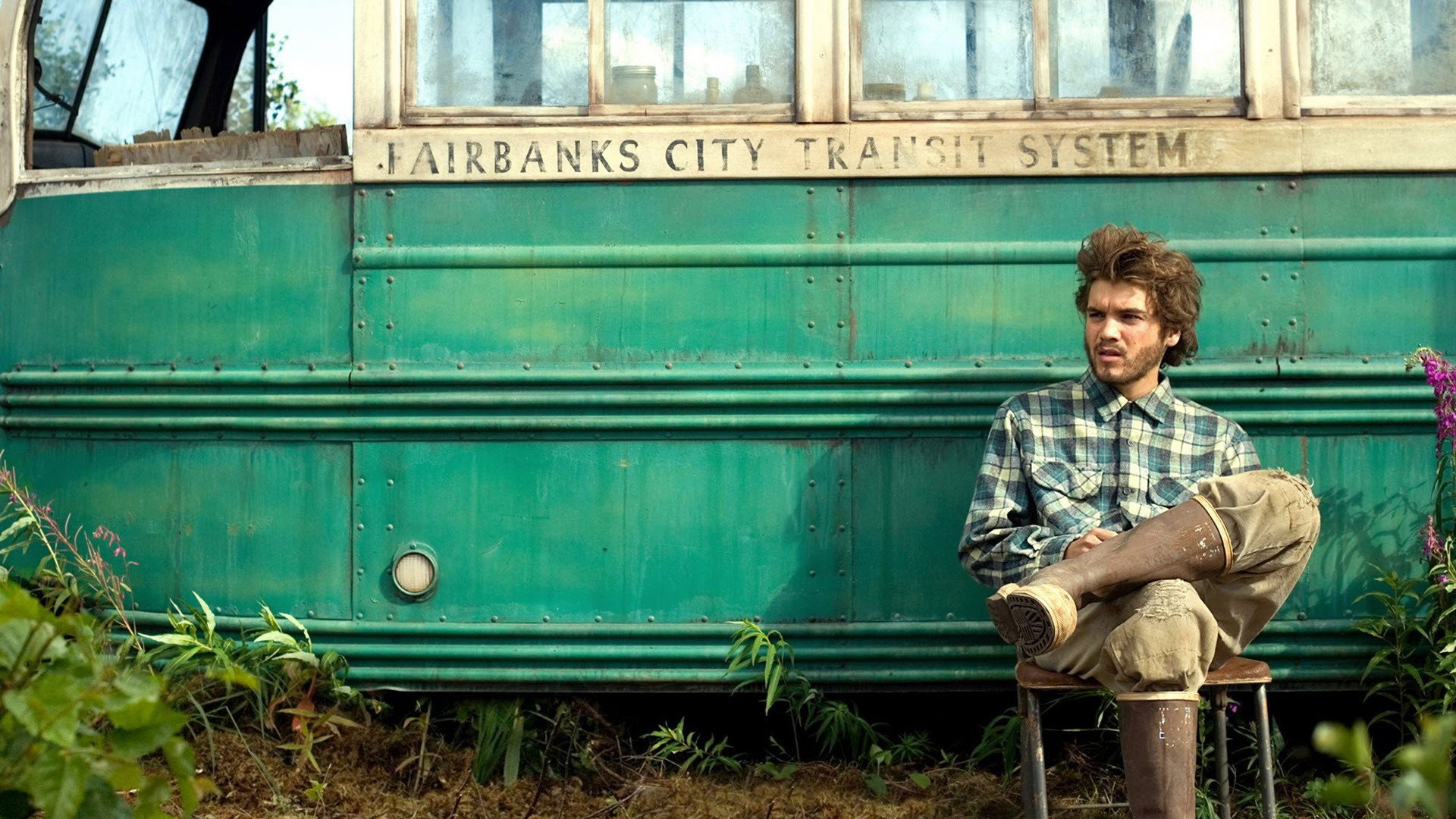
Christopher McCandless (Emile Hirsch), also known as Alexander Supertramp, sets out on a journey through America towards the wilderness. Sean Penn’s drama follows his search for freedom and the people he meets along the way, with Catherine Keener as Jan Burres, Vince Vaughn as Wayne Westerberg and Hal Holbrook as Ron Franz. As McCandless pursues a life away from conventional expectations, his idealism shapes his encounters with others and his relationship with the natural world. The film draws on a true story, with Jena Malone providing additional narration as Carine McCandless.

Plays from YouTube when you press play; nothing loads from them until then.

Fi1m review

Sean Penn’s road drama is moving, expansive and too indulgent towards its restless hero. Emile Hirsch and a fine supporting cast make the journey worth taking, even when the film’s reflections keep us waiting.

Sean Penn’s Into the Wild is a good road film that asks us to admire its central traveller a little too often. Christopher McCandless’s search for freedom gives Penn room for landscapes, chance encounters and long stretches of reflection, and much of it is absorbing. The film takes seriously the desire to get away from an ordinary life. It also has the humour and warmth to make that desire feel inviting, even when McCandless himself tries our patience.

Emile Hirsch is the reason this does not become an extended lecture about living properly. As McCandless, also known as Alexander Supertramp, he has the openness to make an encounter feel welcome, even when the character’s certainty deserves a raised eyebrow. We can see why people take an interest in him. Hirsch allows idealism and selfishness to coexist, and his performance leaves us more room to question the young man than Penn’s screenplay always seems prepared to grant.

Catherine Keener’s Jan Burres and Hal Holbrook’s Ron Franz give the film a welcome change of emphasis. Their performances make the people McCandless encounters worth watching in their own right, rather than simply useful stops on his journey. Holbrook in particular brings a tenderness that does not need a speech about freedom to justify its place in the film. Penn is generous with his supporting actors, and the warmth of these passages helps us understand why this life might appeal.

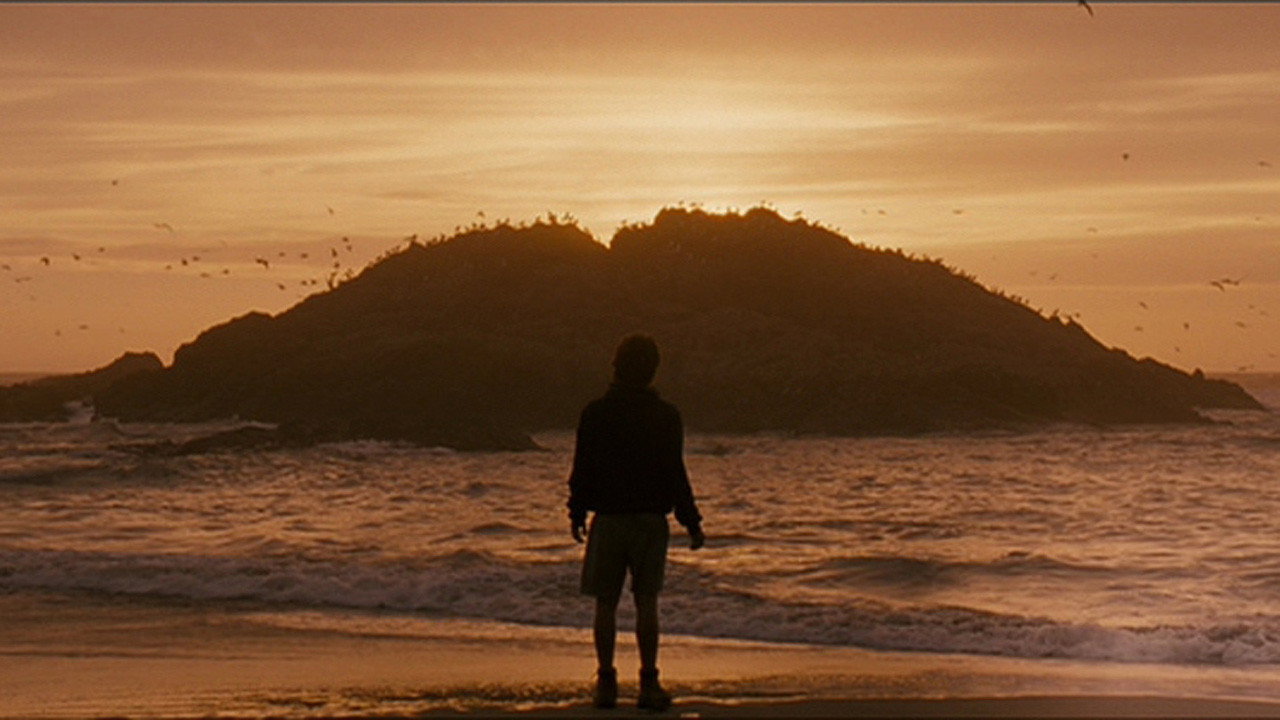
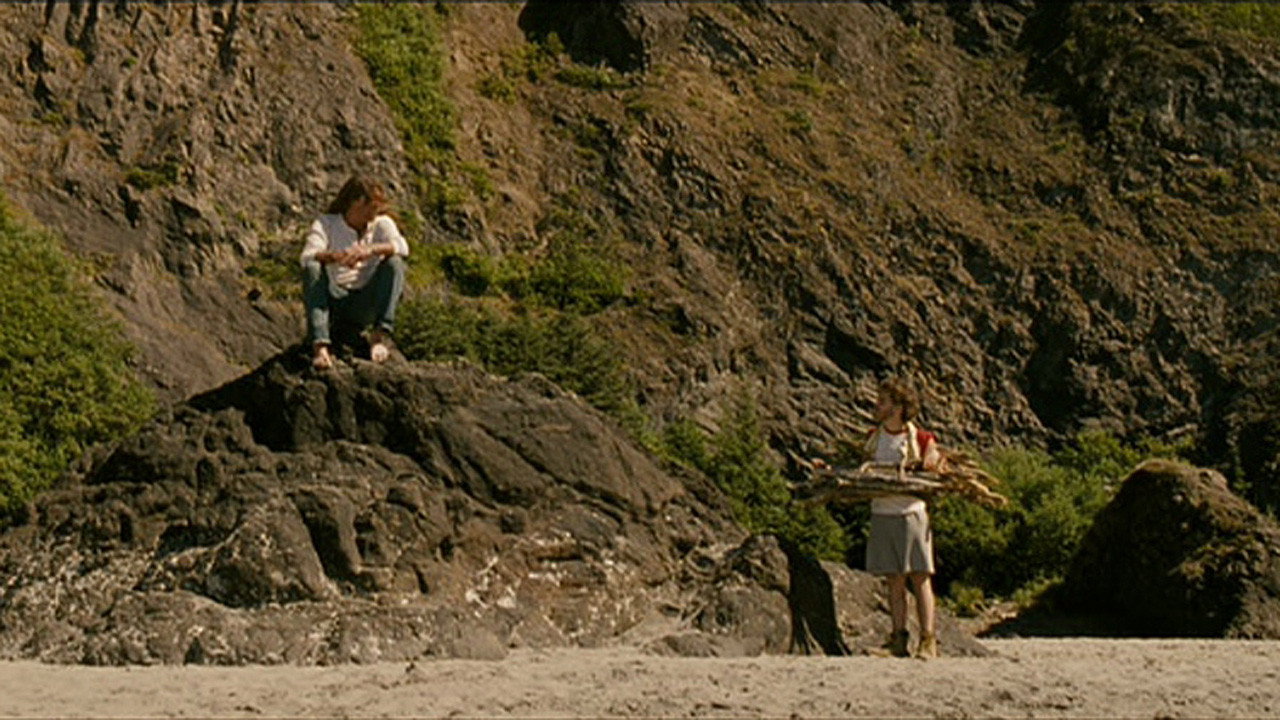
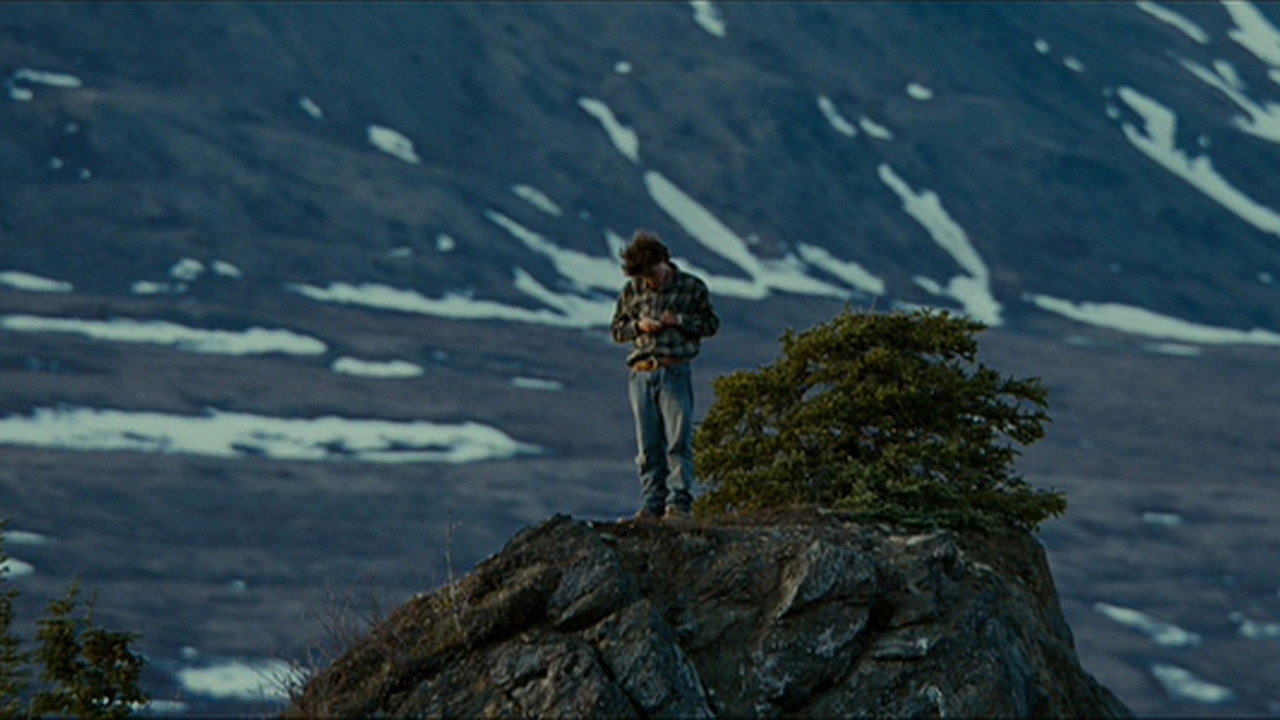
Éric Gautier’s landscape photography is central to that appeal: the open spaces receive enough attention to make the urge to explore comprehensible. We felt a strong longing to be out there when the wilderness filled the screen. The scale of those views explains McCandless’s restlessness more effectively than the spoken reflections, though their beauty also makes it easier to overlook his self-importance. Derek R. Hill’s production design helps the human surroundings feel lived-in, a useful restraint when the scenery is already doing so much.

Jay Cassidy’s editing allows the encounters to breathe, although the larger arrangement can feel forced. At 148 minutes, the film lets some passages linger after their point is clear, and the repeated pauses for reflection begin to slow its progress. The music by Eddie Vedder, Michael Brook and Kaki King gives the journey a persuasive forward pull. It also contributes to the sense that Penn wants our wholehearted agreement, when a little more room to doubt McCandless would have made the film stronger.

Penn keeps explaining why we should value McCandless’s choices after Hirsch has given us enough reason to watch him make them. The spoken commentary is particularly insistent, turning ideas we might have considered into lessons we are expected to accept. That is frustrating because the character’s self-importance is part of what makes him interesting. We could have been allowed to spend more time wondering whether he is right.

A road film has an advantage over its traveller: it can pay attention to people he does not yet understand. Penn uses that freedom well enough to keep the encounters interesting even when McCandless’s thinking becomes repetitive. If wandering stories are your sort of thing, this one earns the long evening. There is no need to agree with the man at its centre.
Critical consensus AI synthesised

71
Positive
4
Mixed
1
Negative
1

Most critics respond warmly to Sean Penn’s account of Christopher McCandless’s journey, with praise clustering around the landscape photography and performances. Emile Hirsch is widely credited with making McCandless’s idealism compelling, while the supporting cast gives weight to the people he encounters. The wilderness sequences convey the attraction of his wandering even for reviewers who question his choices. Several reviews also find warmth and emotional force in the film’s attention to human connections.

The main divide concerns how closely Penn shares his protagonist’s view of himself. The AV Club finds that the loose style respects McCandless’s contradictions, while Slant Magazine argues that romanticisation takes the place of analysis. Reservations also gather around the length, forced narrative structure and passages of overworked philosophising. The spread is wide: admirers find an affecting journey, while detractors struggle with a film they consider too indulgent towards its central character.

The AV Club
20 September 2007 · A- · Scott Tobias
90

Penn honors McCandless’s slippery nature and captures the bittersweet quality of the story intuitively, even as he is clearly awed by the grand adventure. The loose style suits a life lived on the fly, with vividly sketched supporting characters.

Read the full review →
Radio Times
★★★★ · Jamie Russell
80

The film movingly explores the American wilderness through McCandless's Thoreau-inspired quest, with magnificent cinematography and a strong lead performance that balances idealism and selfishness.

Read the full review →
Time Out
12 November 2007 · ★★★ · Dave Calhoun
60

Penn is overly sympathetic and uncritical toward McCandless, limiting viewer judgment of the character, but the photography, pacing, and supporting performances are handled deftly.

Read the full review →
Empire
28 October 2007 · Dan Jolin

Penn delivers his most ambitious film yet, a beautiful and thought-provoking road movie that profoundly affects viewers with its depiction of McCandless's odyssey. The critic singles out the strong performances, especially Hirsch's, and the emphasis on nature photography and human connections.

Read the full review →
Los Angeles Times
21 September 2007 · Kenneth Turan

Penn’s warmest and most celebratory film is a completely congratulatory portrait that mythologizes McCandless as an avatar of advanced consciousness. It succeeds due to Hirsch’s appealing openness and life force, along with striking photography and strong music.

Read the full review →
Screen Daily
4 September 2007 · festival review

Penn delivers an exhilarating if unwieldy road movie that hymns nature, humanity and freedom while establishing him as a filmmaker of vision, buoyed by strong performances and visuals.

Read the full review →

Cast

Stills

Awards

Academy Awards, 2008

Nominated
Best Film Editing
Nominated
Best Supporting Actor

If you liked this, try…

Wild poster

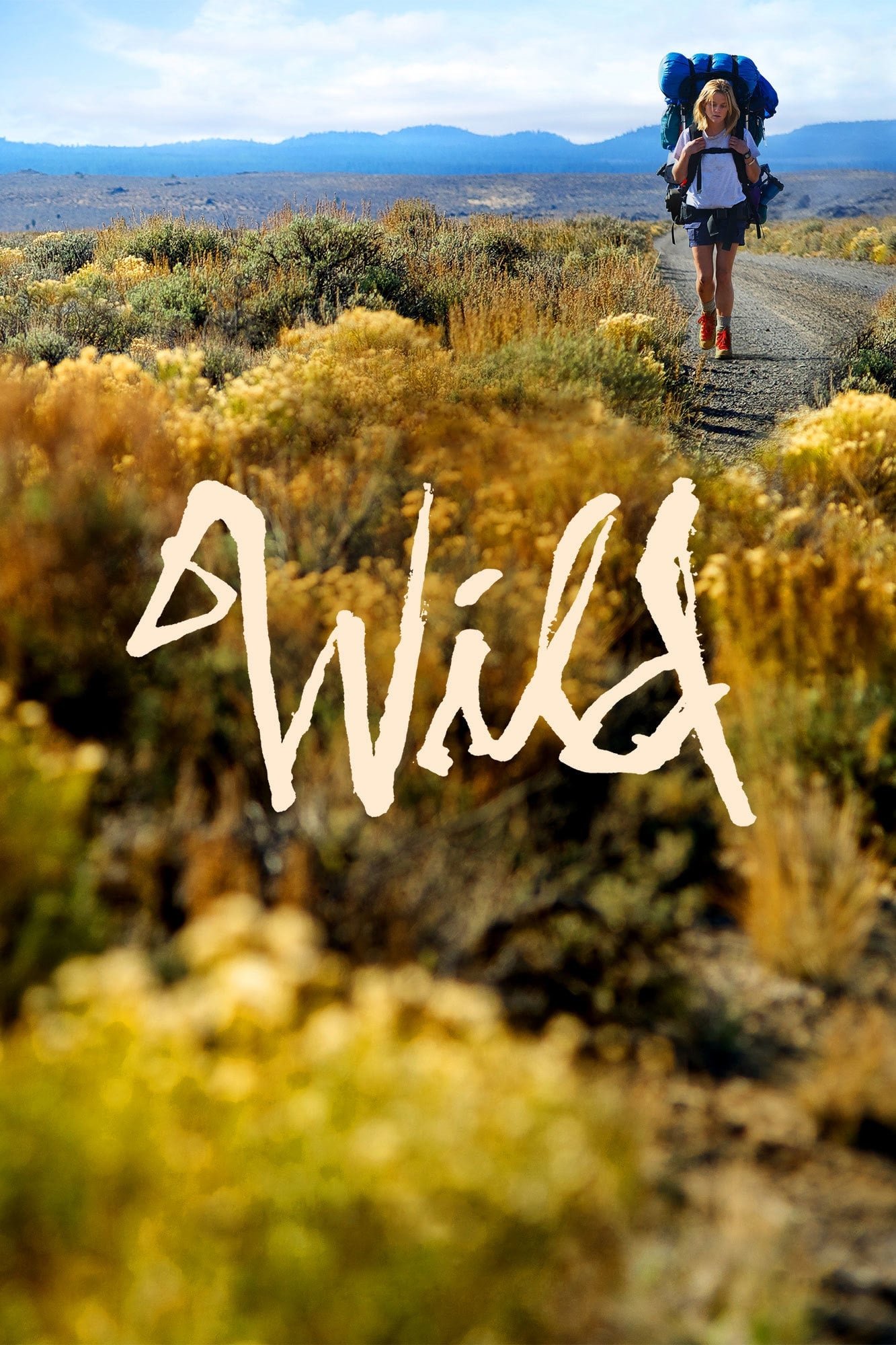
Wild

2014 · Another solitary journey, with more room for embarrassment, doubt and practical discomfort.

Vagabond poster

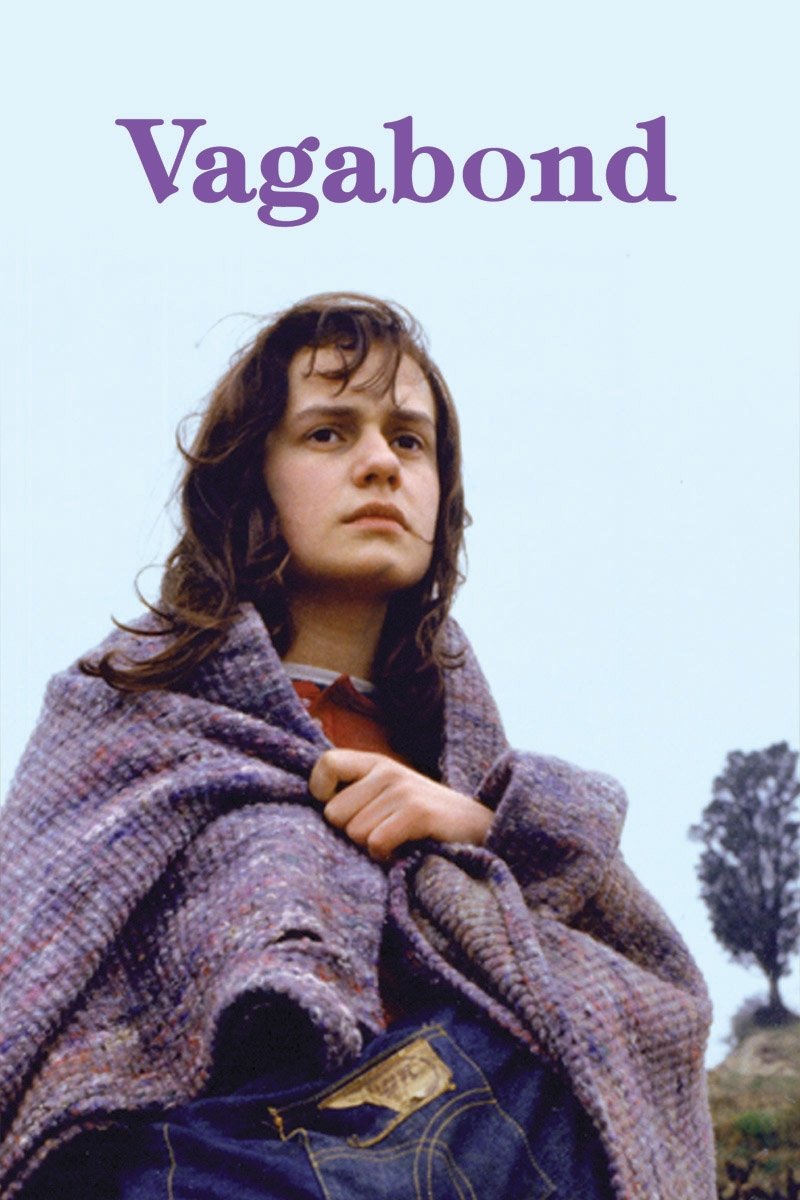
Vagabond

1985 · A harsher account of freedom that lets the people left behind answer back.

The Straight Story poster88

The Straight Story

1999 · A slower American journey, attentive to strangers and the dignity of accepting help.

Walkabout poster

Walkabout

1971 · For landscape photography that makes wilderness alluring without pretending it exists for us.

Leave No Trace poster

Leave No Trace

2018 · Life away from society, considered through the needs of two people rather than one.