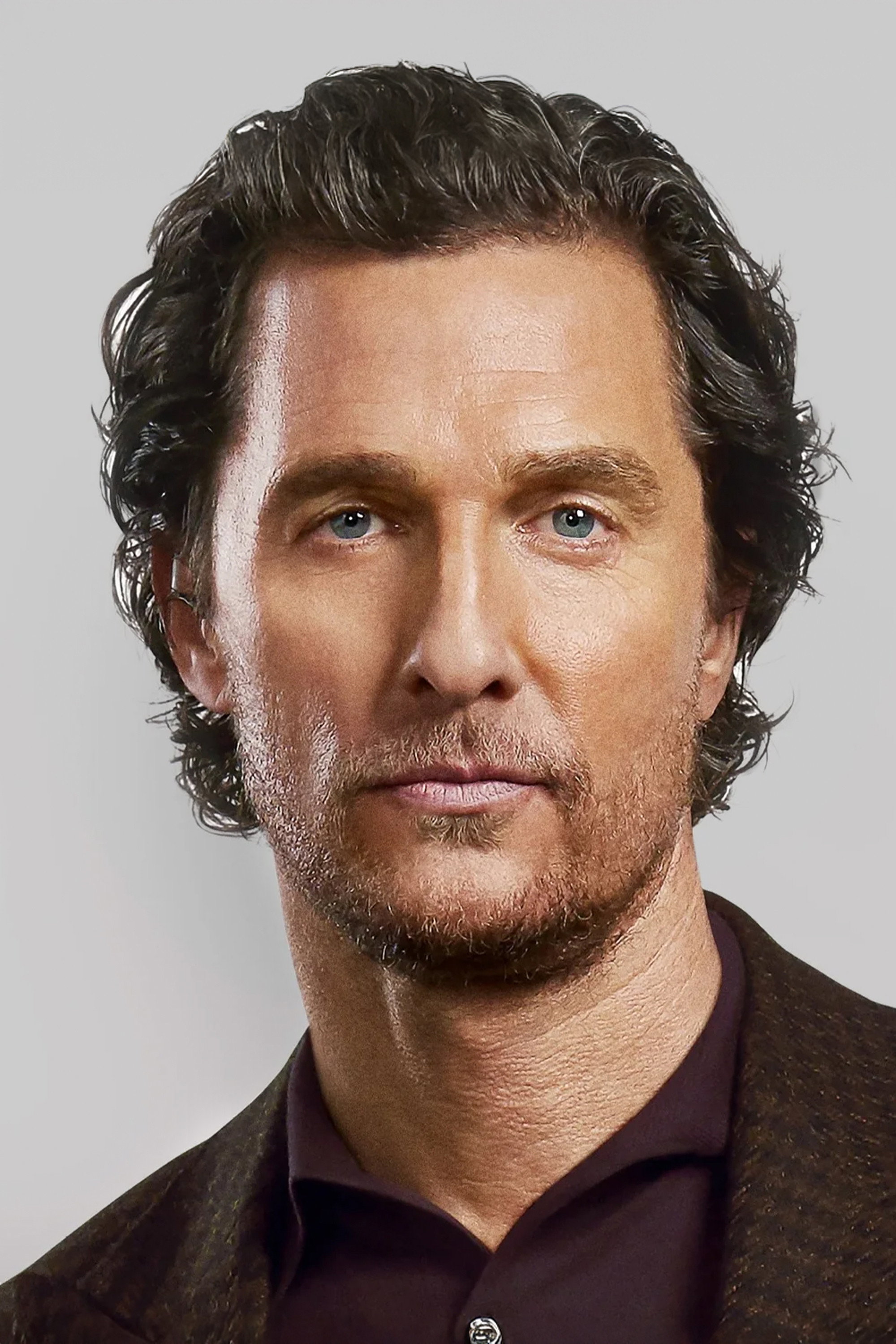
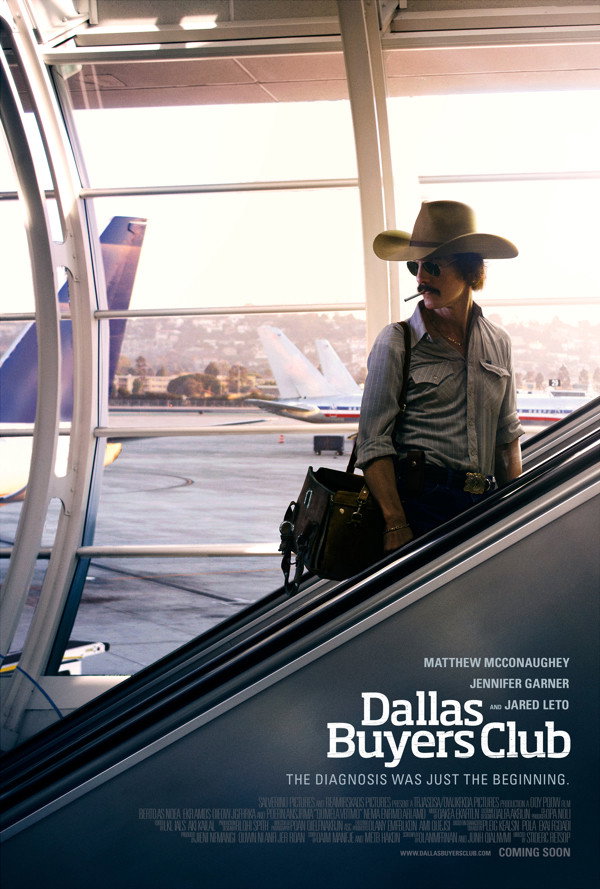
Matthew McConaughey gives Dallas Buyers Club a difficult, persuasive centre as a sick man who refuses to become agreeable. The drama is worth seeing for its performances, with less to offer on the politics of treatment.
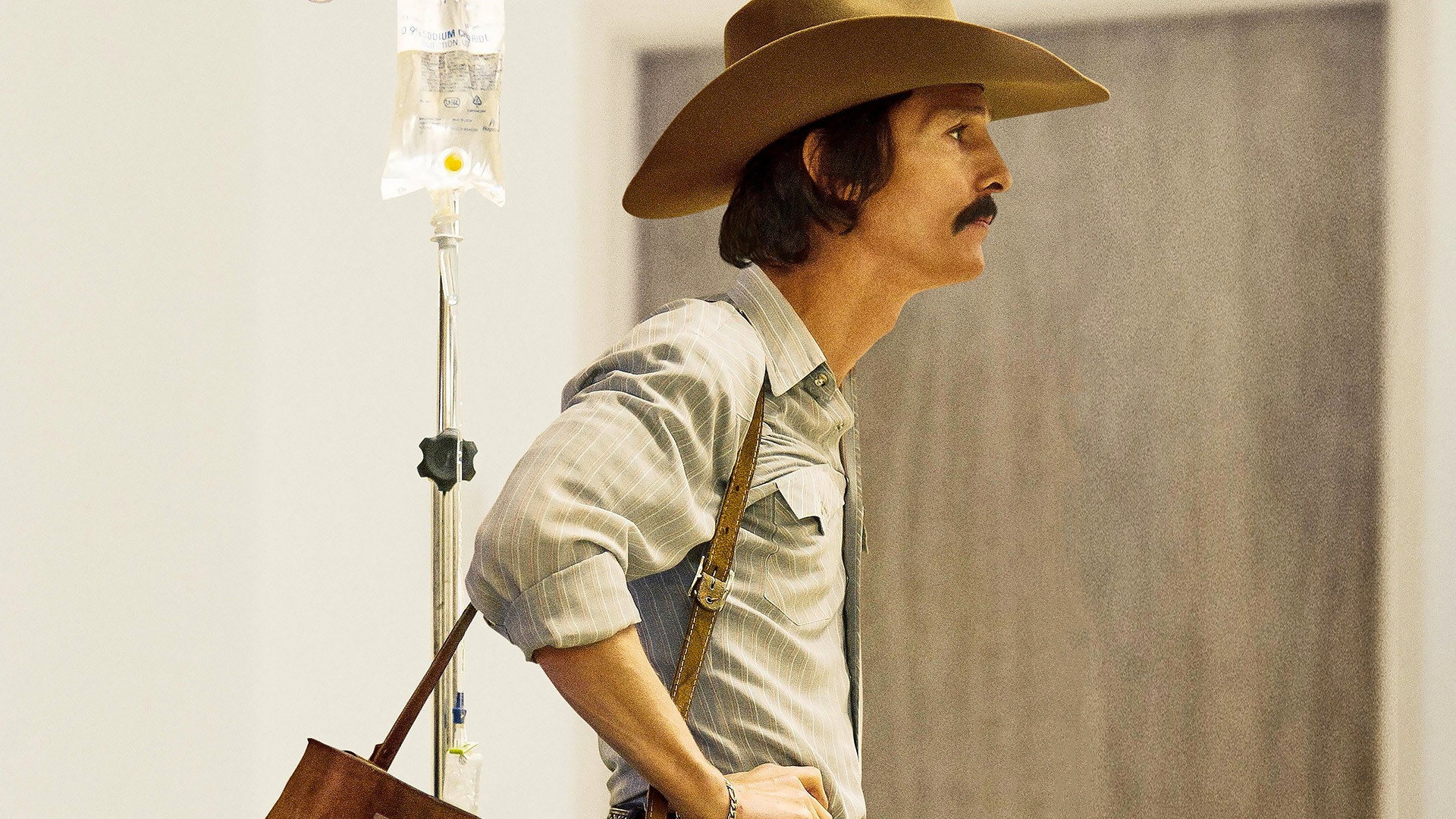
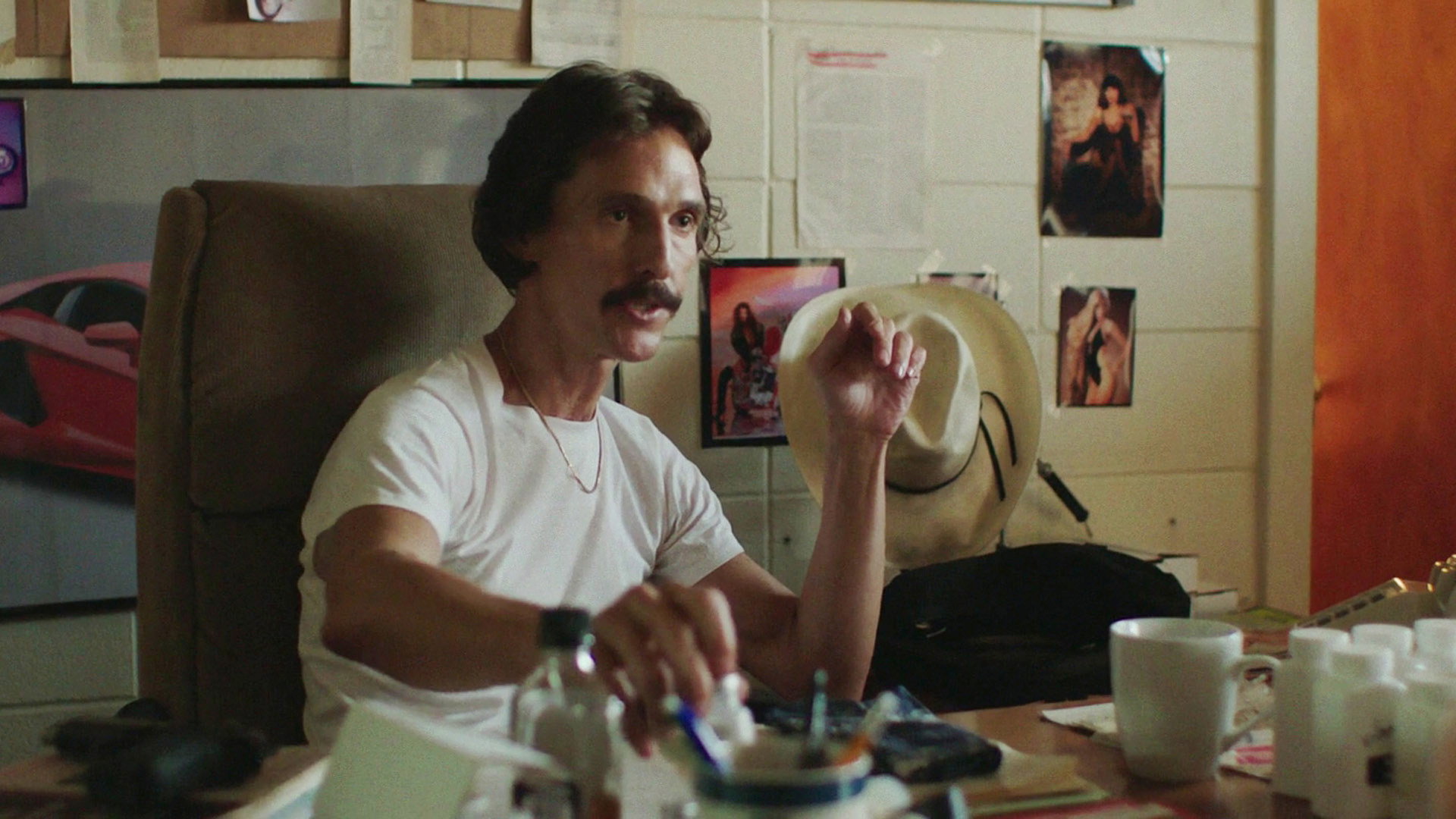
Jean-Marc Vallée directs Dallas Buyers Club as a survival drama about a man whose first response to vulnerability is to become more difficult. It is good, often affecting work, worth seeing for the performances rather than for a thorough account of the politics surrounding AIDS treatment. Ron Woodroof’s homophobia is allowed to be ugly, and his determination is not automatically presented as generosity. That gives Matthew McConaughey something more demanding to play than admirable persistence.
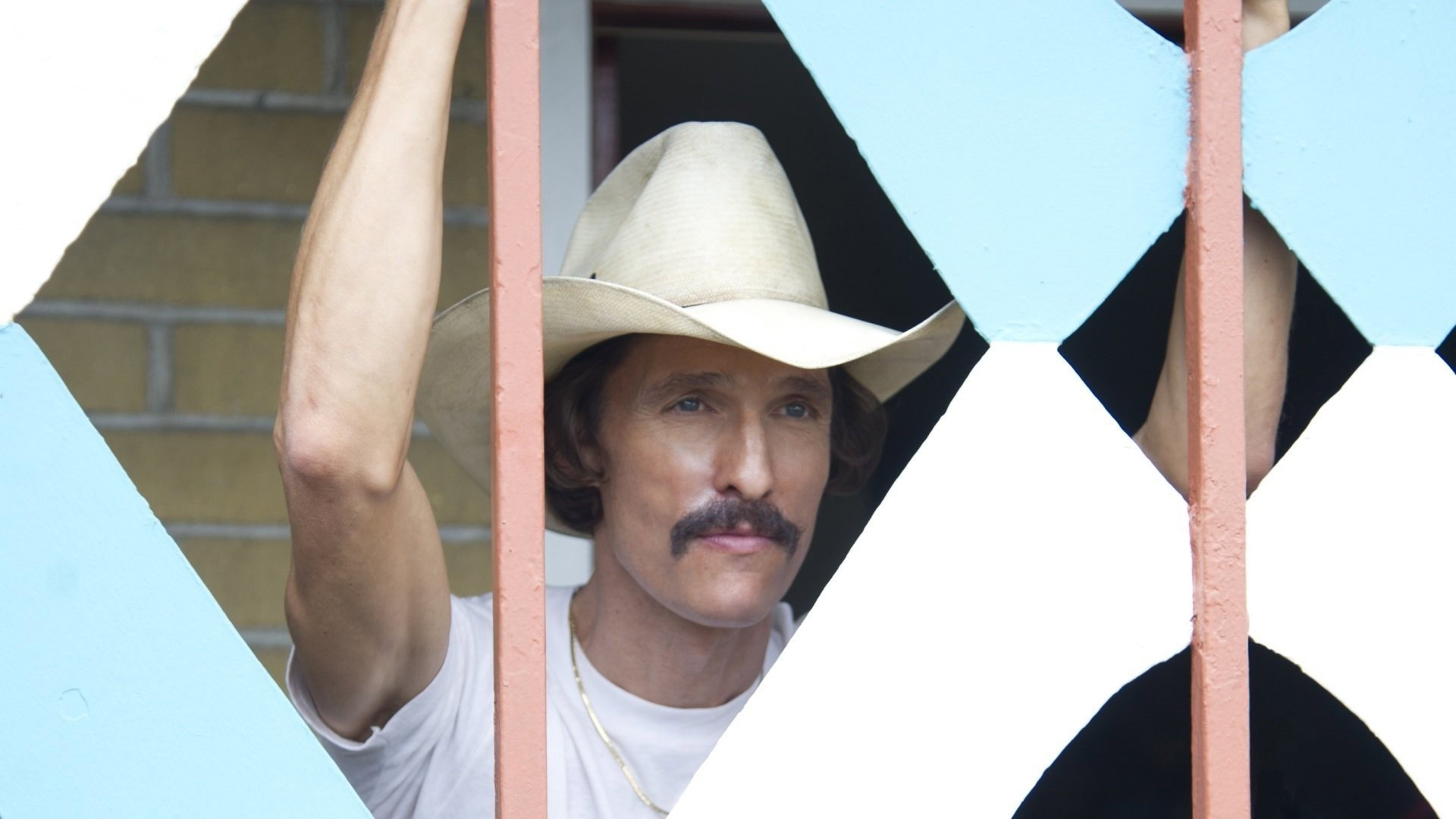
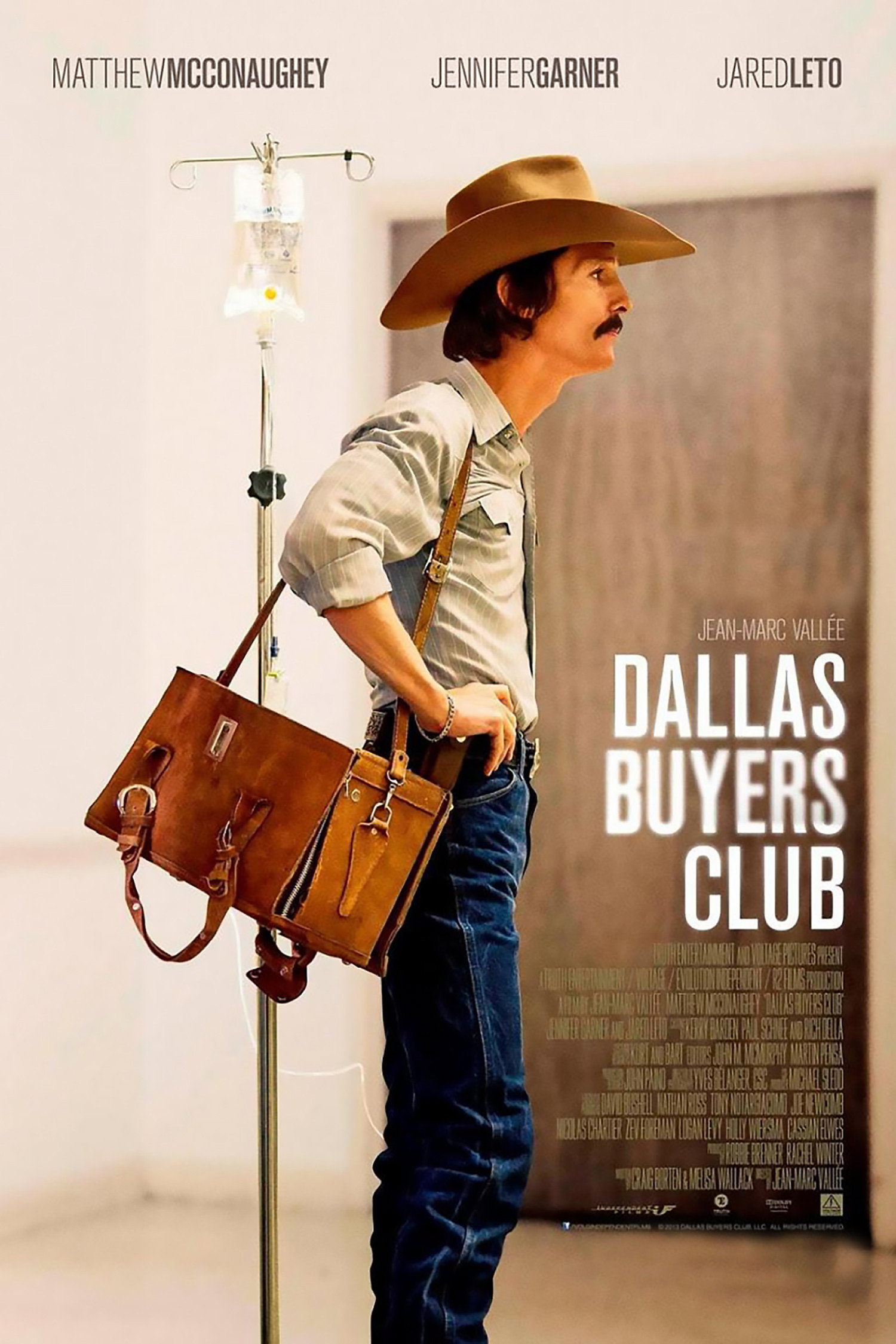
The physical frailty matters, but Matthew McConaughey does more than make illness visible. He keeps the swagger and impatience active, letting us see how much effort it takes to preserve the old manner when the body is failing. We were moved by his determination to keep sounding combative when he looks so ill. The humour comes from the same place: this is a man trying to retain the upper hand even when he is asking for help.
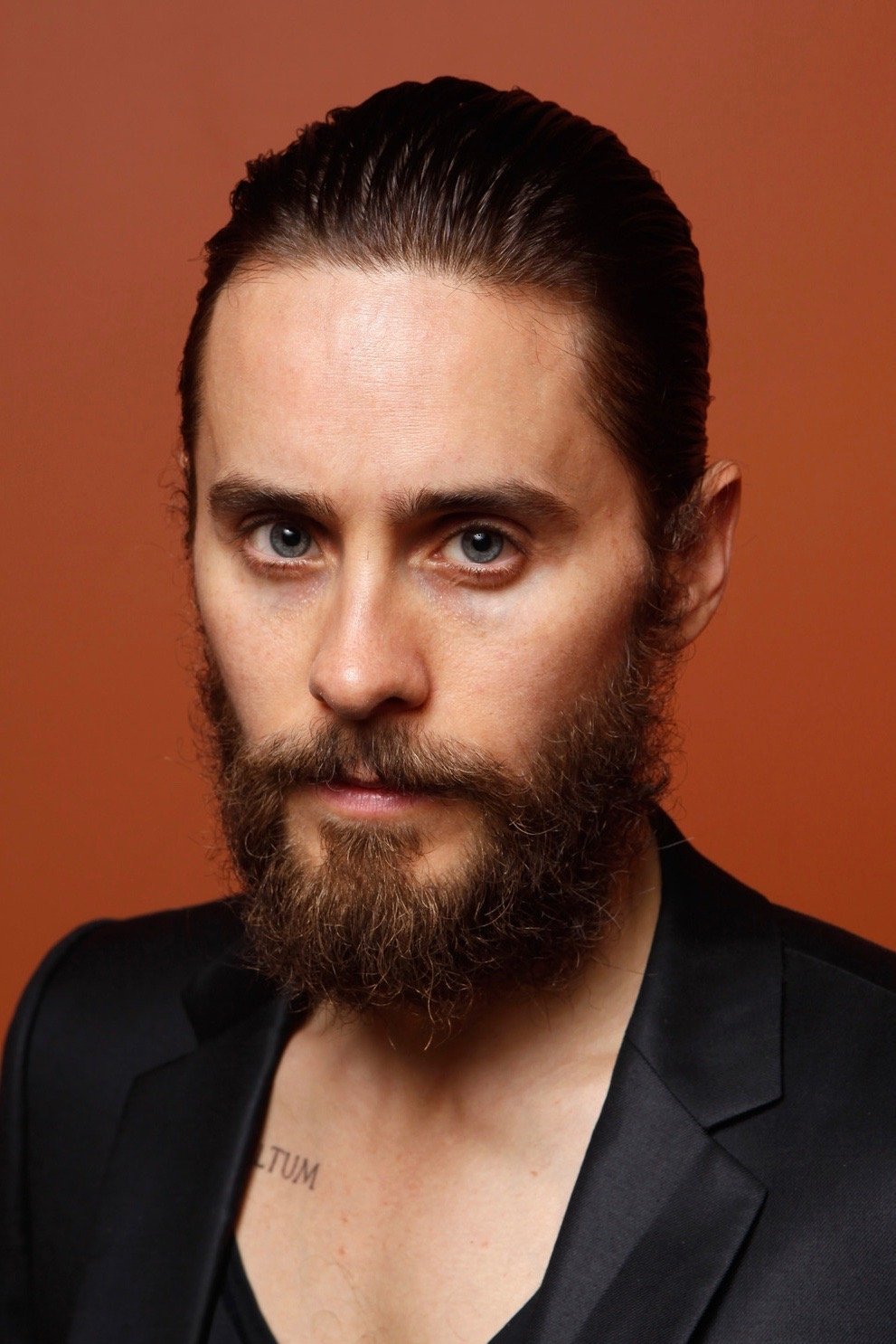
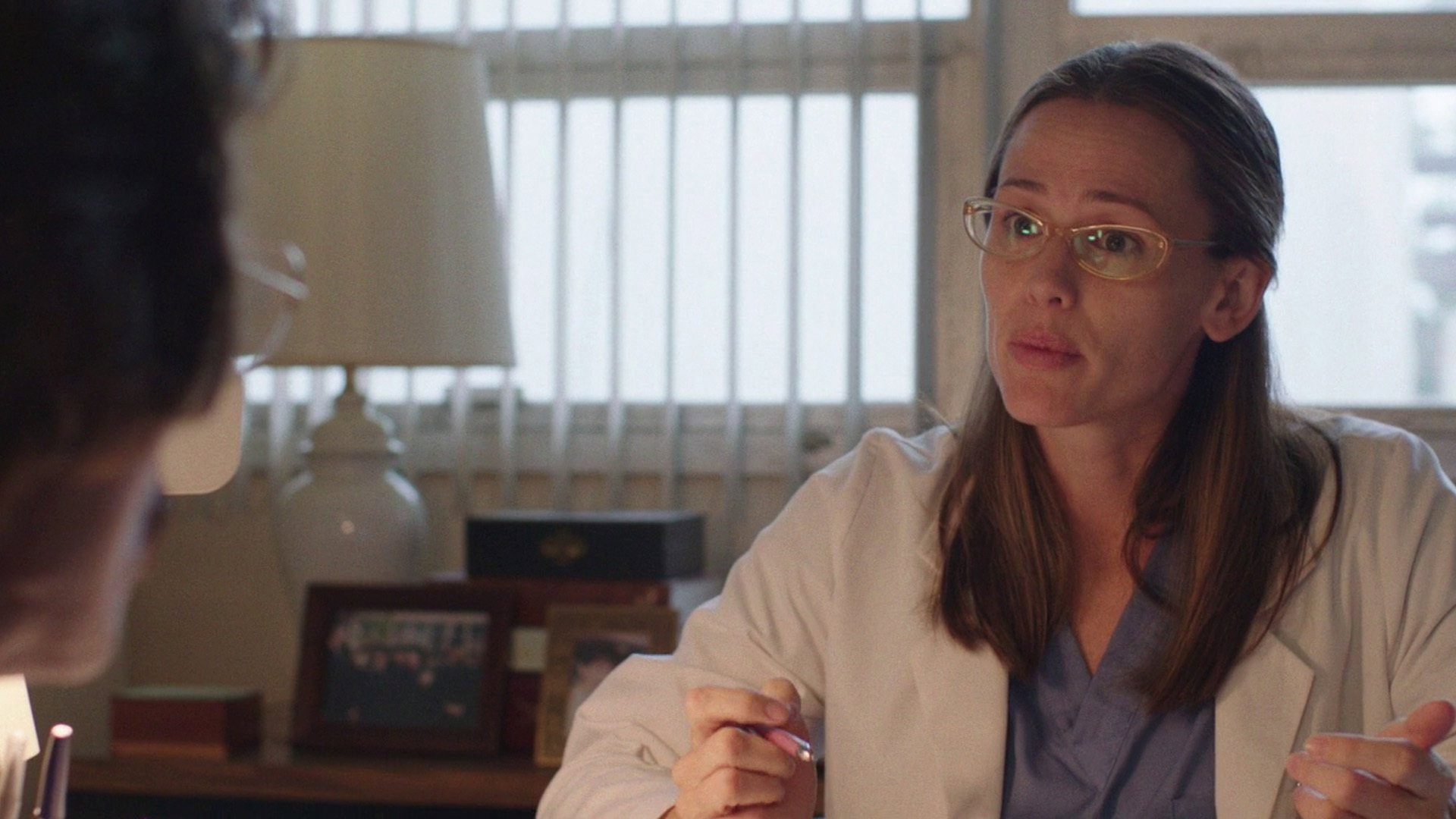
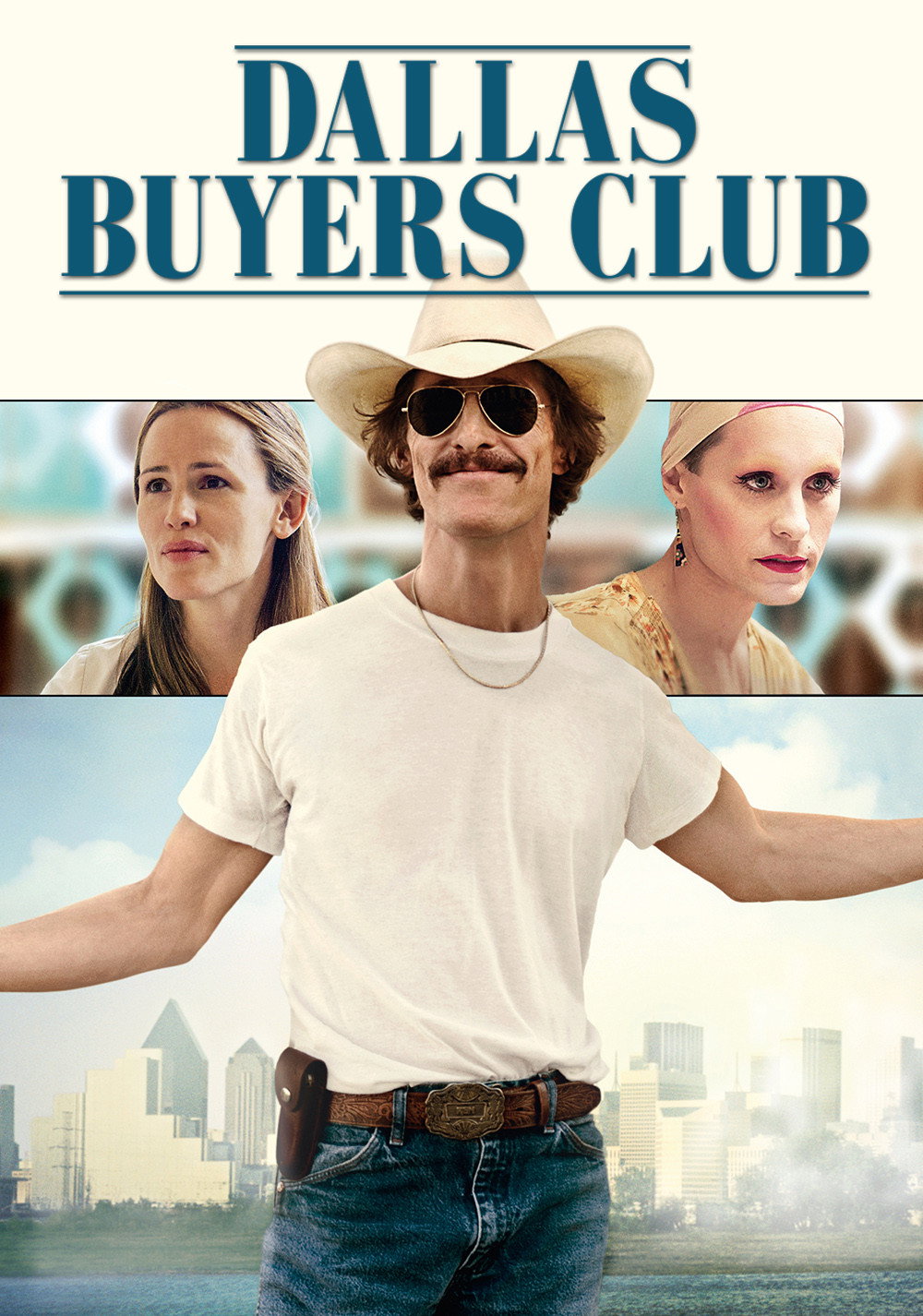
Jared Leto gives Rayon enough bite to make the relationship with Ron feel like an encounter between people who can irritate each other. Their chemistry makes the exchanges enjoyable without requiring us to forget the prejudice behind them. Jennifer Garner brings a useful calm to Eve, though the part receives less attention than either of the central pair. The supporting performances help keep the drama human when the writing begins steering everyone towards Ron’s next lesson.
Yves Bélanger’s cinematography keeps the strain in faces legible without making Ron’s appearance the only thing to look at. The attention to physical discomfort helps the film resist the reassuring neatness of an inspirational biography. John Paino’s production design is similarly restrained, with surroundings that seem used rather than arranged for our inspection. That restraint works, although the wider community never becomes as tangible as the central performers; we get a clearer sense of Ron’s exhaustion than of the lives around him.
The editing by Jean-Marc Vallée and Martin Pensa keeps the confrontations moving, so the film rarely stalls to announce that an important lesson has arrived. At 117 minutes, it has room for humour without making the illness seem like an inconvenient interruption. The music, credited to AA. VV., leaves the performances room to determine the mood. That is the right emphasis for a film whose laughs depend so heavily on the friction between its actors.
The screenplay by Melisa Wallack and Craig Borten is less convincing when individual resourcefulness begins to stand in for an account of the AIDS crisis. It gives us an obstinate man to follow and institutions to push against, but too little sense of people organising beyond his immediate circle. The medical dispute is made easier to follow than it is to examine. Rayon suffers particularly from that narrowing. The performance has to supply the independence that a character written partly to improve someone else is too often denied.
The familiar biographical shape will bother anyone hoping for an account of collective activism. Viewers looking for a prickly character drama have better reason to settle in. Watch it for the performances, then keep arguing about whose story ought to have been told.