Film review

Winnie the Pooh: Blood and Honey

2023 · Directed by Rhys Frake-Waterfield · 1h 24m · MPA NR

In a sentence84 minutes is a long time to spend waiting for a murderous bear to develop a personality

Horror

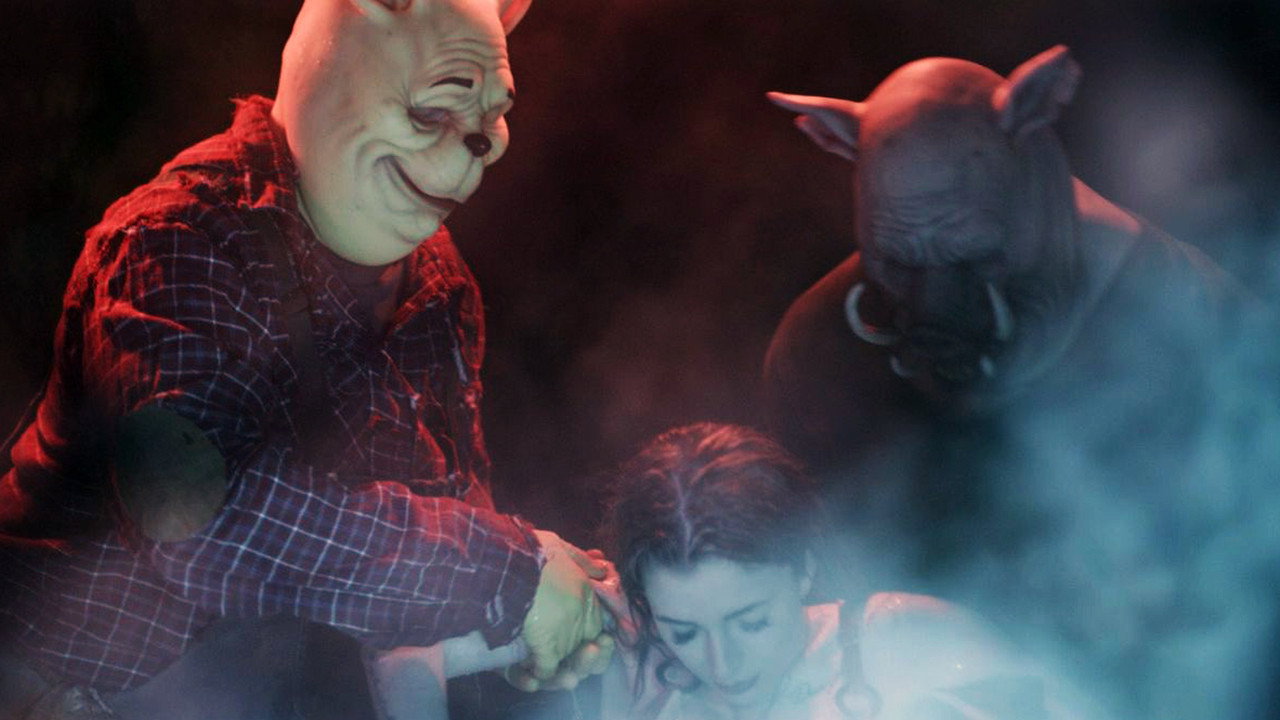
After Christopher Robin (Nikolai Leon) abandons them, Winnie the Pooh (Craig David Dowsett) and Piglet (Chris Cordell) become feral and turn to human flesh. Their anger at their former companion puts other people in danger, including Maria (Maria Taylor), Jessica (Natasha Rose Mills) and Alice (Amber Doig-Thorne). The women need to escape two killers who retain their animal faces but show no interest in friendship. Christopher Robin’s departure leaves them facing the violence of creatures whose grievance has nothing to do with them.

Plays from YouTube when you press play; nothing loads from them until then.

Fi1m review

Rhys Frake-Waterfield’s murderous Pooh offers a little effective gore and almost no suspense. The masks briefly disturb, but thin characters and sluggish cutting turn a provocative idea into an exhausting slasher.

Rhys Frake-Waterfield writes and directs Winnie the Pooh: Blood and Honey as a straight-faced slasher, a decision that would be defensible if the slashing generated much suspense. It does not, and the film is dull enough to make its 84 minutes feel like an unreasonable request. There is nothing inherently wrong with turning a childhood companion into a monster; we can imagine a nasty little horror film about the fear of being abandoned. This one mostly wants to put familiar animal faces on killers.

The grievance belongs to Winnie the Pooh and Piglet, abandoned by Christopher Robin (Nikolai Leon), but the screenplay spends much of its attention on young women who did not cause it. Maria (Maria Taylor), Jessica (Natasha Rose Mills) and Alice (Amber Doig-Thorne) need enough individual life for their danger to matter. They get too little. The performers are left trying to make distress do the work that characterisation should have done, and we cannot blame them for failing to manage it.

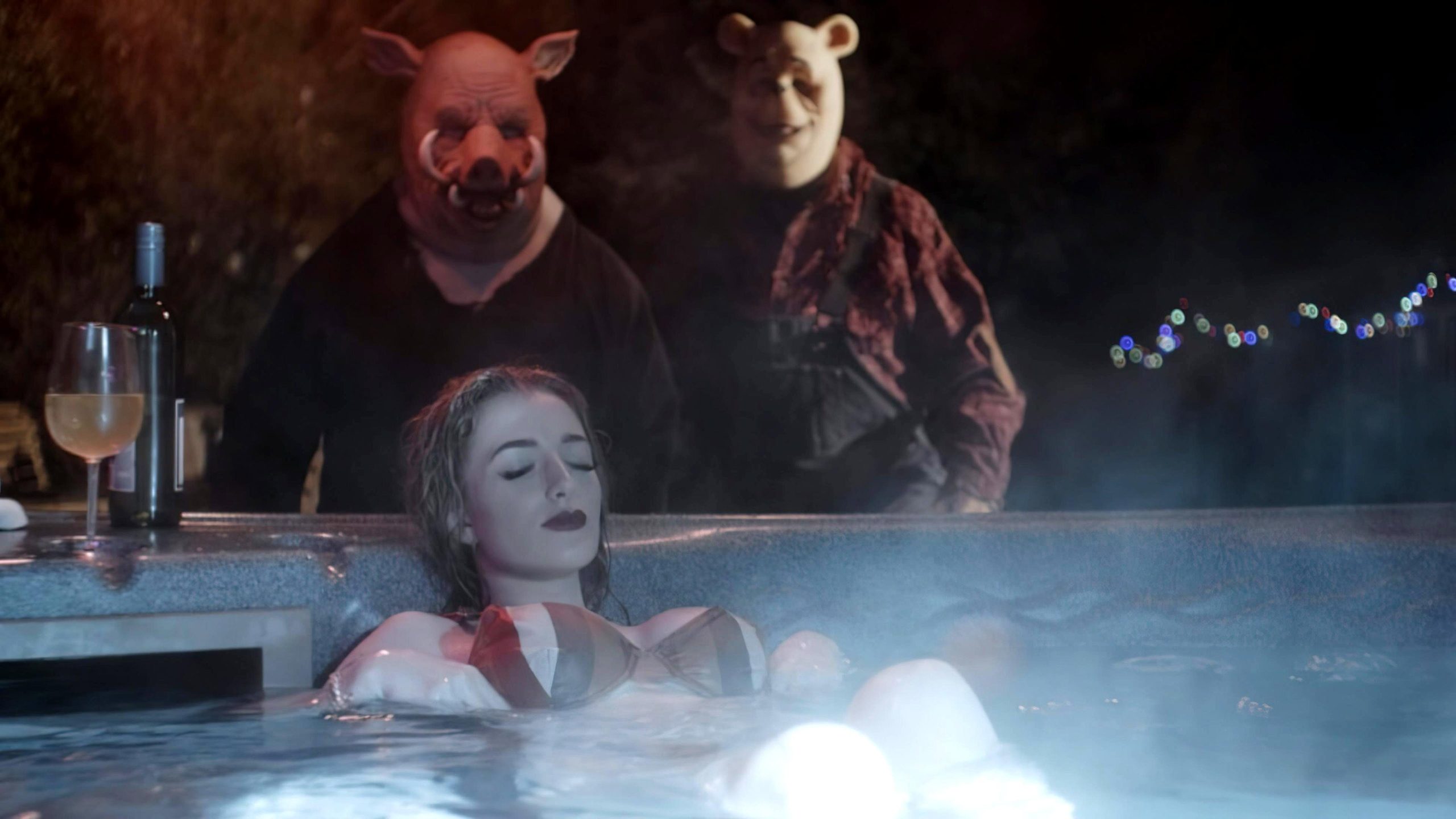
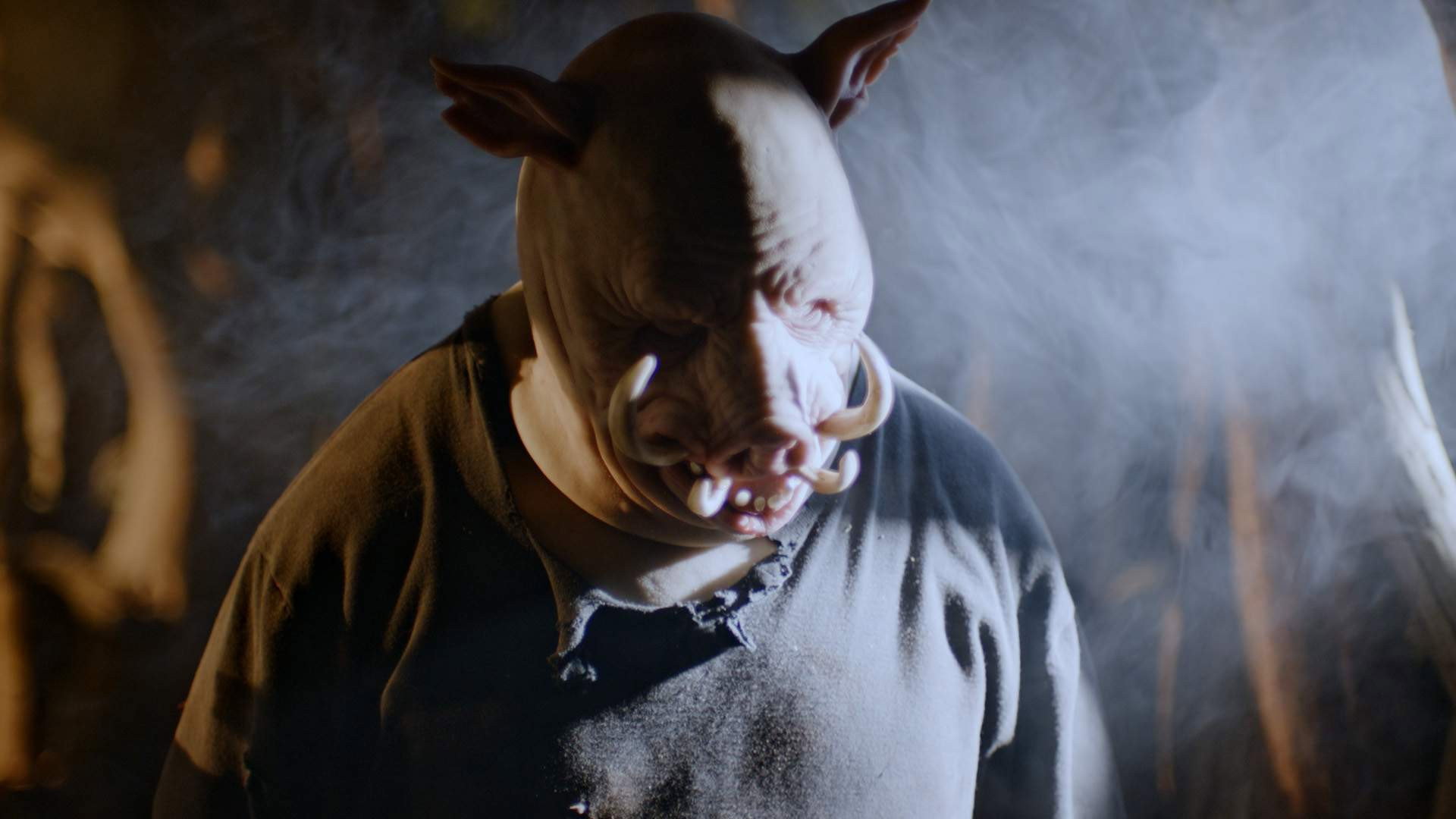
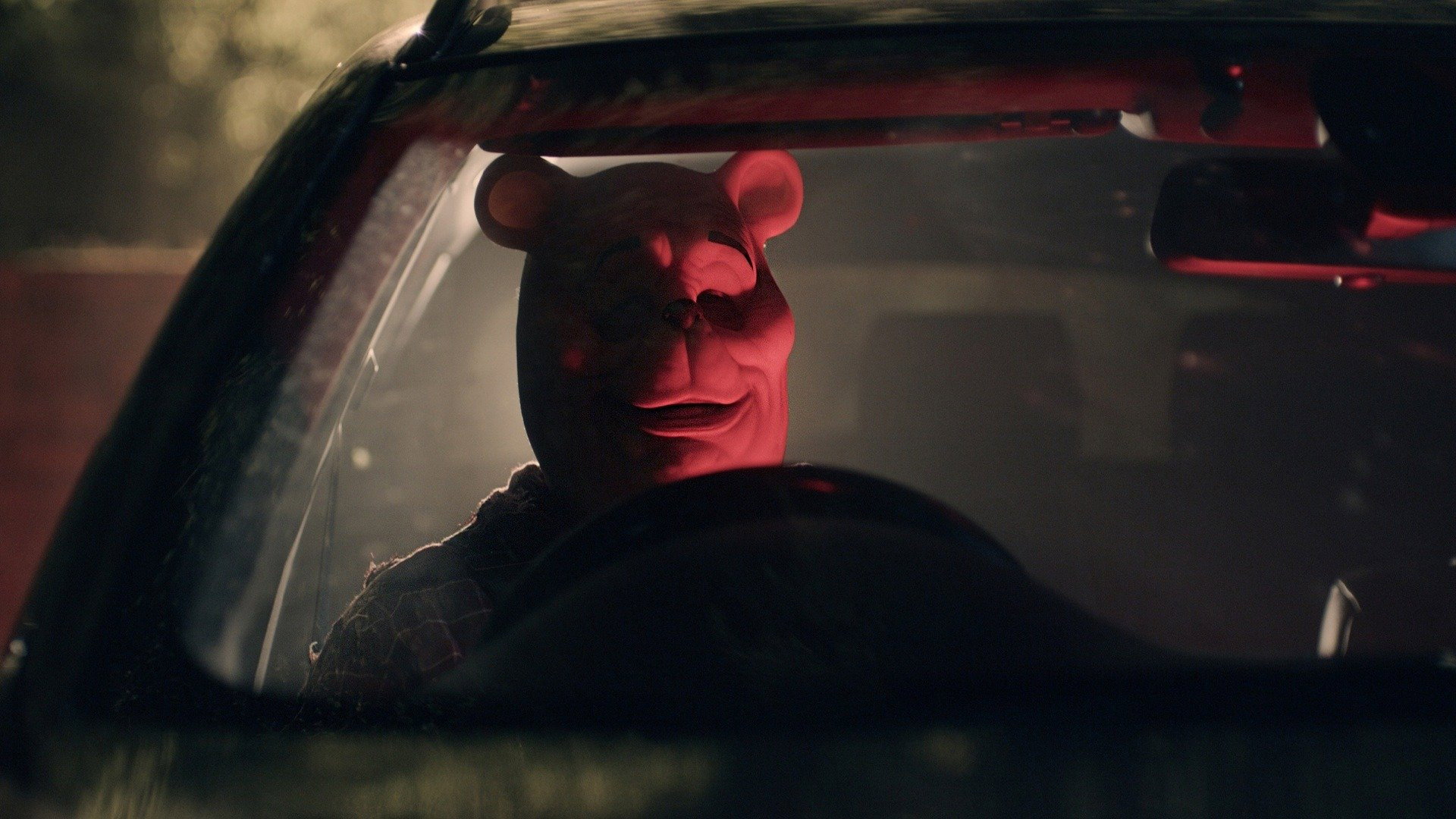
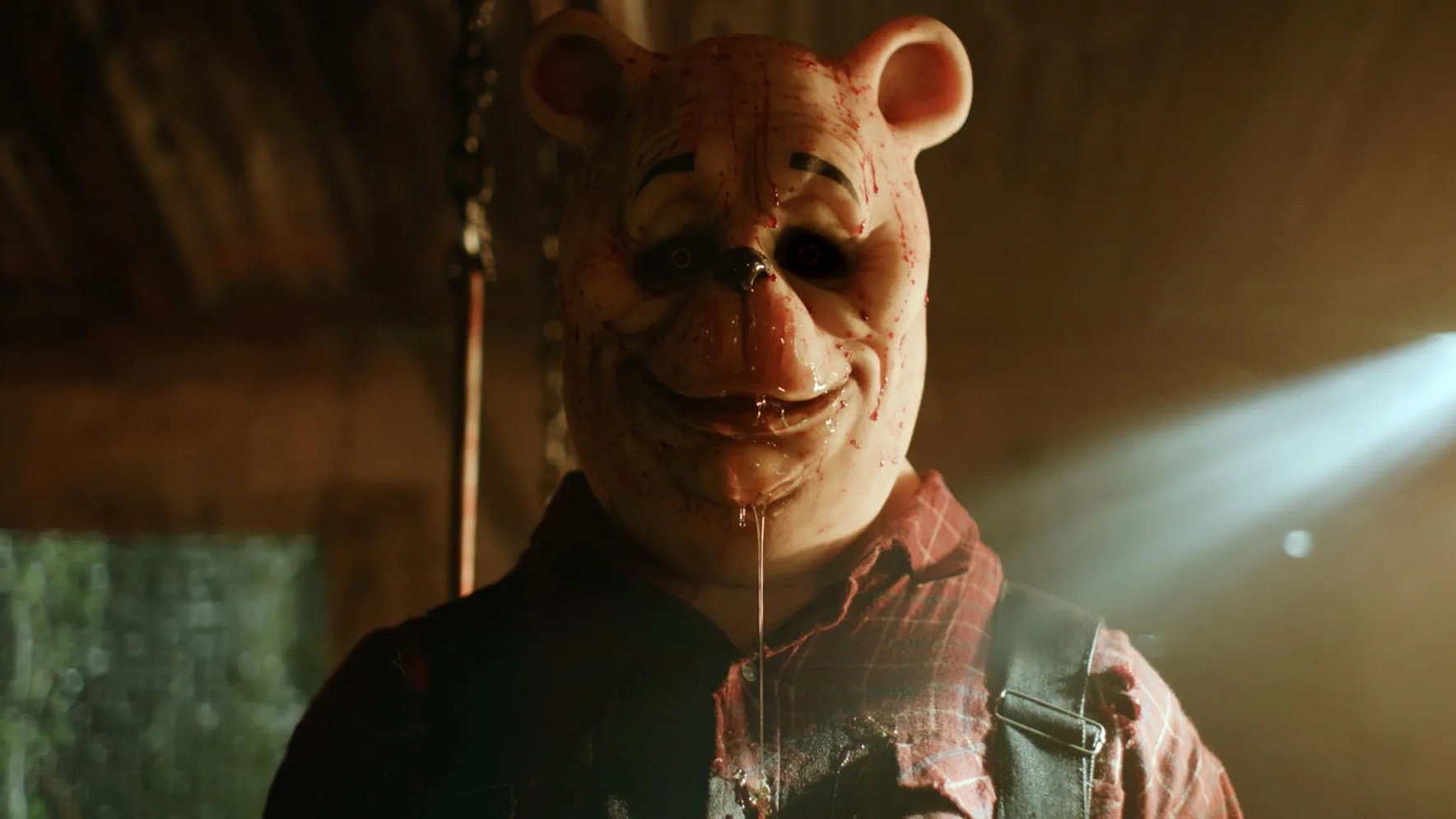
The creature masks offer the film’s one useful visual idea. Their fixed expressions briefly unsettled us, because they give the violence no readable emotion and leave us staring at faces that cannot respond. Winnie the Pooh is played by Craig David Dowsett and Piglet by Chris Cordell, but both performers face the same restriction: the masks allow them almost no expression. Kept in view, they soon look like awkward costumes, and the threat wears off.

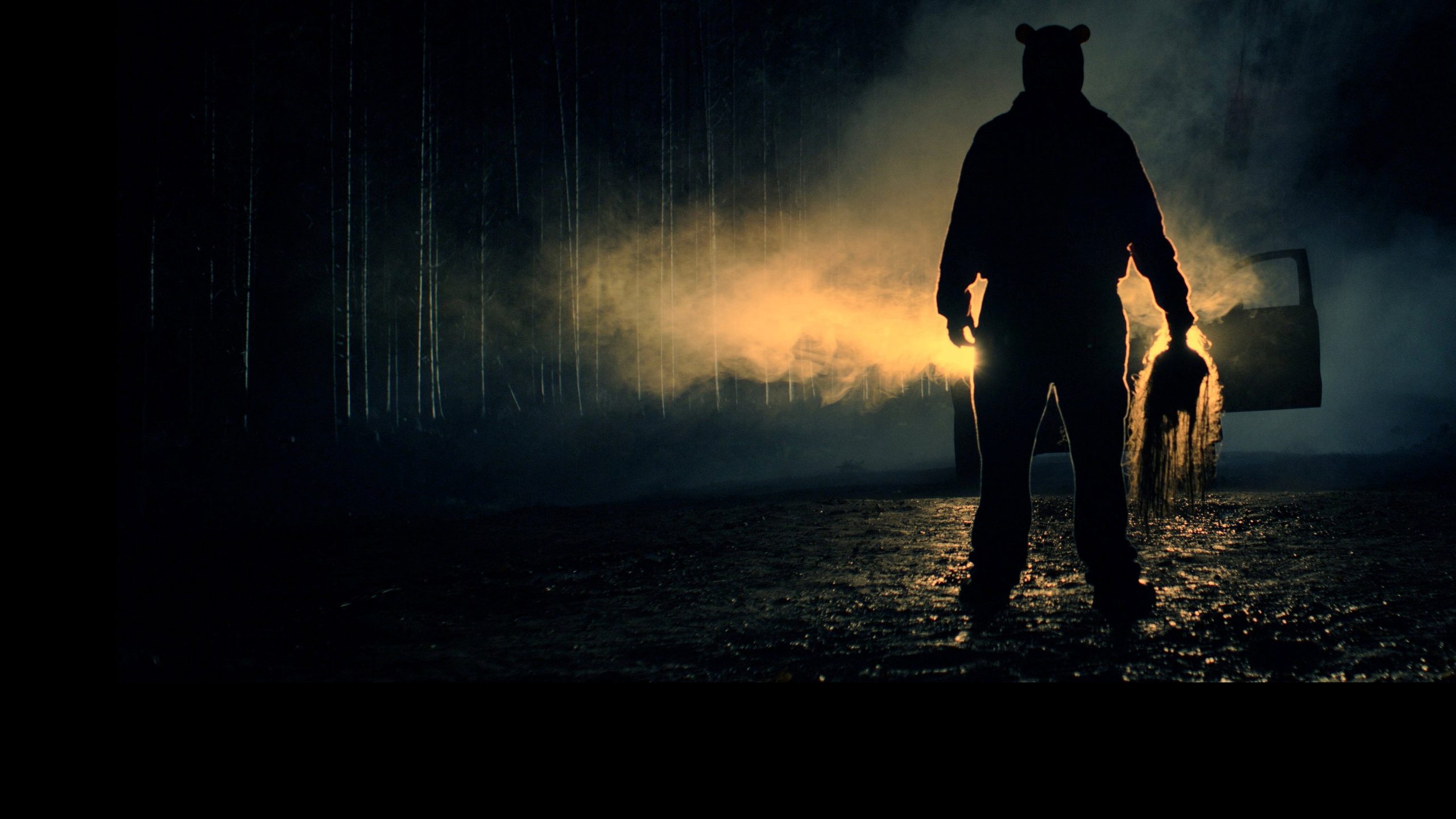
Vince Knight’s cinematography does not compensate. The murky images make the danger difficult to read, without making the darkness itself frightening. A slasher needs us to understand enough of the space to fear what might enter it; too often we are simply trying to make out what is there. The production design gives us little to linger over, either, so there is scant pleasure in looking even when the action pauses.

The editing, credited to Rhys Frake-Waterfield and Scott Chambers, compounds the problem by letting an already slight idea drag. Repetition can be useful in horror, but the attacks need changes of pace, emphasis or expectation, and these offer too few. Andrew Scott Bell’s music cannot supply the missing suspense on its own; we keep noticing how little there is to anticipate between bouts of violence. We were bored, then irritated, because the film spends so much longer hurting its women than giving us reasons to care about them.

There is some competent practical gore, and the screams have an unpleasant conviction that more polished horror can lack. Those are limited virtues, but they show that somebody has considered how an injury should look and sound. What is missing is anything to look forward to beyond the next injury: an unexpected image, a sharp joke or a character whose survival matters. The film’s determination to remain humourless makes its lack of such pleasures harder to ignore.

Most critics have rejected it, and we agree: the problem is not that the idea is in poor taste, but that so little has been done with it. Even an audience arriving solely for the gore deserves a film that can sustain interest between attacks. Anyone tempted by the title can safely leave it at that.

Critical consensus AI synthesised

25
Positive
0
Mixed
1
Negative
13

The consensus is strongly negative: most critics find Winnie the Pooh: Blood and Honey a thin slasher whose childhood characters supply a premise but little else. The reviews repeatedly criticise the writing, performances and murky visuals, with scant praise for any department. What appreciation there is centres on the practical gore and occasional effectiveness of the grotesque imagery. Several critics argue that the lack of humour wastes the opportunity for an irreverent reinvention, while others object to the sadism and treatment of women.

The disagreement concerns how much those basic horror pleasures count for. IndieWire offers the lone mixed assessment, finding that the murderous Pooh and Piglet deliver the expected cheap thrills despite the limitations. Polygon also credits the gore, but finds the pacing and lack of personality dispiriting. The masks divide opinion: Empire finds them initially creepy, while The Wrap considers them too cheap to make convincing monsters.

IndieWire
16 February 2023 · C+ · Christian Zilko
63

The microbudget slasher delivers exactly the expected public-domain horror premise of a feral Pooh and Piglet going on a murderous rampage. It succeeds at basic gory kills and cheap thrills despite its obvious limitations.

Read the full review →
Little White Lies
10 March 2023 · 1/2/1 · Patrick Sproull
40

The critic calls the film a technically incompetent slasher that delivers only on the basic promise of seeing Pooh and Piglet hack people to death. They single out its lack of conscience and self-awareness as making it slightly preferable to something like Cocaine Bear.

Read the full review →
The New York Times
17 February 2023 · Kyle Turner
30*

The film gives a threadbare horror treatment to a childhood favorite. Pooh and Piglet are turned into grotesque cannibalistic monsters who terrorize young women after Christopher Robin abandons them.

Read the full review →
The Times
10 March 2023 · ★☆☆☆☆ · Ziba Adel
30*

What could be irreverent fun is disappointingly and disturbingly not played for laughs in this low-budget horror. The opportunistic zero-budget flick cloddishly desecrates childhood memories with a dimly written sub-standard slasher aimed only at making a fast buck.

Read the full review →
Radio Times
· Terry Staunton
20

The critic describes it as an amateurish horror that stretches a thin premise into a nasty, pointless exercise in gore with shoddy camerawork, dreadful script and appalling performances. They single out the illogical choice of mostly female victims given the bear's grudge against Christopher Robin.

Read the full review →
Time Out
8 March 2023 · Helen O’Hara
20*

The critic finds it just another sadistic slasher movie notable only for its inexpressive animal masks, missing the chance for witty reinvention of the characters. They single out its reveling in misogyny, titillation and gore without characters or texture.

Read the full review →

Cast

Stills

Awards

Golden Raspberry Award for Worst Picture, 2023

Won
Golden Raspberry Award for Worst Picture

If you liked this, try…

The Company of Wolves poster

The Company of Wolves

1984 · Fairy-tale danger given adult weight, with creatures worth losing sleep over.

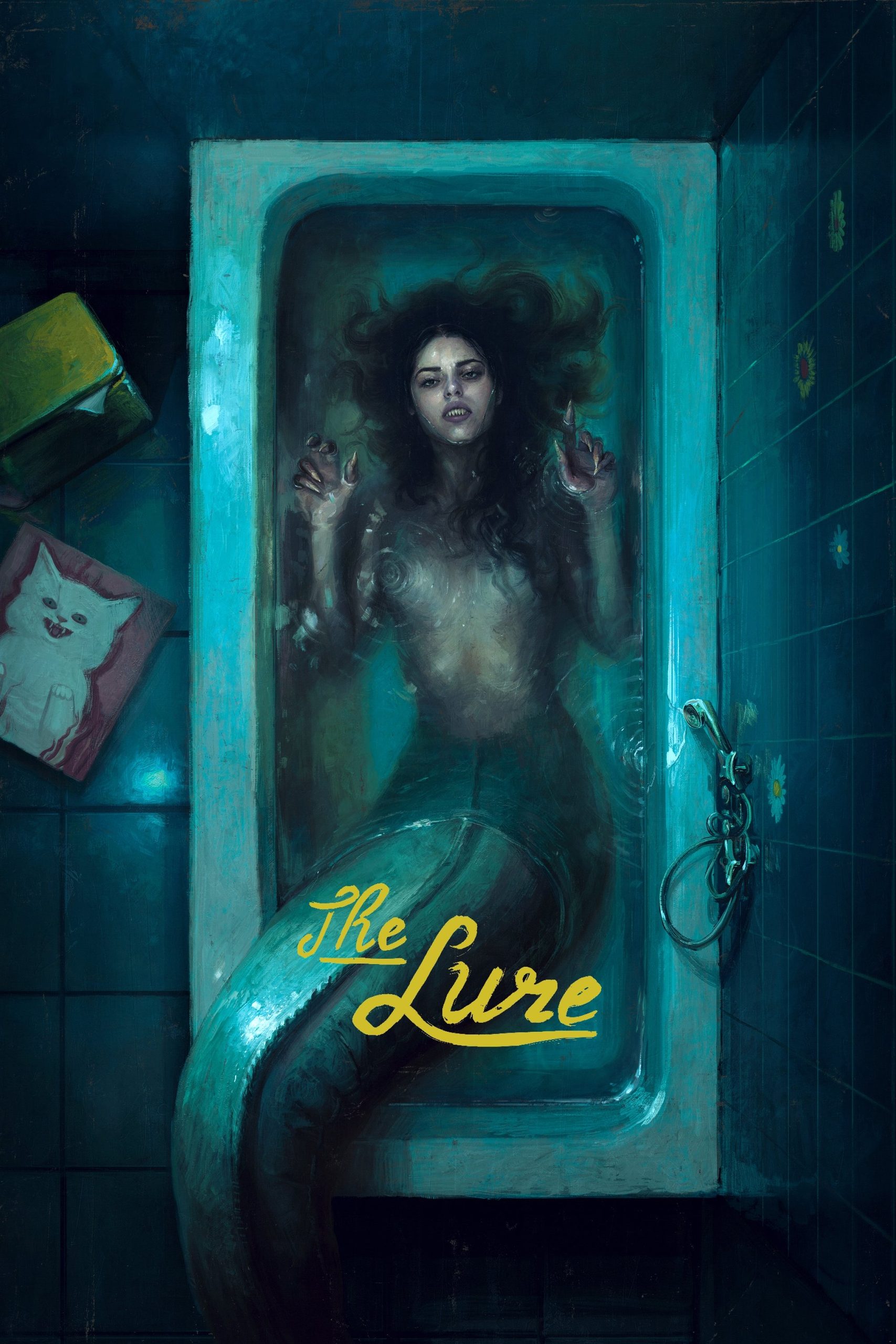
The Lure poster

The Lure

2015 · A mermaid horror musical with the appetite and oddness this film lacks.

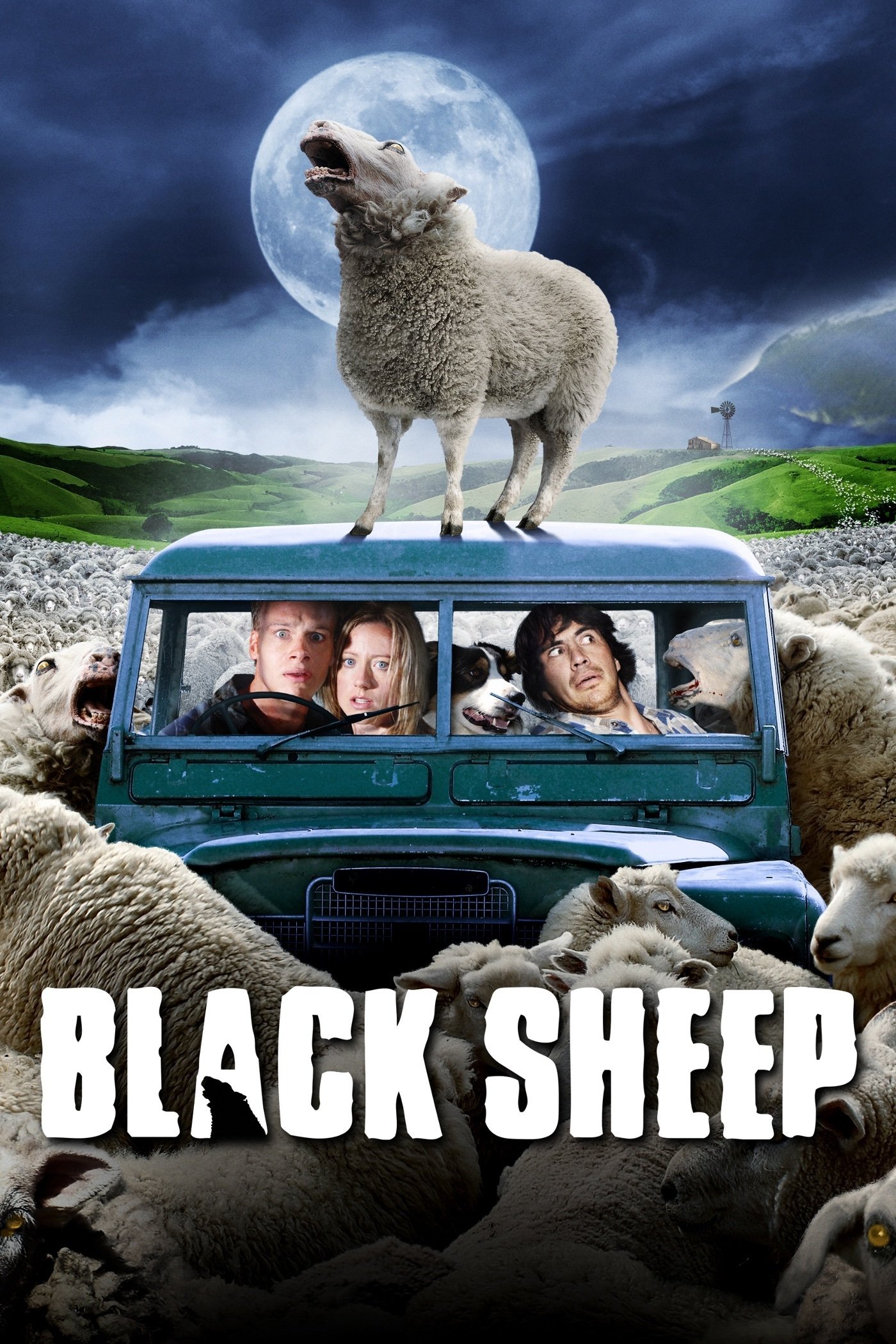
Black Sheep poster

Black Sheep

2006 · Killer farm animals, practical gore and a welcome understanding of the joke.

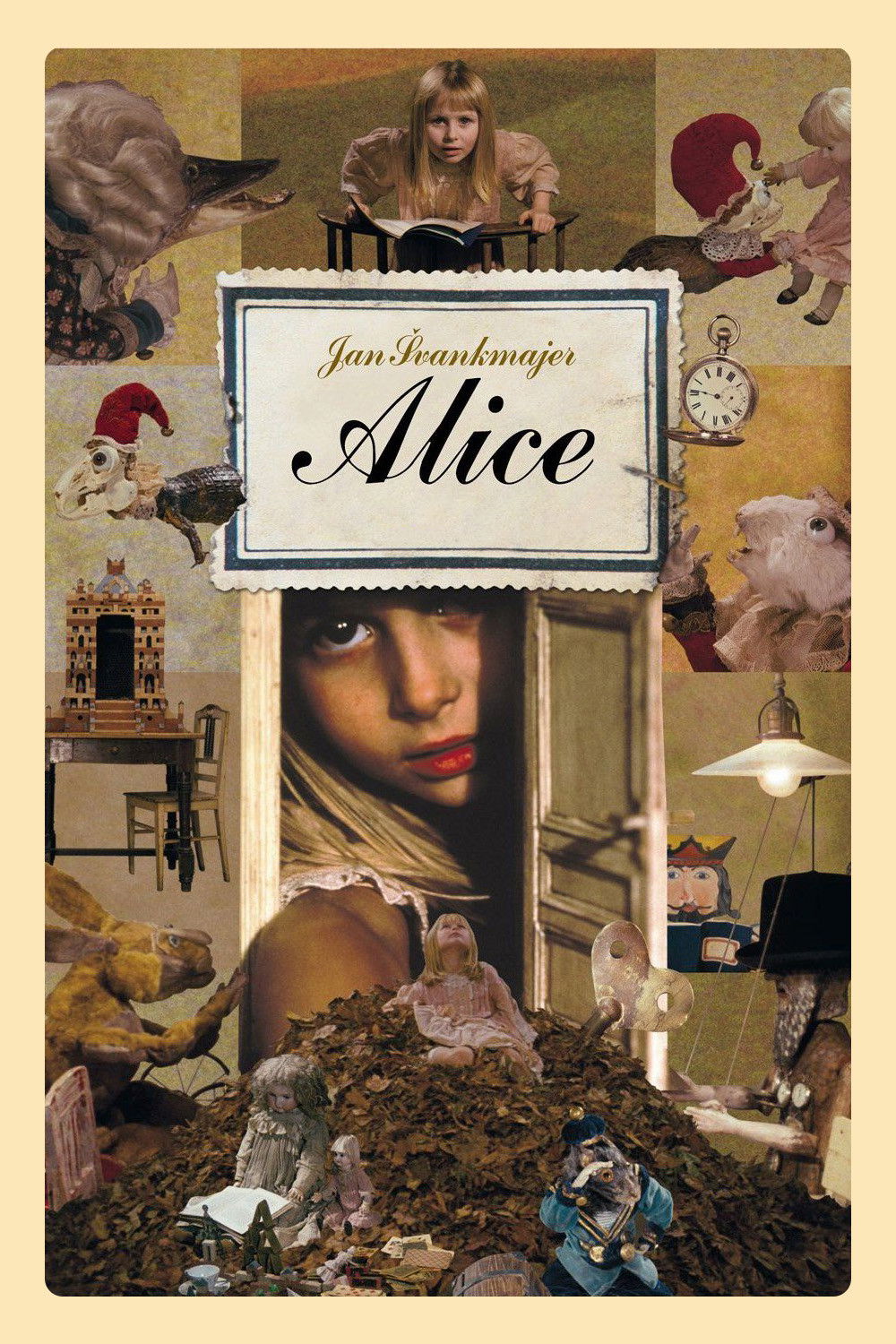
Alice poster

Alice

1988 · Childhood reading becomes disturbing through patient animation and unsettling household objects.

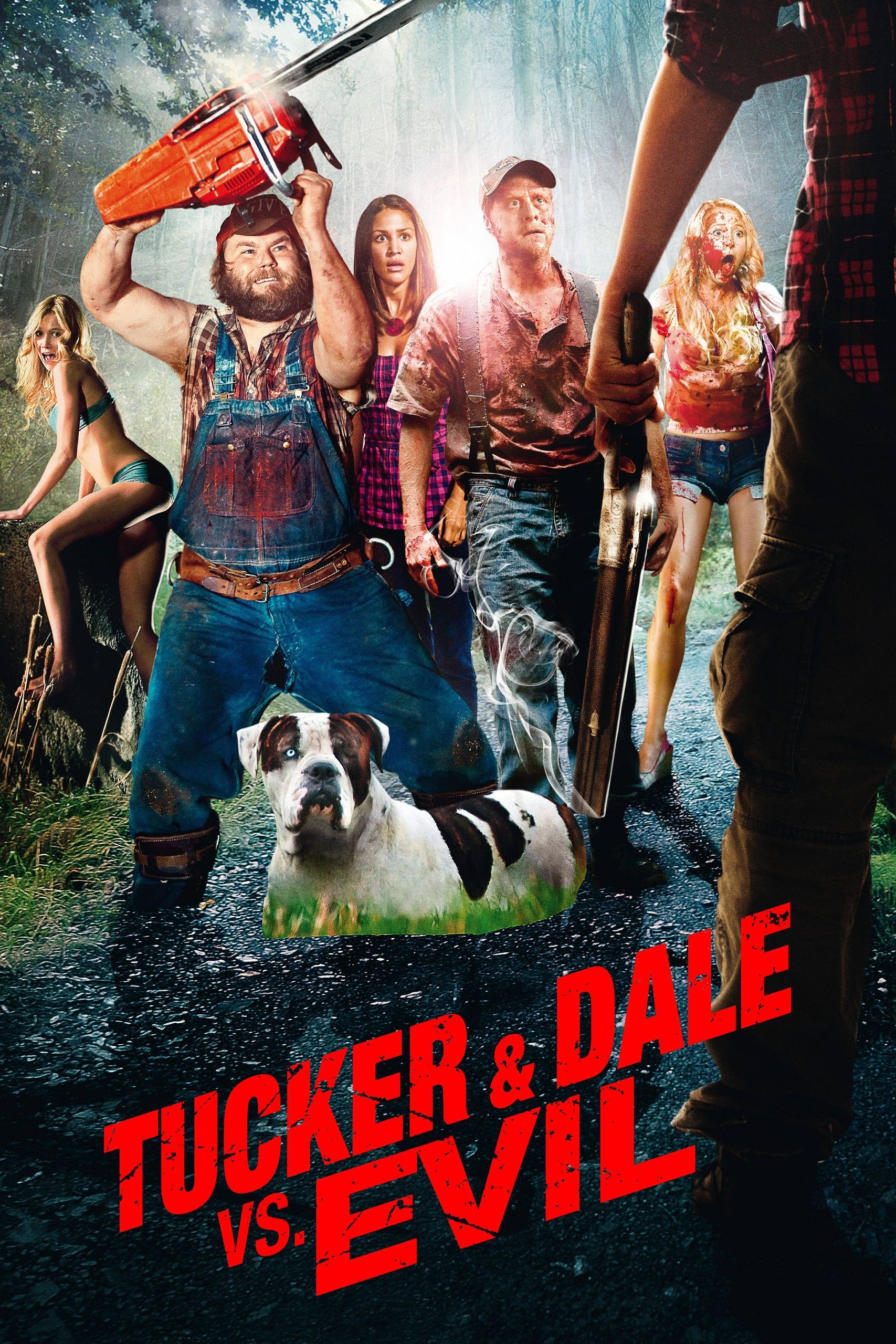
Tucker & Dale vs. Evil poster

Tucker & Dale vs. Evil

2010 · Cabin-in-the-woods violence made funny by giving the supposed monsters actual personalities.