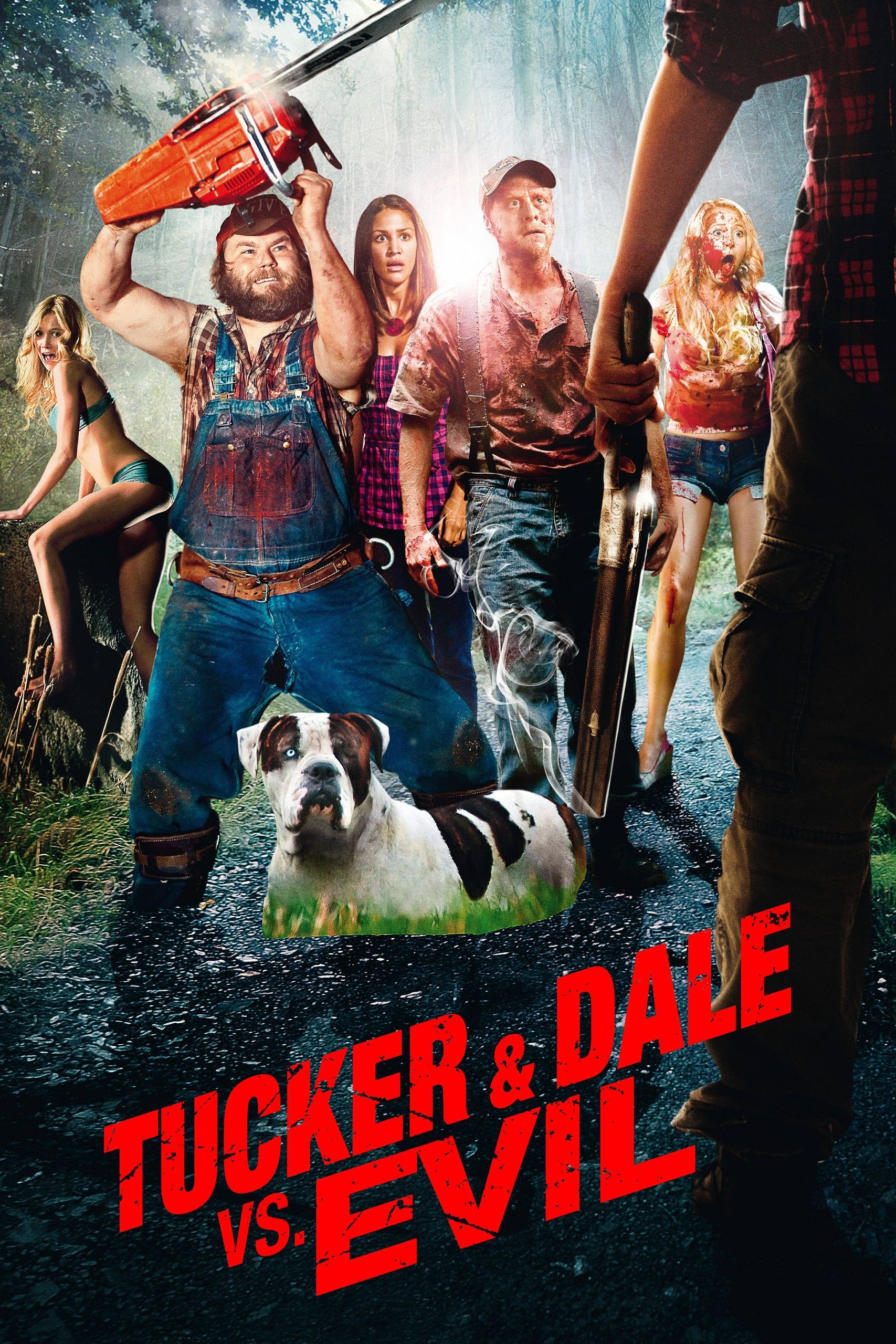
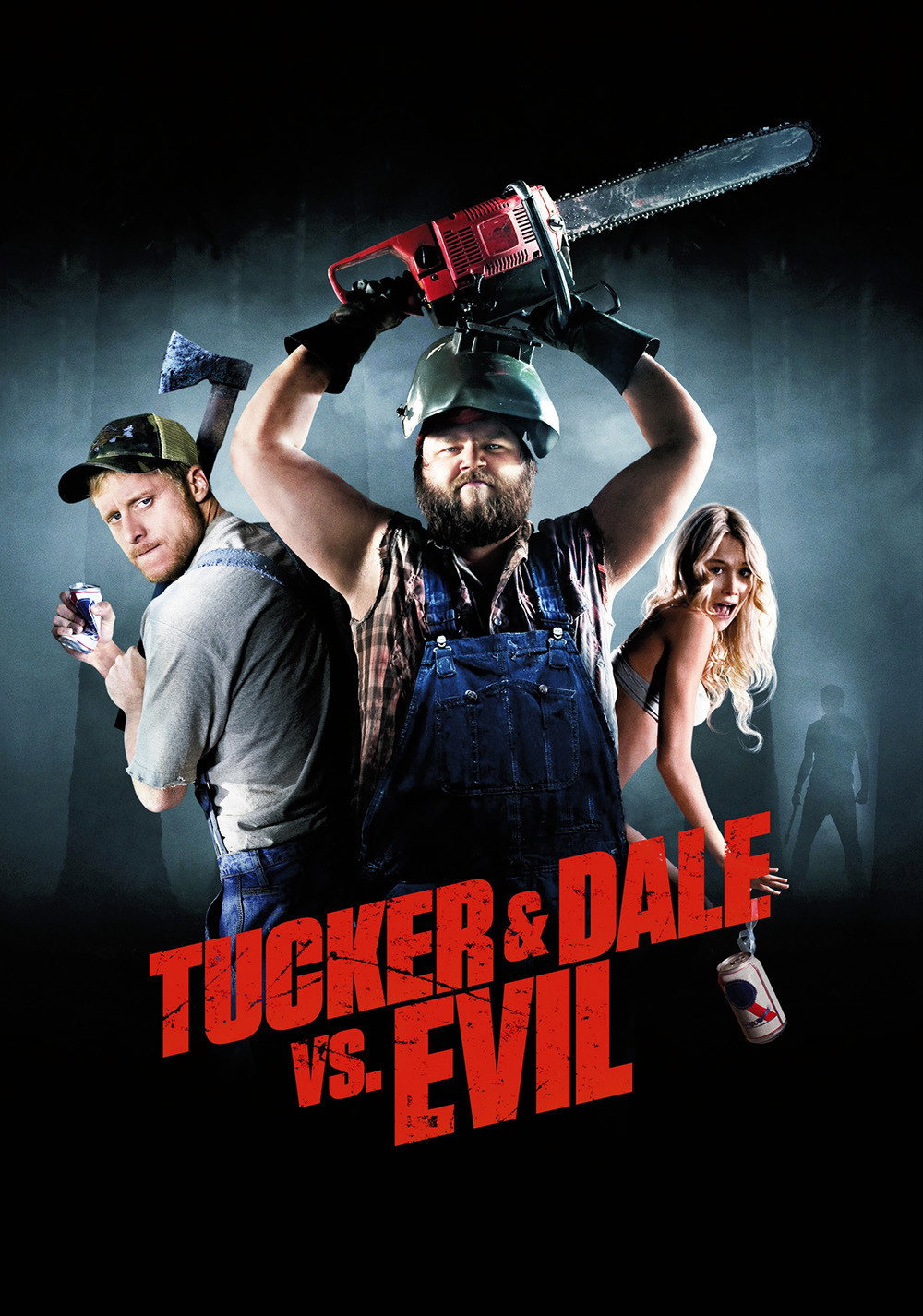
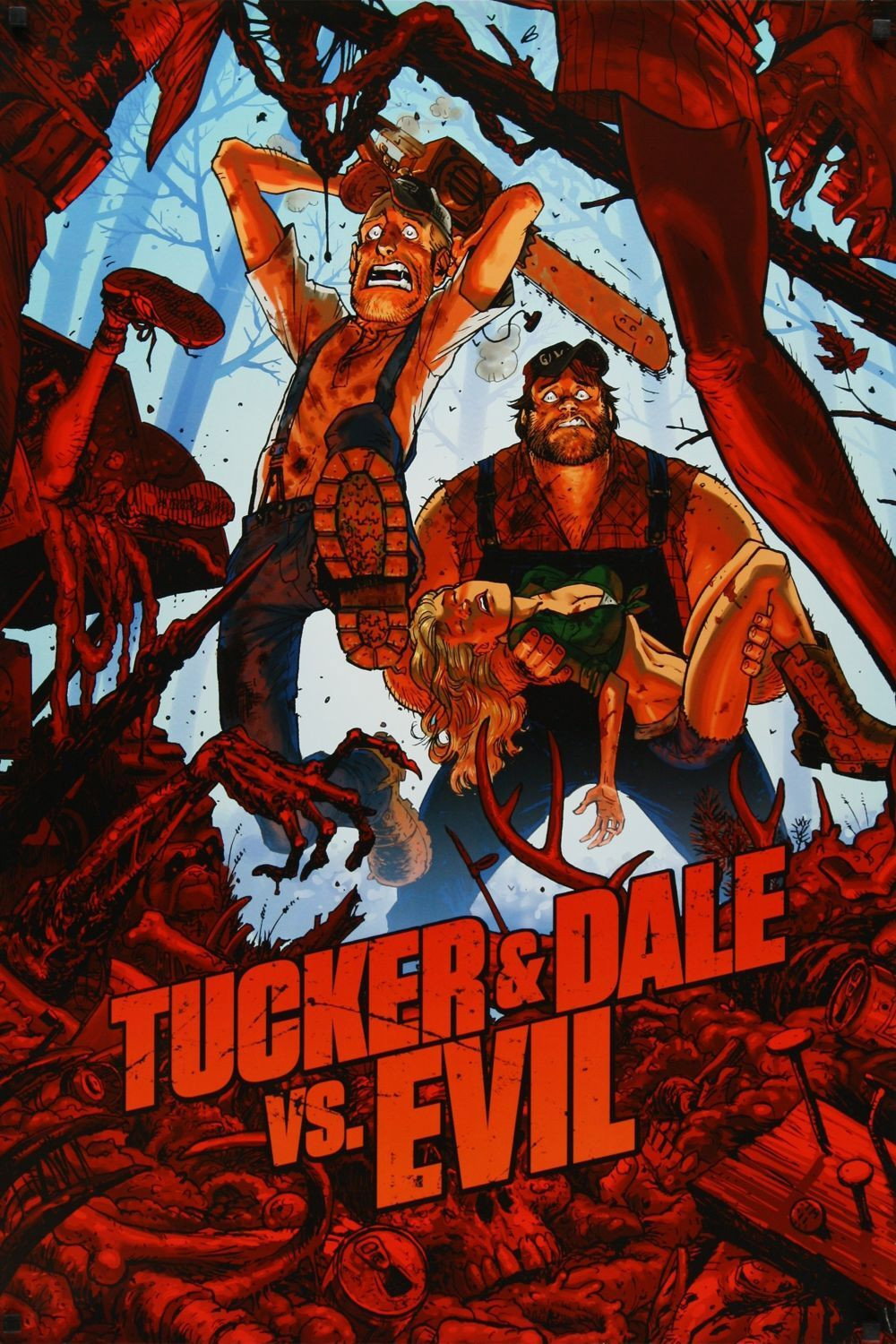
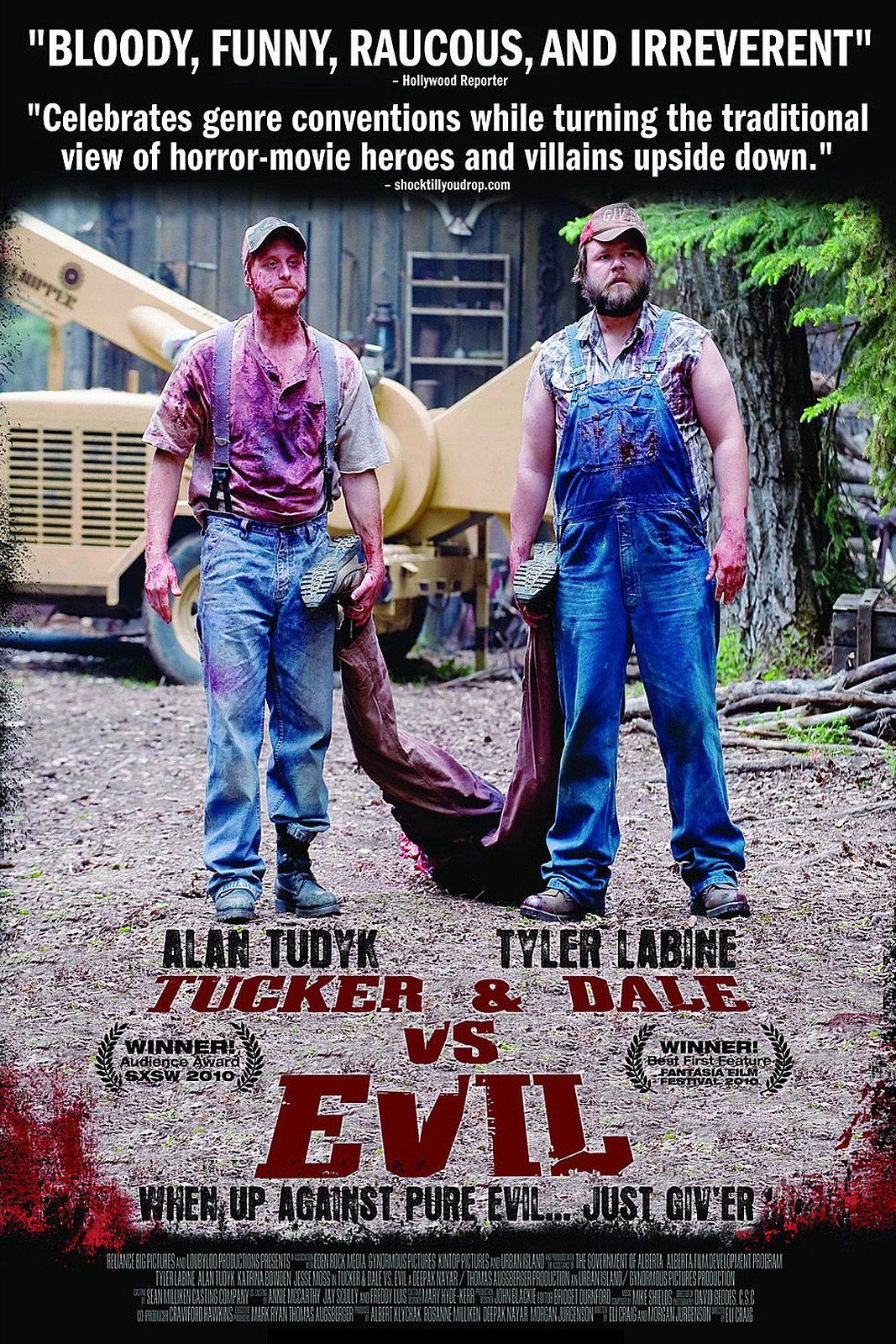
Tucker and Dale vs. Evil is a funny, bloody slasher comedy carried by Tyler Labine and Alan Tudyk. Its central misunderstanding wears thin, but the affection between their characters makes it worth an evening if extravagant gore is acceptable.
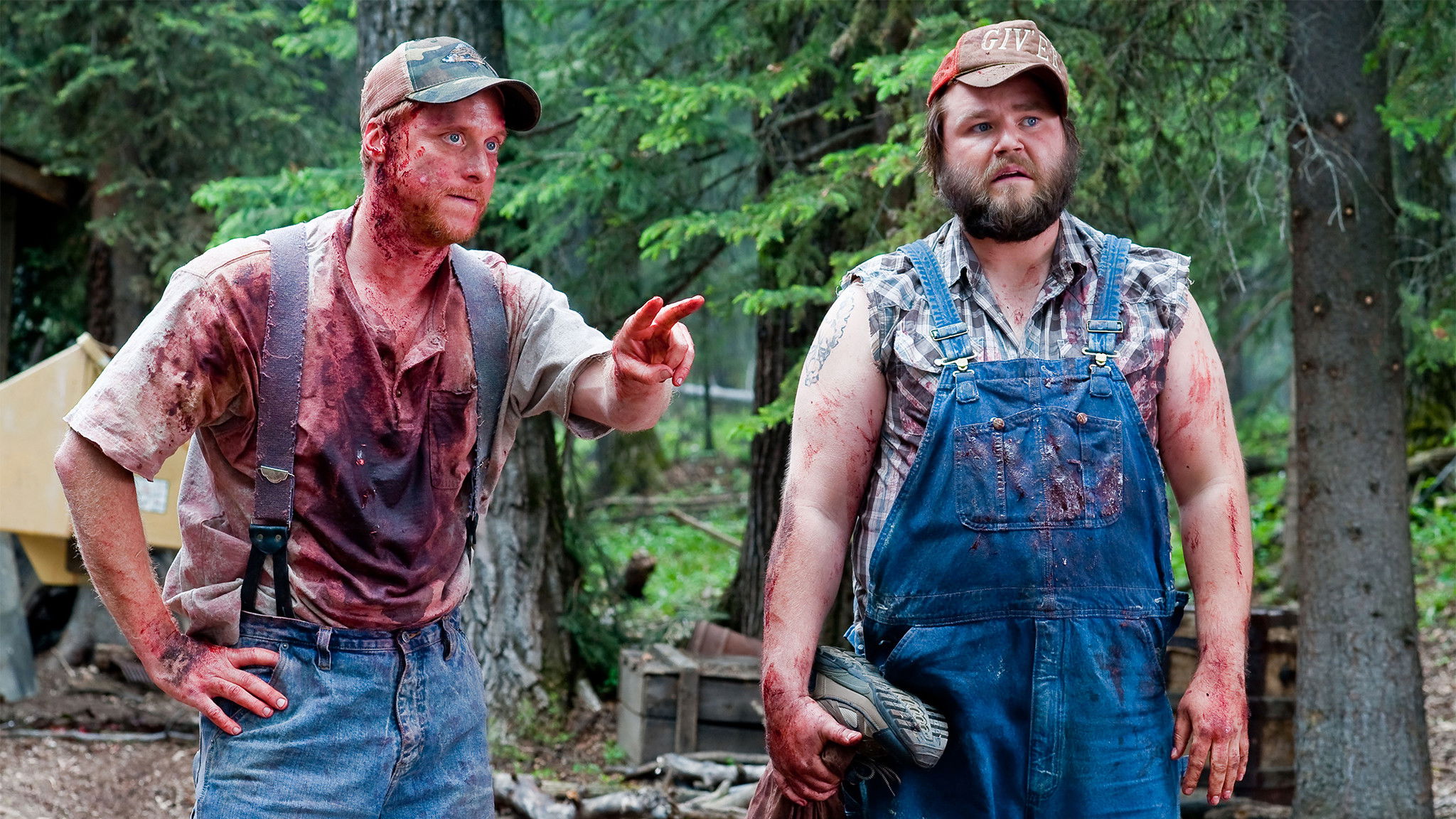
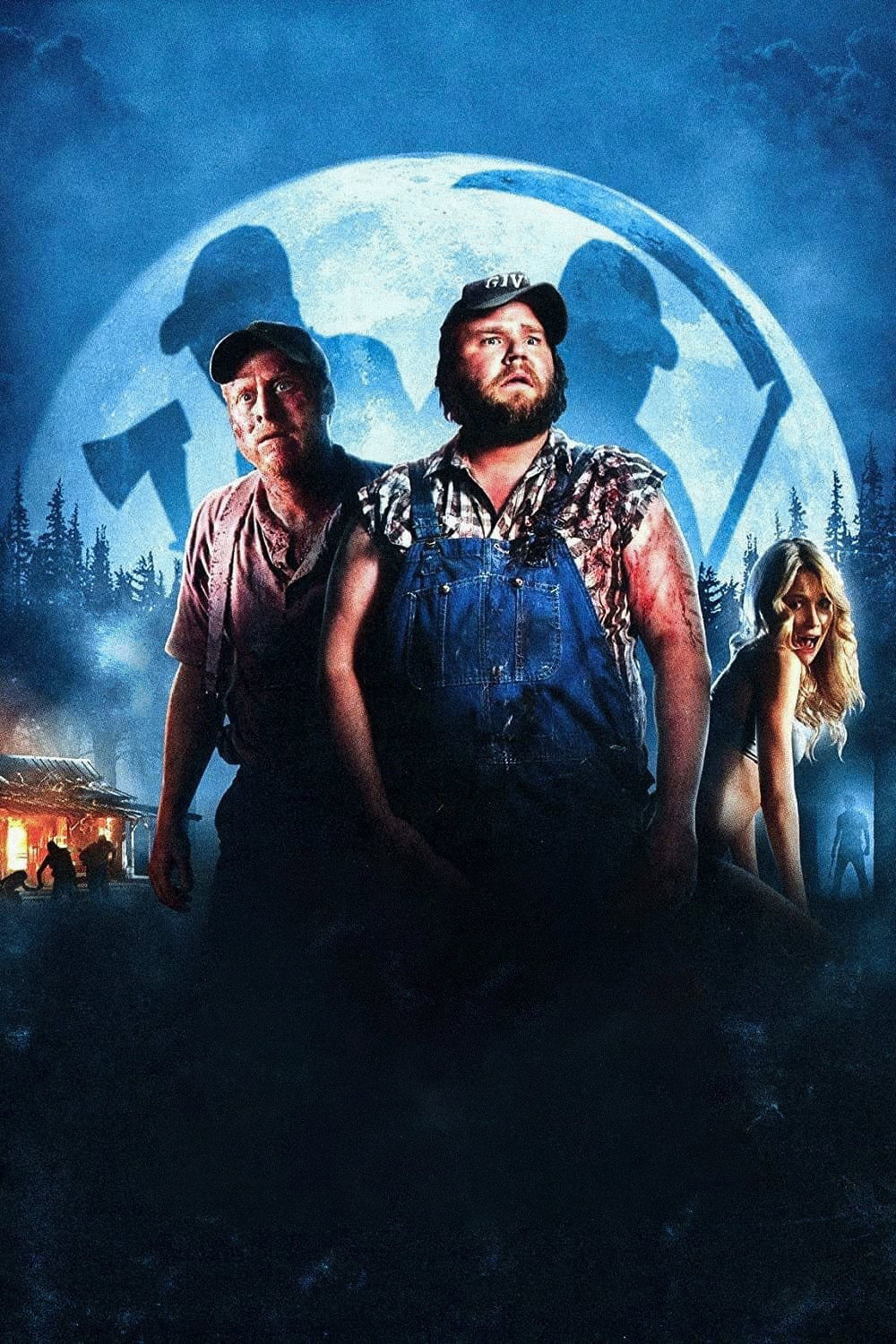
Eli Craig’s Tucker and Dale vs. Evil is a funny, good-natured horror comedy that relies on one misunderstanding. A group of college students takes two harmless backwoods men for killers, then treats every attempt at reassurance as further cause for alarm. Eli Craig and fellow writer Morgan Jurgenson understand how stubborn people can be once they think they recognise a story. The film is worth an evening for the two men trying to put them right, although the joke gets stretched towards the end.
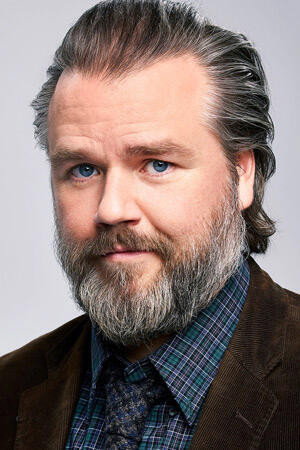
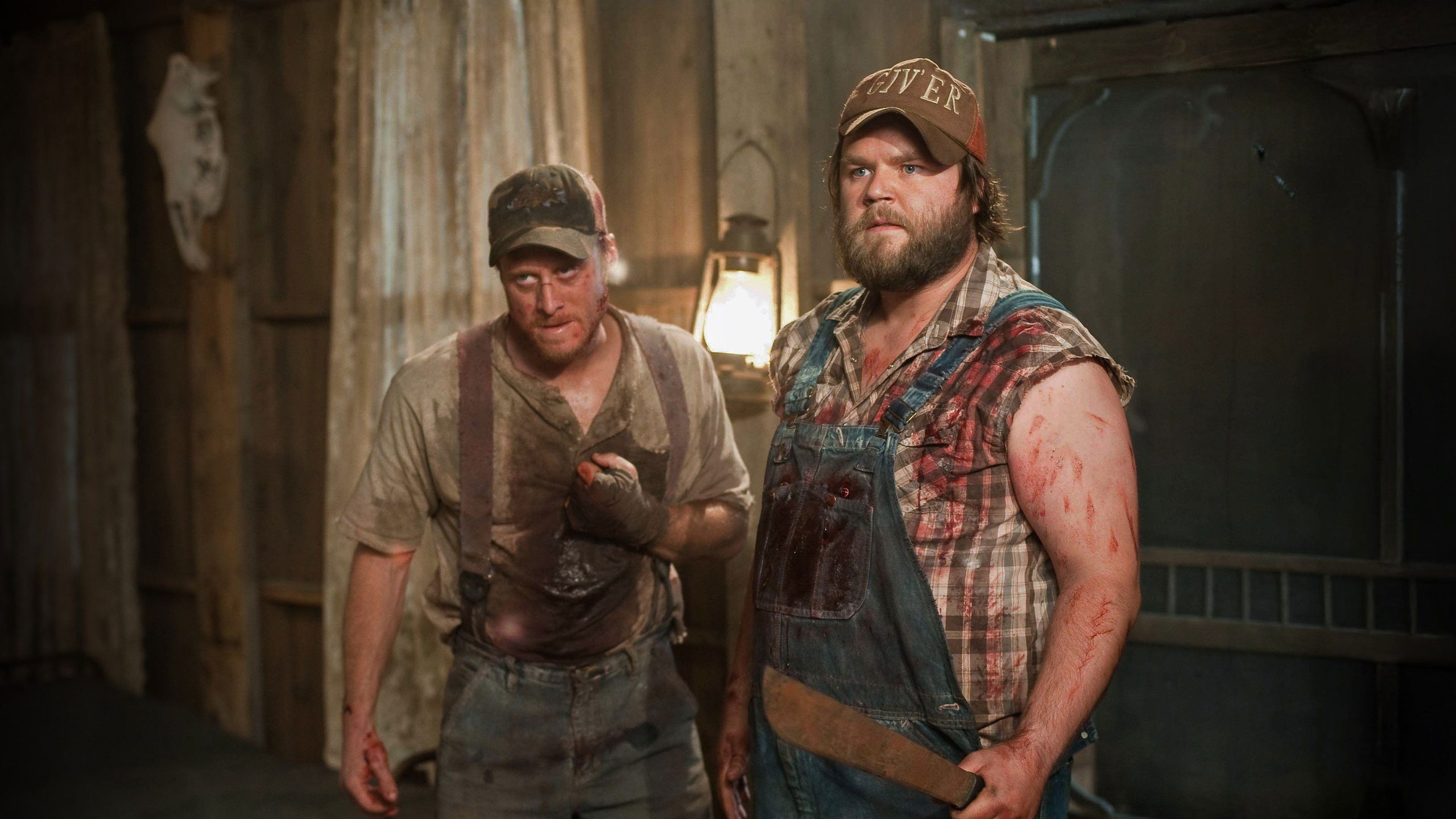
Tyler Labine gives Dale a sweetness that could easily have become cloying, and avoids that by making him seem like an adult with feelings to hurt. Alan Tudyk’s Tucker is an equally important part of the comedy: his concern for his friend makes their exchanges worth following even when nothing bloody is happening. We believe that these men enjoy each other’s company. That gives the farce someone to care about before the accidents start.
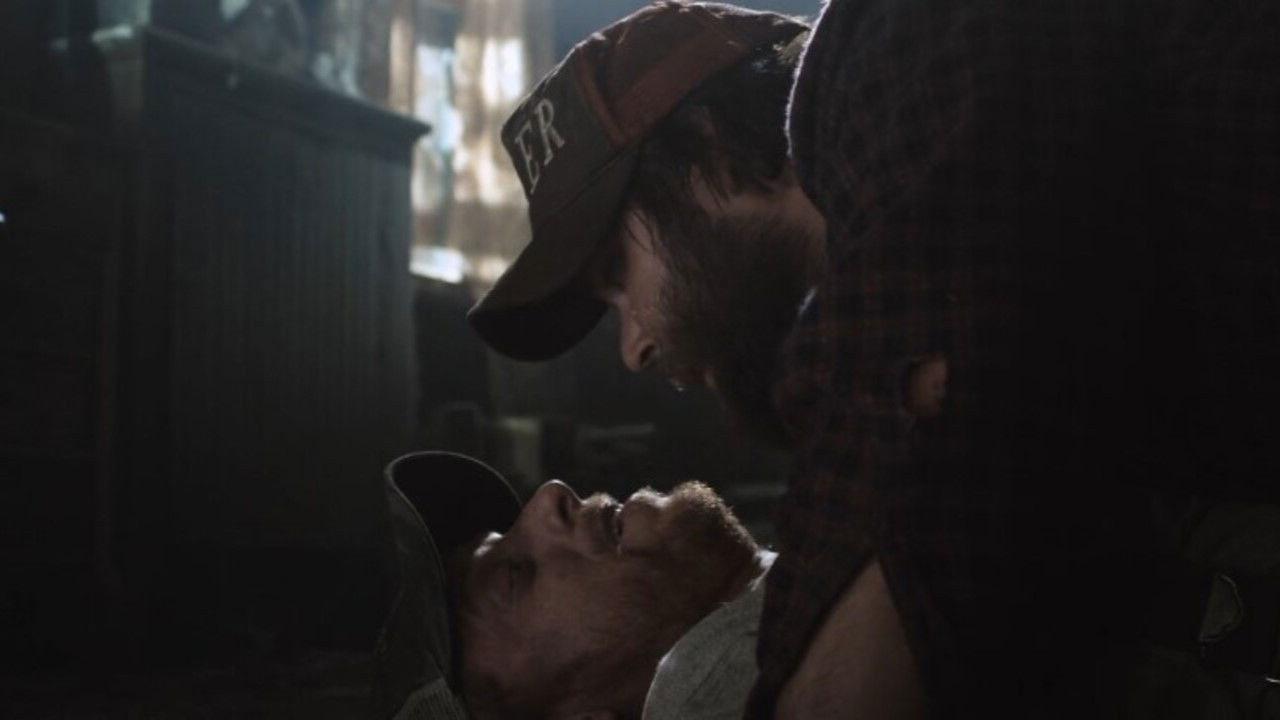
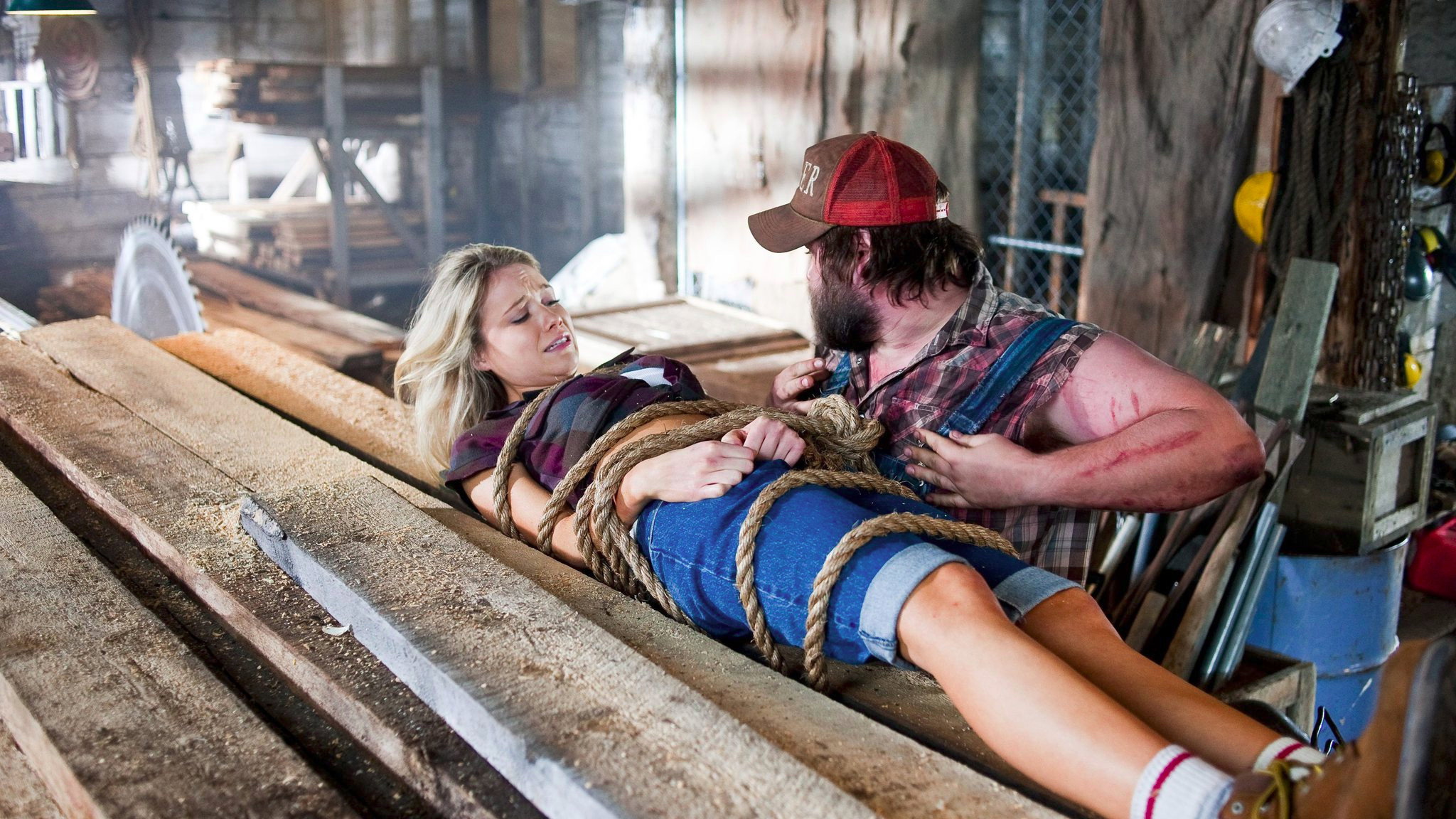
We laughed at Tucker and Dale trying to be helpful while the students treated them as killers. Tyler Labine and Alan Tudyk play the men’s bewilderment without asking us to congratulate them for spotting the genre joke, and that restraint makes the confusion funnier. The gore is emphatic enough to put off anyone expecting a gentle comedy, but the film rarely seems to enjoy suffering for its own sake. Its affection for Dale and Tucker survives the mess.
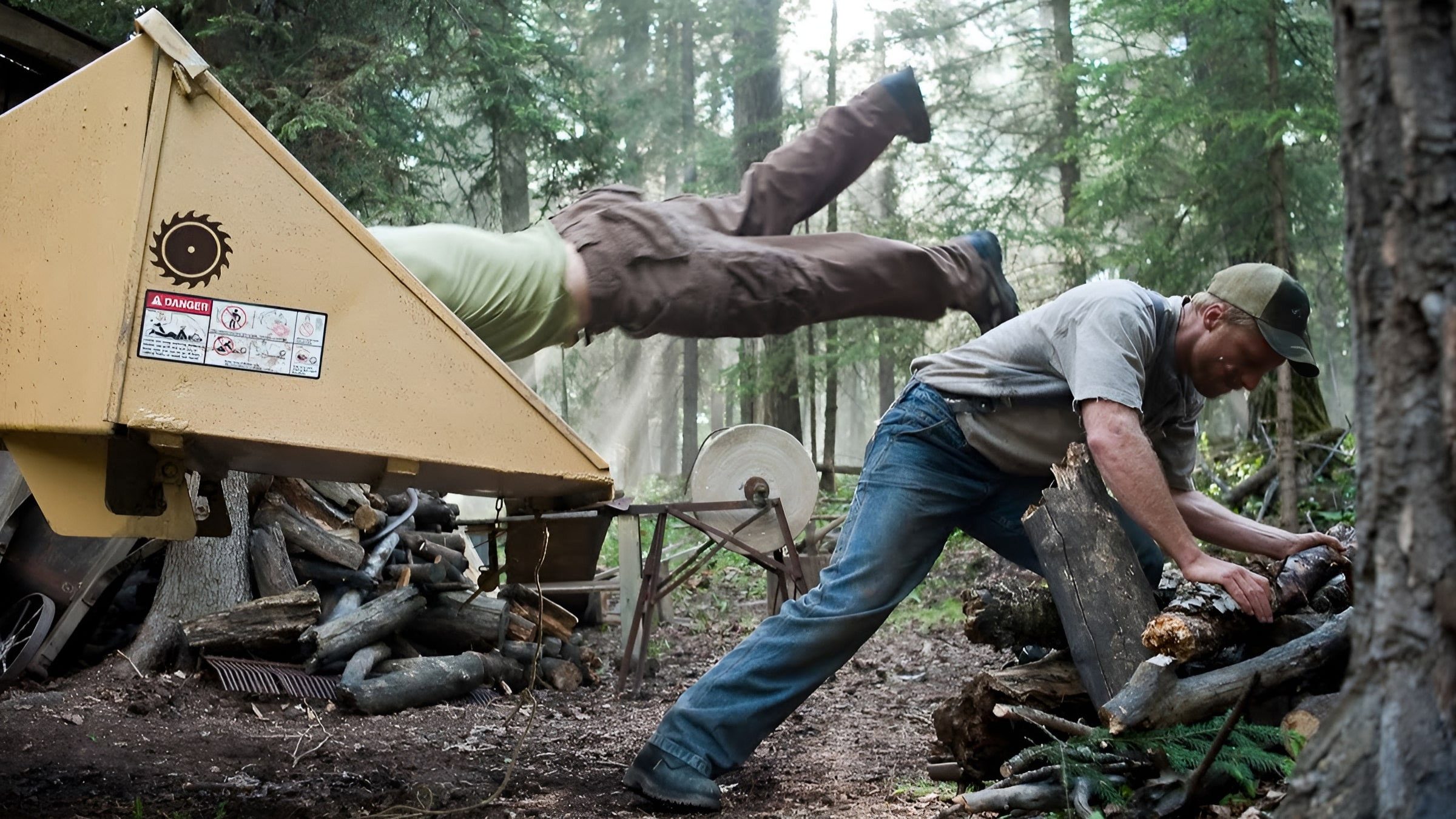
David Geddes’s cinematography gives the misunderstandings enough visual energy that the joke does not depend entirely on dialogue. We need to see how ordinary behaviour could look threatening, and the images make that reading possible without concealing the men’s innocence from us. Bridget Durnford’s editing is effective at the immediate business of a sight gag, though repeated variations begin to feel longer than they are. John Blackie’s production design supplies the familiar backwoods surroundings that make the students’ assumptions so easy.
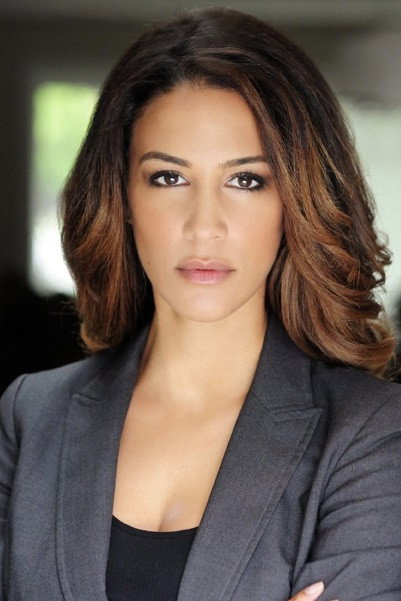
Katrina Bowden’s Allison offers some welcome relief from the panic. The attempts to bring reason to the conflict are funny because calm discussion is so hopelessly unsuited to the situation everyone thinks they are in. Mike Shields’s score supports the changes between comedy and horror without becoming something we particularly remember afterwards. The actors remain the stronger reason to stay with it.
The limitation is repetition. Once we understand how each side will misread the other, the writing keeps reaching for another accident, and the students become harder to accept as people. Eli Craig and Morgan Jurgenson have found an effective use for horror-film stupidity, but they still ask us to spend a fair amount of time with it. The later drift towards more conventional horror also gives the comedy less room, just when it needs a fresh complication.
As a slasher send-up, it is sharpest about how quickly an audience decides who looks dangerous. It is less interested in giving the students the same humanity it grants the men they fear, which keeps its point about prejudice rather small. At 89 minutes, it is short enough for the warmth of the central friendship to count for more than the thinning joke. Save it for company that can laugh at blood without needing anyone to deserve it.