Edgar Wright’s zombie comedy earns its laughs by taking ordinary failings seriously, then makes the danger count. The later horror business is more familiar, but Simon Pegg and a strong supporting cast keep us invested.
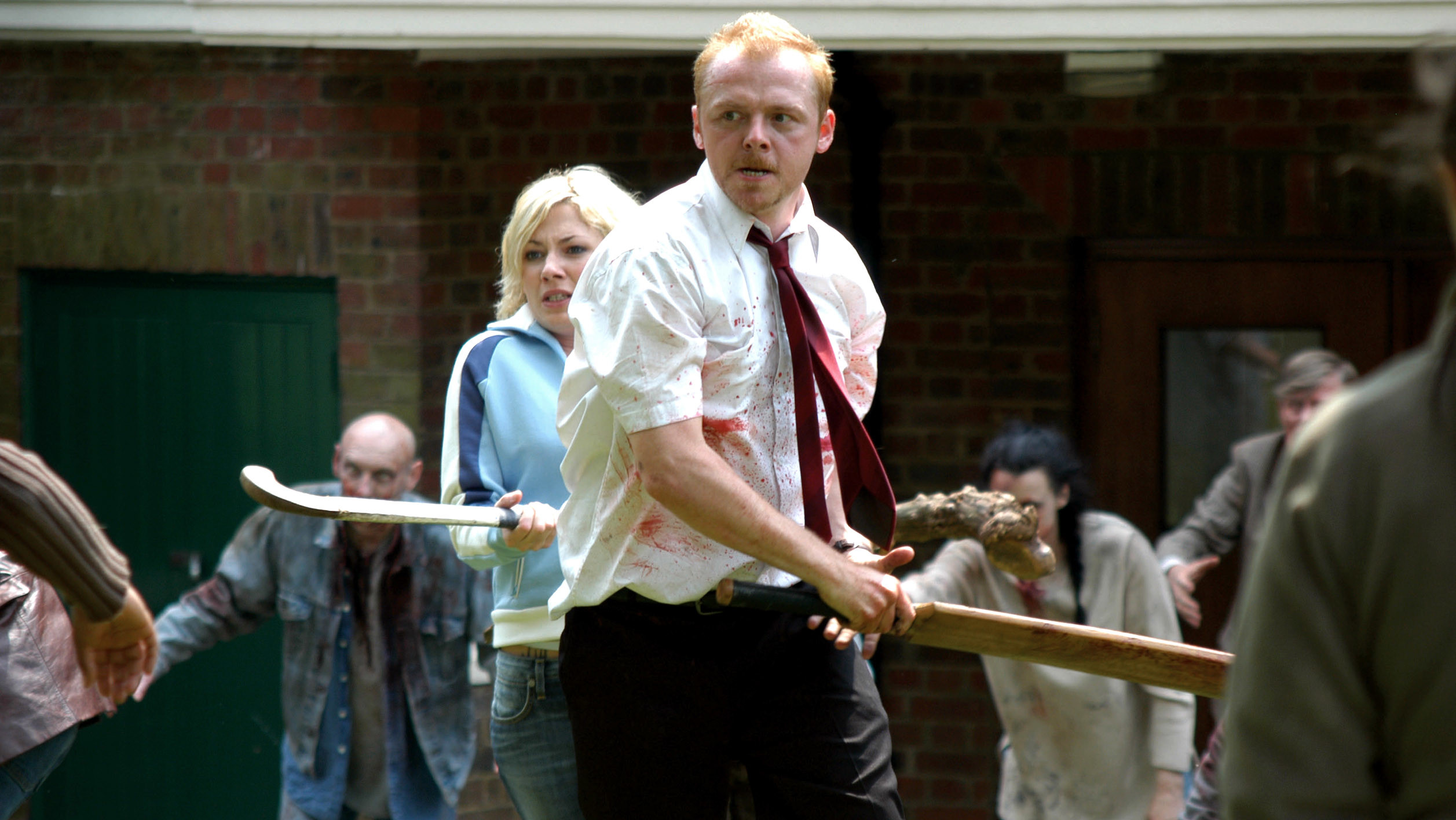
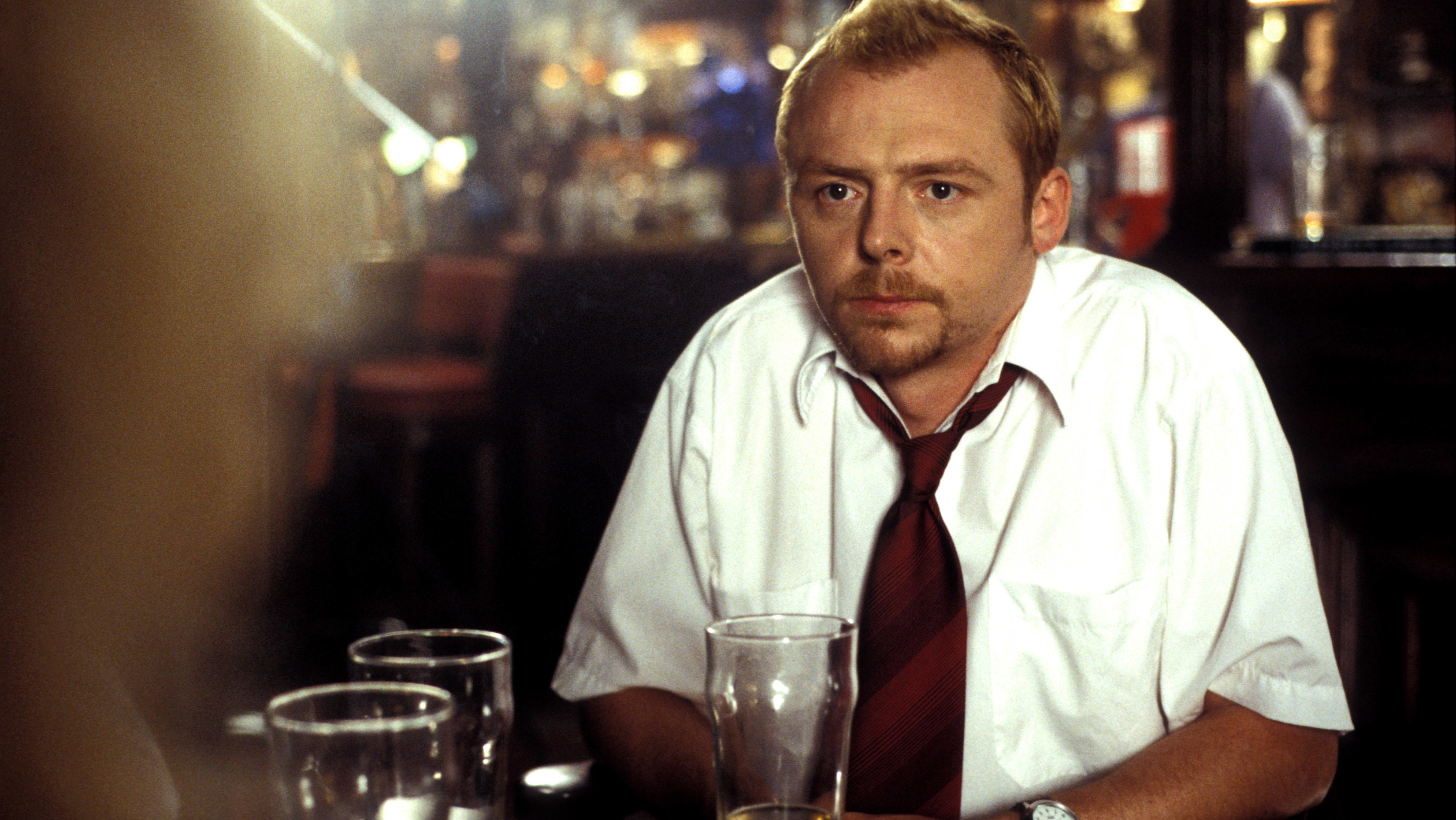
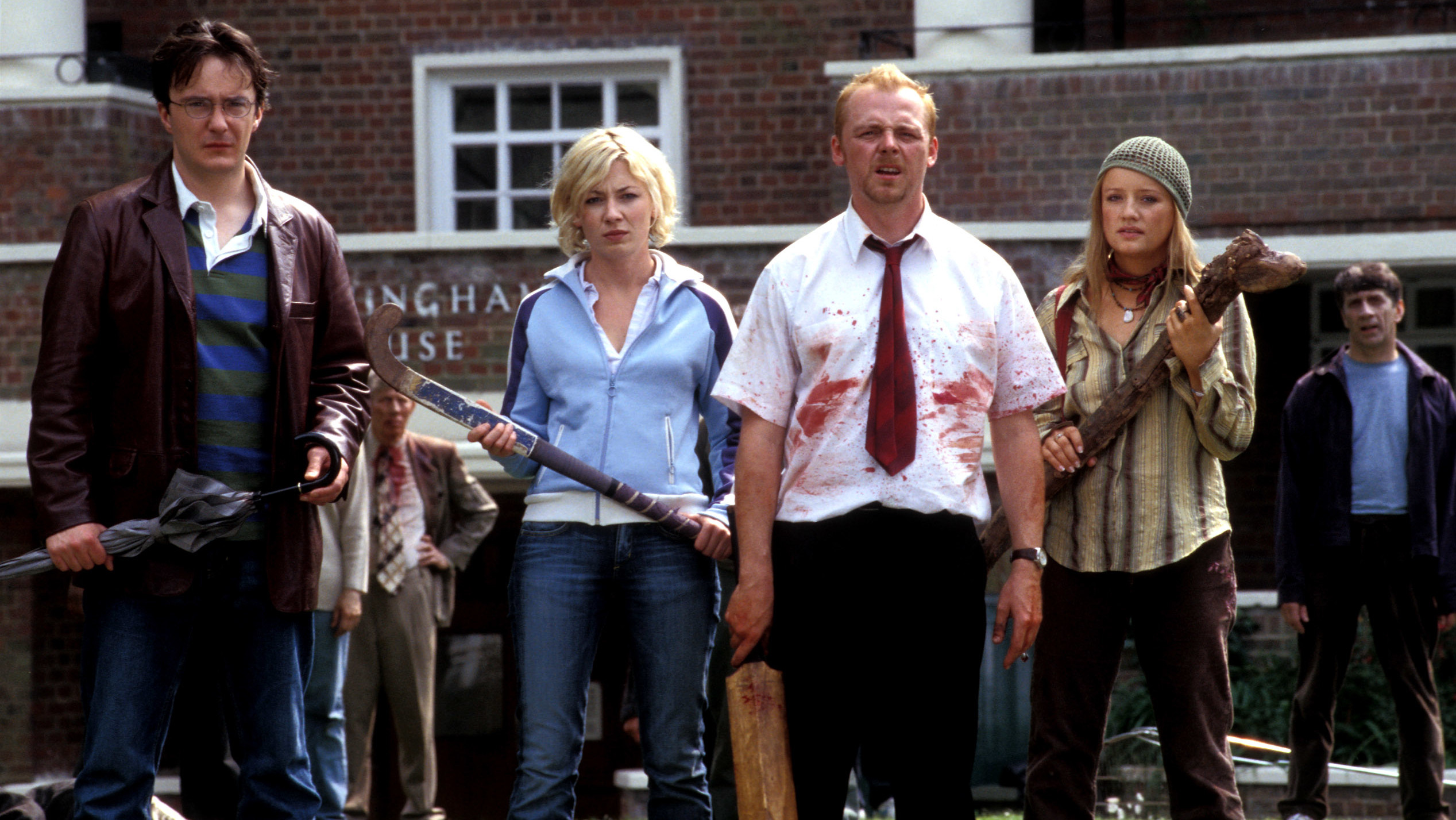
Shaun of the Dead is a funny, affectionate horror comedy that takes its zombies seriously enough to make the jokes worth something. Director Edgar Wright and co-writer Simon Pegg begin with a man who has become comfortable doing little. The outbreak demands attention from someone not accustomed to paying it. We recognise the laziness before we are asked to fear what is coming down the street. The screenplay keeps his everyday difficulties going alongside the emergency.
The early sequence in which Shaun carries on with his morning while signs of catastrophe gather around him is the film at its most assured. David M. Dunlap’s camera allows us to notice what Shaun does not, without treating every background detail as a separate announcement. We laughed at his failure to look properly, then felt uncomfortably well represented. Pegg makes that inattention look habitual rather than a stupidity invented to serve the scene. The joke has time to develop within the continuous shot.
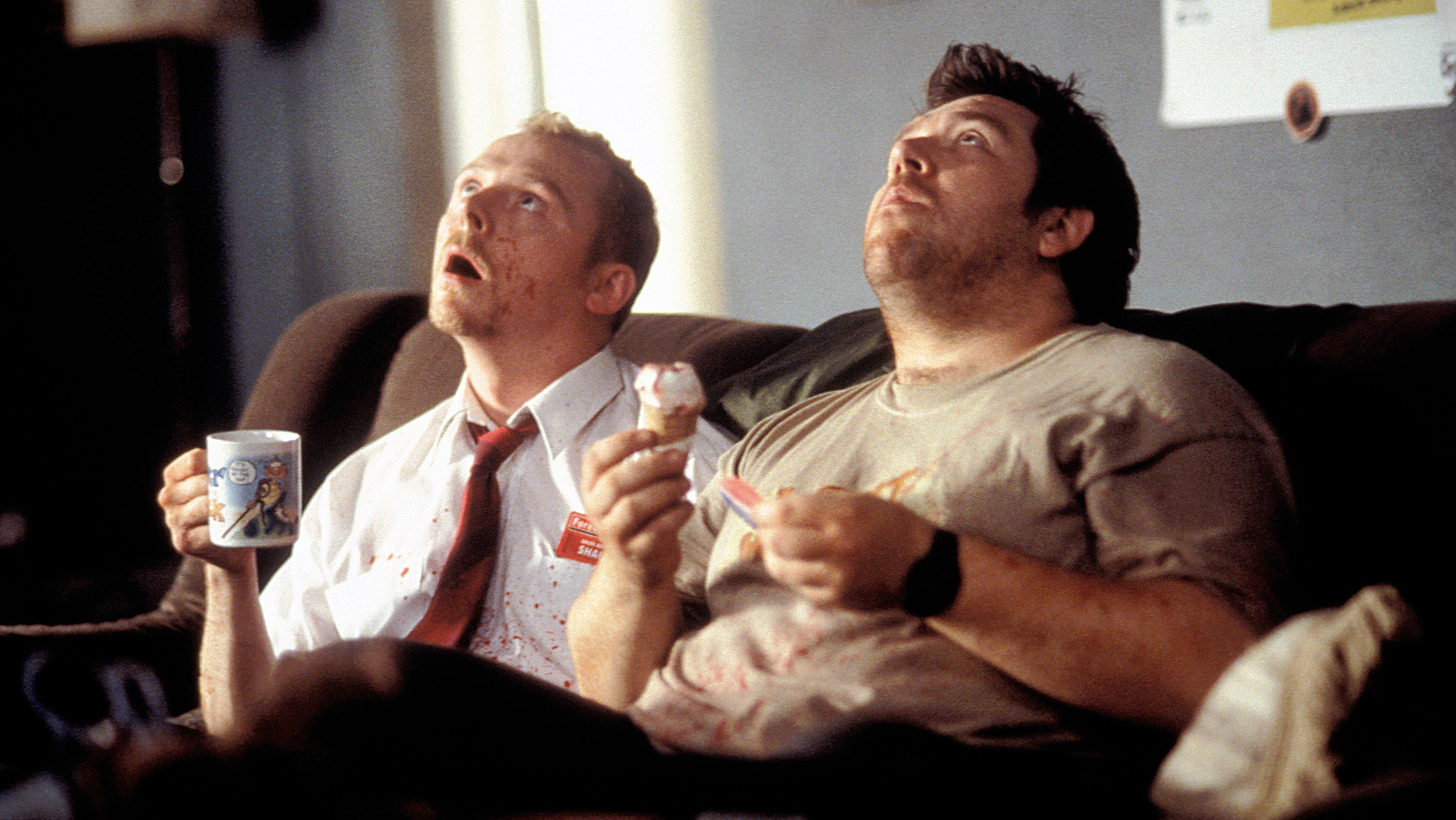
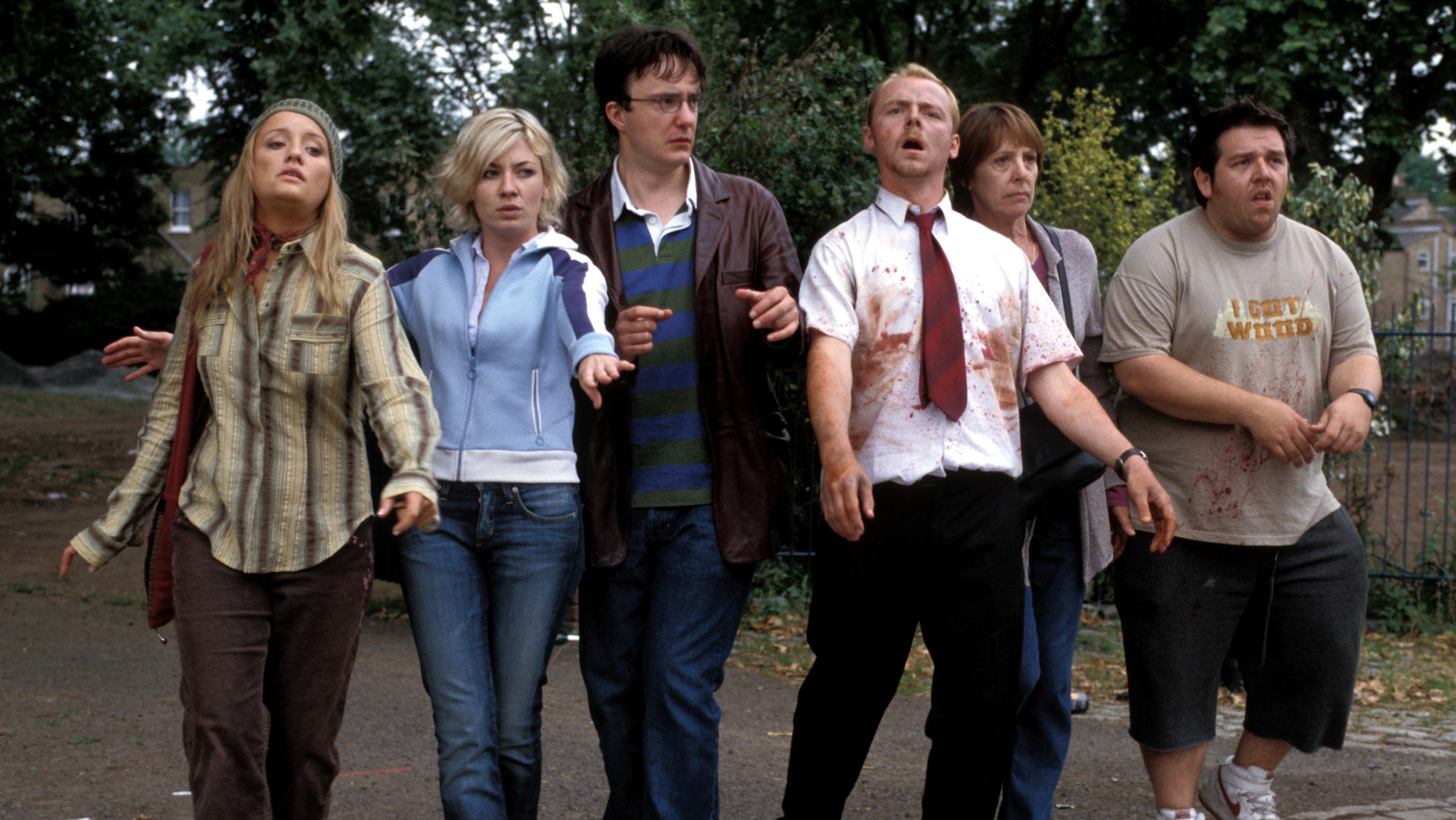
Pegg is also good at making Shaun’s attempts to take charge seem like hard work. His exchanges with Nick Frost’s Ed have the easy timing needed to make bickering worth listening to while people are in danger. Their affection is persuasive, and neither performer needs to make his character especially admirable. Kate Ashfield’s Liz gives the romantic side enough resistance to stop it becoming a celebration of Shaun merely trying. These people still have to deal with one another while the zombies approach.
Marcus Rowland’s production design keeps the London setting usefully ordinary. The surroundings make the characters’ reluctance to register an emergency easier to believe, and the everyday squabbling does not feel imported from another film. Dan Mudford and Pete Woodhead’s music gives the horror enough weight to prevent the whole thing becoming an extended sketch. The gore matters too. Wright lets the comedy coexist with unpleasant violence, so that the threat is still there when the conversation stops.
Chris Dickens’s editing keeps the chatter and the scares moving at a pace that suits the film’s 99 minutes. The first half is particularly nimble, with little sense of a pause while the next joke is arranged. As the horror becomes more conventional, the film loses some of that ease. The cutting still has snap, but Wright has fewer opportunities for the observational comedy that makes the opening so funny. Some of the more serious passages also arrive with an awkward insistence that we should now stop laughing.
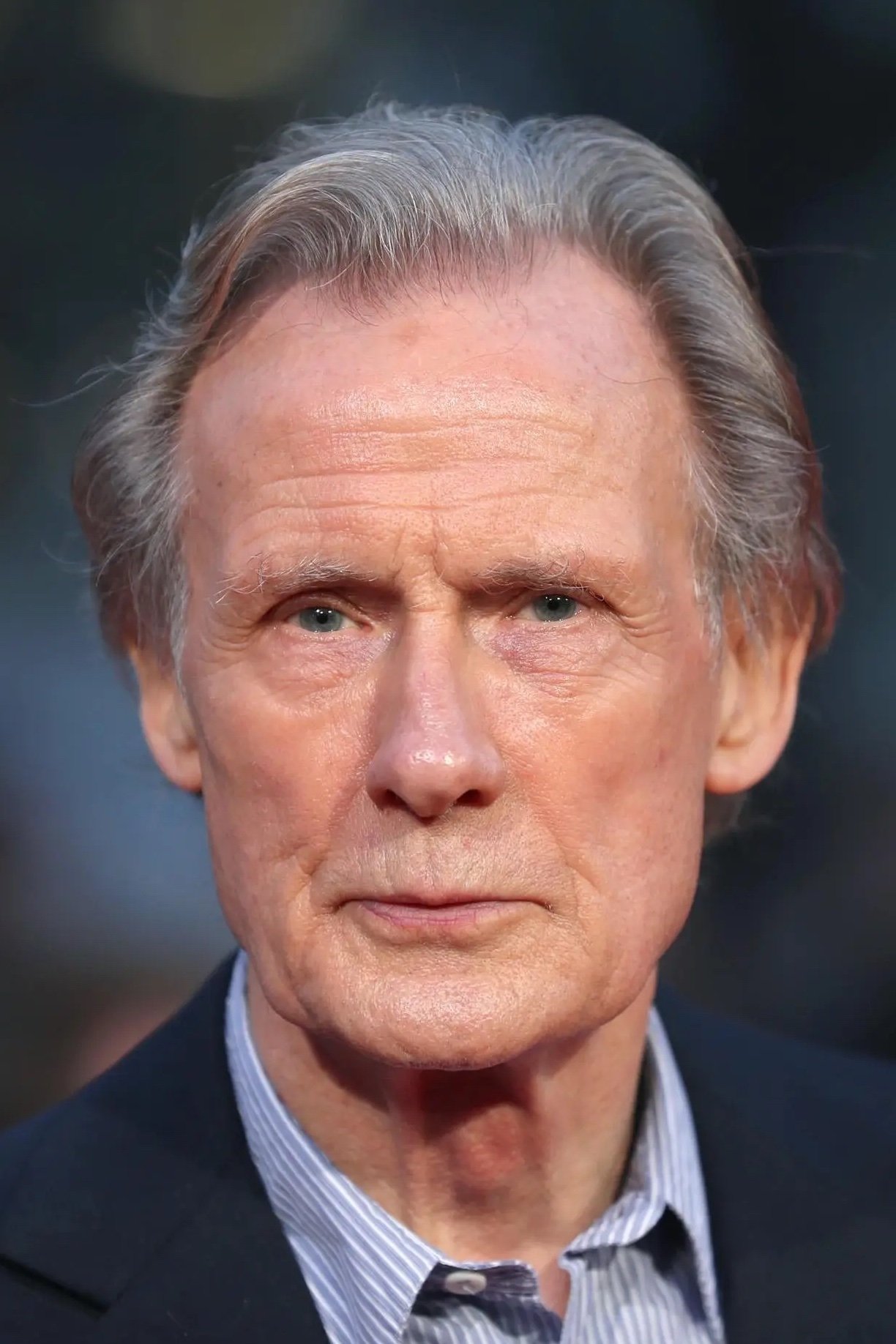
Penelope Wilton’s Barbara and Bill Nighy’s Phillip help the emotional scenes survive those bumps. Their performances have a conviction that the script cannot always supply on its own. Both can make a character matter without requiring a long pause in which to demonstrate it. Their relative restraint is useful in a film with this much commotion, and gives the distress room to register without straining for our sympathy.
The zombie-film references are there for anyone who wants them. We would still recommend it to someone who misses every one, because the banter, the ignored warning signs and the clumsy responses to danger need no explanation. Those are the pleasures that make its weaker stretches worth forgiving. Choose it when everyone on the sofa is willing to put up with the gore.