John Landis makes the werewolf curse hurt, then finds room for dry jokes about being an American in Britain. The effects remain hard to watch; the romance could use some of the attention spent on the monster.
John Landis wants An American Werewolf in London to make us laugh without making its monster harmless, and he mostly succeeds. This is a funny, distressing horror film with one substantial weakness: it gives the people less attention than the predicament it has devised for them. The American abroad is a useful starting point, because misunderstanding a country already puts someone at a disadvantage. Landis lets that everyday discomfort persist after the supernatural arrives.
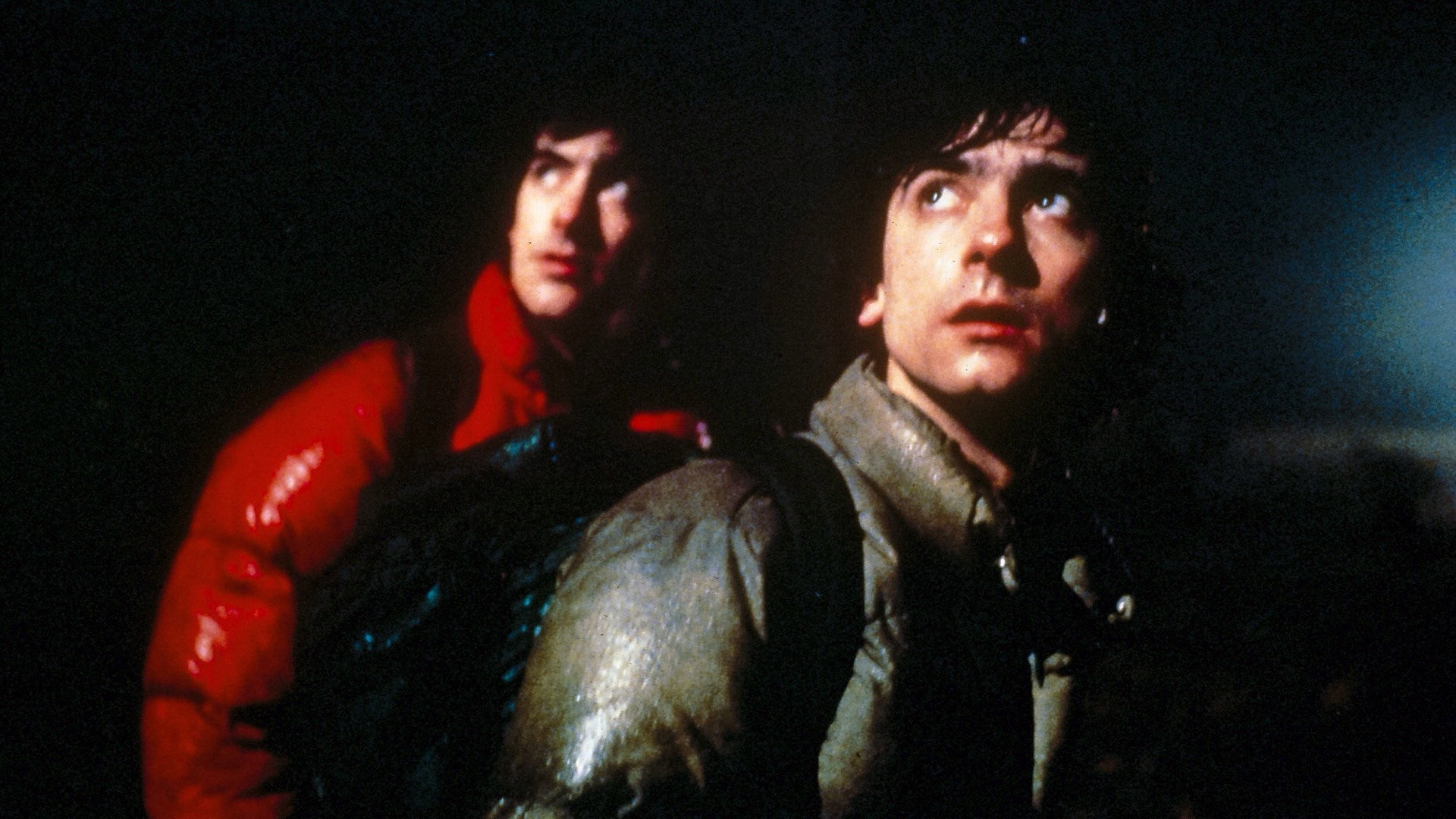
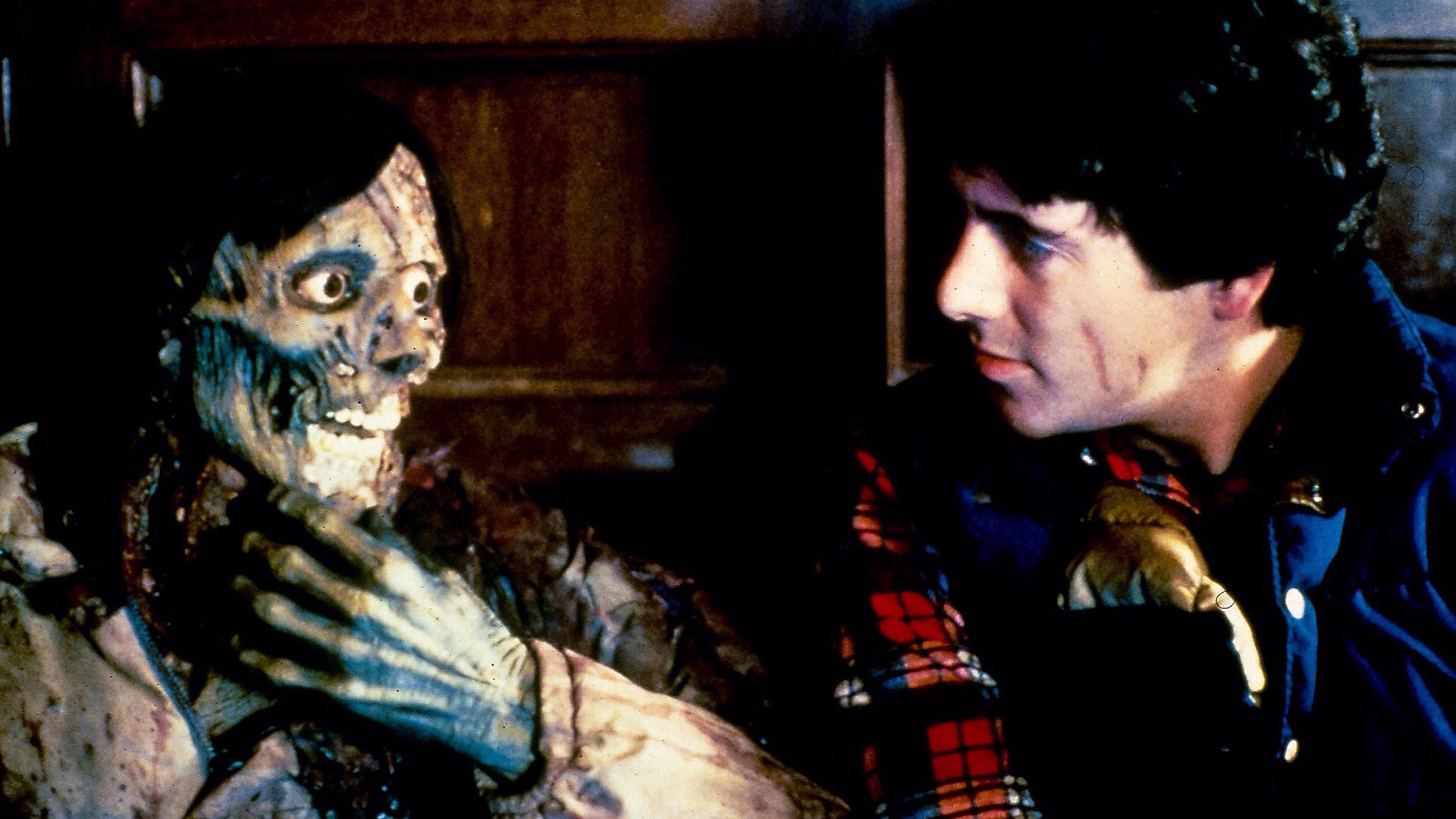
David Naughton’s David Kessler is an appealing centre for this mess, chiefly because he does not play bewilderment as stupidity. Griffin Dunne’s Jack Goodman gives the supernatural business a conversational ease that makes it more disturbing. There is something particularly uncomfortable about a ghost who still sounds like somebody’s travelling companion. Landis’s screenplay gets useful humour from the continued sense of two people who know each other, even when ordinary conversation has become impossible.
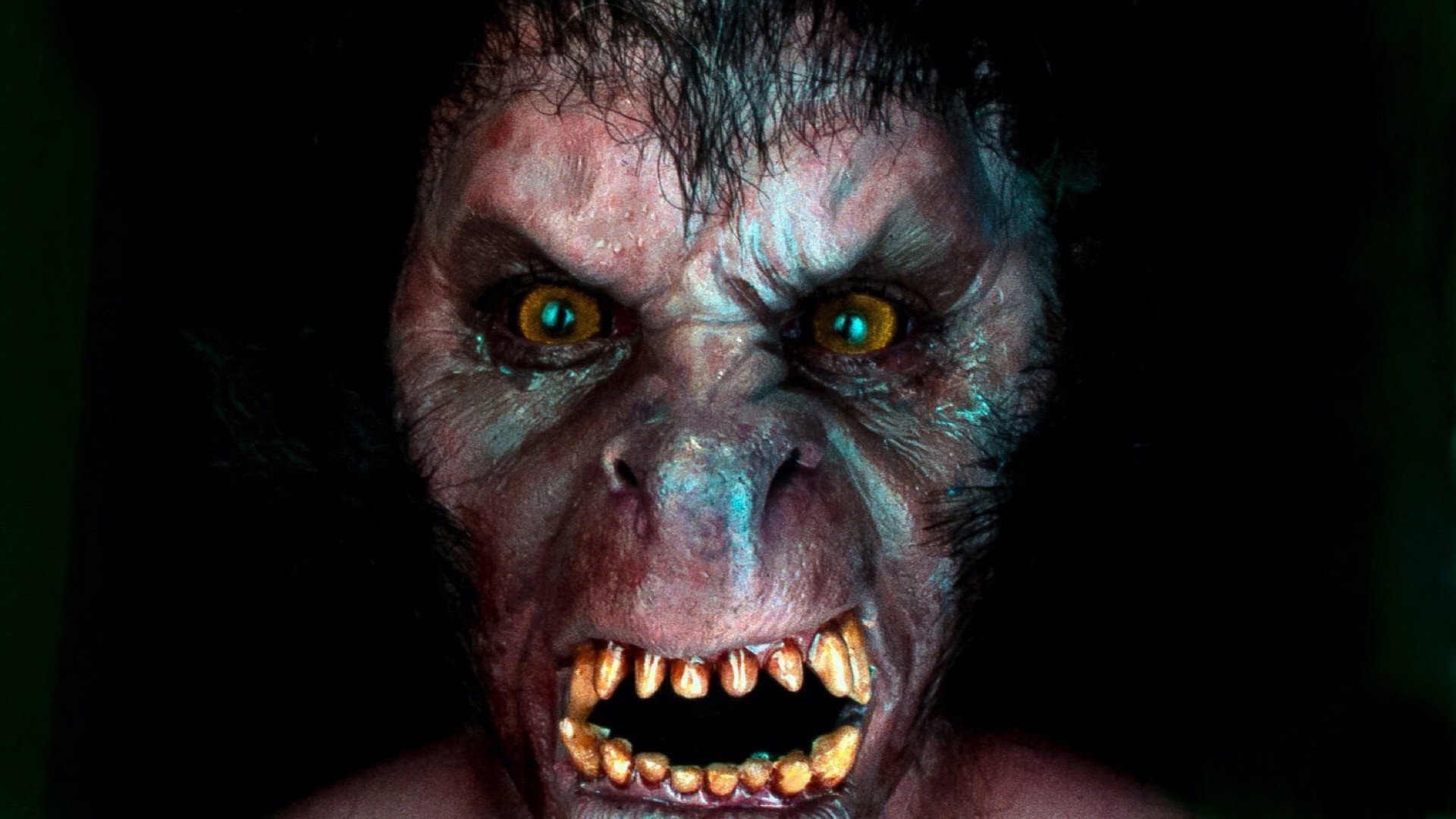
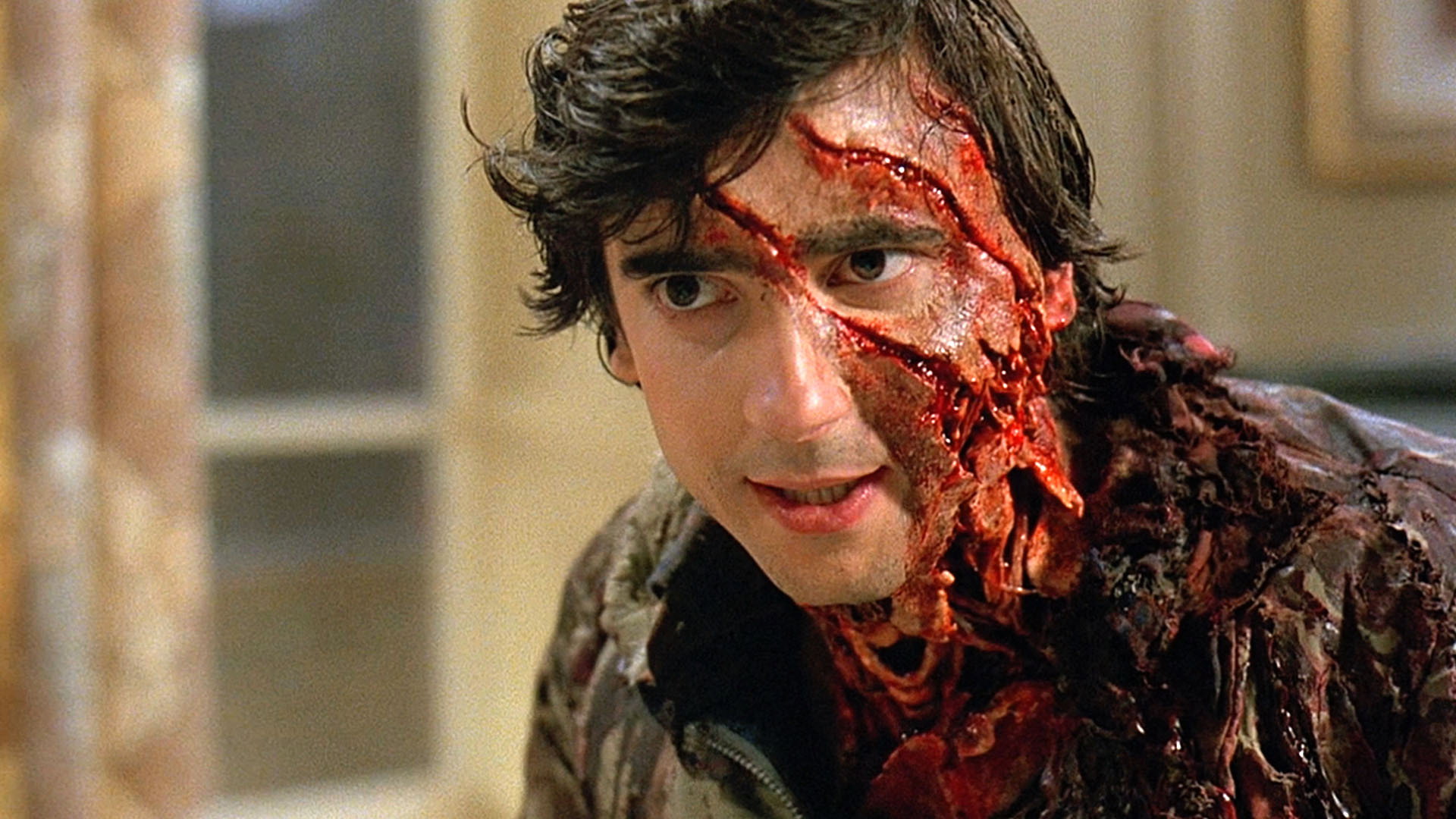
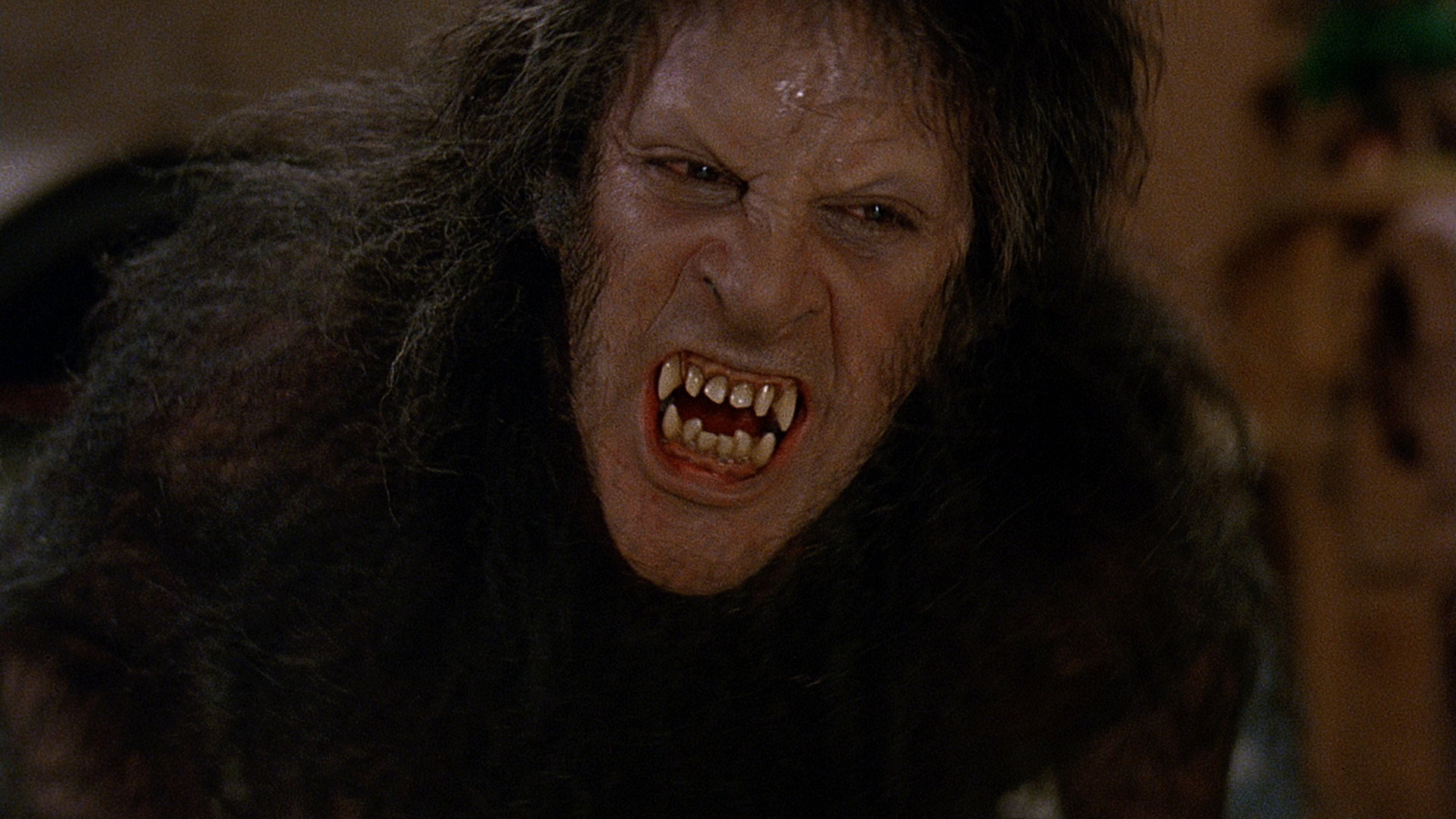
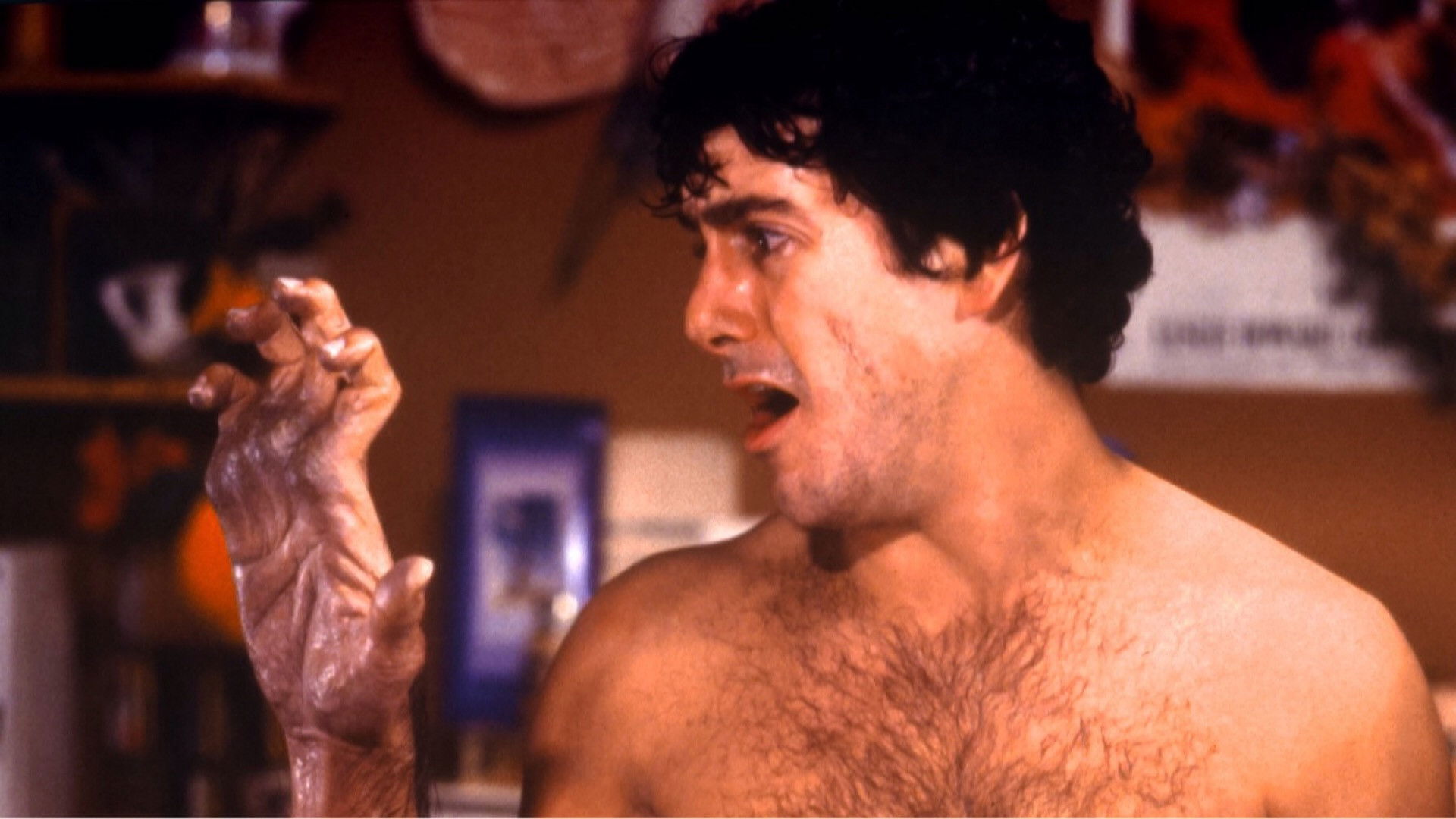
The practical transformation effects are the main reason the horror survives all this joking, and Robert Paynter’s cinematography gives their physical detail the attention it needs. We were horrified by the bodily distortion: the process looks painful, and recognising the workmanship offers little comfort. Landis gives us time to register what is happening, instead of hurrying towards the finished creature. That makes the process of changing frightening in itself.
Elmer Bernstein’s music helps the horror retain its seriousness amid the comedy. The moon-themed songs make a more conspicuous joke, and their persistence could have become irritating; the selections are sufficiently good to get away with it. Malcolm Campbell’s editing keeps individual passages brisk, with enough room for the humour to land. The joins are less secure, and there are moments when the film seems impatient to move from a human encounter to another attraction.
That impatience matters most to Jenny Agutter’s Nurse Alex Price, because the romance needs more space than Landis’s screenplay gives it. Agutter brings warmth and a welcome lack of fuss, making the attachment credible for longer than the writing quite deserves. Naughton can carry bewilderment and fear, but David does not acquire much depth once the central problem has been established. A little more time with the people would have helped, even in a film that benefits from moving quickly.
In a genre that often uses jokes to soften the frightening parts, Landis is willing to let the unpleasantness last. Naughton’s likeability helps here: we have enough affection for David to care about his suffering, despite the gaps in the writing. At 97 minutes, the film rarely gives either the humour or the horror time to wear out its welcome. Choose it for the physical horror and the awkward comedy, with fair warning that the laughter does nothing to make the blood less disagreeable.