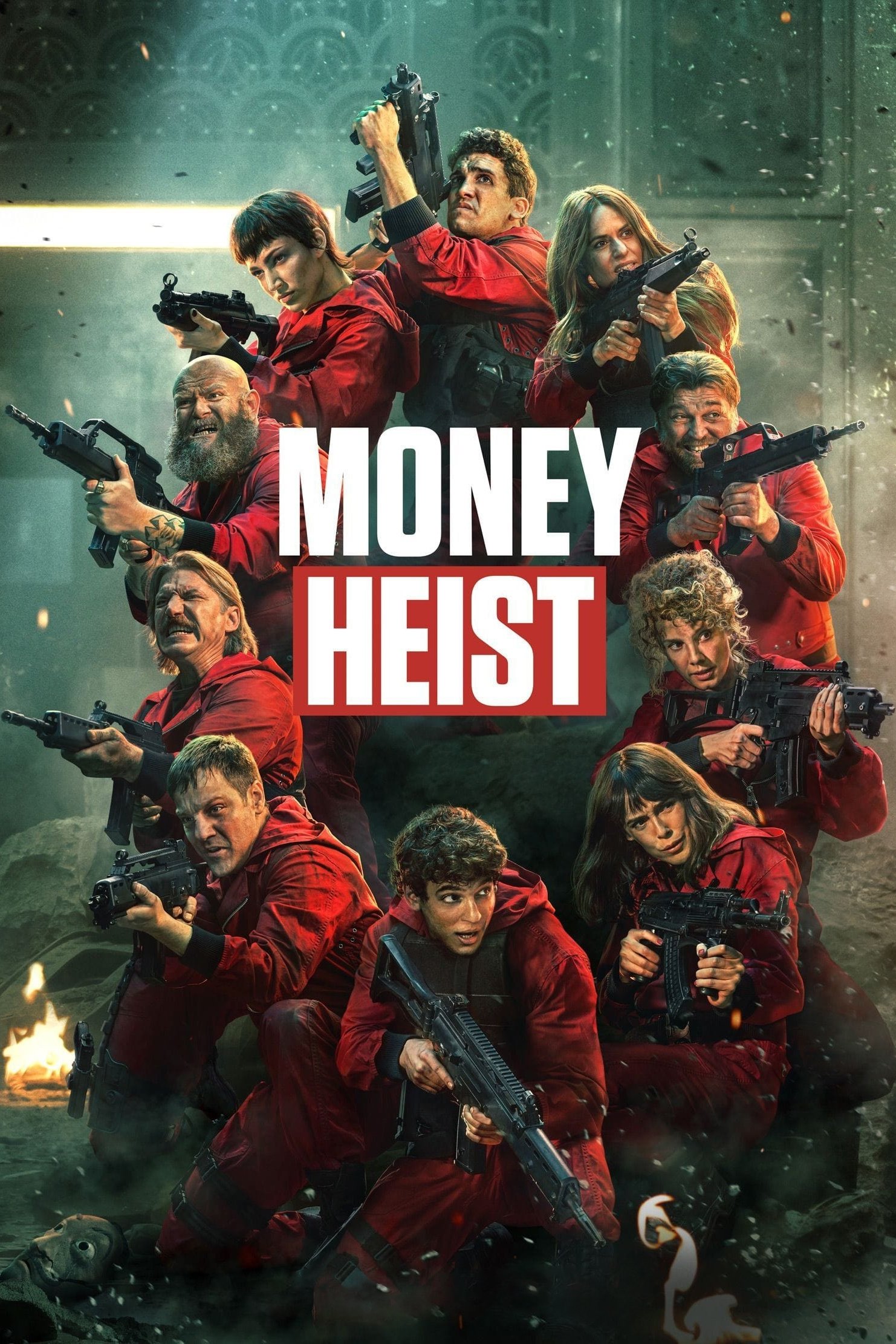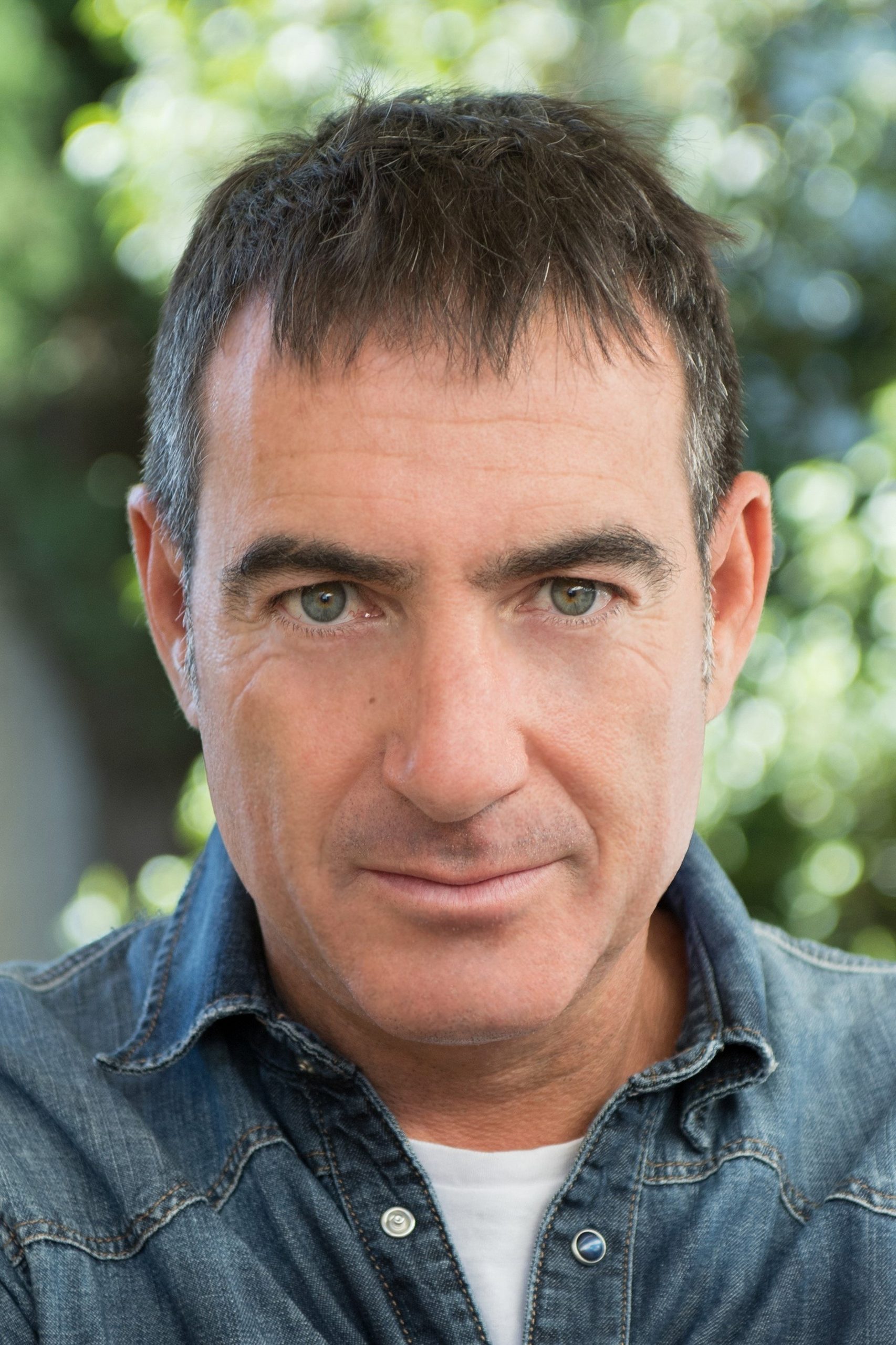
Álex Pina locks people in a building and lets them shout at each other, and for a season at a time that is as gripping as popular television gets. Given more time, his series get longer and louder and no better.
Fi1m perspective
Somewhere early in an Álex Pina series a door closes and does not open again. A women's prison in Vis a Vis (2015–2020), a ship in El barco (2011–2013), the Royal Mint in La casa de papel, sold to us as Money Heist (2017). He has said that "The experience for the viewer is much better when things go bad," and his method is to make sure nobody can walk away from it. The clock starts, the crew argues, somebody in charge makes a decision they will regret, and a voice-over tells us how it felt afterwards.
He came to it from journalism in the early 1990s, then two decades at Globomedia, where he created Los Serrano (2003–2008) and Los hombres de Paco (2005–2010), serials that ran for years and needed large casts kept alive across them. The apprenticeship shows. He left Globomedia at the end of 2016 to set up his own company, Vancouver Media, and its first series was Money Heist, which began in Spain on 2 May 2017 and travelled the world.
Our review gave it 70, and most of that is the first season: 15 episodes inside the Mint and in the police tent outside, built on the oldest idea in the genre, a man with a plan, a crew who did not read it, a building nobody is supposed to leave. We were tense for most of those 15 episodes, which we had not expected from a serial with a reputation for melodrama; the plotting is tighter than that reputation suggests, and it is the plotting that does it. What holds is the clock, and the way the crew keep falling in and out of love at the worst possible moment. That is what he and his regular co-writer Esther Martínez Lobato add to the heist: the romances and the friendships are taken as seriously as the vault, and it is the arguments we remember, not the money.
The trouble is that he does not stop. The two seasons of Money Heist that followed did the same thing again, longer and louder, and we would send only the converted to them. Sky Rojo (2021–2023) drew complaints for its violence and its sex, and White Lines (2020) for twists that had been seen before; we have not reviewed either, so we will not pile on. But the pattern fits. Pina prefers excess to realism, which is his right. The cost is quiet, which is where a heist earns its explosions, and quiet is the one thing his series never risk for long.
Berlin (2023–) goes back to the crew for a prequel, and something called Billionaires' Bunker is on the way, which is at least another locked door. Our advice is the same as for the Mint: watch the first season, and think hard before you open the second.
Biography
Álex Pina is a Spanish screenwriter, television producer and director. He began his career as a journalist before entering scriptwriting in the mid-1990s.
He created and wrote series including Paco's Men (2005), The Boat (2011) and Locked Up (2015). In 2016 he founded his production company Vancouver Media, whose first project was Money Heist (2017), which he created and wrote.
The series was distributed worldwide by Netflix and led to further work with the platform on titles such as Sky Rojo (2021) and the spin-off Berlin (2023).