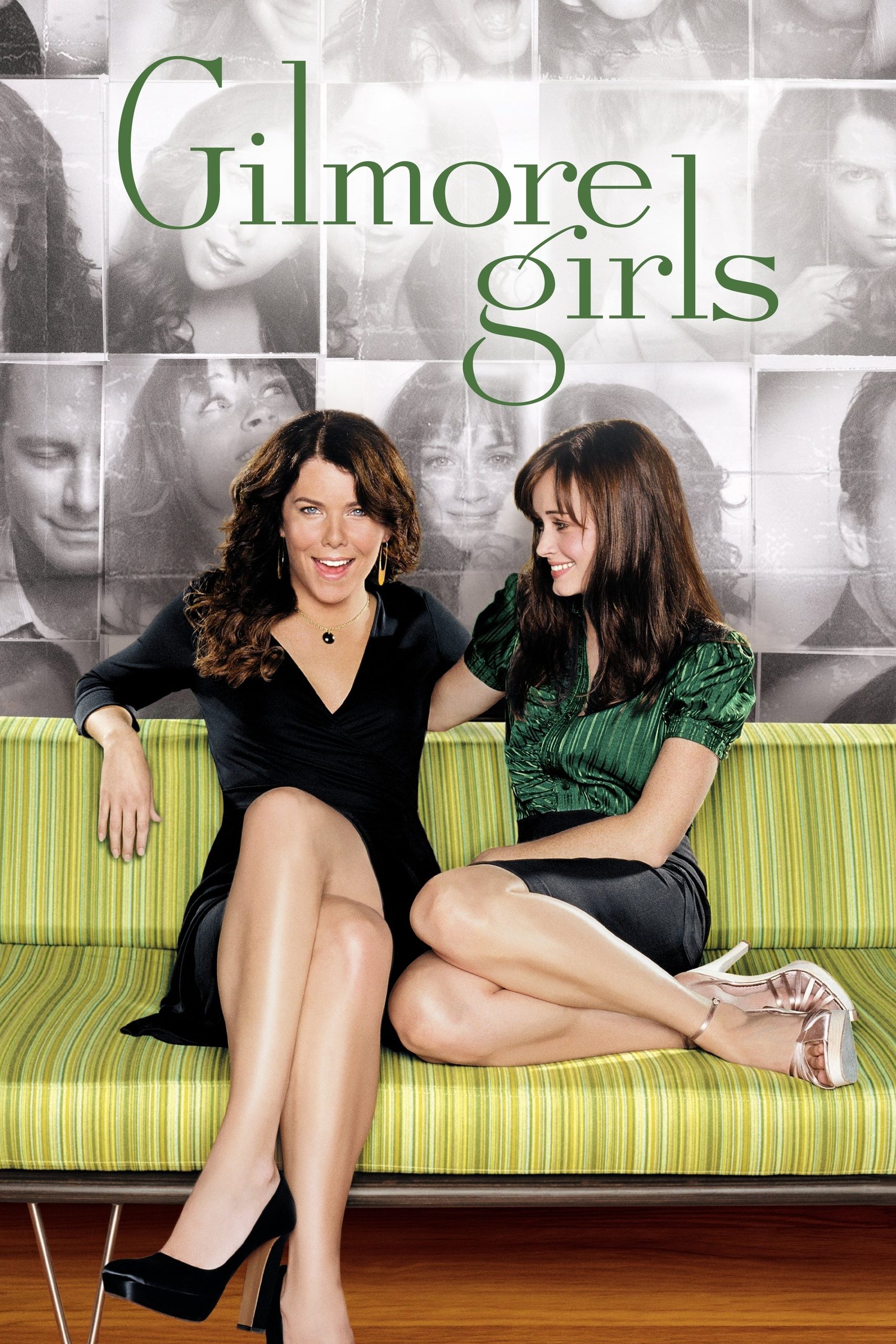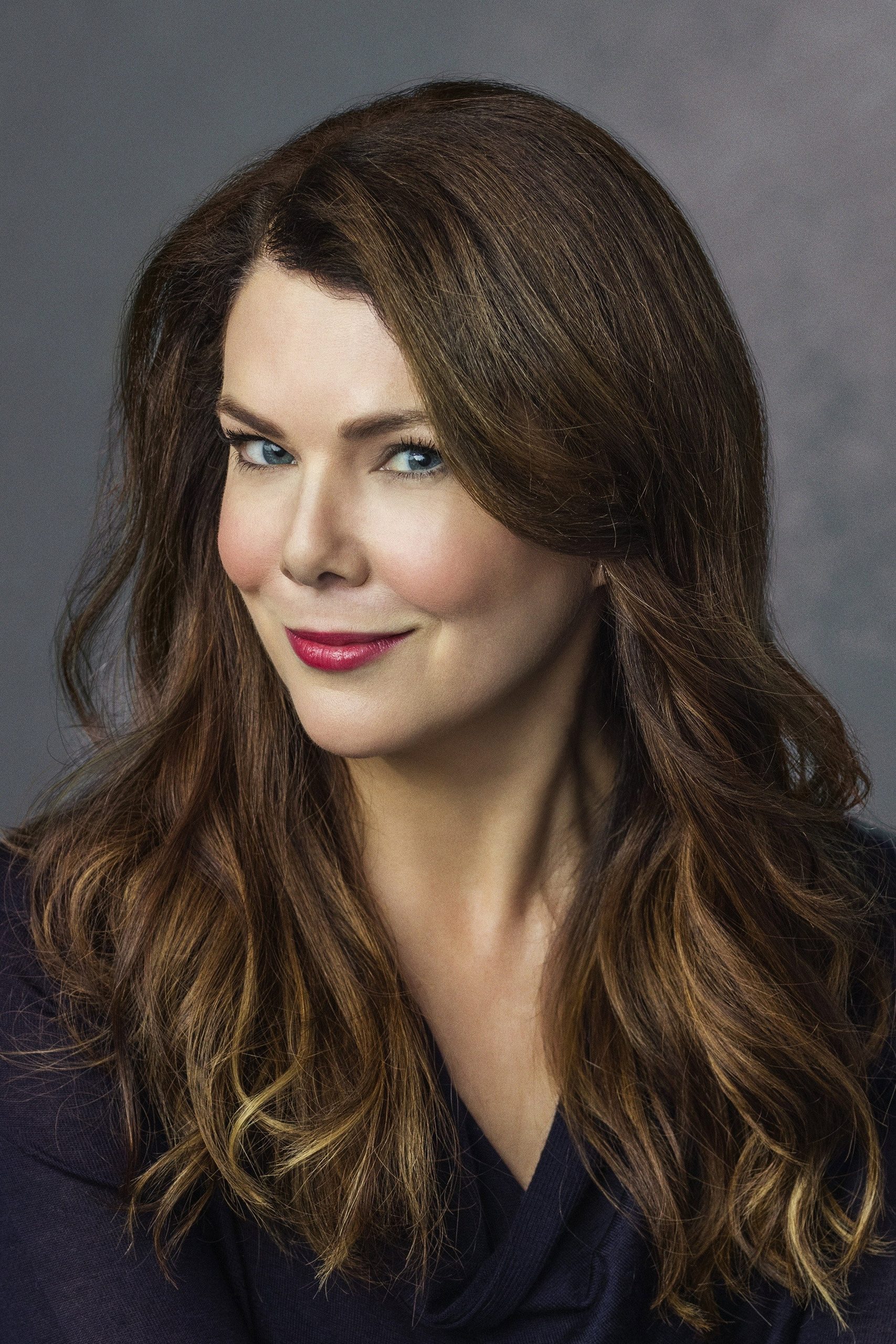
Lauren Graham talks faster than anyone else on television and lets you see the worry underneath as she does it. For three seasons of Gilmore Girls that was as good as network comedy-drama gets; little since has asked as much of her.
Fi1m perspective
Watch Lorelai Gilmore take a phone call. She answers mid-sentence, sells a joke she has plainly made before, drinks her coffee, and somewhere in the swallow lets you see that she is worried about something she has not mentioned. Then the sentence ends and the next one starts. Lauren Graham does this dozens of times an episode in Gilmore Girls (2000), and the trick is not the speed, though Amy Sherman-Palladino's scripts run faster than almost anything else on television. The trick is that the worry never slows her down. Most actors handed that much dialogue either flatten it into patter or stop to underline the feeling. Graham does neither, and she is funny with her whole body while she is at it.
She had spent the mid-1990s in guest spots and sitcoms that did not last, and the part arrived when she was in her thirties. She has said of getting it, "I just felt seen." We would not argue. We thought the first three seasons as good as network comedy-drama gets; the last two are tired, and Graham, producing by the end, is one of the reasons people stay for them anyway. We laughed at her for a season before we noticed we had started to worry about her too, and then we were slightly annoyed, because a woman that quick should not be able to get past our guard. That is the performance: sixteen years of talking her way out of trouble, and the trouble still there.
Then, for six seasons of Parenthood (2010), she was Sarah Braverman, another independent mother in a family story, this time in an ensemble alongside Peter Krause, and the part let her be sad for longer stretches. She was good at it. She was also, by then, being asked to do the same thing in different kitchens. Film has never worked out what to do with her: Sue in Bad Santa (2003) is a sharp supporting turn, The Pacifier (2005) is a family comedy that needed her more than it used her, and later roles such as Max (2015) hand her almost nothing to play. Her Broadway debut in Guys and Dolls (2009) got mixed notices. She went back to Lorelai in Gilmore Girls: A Year in the Life (2016), and afterwards to Zoey's Extraordinary Playlist (2020) and a Mighty Ducks series (2021).
None of the later work is bad and none of it is necessary, and the fault is mostly in the writing she has been offered rather than in her. She needs a script that talks as fast as she can and trusts her to do the slow part underneath. Sherman-Palladino wrote her one. Since 2013 she has been writing novels and memoirs herself, which may be where the speed has gone.
Biography
Lauren Graham is an American actress and author. She was born on 16 March 1967 in Honolulu, Hawaii, and trained at Barnard College, where she earned a BA in English, and at Southern Methodist University, where she received an MFA in acting.
She began her career with guest roles in television series in the 1990s. Graham is best known for portraying Lorelai Gilmore in the series Gilmore Girls (2000–2007), for which she received a Golden Globe nomination, and reprised the role in the 2016 Netflix miniseries Gilmore Girls: A Year in the Life. She later played Sarah Braverman in Parenthood (2010–2015) and appeared in films including Bad Santa (2003), The Pacifier (2005) and Evan Almighty (2007).
Graham has also written books, including the novel Someday, Someday, Maybe (2013) and the memoir Talking as Fast as I Can (2016).