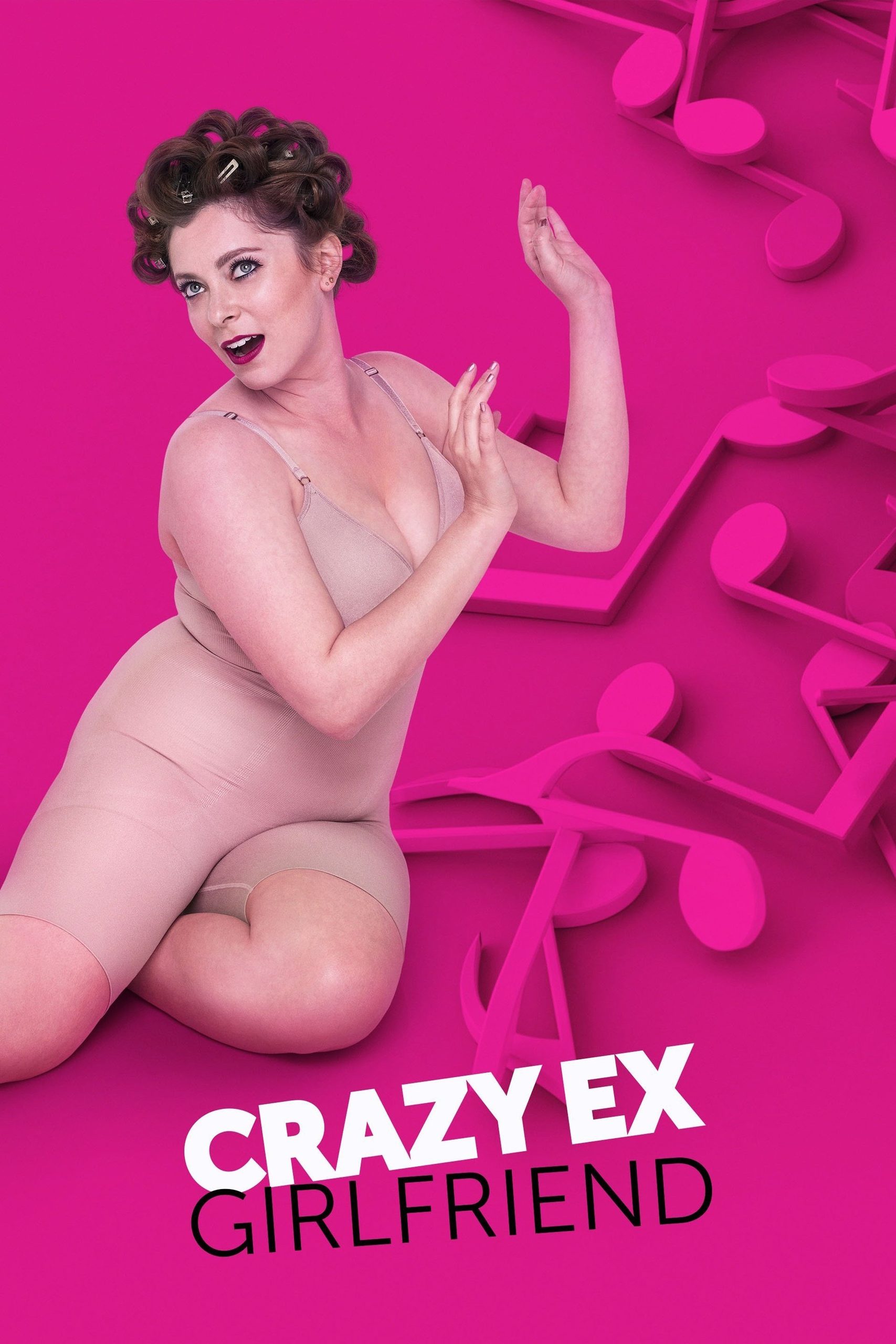
Every one of the eight reviews is favourable, and the praise clusters in the same two places: the songs and Rachel Bloom. Critics describe the musical numbers as clever genre pastiches that let the show raise dark subjects, depression and anxiety chiefly, without turning into a dark show, and most call Bloom, who created the series and stars in it, a talent worth watching. Several also credit the writing for giving a tired trope, the unhinged ex, more sympathy and depth than the title promises, and for treating mental illness and female sexuality with unusual care.
The reservations are about the early episodes rather than the idea. The Hollywood Reporter finds the pilot rough and underdeveloped once the songs stop, and Variety worries the premise could go off the rails over a long run. Later reviews, covering the second and third seasons, report that it does not. The spread is narrow, from good to very good, with no dissenters.