Rachel Bloom and Aline Brosh McKenna take the ugliest phrase in dating and spend four seasons finding the woman inside it, two songs at a time. It is funny, sad and rude about the right things; it is also longer than it needs to be.
The title is the first joke, and the show is irritated by it. Rebecca Bunch (Rachel Bloom) is a New York lawyer who, on the morning she is offered partnership, meets Josh Chan (Vincent Rodriguez III) on the pavement. She dated him for a summer at camp ten years earlier. He mentions he is moving home to West Covina, California, and within a scene she has quit, packed and followed him, insisting to everyone that this has nothing to do with him. Its creators, Rachel Bloom and Aline Brosh McKenna, take that lie apart over four seasons and 62 episodes with more patience and less cruelty than the title promises. It is a fine series, funnier than its premise and sadder than its packaging, and its main fault is that there is too much of it.
The songs are the point. There are two or three an episode, each a pastiche of a style, and each is where Rebecca says what she cannot say in dialogue. The best in the pilot is The Sexy Getting Ready Song, an R&B slow jam about a woman making herself beautiful, shot among wax strips, shapewear and a plucked eyebrow that is bleeding, while the rapper Nipsey Hussle, playing himself, walks in, looks around and leaves to ring his exes and apologise. We laughed, and then felt caught out, because the camera stays on the mess after the joke is done. It is not laughing at her. It is laughing at what she has been asked to do.
Marc Webb directs the pilot, and the numbers have the grammar of pop videos rather than stage musicals: the light changes, the frame goes soft or square, and West Covina turns into whatever the song needs. Joseph Kahn and Kenny Ortega are among the later directors, and the staging stays confident across four years. Nena Erb’s editing is the quiet achievement. She cuts out of each song without a pause, so that Rebecca is standing in an office car park a beat after she was on a soundstage, and the deflation is the same every time and funny every time.
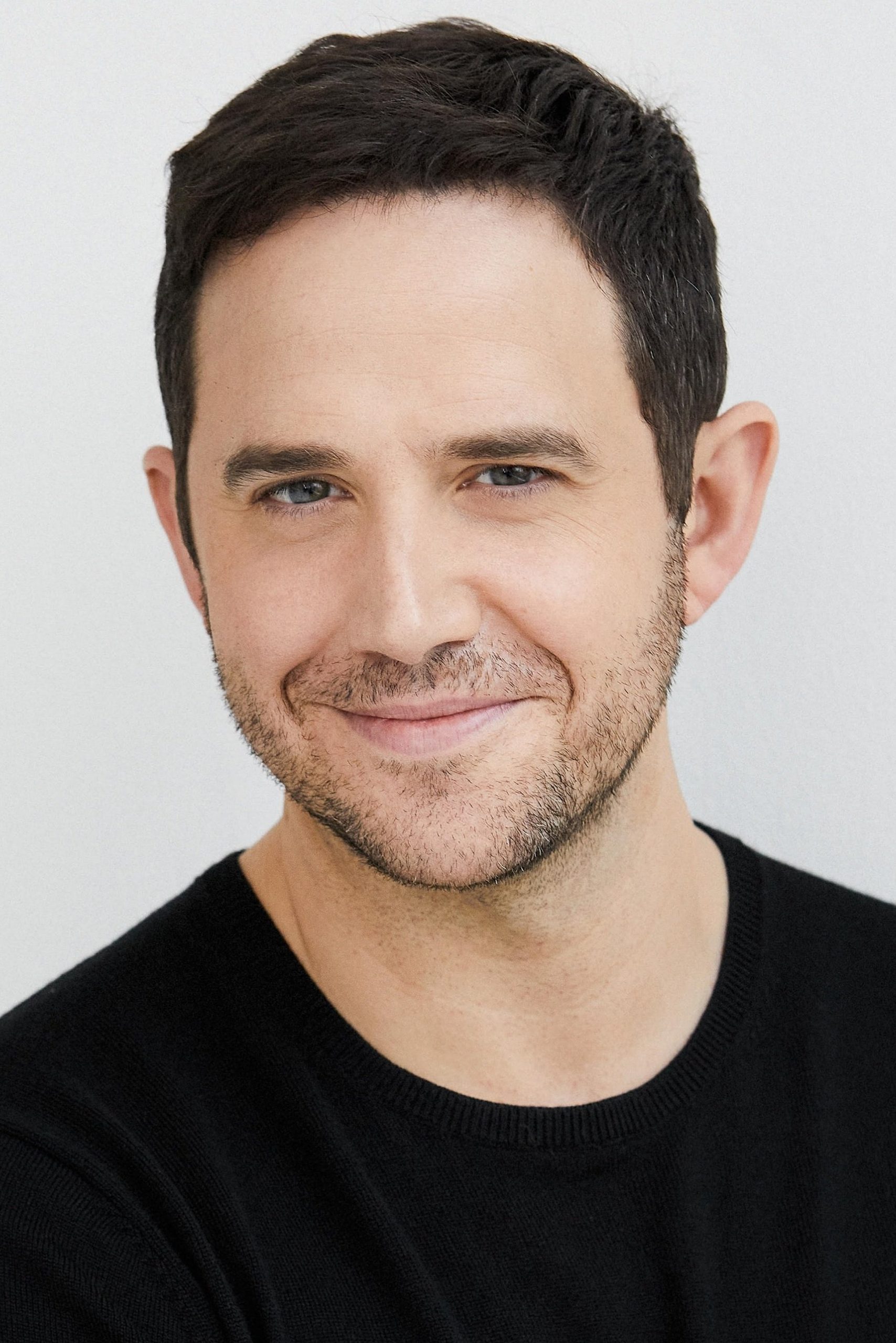
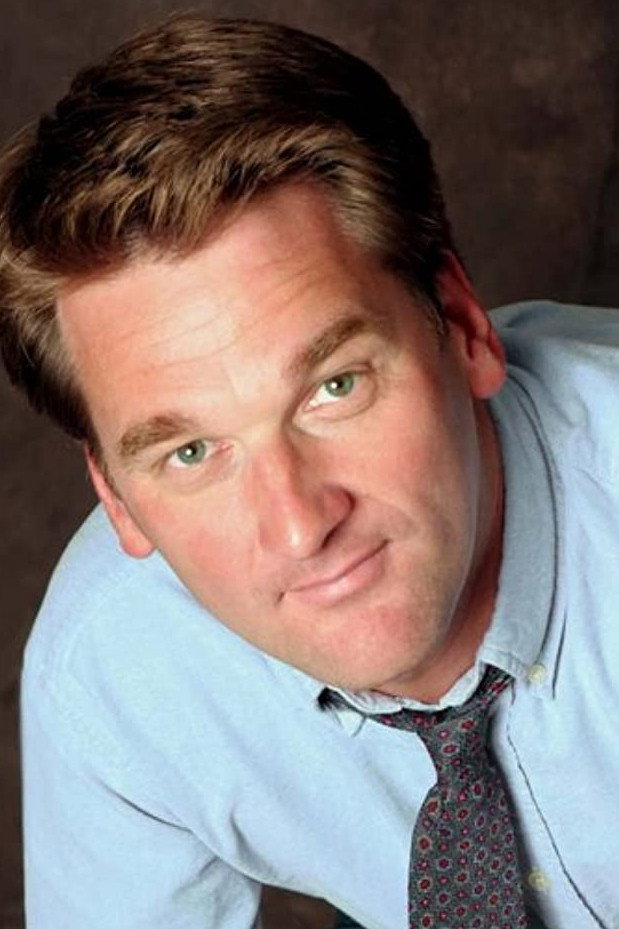
Bloom plays Rebecca with a smile a fraction too wide and eyes that check whether it worked. She is loud, needy and clever, and Bloom never asks us to forgive her, only to keep watching. Donna Lynne Champlin’s Paula Proctor, a paralegal at the small firm Rebecca joins, takes up the Josh campaign with a zeal that is soon more alarming than Rebecca’s own, and Champlin makes her the warmest person on screen and the most frightening. Santino Fontana’s Greg Serrano, the bartender who sees straight through Rebecca and likes her anyway, is dry, tired and the best-written man on the programme. Rodriguez plays Josh as pleasant and slightly dim without making him a fool. Pete Gardner’s Darryl Whitefeather, the boss, is given a story in the first year that we will leave him to tell.
The problems are the ones network television imposes. Season one runs to 18 episodes, and in the middle third the same beat comes round more than once: Rebecca does something appalling, sings about it, and is forgiven before the 43 minutes are up. The show is sometimes unkind to Valencia Perez (Gabrielle Ruiz), Josh’s girlfriend, in ways it later regrets, and it is slow to give Vella Lovell’s Heather Davis more than one joke. The later years turn toward Rebecca’s mind rather than her love life, and there is a turn in the third season we will not describe. The fourth season, back up to 18 episodes, spends too long tidying, and some of the late songs illustrate points the scenes have already made.
Musicals on television usually fail because the songs stop the story. Here they are the story, and the dialogue is the interruption. Watch it one episode at a time; three in a row and the pattern shows through. The title will put some people off, and they were never going to like a woman who sings about hair removal. Everyone else should push past it and stay for the second season, where the singing gets sadder and the show gets better.