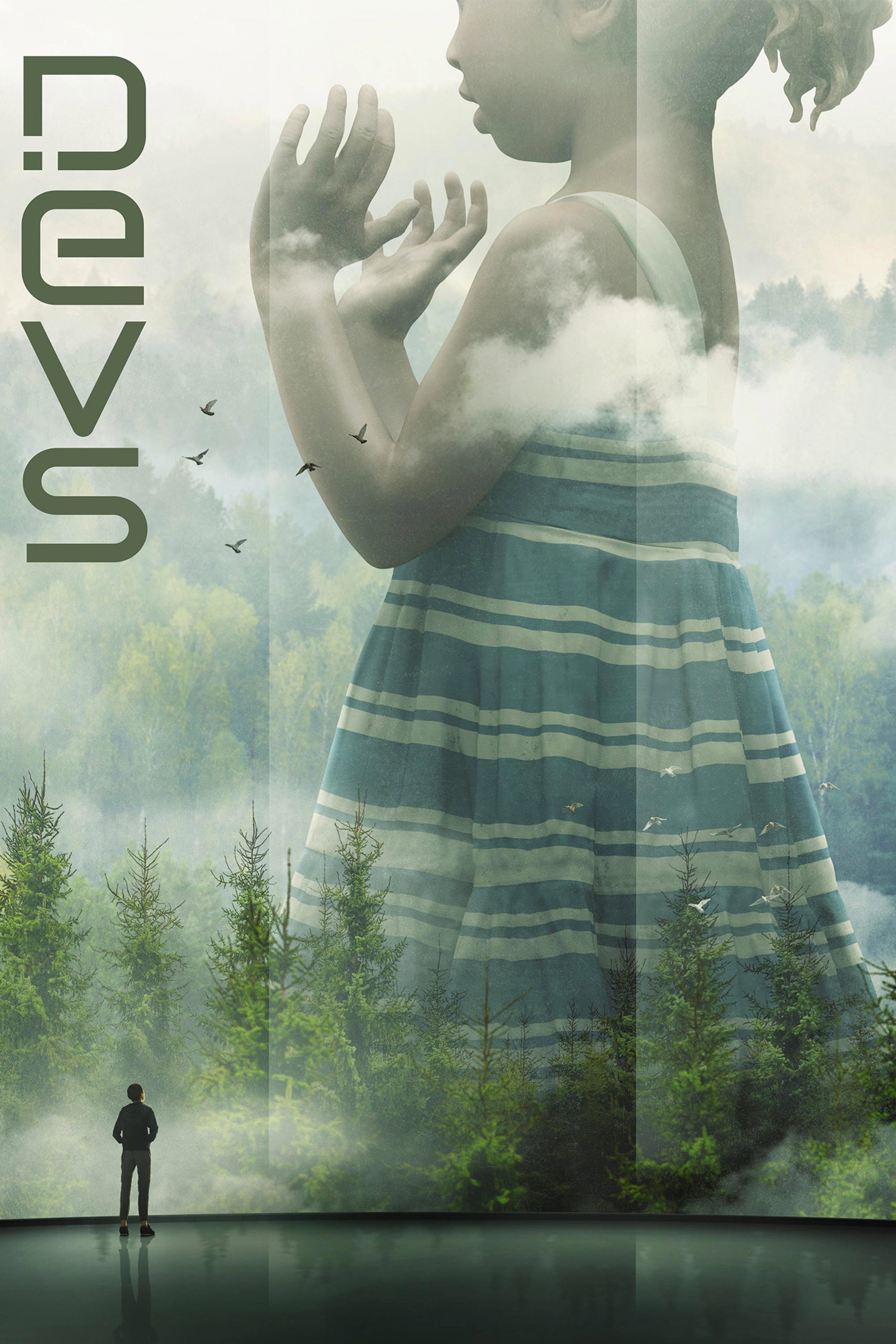
Most critics take to Devs, and the praise clusters on how it looks and sounds. Garland’s control as writer and director is noted repeatedly: the slow, hushed imagery, the production design of the tech campus, the sound, and a mood several reviews call hypnotic. The ideas about determinism and free will strike most as ambitious enough to grip, the ensemble draws warm notices, with NME singling out Nick Offerman as the CEO, and the series is widely read as an extension of Ex Machina.
The reservations cluster on pace and plot. Several reviews find the dialogue expository or opaque and the story thin across eight hours, the ideas carrying more weight than the characters. The Guardian finds the leads miscast. The spread is wide: The i Paper gives five stars, while The Times finds it slow and soulless and Variety calls it a misfire that becomes punishing at length. Only two outright negatives among eighteen, but a crowded middle of qualified approval.
i
The i Paper
15 April 2020 · ★★★★★ · Rupert Hawksley
100
The critic praises the series as beautiful, terrifying and stimulating, highlighting its plausible sci-fi exploration of big tech companies, power and moral questions. It is called brilliant and compulsive television.
The series is a contemplative knockout from Alex Garland, delivering another near-future nightmare about a suspicious developer unraveling mysteries at a tech pioneer's company. It stands out for its ambitious sci-fi storytelling and strong lead performances.
The review describes the series as an eight-hour Garland movie full of beautiful, weird and breathtaking imagery, with assured direction handling both the mystery plot and philosophical questions about technology and free will. It calls it superbly assured and potentially the best series about freaky shit since The OA.
The critic finds the series bold, intelligent and one of the year's most inventive TV pieces, with stunning visuals and cerebral storytelling that succeeds as engaging drama. It is unique, striking and a worthy follow-up to Garland's films.
The review praises the opening episode as a rivetingly cryptic sci-fi thriller that keeps viewers guessing about its ambitious tech premise. Garland's return to themes from Ex Machina is highlighted positively in this stylish BBC Two premiere.
The critic is gripped by the thriller's secretive Silicon Valley setting and mysterious tech elements despite often impenetrable dialogue. Garland's cinematic style and Ex Machina-like themes are highlighted as compelling draws in this visually striking series.
The critic finds the series haunting and hypnotic with a unity of vision and marrow-seeping mood that casts a unique spell, though the ending is a bit on-the-nose. It is described as incredibly Alex Garland-esque and absorbing for fans of his prior work.
Garland builds a meticulous mystery around determinism and free will in a restrained but overstuffed limited series. The deliberate pacing and expository dialogue engage through strong performances despite feeling beholden to its philosophical principles.
The review calls Devs ambitious, thoughtful and often jarringly beautiful with impressive scale and design, but notes it is shakier on plot and character development over eight hours. Garland's willingness to tackle big tech issues is praised despite some reach exceeding grasp.
The critic finds Devs an ambitious but uneven miniseries that expands Garland's sci-fi universe effectively in places yet suffers from miscast leads who fail to convey emotional depth. Visuals and supporting performances are singled out as strengths in an otherwise flawed thriller about big tech and determinism.
Alex Garland transfers his psychologically intense sci-fi style to TV with mixed results, creating a transfixing yet frustratingly opaque and slow series. It excels in visuals, sound design, and performances but struggles with narrative depth and engagement over its runtime.
The review calls the limited series a misfire that probes free will and fate but fails to be intriguing enough over its length, with a relentlessly tight focus that becomes punishing. It notes the creator's talent but finds the execution lacking.
The critic finds the series slow and unengaging with clichéd dialogue and soulless characters that fail to hold interest despite intriguing ideas. The preoccupation with clever concepts comes at the expense of compelling drama and humour.
The review hails Devs as a rich, complex, ambitious and gorgeous mind-bender that expands Garland's sci-fi fascinations to television with experimental imagery and deep existential themes. It singles out the pervasive anxiety, striking visuals, sound design, and standout performances from the ensemble for praise.
The review finds Devs a hauntingly beautiful, Kubrick-influenced meditation on humanity and determinism that is slow but dense with meaning. It singles out the stellar cast, particularly Nick Offerman's laconic performance as the messianic CEO, and Garland's visual world-building for praise.
The review calls Devs a dense, layered, near-hypnotic and challenging sci-fi saga that rewards close attention with its cryptic storytelling and mind-blowing originality. It singles out the lived-in yet futuristic world-building, ominous atmosphere, and strong ensemble performances for praise while noting the deliberate pacing may alienate casual viewers.
Herman concludes that Devs both fails as a television show and transcends the medium altogether, delivering a mood-driven experience that prioritizes atmosphere over conventional storytelling. She singles out Garland’s signature sense of atmosphere and the lush, mystical production design for particular praise.
Alex Garland's tense, dense tech thriller miniseries moves slowly but rewards patience with brilliant sci-fi ideas worth the wait. It shines in its arresting visuals and recontextualization of the world in later episodes, though early pacing and repetitive explanations of the MacGuffin detract.
Ordered by the weight we give each publication, then by score. Scores are normalised to 100; * means inferred from an unrated review. Summaries are ours, not quotations; follow the links for the reviews themselves. How we rate