Alex Garland’s first series is handsome, patient and slow, a tech thriller that stops every twenty minutes to explain free will. Nick Offerman and Alison Pill make the explaining bearable; Sonoya Mizuno, as the woman doing the investigating, is given too little to play.
Alex Garland has made two films about people in sealed places asking what they are, Ex Machina (2014) and Annihilation (2018), and Devs is his first series: eight episodes, all written and directed by him. It is about a machine that can see everything that has happened and everything that will, and whether that leaves anyone room to choose. It looks superb, it is well acted in the corners, and it takes eight hours to make a point its best scene makes in five minutes.
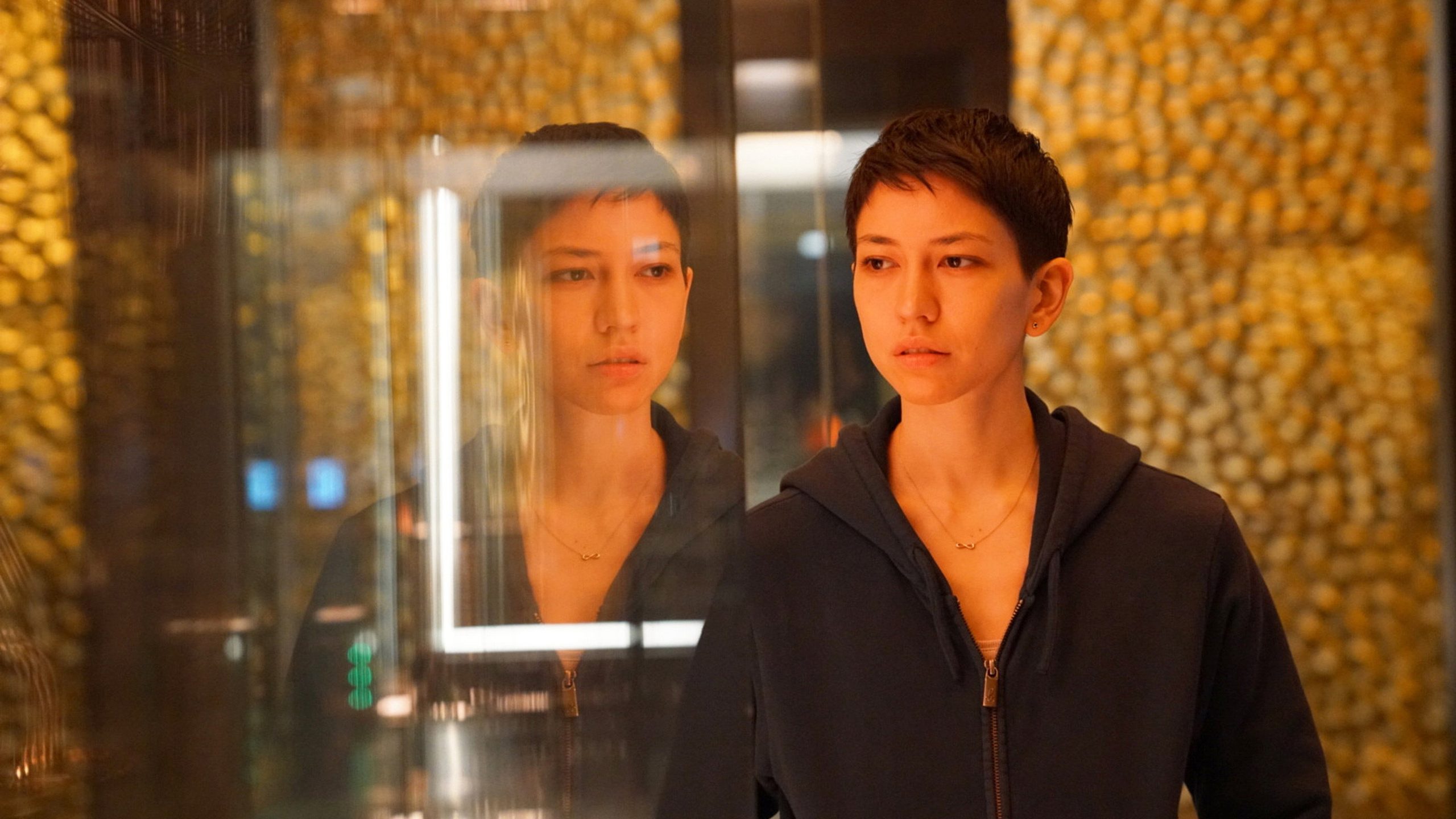
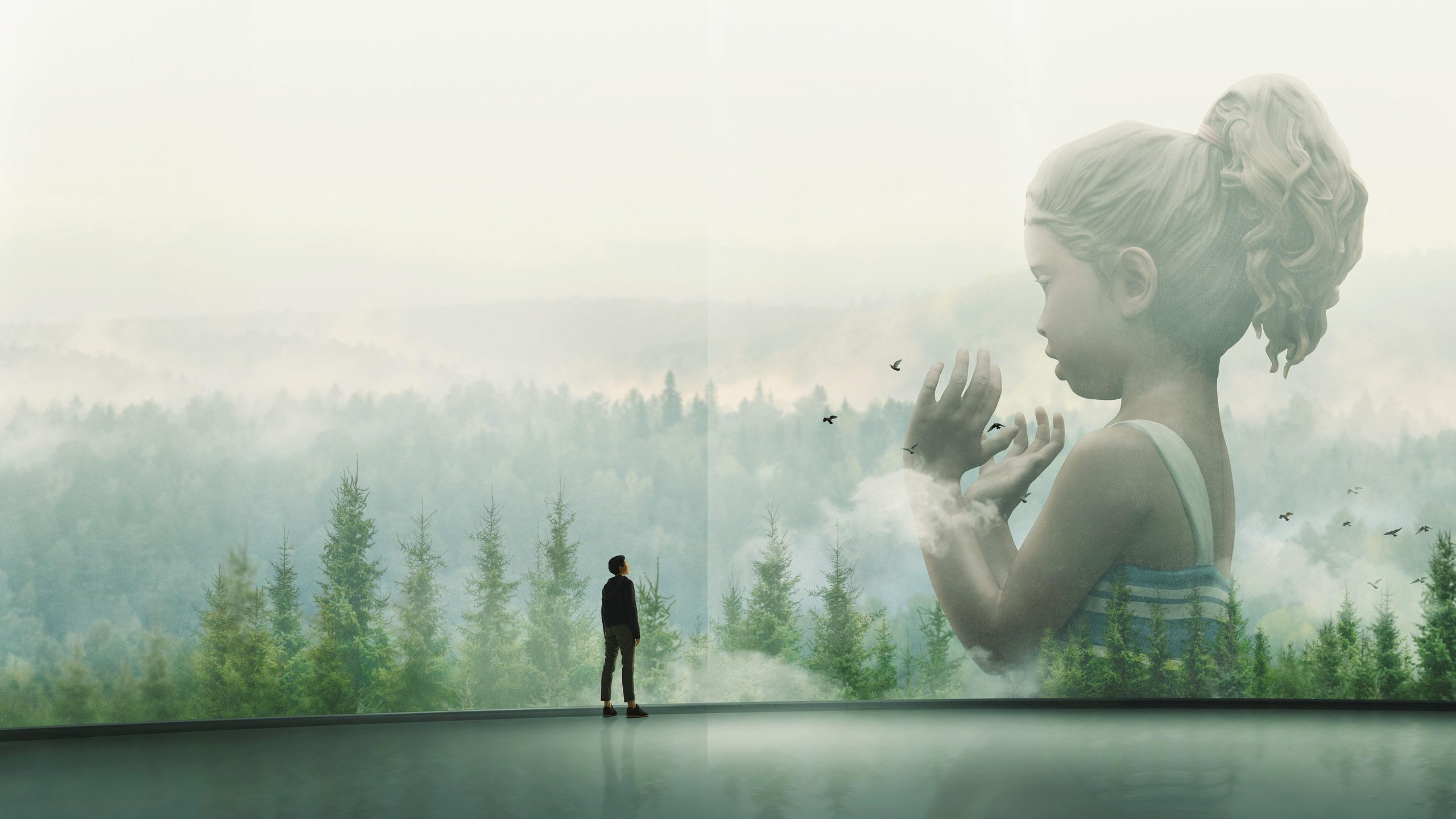
The place is the first thing that works. Mark Digby’s Devs building is a gold-lined cube hung inside a concrete shell, every surface gilt and lattice. Outside, the campus is redwoods and lawn, and over all of it stands a statue of Forest’s small daughter, tall as the trees, arms out. Rob Hardy shoots the grounds in hazy daylight with the sun spilling into the lens, and the cube in a gold that makes everyone inside look faintly sunburnt. Guy Speranza puts Forest in the same hooded fleece and Lily in the same grey jumper day after day. We believed in it at once.
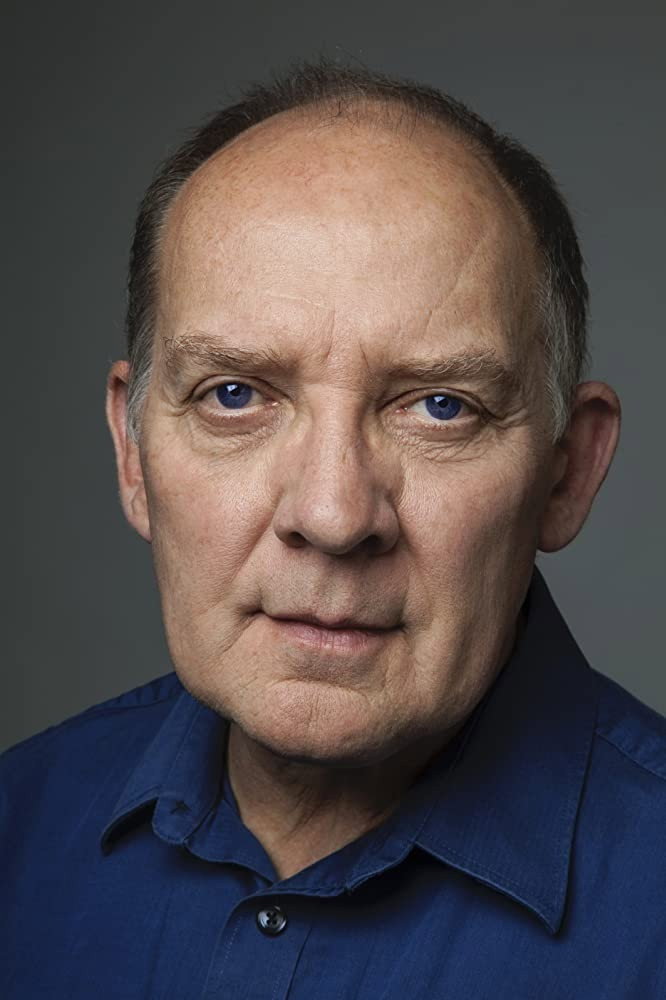
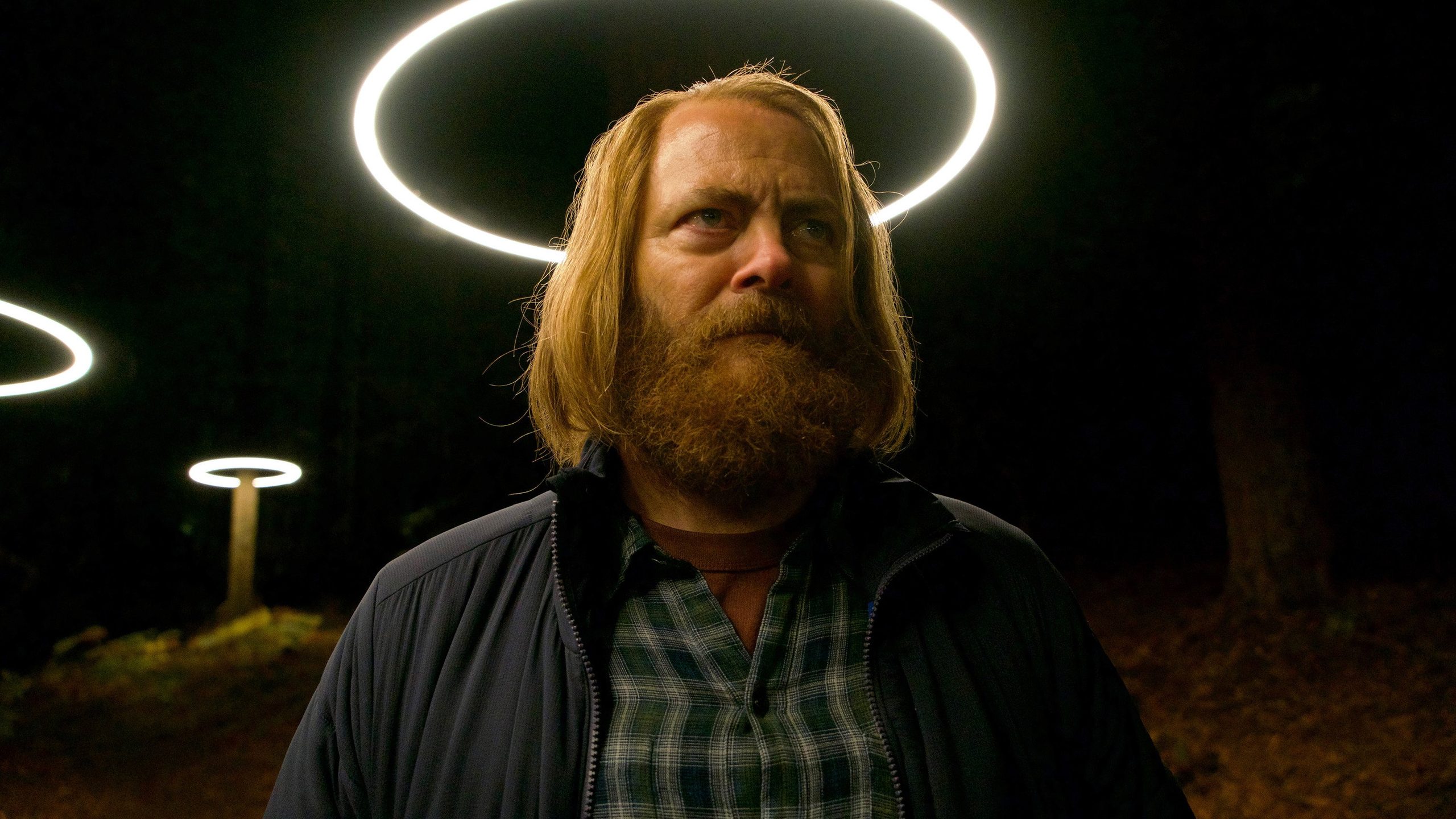
Nick Offerman plays Forest as a grieving billionaire who has stopped arguing with anyone, himself included. He has the beard of a prophet and the manner of a man asking whether you want the last of the coffee, and when he says something monstrous he says it like a weather forecast. Alison Pill’s Katie is his corrective: cool, exact, and the one person on the campus who can explain the machine in a sentence when the men around her take a scene.
The trouble is at the centre. Lily is the one doing the investigating, and Garland has written her as watchful, clever and almost without visible want. Sonoya Mizuno holds her face still for eight hours, and there were stretches where we could not have told you whether Lily was frightened, angry or working something out, and the series needed us to know. Jin Ha gives Jamie, the ex who gets pulled back in, the ordinary reactions of an ordinary man, and the series is livelier when he is on screen. Zach Grenier’s Kenton, the head of security, is a heavy in a good suit with a tired competence that frightened us more than menace would have.
In the first episode Kenton does something on a dark path through the redwoods that we will not describe. Garland films it from a distance, without music, then shows it again through a security camera. We were horrified, and what horrified us was the calm: a terrible thing presented as footage, as something that was always going to happen. That is the whole idea of Devs in one scene, and it is nearly the last time the idea is shown rather than said. From the third episode on somebody explains determinism roughly once an hour, usually in the gold room and usually in the same words, and by the fifth we had stopped listening and were looking at the lattice. We were bored, then irritated, because the series had already proved it knew how to show things.
Stephen McKinley Henderson and Cailee Spaeny, as the engineers Stewart and Lyndon, are the pleasure of the middle hours. Henderson treats the end of free will the way an old man treats a change to the bus timetable, and Spaeny plays Lyndon as a teenager who is cleverer than everyone around her and cannot stop saying so. The music, by Ben Salisbury, Geoff Barrow, Bob Locke and Tim Norfolk, is low drones and wordless chant laid under the campus, with blasts of distorted noise whenever the cube appears. It works the first four times. Jake Roberts cuts slowly, holding on faces and on the statue, and now and then the frame fractures so that a character stands in three places at once, the series’ one visual trick and a good one.
Ex Machina had three people, one house and one question, and it trusted us to sit with the question. Devs has the same question and eight episodes to fill, and it fills them with restatement. The final episode, which we will not describe, answers the question and then explains the answer, and the explaining is the weaker half.
Watch it at home, one episode an evening, and do not try two. It is built to be looked at, and the gold room is lovelier after a day away from it. Eight episodes of 52 minutes, and it carries an 18 certificate.