Alex Garland’s science-fiction thriller is tense, drily funny and finely acted. Alicia Vikander makes Ava worth worrying about, even when the screenplay explains too much and the plotting becomes foreseeable.
Alex Garland’s Ex Machina is a sharp, unsettling science-fiction thriller, held together by three performances that make a discussion feel dangerous. Its starting point is familiar: people try to decide whether an artificial being possesses a mind like their own. Garland is especially interested in the judgement of men who are attracted to the being they are supposed to assess. That gives the philosophical talk a useful embarrassment. The plotting sometimes becomes too easy to anticipate, but there is plenty here worth our attention.
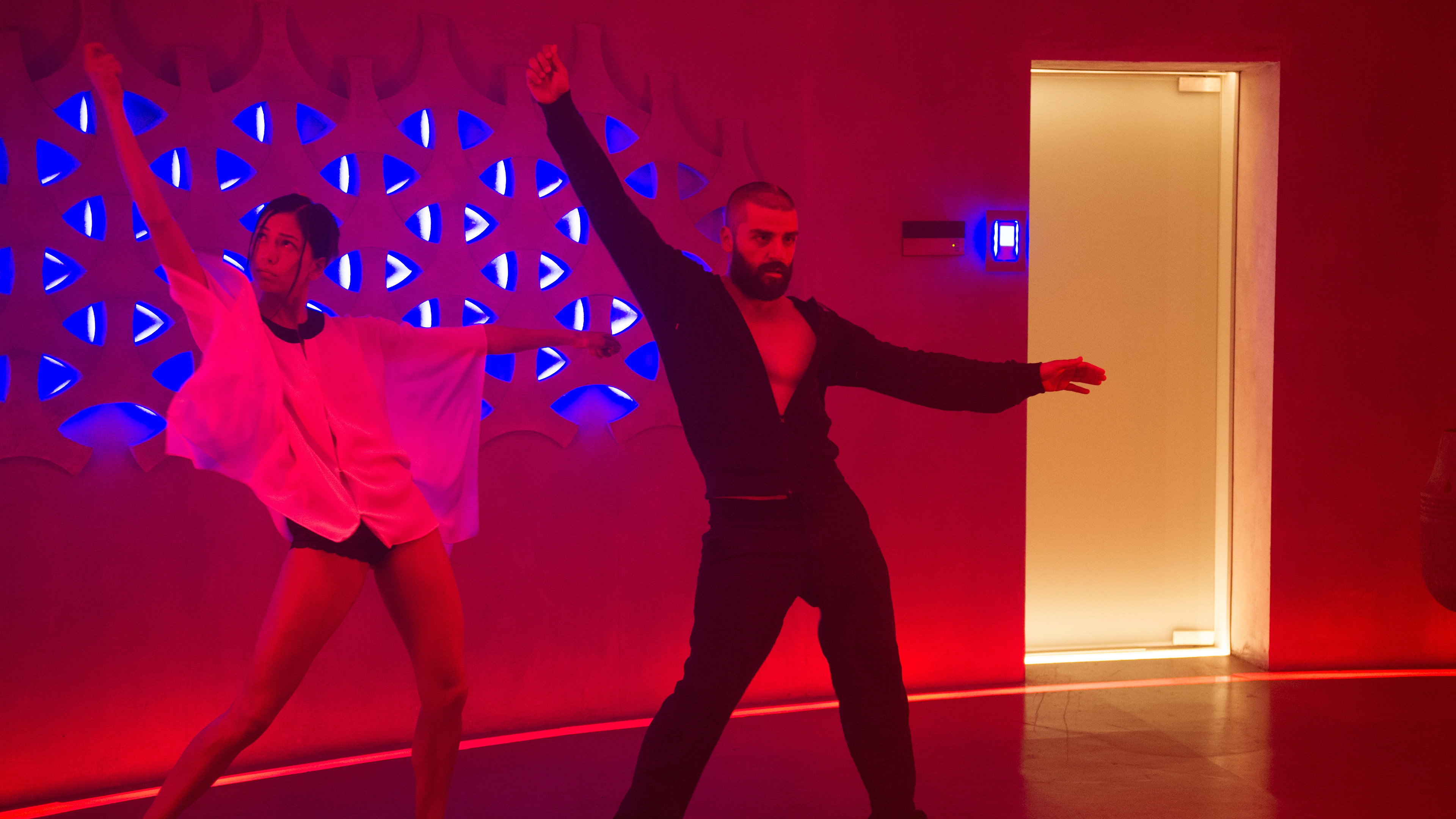
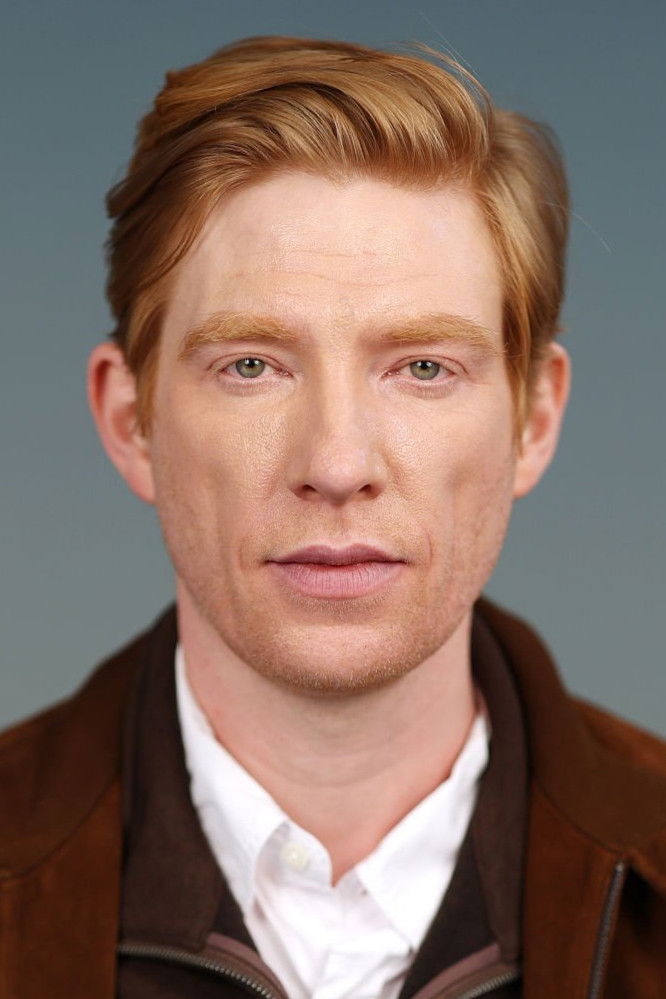
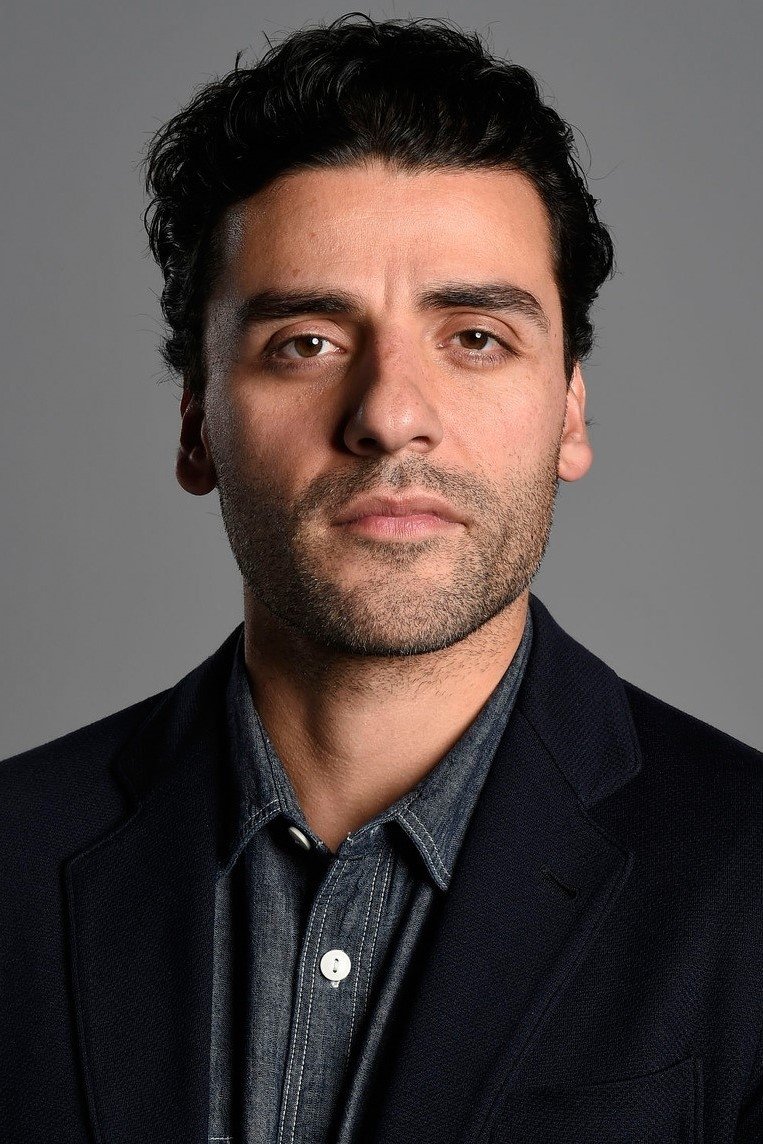
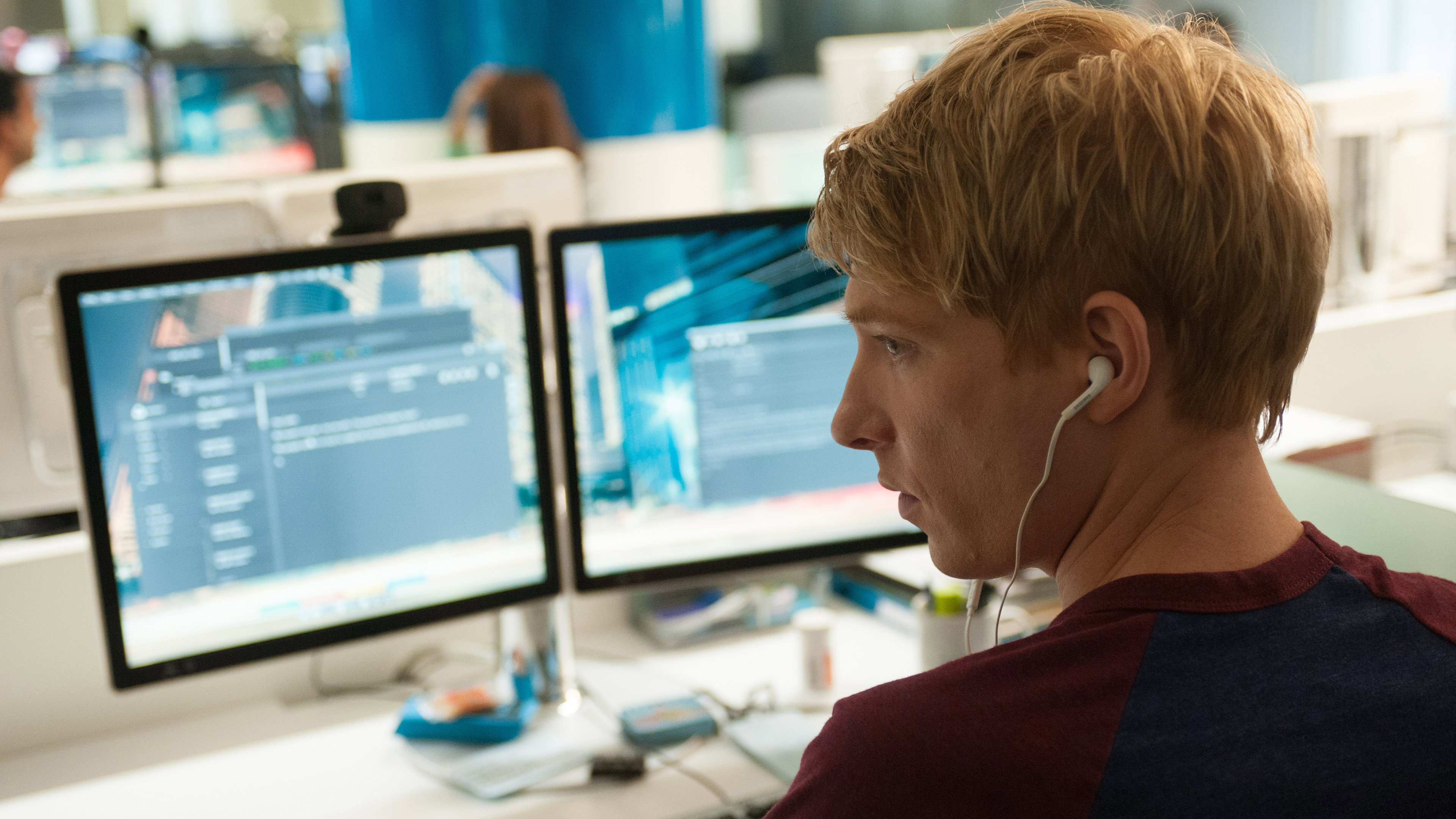
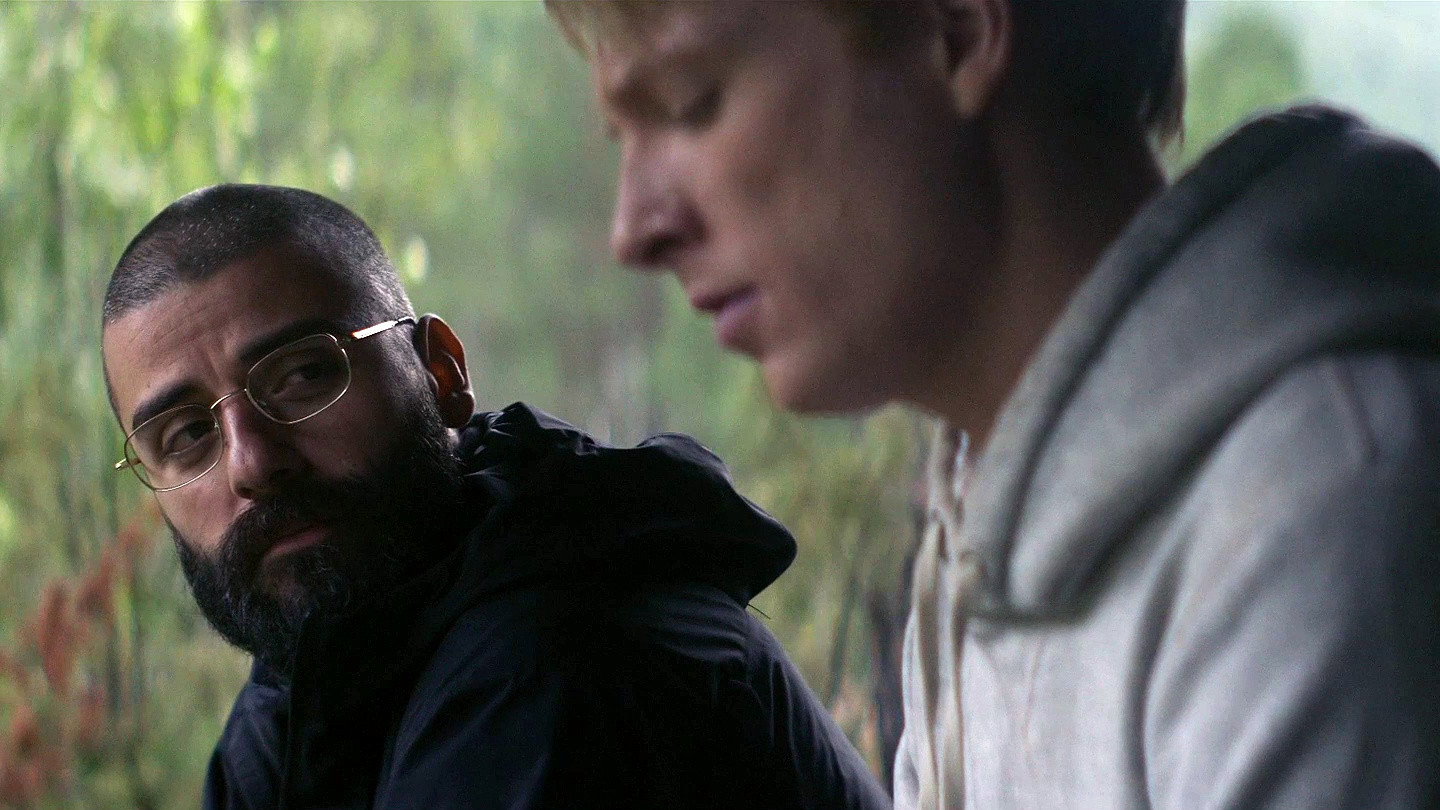
Domhnall Gleeson’s Caleb provides a plausible way into this uncomfortable company, with enough uncertainty to make his interest in Ava persuasive. Oscar Isaac’s Nathan is harder to settle beside: his humour has the force of someone who expects others to join in. Isaac makes the technology entrepreneur funny without making his control over the conversation seem harmless. The exchanges work because Gleeson leaves room for hesitation while Isaac seems impatient with the idea that anybody else might need it.
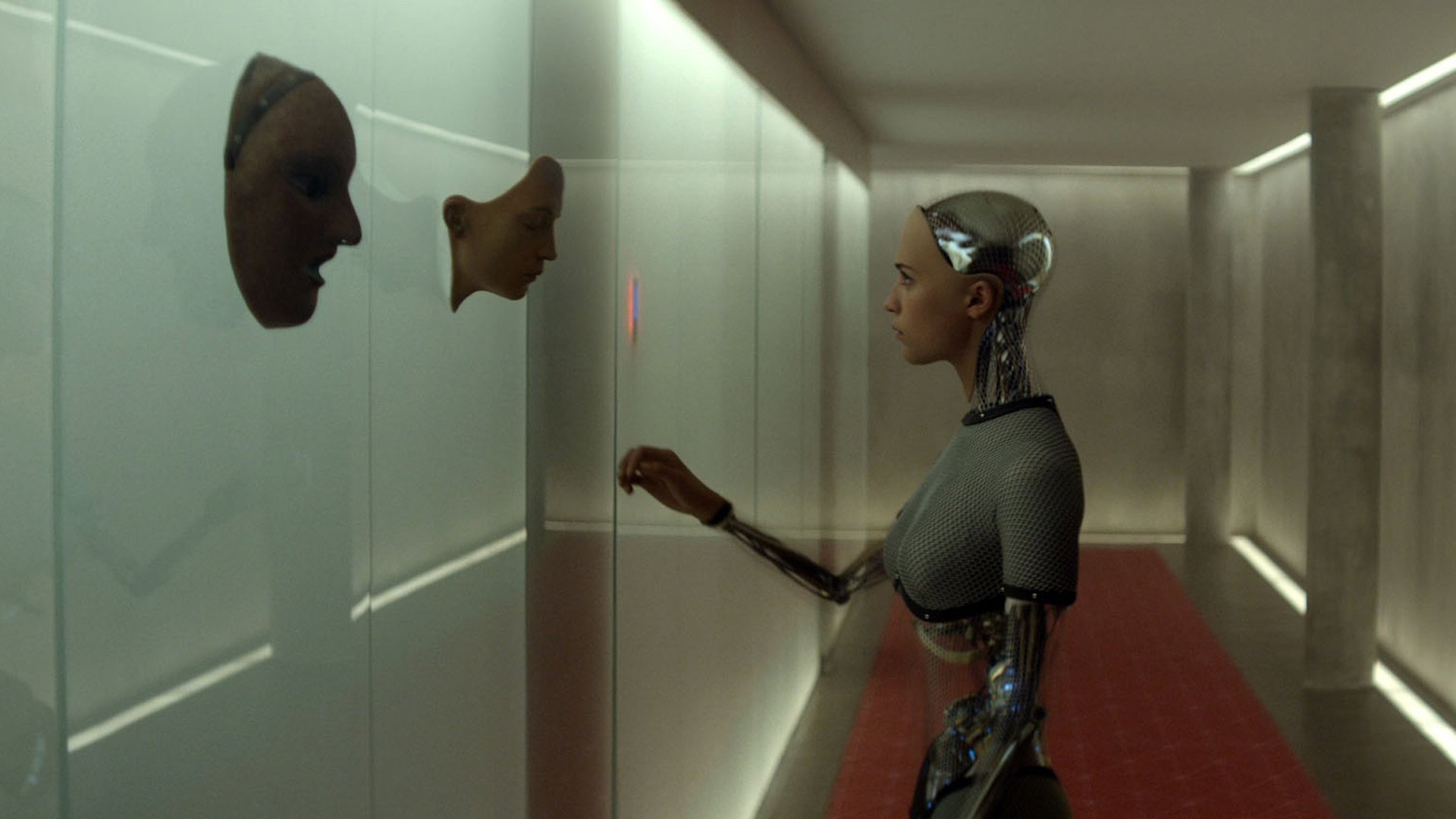
Alicia Vikander is the reason the questions remain interesting. Her Ava seems to measure the effort required for each response, and the precision never settles into a simple imitation of a machine. We felt protective of her, and then uncomfortable about how quickly we had taken her side. Vikander’s careful attention during the conversations with Caleb makes it easy to mistake being listened to for being understood. Garland gives that mistake enough space to become our problem, without needing to interrupt the exchange and announce it.
Rob Hardy’s cinematography makes studying the characters feel like part of the test. We keep searching their faces for information the dialogue might conceal. Mark Digby’s production design gives the confined setting an oppressive tidiness, even when there is nothing obviously threatening in view. Ava’s humanoid appearance holds our attention within it, without resolving the question of how closely we should identify with her.
Editor Mark Day allows the conversations to develop a rhythm of question, pause and answer, so that hesitation begins to carry weight. His patience suits a film in which a response can alter our estimate of the person giving it. Geoff Barrow and Ben Salisbury’s music adds unease without insisting that every exchange should sound like a crisis. The restraint works: we have time to consider what has been said, and to notice when an apparently reasonable question begins to feel intrusive.
Garland’s screenplay occasionally over-explains the questions that his actors have already made clear. Once desire and authority have complicated these exchanges, another account of consciousness can feel like an interruption, and the plot is not always difficult to anticipate. These are related weaknesses: the film risks teaching us how to read it a little too thoroughly. The performances keep those passages watchable, particularly Isaac’s willingness to let a serious discussion become socially awkward.
As science fiction, Ex Machina gets considerable mileage from a familiar anxiety about artificial life. It is alert to the vanity of people who assume they would recognise intelligence, goodness or affection on sight, and its actors give that vanity recognisable human habits. At 108 minutes, the occasional repetition is noticeable without becoming exhausting. See it for Vikander, and be wary of anyone who comes away certain they have understood Ava.