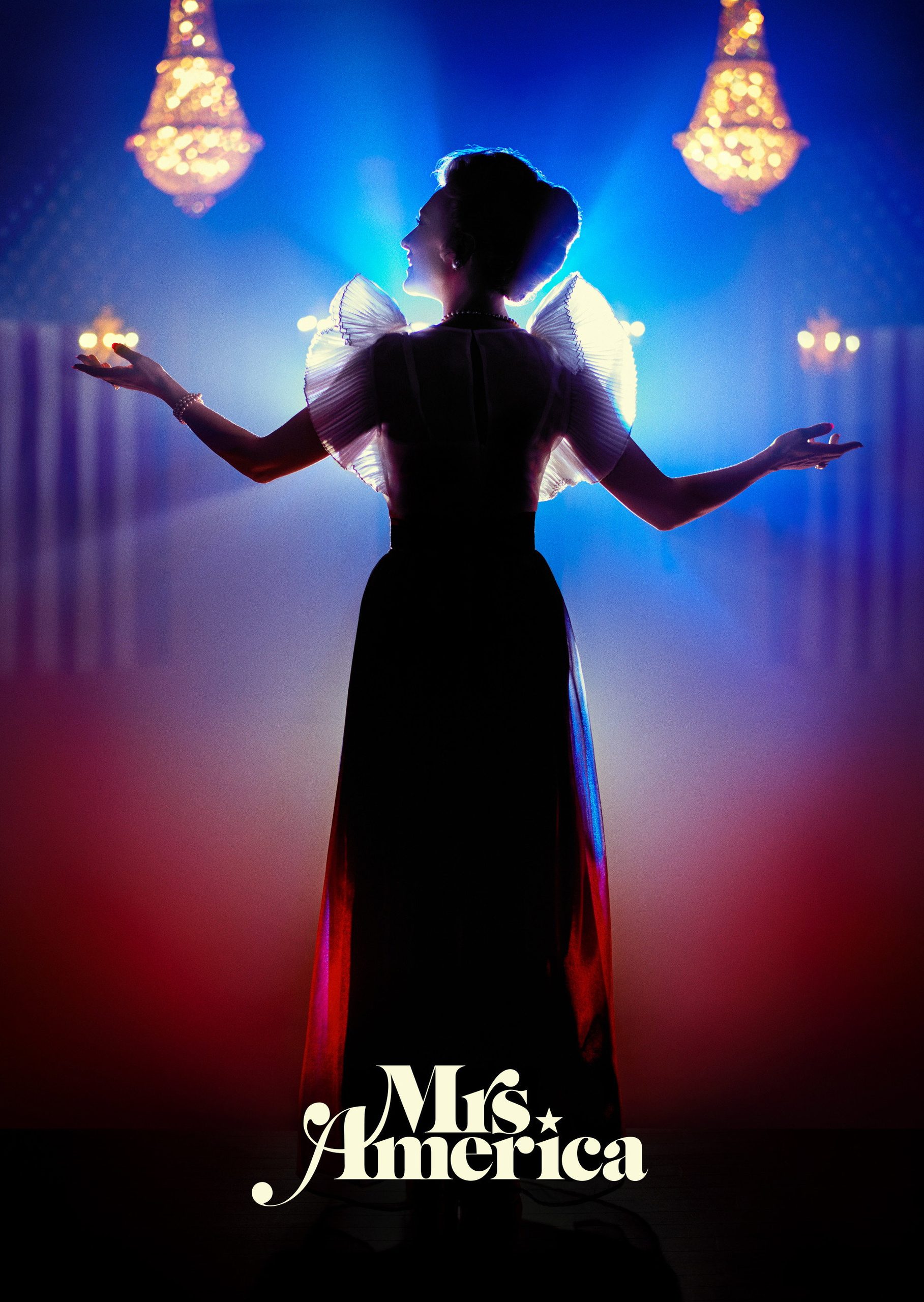
Most critics come away impressed, and the praise clusters in two places. The first is Cate Blanchett’s Phyllis Schlafly, described across the reviews as the performance that holds the series together and gives a woman many viewers arrive disliking something close to humanity. The second is the ensemble around her, with Rose Byrne, Uzo Aduba and Tracey Ullman singled out most often. Nearly every review also credits the writing for refusing to make either the feminists or their opponents into saints or cartoons, and several find the parallels to present-day politics well judged rather than laboured.
The spread is narrow, running from good to very good, with a single mixed notice. Variety is the outlier, arguing the series never quite gets a grip on Schlafly herself and works better with its lesser-known figures. The Ringer, otherwise warm, agrees the material on her private life overreaches. The British reviews, arriving later, are a shade cooler than the American ones without disagreeing on much.