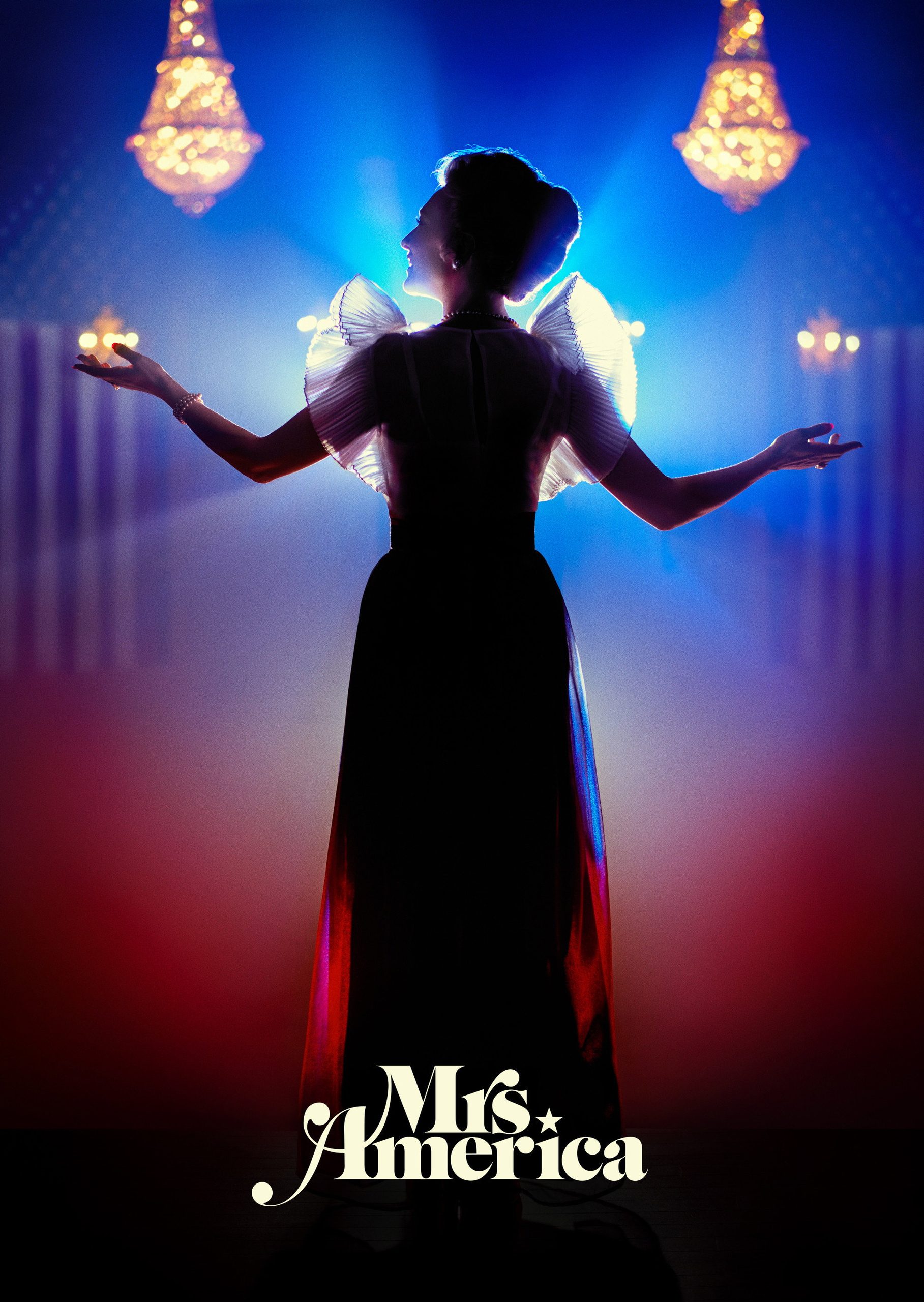
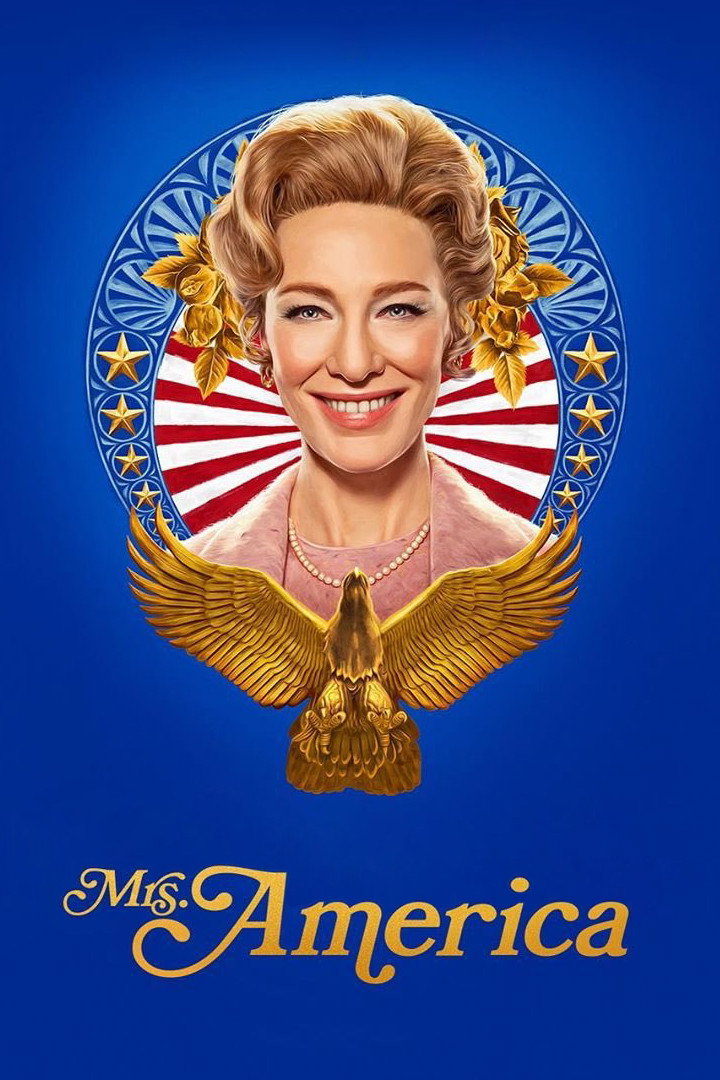
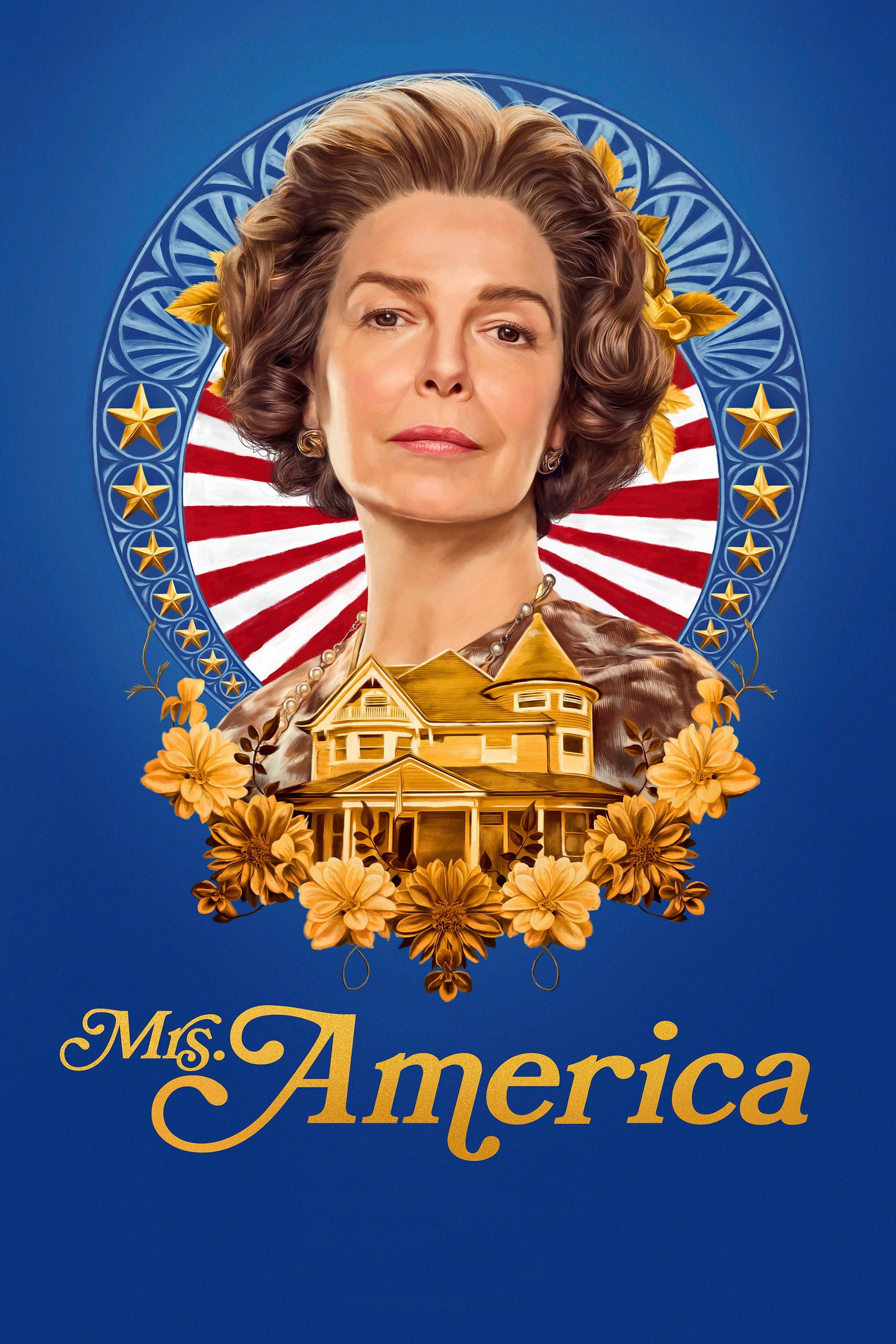
Dahvi Waller’s nine-part drama about the fight over the Equal Rights Amendment is intelligent, fair to both sides and extremely well acted, with Cate Blanchett giving Phyllis Schlafly a smile you learn to fear. It is also tidier than the history it describes.
Mrs. America covers the decade in which the Equal Rights Amendment passed Congress in 1972, went out to the states and ran into a housewife from Alton, Illinois, who decided against it. Dahvi Waller’s series gives each of its nine episodes to one woman in the story, most of them real, and moves between the feminists in New York and Washington and the opposition Phyllis Schlafly builds from her kitchen. It is good, and good in a way that is rare for television about recent politics: it takes both sides seriously and lets neither off.
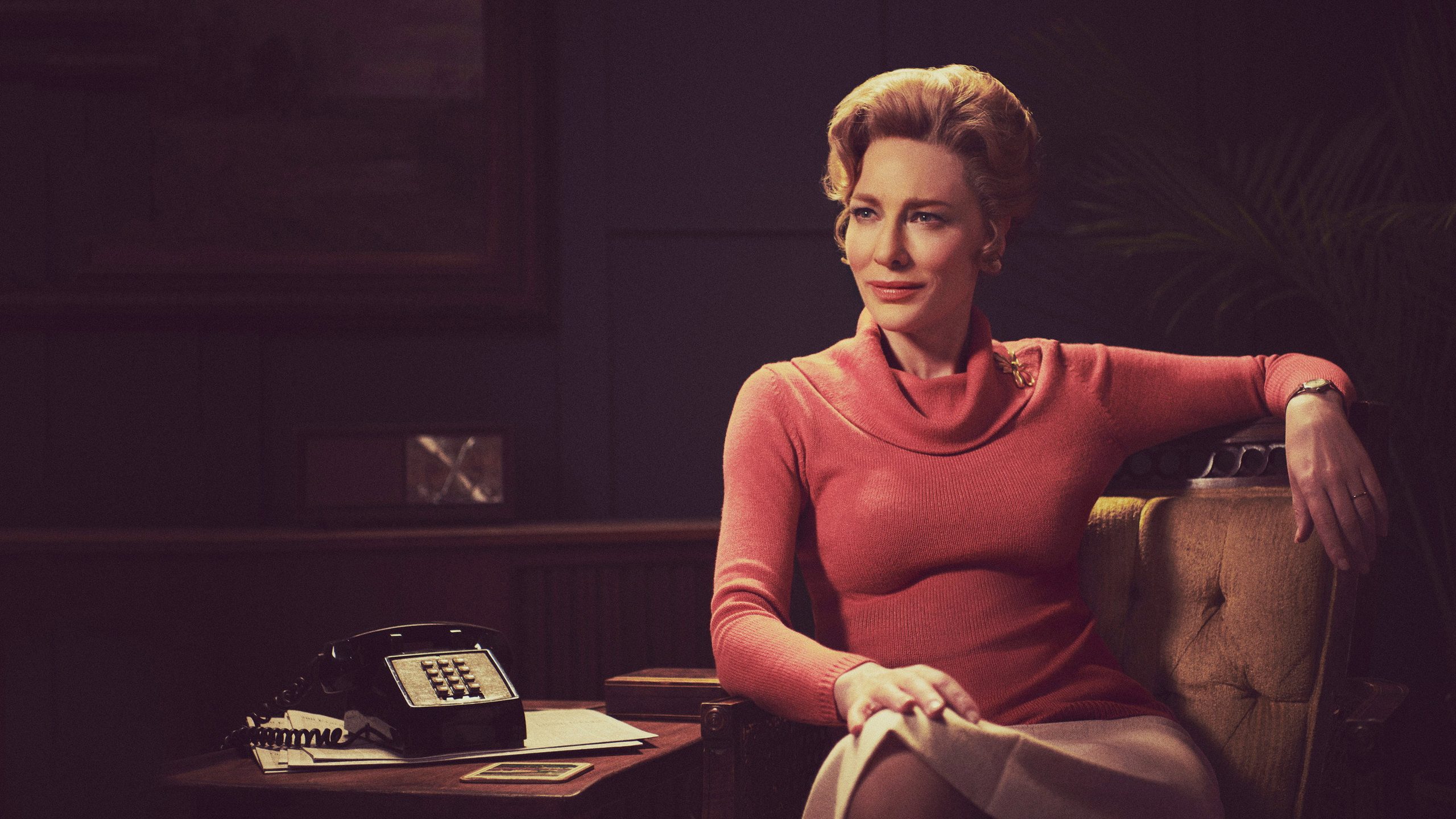
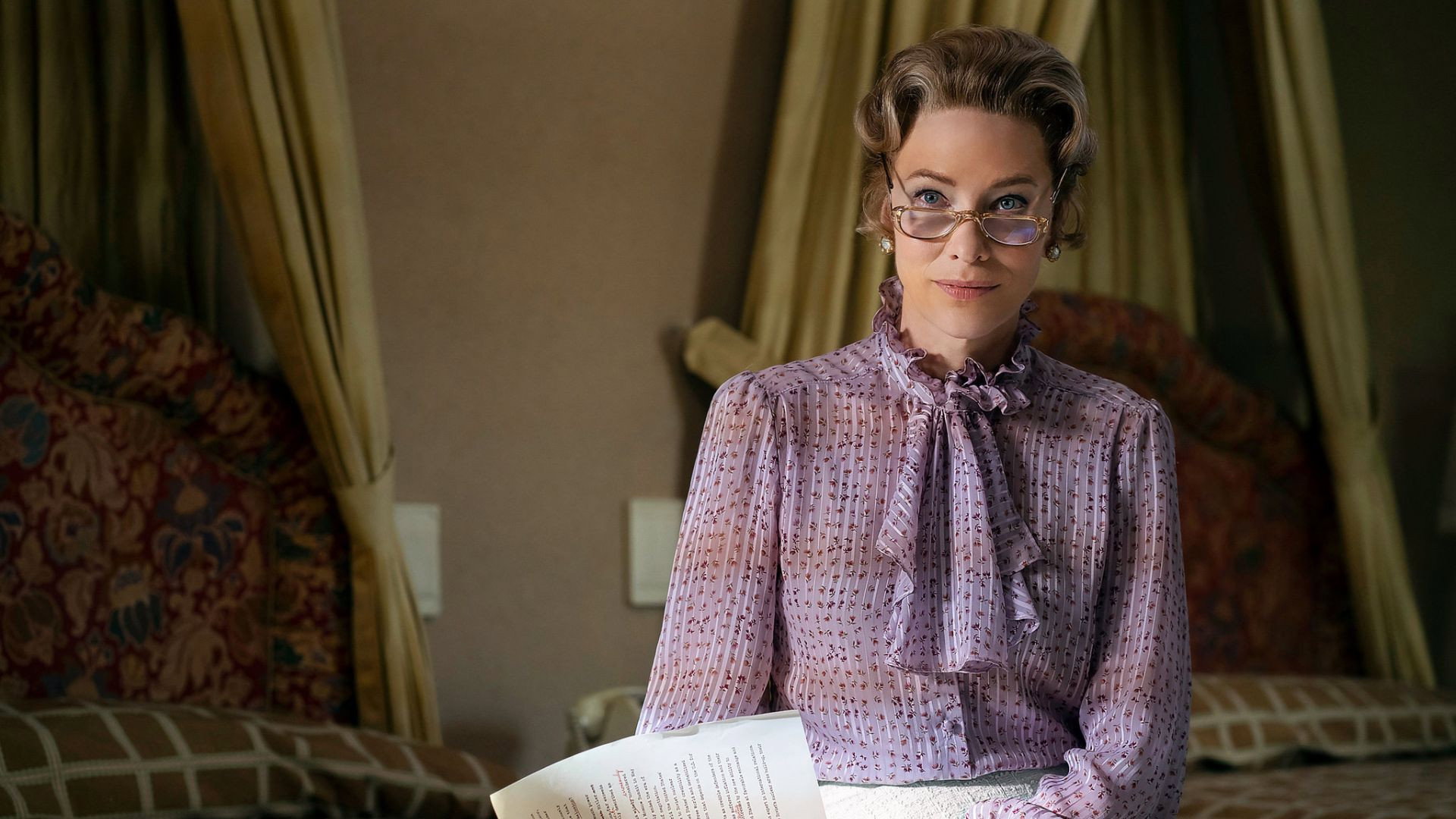
Cate Blanchett plays Schlafly as a woman who has worked out how much she will be allowed and takes a little more each time. In the first episode she goes to Washington to brief a table of congressmen on missile defence, is asked to take notes, and does. Our jaw set, because Blanchett does not let Schlafly show the insult landing; she smiles, picks up the pen and files it away for later. John Slattery’s Fred, her husband, corrects her errors at dinner parties in a fond voice, and the series lets us notice how often she has to ask his permission. Blanchett never asks for our sympathy. She takes it anyway, in small amounts, which is more unsettling.
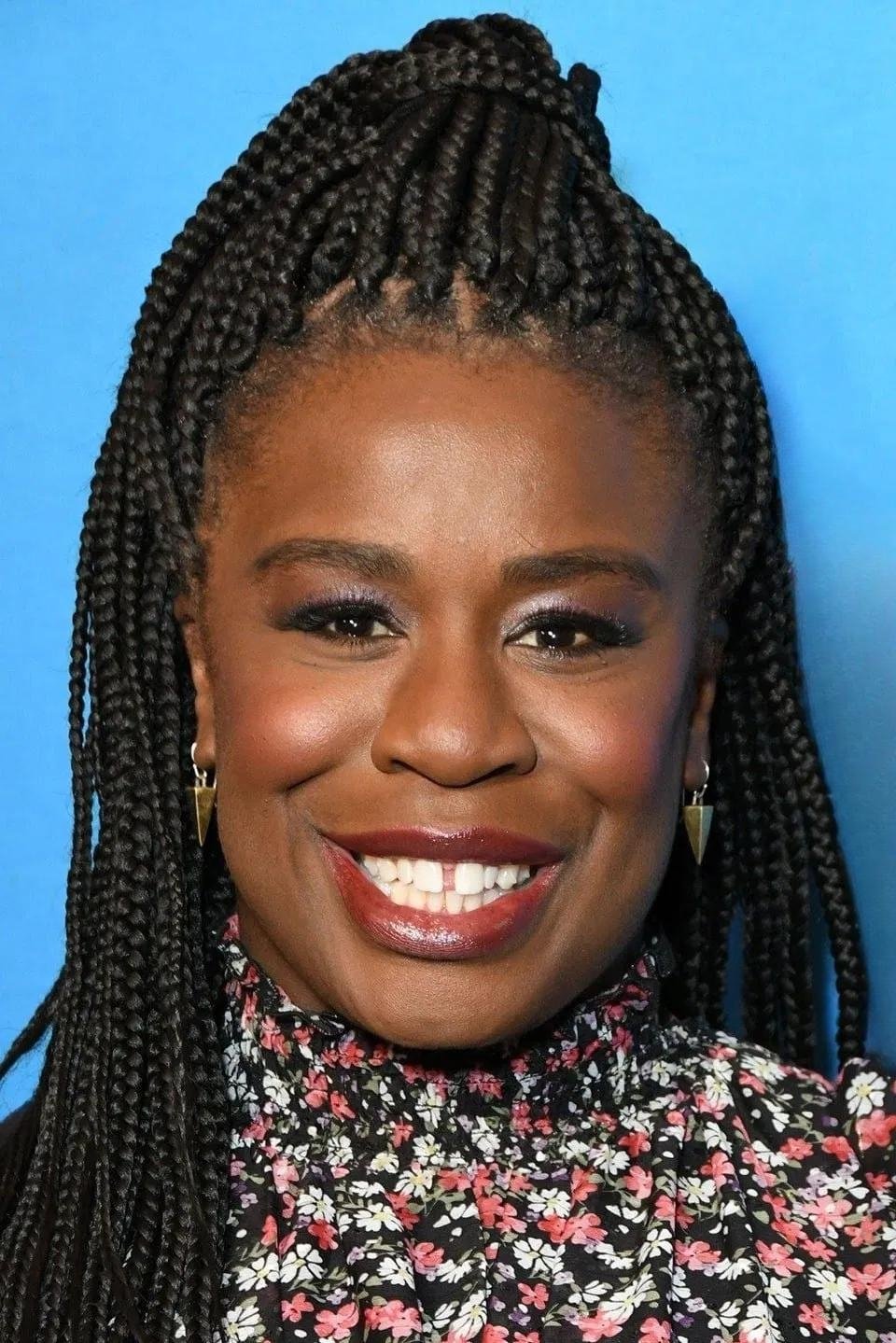
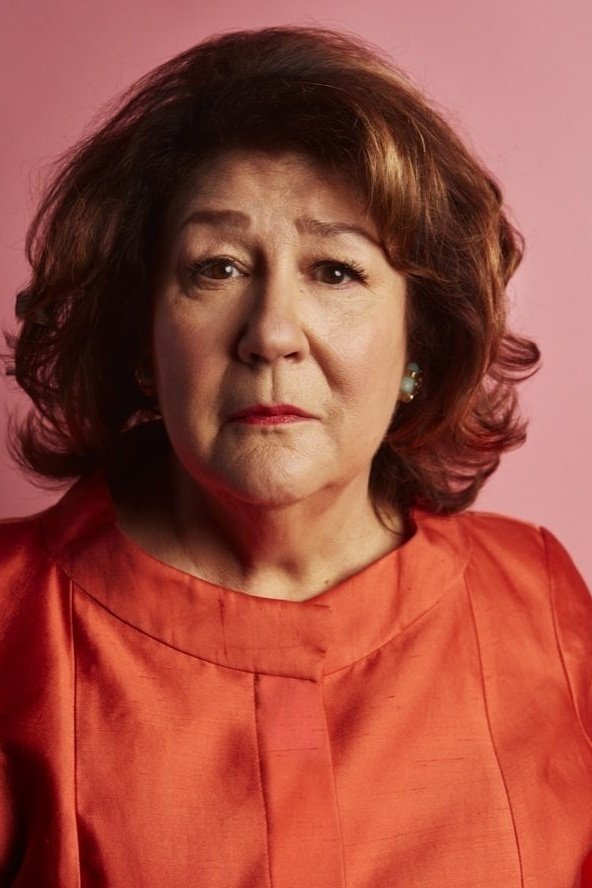
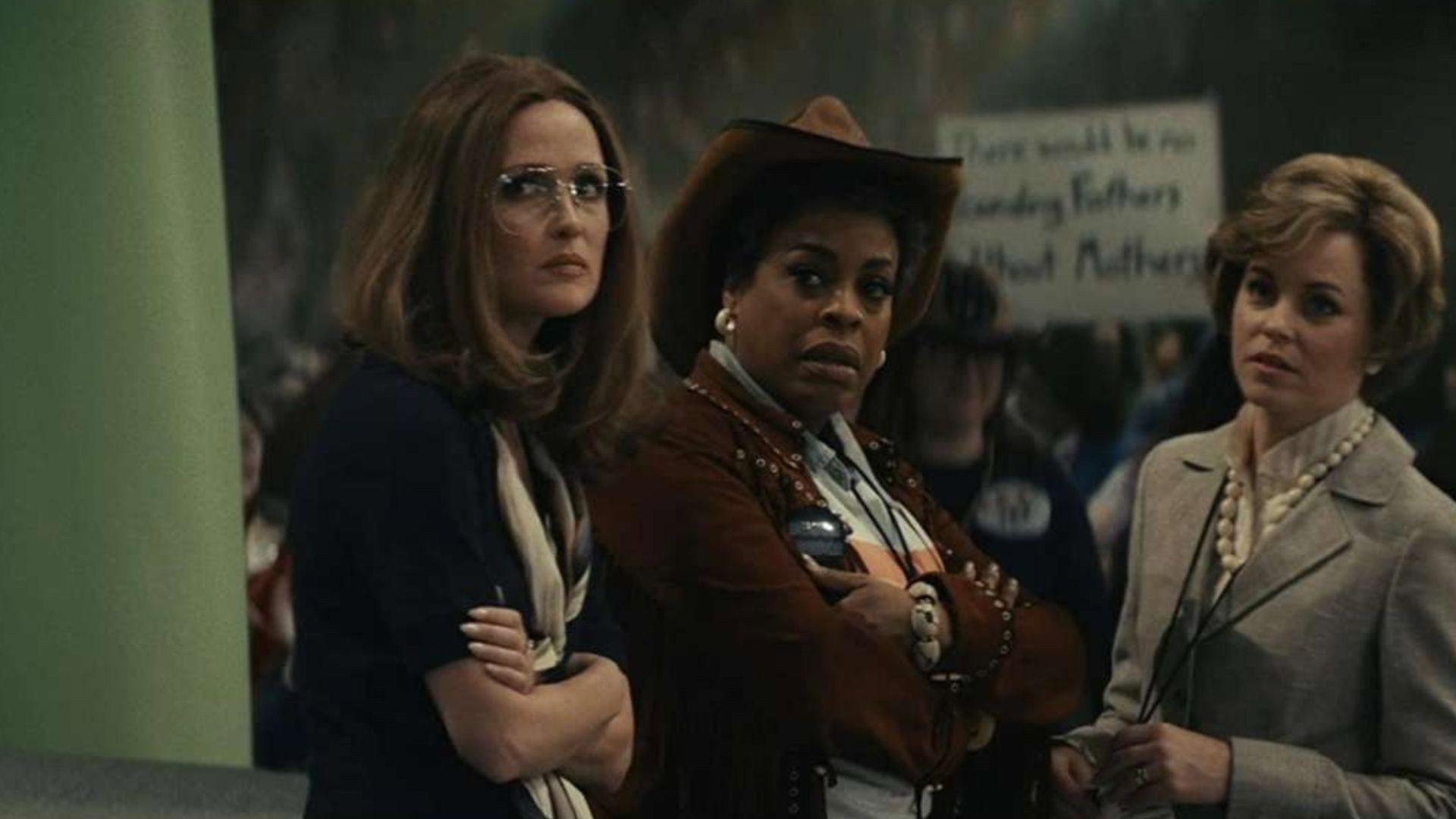
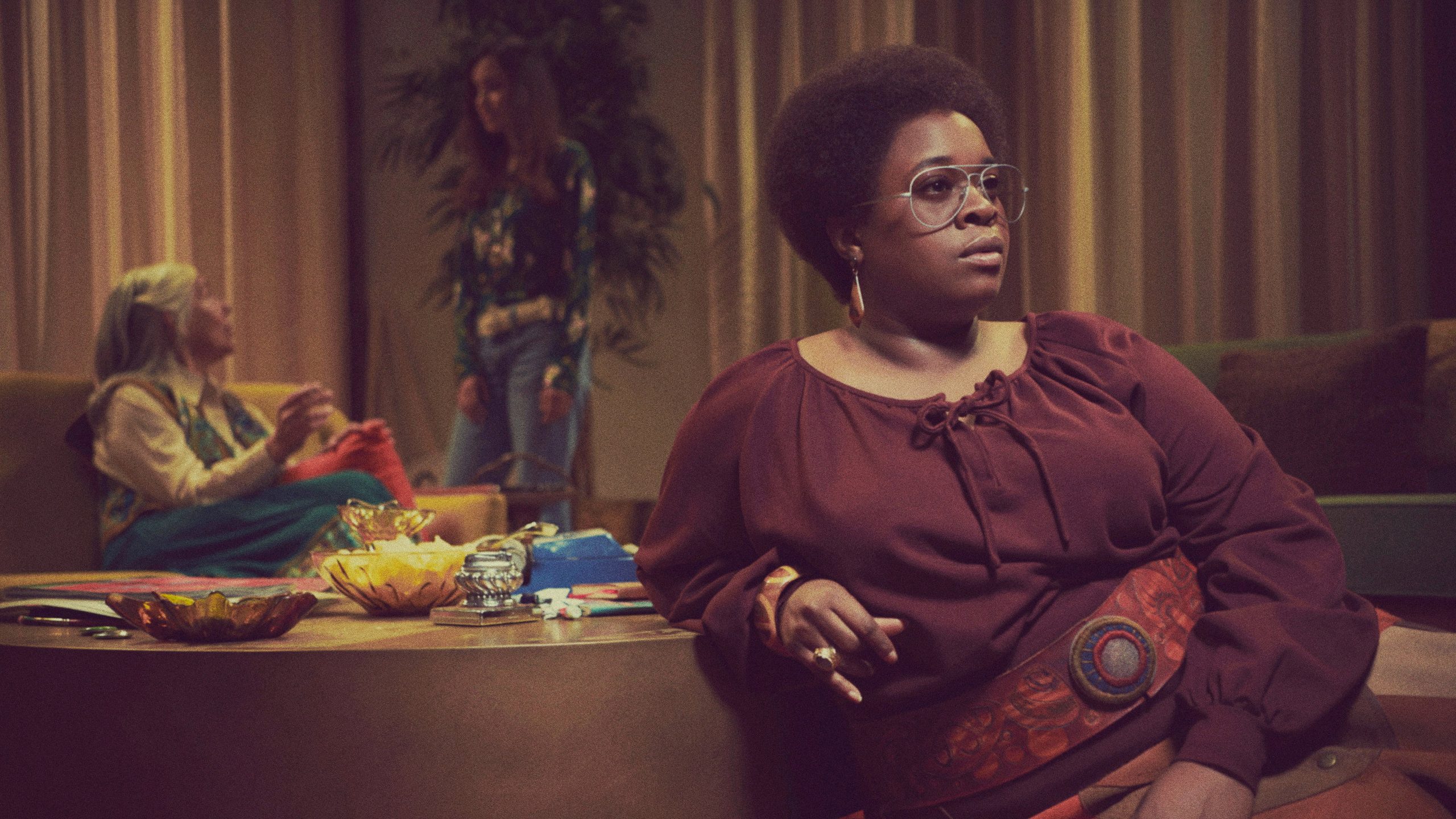
The other side is played by people who could each carry a series of their own. Margo Martindale’s Bella Abzug arrives in a hat and a temper and is the one person here who plainly enjoys politics. Tracey Ullman’s Betty Friedan is vain, wounded and right about more than anyone admits, and Ullman finds the comedy in a woman who wrote the book and watched younger faces take the credit. Uzo Aduba’s Shirley Chisholm moved us more than anything else here: a candidate asked, courteously and repeatedly, to stand aside for the good of the movement, and answering each time with less patience. Rose Byrne’s Gloria Steinem is the weakest of the leads, and not through Byrne’s fault. Steinem is written as the woman everyone else reacts to, and there is not much underneath the aviator glasses to play.
The craft holds across five directors, Anna Boden, Ryan Fleck, Amma Asante, Janicza Bravo and Laure de Clermont-Tonnerre, and three cinematographers, Jessica Lee Gagné, Pepe Avila del Pino and Chris Teague. The Schlafly house is kept in warm lamplight and polished wood, the Ms. office in flat daylight, paper everywhere. Bina Daigeler dresses the opposition in pastel suits and pearls and, once the campaign starts, in the red of the STOP ERA badges, so a crowd of them reads at a glance as one body. Mara LePere-Schloop’s production design gives Schlafly a kitchen that looks like a command post, telephone and card index doing the work. Kris Bowers’s score stays under the period songs and rarely tells us how to feel, and the editors, Robert Komatsu, Emily Greene and Todd Downing, cut so that a line said in Alton is answered in Manhattan a scene later.
What holds it back is neatness. Sarah Paulson’s Alice is an invented character, a friend of Phyllis’s who is there so somebody in the opposition can have doubts. Paulson plays her well and the device shows; every time Alice learns something, we can see the writers’ hand on her shoulder. The series has a thesis, that women were set against women and both lost, and it repeats it more than it needs to. Episodes end on a face that has understood something. History rarely does.
Waller and her writers are also surer of what Schlafly did than of what she believed. The series shows her ambition, her skill, and her willingness to say things to a microphone she would not say at home. It is less certain whether she meant any of it, and it hedges. That may be honest. It leaves a gap where the lead’s convictions should be, and Blanchett fills it with manner.
It is well above the run of prestige drama about American politics: it does not lecture, and it trusts us to know how the story ends. Watch two episodes at a time, so Alton and Manhattan can answer each other.