Series review

A Very English Scandal

2018 · Created by Russell T Davies, John Preston · Series · 1h 00m · MPA TV-14

In a sentenceThree hours of Englishmen agreeing to a murder in the tone they use for the wine list

Drama

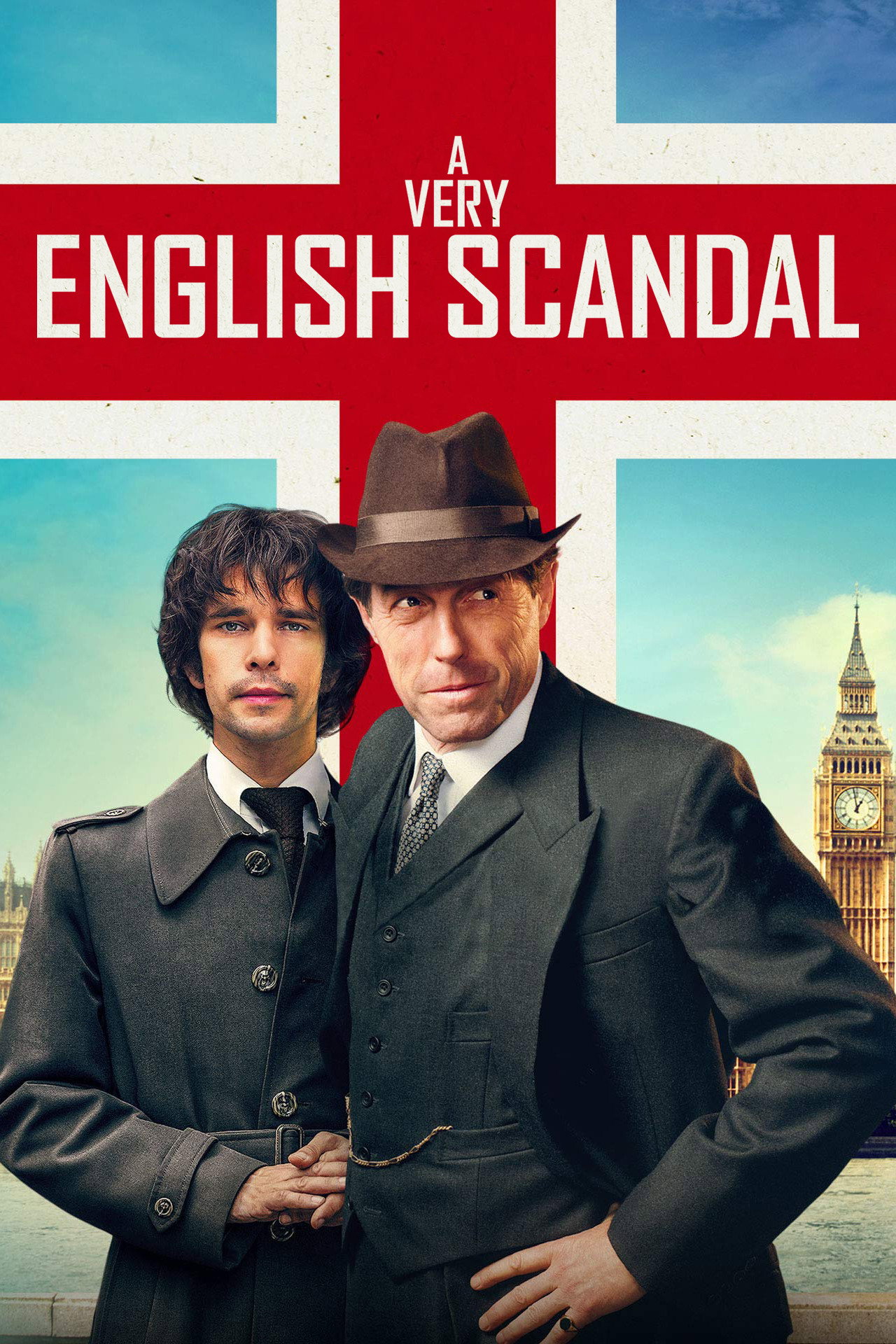
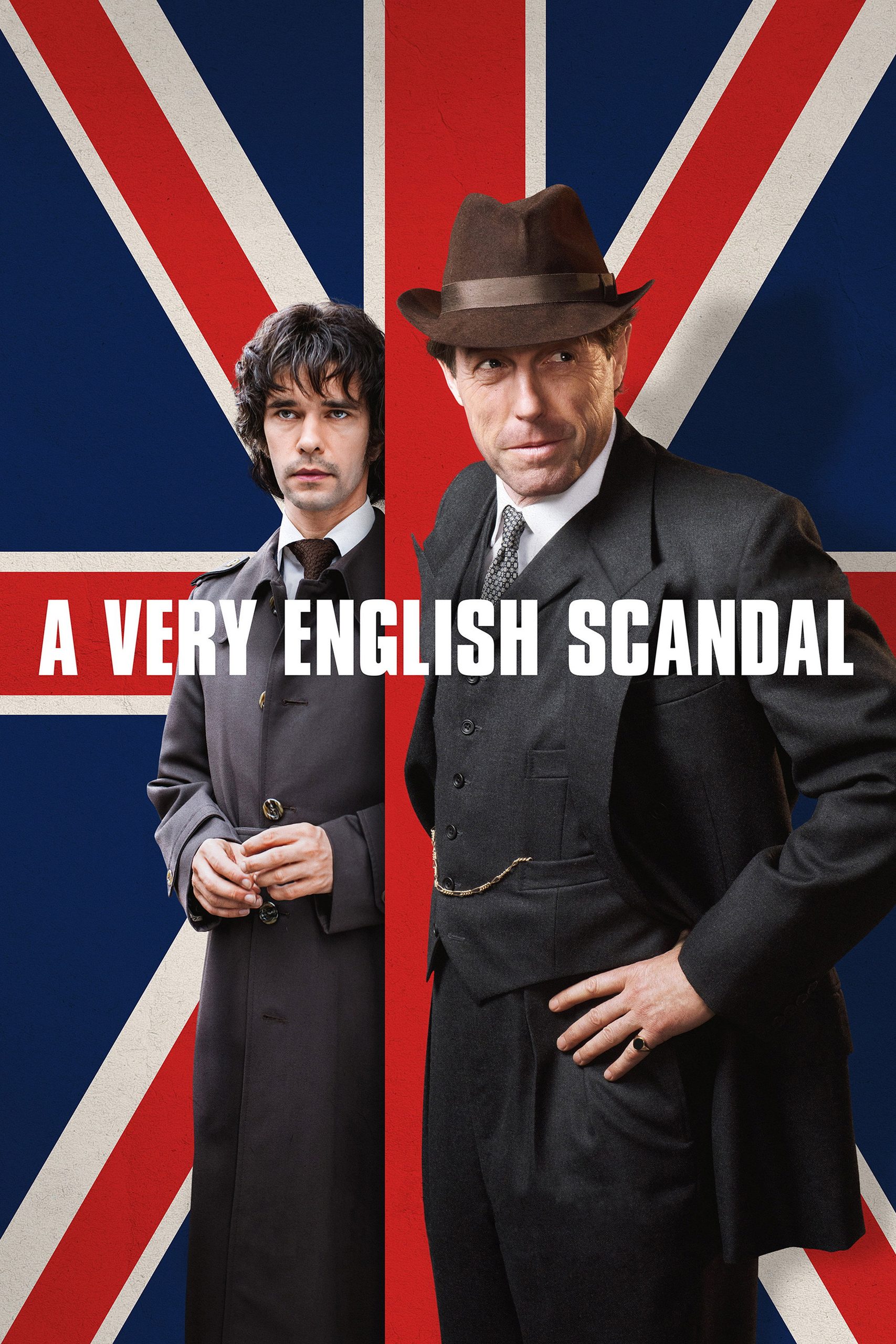
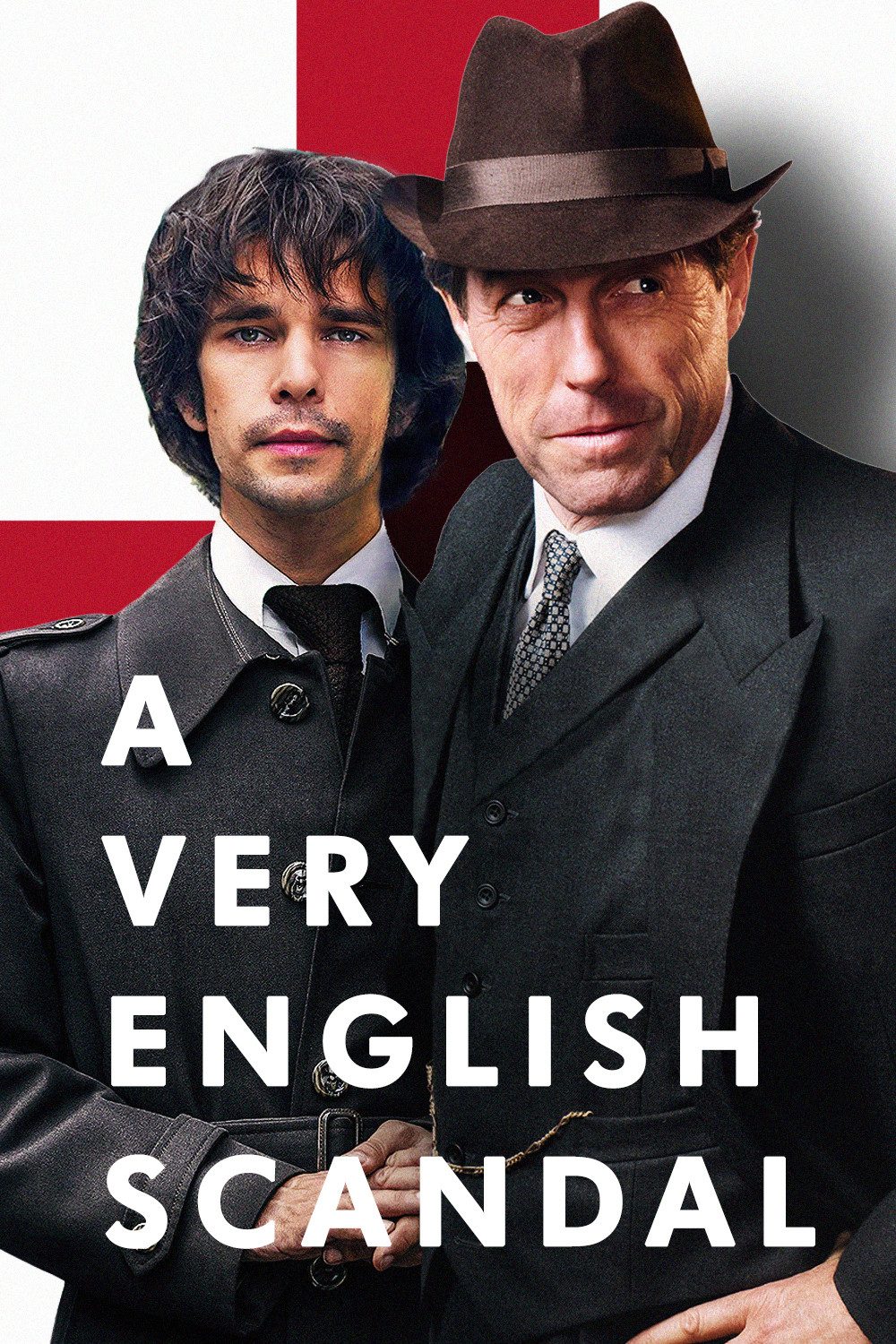
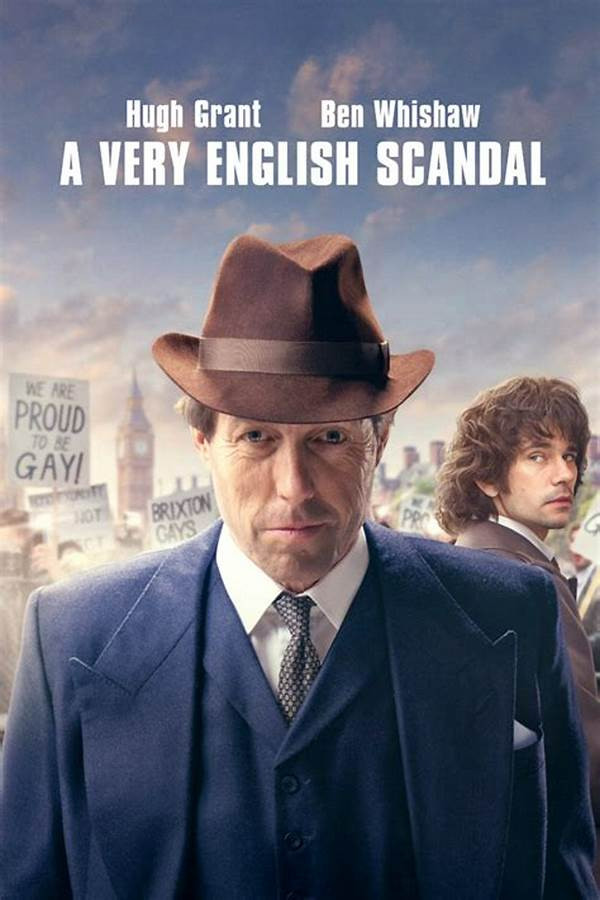
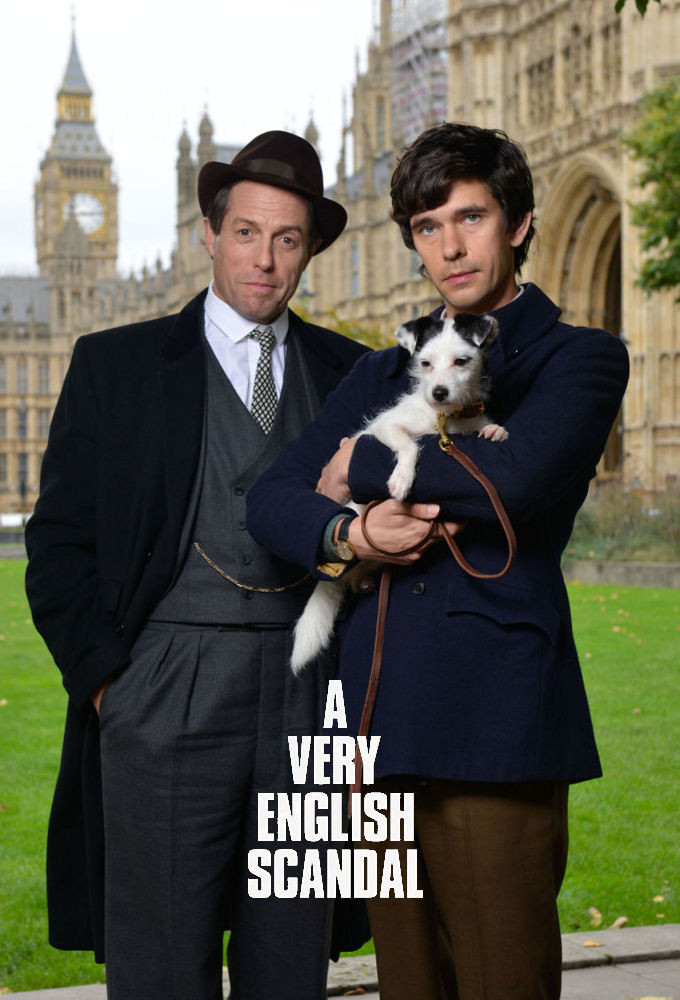
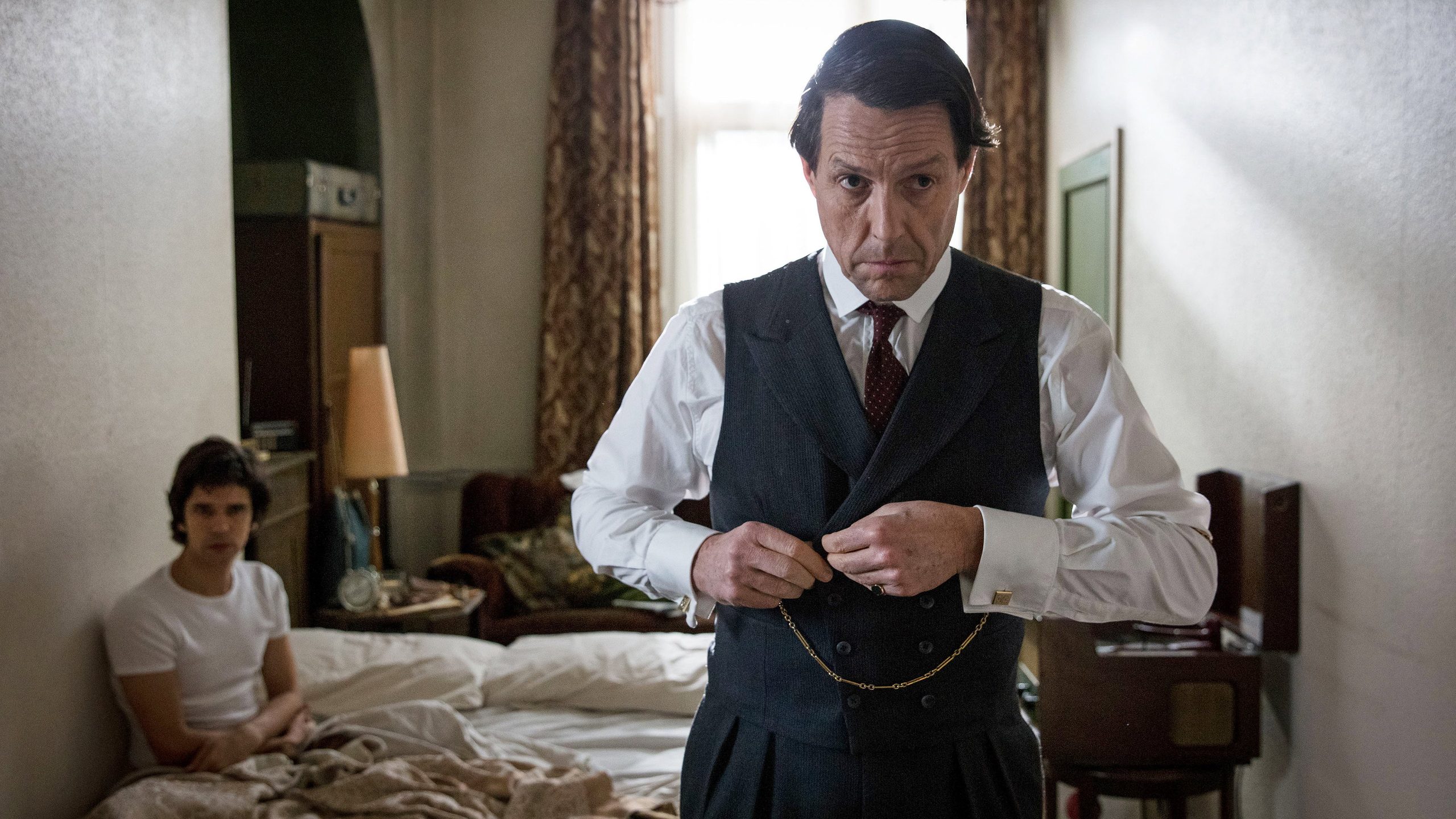
London, the 1960s. Jeremy Thorpe (Hugh Grant), the Liberal MP for North Devon, tells his friend and colleague Peter Bessell (Alex Jennings) over lunch in the Commons dining room that he is homosexual, at a time when that is a crime. Soon afterwards he meets Norman Scott (Ben Whishaw), a young stable hand with no money, no family to speak of and a suitcase of letters, and drives him to his mother Ursula’s (Patricia Hodge) house for the night. Thorpe wants Norman kept close, then kept quiet. Norman wants his National Insurance card, a job and to be acknowledged. Thorpe’s career climbs towards the leadership of his party. Norman keeps talking, to policemen, landladies and anyone who will listen, and Bessell is sent to pay him off.

Plays from YouTube when you press play; nothing loads from them until then.

Fi1m review

Russell T Davies and Stephen Frears tell the Jeremy Thorpe affair as a farce with a body count of one, and Hugh Grant is remarkable as a man who never raises his voice. Fast, funny and cold, and a little pleased with itself.

The Jeremy Thorpe affair is the kind of story a script editor would send back for being implausible. The leader of the Liberal Party, a man some expected to end up in Downing Street, spent the better part of two decades trying to make a former lover disappear, and ended up in a courtroom, which is as far as we will go. Russell T Davies has adapted John Preston’s book into three hour-long episodes, Stephen Frears has directed them, and the result is very good. We recommend it, with one reservation about how much fun it is having.

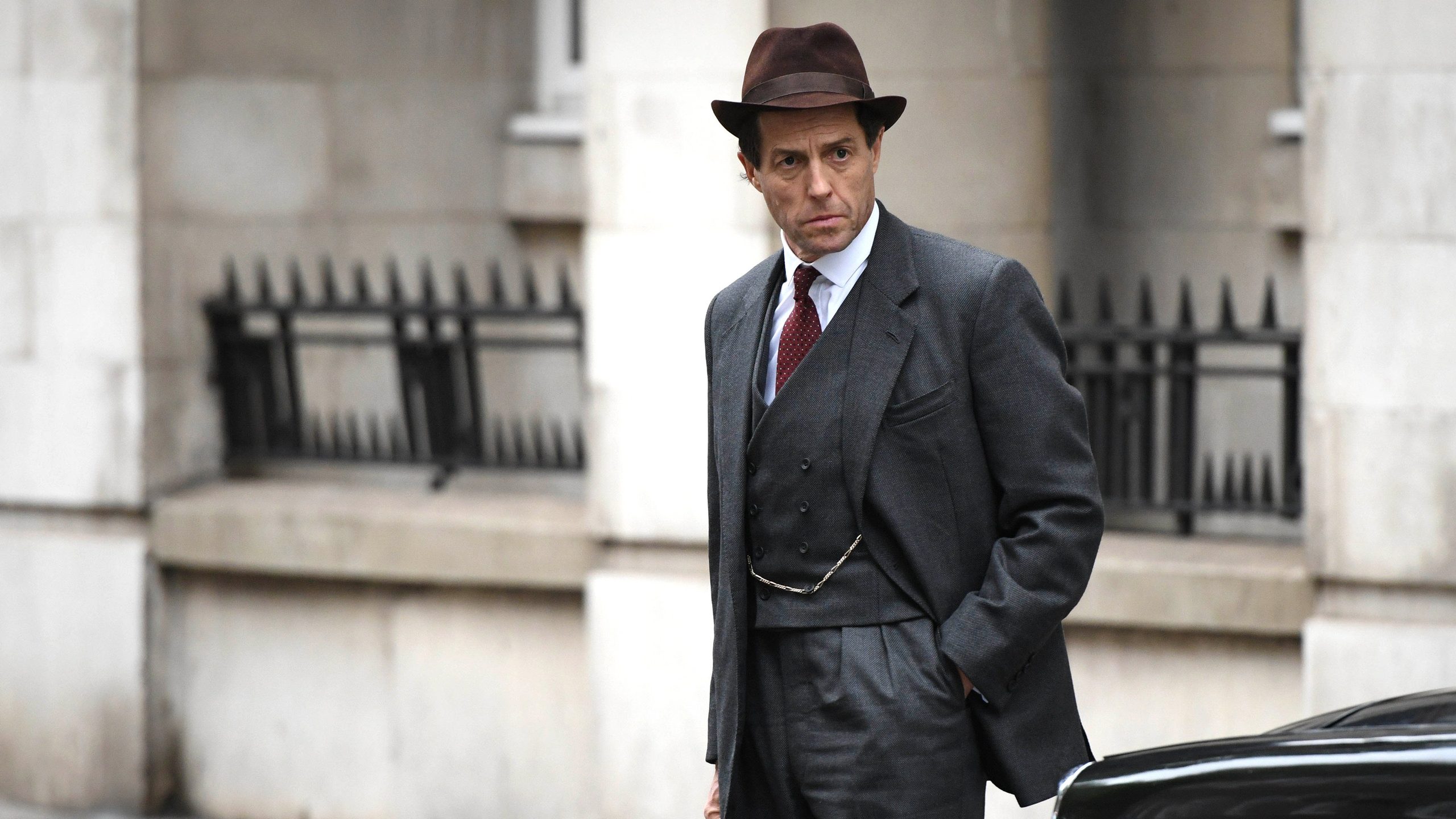
The verdict rests on Hugh Grant, and he can take the weight. His Thorpe stands with his hands clasped behind his back and his chin up, a schoolboy who has never once been told no. The voice is a purr; the teeth do a great deal of the acting. What makes the performance is that Grant never signals the villainy. In the first episode Thorpe suggests to Bessell over lunch that Norman will have to be killed, and he says it in exactly the tone he has just used to order. We laughed, and then we went cold, because Grant does not change his face and the series does not cut away to tell us how to feel.

Ben Whishaw has the harder part and does something we did not expect with it. Norman Scott, as written by Davies, is vain, unreliable, prone to tears and constitutionally unable to keep his mouth shut, and he is also the only person in the story who tells the truth about himself. Whishaw plays him with his shoulders up and his eyes darting, a man permanently braced for the next humiliation. The stretch in which Norman marries Gwen Parry-Jones (Eve Myles) and tries to live quietly in Wales is short, and it moved us more than the rest of the series put together, because for a few scenes Whishaw lets Norman stop performing.

Frears keeps everything moving. Pia Di Ciaula cuts the years like a montage in a caper, a dissolve from one wood-panelled room to another, and Danny Cohen shoots those rooms in brown and gold, all leather chairs and cigarette haze, so that the establishment looks warm from the inside and airless from the outside. Murray Gold’s score is bright, busy strings, the sound of a plot being hatched by people who think they are clever. It works most of the time. It also, once or twice, turns a scene that should hurt into a sketch.

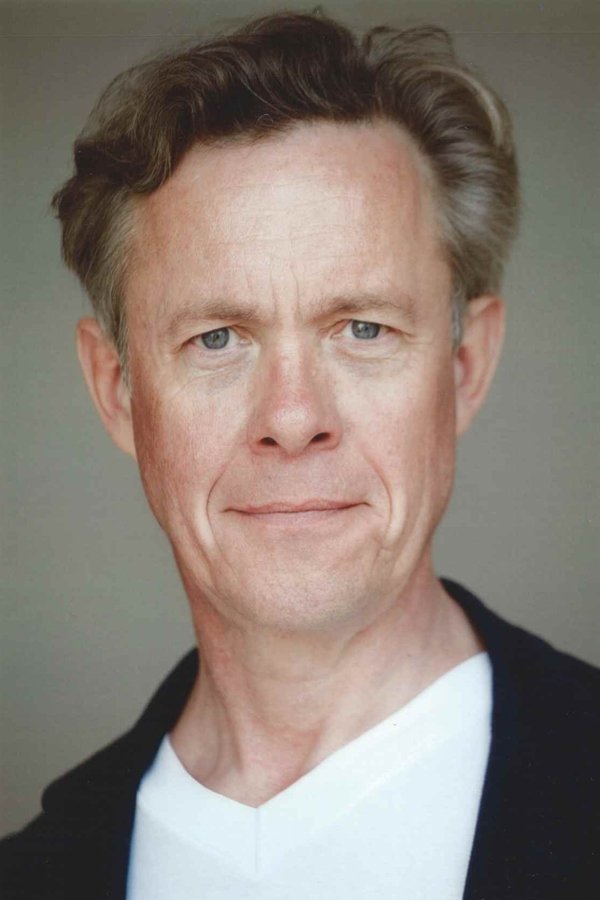
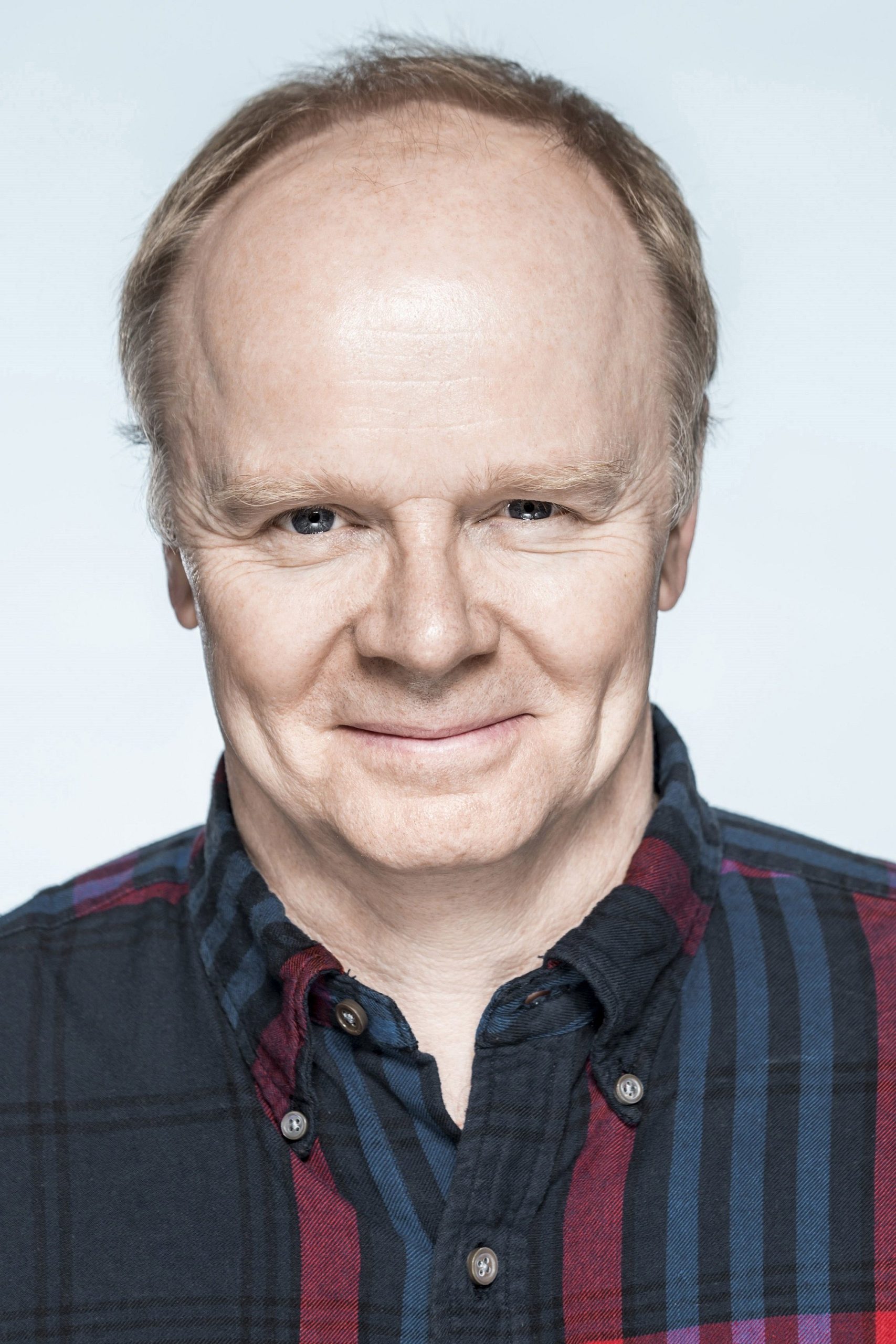
The supporting cast is the deep bench of British television and everyone gets a turn. Alex Jennings’s Bessell is the series’ conscience, or the nearest thing to one, a man who knows exactly what he is doing and does it anyway. Monica Dolan has perhaps four scenes as Marion Thorpe and plays every one of them as steel. Jason Watkins’s Emlyn Hooson, Anthony O’Donnell’s Leo Abse and Jonathan Hyde’s David Napley each get a moment to explain how the country actually ran. Blake Harrison’s Andrew ‘Gino’ Newton is the comic relief, an airline pilot hired for a job he is spectacularly unqualified for, and Harrison plays him as a man who has seen too many films.

The reservation is tone. Davies wants both the farce and the tragedy, and mostly he gets them, but the middle episode sags where it should tighten, and the pace that makes the first hour so enjoyable means that a decade of Norman’s life goes by in a handful of scenes. The series knows that homosexuality was a crime for most of this story and that Thorpe’s fear was real; it says so, plainly, in the Abse scenes. It does not always let that knowledge slow the jokes down.

Frears has been here before. Prick Up Your Ears and Philomena were both about the private cost of English politeness, and this is his most confident go at it since. Davies, for his part, has never written a hero this unsympathetic, or a victim this exasperating, and the series is better for both.

It is a 15 certificate and it runs three hours. Watch it in one sitting if you can. It was built to be swallowed whole, and the taste it leaves is not the one the score keeps promising.

Critical consensus AI synthesised

83
Positive
8
Mixed
0
Negative
0

The reviews are unanimous, and largely for the same reasons. Almost every critic puts Hugh Grant first: his Jeremy Thorpe is praised for holding urbane charm and ruthlessness in the same body, and several call it the performance that carries the series. Ben Whishaw’s Norman Scott is the second name mentioned, with Alex Jennings also singled out. Beyond the cast, the praise settles on Russell T Davies’s script and Stephen Frears’s direction, and specifically on their handling of tone: farce and tragedy kept in balance, the absurdity of the scandal never allowed to bury the human cost of criminalised homosexuality.

The spread is narrow. Nobody dislikes it, and the reservations are small. The Times notes complaints about how Norman Scott is drawn, without sharing them itself. IndieWire is the coolest of the eight, finding the performances compelling but stopping short of the enthusiasm elsewhere. Variety admires the reticence and coded emotion where others enjoy the jokes.

The Guardian
20 May 2018
90*

The critic finds the series brilliantly funny and confident, praising Hugh Grant's revelatory performance as Jeremy Thorpe. They single out the superb acting from Grant, Jennings and Whishaw along with the clever scripting for praise.

Read the full review →
The Times
21 May 2018 · ★★★★☆ · Carol Midgley
90*

The critic loved the drama largely because of Hugh Grant's multilayered, joyful performance as Thorpe, which captures both his urbane charisma and ruthless side. They note some complaints about the portrayal of Norman Scott but praise Grant for carrying the series.

Read the full review →
The Hollywood Reporter
25 June 2018 · Tim Goodman
85*

Frears and Davies turn the true story into a jaunty, darkly funny and ultimately tragic miniseries that feels tight and brilliant in just three hours. Grant delivers a tour-de-force performance that captures Thorpe’s sociopathic coldness beneath a charming public persona.

Read the full review →
Variety
20 June 2018 · Daniel D'Addario
80*

The series succeeds through its reticence and coded emotion, delivering an elegant limited run that highlights the collision of two great performances. Grant’s carefully calibrated turn as Thorpe stands out for conveying a man living two lives while navigating a culture that abets his secrecy.

Read the full review →
IndieWire
29 June 2018 · Liz Shannon Miller
70*

Hugh Grant and Ben Whishaw deliver compelling performances in this deceptively dark true story of political scandal and hidden sexuality. Stephen Frears directs a tale that balances fun with tragedy in its exploration of secrecy and ambition.

Read the full review →
Den of Geek
3 June 2018 · Louisa Mellor
85*

The series is lively, funny and irreverent in its treatment of the absurd scandal, while also conveying the human tragedy of criminalised homosexuality and establishment cover-ups. Strong performances from Hugh Grant as Thorpe and Ben Whishaw as Scott anchor the vibrant adaptation.

Read the full review →

Cast

If you liked this, try…

Scandal poster

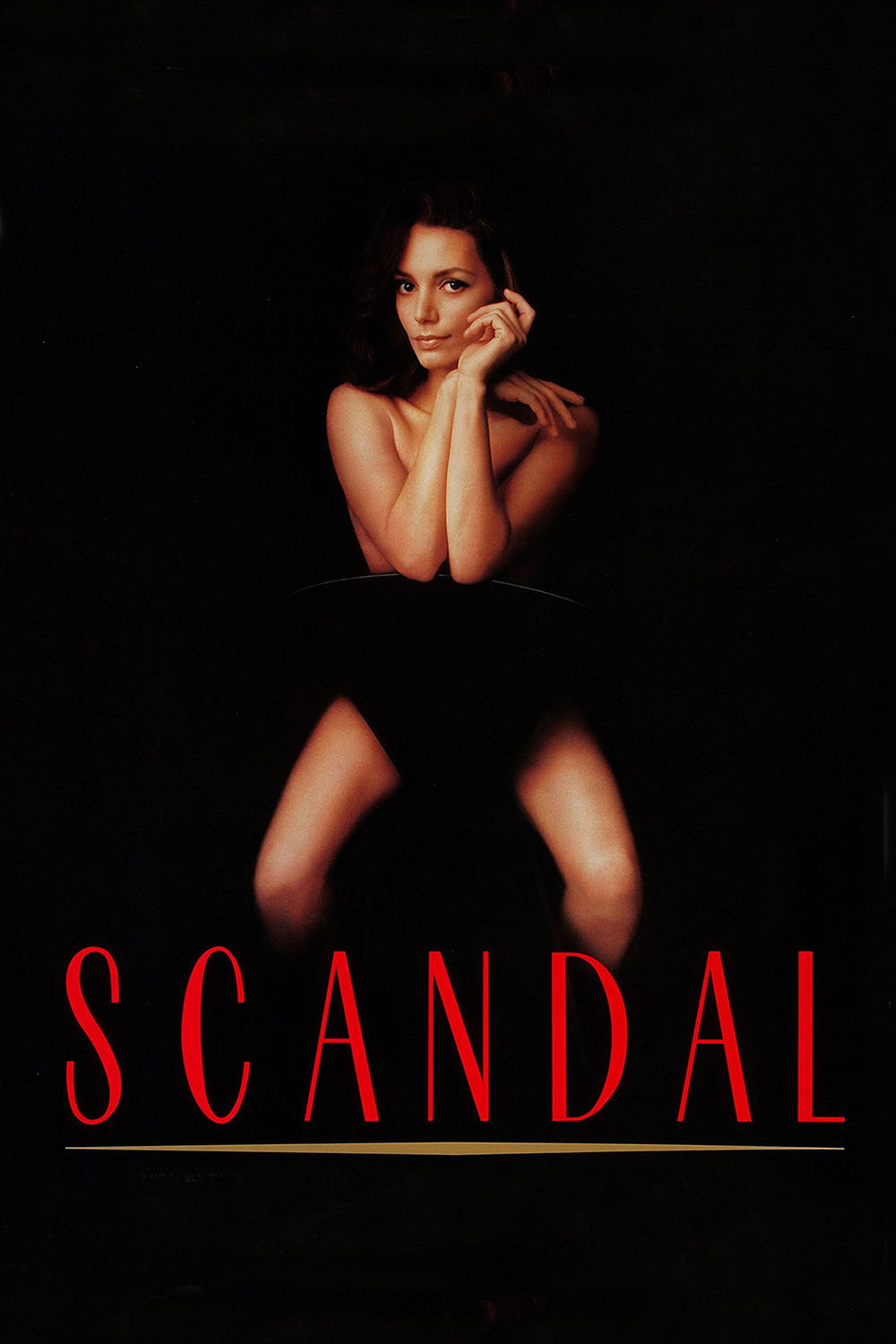
Scandal

1989 · The Profumo affair as period drama, with Ian McKellen doing a very different minister

Il Divo poster

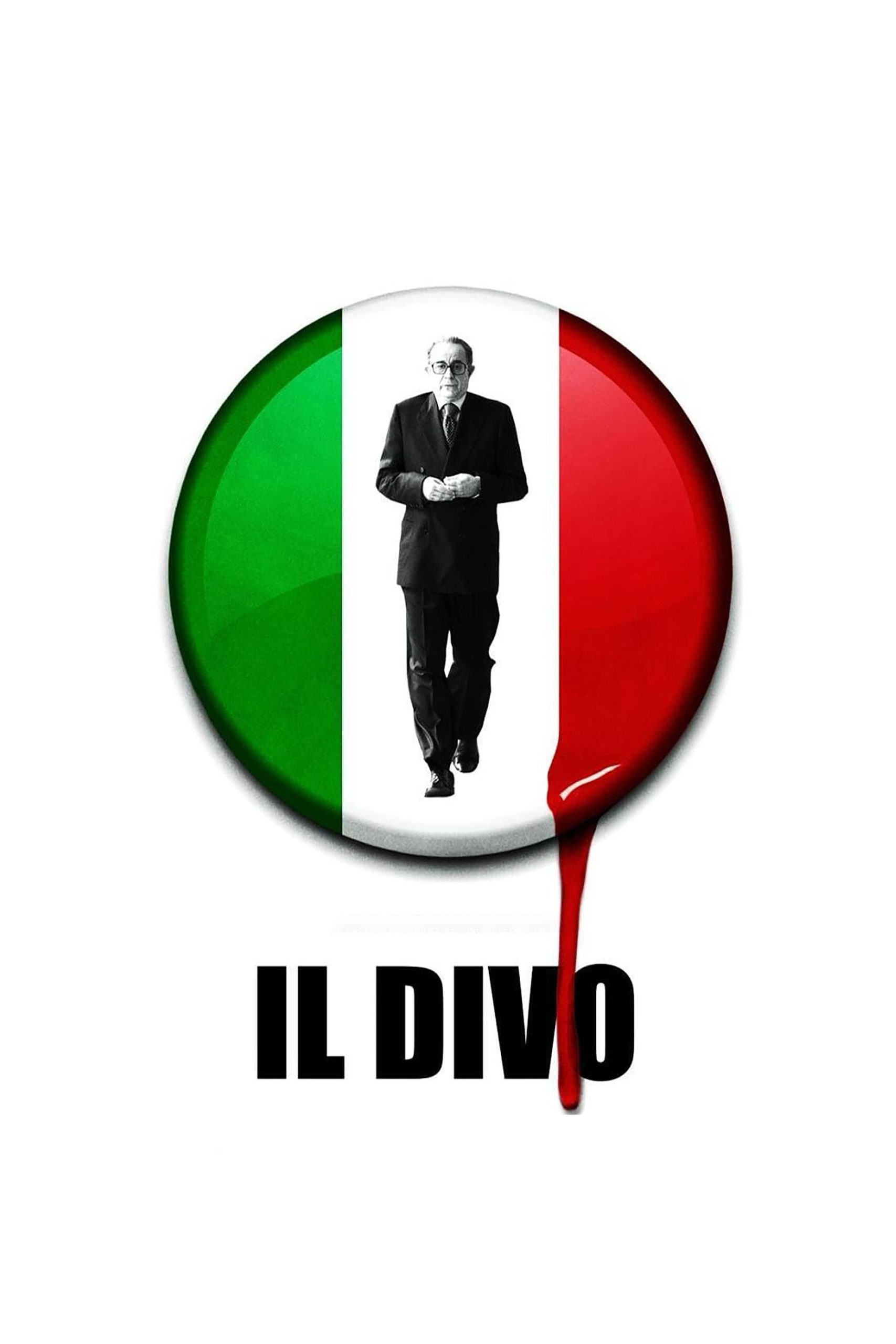
Il Divo

2008 · Sorrentino’s Andreotti: another politician who murmurs while the bodies pile up

The Death of Stalin poster83

The Death of Stalin

2017 · Men in good suits arranging a murder and arguing about the seating plan

Prick Up Your Ears poster

Prick Up Your Ears

1987 · Frears on Joe Orton: gay London before the law changed, and after

It's a Sin poster

It's a Sin

2021 · Davies again, the same fury under the jokes, a decade later and far sadder