Film review

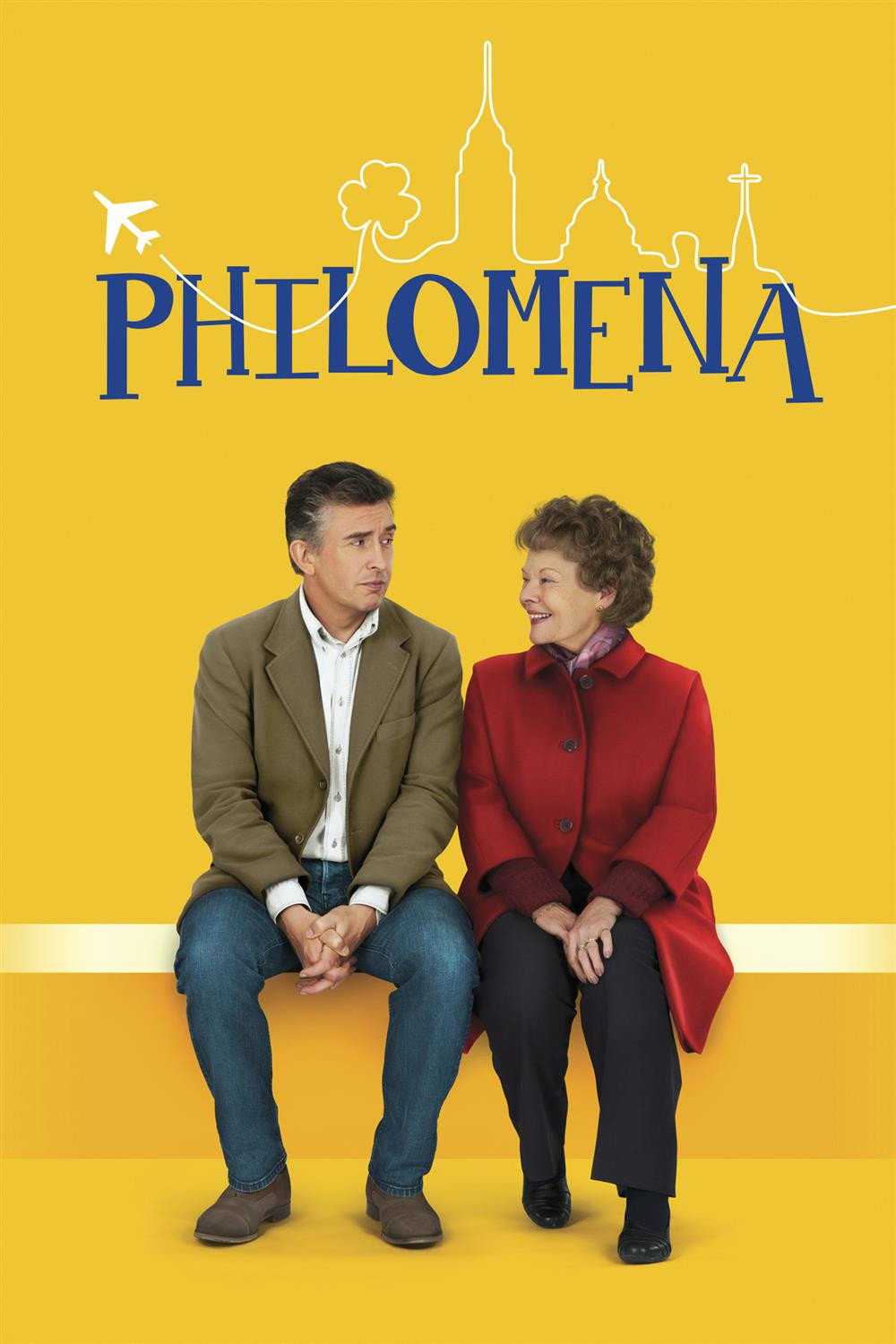
Philomena

2013 · Directed by Stephen Frears · 1h 38m · MPA PG-13

In a sentenceJudi Dench makes a man’s professional cynicism look like an exhausting hobby

Drama

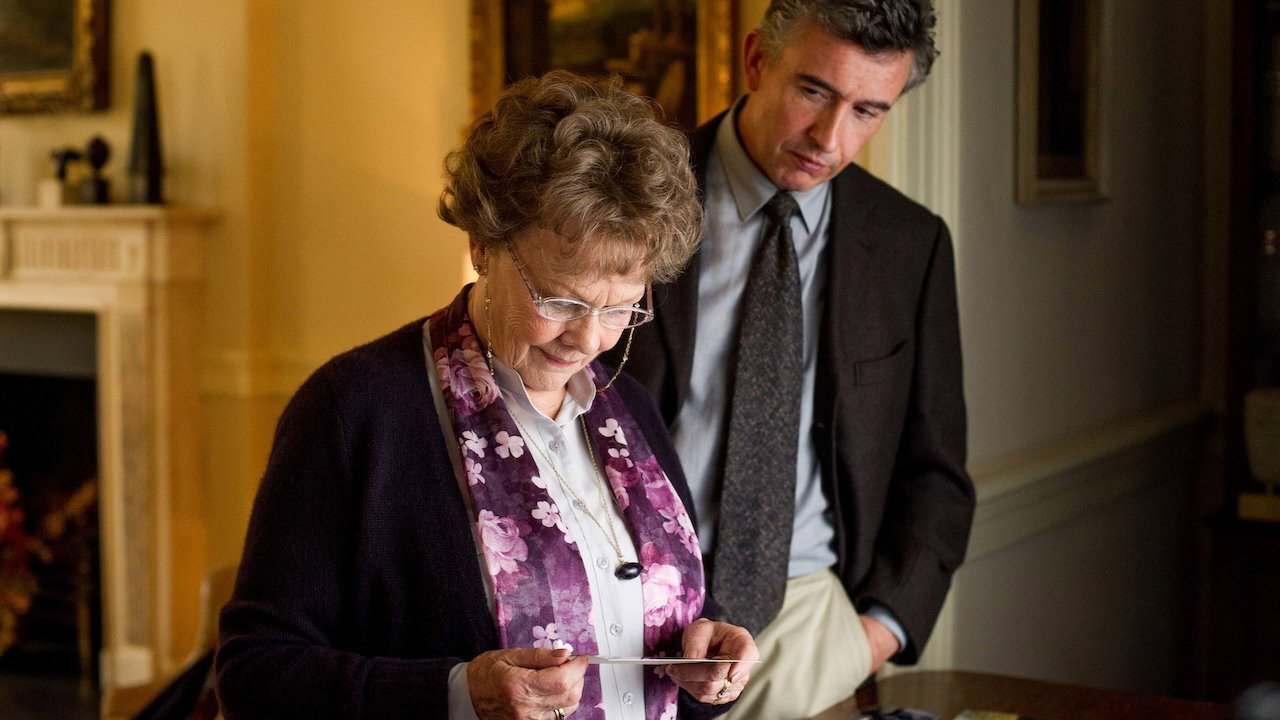
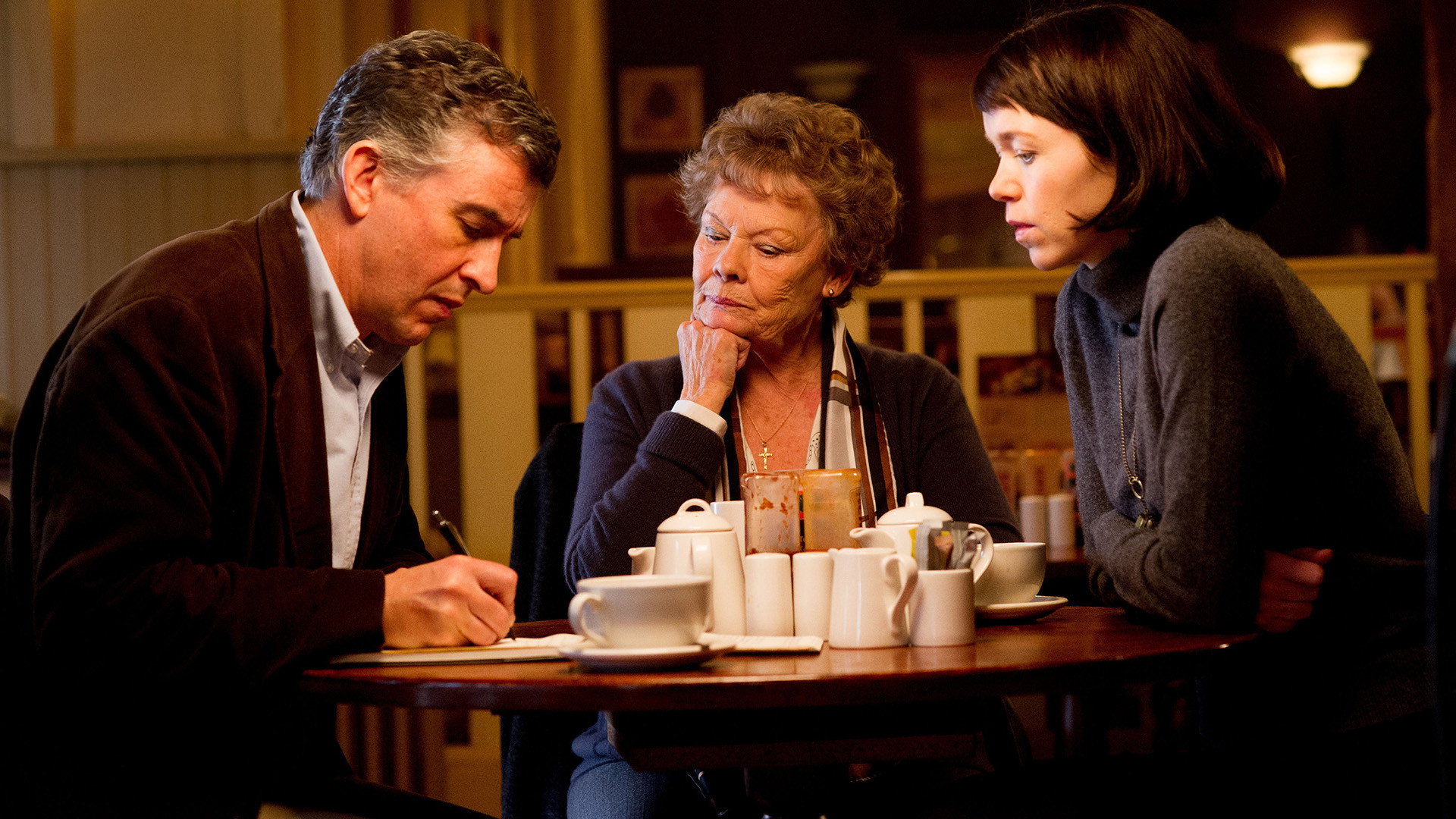
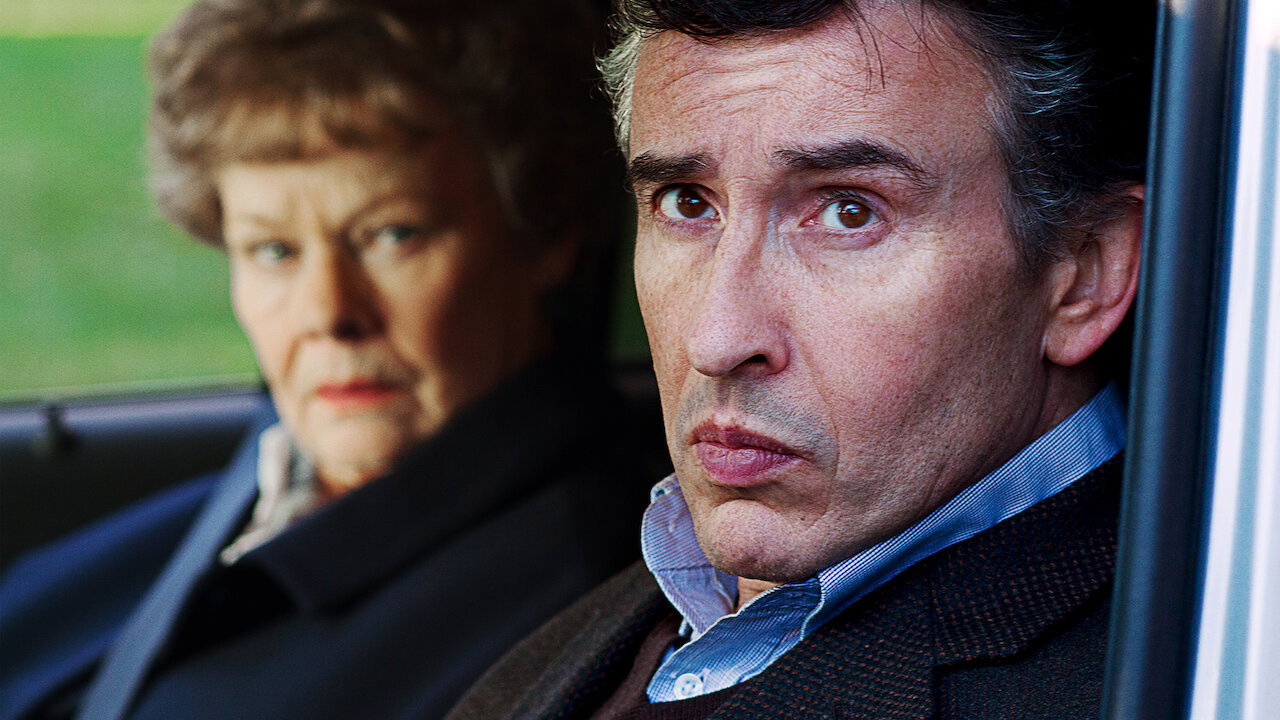
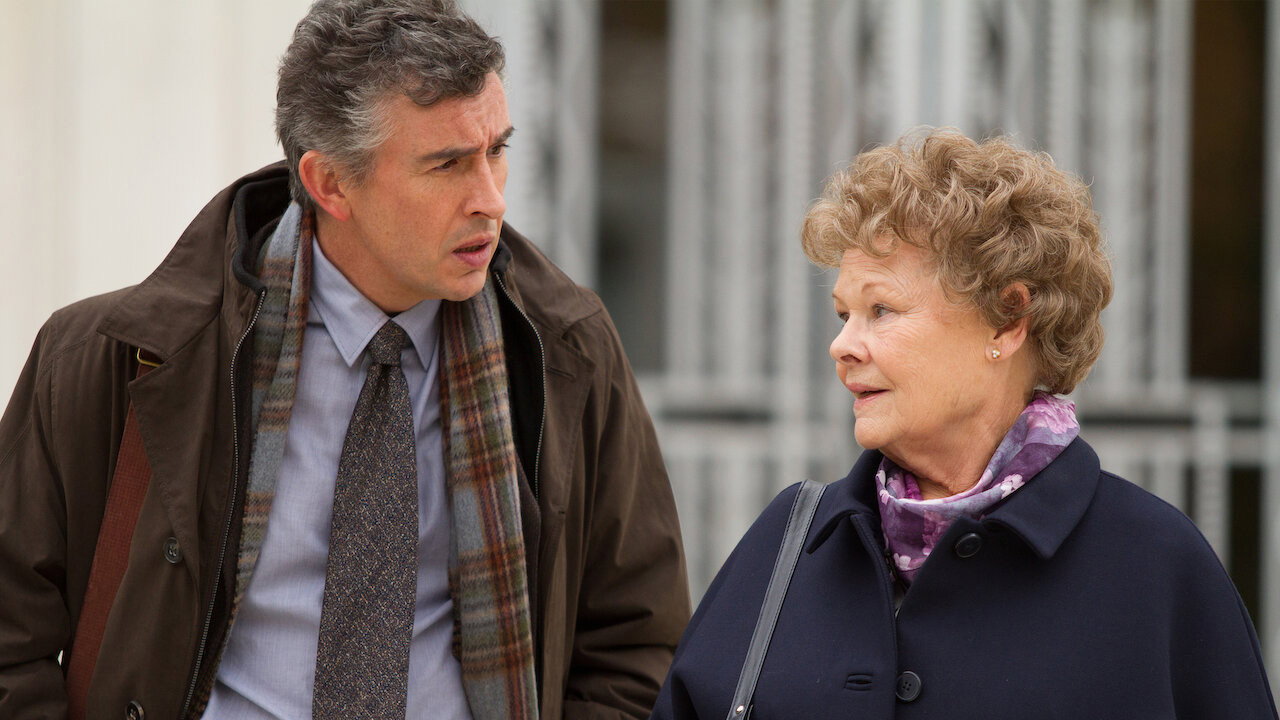
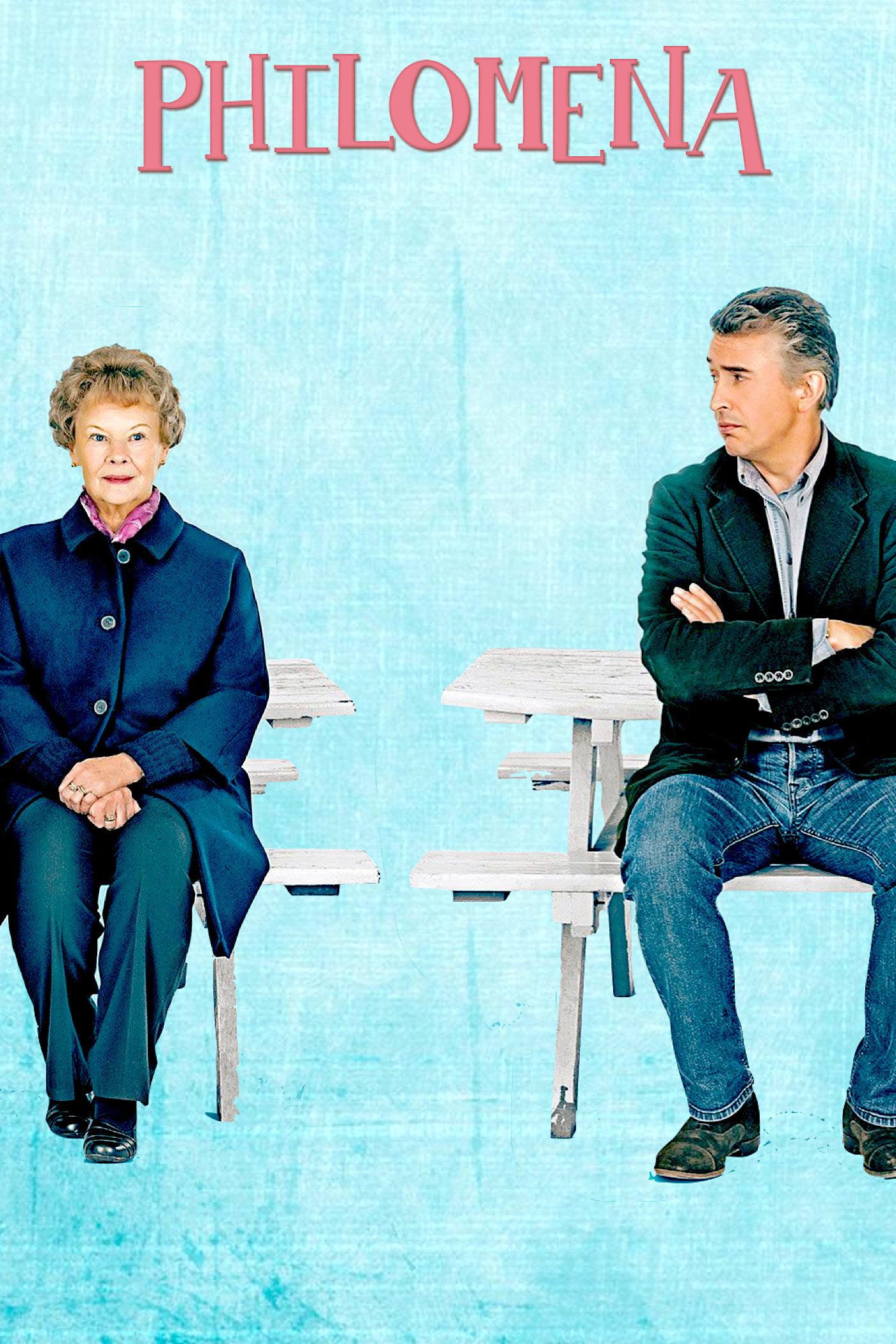
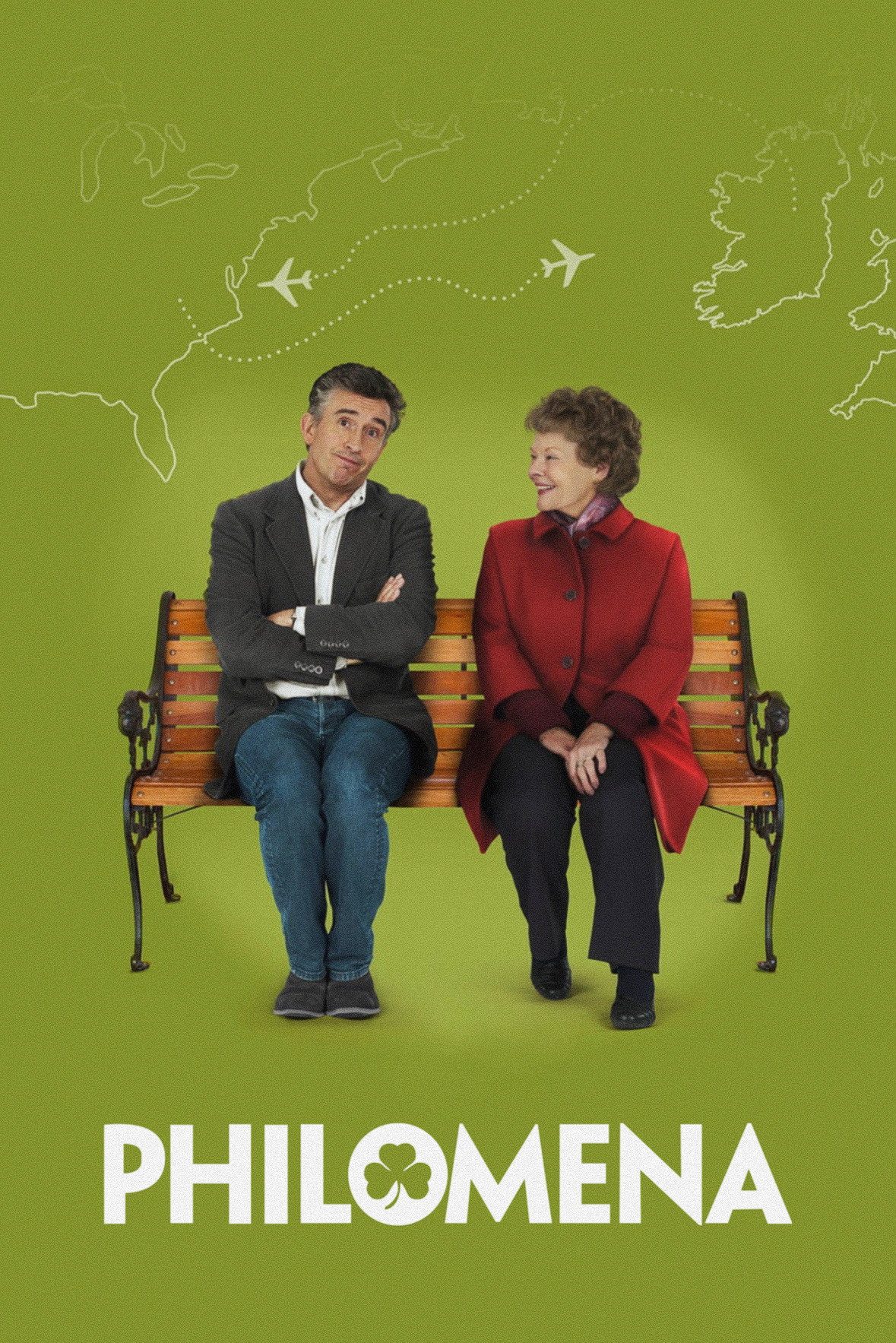
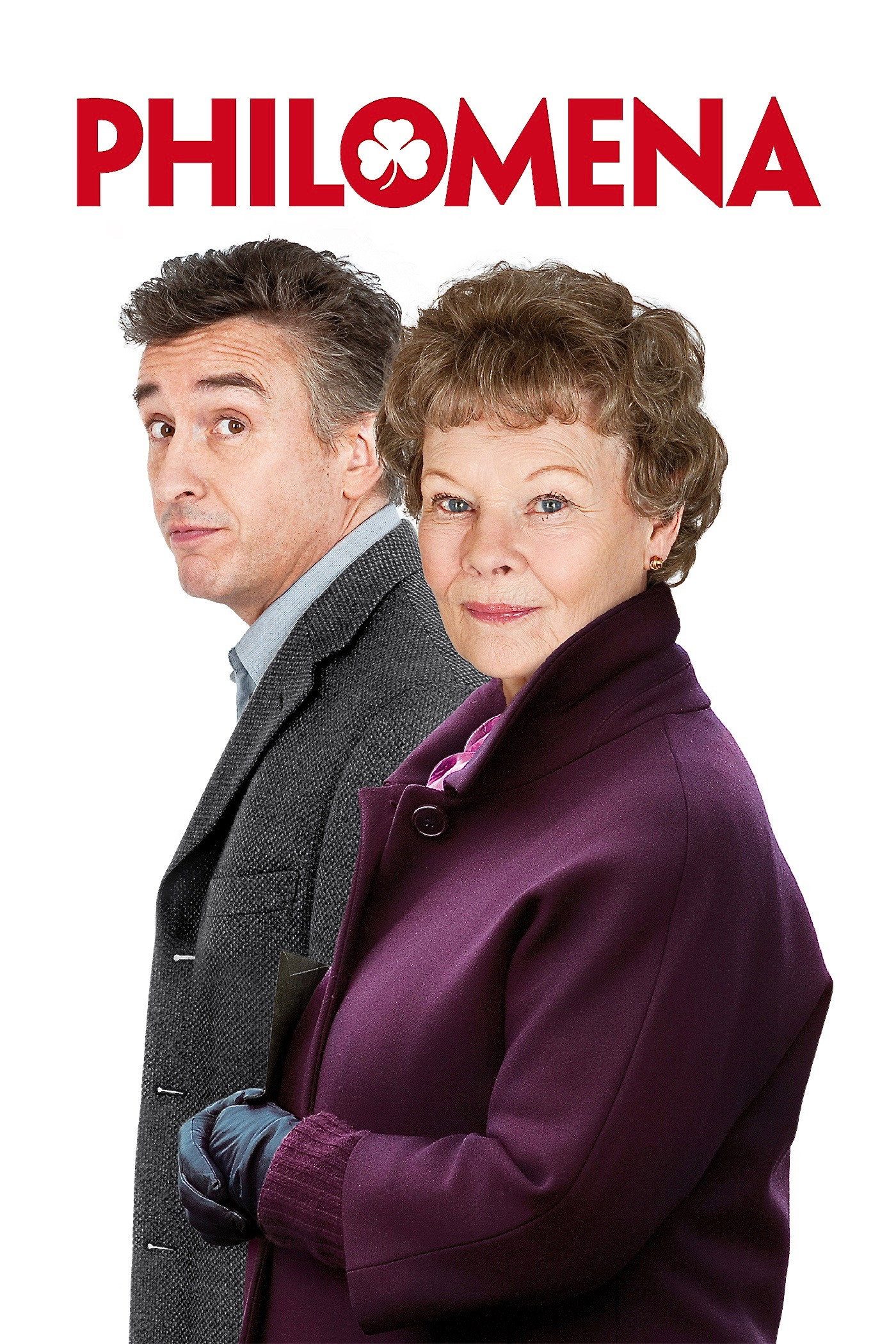
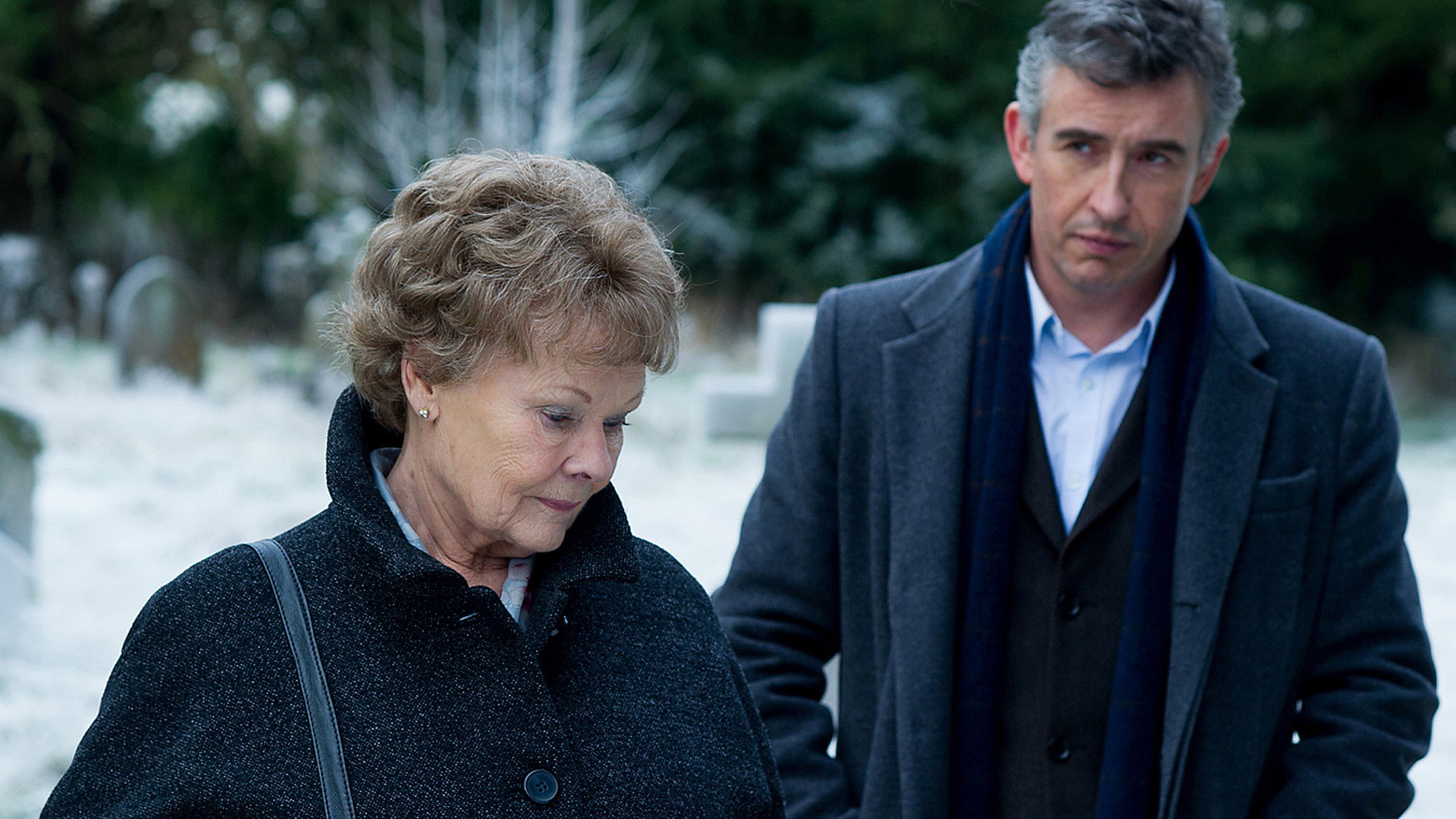
Philomena (Judi Dench) wants to find the son she was forced to give up, and journalist Martin Sixsmith (Steve Coogan) reluctantly takes an interest in her story. Young Philomena (Sophie Kennedy Clark) appears in flashbacks that return to the separation. Her search involves the Church, whose actions Martin questions more readily than she does. Philomena remains religious, while Martin approaches their journey with a sceptic’s impatience. As they begin looking for answers together, she has to explain a loss she has lived with for years to a man who does not share her beliefs.

Plays from YouTube when you press play; nothing loads from them until then.

Fi1m review

Judi Dench gives Philomena a warmth and intelligence that survive its heavy-handed opening jokes. Stephen Frears makes the search for a lost son moving without smoothing away the awkward questions about faith.

Stephen Frears makes Philomena into a warm, funny and often painful film about a mother looking for her son. We recommend it, with some patience for an opening that makes the differences between its travelling companions too obvious. Judi Dench plays Philomena; Steve Coogan is Martin Sixsmith, the journalist who initially has little appetite for her story. The search gives them a reason to keep talking, and those conversations gradually become more interesting than the simple contrast between faith and scepticism suggests.

Steve Coogan and Jeff Pope’s screenplay gets useful comedy from Martin’s impatience and Philomena’s willingness to take other people seriously. At first, though, it presses too hard: his cynicism and her innocence arrive as ready-made instructions about whom to like. The early laughter can have an uncomfortable edge, as though her lack of sophistication were something to be indulged. The writing improves when it lets her intelligence emerge through the conversation rather than arranging another lesson for him.

Judi Dench is the reason the film gets beyond those early jokes. She gives Philomena’s faith the weight of something she has lived with, without treating it as proof that she cannot understand what happened to her. We were moved by her continued belief in the Church, because the performance never suggests that she has forgotten the harm done to her. The hurt remains apparent even when she is being funny, and the restraint makes the search matter.

Steve Coogan helps by keeping Martin’s irritation recognisably human. He holds back while she talks, and makes the journalist’s occasional superiority look awkward rather than enviable. His impatience is funny without making him a man whose opinions can simply be dismissed. At their best, both actors remain worth watching while the other is talking, and the pauses are as enjoyable as the jokes.

Robbie Ryan’s cinematography keeps the emphasis on faces, an unobtrusive choice that suits a film whose strongest passages are conversations. Alan MacDonald’s production design similarly keeps the surroundings from competing with the people, although the journey could use a stronger sense of place. Valerio Bonelli’s editing is brisk enough to prevent the investigation from becoming a series of explanations. Alexandre Desplat’s score is less discreet, occasionally pressing for a response the actors have already earned. At 98 minutes, the film has room for pauses without seeming to linger over its own sensitivity.

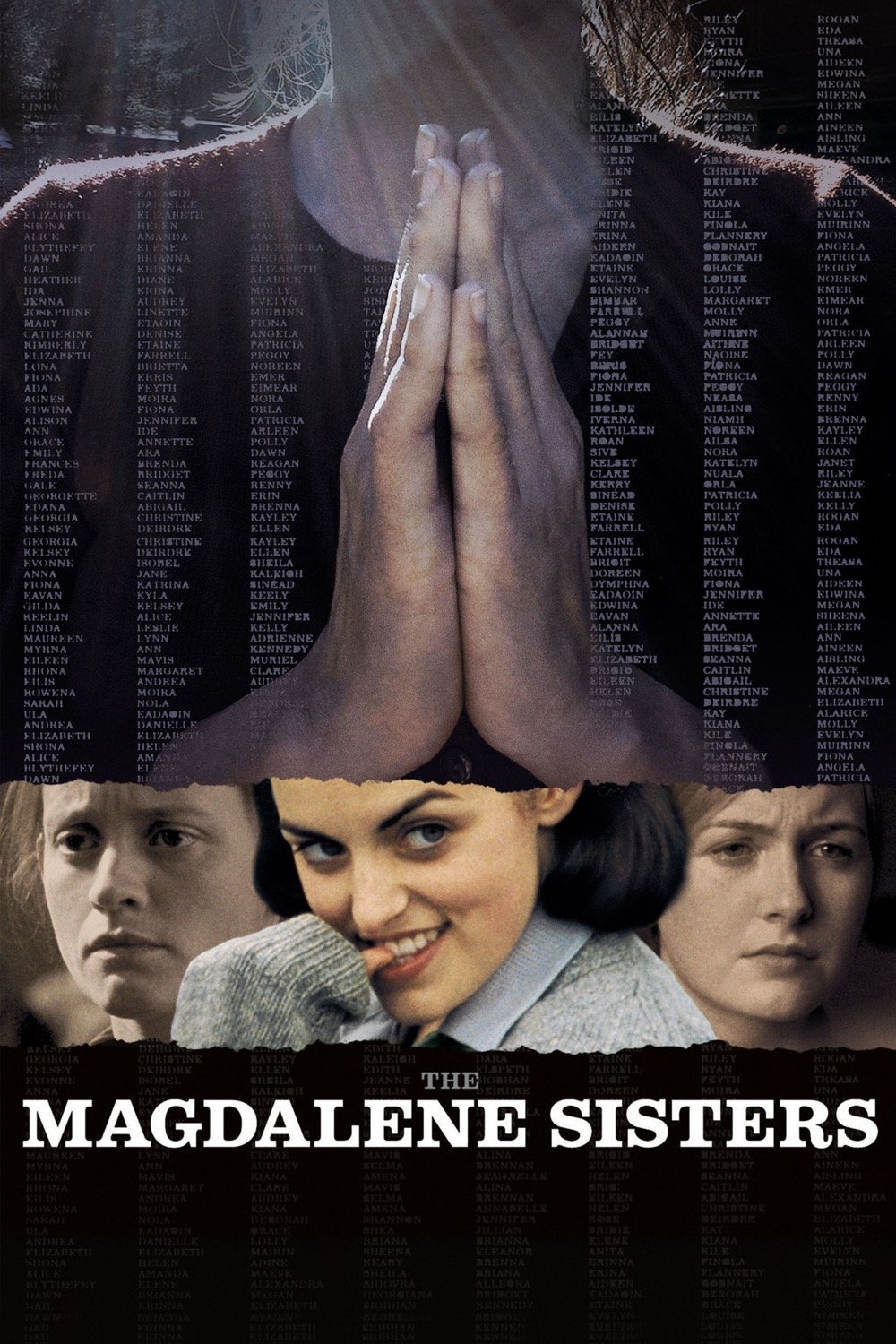
A simpler version of this story would have Martin explain the Church to Philomena until she agreed with him. Stephen Frears has more respect for her than that. He allows her religious belief to matter in its own right, even when the film is angry about what has been done in religion’s name. The familiar odd-couple arrangement becomes useful here: their disagreements give both characters time to make sense to us, and humour does not settle the question. Watch it with someone whose views differ from your own, and leave some time to talk afterwards.
Critical consensus AI synthesised

76
Positive
20
Mixed
3
Negative
1

Most critics respond warmly to Philomena, with praise concentrated on Judi Dench’s quiet dignity and her comic rapport with Steve Coogan. The reviews credit Stephen Frears with balancing humour, sadness and anger at institutional cruelty, making a potentially sentimental story moving without letting it become simplistic. Many also find more complexity than expected in the film’s treatment of faith and forgiveness, with the central relationship giving those questions a human scale.

Reservations centre on forced early contrasts, caricature and storytelling that sometimes makes its points too plainly. The spread runs from enthusiastic approval to outright rejection, though even the harshest review praises the leads’ chemistry. Slant Magazine finds the treatment of Philomena’s naïveté patronising, while The Wrap objects to what it sees as smug condescension towards atheists: a sharper objection to the film’s moral stance than most critics share.

The Independent
3 September 2013 · ★★★★★ · Geoffrey MacNab
100

Stephen Frears's film is a funny, well-observed tearjerker featuring a wonderful performance from Judi Dench and a very good understated one from Steve Coogan. Frears gets the tone just right on this material that could easily have seemed schmaltzy, making it hard for even jaded audiences not to be moved.

Read the full review →
Empire
23 July 2013 · Damon Wise
90*

The film is a terrific, sophisticated comedy that tackles serious issues with a lightness of touch and a spirit of steel. It filters the harrowing true story through an initially uninterested journalist, blending comedy and profound anger about Magdalene homes and adoption scandals while leaving audiences smiling.

Read the full review →
Evening Standard
21 January 2014
90*

Steve Coogan has made his best serious film so far with this astutely directed odd-couple road-trip story. Judi Dench gives what could be her best-ever film work, conveying Philomena's simplicity and faith without sentimentality while the film balances jokes, anger and sadness effectively.

Read the full review →
RogerEbert.com
22 November 2013 · Susan Wloszczyna
90*

The film confounds expectations as a multi-faceted odd-couple road trip and mystery rather than a simple sob story. Dench delivers a complex, dignified portrait of quiet strength and empathy that commands the proceedings.

Read the full review →
Screen Daily
31 August 2013 · festival review
85*

The review calls the Venice premiere a real delight that is funny, moving and beautifully performed, directed with restraint and a delicate touch. It highlights the strong work from Judi Dench and Steve Coogan and predicts audience and awards appeal.

Read the full review →
Radio Times
★★★★ · Stella Papamichael
80

The critic praises Judi Dench’s sparkling performance and the effective odd-couple dynamic with Steve Coogan that generates both comedy and tragedy. Stephen Frears is credited with bringing home the story’s emotional core, though the American journey could have had more sweep.

Read the full review →

Cast

Awards

Academy Awards, 2014

Nominated
Best Actress
Nominated
Best Original Score
Nominated
Best Picture
Nominated
Best Writing, Adapted Screenplay

European Film Award – People's Choice Award for Best European Film, 2014

Nominated
European Film Award – People's Choice Award for Best European Film

If you liked this, try…