Critics’ reviews

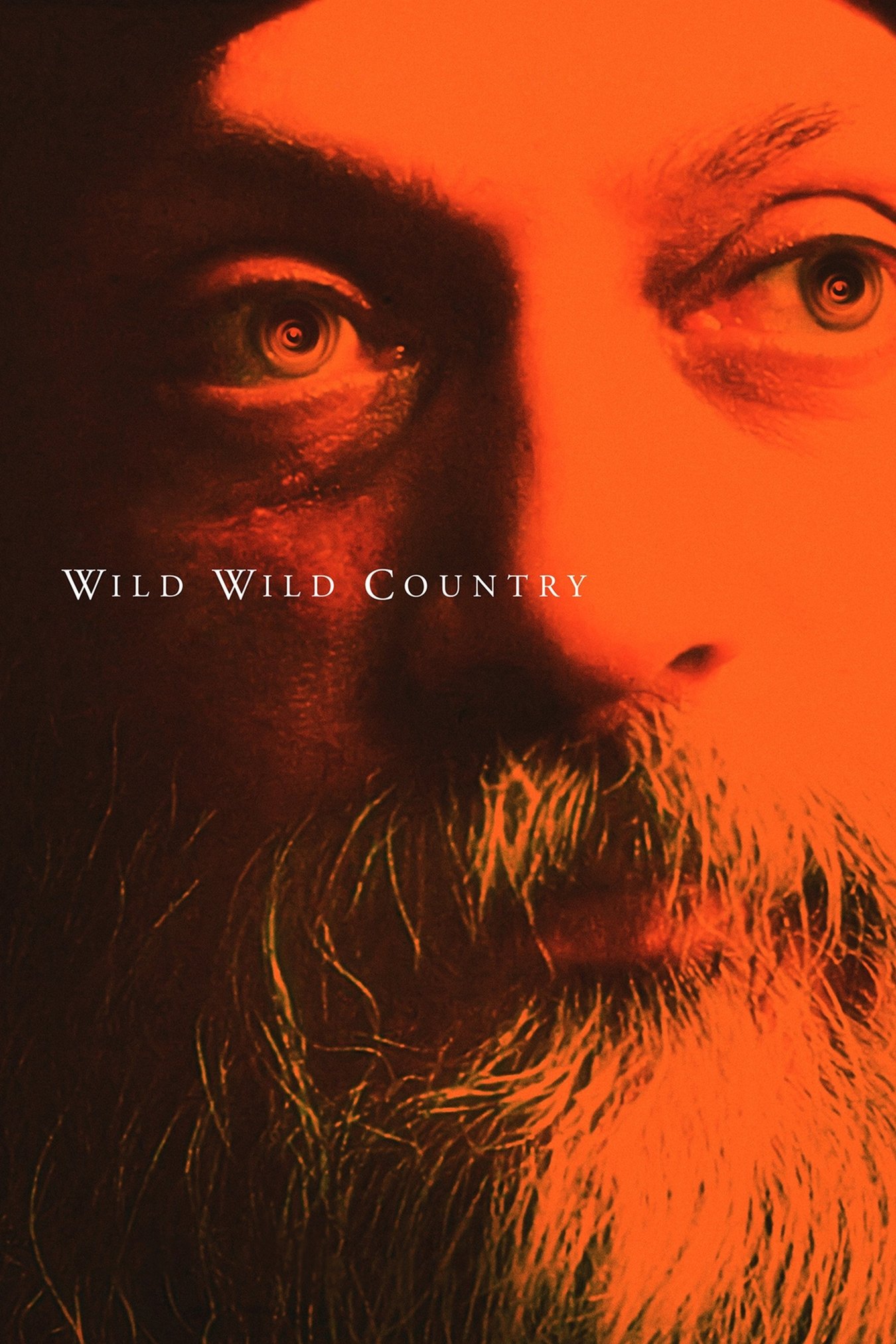
Wild Wild Country (2018)

9 reviews from 9 publications. Critics’ score 81: 8 positive, 1 mixed, 0 negative.

Back to our review of Wild Wild Country

81
Positive
8
Mixed
1
Negative
0

Most critics are won over. Eight of nine reviews are positive, and the praise gathers around the same things: the quantity of archive footage, the long interviews with people still convinced they were right, and Ma Anand Sheela, whom several reviewers name as the figure who carries all six parts. The directors are credited with letting both the Rajneeshees and the Oregon locals speak at length and declining to rule between them, which most find unsettling in a useful way.

The reservations are about length and balance. The AV Club finds the series lopsided, leaning on follower interviews and skimping on the true-crime detail; Paste, the one mixed notice, thinks it rambles and never gets to grips with the guru himself. The Hollywood Reporter admires it while calling the binge exhausting. The spread is narrow. Nobody dislikes it; the argument is over whether six hours is more than the story needs.

Evening Standard
12 April 2018 · Lucy Hunter-Johnston
90*

The critic calls the series utterly magnificent and a jaw-dropping romp, praising its revelations about the cult's power struggles and its deeper exploration of cultural clashes.

Read the full review →
The Guardian
11 April 2018
85*

The critic finds the six-part series absorbing and exhaustive in its coverage of the Rajneeshpuram story, praising its balance between the two sides and thorough use of interviews and archive footage.

Read the full review →
The Hollywood Reporter
24 January 2018 · festival review · Daniel Fienberg
85*

The critic calls it a gripping, exhausting binge with unbelievable twists and no easy answers. The impressive primary footage and entrenched talking heads are singled out for creating unsettling moral ambiguity.

Read the full review →
Vulture
16 March 2018 · TV and film writer
85*

The docuseries reveals a wildly fascinating chapter of American history involving the Rajneeshee commune, full of outrageous events from land disputes to bioterrorism. It presents key figures like Sheela without heavy judgment, leaving viewers to draw conclusions from compelling interviews and archival footage.

Read the full review →
The Times
24 March 2018 · Hugo Rifkind
80*

The critic describes the documentary as tremendous, highlighting its strange resonance and focus on the cult's rise amid clashes with local residents.

Read the full review →
The AV Club
16 March 2018 · B · Katie Rife
77

The series is a character study of the Rajneeshee movement and its conflicts with Oregon locals, focusing on figures like Ma Anand Sheela. It excels as a generational culture clash tale but feels lopsided, skimping on some sensational elements and true-crime details while over-relying on follower interviews.

Read the full review →
The i Paper
14 May 2018 · Stuart Heritage
75*

The critic finds the series horrifying yet oddly appealing in its depiction of the cult's community and conviction. Ma Anand Sheela is singled out as the undeniable star whose unrepentant energy drives the appeal.

Read the full review →
The Ringer
27 March 2018 · Alison Herman
80*

The series stands out for its focus on the personal psychology and experiences of the Rajneeshees rather than sensationalist cult tropes. Herman praises the filmmakers' approach to humanizing participants like Sheela through extensive interviews while exploring the contradictions of the community.

Read the full review →
Paste
16 March 2018 · Amy Glynn
65*

The critic finds the docuseries fascinating for presenting multiple opposing viewpoints on the Rajneesh cult events but criticizes its excessive length and rambling structure that obscures the narrative. She praises the wealth of archival footage while noting it raises timely questions about immigration, religion, and community conflict without fully exploring the central guru figure.

Read the full review →

Ordered by the weight we give each publication, then by score. Scores are normalised to 100; * means inferred from an unrated review. Summaries are ours, not quotations; follow the links for the reviews themselves. How we rate