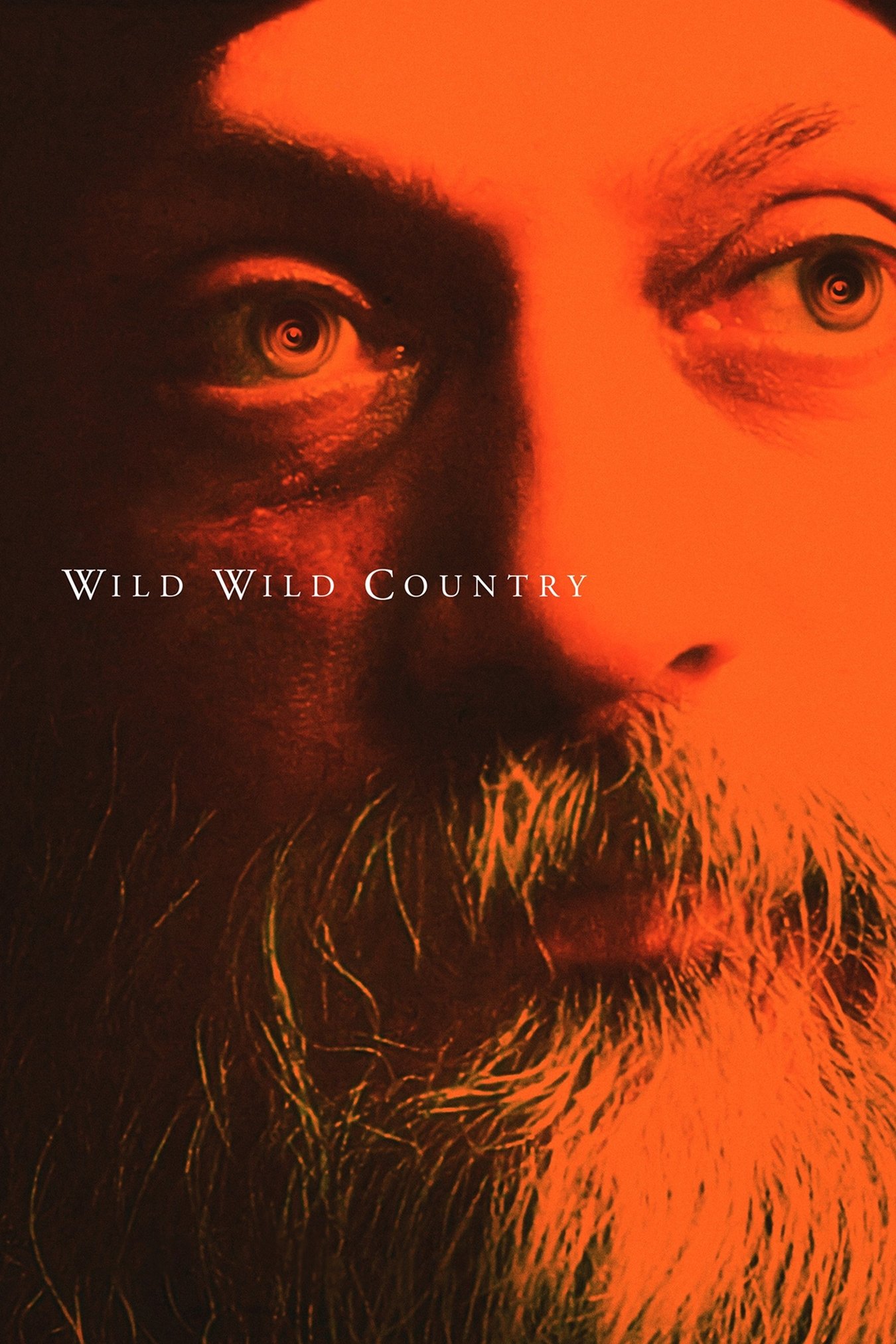
Chapman and Maclain Way have an archive most documentary makers would kill for and the patience to let it play. Six hours of fair, absorbing television about a commune and the town that hated it, one hour too long, and strangely shy of the man at its centre.
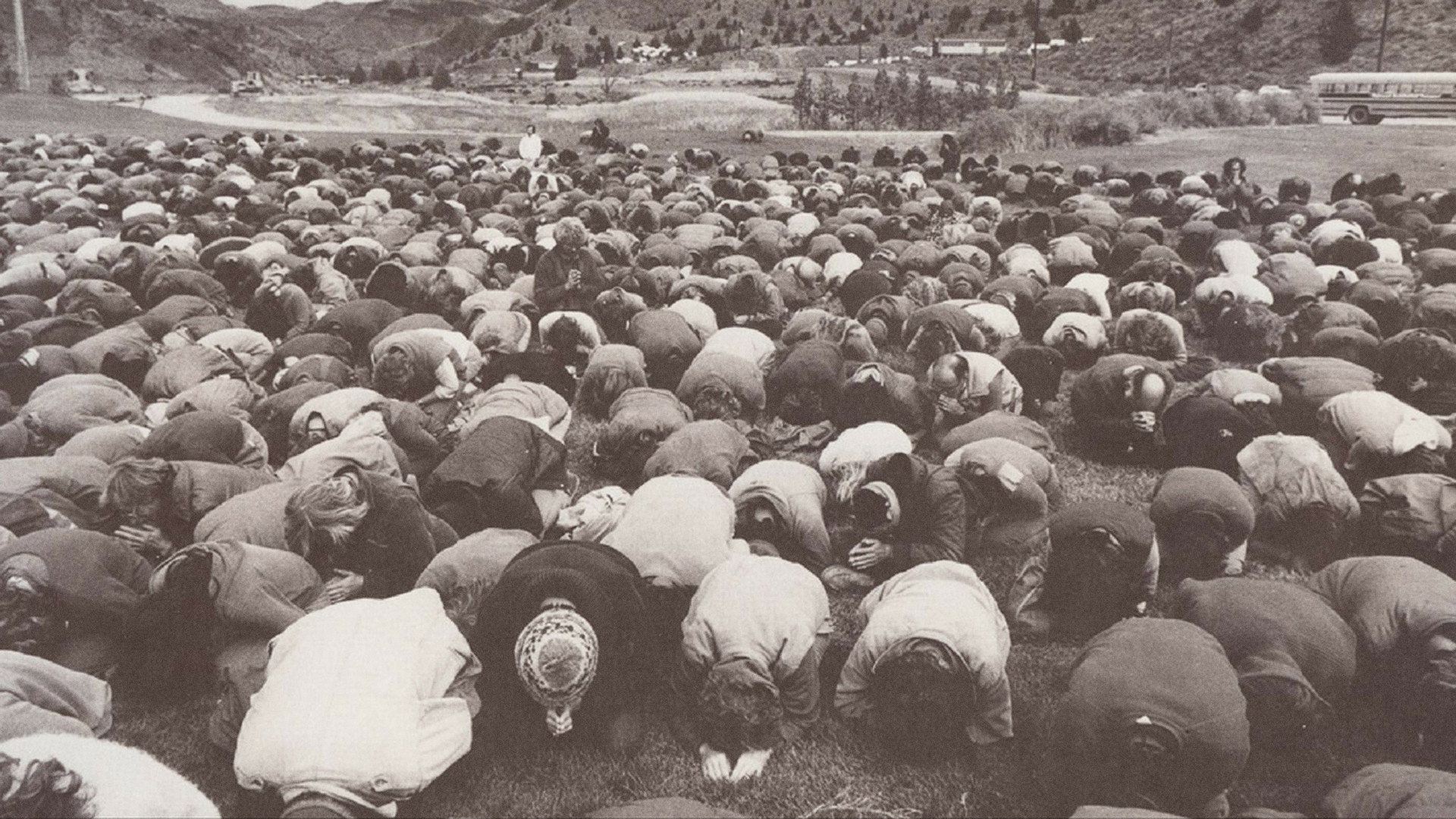
In 1981 a guru’s followers bought a ranch in the Oregon high desert and started building a city. The nearest town, Antelope, had a café, a post office and a few dozen residents, most of them retired, and it did not want them. What happened over the next few years is the subject of Chapman and Maclain Way’s six-part series, and it is good television: patient, fair to both sides, and built on an archive so rich that the brothers could have made the whole thing without a single new interview. They did not, and the interviews are the reason to watch. It is also an hour too long, and it never quite decides what to think about the man in the middle of it.
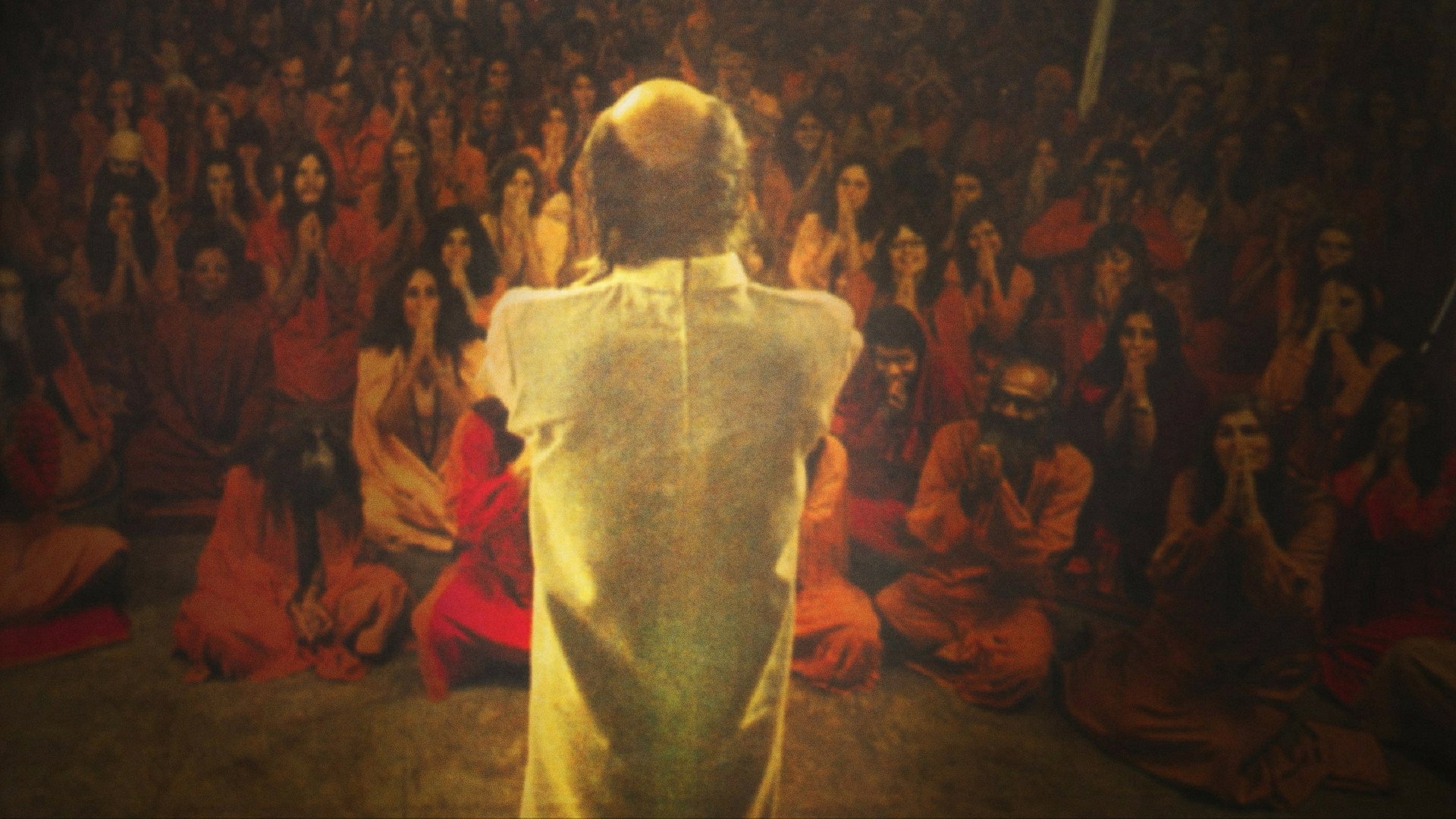
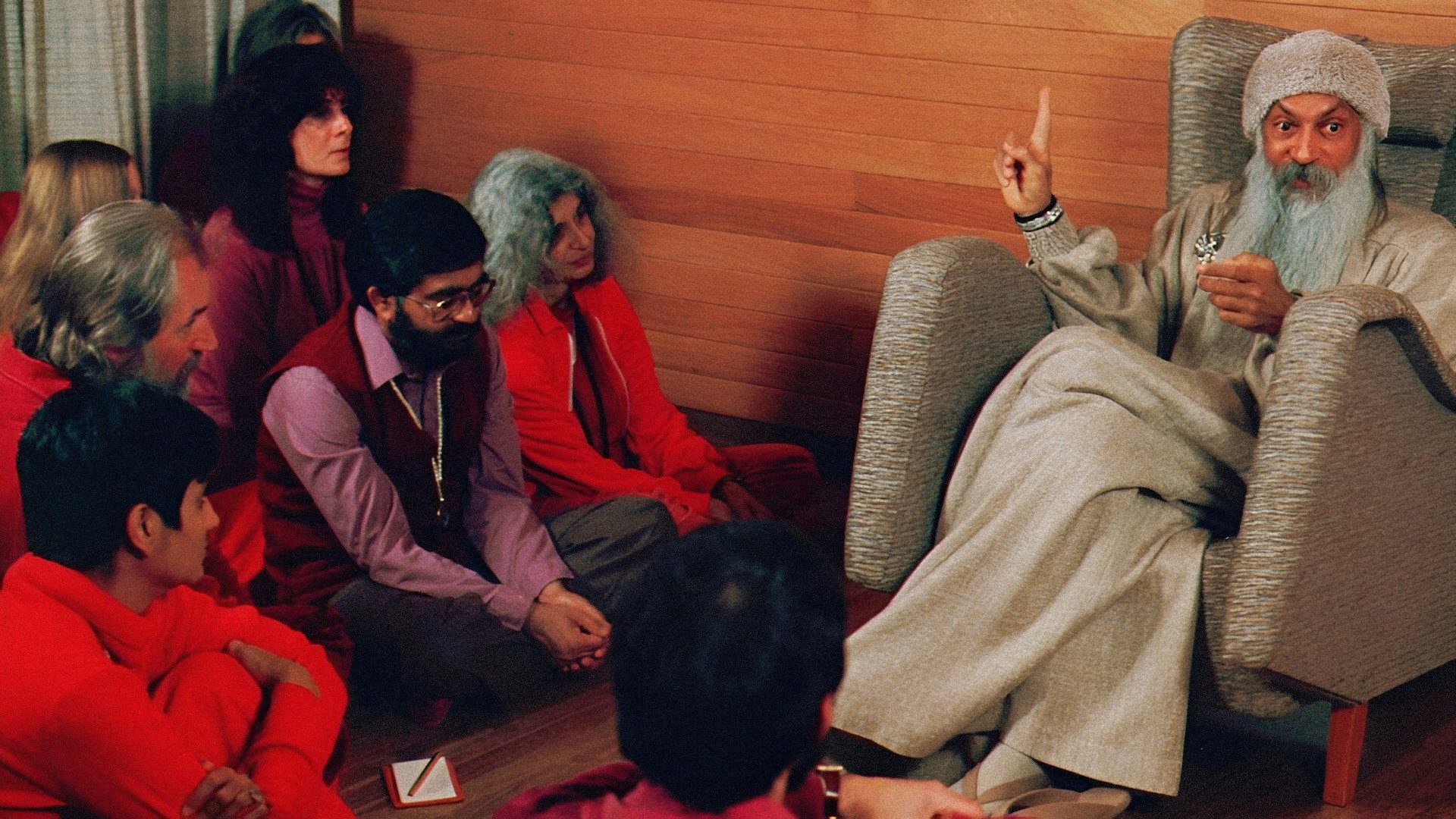
The commune filmed itself constantly, and the Ways have the footage. There are thousands of people in orange and maroon dancing in a hall the size of an aircraft hangar; there is Bhagwan Shree Rajneesh being driven slowly down a dirt road in a Rolls-Royce while his followers throw flowers; there are press conferences, planning meetings and a shooting range. Neil Meiklejohn cuts this against the present-day interviews so that a story someone is telling us is often on screen as they tell it, and the effect is of being shown an old cine film by somebody who has not watched it in thirty years. Adam Stone shoots the interviews in plain rooms with soft light from one side, and lets people talk for a long time.
The person who talks longest is Ma Anand Sheela. She was Rajneesh’s secretary and, because he was not speaking when the story begins, his voice; she ran the ranch, the lawyers and the press. She is interviewed now, decades on, unrepentant and enjoying herself. We were appalled by her within ten minutes and could not look away, and the two reactions turned out to be one. What did it was a piece of archive in which a television interviewer asks her about the townspeople and she answers with a smile so wide it reads as contempt. The series knows she is its star. It gives her the best lines and the last word in most episodes, and it is honest enough to let you notice that you are enjoying her.
The Antelope side is handled with the same care. Jon Bowerman, a rancher, speaks for the neighbours who watched the newcomers buy the café and stand for the council, and the series lets him be angry without making him a bigot. Jane Stork, who came from Australia with her children and stayed for years, is the follower the Ways use to explain why anyone did, and she is the most affecting person on screen: calm, exact, and plainly still working out what she took part in. Philip Toelkes, the commune’s lawyer, still argues the case for the defence. Ma Prem Sunshine, its spokeswoman, does too. Both sides sound reasonable in turn, and the horror, when it comes, comes from watching reasonable people do what they did.
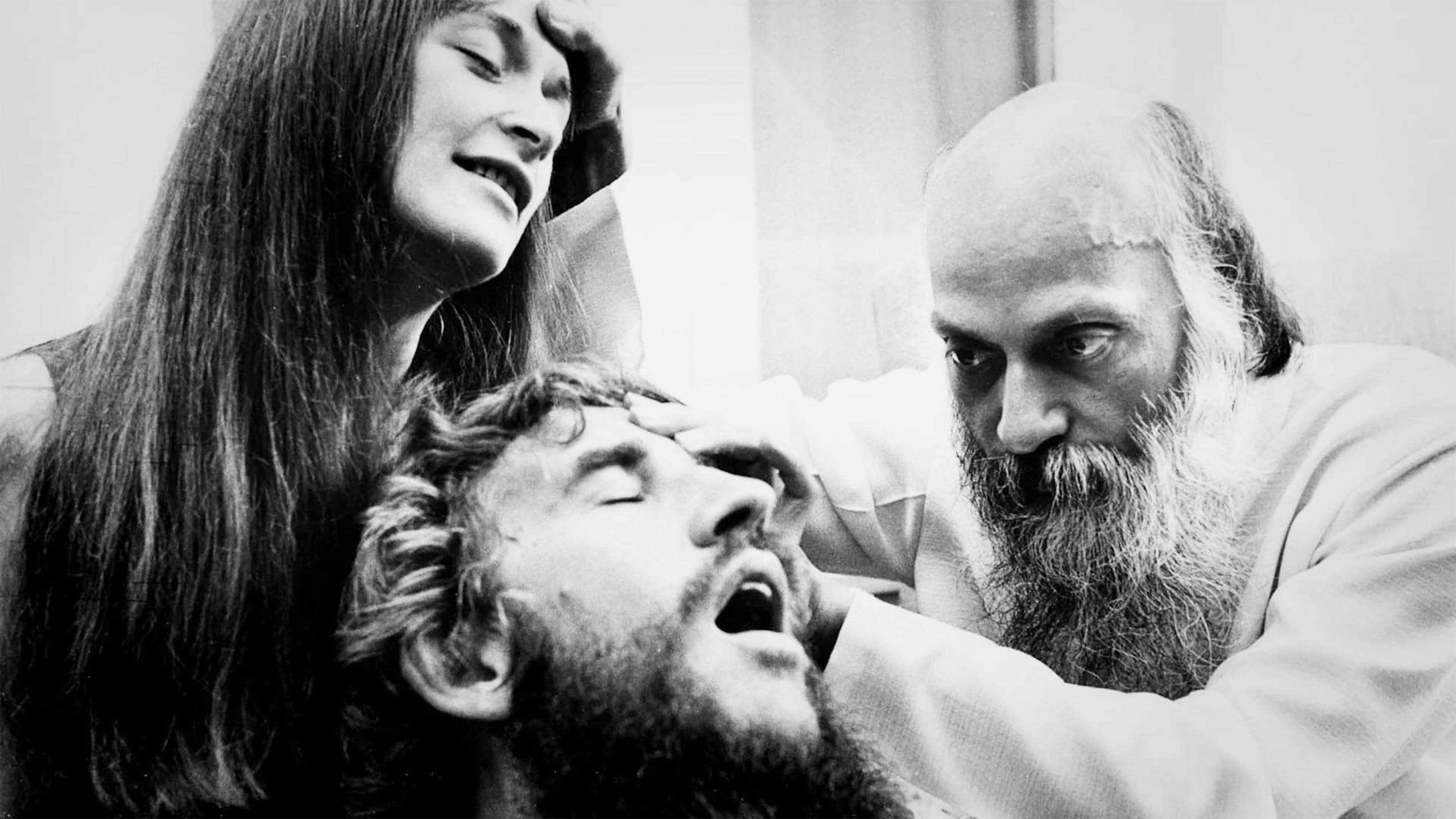
Not all of it works. Brocker Way’s score is orchestral, insistent and everywhere, and by the fourth hour we were noticing the strings before we noticed what they were underlining. It is a good score used too often. The sixth episode goes back over ground the fifth has covered, in the manner of a series that expects to be watched in one sitting and worries you have forgotten. And Rajneesh himself, the reason any of these people are in Oregon, stays a shape at the edge of the frame. The Ways have archive of him teaching and use it sparingly; we finish six hours knowing what his followers did and not what he said to make them do it.
Set against the run of true-crime series, which like a body in the first minute and a suspect by the third, this is unusually slow, and the slowness is the right choice. The second half takes turns we will not describe, and they are why the story is remembered at all; the Ways reach them through land-use hearings and county elections, so that by the time the alarming things happen you understand how sensible people talked themselves into them.
Watch it over three evenings, two episodes at a time. In one sitting the music wears you down and the last hour feels like a lawyer’s summing-up. Spread out, it is one of the better documentary series of its kind, and Sheela’s smile will follow you to bed. Certificate 15; six episodes of about an hour each.