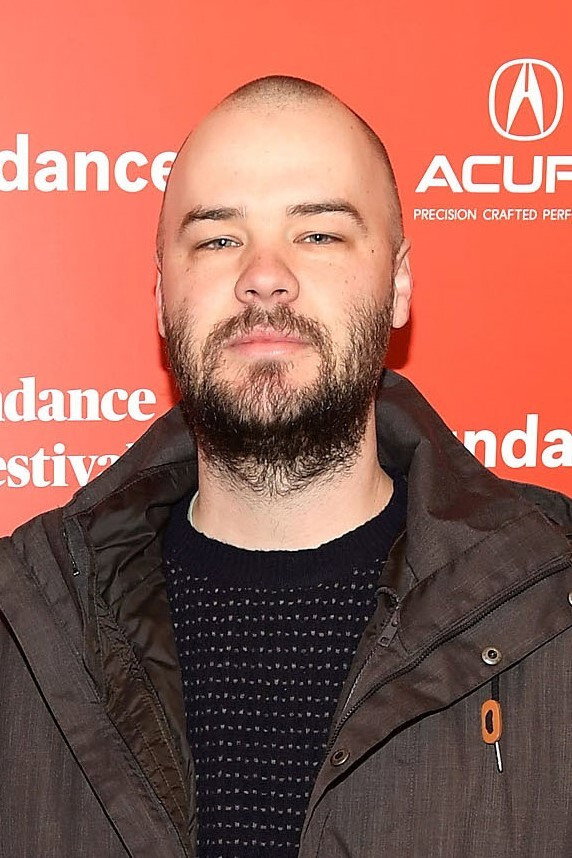
Chapman Way and his brother Maclain make long documentaries out of other people's old footage: patient, fair to everyone on screen, and reluctant to say what they think. When the archive is as good as Wild Wild Country's, that is nearly enough.
Fi1m perspective
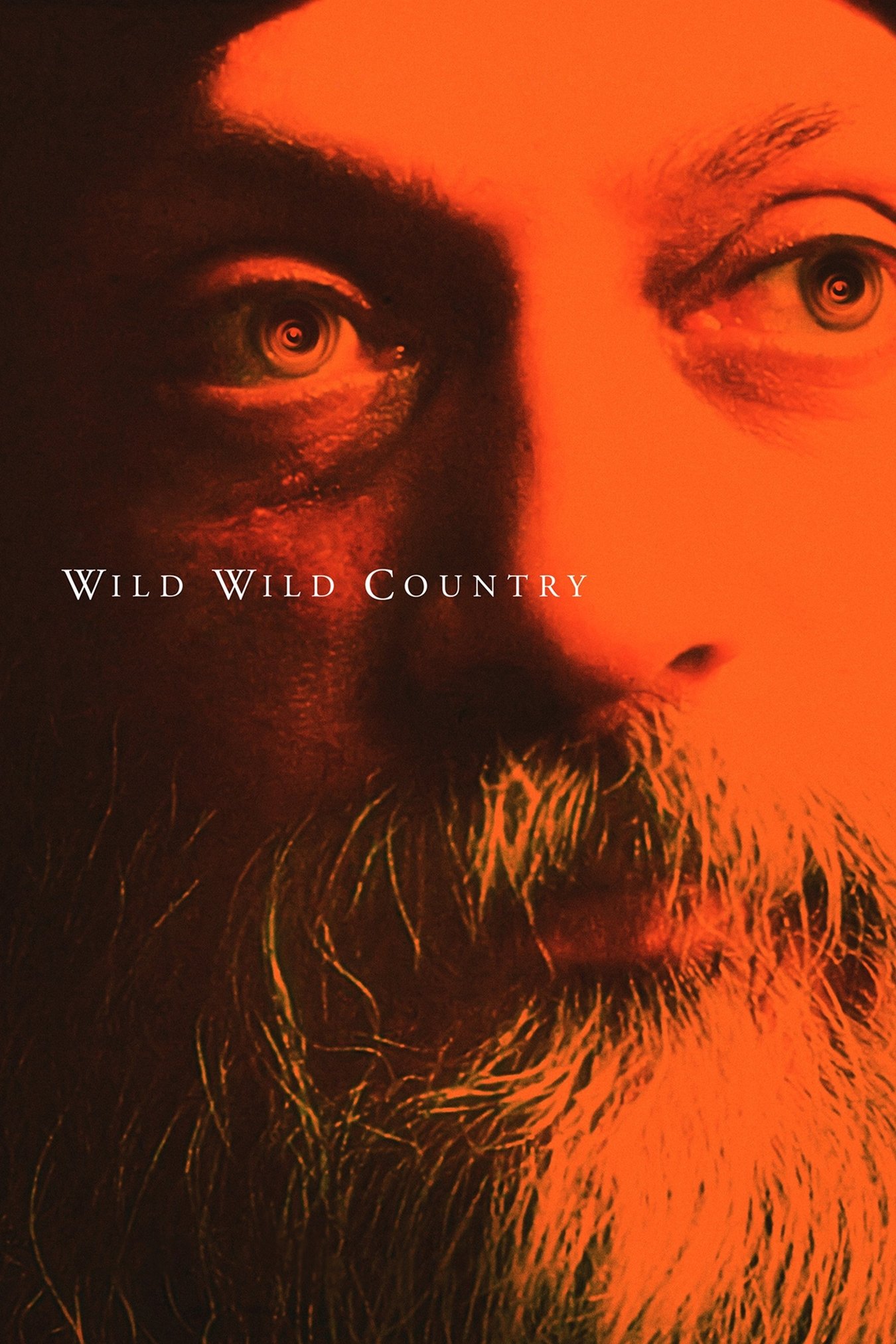
Somewhere in the middle of Wild Wild Country (2018) a television interviewer asks a woman about the townspeople she has spent years fighting, and she answers with a smile so wide it reads as contempt. Nobody stops the tape to tell us what to think. That is how Chapman Way and his brother Maclain work: find the footage, let it play, put the people who were there in a plain chair beside it and leave the judging to us. They have said they took "both the Sannyasins and the Eastern Oregonians at their word about their experiences", and the series bears that out, sometimes to a fault.
The brothers began with The Battered Bastards of Baseball (2014), about their grandfather's Portland baseball team, on which Chapman also shot and cut the picture. Wild Wild Country came four years later and is still the one to watch: six hours on a commune in the Oregon desert and the small town that did not want it. Since then they have moved into sport and crime, with Untold, a documentary strand they created together, The Kings of Tupelo: A Southern Crime Saga (2024) and America's Team: The Gambler and His Cowboys (2025), eight episodes on the Dallas Cowboys. The subjects vary but they keep returning to one shape: an American place, somebody who wants it, and an argument about who it belongs to.
What works is the patience. In Wild Wild Country Neil Meiklejohn cuts the archive so that a story is often on screen as the person tells it, and Adam Stone lights the interviews from one side and lets them run on. Brocker Way, the third brother, writes the music, and it does much of the temperature-raising that the directors decline to do in words. We were appalled by Ma Anand Sheela within ten minutes of meeting her and could not look away, and the series is honest enough to let us notice that we were enjoying her. The horror in it comes from watching reasonable people, given time, explain themselves.
The cost of the method is that nobody in charge ever says what they think. Bhagwan Shree Rajneesh drifts through his own story in a Rolls-Royce and the series never decides who he was. Our review found it an hour too long, and it is: when you trust the tape this much you keep too much of it. Being fair to everyone can become a way of saying nothing about anyone.
The brothers' films so far have been built on footage someone else shot. If both sides of an argument were filmed at the time, Way is the man to cut it together. Whether he can make a story nobody thought to record is a question his work has not yet had to answer. Start with Wild Wild Country, and give it the extra hour.
Biography
Chapman Way is an American documentary filmmaker and director. He frequently collaborates with his brother Maclain Way. He is the grandson of actor Bing Russell and the nephew of actor Kurt Russell.
Way began his career co-directing the 2014 documentary The Battered Bastards of Baseball with his brother. The pair went on to direct and produce the 2018 Netflix series Wild Wild Country, for which they received a Primetime Emmy Award for Outstanding Documentary or Nonfiction Series. Way has also directed episodes of the Untold documentary series and other projects including The Kings of Tupelo: A Southern Crime Saga (2024).