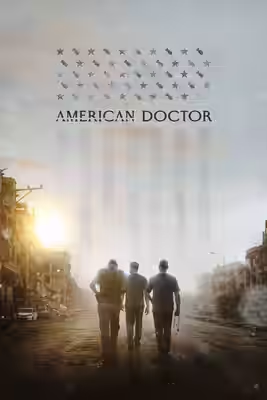
Poh Si Teng follows three American doctors into a Gaza hospital and does not look away; the wards are as hard to sit through as anything we have seen. The scenes at home, in front of cameras and microphones, are less sure of what they are for.
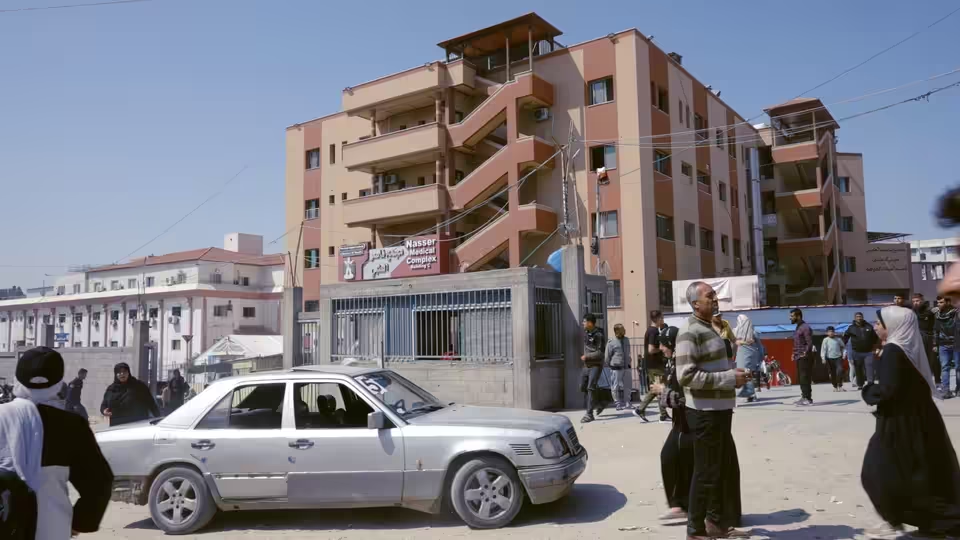
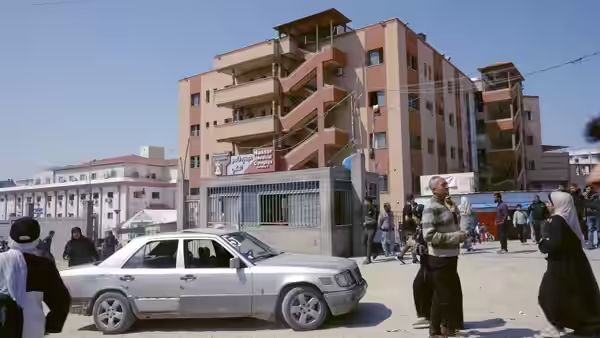
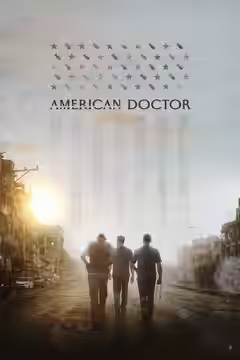
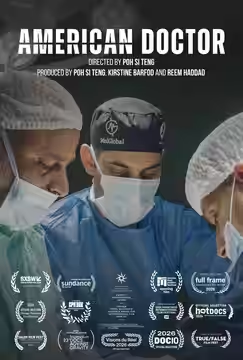
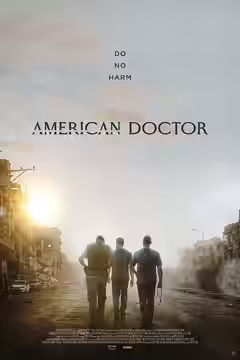
Poh Si Teng’s first feature runs 91 minutes and most of it takes place in hospitals in Gaza, where three American doctors have gone to volunteer. Thaer Ahmad, Mark Perlmutter and Feroze Sidhwa are, between them, a Palestinian American, a Jew and a Zoroastrian, and the film is interested in that arithmetic, because it turns out to matter who is doing the telling. It is a good film, in stretches a remarkable one. It is at its best when the doctors are working and at its weakest when they are explaining the work to people who have invited them on air.
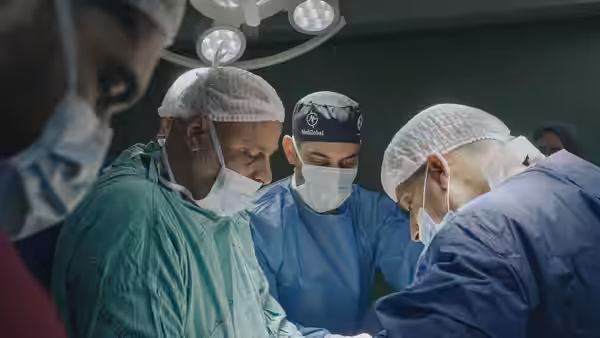
The film states its terms early. In one of the first scenes the doctors argue about whether footage of the wounded should be shown at all, and Teng comes down on one side of that argument and stays there. Ibrahim Al-Otla and Chris Renteria’s cameras go into the operating theatres and do not leave when a child is carried in. We were horrified, and we want to be plain about why. It was not the blood, which any war film has. It was the ordinary competence of the people standing over it, asking for instruments by name and being told there were none, and carrying on anyway. Nobody on screen behaves as if a camera were present, and we believed that.
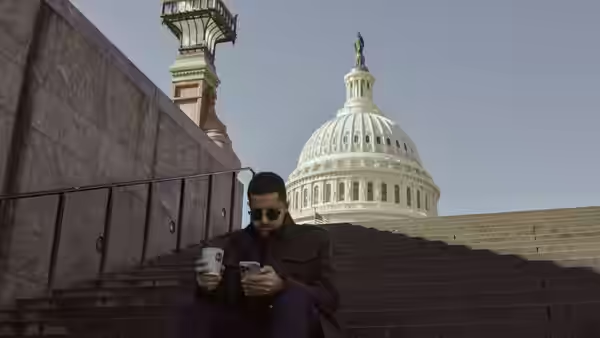
Sidhwa is the one we kept watching. He speaks quietly, he does not perform his tiredness, and when he describes what he has seen he describes it as a clinician would, in the order it happened, with the injuries named. Ahmad and Perlmutter are given less screen time in the wards and more in America, and the film is honest that the three men do not agree on how to be useful once they are home. The film knows that who is speaking, and from which background, will be read a particular way, and it lets that happen without underlining it.
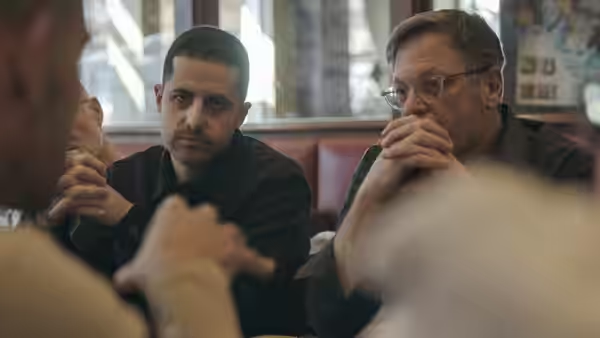
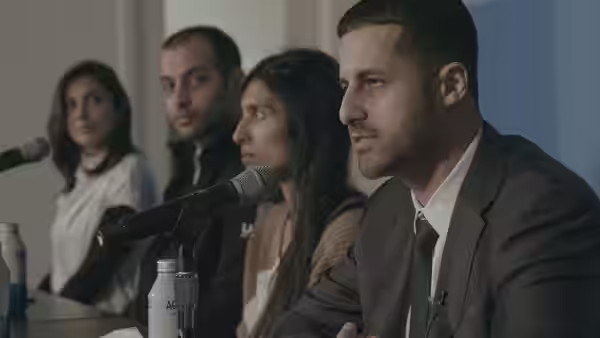
The American half is the problem. Here the doctors sit under studio lights, wait for their segment, and are handled. Dana Bash appears in archive footage from CNN, and Hasan Piker turns up to give one of them a longer run than television will. The point, that a doctor who has held a dying child gets four minutes and a set of follow-up questions about balance, is a fair one and the film makes it. Then it makes it again. The wards need no argument; the studios are all argument, and they are the part of the film that dates.
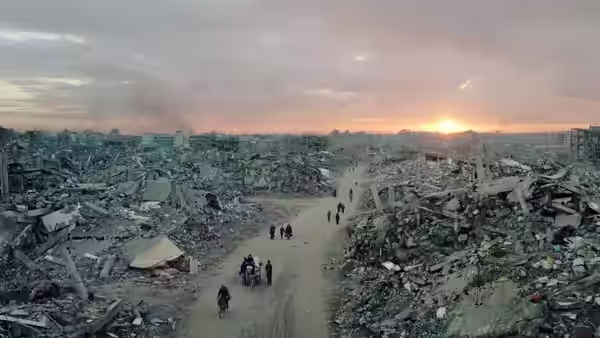
Ema Ryan Yamazaki and Christopher White cut between continents, and the seams show. The intertitles do not always agree with each other about when we are, and twice we lost track of whether we were watching the ceasefire of 2025 or the months before it. Suad Bushnaq and Suvo Sur’s score is used sparingly, and the film is better for it; the sound of a ward, with its generators and its shouting, needs no help. Teng closes on a montage of ruined buildings that we did not need. We had seen the ruin already, in the faces of the men leaving it.
There are no inspiring moments in the usual sense, and we counted that as a virtue. Nobody is saved by a speech. The doctors go home thinner and angrier and not obviously heard, and the film does not pretend otherwise. Set against the run of medical documentaries that want you to feel better about doctors, this one wants you to feel worse about everything else.
See it in a cinema, where you cannot pause it, because you will want to. The hospital scenes are the reason it exists and they are not easy to sit through; that is the point of them, and it is a point well made. Bring someone to walk home with.