Film review

Elephant

2003 · Directed by Gus Van Sant · 1h 21m · MPA R

In a sentenceA school corridor should not be this difficult to watch

CrimeDrama

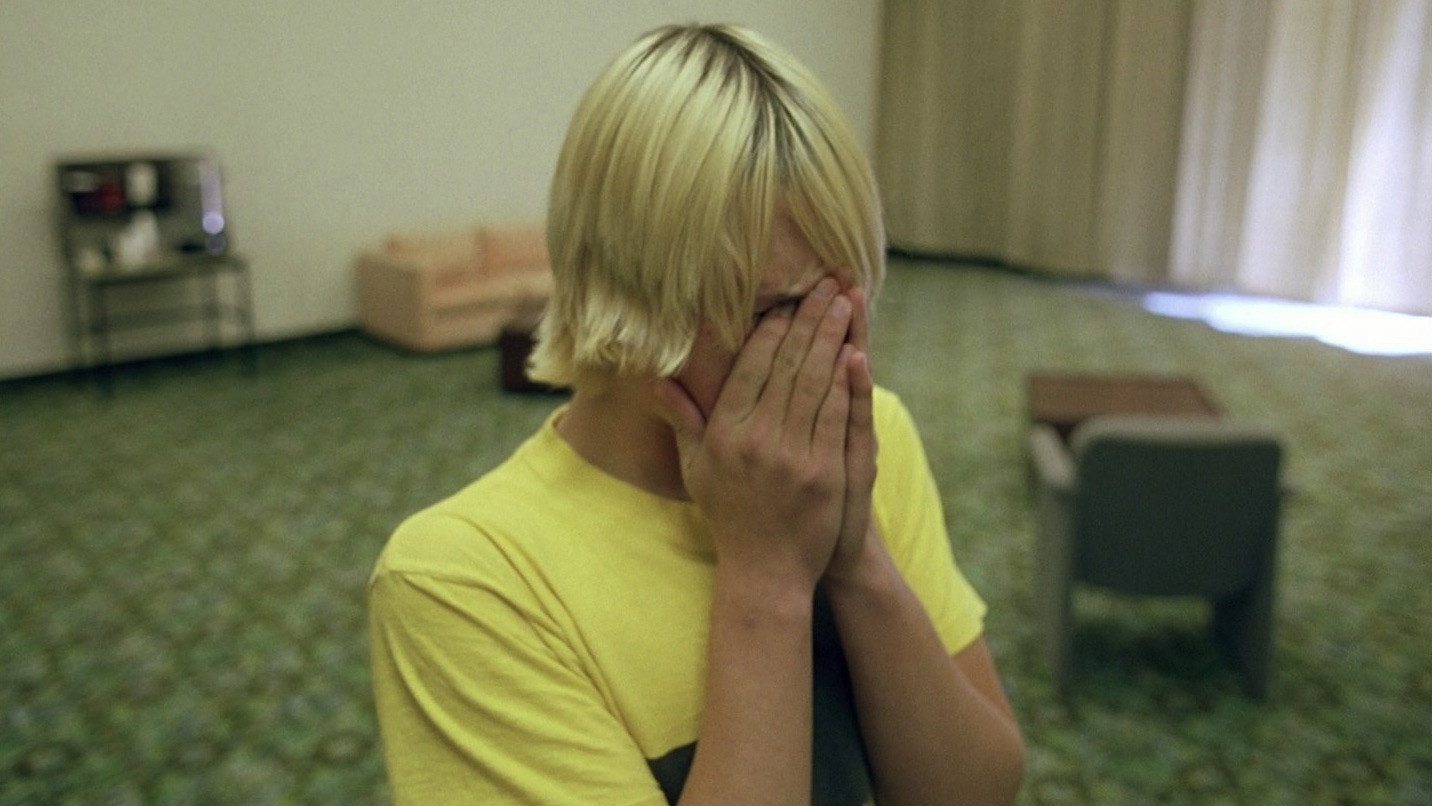
At an American high school, pupils go about a day whose separate routines gradually come into view. John (John Robinson), Elias (Elias McConnell) and Michelle (Kristen Hicks) are among the students Gus Van Sant follows, returning to shared moments from different perspectives. Alex Frost and Eric Deulen play Alex and Eric. Long passages spent accompanying the teenagers give ordinary movements and brief encounters room to unfold. A school shooting is the subject of this drama, but the film approaches it through the lives around it, without providing a single explanation for what is about to happen.

Fi1m review

Gus Van Sant makes an ordinary school day painfully absorbing in Elephant. We recommend its patient attention to the pupils, though its portrayal of the perpetrators sometimes feels too thin to justify the scrutiny.

Gus Van Sant’s Elephant is a disturbing school drama that we recommend, with reservations about the attention it gives the perpetrators. It takes an ordinary day seriously enough to spend much of its 81 minutes watching pupils move through it. The prospect of a shooting makes that patience difficult to bear, but Van Sant does not hurry towards the violence. He wants us to spend time with the teenagers before we start asking what their lives might explain.

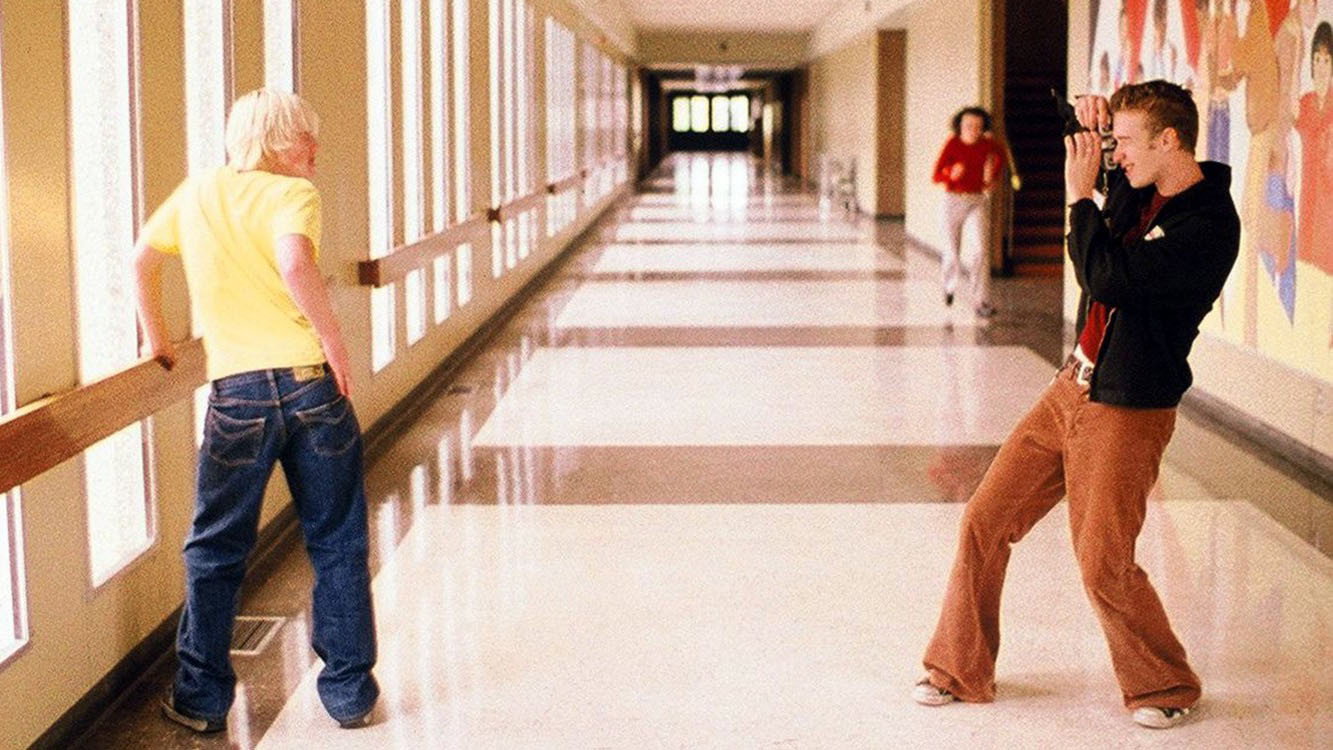
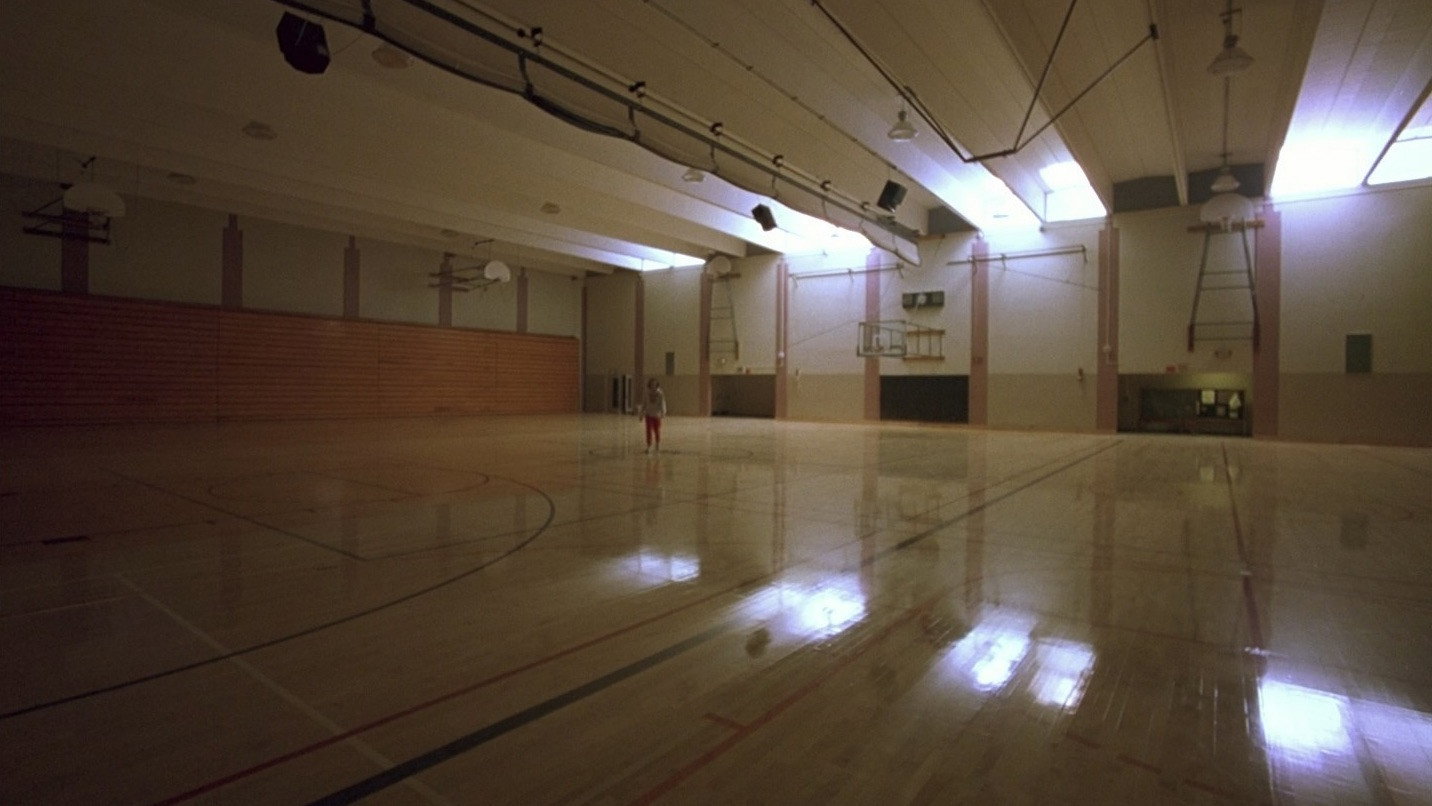
Harris Savides’s cinematography gives those walks time to become uncomfortable. The long travelling shots keep us alongside the students when a more impatient film would already be cutting to the next incident. We felt sick with apprehension watching them make their way through school, because the camera allows their movements to remain so ordinary when we know the subject of the film. Nothing in those passages needs to announce danger for us to start looking for it.

Van Sant also edits, returning to encounters from different viewpoints so that the same stretch of the day can belong to more than one pupil. These returns make us pay attention to people we might have treated as background on the first pass. We begin to recognise the overlap between their routines, and the school becomes easier to follow without an explanatory tour. Occasionally the repetition feels over-arranged, but it mostly gives the students time that a brisker account would have denied them.

John Robinson plays John McFarland, Elias McConnell plays Elias and Kristen Hicks plays Michelle, among a cast whom Van Sant allows considerable room. The improvised exchanges have the hesitations of people who have not prepared a useful speech for the audience. Some also have the stiffness of a scene that has not quite found its rhythm. We can forgive that here: the unevenness helps the pupils seem separate from the director’s purpose. Their ordinary company is the part of the film we most wanted to keep watching.

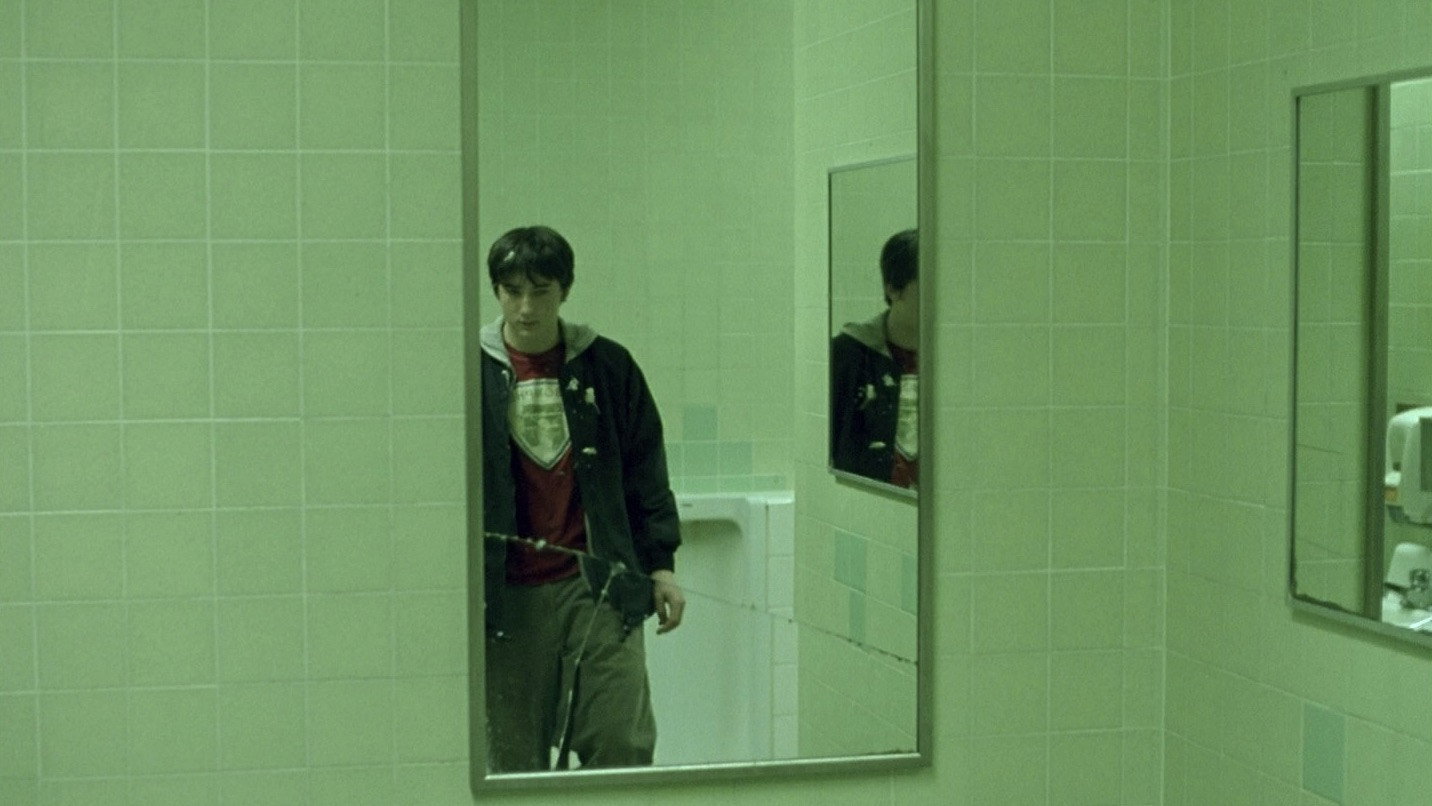
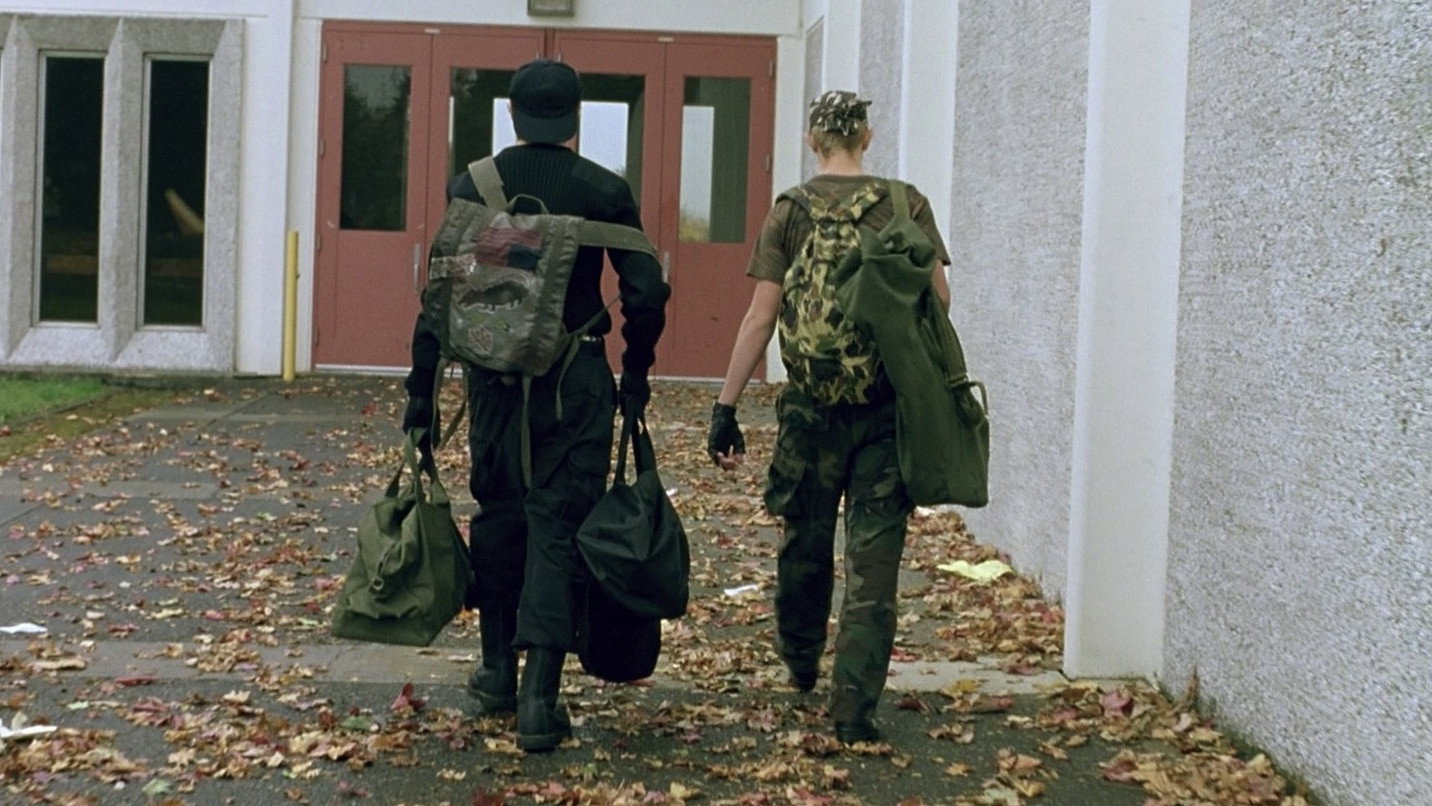
The portrayal of the perpetrators is harder to accept. Van Sant gives them a blankness that can be frightening, yet sustained attention to that blankness tells us little more about them. Refusing a neat cause for the shooting is sensible; the film would be dishonest if it pretended one conversation could settle the matter. But this section asks us to look closely without always giving us enough to look at. The boys become less particular than the pupils whose ordinary routines have occupied so much of the film.

Elephant gives the pupils something crime dramas can be too quick to take away: time in which nothing needs to happen. The walks and improvised exchanges hold our attention because the pupils are allowed to be preoccupied with their own day. That is a substantial achievement, despite the scenes in which Van Sant’s reserve becomes frustrating. We recommend it to anyone prepared for a school drama that allows little relief from the knowledge of what it depicts. Leave it for another evening if what you need is reassurance.


Critical consensus AI synthesised

75
Positive
5
Mixed
1
Negative
1

Most critics respond favourably to Elephant, with praise clustering around Van Sant’s patient observation of students and his refusal to supply a simple explanation for school violence. The long travelling shots, overlapping perspectives and ordinary details of the school day are widely seen as absorbing and disturbing. Supporters find that the dreamlike images and uninflected presentation strip the violence of glamour, while allowing the teenagers to exist as more than illustrations of a theory.

The disagreement concerns whether that restraint remains convincing when the film turns towards the killers, and the assessments range from emphatic praise to outright disappointment. Paste admires the early tracking shots and structure but finds the later concentration on the perpetrators exploitative. Eye for Film dissents more broadly, criticising the direction, acting and lack of insight; other reservations concern particular choices in depicting the killers rather than the observational approach itself.

RogerEbert.com
7 November 2003 · ★★★★/4 · Roger Ebert
100

The film simply observes a day at a high school leading to a massacre without offering explanations or theories for the violence. Van Sant drains the violence of glamour and purpose, creating an anti-violence statement through flat, uninflected presentation.

Read the full review →
The Guardian
30 January 2004 · Peter Bradshaw
90*

The critic finds the film a stunningly effective return to Van Sant's indie roots, blending them with a European sensibility to depict a Columbine-style shooting with dreamy, un-violent detachment and hyperreal ordinariness. It singles out the blankness and lack of affect in the assailants, along with the somnambulist camerawork, as creating a compelling and disturbing response to real events.

Read the full review →
Los Angeles Times
24 October 2003 · Manohla Dargis
85*

The film offers an unblinking, aesthetic look at a Columbine-like shooting that provokes thought about America's blood lust without easy answers. It blends waking-dream visuals with nightmare elements in a political and personal response to tragedy.

Read the full review →
Time Out
8 March 2012 · TCh
75*

Van Sant's abstract, personal take on Columbine uses long languorous travelling shots and improvisation to immerse viewers in students' lives on an uneventful day that turns horrific, evoking the subjective experience of random violence more than explanation.

Read the full review →
The New York Times
19 October 2003 · Karen Durbin
60*

The movie refuses to explain the killers' motives, instead observing the final day and letting viewers draw their own conclusions. This approach drew criticism from some for being vacuous but is presented as a deliberate rejection of easy answers or scapegoating.

Read the full review →
Empire
30 January 2004 · Kim Newman

The film is a low-key, blankly devastating account of a day in an American high school that ends in massacre. Van Sant delivers his least show-offy, most personal and best picture in years through restless, improvised long takes and overlapping snippets of student life.

Read the full review →

Cast

Stills

Awards

César Award for Best Foreign Film, 2004

Nominated
César Award for Best Foreign Film

Independent Spirit Awards, 2004

Nominated
Best Cinematography
Nominated
Best Director

Cannes Film Festival, 2003

Won
Cannes Best Director Award
Won
Palme d'Or

National Society of Film Critics Award for Best Cinematography, 2003

Nominated
National Society of Film Critics Award for Best Cinematography

If you liked this, try…

Playground poster

Playground

2021 · School life at a child’s height, with close attention to everyday cruelty.

The Class poster

The Class

2008 · A classroom drama that gives pupils room to contradict the adults.

Polytechnique poster

Polytechnique

2009 · Another account of a school shooting, attentive to the people caught in it.

Picnic at Hanging Rock poster

Picnic at Hanging Rock

1975 · School routines grow unsettling through patient observation and a refusal to explain.

Cure poster

Cure

1997 · For the unease of watching violence without being handed a reassuring motive.