Film review

Exit Through the Gift Shop

2010 · Directed by Banksy · 1h 26m · MPA R

In a sentenceBanksy keeps his hood up, his dealer keeps his straight face, and a Frenchman with a camcorder walks off with the film

Documentary

Los Angeles, the mid-2000s. A Frenchman who runs a vintage clothes shop and films every waking hour of his life, credited here as Mr. Brainwash, starts pointing his camera at street artists. His cousin INVADER glues tile mosaics to Paris walls after dark. Shepard Fairey lets him up onto Los Angeles rooftops to film the paste-ups going up. The one he wants is Banksy, the anonymous Bristol stenciller whose work is selling for sums nobody in the scene expected, and Banksy does not want to be found. When Banksy finally arrives in Los Angeles needing a guide, the Frenchman is waiting with the camera running. Rhys Ifans narrates; Banksy appears in a hood with his voice altered.

Fi1m review

Banksy’s documentary about the man who tried to make a documentary about him is quick, funny and sharper about the art market than most films made inside it. Whether it is true is a question it enjoys rather more than we did.

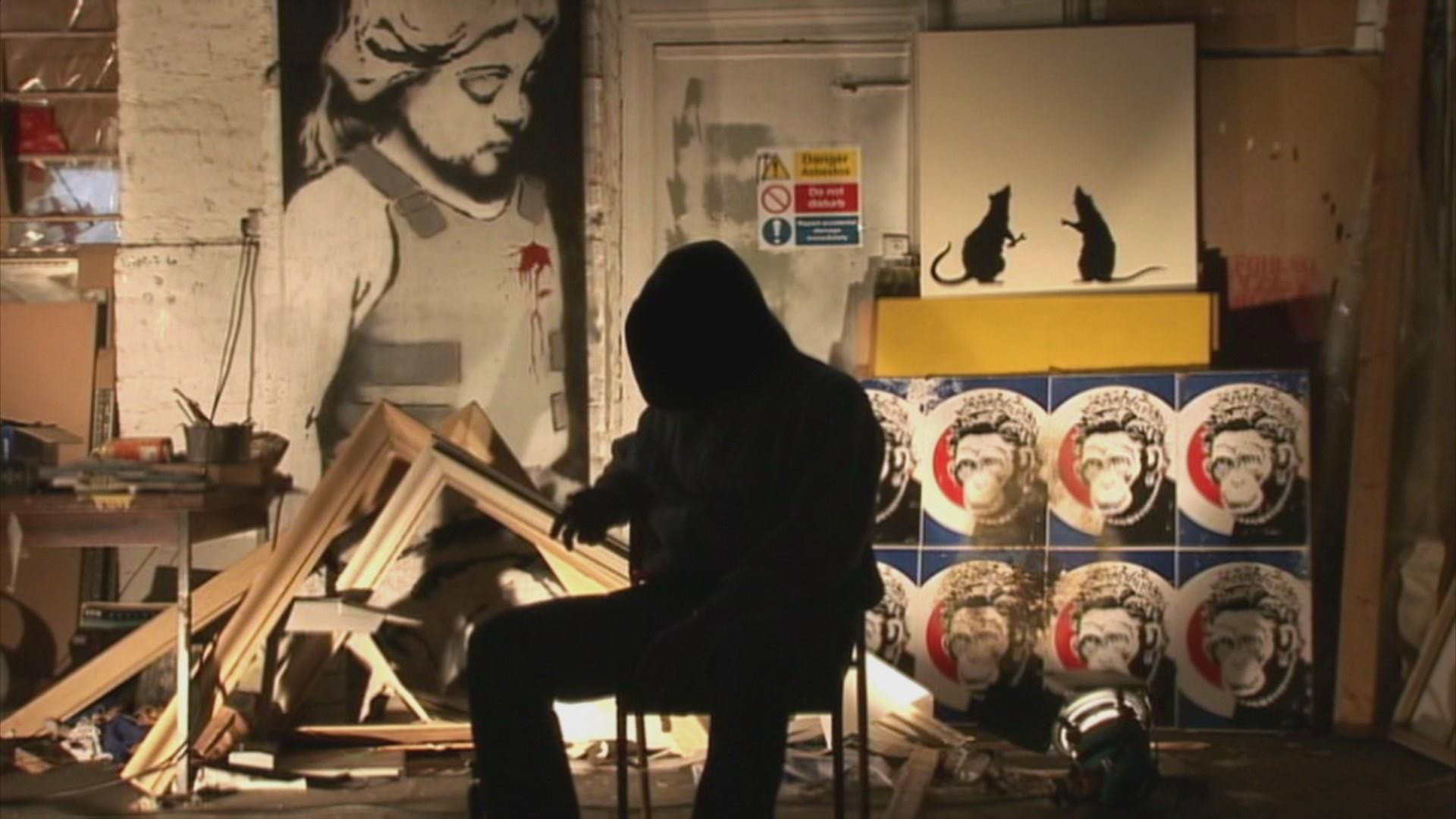
Banksy has directed a film, and the first thing he does in it is explain that it is not about him. A Frenchman with a camcorder spent years trying to make a documentary about him, Banksy says from under a hood, his voice run through a distorter, and the footage turned out to be about the Frenchman instead. So Banksy has made that film. It is 86 minutes, it is funny nearly all the way through, and it has more to say about how art gets priced than most films made by people who price it. It is also the best marketed artist of his generation making a film about the evils of marketing, and we never quite stopped noticing.

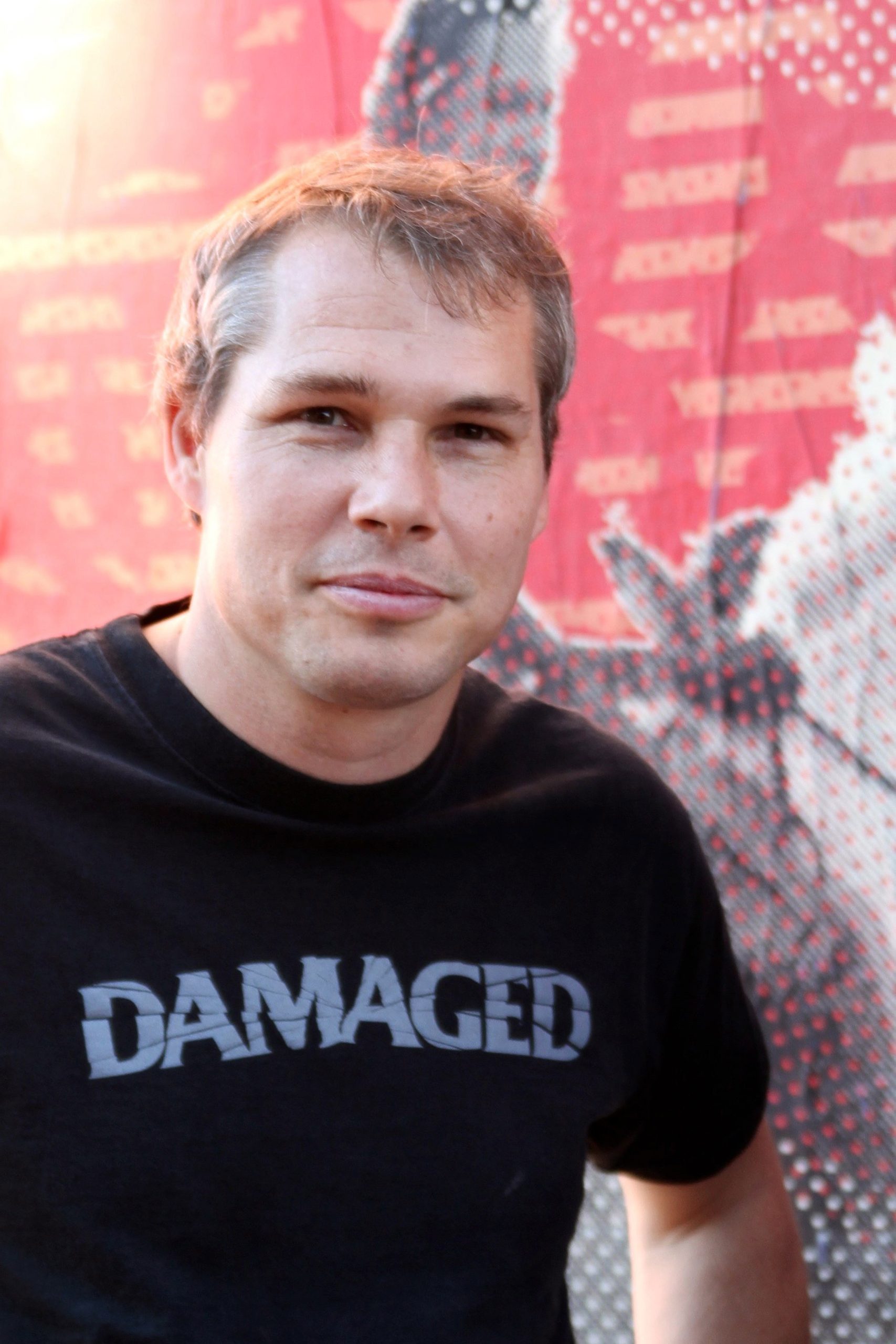
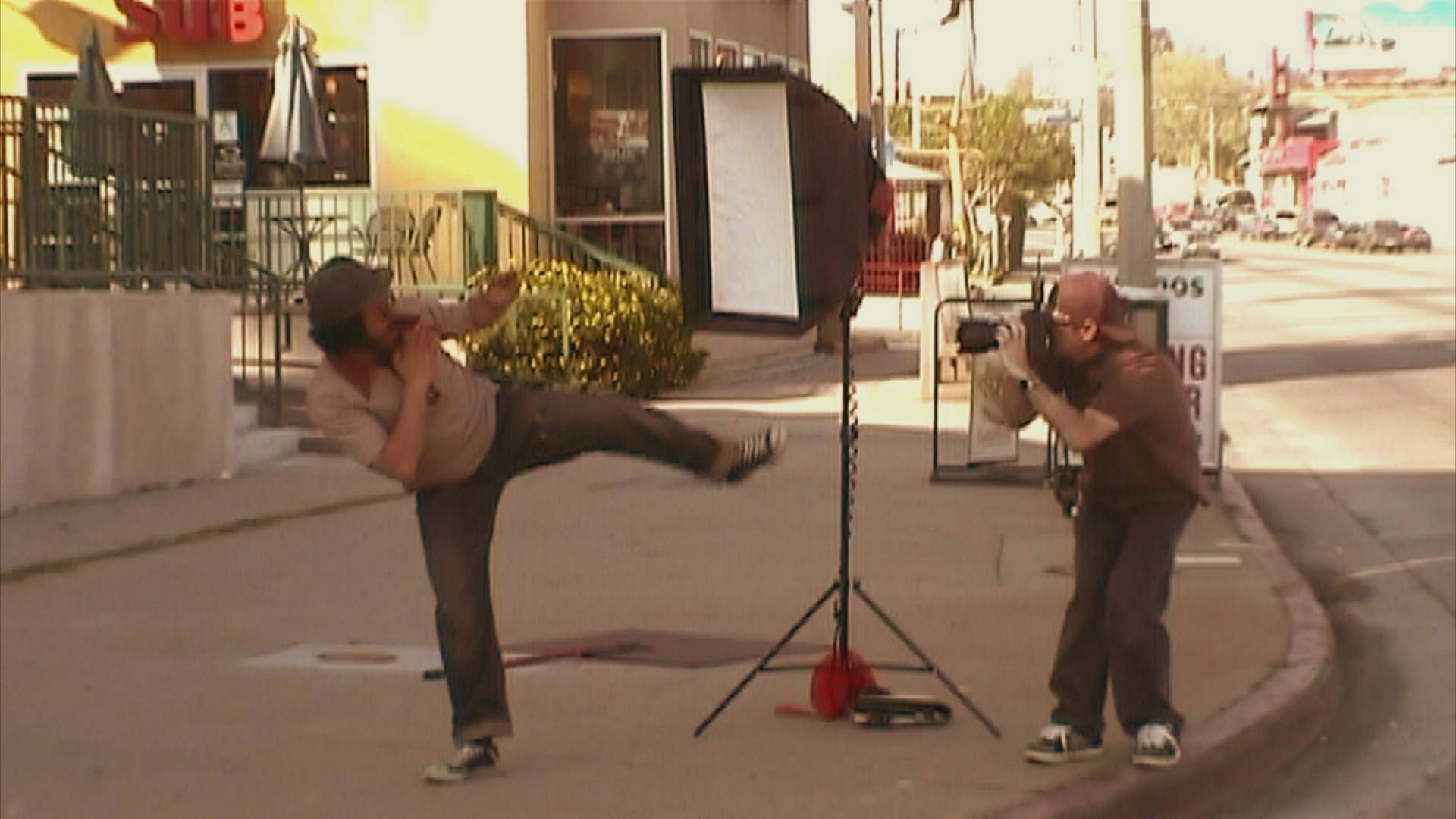
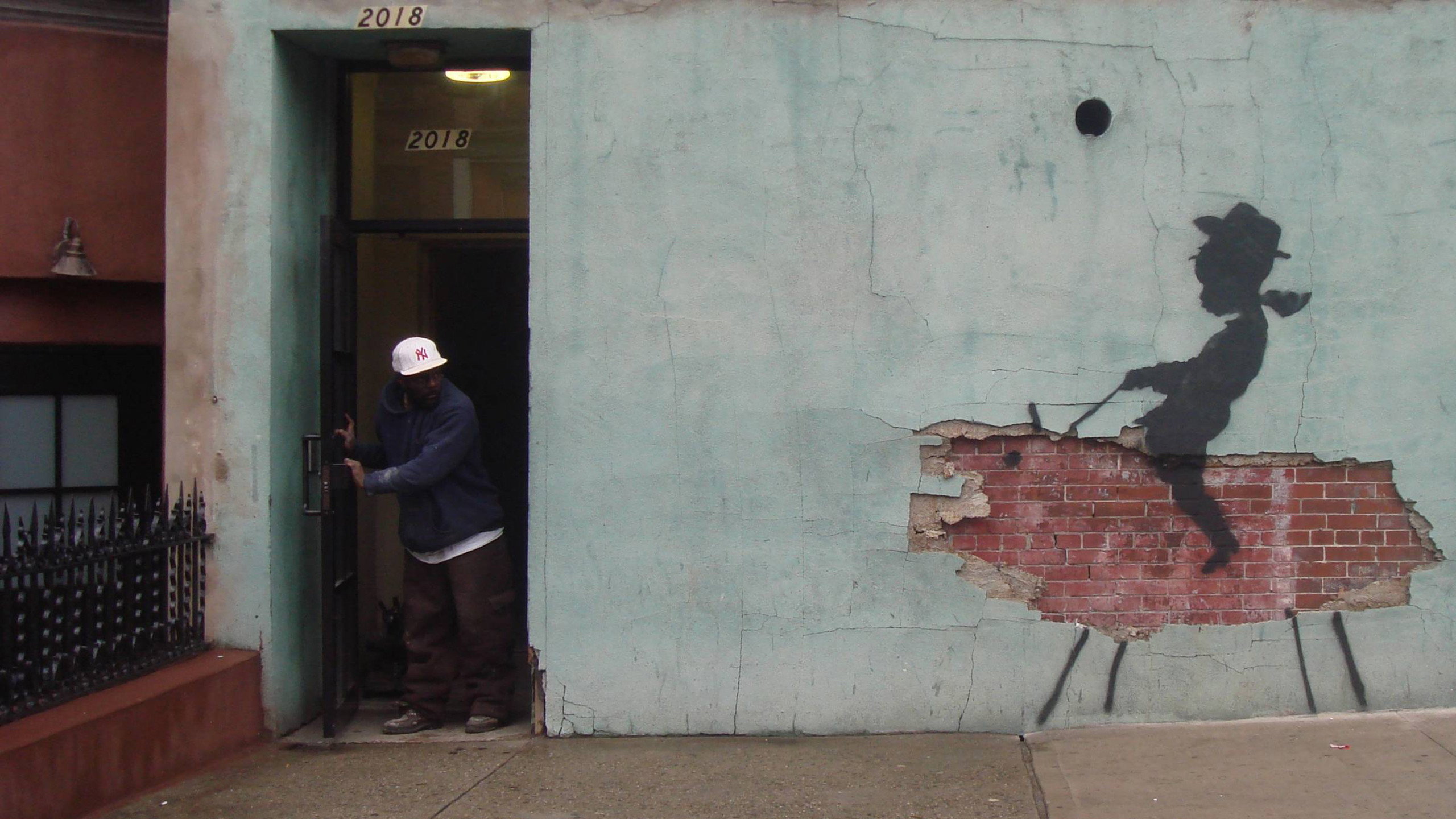
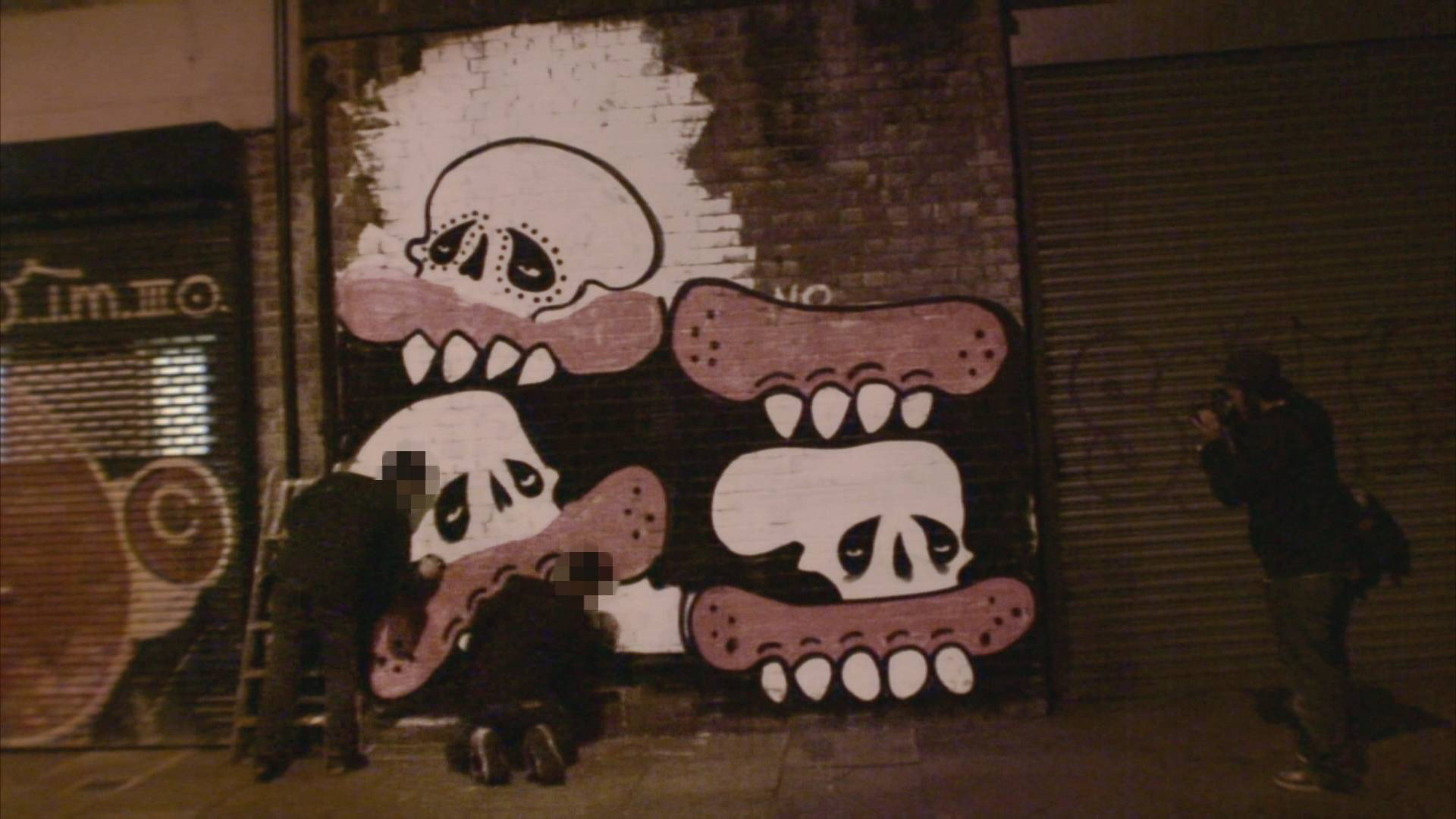
The Frenchman is credited as Mr. Brainwash, for reasons the second half explains, and he arrives on screen as a walking hazard: wide-eyed, mutton-chopped, filming his children, his shop, his breakfast, his own sleeping face. He has thousands of tapes and has labelled none of them. Tom Fulford and Chris King, the editors, went through those boxes, and the first half hour, built from what they found, is the best stretch in the film. His cousin INVADER glues mosaics to Paris walls at three in the morning while the camera runs; Shepard Fairey lets him up ladders on Los Angeles rooftops. Nobody else was recording any of this, because it was made to be scrubbed off by the council, and here it is.

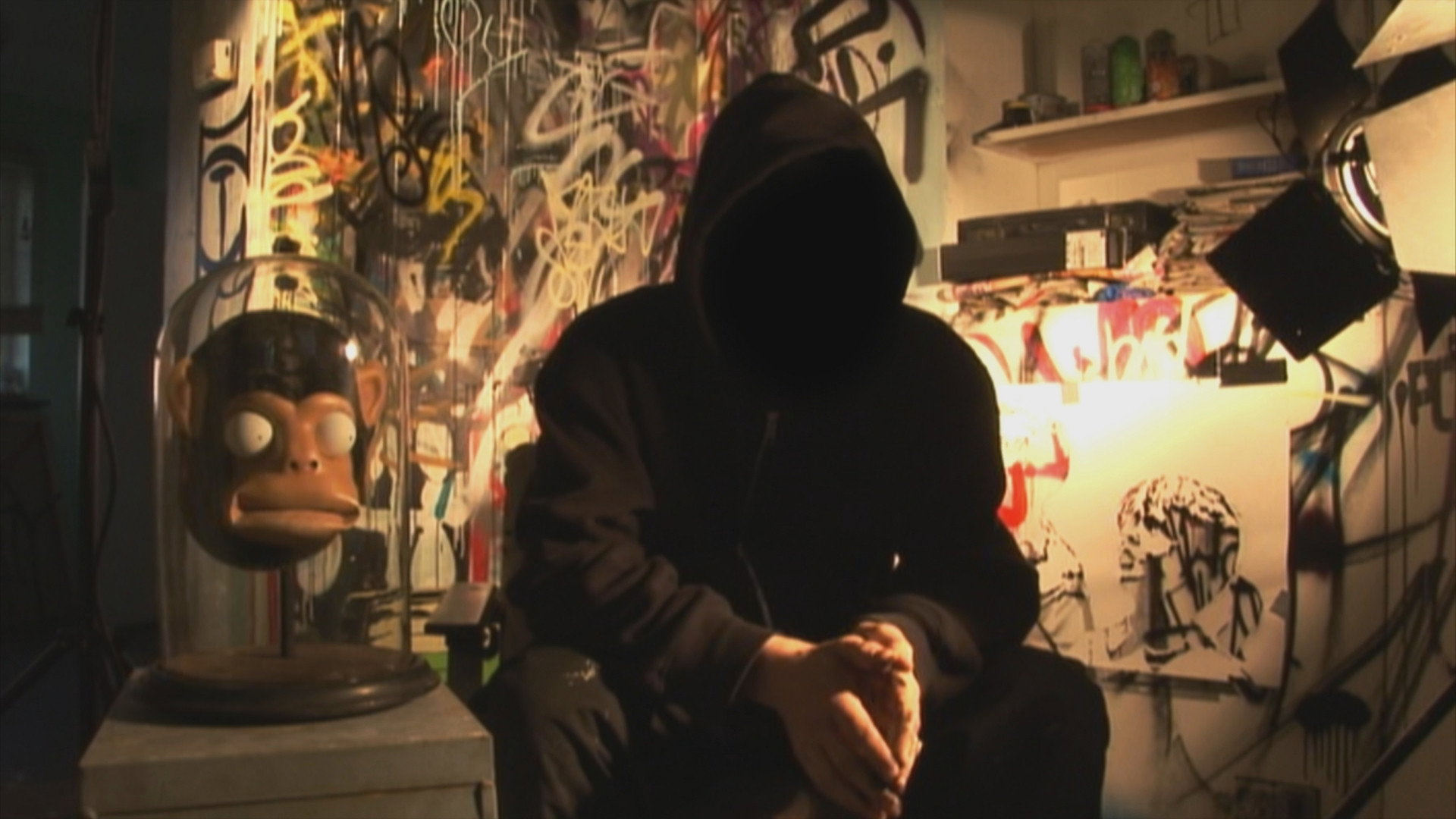
Banksy himself is on screen more than he lets on. The hood and the altered voice are a joke he keeps a straight face through, and he is dry company: a man who finds most things about his own fame faintly embarrassing and says so in short sentences. Steve Lazarides, who was selling his work at the time, describes what the pieces started fetching with the expression of someone who still cannot believe it. Rhys Ifans narrates in a flat, amused Welsh murmur that never oversells a line, which is the right choice for a film in which nearly everyone else is overselling something. Geoff Barrow’s music is low, slow and slightly menacing, and gives the night shoots the pulse of a heist.

The turn comes when Banksy, worn down by what the Frenchman has cut together, suggests he put the camera down and try making some art of his own. What happens next fills the second half and we will not describe it, except to say that it involves a large building in Los Angeles and a queue. We laughed a great deal at his first efforts, and then, watching him talk about them with complete sincerity, felt a little ashamed of laughing, because he is plainly not in on any joke, and the film knows it and keeps rolling. That discomfort is the most interesting thing in it. Nobody on screen ever tells him to stop.

Whether any of it is true has been argued since the first screenings, and the film is happier with the argument than we were. If the Frenchman is a plant, this is a well-built prank about how little the people who buy art know about it. If he is real, it is a documentary that watches a naive man get built up and does not much mind. Either way the joke lands on the collectors and the press, and never on the man in the hood, who did after all set the whole thing going. The film’s history of street art also begins roughly when Fairey and Banksy did, as if nothing had been painted on a wall before, and anyone who remembers the trains will find that thin.

As a first film it is better made than it needs to be. Fulford and King cut fast, the archive is rare, the sit-down interviews are short, and 86 minutes goes by without a slack patch. Set against the run of artist documentaries, which tend to be reverent and long, it is neither, and it talks about money in a way those films almost never do. Watch it with someone who already has an opinion about Banksy. You will find out within twenty minutes which of you is the collector.
Critical consensus AI synthesised

77
Positive
14
Mixed
1
Negative
1
RogerEbert.com
28 April 2010 · ★★★★/4 · Roger Ebert
100

The film is an admirable and entertaining documentary about street art and its commodification that the critic believes is not a hoax. Banksy emerges as a gifted filmmaker whose work here provokes questions about what counts as art.

Read the full review →
The Hollywood Reporter
14 October 2010 · festival review · Justin Lowe
90*

The critic calls it a hugely entertaining doc that challenges conventional concepts of legitimate art and the creative process. It offers broad audience appeal through its take on cultural trends, the art divide, and celebrity.

Read the full review →
Los Angeles Times
16 April 2010 · Kenneth Turan
85*

The subversive and provocative film delights in surprise as it tells the story of a Frenchman obsessed with filming street artists and the tables-turning twist that follows. It serves as a caustic commentary on the commercialization of art while raising deeper questions about what constitutes art and who decides its value.

Read the full review →
The Guardian
4 March 2010 · Peter Bradshaw
85*

The critic finds it a teasing faux documentary that is priceless and hilarious, praising its entertainment value and insight into Banksy's work despite questioning its reliability as a documentary.

Read the full review →
The AV Club
27 January 2010 · B+ · Nathan Rabin
83

The critic finds the film a hoot thanks to its unpredictability and twists, becoming a hilarious and trenchant exploration of the intersection of art, commerce, and hype. Banksy’s film suggests that being a modern-day Andy Warhol or a charlatan aren’t mutually exclusive.

Read the full review →
Empire
5 March 2010 · Damon Wise
80*

The review calls the film an exhilarating whirlwind that entertains while leaving viewers uncertain about its truths. It highlights the story of Thierry Guetta/Mr. Brainwash and praises it as a provocative, post-modern debut about artistic intent and irony.

Read the full review →

Cast

Awards

Academy Awards, 2011

Nominated
Best Documentary Feature Film

BAFTA Film Awards, 2011

Nominated
Best Newcomer

Independent Spirit Awards, 2011

Won
Best Documentary Feature

Broadcast Film Critics Association Award for Best Documentary Film, 2010

Nominated
Broadcast Film Critics Association Award for Best Documentary Film

National Society of Film Critics Award for Best Non-Fiction Film, 2010

Nominated
National Society of Film Critics Award for Best Non-Fiction Film

Washington D.C. Area Film Critics Association Award for Best Documentary, 2010

Won
Washington D.C. Area Film Critics Association Award for Best Documentary

If you liked this, try…

F for Fake poster

F for Fake

1973 · Orson Welles on forgers and liars, and the original film that dares you to believe it

Style Wars poster

Style Wars

1983 · New York subway graffiti filmed while it was still a crime, not a career

American Movie poster

American Movie

1999 · Another man who cannot stop making things nobody asked for, filmed with real affection

My Kid Could Paint That poster

My Kid Could Paint That

2007 · A four-year-old, an art market and a documentary that turns on its own subject

Beltracchi: The Art of Forgery poster

Beltracchi: The Art of Forgery

2014 · A cheerful German forger explains how the experts wanted to be fooled