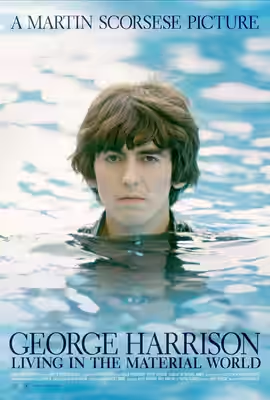
Martin Scorsese’s affectionate portrait of George Harrison is worth its considerable length for the music and personal archive. It is less satisfying when admiration discourages difficult questions, and it assumes more knowledge than newcomers may possess.
Martin Scorsese gives George Harrison 208 minutes, and enough of that time is rewarding to make the commitment worthwhile. The music, photographs and personal material keep the portrait engaging even when its organisation is untidy. We recommend it to anyone already interested in the musician, with a warning that affection sometimes prevents the film from asking enough. It needs more curiosity about his weaknesses and rather less confidence that we arrive knowing the story.
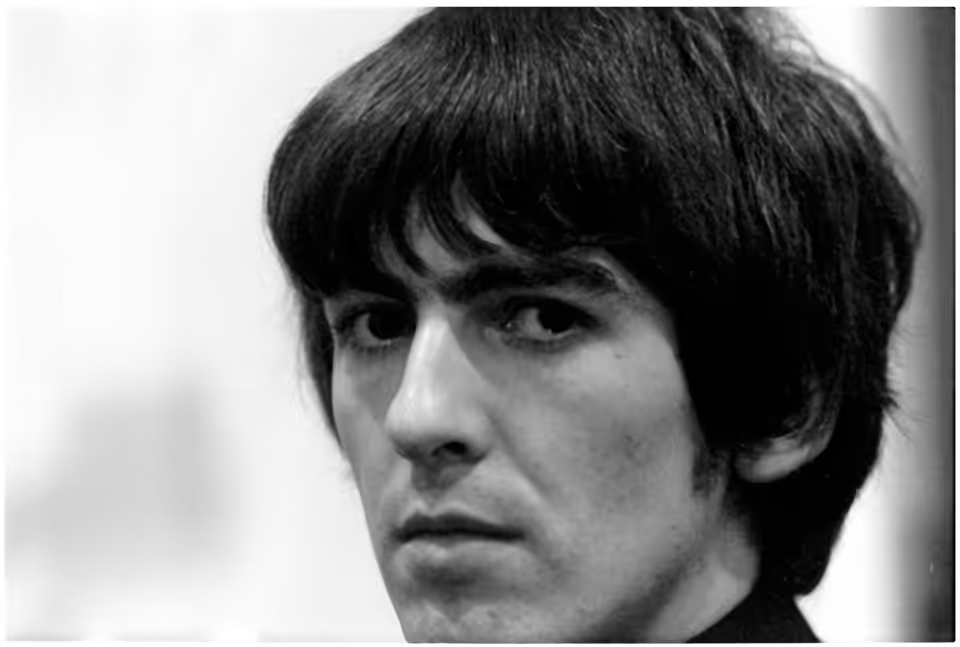
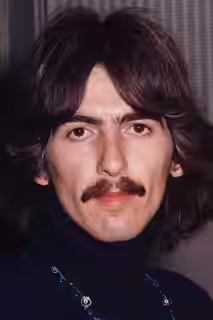
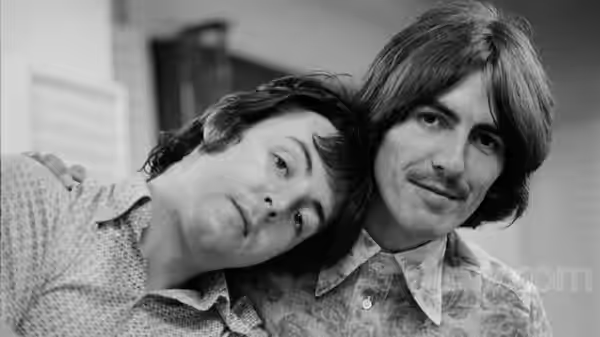
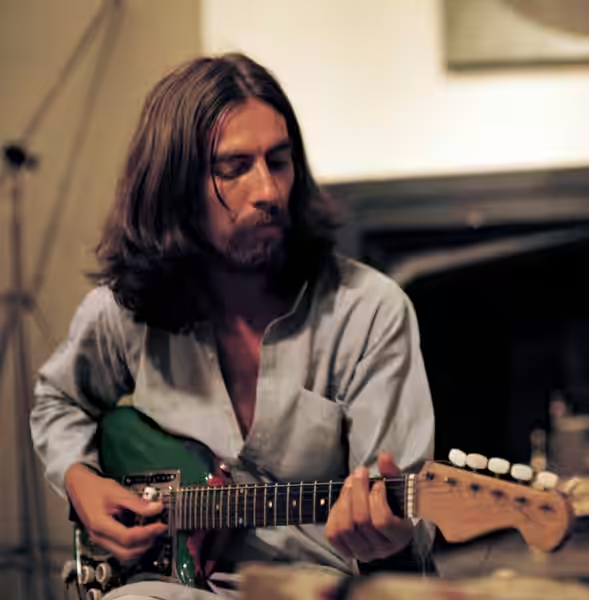
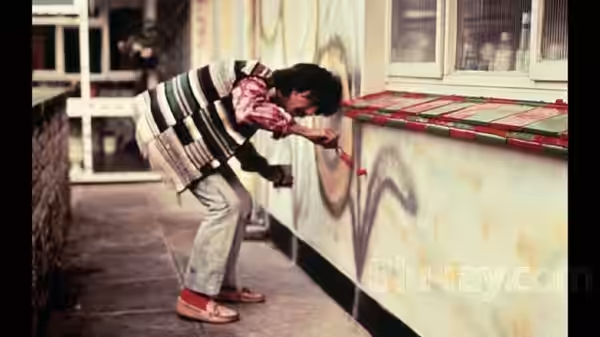
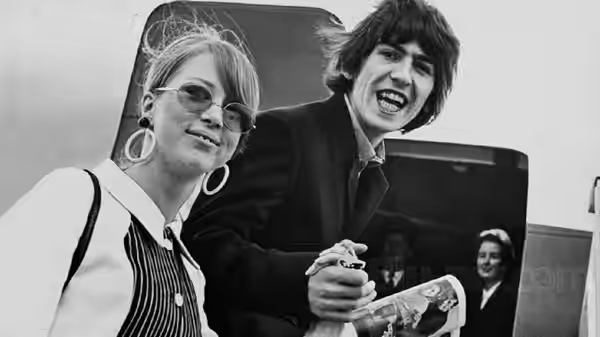
The archive is the main reason to settle in. Early photographs, footage and studio outtakes give the film something more useful than a succession of people explaining that their subject mattered. We can hear the music and look at the man rather than rely entirely on other people’s memories. The editing makes those changes of source feel natural, so moving between an interview and archive material rarely interrupts our interest in what is being said.
We were moved by the plainness of the letters to his parents. Their everyday tone makes room for a recognisable life away from the music, without insisting that every word must tell us something profound. The interviews bring warmth and closeness, but the letters let us spend time with him without someone else explaining what he was like. They deserve their place alongside the recordings.
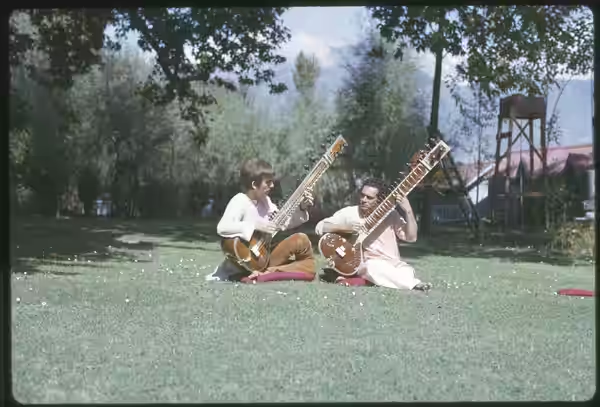
The use of “While My Guitar Gently Weeps” is especially effective, allowing the music to carry feeling that commentary would only labour. The musical arrangement gives the long account some movement, returning our attention to why the work matters whenever recollection threatens to become dutiful. His spiritual search gives the film a subject beyond the familiar sequence of achievement and applause. Martin Scorsese takes that search seriously, and his patience with it is one reason the long running time is sometimes justified.
Yet taking a person’s beliefs seriously should leave room to question the person holding them. The treatment of his weaknesses is too gentle, and the interviews do not consistently turn their closeness into a clearer understanding of his private self. We hear affection, but the difficult parts of his life deserve more sustained attention than they receive. That restraint becomes frustrating across such a long film, particularly when there is so much opportunity to ask more.
The length also makes the gaps in explanation more noticeable. Events sometimes pass too quickly, and details arrive without enough context, so a newcomer can be left doing homework during a supposedly generous account. Martin Scorsese is better at keeping a passage alive than at deciding how much the whole film needs, and familiarity with the life helps cover the gaps. This is a worthwhile music documentary for the interested, not the place to expect a brisk introduction or an exhaustive reckoning. Give it the evening if the songs already mean something to you.