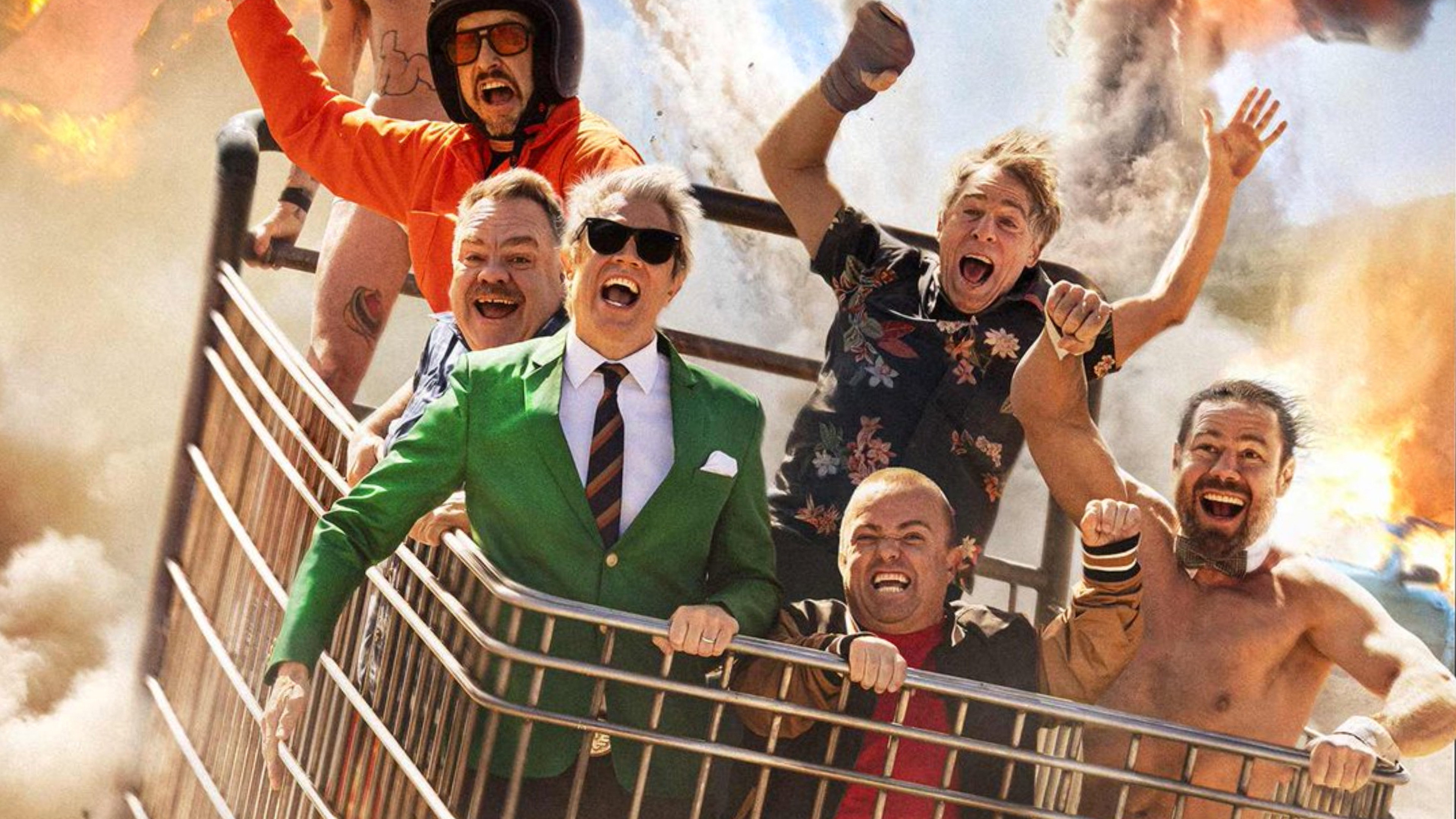
Jackass: Best and Last is funny, affectionate and too reliant on old footage. The friendships still justify an evening, but the new stunts do not quite give this farewell enough of its own.
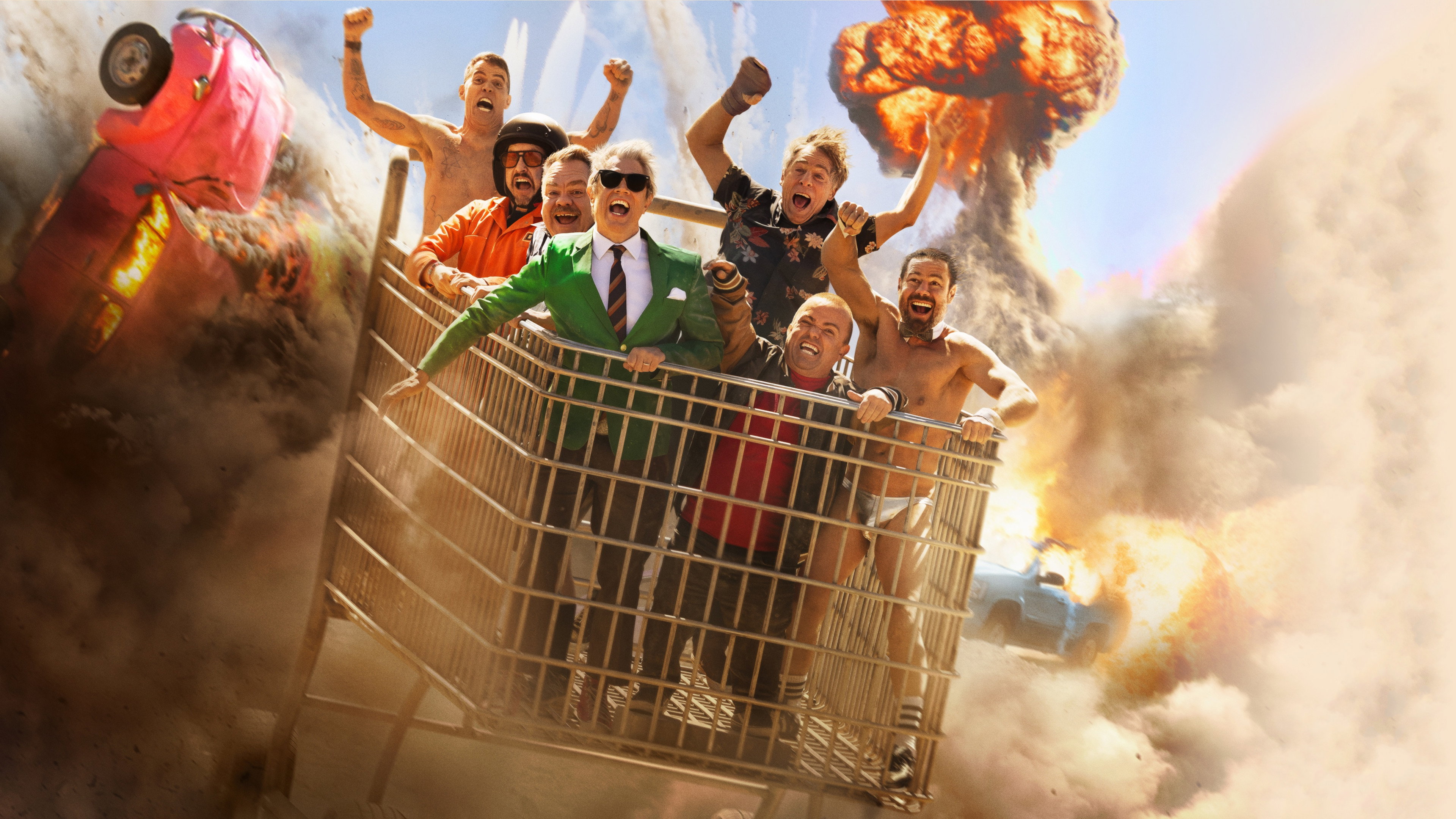
Jeff Tremaine’s Jackass: Best and Last is a good evening for anyone already fond of these men, though it is a modest farewell. It gathers new stunts, old footage and outtakes, and trusts the pleasure of seeing the crew together to carry the gaps. Much of the time, that trust is justified. The attraction is still watching people willingly do something appalling while their friends find it funny, and the film is sensible enough not to pretend that this needs a grander explanation.
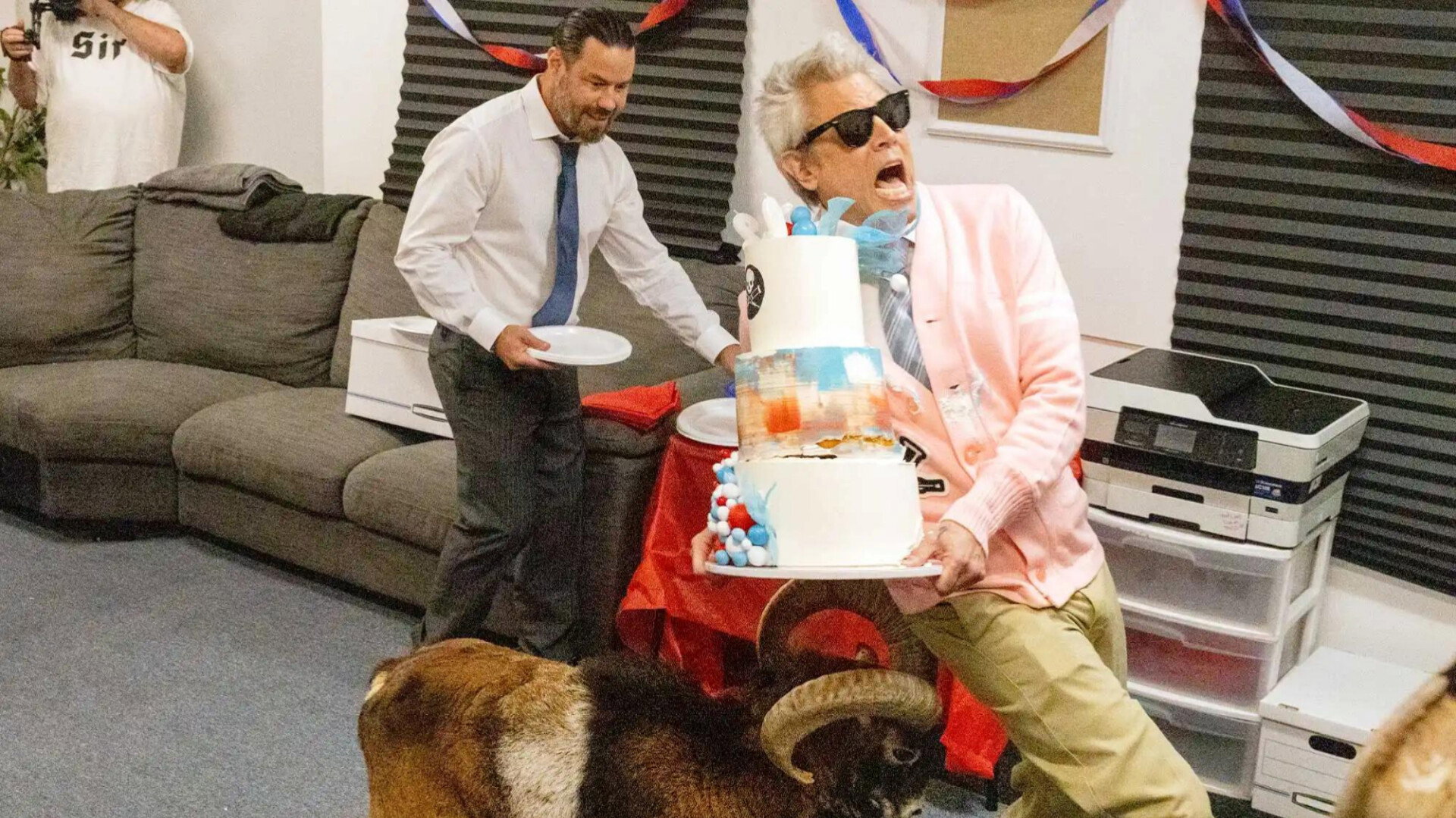
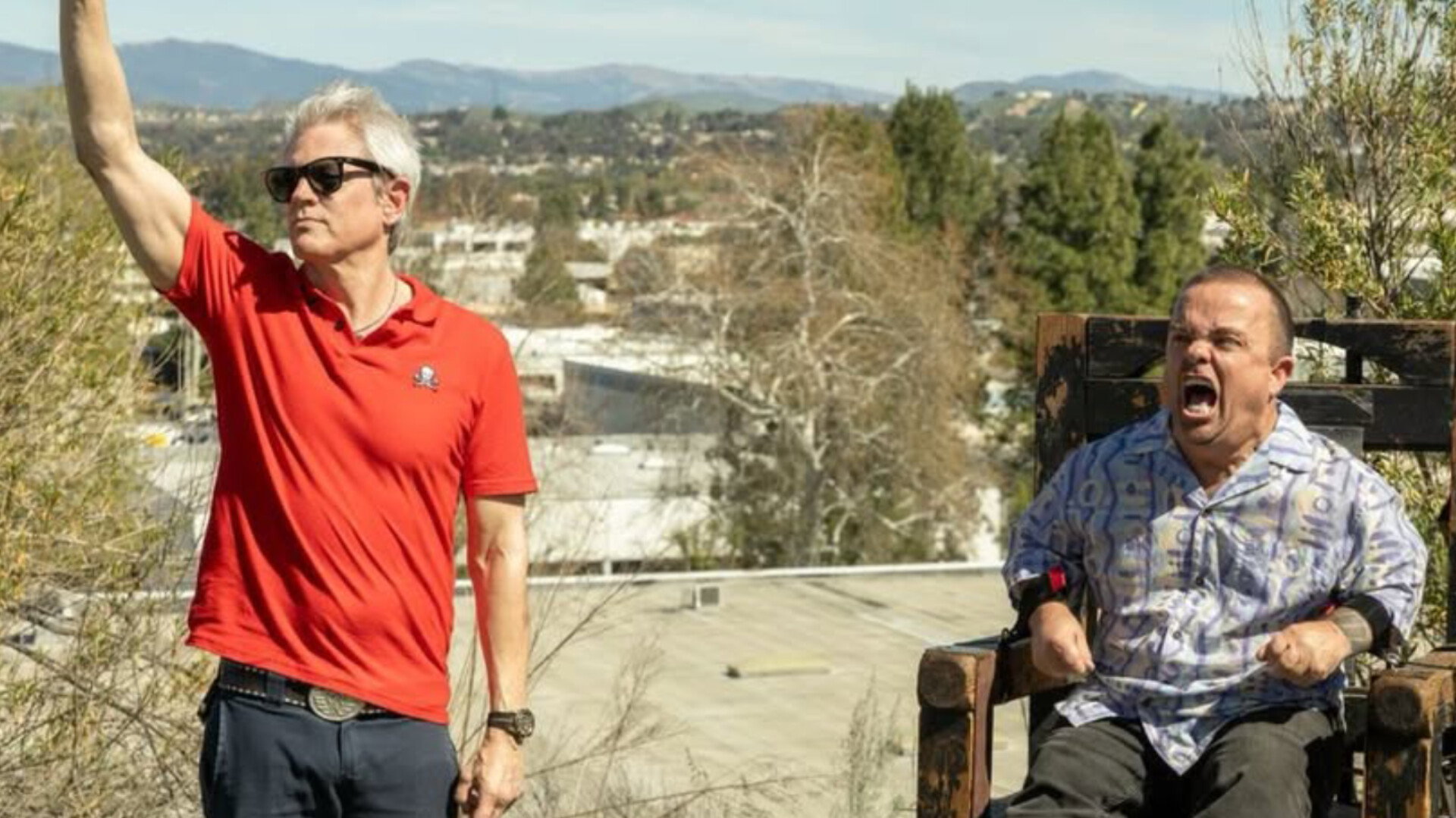
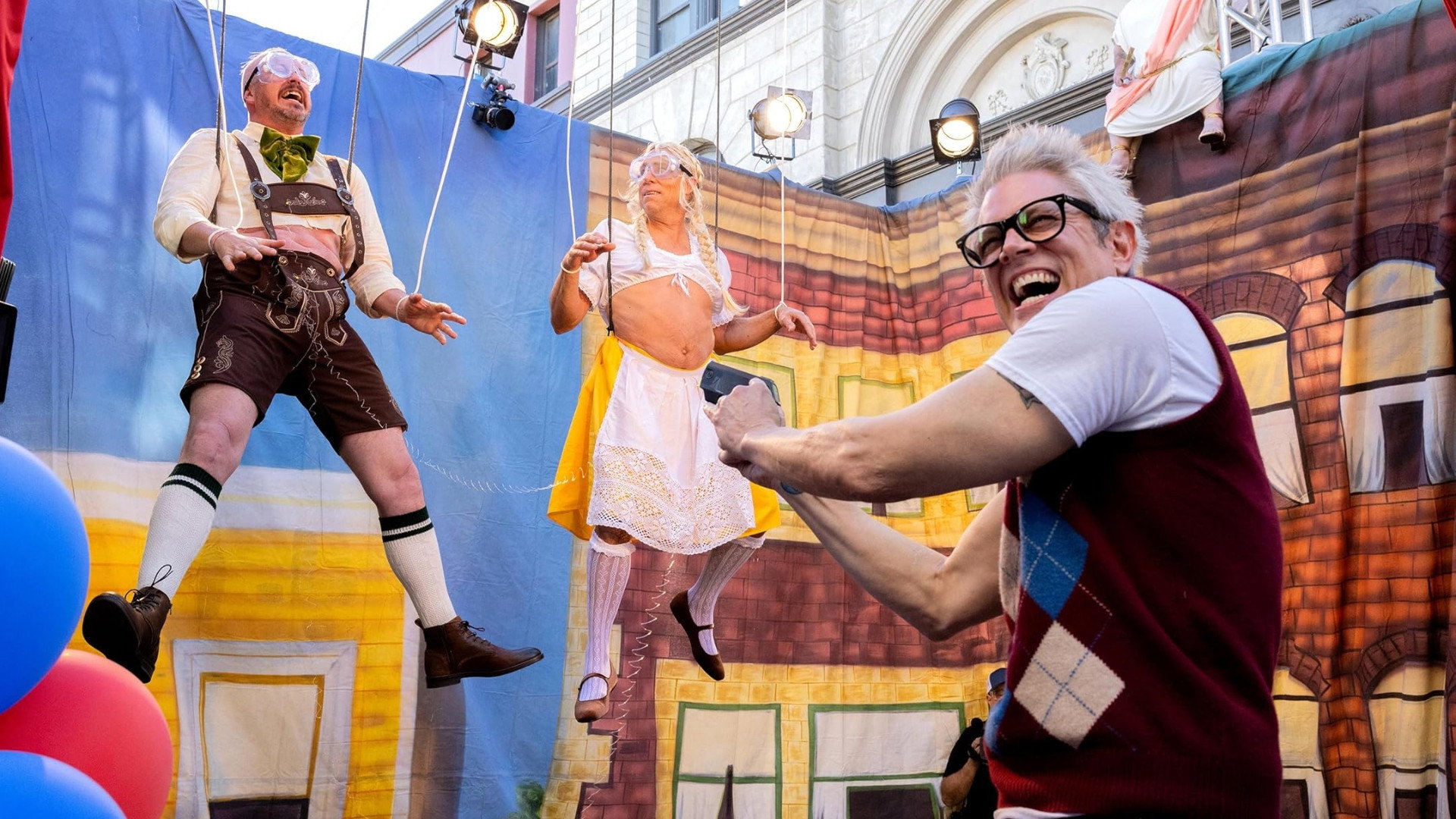
Johnny Knoxville, Steve-O and Chris Pontius remain good company because there is so little dignity to defend. Nobody has to preserve the impression that he is the clever one, and the collective laughter often makes a stunt funnier than its premise ought to allow. We laughed, then felt slightly ashamed of ourselves. The pleasure these friends take in one another’s physical discomfort is difficult not to share, and their willingness to join in keeps the material from becoming unpleasant.
Dimitry Elyashkevich’s images make the physical punishment easy to follow, which matters more here than making anybody look handsome. We need to understand the foolish thing someone has agreed to do before we can enjoy the reaction. Editor Jeff Buchanan has the less grateful task of fitting fresh material around footage that already comes with the audience’s affection attached. The mixture is easy to enjoy, but it repeatedly sends us back to remembered pleasures just when the new film might establish a rhythm of its own.
The old material is the chief limitation. If we recognise a stunt, we also remember the thing we are supposed to be waiting for. That leaves less room for surprise, however welcome the familiar faces are. The newer material does not consistently make up for it, so Buchanan’s editing has to keep borrowing excitement from earlier exploits rather than building anticipation for something we have not seen.
The ageing of the cast makes the old footage more interesting, and Tremaine handles that without turning the film solemn. These men have spent enough time submitting themselves to pain that a return to earlier stunts raises questions about how much more their bodies can take. There is no need for a speech about mortality when the same friends are still volunteering to get hurt. Their continued enjoyment of one another is affecting, though the film sometimes seems to expect recognition alone to produce the same response.
Physical comedy does not owe us refinement, and asking this lot to become respectable would be a peculiar way of saying goodbye. It does owe us surprise, which is where this instalment comes up short. At 92 minutes, it remains a manageable dose of affectionate stupidity, best suited to company already sympathetic to the enterprise. For an evening with friends who share the joke, we would happily put up with the repeats.