Jane Schoenbrun’s queer horror romance is funny and unexpectedly tender, with Hannah Einbinder and Gillian Anderson making its obsession with films feel personal. The second half wanders, but the two leads keep us interested.
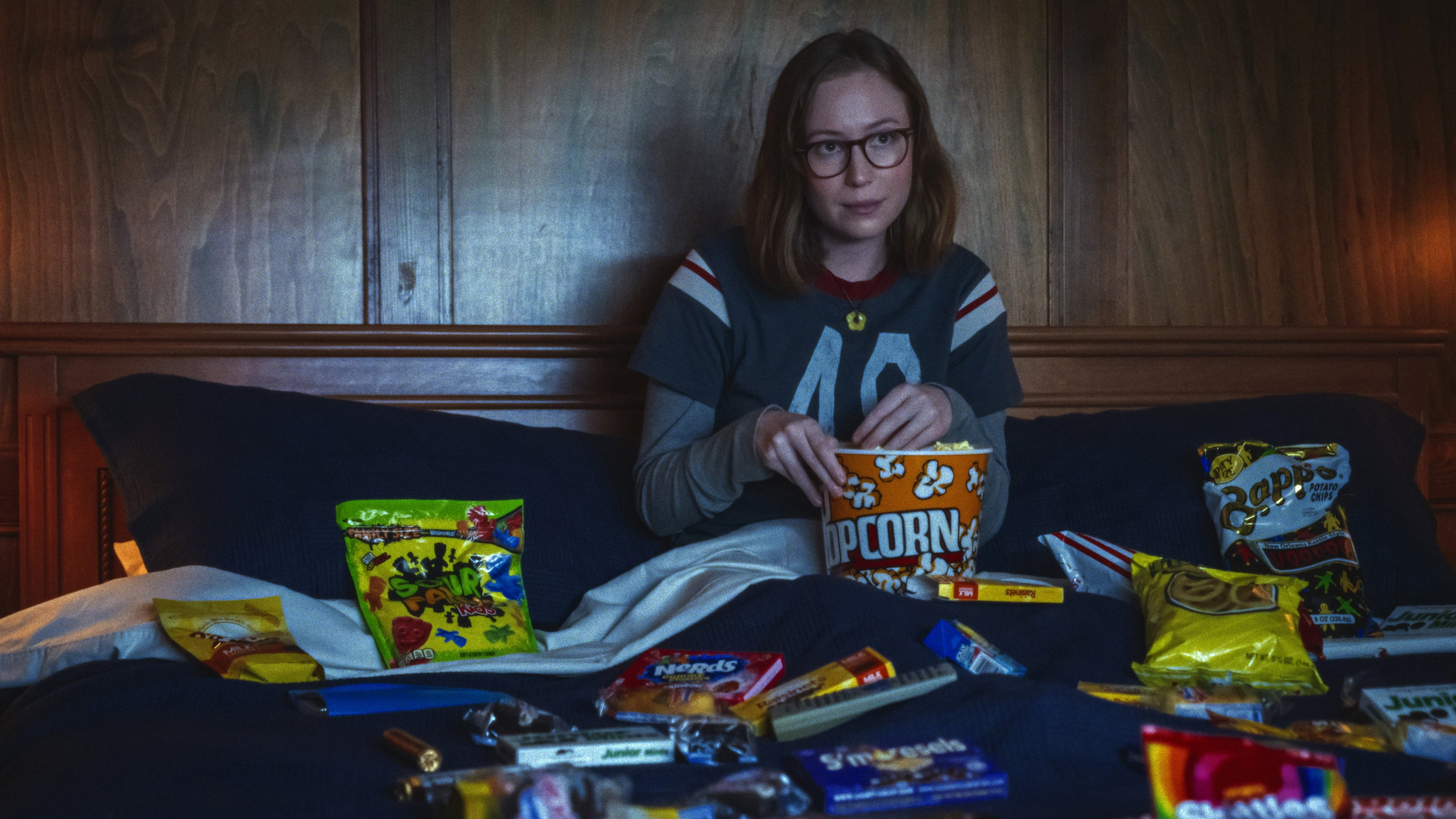
Jane Schoenbrun approaches the slasher film with affection for the people who find something useful in its bloodshed. Teenage Sex and Death at Camp Miasma is a funny, tender horror romance, weakened by a second half that takes too long to get on with things. The starting point is a young filmmaker, an older actress and a fictional horror franchise that matters to both of them. Schoenbrun takes that attachment seriously. There is comedy in their devotion, but no suggestion that they need to grow out of it.
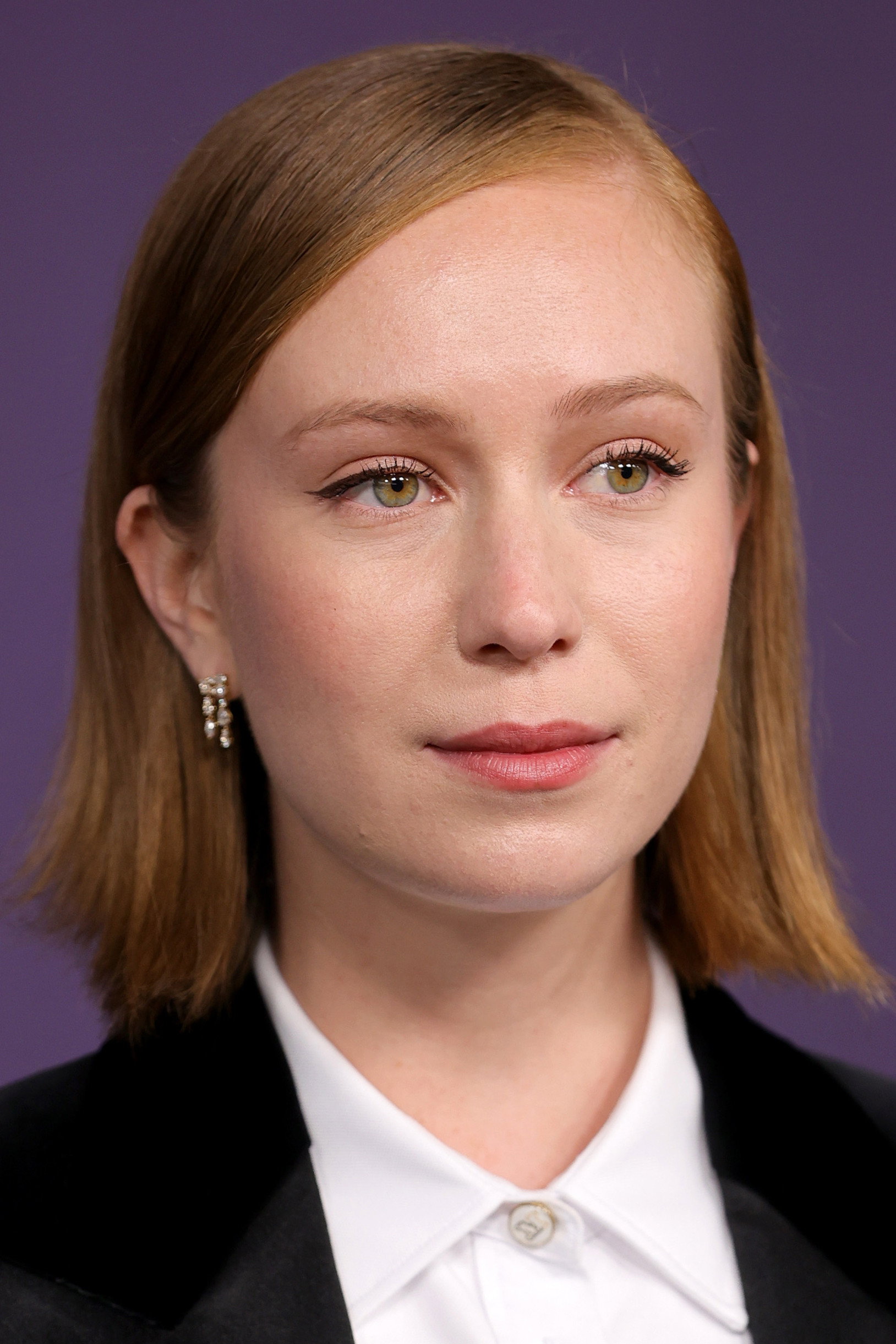
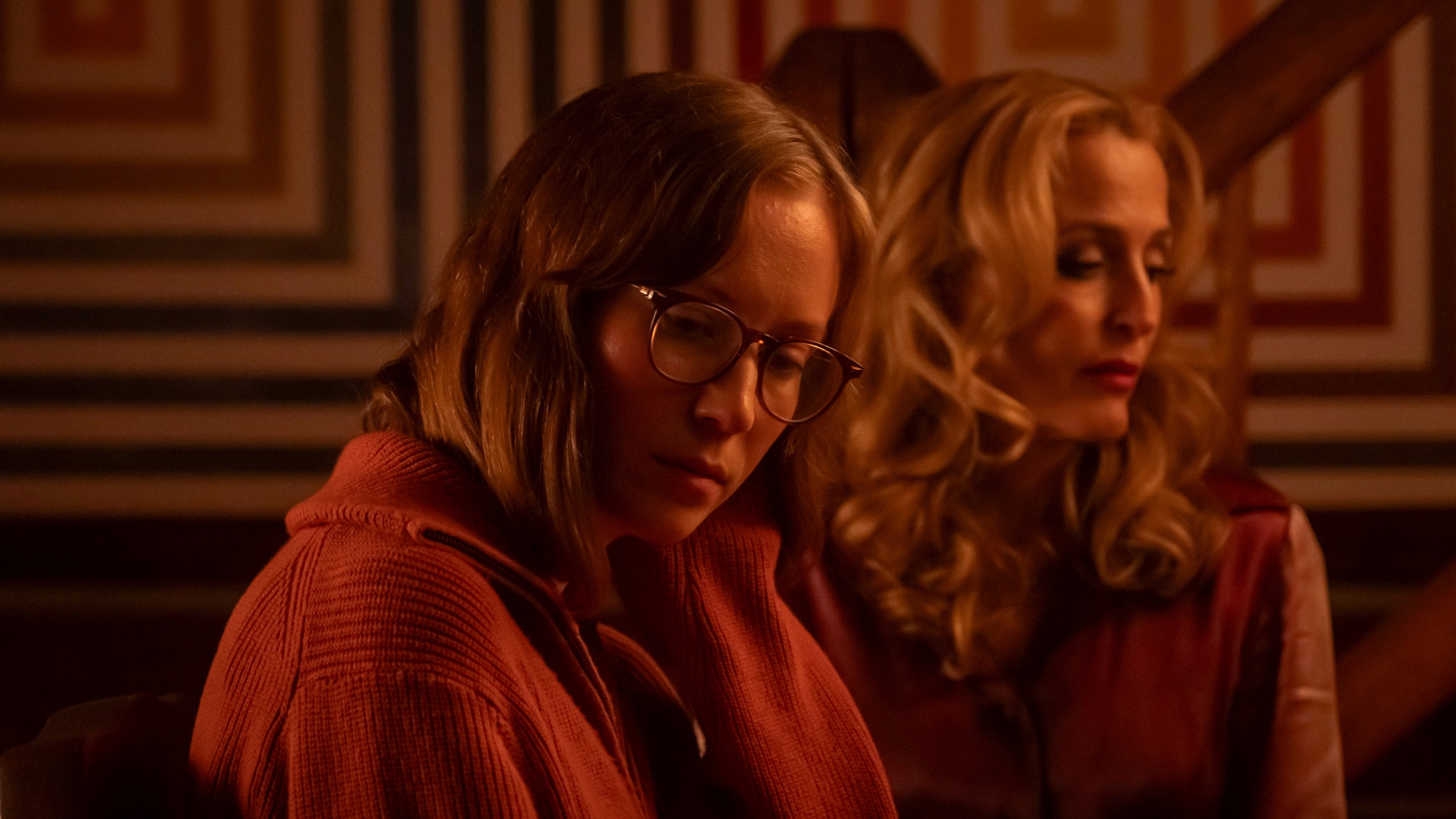
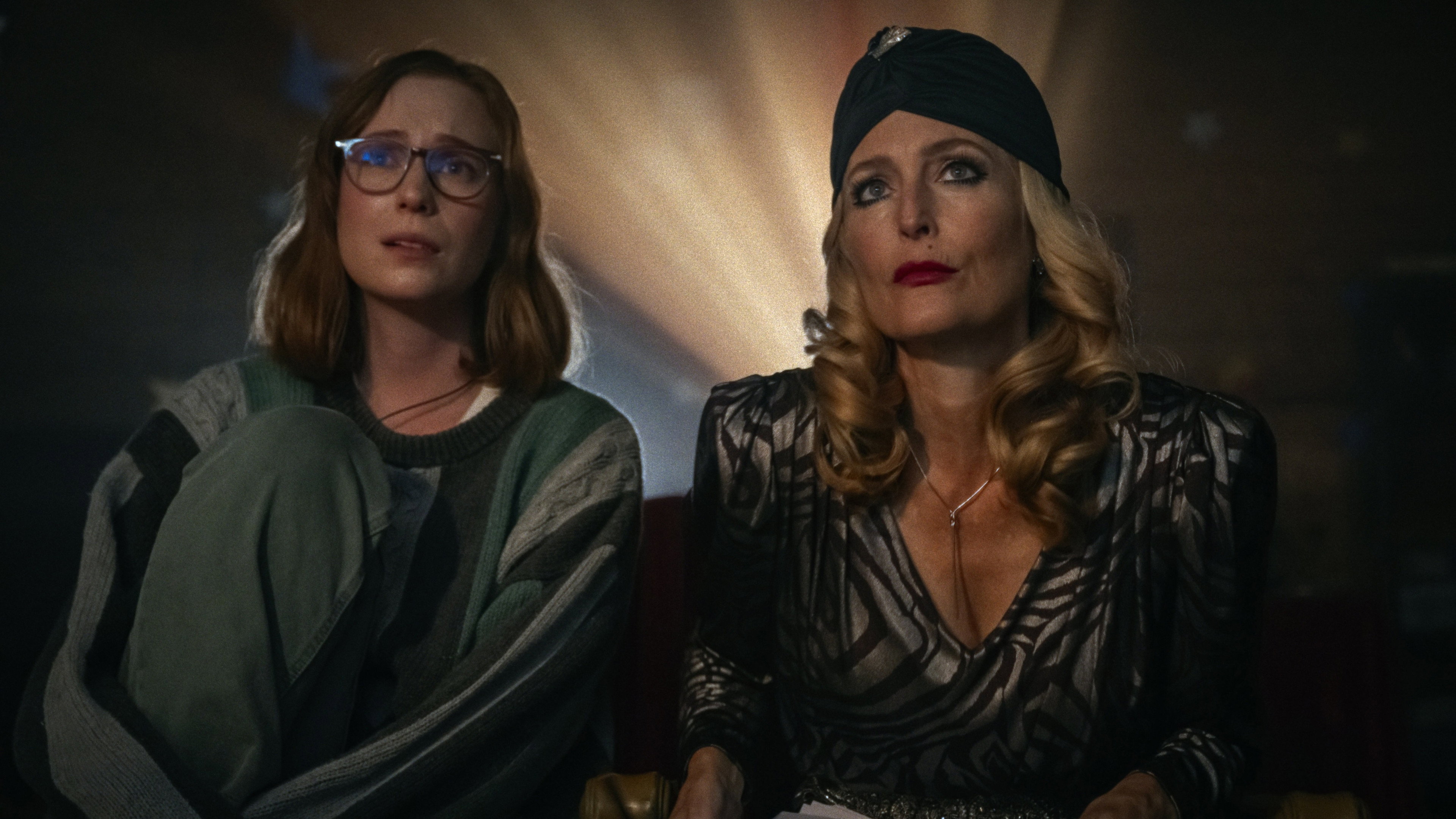
Hannah Einbinder’s Kris and Gillian Anderson’s Billy make the conversations about horror worth listening to even when the ideas get tangled. Einbinder brings vulnerability to the younger woman’s fascination, while Anderson makes the reclusive horror actress funny, seductive and faintly threatening. Their chemistry allows the film to be frank about desire without turning either woman into an illustration of a point. We were unexpectedly moved by their conversations, because Einbinder makes the need to be understood feel so exposed.
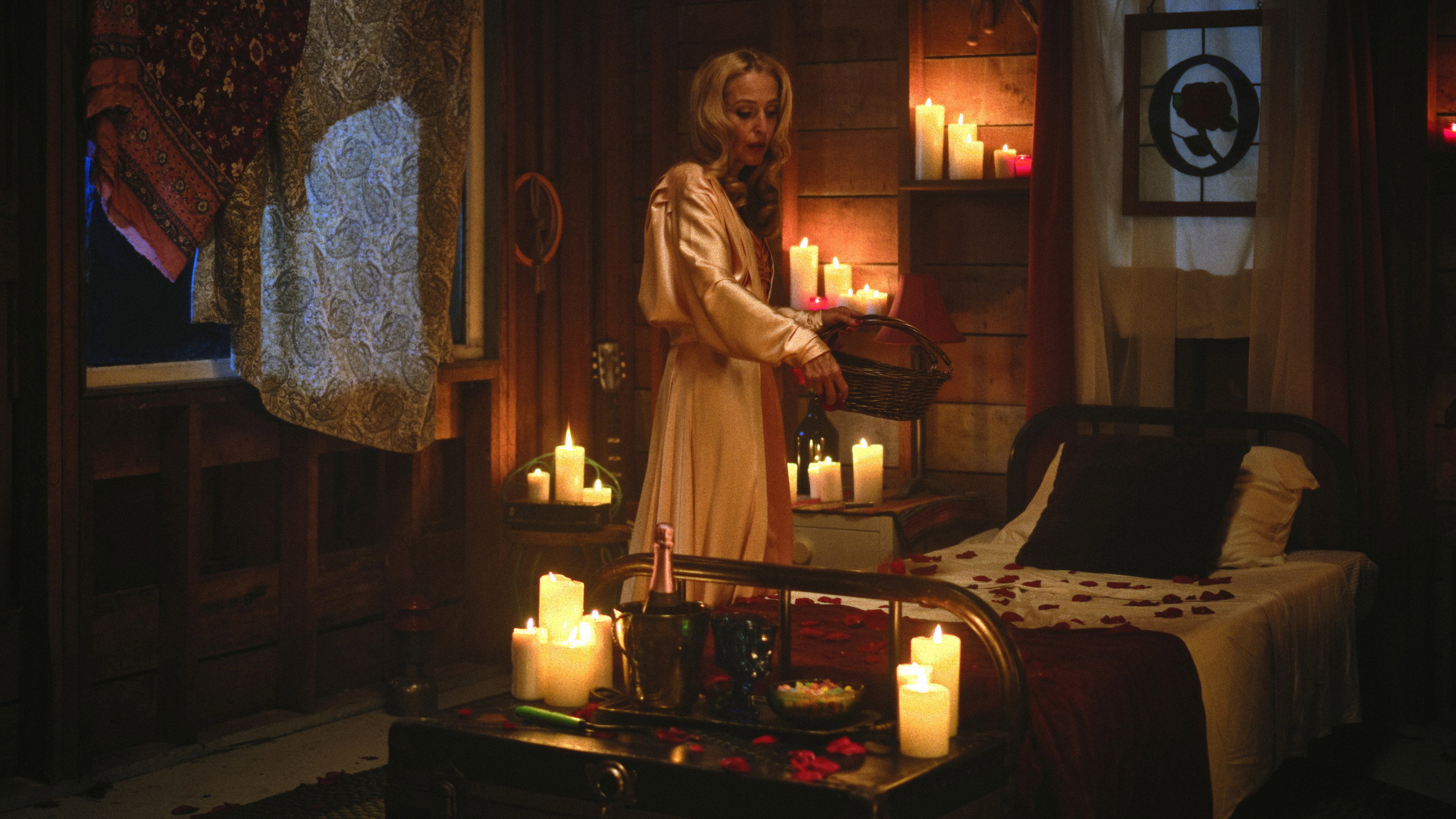
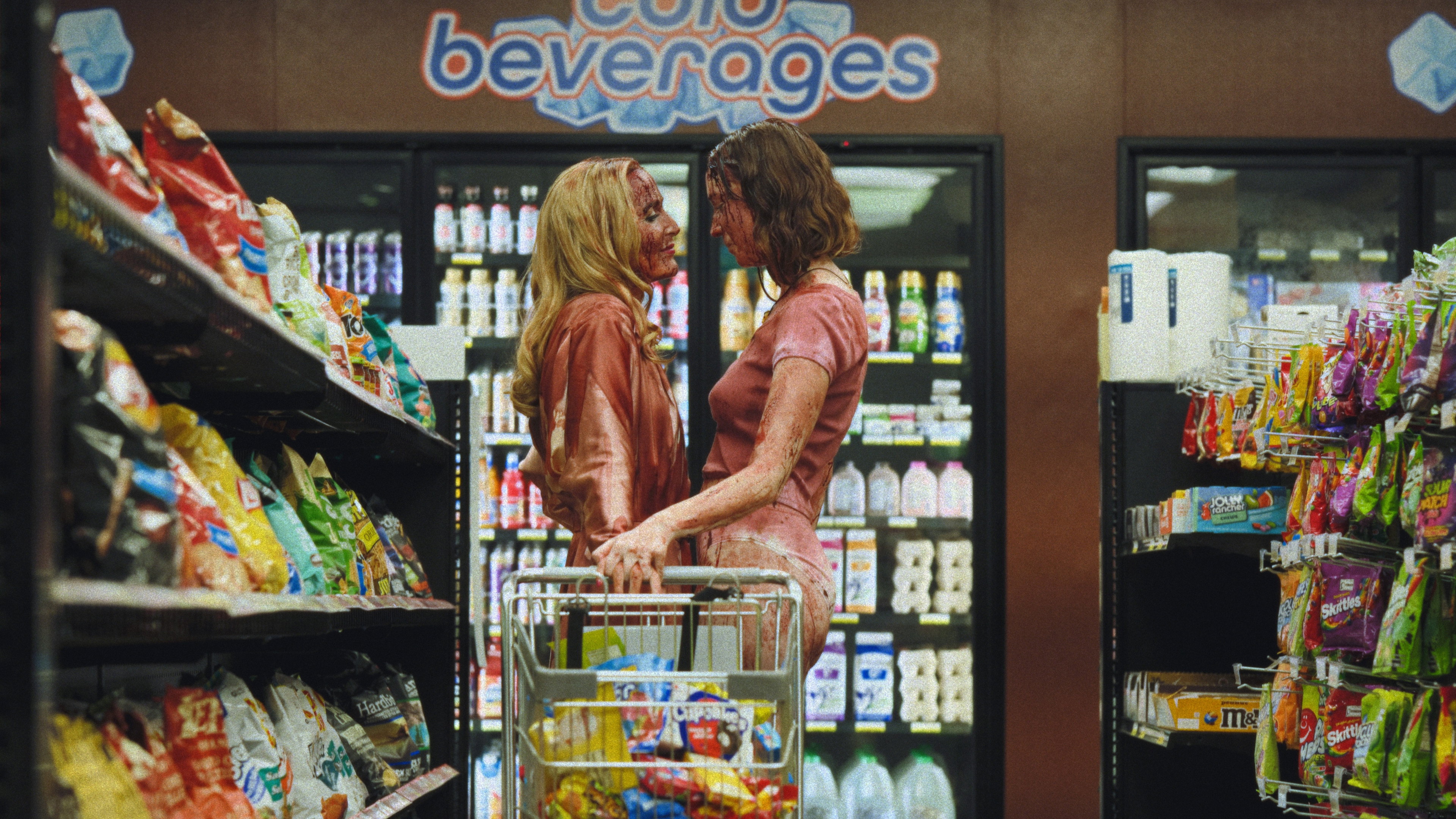
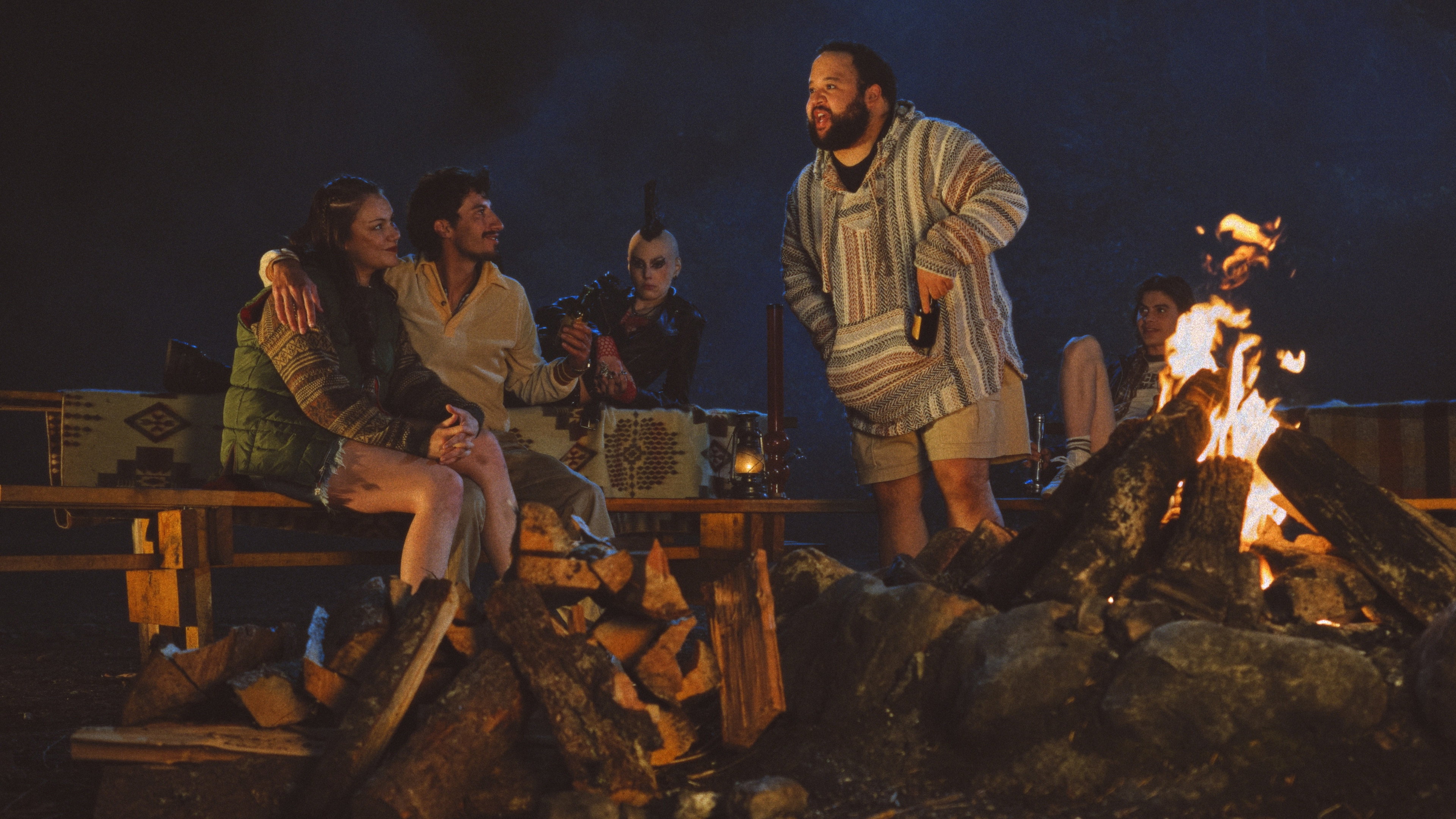
Eric K. Yue’s cinematography gives the film a dreamlike look that suits its confusion of attraction and fear. Production designers Matt Hyland and Brandon Tonner-Connolly make the invented franchise feel substantial enough to inspire this much devotion. The tackiness is part of the pleasure, and it gives the film’s talk about fandom something concrete to refer to. We can see why these characters want to spend time in this world. Alex G’s music is less memorable than the images and the two leads.
Schoenbrun’s screenplay is generous towards the characters’ tastes, including those they might have trouble defending. The gore, the sexual curiosity and the absurdity are allowed to occupy the same story without each being explained away as something more respectable. That willingness to be silly gives the romance room to develop without being treated as a solemn lesson in self-acceptance. For a horror comedy so interested in what spectators bring with them, it is refreshingly unconcerned with making its characters sensible.
Graham Mason’s editing is less convincing in the second half, where the film’s wandering pace starts to work against the romance. At 112 minutes, it has time for both the central pair and the discussions about horror, but some of those discussions feel longer than their ideas warrant. Schoenbrun seems reluctant to leave an interesting thought alone, even when the actors have already made it clear. We remained interested in the women but began to lose patience with the film.
The knowing slasher can become an exercise in recognising other films, with little left for anyone who misses a reference. Schoenbrun avoids much of that smugness by making fandom a source of company for people who need it. The genre knowledge is extensive, but the appeal rests on the possibility of finding someone who understands the same peculiar pleasure. Viewers with no investment in horror may find the lengthy attention paid to its effects on people harder to share.
We recommend it to those willing to take its romance as seriously as its horror, and to forgive some dawdling along the way. Einbinder and Anderson are good company even when Schoenbrun gives them rather a lot of cinema to think about. If gore ends the evening’s negotiations, choose something else.