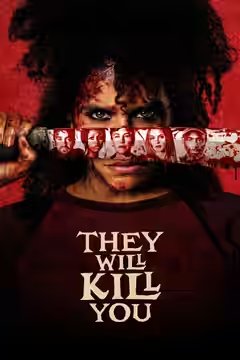
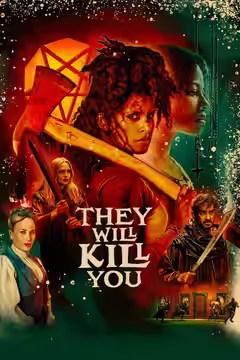
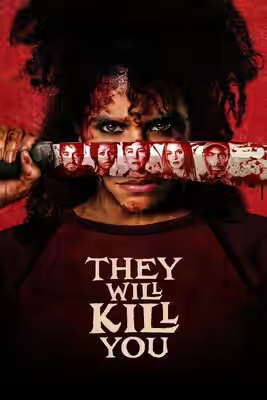
Zazie Beetz gives They Will Kill You enough physical conviction to carry its bloodier stretches. Kirill Sokolov stages the fights with wit, but the thin sister story and tiring escalation make this a qualified pleasure for gore enthusiasts.
They Will Kill You is worth considering for Zazie Beetz and its inventive early fights, though the thin writing makes it a recommendation for gore enthusiasts only. Kirill Sokolov sets out to make extreme violence funny, trusting elaborate choreography and a committed lead to carry a fairly slight story. For a while, that trust is justified. Then the confrontations keep coming, the surprise wears off, and a film running just 94 minutes begins to feel as though it has exhausted its ideas.
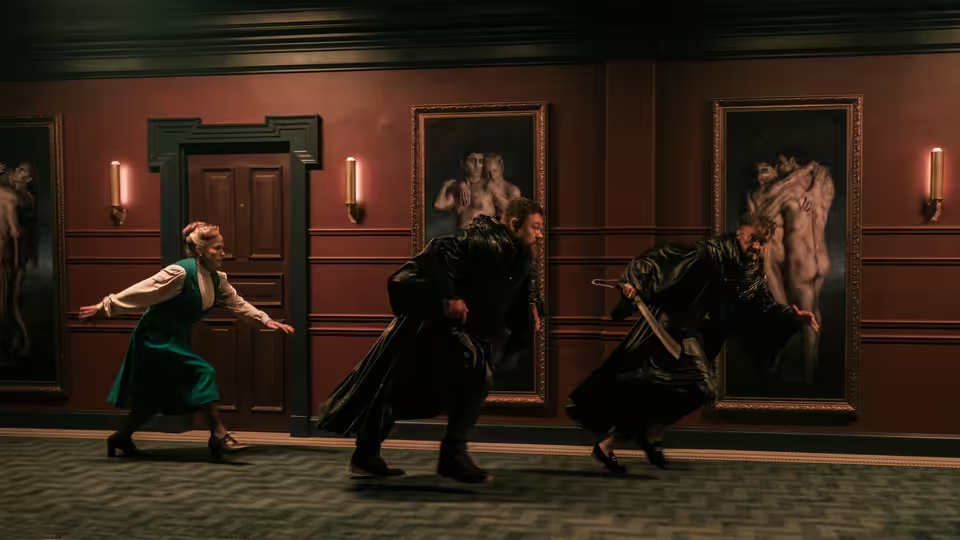
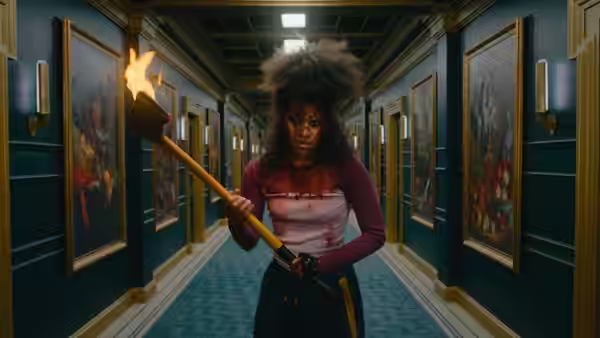
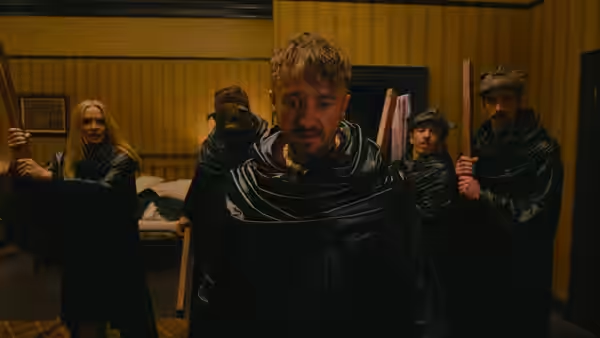
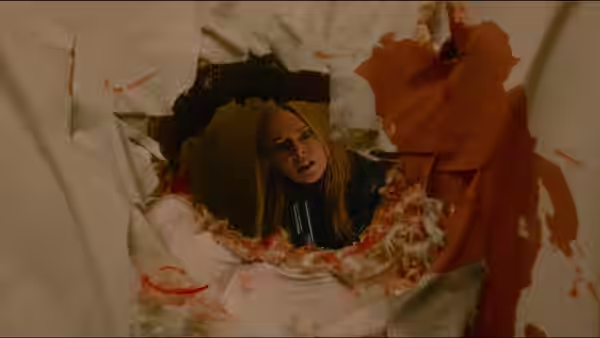
Zazie Beetz plays Asia Reaves with the physical conviction the material needs. Her comic timing matters as much as her athleticism: she makes the absurdity enjoyable without letting the effort of fighting disappear. We laughed at the mattress fight, because the staging gives a ridiculous situation the care and clarity of a serious action sequence. The movements are readable, and we can appreciate the work going into them without struggling to follow what is happening.
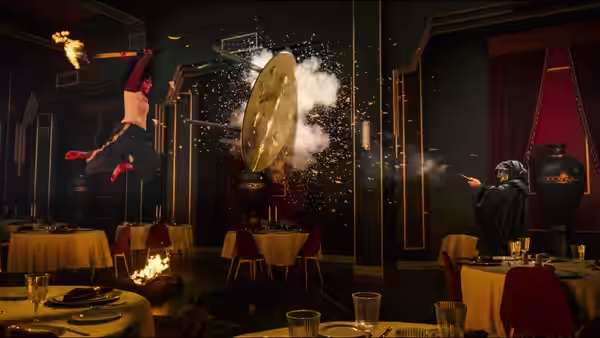
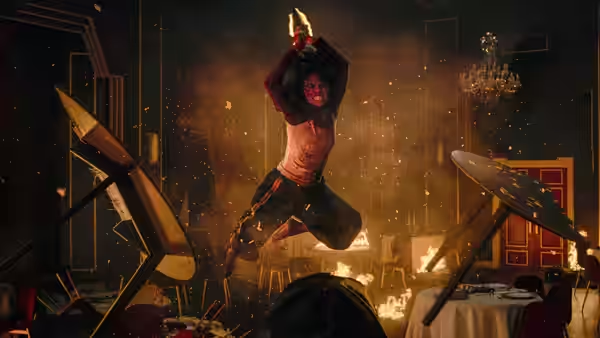
Isaac Bauman’s cinematography allows the camera to play without losing track of the fighting. That is a useful discipline in a film so keen to keep everything moving, and it lets the performers’ timing register. Jeremy Reed’s production design gives the choreography confined spaces to exploit; the building keeps supplying restrictions that make the action more inventive. There is pleasure in watching a fight respond to its surroundings, especially when the physical layout is clear enough for us to follow.
The screenplay by Kirill Sokolov and Alex Litvak has considerably less patience with the sisters. The relationship between Asia Reaves and Maria Reaves (Myha’la Herrold) should make the danger matter beyond the immediate question of who wins a fight. Instead, their history is underdeveloped, and the dialogue can be so blunt about feelings that there is little left for the performances to suggest. The film expects us to care about the sisters without spending enough time with them.
Luke Doolan’s editing keeps the action moving, though the later confrontations have less and less to make us care about them. The early pace is welcome, but keeping the film busy does not prevent repetition. Carlos Rafael Rivera supplies the music, though the scenes that hold us depend chiefly on the performers’ physical timing. As the violence escalates, the script offers too little new information about these people to keep the confrontations interesting.
Against the standards of action-horror comedy, the film’s familiarity is not the chief problem. Clear staging and a capable lead can make familiar material satisfying, as the early stretches demonstrate. The weaker jokes are harder to forgive, because the film needs them to vary the experience once another burst of gore stops being a surprise. Its hints of social commentary are too lightly developed to give us much else to think about between fights.
There is enough skill here to justify an evening for those whose tastes run towards elaborate screen violence. Zazie Beetz gives the film a liveliness its writing does not consistently match. Go for the fights, and do not expect the sisters to matter as much as the next piece of choreography.