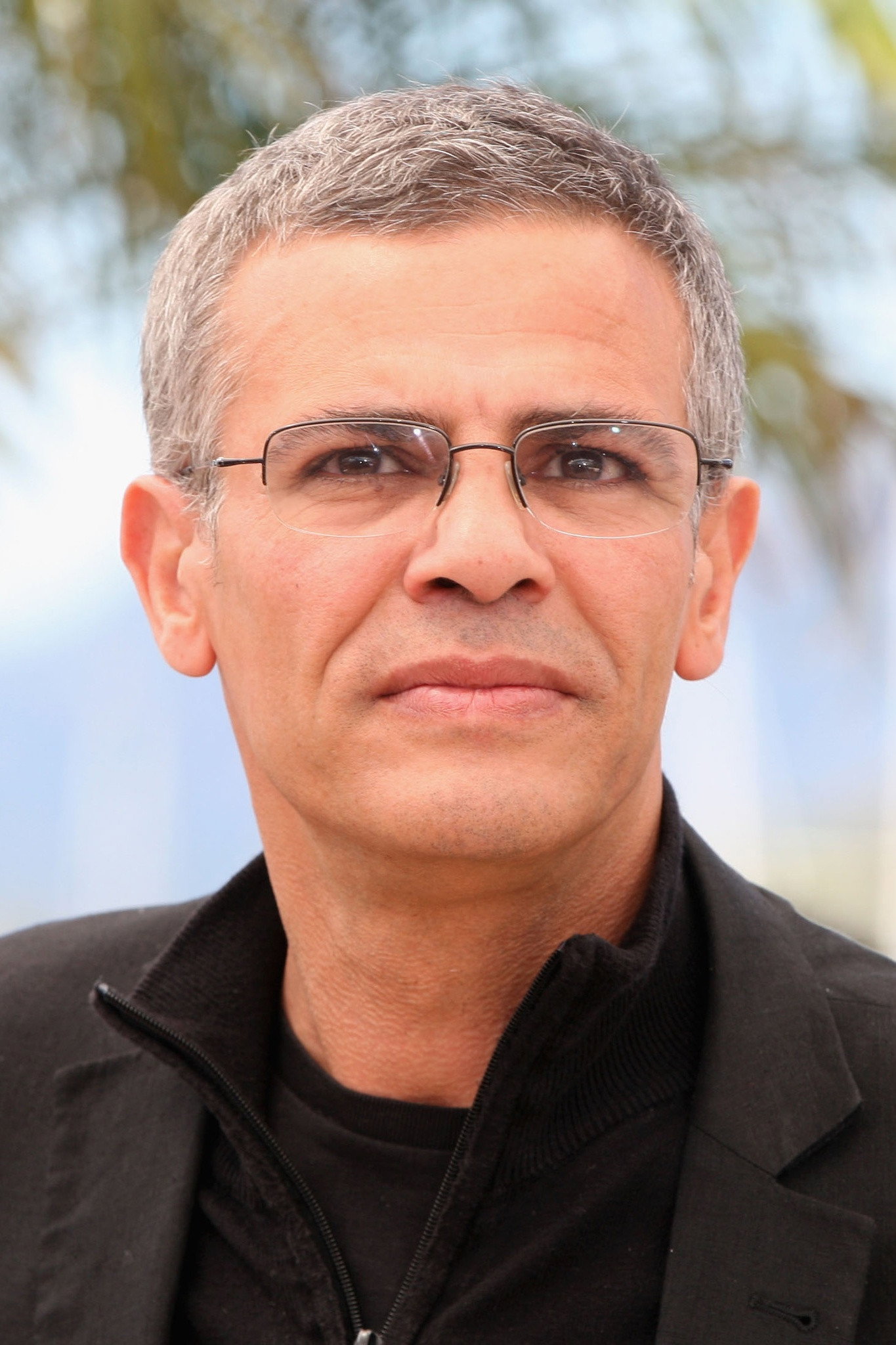
Abdellatif Kechiche makes ordinary meals and hesitant conversations worth our time. We value the closeness he achieves with his actors, though his insistence on lingering over bodies can make otherwise attentive work feel impersonal.
Fi1m perspective
School, meals and the uncertainty on a young woman’s face occupy Kechiche in Blue Is the Warmest Colour (2013). We recommend this three-hour romance because those ordinary stretches let us get to know Adèle without pretending that every feeling can be explained. There is room for growing up to be awkward and unfinished. Much of the length is justified by that care.
His directing began with La Faute à Voltaire (2000), followed by the breakthrough Games of Love and Chance (2003), set on a Parisian housing estate. The Secret of the Grain (2007) centres on a Maghrebian family in Sète. Meals and conversations recur in films concerned with immigrant communities and working-class life in France. His long takes and work with young or non-professional actors help explain the sense that an exchange has been allowed to develop without anyone hurrying it towards the next scene.
In Blue Is the Warmest Colour, Adèle Exarchopoulos gives that patience a purpose, playing a high-school student drawn to Léa Seydoux’s older Emma. Exarchopoulos allows uncertainty to remain visible without offering a tidy explanation for it. We felt painfully protective of Adèle because her expression in close-up makes an ordinary exchange seem capable of hurting her. The screenplay, written with Ghalya Lacroix, helps by leaving her feelings unsettled rather than supplying a reason for each one.
The extended sex scenes are where Kechiche’s judgement falters. They tell us less about these women than their length promises, and we begin noticing the arrangement of bodies instead of the people we have come to care about. Neither actress can entirely rescue staging that grows impersonal. This is a substantial flaw in a romance we recommend, especially because the school and meal scenes have already shown how well Kechiche can make attraction part of ordinary life.
His later trilogy began with Mektoub, My Love: Canto Uno (2017). Some critics have found the depiction of female bodies in Mektoub, My Love: Intermezzo (2019) objectifying.
Biography
Abdellatif Kechiche is a Tunisian-French filmmaker and former actor. Born on 7 December 1960 in Tunis, he moved to Nice, France, at the age of six. He trained in drama at the Antibes Conservatory and began his career as an actor in theatre and film before directing his first feature, Poetical Refugee (2001).
Kechiche is known for films including Games of Love and Chance (2003), The Secret of the Grain (2007) and Blue Is the Warmest Colour (2013), on which he also served as screenwriter and producer. The latter won the Palme d'Or at the 2013 Cannes Film Festival, shared with its lead actresses. His work frequently explores immigrant communities and working-class life in France.