Film review

Blue Is the Warmest Color

2013 · Directed by Abdellatif Kechiche · 3h 00m · MPA NC-17

In a sentenceThree hours of first love, and somehow the sex is the bit that needs trimming

RomanceDrama

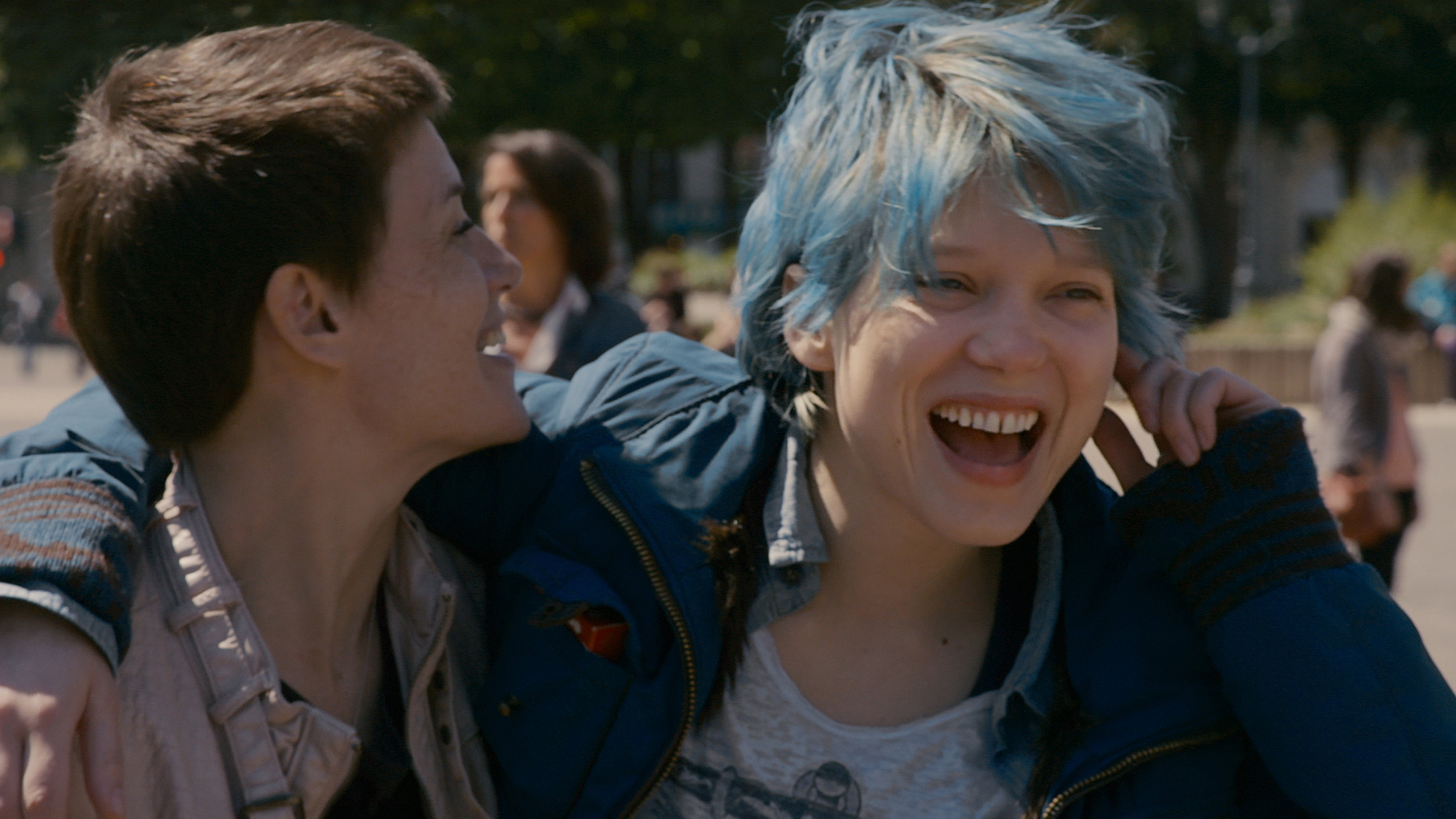
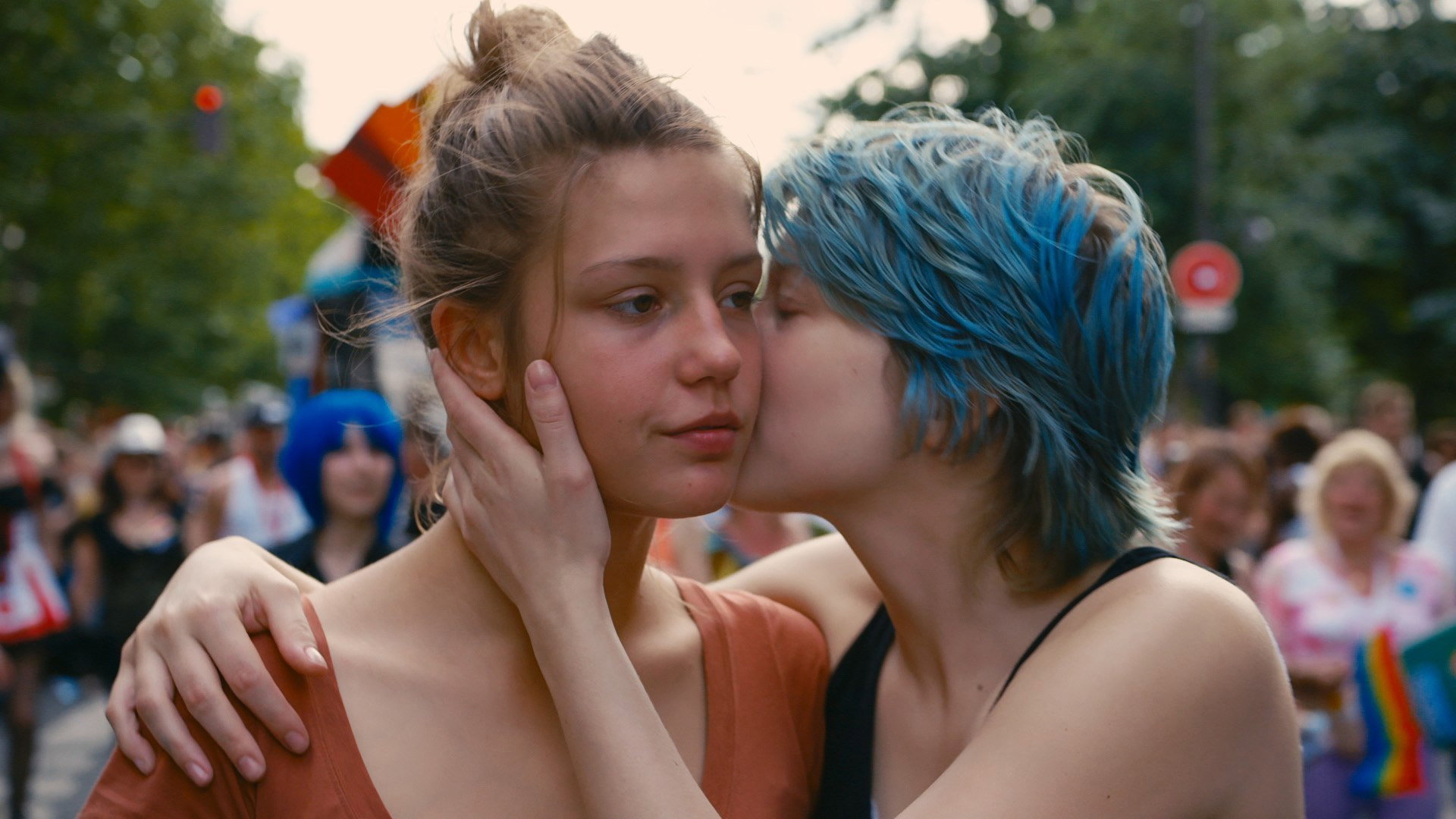
Adèle (Adèle Exarchopoulos) is a high-school student beginning to understand her attraction to women. Her relationship with the older Emma (Léa Seydoux) brings desire into a life still shaped by school and everyday routines. As the two grow closer, differences in their backgrounds sit alongside the excitement of first love. Written by Abdellatif Kechiche and Ghalya Lacroix, and directed by Kechiche, the film follows Adèle’s emotional and sexual awakening, setting the couple’s intimate encounters within the daily life that continues around them.

Plays from YouTube when you press play; nothing loads from them until then.

Fi1m review

Adèle Exarchopoulos and Léa Seydoux make this three-hour romance worth the commitment. Kechiche’s close attention to everyday life is moving, though the extended sex scenes test the patience his actors have earned.

Blue Is the Warmest Colour is a moving, unusually patient romance, with bedroom scenes that badly need cutting. Abdellatif Kechiche takes three hours to follow a young woman’s first love, making room for the ordinary business that films often remove to reach the next important conversation. School, meals and attraction occupy the same stretch of life. That attention is the film’s chief strength, allowing us to become familiar with Adèle without pretending that we can account for everything she feels.

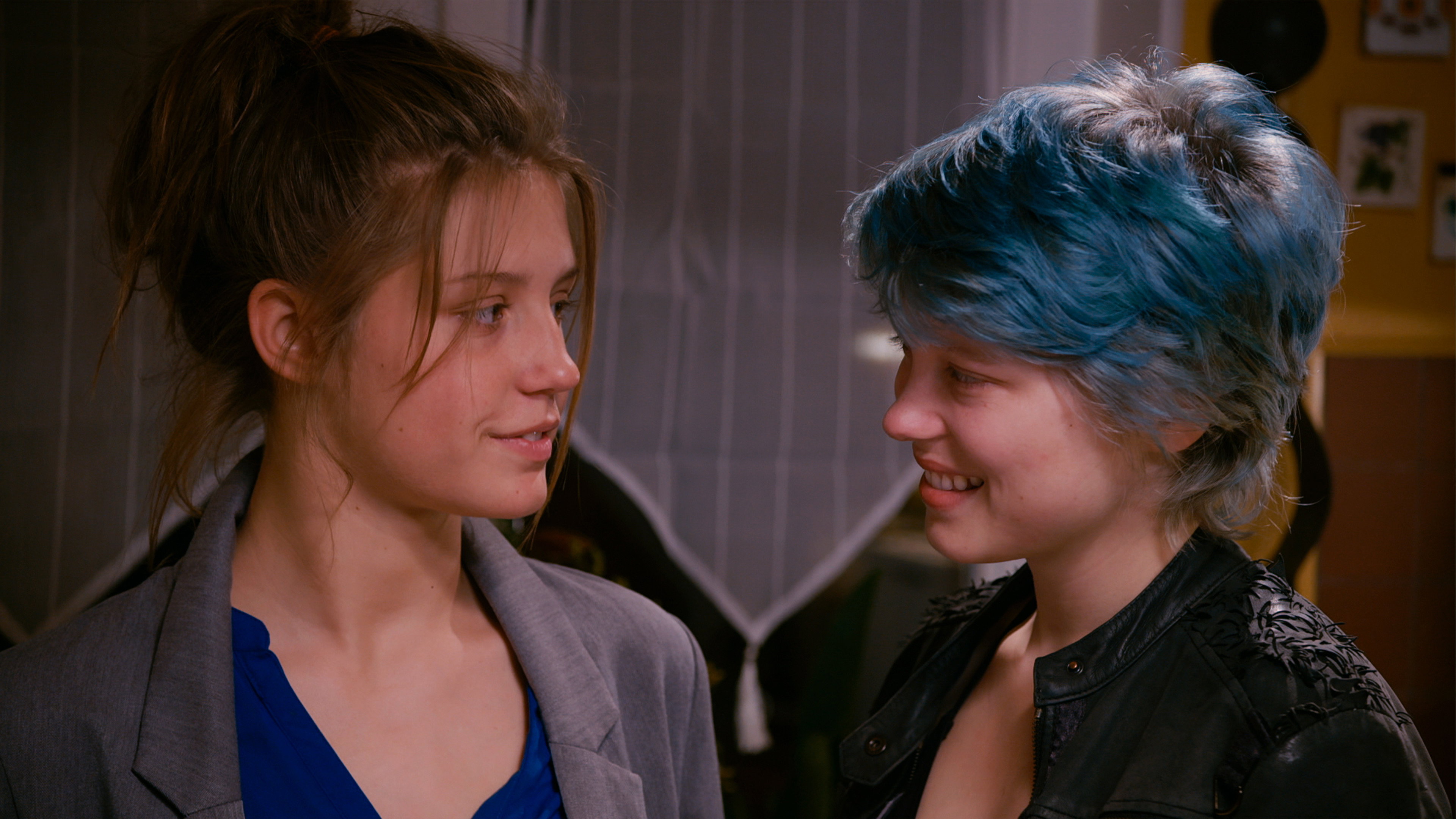
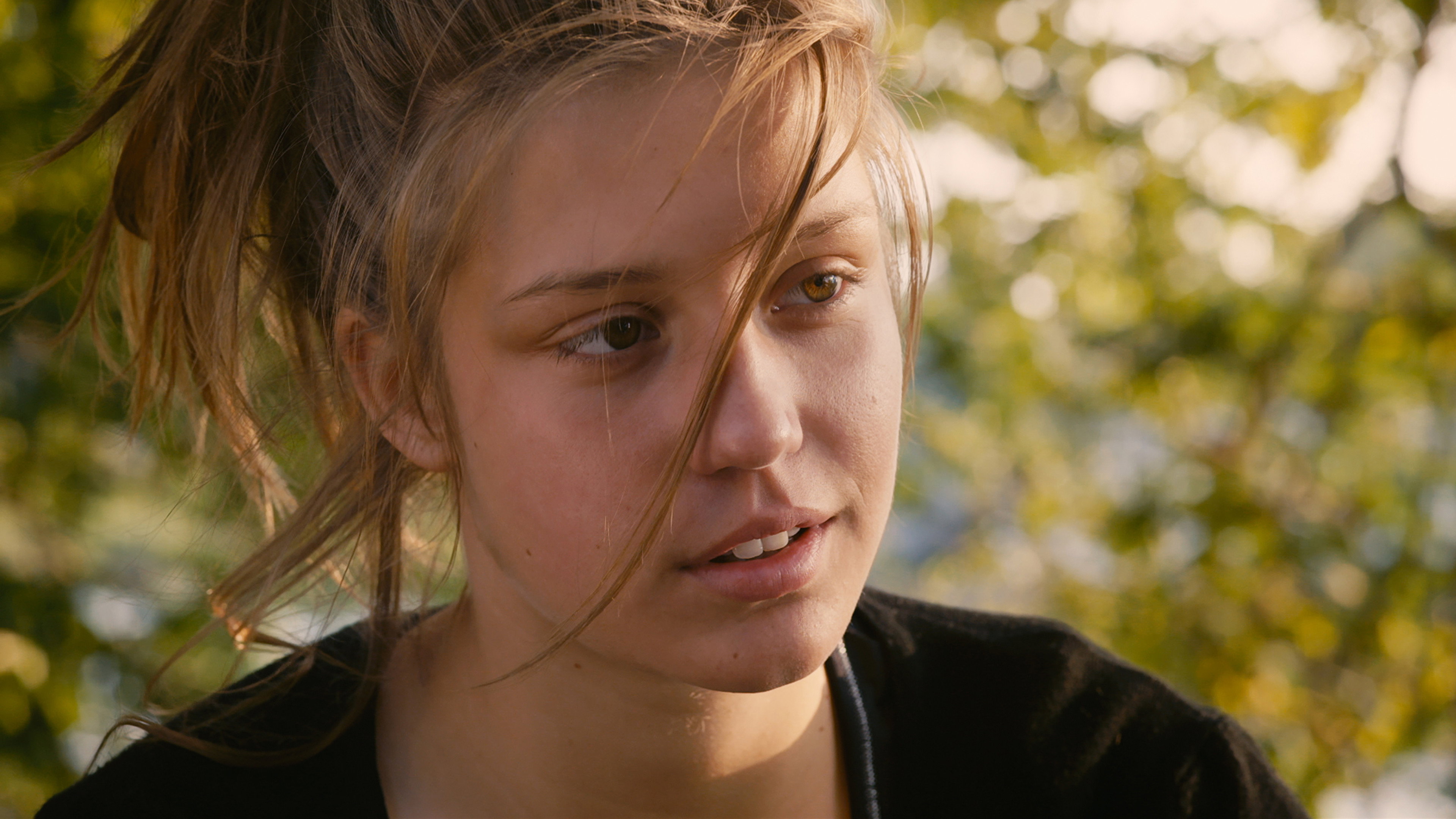
Adèle Exarchopoulos plays Adèle, a high-school student drawn into a relationship with the older Emma, played by Léa Seydoux. Exarchopoulos makes the familiar uncertainties of growing up feel awkward and unfinished, without offering a tidy explanation for each of them. We felt painfully protective of Adèle. In the close-ups, the uncertainty in her expression makes an ordinary exchange seem capable of doing damage. Kechiche’s screenplay, written with Ghalya Lacroix, is strongest when it allows her feelings to remain unsettled.

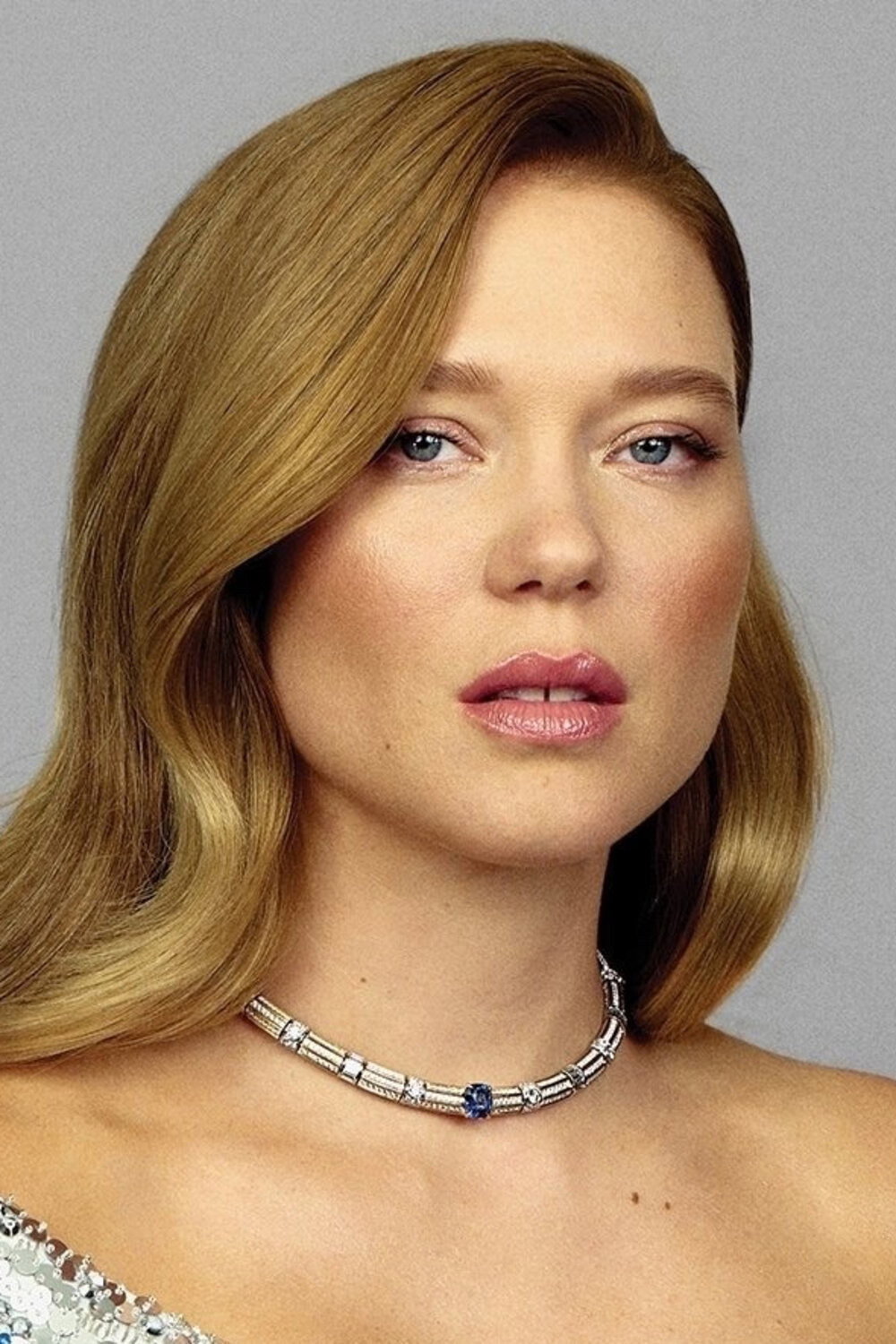
Seydoux gives Emma a self-possession that makes Adèle’s uncertainty more visible. The attraction is convincing because the actresses do not seem to be experiencing it in quite the same way. There is room for unequal confidence, and for the class differences that complicate their connection. Seydoux also prevents Emma from becoming simply the person Adèle desires: her performance suggests interests and feelings that Adèle cannot expect to share or fully understand.

Sofian El Fani’s cinematography stays close to the women’s faces, asking us to notice changes that a more hurried film would lose. The closeness works particularly well around the ordinary acts of eating and talking, when a face cannot help giving something away. Julia Lemaire’s production design provides the classrooms and kitchens that keep this romance connected to everyday life. Those spaces matter because the women continue to seem like people with lives to get through, even when desire takes up most of their attention.

The editing, credited to Albertine Lastera, Ghalya Lacroix, Camille Toubkis, Jean-Marie Lengellé and Sophie Brunet, gives these unhurried observations room to accumulate. At 180 minutes, the film asks a considerable amount of an evening, but much of that time helps us understand how thoroughly another person can occupy someone’s thoughts. The looseness suits the performances, allowing hesitations to count. Scenes can continue beyond the information they supply, giving us time to watch how the actresses respond to each other.

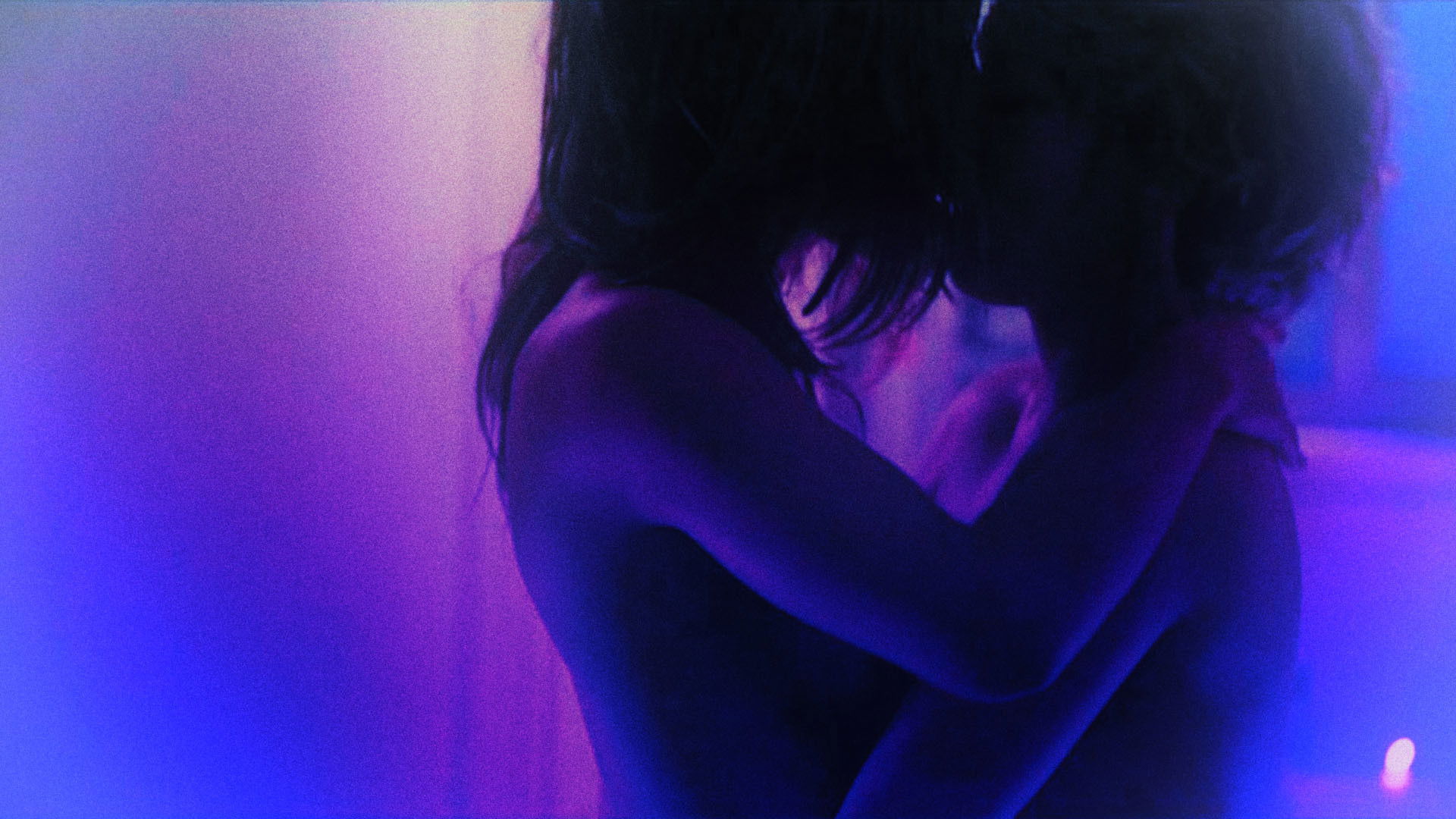
The sex is the clearest weakness. Kechiche lingers over bodies with an insistence that becomes distracting, and the scenes supply less understanding of either woman than their duration promises. A film this attentive elsewhere should be able to let an encounter develop without extending it until we start noticing how it has been arranged. Explicitness belongs in a film about desire, but here the staging starts to feel impersonal despite the actresses’ efforts.

Coming-of-age romances often hurry towards a moment when their heroine can explain herself. This one remains absorbing while Adèle is still struggling to do so, and it does not make her uncertainty seem like a problem the screenplay needs to fix. There is enough life in Exarchopoulos’s performance to justify the long stretches spent watching her do little of narrative importance. Set aside the full three hours, with fair warning that the bedroom scenes require some patience.
Critical consensus AI synthesised

86
Positive
16
Mixed
0
Negative
1

Most critics respond warmly to this detailed account of first love, with praise centred on the lead performances, especially Adèle Exarchopoulos’s expressive, vulnerable portrayal. The reviews repeatedly credit Kechiche’s attention to ordinary life and the women’s emotional exchanges with making the relationship feel convincing. For many, that accumulation of character and everyday detail sustains the three-hour running time and gives the romance its force.

The disagreement centres on the explicit sex scenes: some critics see an unusually frank treatment of desire, while others find them over-extended or question whose desires they serve. Film Comment challenges the director’s male gaze, while Sight and Sound argues that his approach loses the source graphic novel’s distinctive voice and politics, despite Exarchopoulos’s performance. The consensus is strongly favourable, but these objections go beyond pacing or explicitness to question how the film looks at its central characters.

Little White Lies
21 November 2013 · 5/5/4 · Sophie Monks Kaufman
100

Kechiche’s passionate lesbian love story is a screen romance built for the long haul with universal themes. Three hours fly by thanks to the committed performance of Adèle Exarchopoulos in this comprehensive and heartfelt depiction.

Read the full review →
Slant Magazine
21 September 2013 · ★★★★/4 · Ed Gonzalez
100

Kechiche builds the film with sensitivity to emotional nuance and collaboration with the remarkable actresses, capturing the electric connectivity between the two women. The experience resonates universally with anyone who has loved and faced its loss.

Read the full review →
Time Out
22 May 2013 · ★★★★★ · Guy Lodge
100

It is a minutely detailed, searingly erotic three-hour study of first lesbian love that is the richest film of Kechiche’s career. The freewheeling perspective on young desire finds nuanced drama in maintaining an unfixed sexuality beyond coming-out tropes.

Read the full review →
The AV Club
24 October 2013 · A- · A.A. Dowd
90

The beauty of the film lies in dropping viewers onto the emotional wavelength of its heroine through her expressive performance. It is at heart an ordinary coming-of-age romance but benefits from a wealth of character and environment building rather than clichés.

Read the full review →
The Guardian
21 November 2013 · Peter Bradshaw
90*

The critic calls the film outstanding and passionately praises its evocation of love as cataclysmic and unforgettable. The lead performances are singled out as making other acting look weak.

Read the full review →
Vulture
25 October 2013 · David Edelstein
90*

It is unlike any love story seen before, with raw, off-beat exchanges and an overwhelming emotional intensity over three hours. The performances convey the cost and vulnerability of putting oneself out there in a relationship.

Read the full review →

Cast

Stills

Awards

BAFTA Film Awards, 2014

Nominated
Best Film Not in the English Language

César Award for Best Actress, 2014

Nominated
César Award for Best Actress

César Award for Best Adaptation, 2014

Nominated
César Award for Best Adaptation

César Award for Best Cinematography, 2014

Nominated
César Award for Best Cinematography

César Award for Best Director, 2014

Nominated
César Award for Best Director

César Award for Best Editing, 2014

Nominated
César Award for Best Editing

César Award for Best Female Revelation, 2014

Won
César Award for Best Female Revelation

César Award for Best Film, 2014

Nominated
César Award for Best Film

César Award for Best Sound, 2014

Nominated
César Award for Best Sound

David di Donatello for Best European Film, 2014

Nominated
David di Donatello for Best European Film

GLAAD Media Award for Outstanding Film – Wide Release, 2014

Nominated
GLAAD Media Award for Outstanding Film – Wide Release

Goya Award for Best European Film, 2014

Nominated
Goya Award for Best European Film

Independent Spirit Awards, 2014

Won
Best Foreign Film

Lumière Award for Best Female Revelation, 2014

Won
Lumière Award for Best Female Revelation

Polish Academy Award for Best European Film, 2014

Nominated
Polish Academy Award for Best European Film

BIFA for Best Foreign Independent Film, 2013

Won
BIFA for Best Foreign Independent Film

Broadcast Film Critics Association Award for Best Foreign Language Film, 2013

Won
Broadcast Film Critics Association Award for Best Foreign Language Film

Broadcast Film Critics Association Award for Best Young Performer, 2013

Won
Broadcast Film Critics Association Award for Best Young Performer

Cannes Film Festival, 2013

Won
Palme d'Or

Dorian Award for LGBTQ Film of the Year, 2013

Won
Dorian Award for LGBTQ Film of the Year

European Film Award for Best Director, 2013

Nominated
European Film Award for Best Director

European Film Award for Best Film, 2013

Nominated
European Film Award for Best Film

FIPRESCI Prize of the Festival de Cannes, 2013

Won
FIPRESCI Prize of the Festival de Cannes

Golden Globes, 2013

Nominated
Best Non-English Language Film

Louis Delluc Prize, 2013

Won
Louis Delluc Prize

National Society of Film Critics Award for Best Actress, 2013

Nominated
National Society of Film Critics Award for Best Actress

National Society of Film Critics Award for Best Foreign Language Film, 2013

Won
National Society of Film Critics Award for Best Foreign Language Film

National Society of Film Critics Award for Best Supporting Actress, 2013

Nominated
National Society of Film Critics Award for Best Supporting Actress

Satellite Award for Best Foreign Language Film, 2013

Nominated
Satellite Award for Best Foreign Language Film

Satellite Award for Best Supporting Actress – Motion Picture, 2013

Nominated
Satellite Award for Best Supporting Actress – Motion Picture

If you liked this, try…

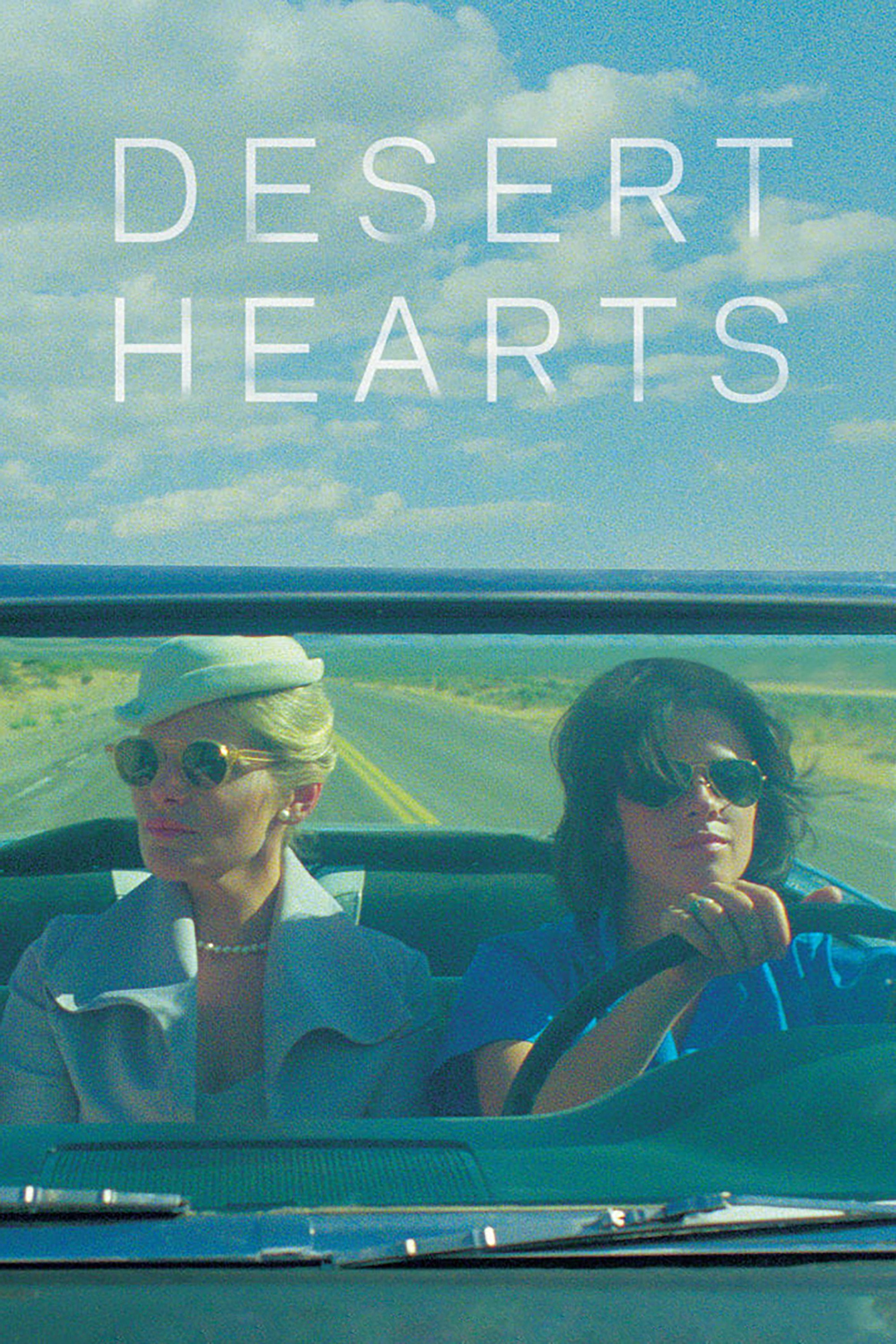
Desert Hearts poster

Desert Hearts

1985 · Another lesbian romance that lets attraction develop through conversation and differences in confidence.

Weekend poster

Weekend

2011 · Two men talk themselves towards intimacy, with close attention to hesitation and class.

Happy Together poster86

Happy Together

1997 · For another consuming relationship, filmed with less restraint and a harsher sense of loneliness.

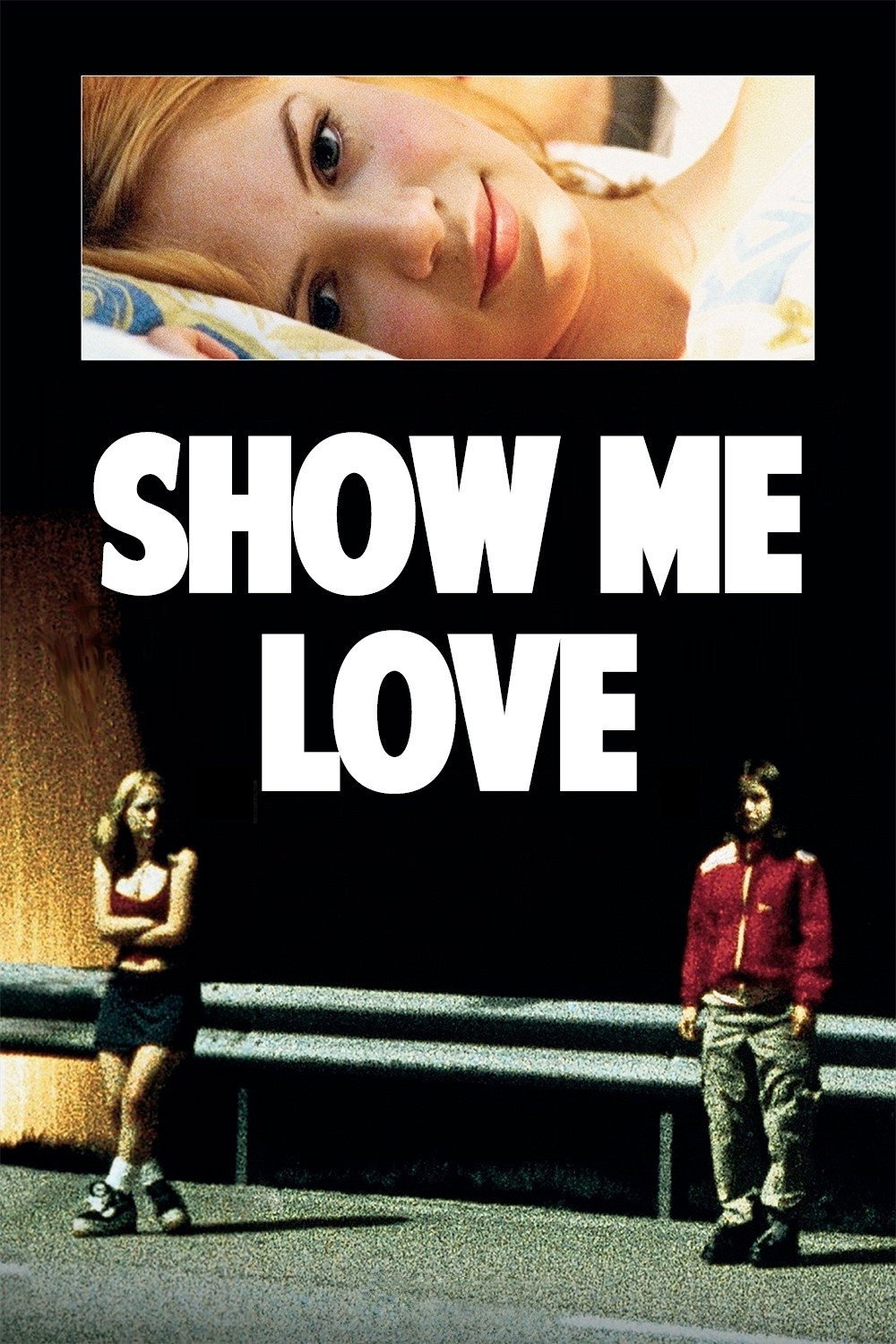
Show Me Love poster

Show Me Love

1998 · Teenage lesbian longing in a smaller setting, with embarrassment given its proper weight.

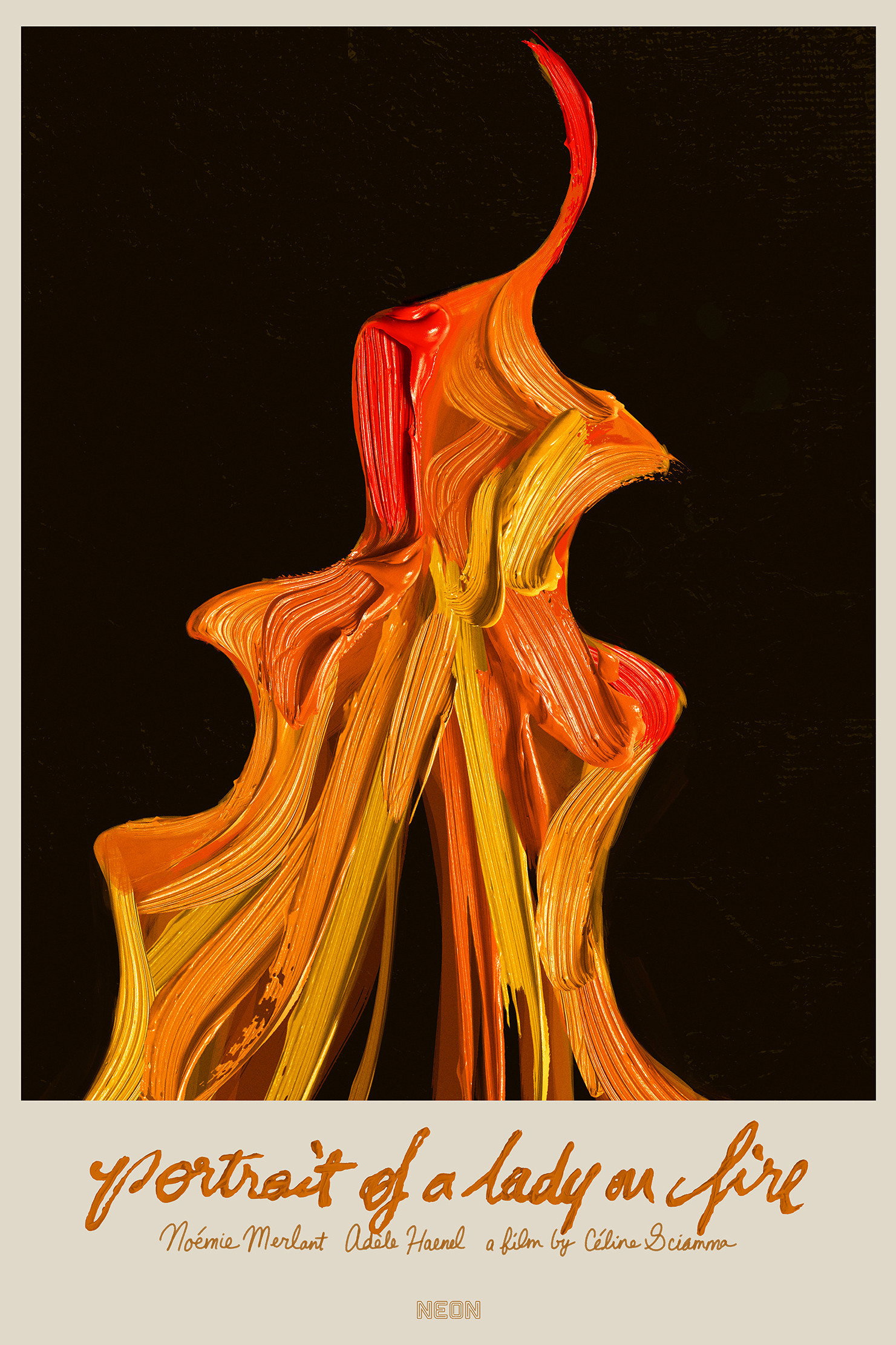
Portrait of a Lady on Fire poster

Portrait of a Lady on Fire

2019 · A more controlled account of women looking at each other and finding desire.