Graham Theakston’s strongest claim on our attention is his work with actors, in tense dramas and agreeable police partnerships. We recommend the performances, with a caveat about the familiar crime plots surrounding some of them.
Fi1m perspective
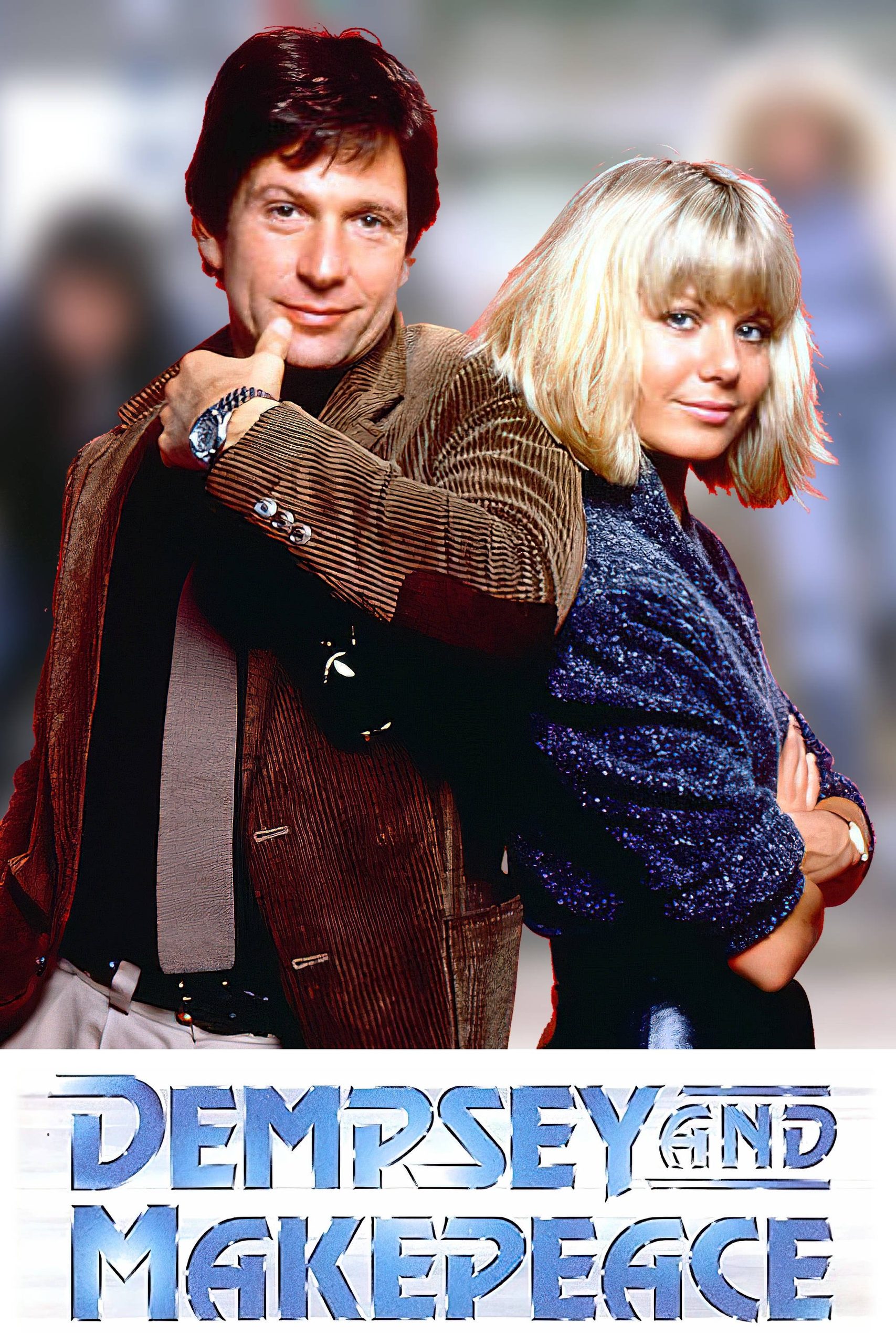
Michael Brandon and Glynis Barber keep Dempsey and Makepeace (1985) watchable through comic timing, even when the police work offers few surprises. We enjoyed their company because they made the predictable friction between the partners funny. Graham Theakston directed two episodes, so the credit for that partnership cannot simply be handed to him. It does, however, offer a useful way into his work: the actors give us a reason to stay with familiar material. He is worth seeking out for his attention to performances, with a reservation about how often the surrounding stories stay within established television formulas.
His early credits included eight episodes of The Tripods (1984), before police series became a substantial part of his work. The more revealing turn came with The Politician’s Wife (1995), featuring Juliet Stevenson, and The Mill on the Floss (1997), starring Emily Watson. These character-led dramas placed considerable weight on their central performances. With Stevenson, his strength was in guiding the performance while building tension across a multi-part drama. His work with these actresses gives us a reason to look beyond the police credits.
Actors praised his listening and his ability to put them at ease on set, a useful practical basis for directing performances. Yet good rapport does not make a conventional story less conventional. Dempsey and Makepeace remains an agreeable choice for its sparring leads, rather than a programme to seek out for ingenious cases. Their timing makes the predictable friction enjoyable, but the crime-solving still seldom surprises. We would not turn his contribution to a series we like into a claim that he transformed the police drama.
New Tricks (2003) gave him a more substantial role in establishing a series: he directed the pilot and two further episodes. Retired detectives reinvestigating cold cases provided the premise, and his contribution included establishing the tone and casting. Later work on The Inspector Lynley Mysteries (2007) and Blue Murder (2007) kept him within familiar crime formats. Those credits suggest consistency more readily than a new direction. For a change from the investigations, start with The Politician’s Wife.
Biography
Graham Theakston was a British television director. Born in Bradford on 29 February 1952, he studied architecture at Manchester Polytechnic before taking a film and television production course there. He began his career in the late 1970s as a production assistant at BBC Manchester and later worked at BBC South and on Grange Hill in London.
Theakston directed episodes of series including Dempsey and Makepeace (1985), Casualty, The Bill, A Touch of Frost and New Tricks. He directed the 1995 miniseries The Politician's Wife, for which he received a BAFTA award, as well as the television films The Mill on the Floss (1997) and Sherlock: Case of Evil (2002). He also worked on The Inspector Lynley Mysteries and Blue Murder.
Theakston died of cancer in London on 2 September 2014.