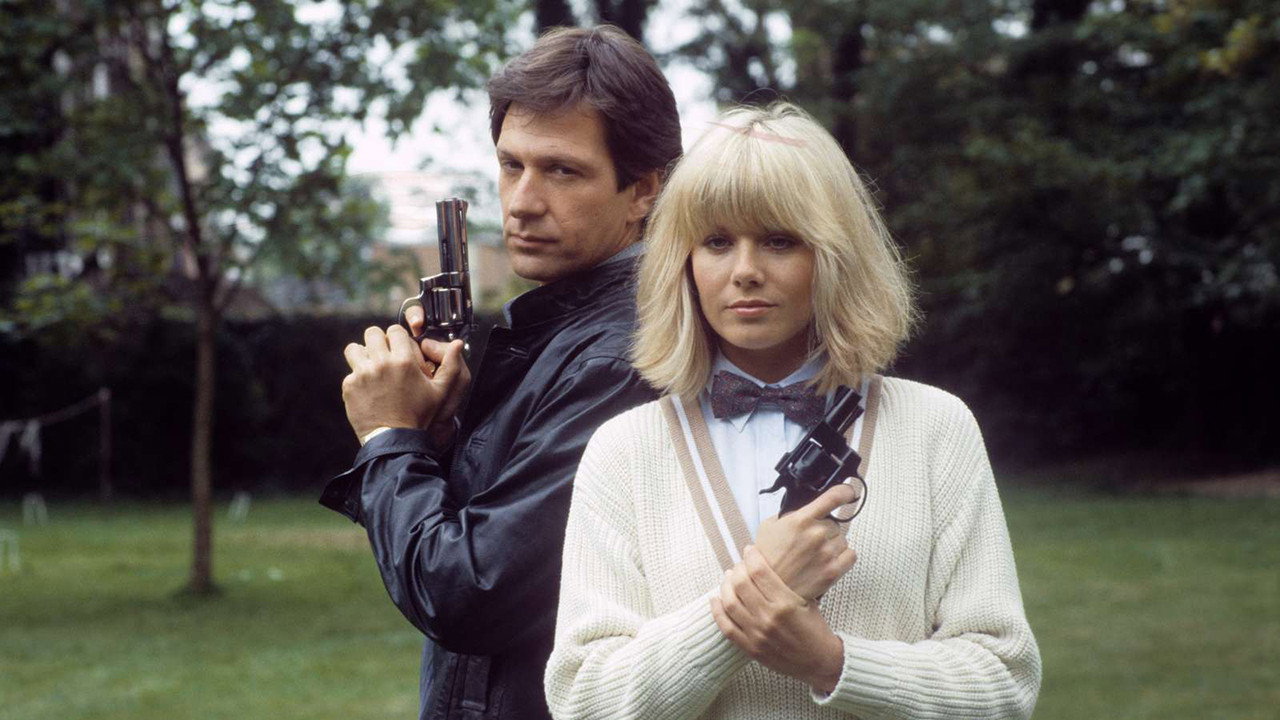
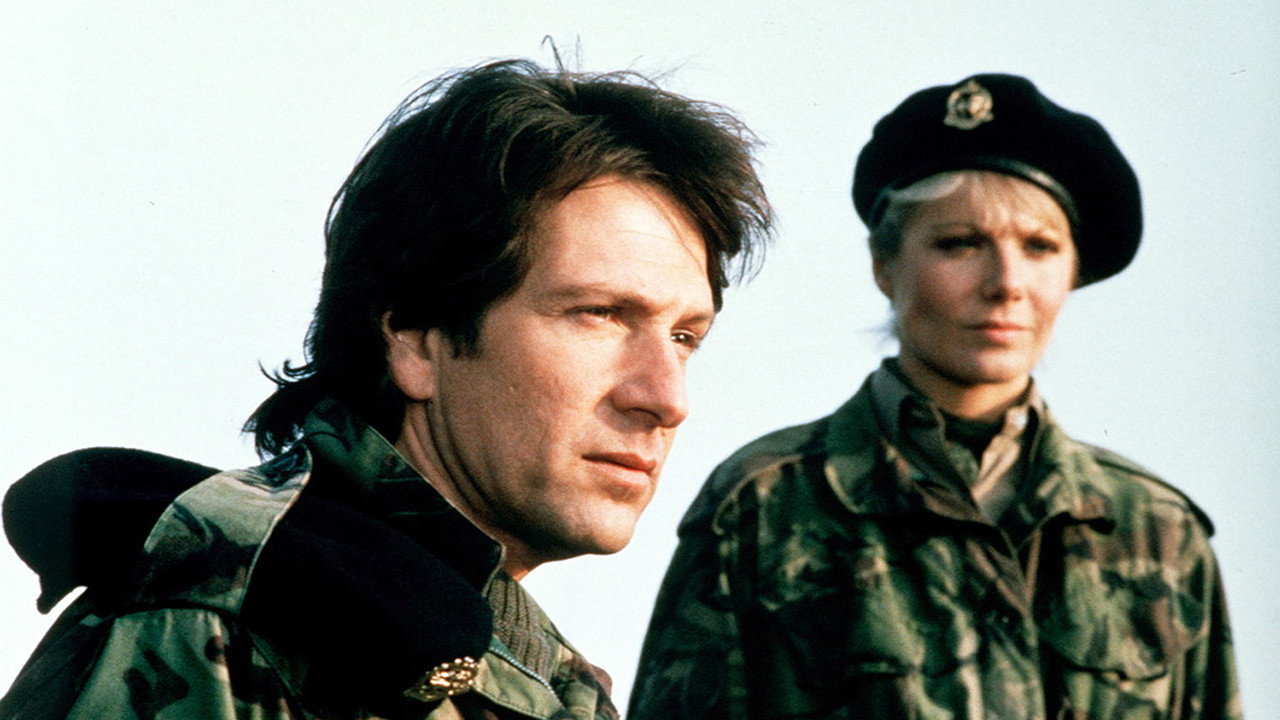
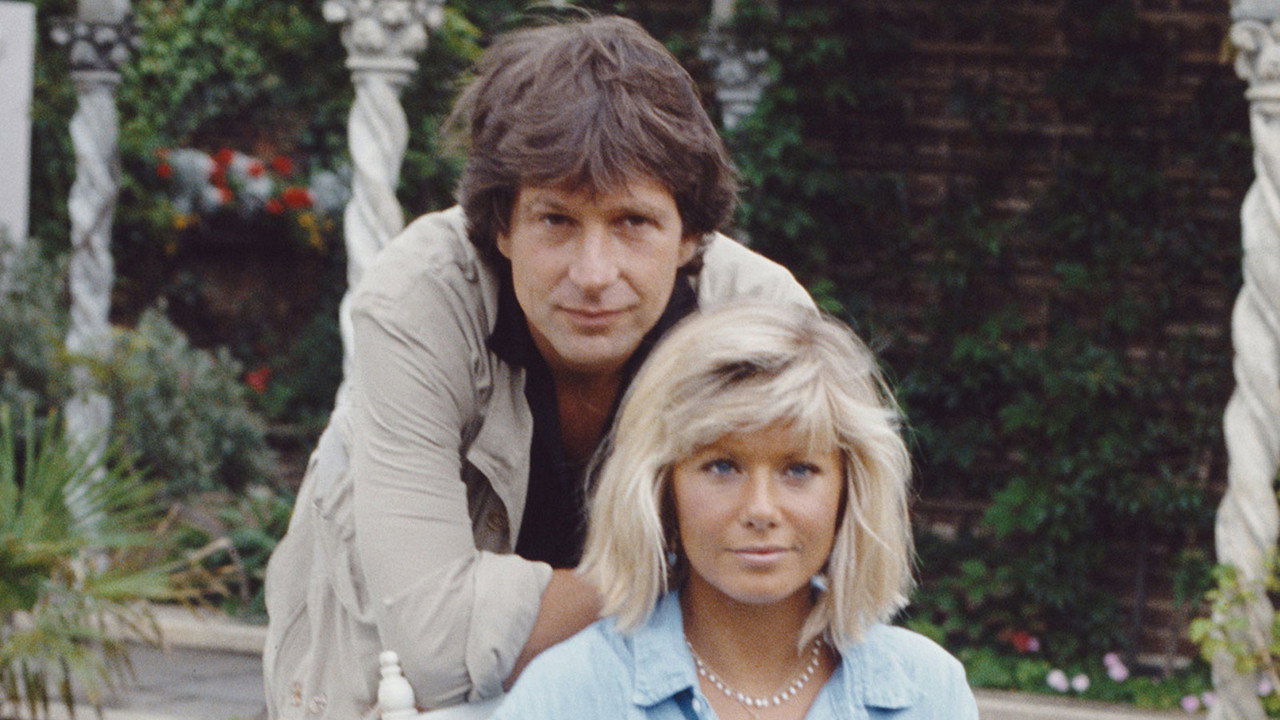
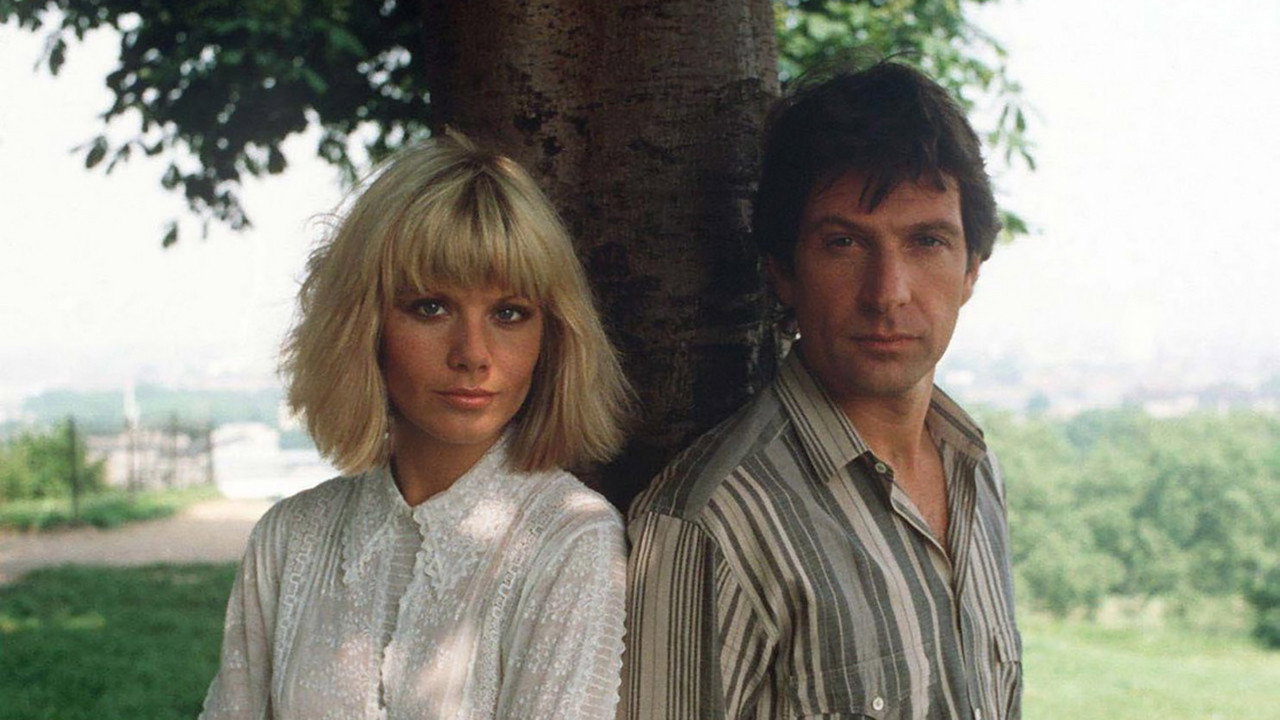
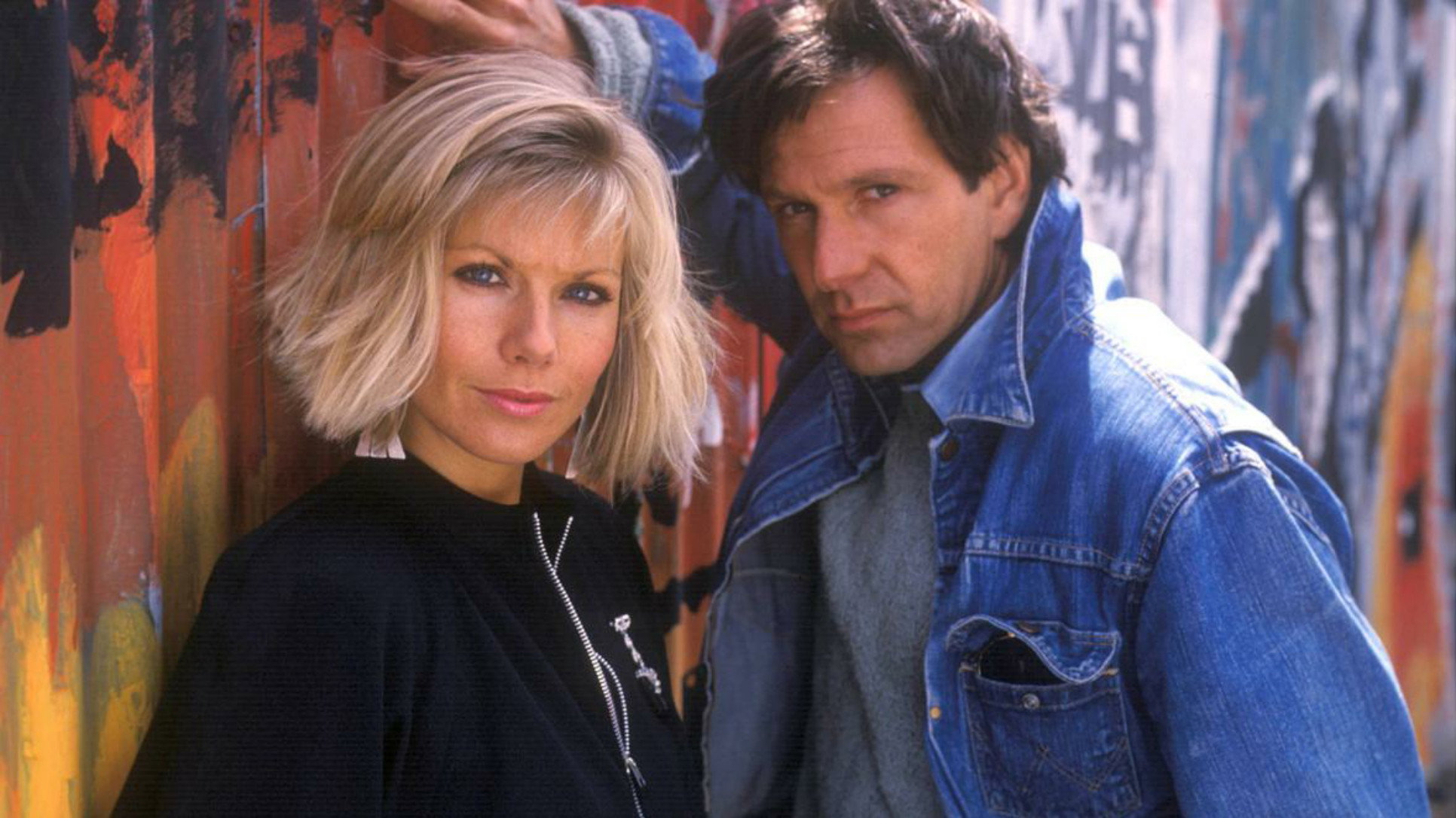
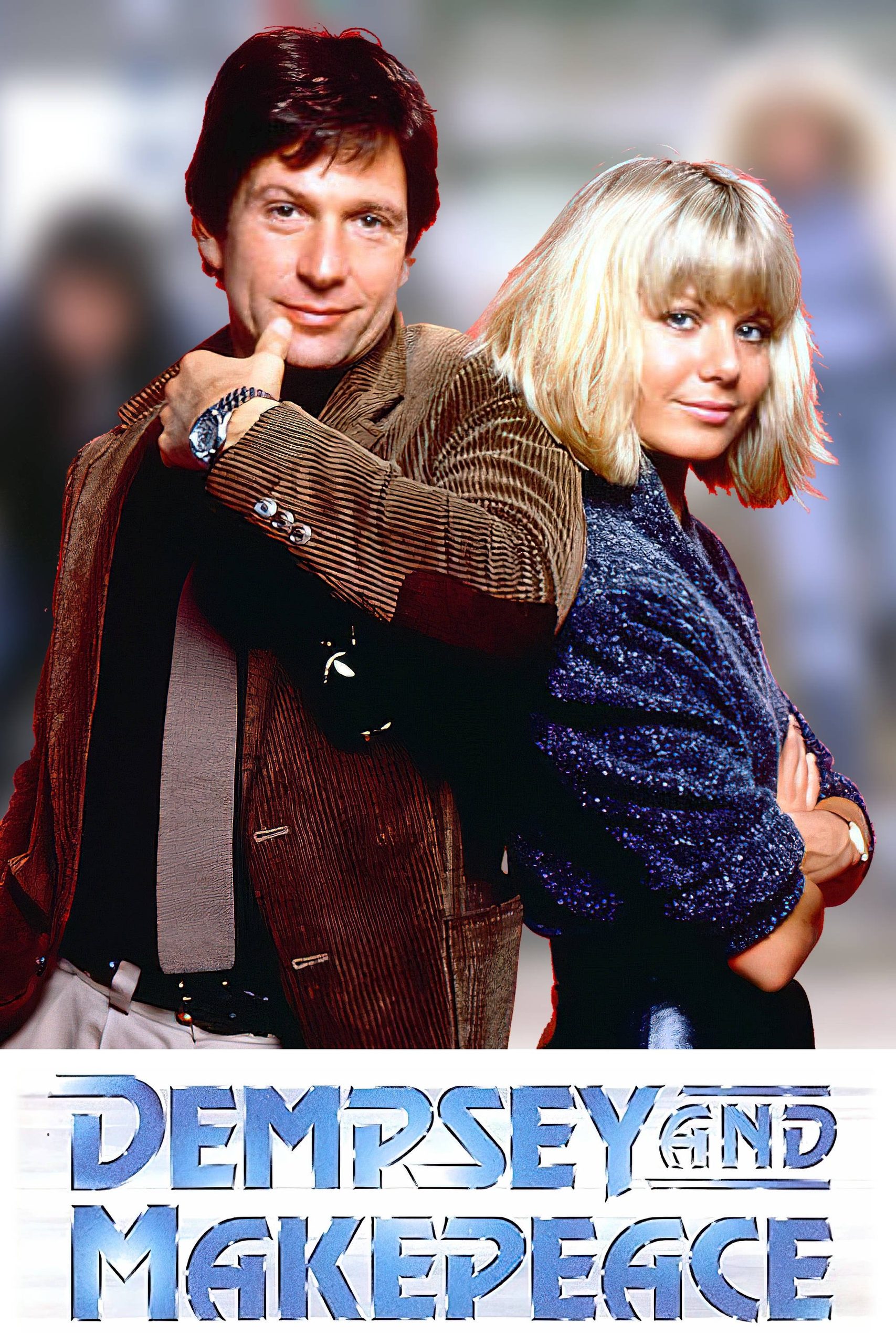
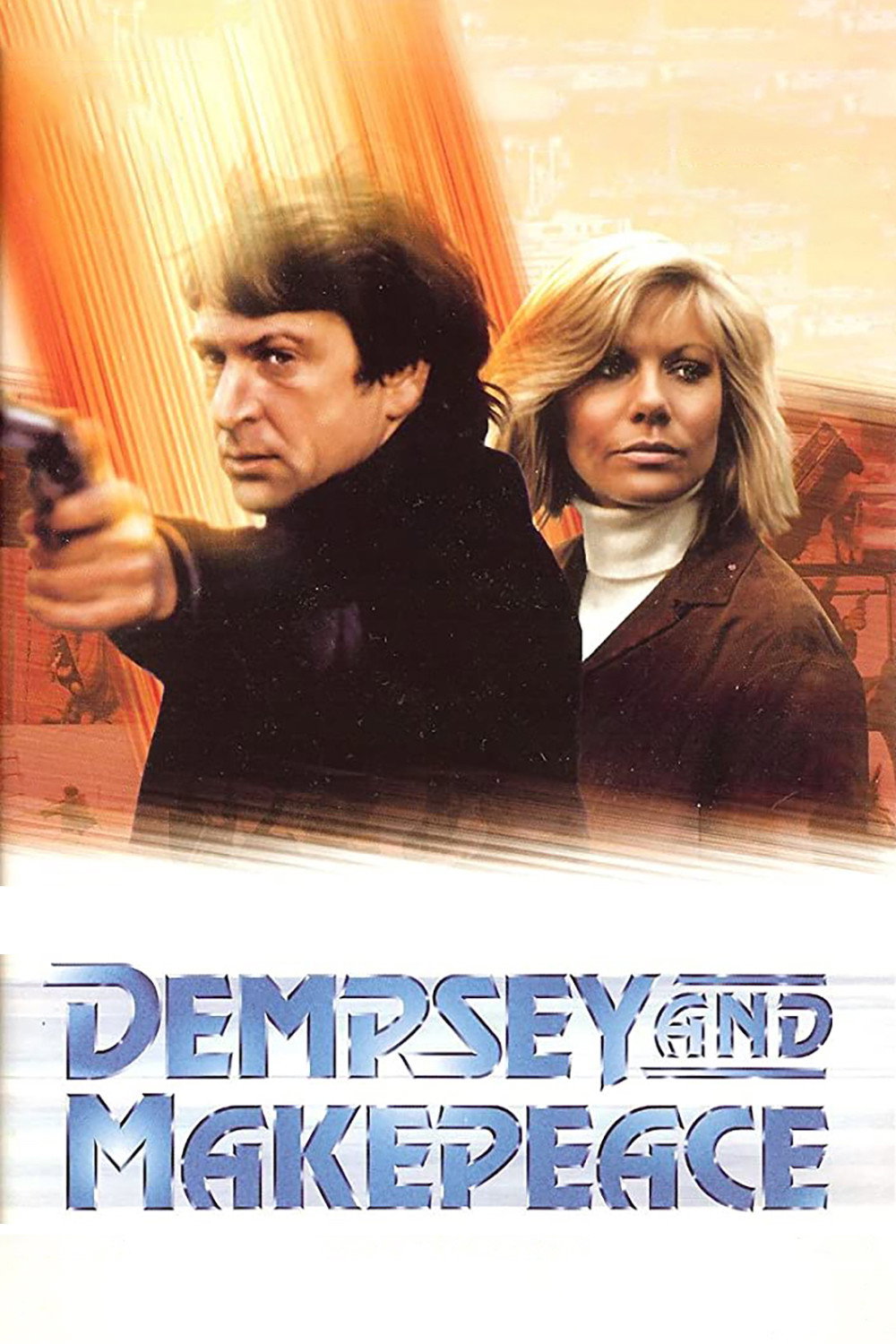
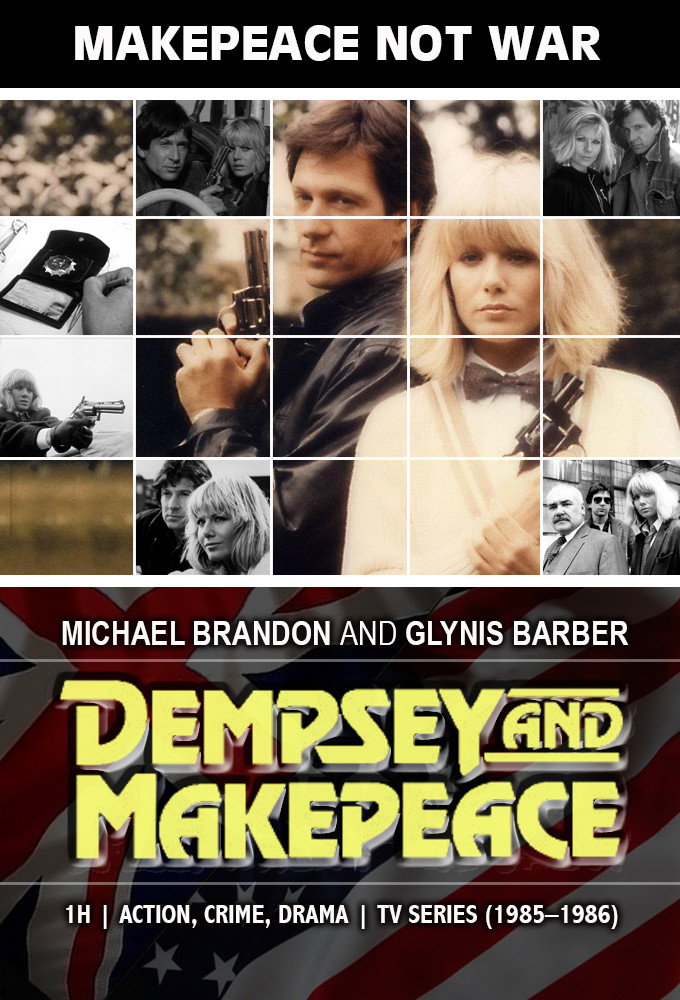
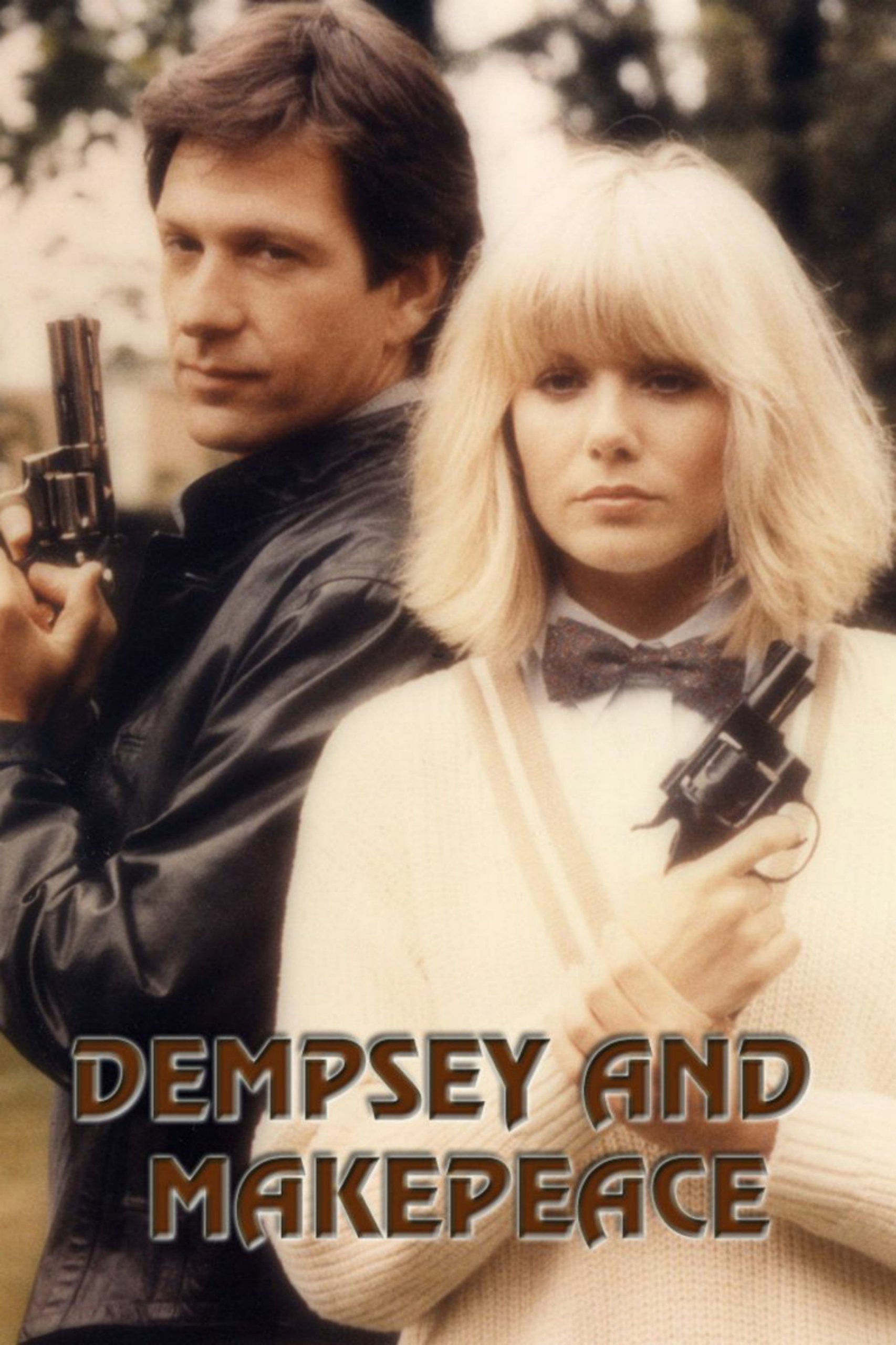
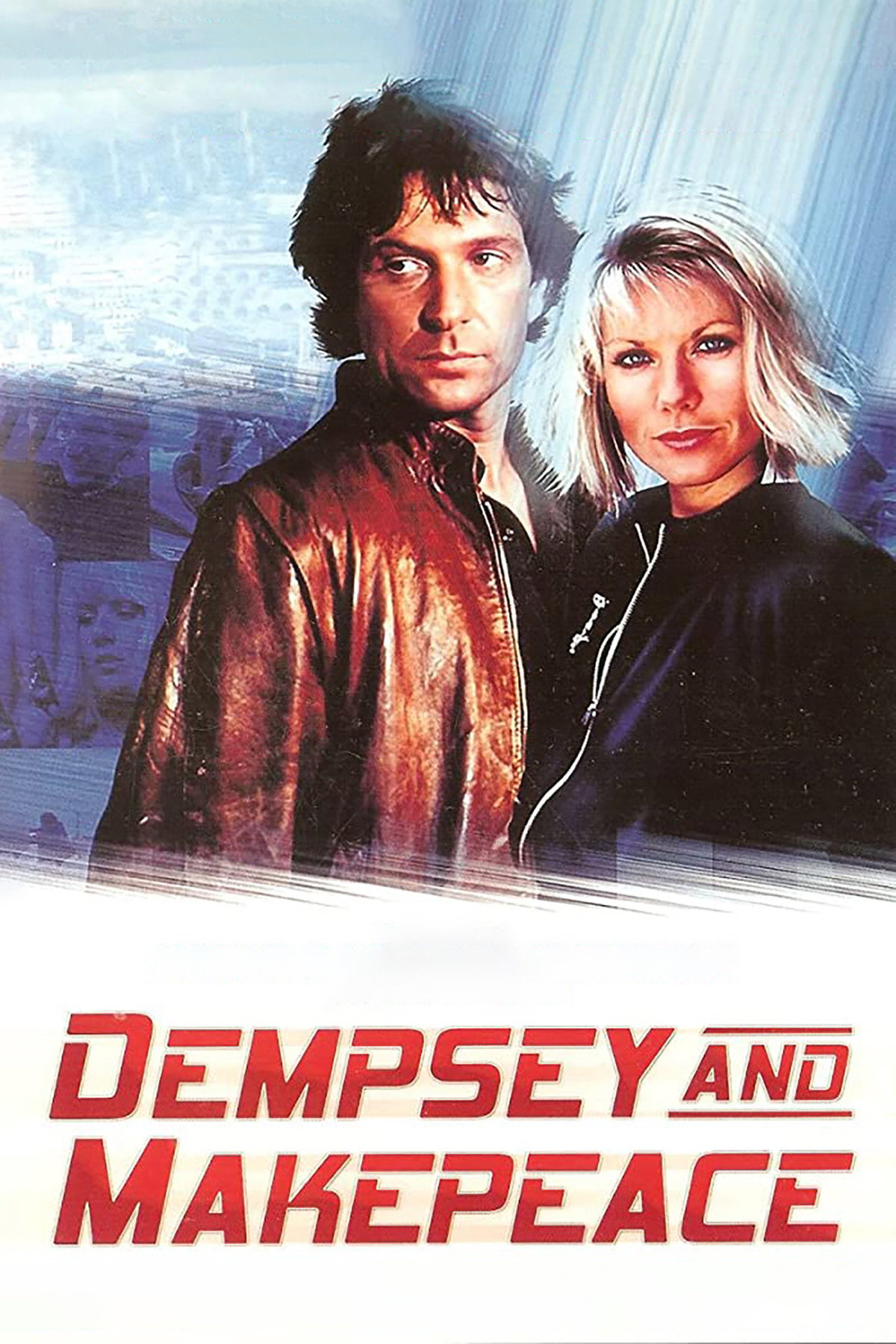
Michael Brandon and Glynis Barber make this police partnership worth watching. The friction is predictable and the crime-solving seldom surprises, but their comic timing gives the familiar setup enough life for an agreeable evening.
Dempsey and Makepeace is a good-natured police series with a reliable attraction: Michael Brandon and Glynis Barber are enjoyable company, particularly when their characters disagree. Created by Tony Wharmby, it puts a rough American detective beside a posh English partner and lets their differences complicate the crime-solving. We recommend it as undemanding entertainment, with a warning that its investigations can feel perfunctory. It is comfortable using a familiar formula, and much of the pleasure comes from watching the actors make it work.
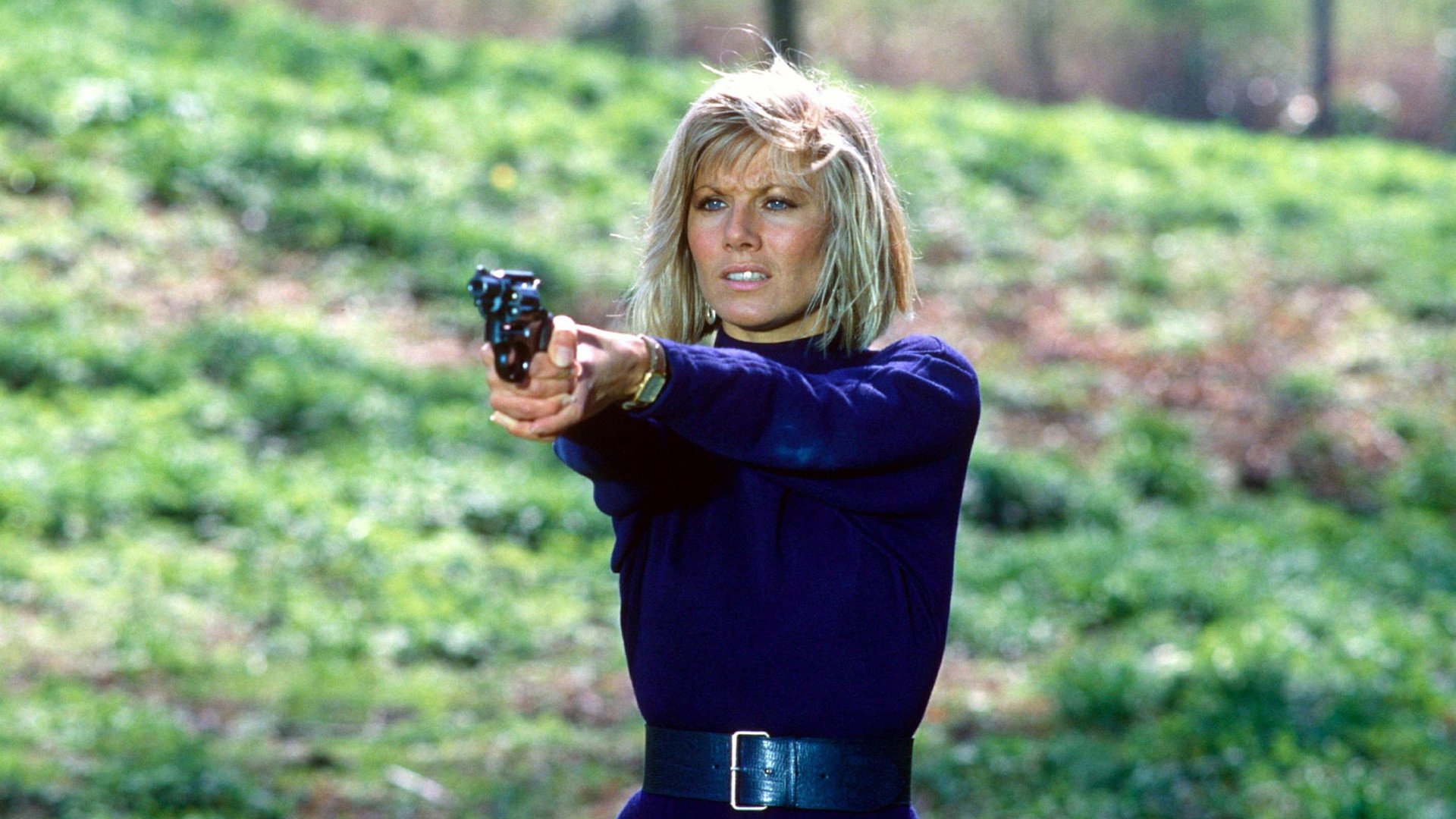
Michael Brandon gives James Dempsey the confidence of a man who regards tact as someone else’s responsibility. His wisecracks could become wearing, but the delivery has enough warmth to keep him from being merely objectionable. Glynis Barber, as Harriet Makepeace, meets that roughness with a composure that prevents him from taking charge of every exchange. We laughed at their sparring; her composure makes his wisecracking seem all the more eager to provoke her.
As a mismatched-detective series, it understands how much depends on wanting to spend time with the same people. Unresolved attraction can become a tiresome way of postponing a story, but here the quarrelling has enough enjoyment in it to make the delay agreeable. Both actors suggest that their characters find something interesting in the person who annoys them. That gives the flirtation a little more substance than simply putting two attractive people together and waiting.
Geoff Harrison, Mike Humphreys and Tony Mander give the action straightforward, readable photography. That clarity matters in a programme whose pleasures include physical action as well as talk; we are seldom distracted from what the detectives are doing. Editors Paul Hudson, Ray Weedon, Ray Helm, Frank Webb, Derek Bain and Tony Webb keep the pace brisk without making the verbal exchanges feel like delays. It is practical television craft, and it suits the material.
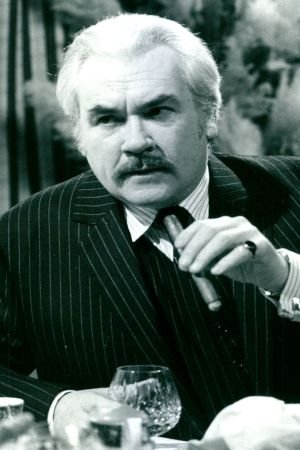
The theme music has the right sort of confidence for this material: it promises pleasure without asking us to take the detectives too solemnly. It is one of the programme’s uncomplicated strengths. Tony Osoba, as Det. Sgt. Chas Jarvis, and Ray Smith, as Spikings, give the central partnership some useful supporting company. Even so, our attention remains firmly on Michael Brandon and Glynis Barber, and the series does little to discourage that preference.
The writing is most vulnerable when it assumes that an American accent and English breeding constitute a joke on their own. Jeffrey Caine, Murray Smith and Dave Humphries are among the credited writers, and the scripts do sometimes rely too heavily on that basic contrast. The actors rescue much of it, but some disagreements feel compulsory, included because another argument is due. Some investigations also need a less predictable route through the case.
The 50-minute episodes are a comfortable fit for this degree of light entertainment. We would not recommend it to anyone principally interested in ingenious cases or a persuasive account of police procedure. Try an episode if two attractive detectives enjoying an argument sound like good company.