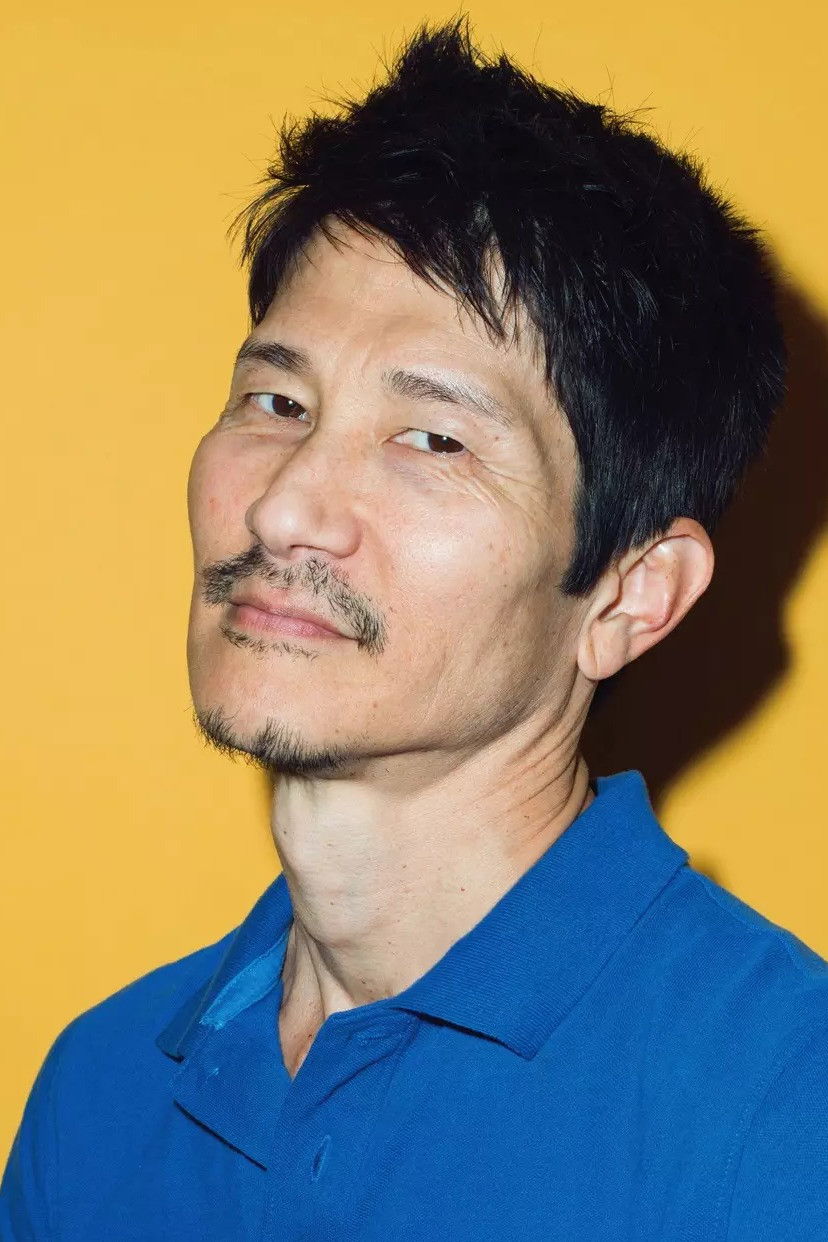
Gregg Araki makes frank, brightly coloured films about young outsiders trying to understand what they want. We like his willingness to be funny about desire, though his characters can be more persuasive than his conclusions.
Fi1m perspective
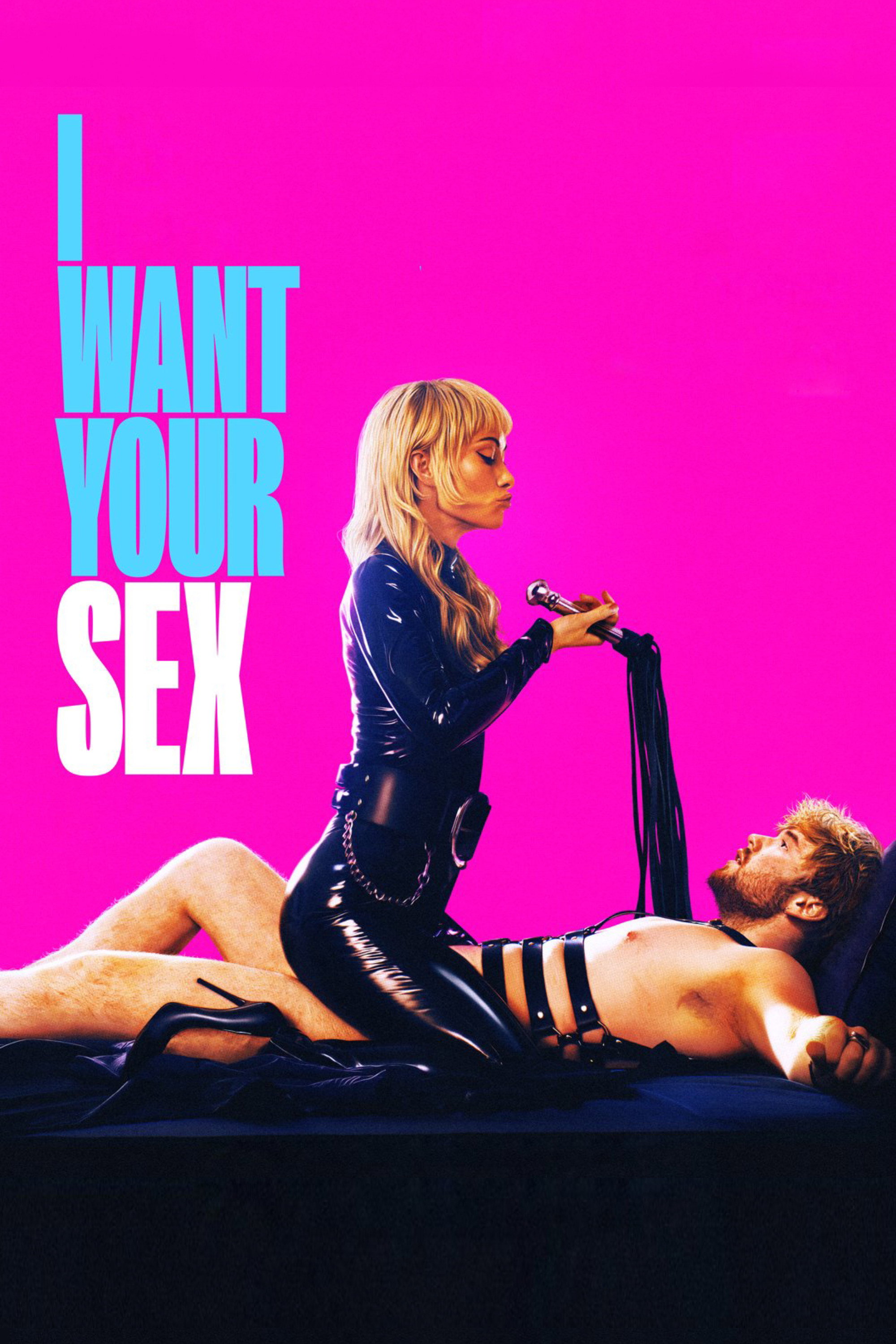
In I Want Your Sex (2026), sexual caution gives Gregg Araki as much material for comedy as desire. We laughed at the jokes about young people's fear of sex, because he lets that fear look ridiculous rather than treating it with automatic respect. The film is good, wilfully silly company. It also finds him rather too ready to explain a generation through one unequal romance.
Young outsiders, queer desire and sexual uncertainty recur in his pop-culture-saturated versions of Los Angeles. The Teen Apocalypse Trilogy — Totally F*ed Up (1993), The Doom Generation (1995) and Nowhere (1997) — brought him to prominence within New Queer Cinema. Personal crises repeatedly come with suggestions that the world itself might end. In Nowhere, the episodic construction makes room for comedy, drama and provocation, without requiring him to keep them neatly separate.
Mysterious Skin (2004), an adaptation addressing childhood trauma, brought him wider critical attention. The subsequent path took in Smiley Face (2007), Kaboom (2010) and White Bird in a Blizzard (2014), then extensive television work. I Want Your Sex ended a twelve-year gap between features, returning to the question of how young people understand their desires.
Working with co-writer Karley Sciortino, Araki gives Olivia Wilde and Cooper Hoffman a relationship worth following before the screenplay adds complications it does not need. Their casting matters: they hold our interest when the writing becomes less convincing. Experience is too readily offered as the answer to younger people's sexual anxiety. The imbalance of authority between the lovers is central to their attraction, yet the writing leaves some of its awkwardness unexplored. His pleasure in teasing the young sometimes makes him too quick to dismiss their concerns.
Araki also edits, and the film's 90 minutes still feel overextended once the plotting gets busier. The rhythm becomes less assured as extra business interrupts our interest in the leads. We would happily lose several complications and stay with the relationship that was already holding our attention. Try I Want Your Sex for the performances and the frank comedy, with no expectation that it will tell us much about an entire generation.
Biography
Gregg Araki is an American film director, screenwriter and producer. He was born on 17 December 1959 in Los Angeles, California, and grew up in Santa Barbara. He holds a BA from the University of California, Santa Barbara and an MFA from the University of Southern California.
Araki began directing feature films in the late 1980s. He is associated with the New Queer Cinema movement and is known for the Teenage Apocalypse trilogy comprising Totally F*ed Up (1993), The Doom Generation (1995) and Nowhere (1997). Other notable films include Mysterious Skin (2004), Kaboom (2010), which received the first Queer Palm at Cannes, and White Bird in a Blizzard (2014). He has also directed episodes of television series including Riverdale and 13 Reasons Why.
In 2026 Araki wrote, directed and edited the feature I Want Your Sex.