Gregg Araki’s sex comedy is funny and well cast, with Olivia Wilde and Cooper Hoffman making its unequal romance worth following. The jokes about generational prudishness work better than the overcomplicated plotting.
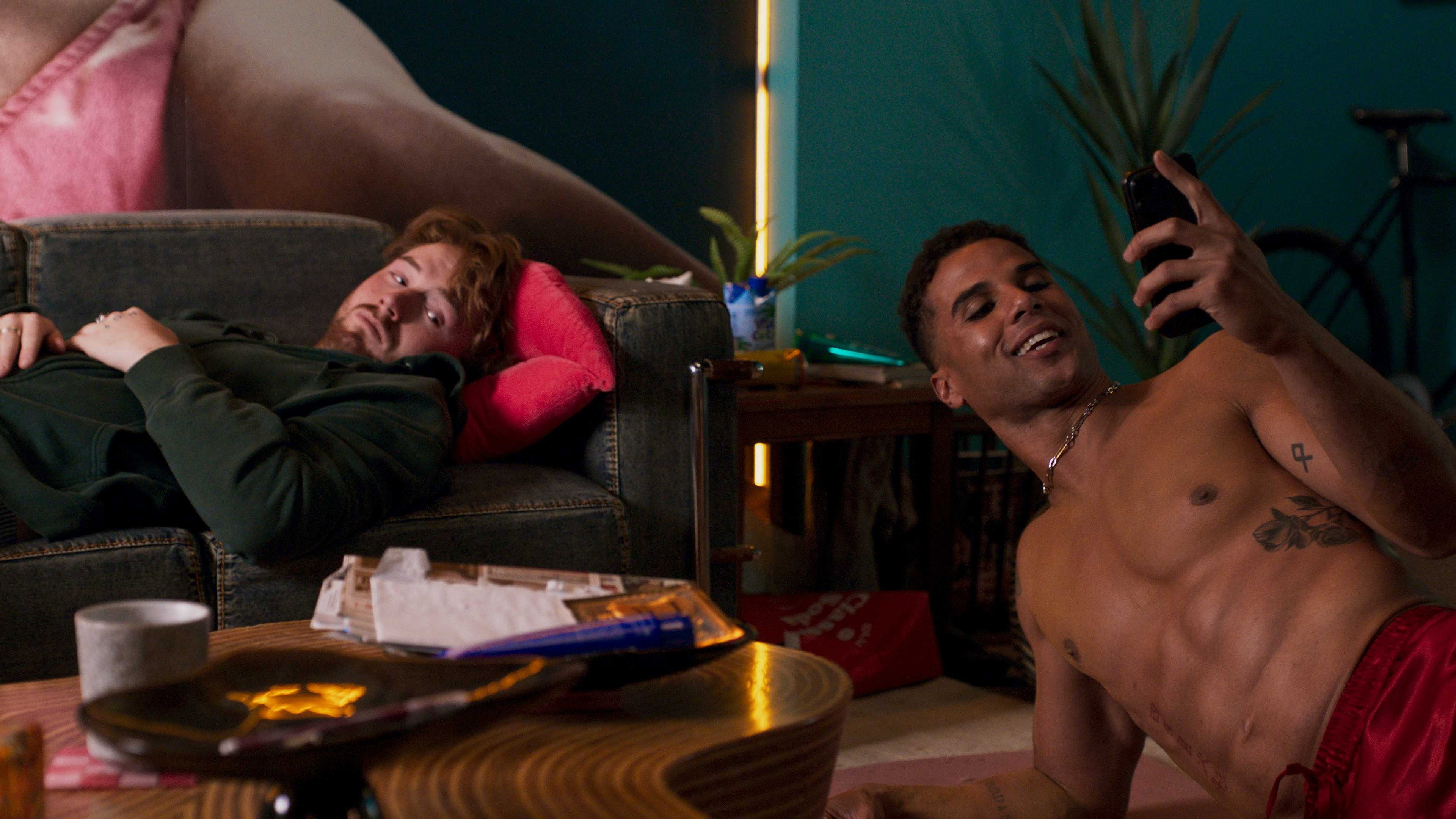
Gregg Araki’s I Want Your Sex has a fairly agreeable suggestion: being afraid of desire can make people ridiculous too. It is a good, wilfully silly sex comedy, held together by Olivia Wilde and Cooper Hoffman when the story starts adding complications it does not need. Araki and co-writer Karley Sciortino take particular pleasure in teasing the sexual caution of the young. Their willingness to laugh is welcome, though their picture of a generation can be rather convenient.
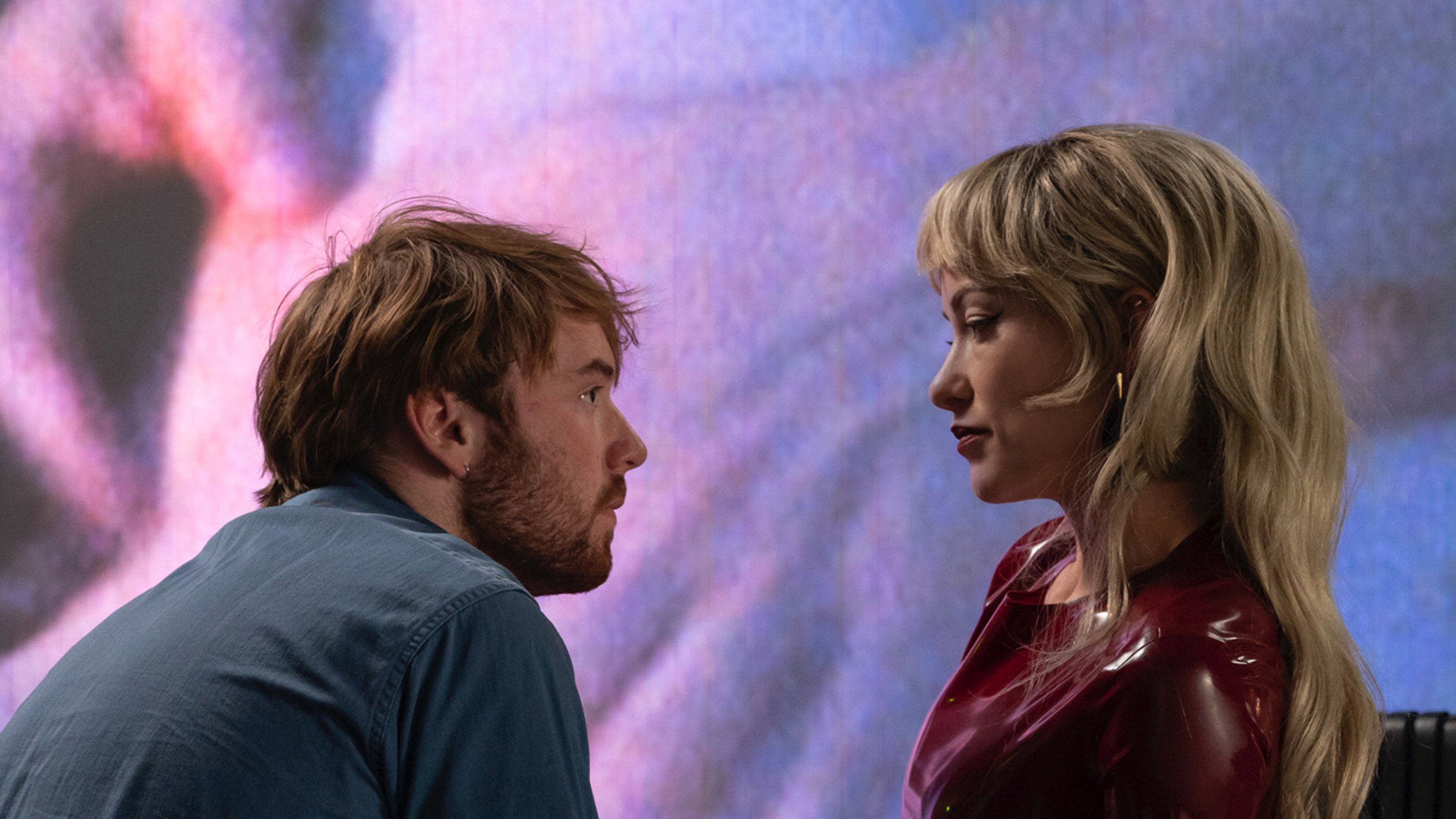
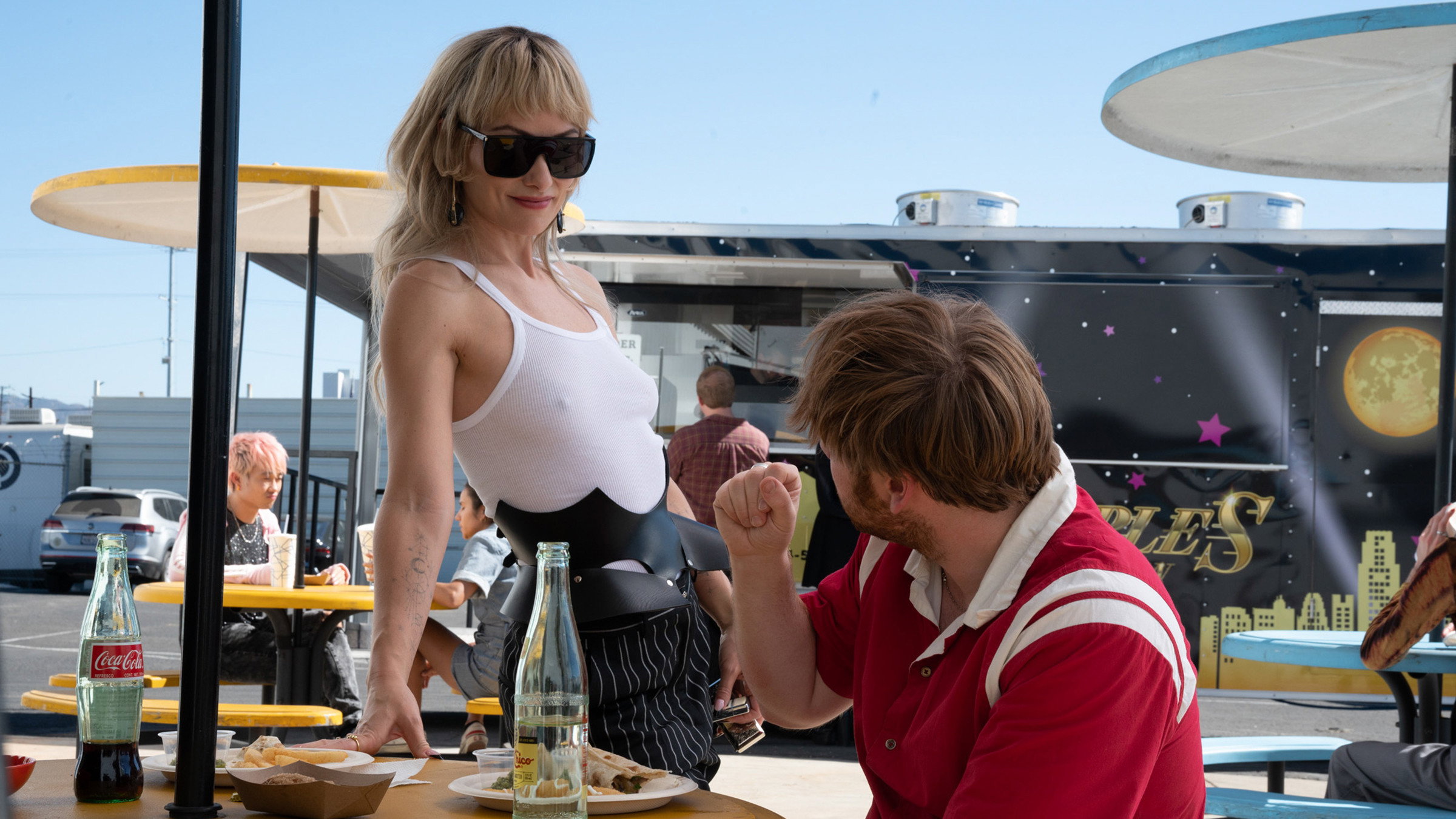
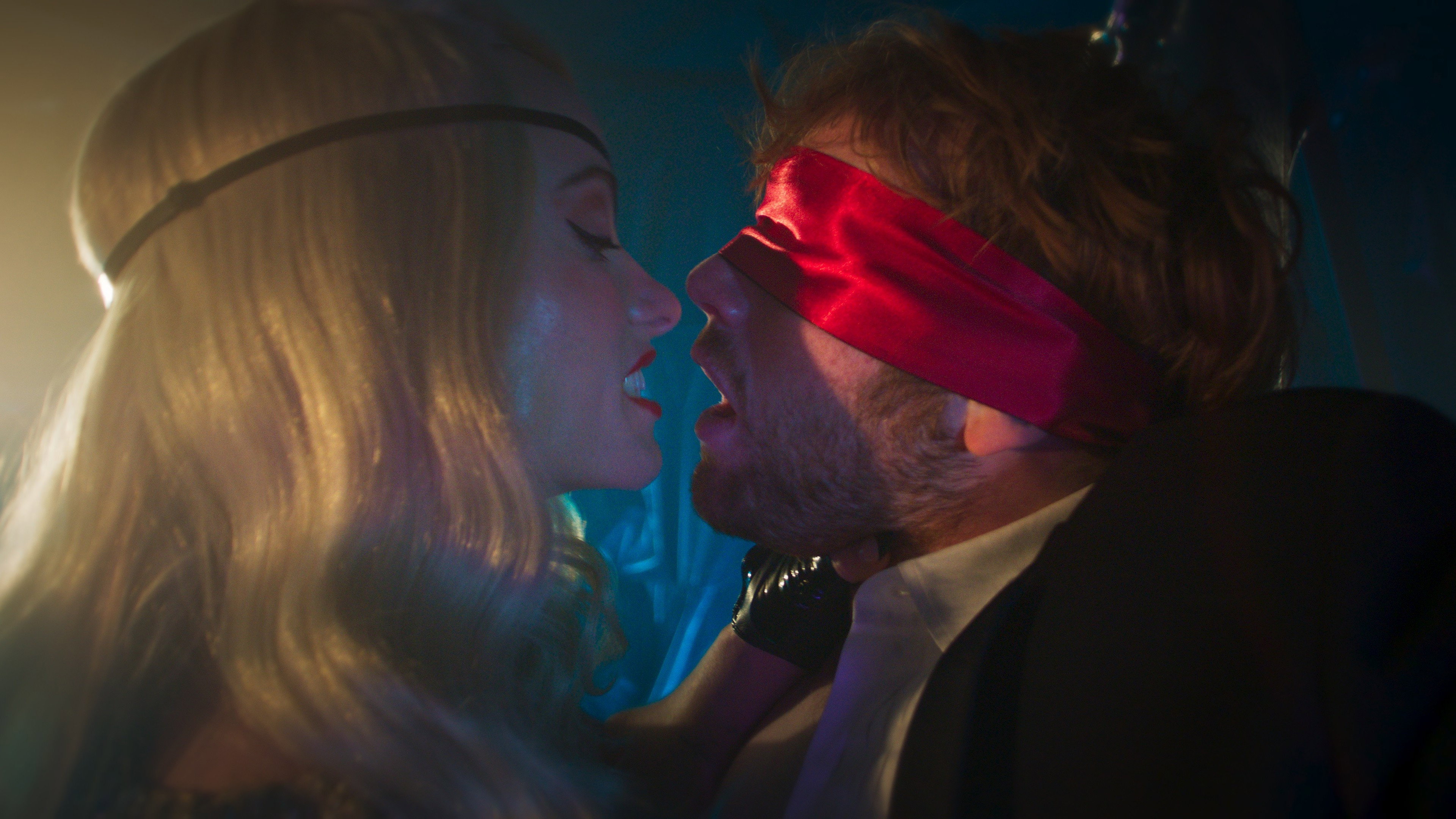
Hoffman’s Elliot Bell is the young assistant whom Wilde’s artist Erika Tracy seduces, so their relationship begins with an imbalance of authority. Wilde plays Erika with the confidence of someone who expects agreement and has little practice waiting for it. The camp exaggeration works because she makes Erika’s appetite seem enjoyable as well as selfish. We laughed at her imperious treatment of Elliot, then felt uneasy about what we were finding funny. She is, after all, still his employer.
Hoffman gives Elliot enough charm to keep him from becoming merely the person on whom Erika demonstrates her opinions. He makes the attraction between them credible, which matters more than how outrageous the dialogue is allowed to become. When they are together, the film can accommodate desire, embarrassment and unequal power without stopping for a lecture. That is where its kindness towards people making questionable decisions feels most convincing.
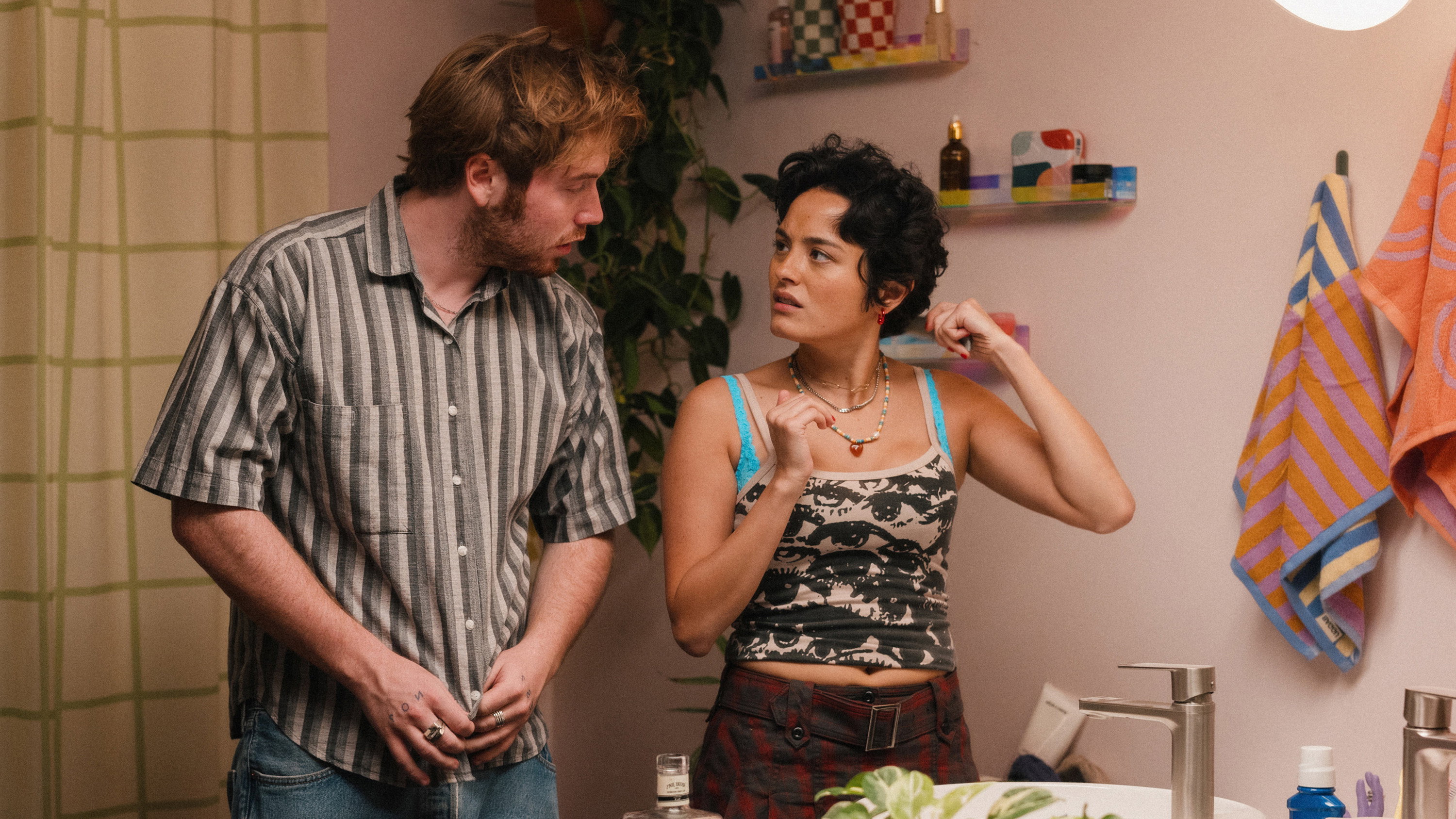
Tucker Korte’s cinematography supplies bright colour, a sensible choice for a comedy that wants sex to seem enjoyable. Angelique Clark’s production design makes the art-world setting feel cheerfully artificial, giving the exaggerated performances somewhere they can belong. The effect is attractive, although the polish also makes the supposed danger feel rather safe. James Clements is credited for music, and the pop soundtrack helps the film retain its cheerful mood. There is no need for the audience to treat these appetites more solemnly than the characters do.
Araki and Sciortino are less convincing when they treat young people’s anxiety about sex as something experience should simply clear up. Elliot’s involvement with Erika cannot support all the conclusions the film wants to draw about his generation. The comedy also leaves some of the awkwardness of her authority unexplored, despite making it central to their attraction. These are limitations worth noticing in a film that is so keen to offer sexual advice.
Araki also edits, and the film’s 90 minutes do not prevent it from feeling overextended once the plotting becomes busier. We will leave those developments alone, except to say that they demand attention the central relationship was already earning. The rhythm becomes less assured as the screenplay accumulates business around two performers who were doing enough. Several later complications could go without costing us much pleasure.
As a sex comedy, it works best when it lets attraction be funny without making the people involved look contemptible. That is a useful quality in a genre that can be quick to confuse humiliation with wit. Even when its account of sexual freedom feels thin, the affection for these fallible people remains persuasive. Choose it for a mischievous evening, not a reliable guide to sleeping with an employer.