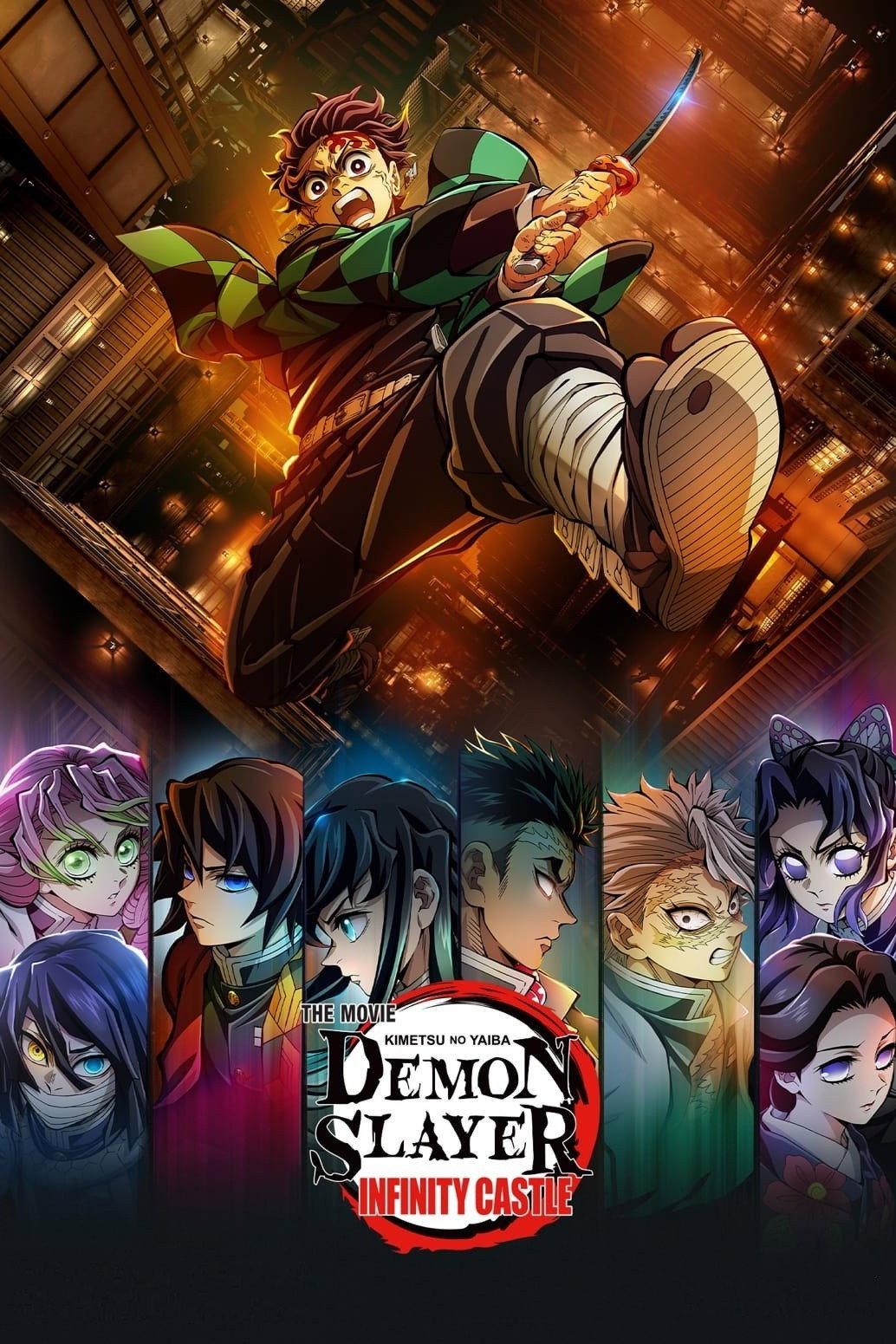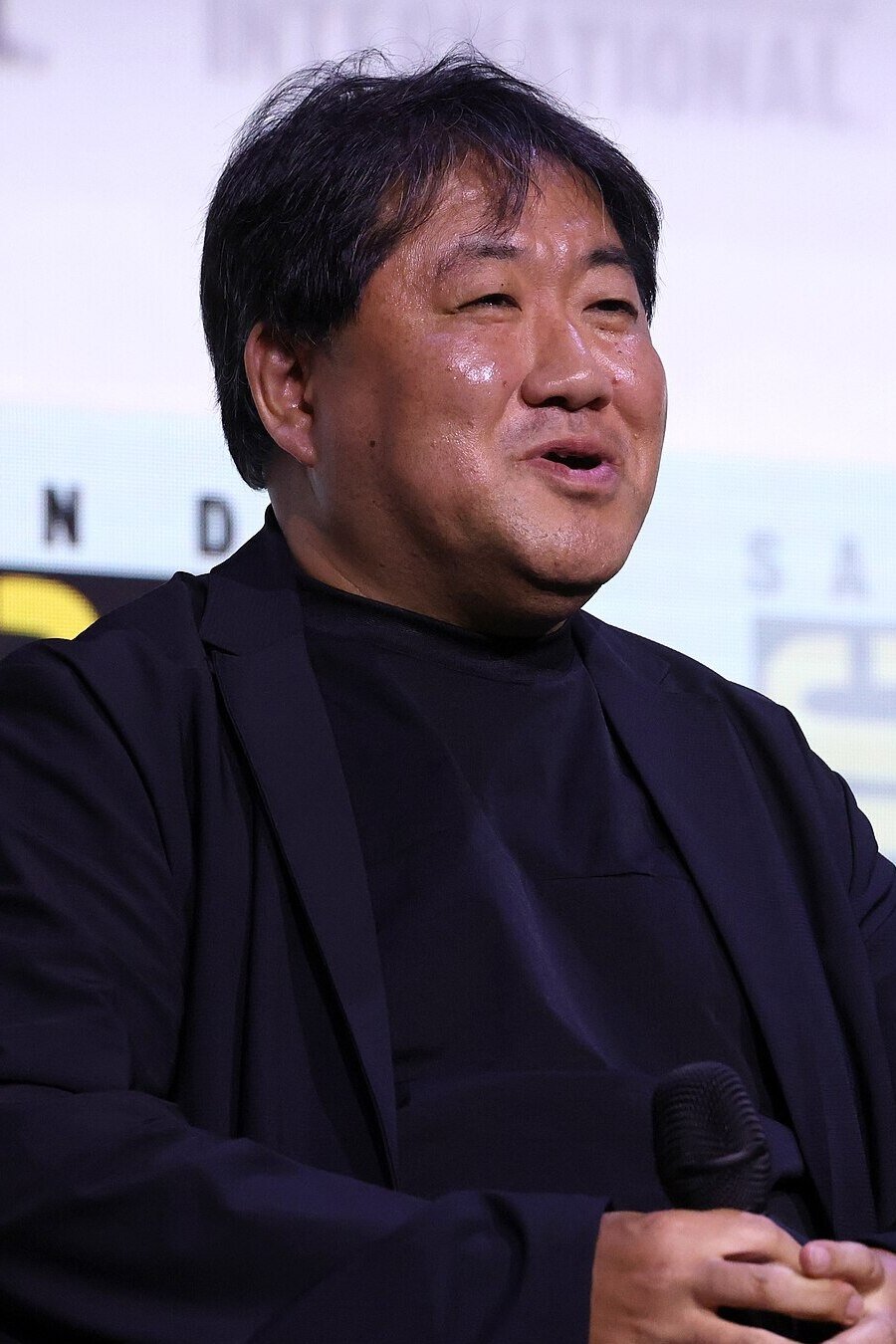
Haruo Sotozaki makes animated combat worth following move by move and gives his enemies reasons to fight. We rate his action highly, though his habit of interrupting a good fight to explain its participants needs firmer control.
Fi1m perspective
A duel is under way, the moves are worth watching, and Haruo Sotozaki sends us back into somebody’s past. Demon Slayer: Kimetsu no Yaiba Infinity Castle (2025) repeatedly tests our patience that way. Yet its opponents have enough resentment and suffering to make their histories matter, and the fighting has enough invention to bring us back. We recommend his action to those already invested in the series, with reservations about how often he interrupts it.
Before Demon Slayer, his series work ran from Ninja Nonsense (2004) to Tales of Zestiria the X (2016–2017). The turn came with Demon Slayer: Kimetsu no Yaiba (2019–2024), which established his reputation for action at ufotable. Mugen Train (2020) took that work into cinemas, followed by Infinity Castle. The latter’s episodic rhythm shows the difficulty of sustaining a feature through one confrontation and recollection after another.
His action combines hand-drawn characters with computer-generated environments, an approach that needs close attention to how the two fit together. Sotozaki’s supervision extends from storyboards and key animation checks to character acting and composition across shots. Among his collaborators is director of photography Yūichi Terao; the consistent visual style is the work of a long-standing ufotable team. In Infinity Castle, that collective effort produces elaborate arenas without making the individual moves feel incidental. We can appreciate the setting and still follow the people fighting inside it.
The limit is his handling of time. Editor Manabu Kamino has to hold Infinity Castle’s encounters together, and the repeated returns to the past keep breaking the momentum. We grew impatient when another flashback delayed combat that was already holding our attention. The low-key comedy offers welcome relief, and some of the demons’ histories deserve the pause, but at 156 minutes the film needs firmer decisions about which memories to keep. Do not make Infinity Castle an introduction to Demon Slayer; Sotozaki expects us to know these people already.