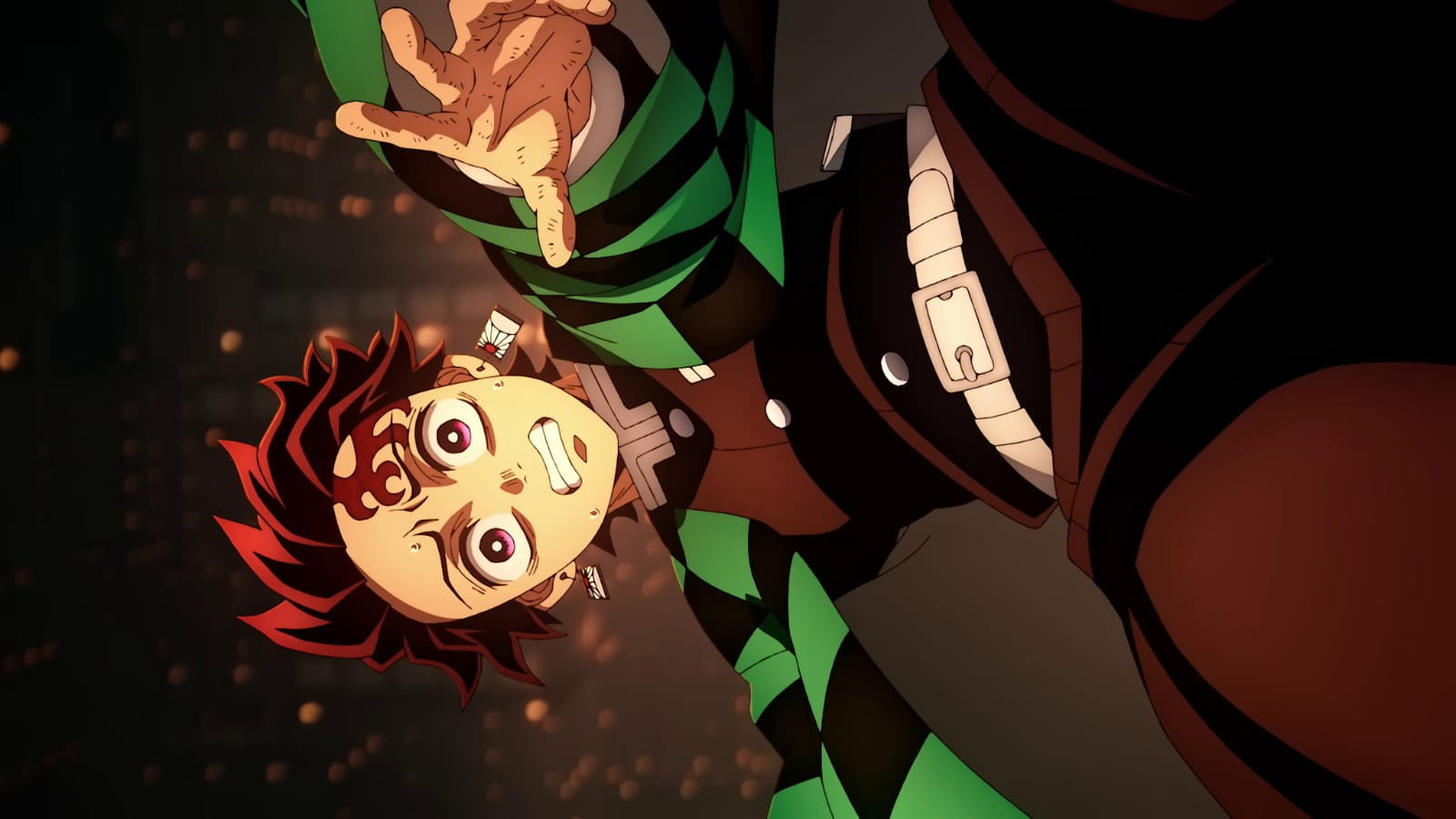
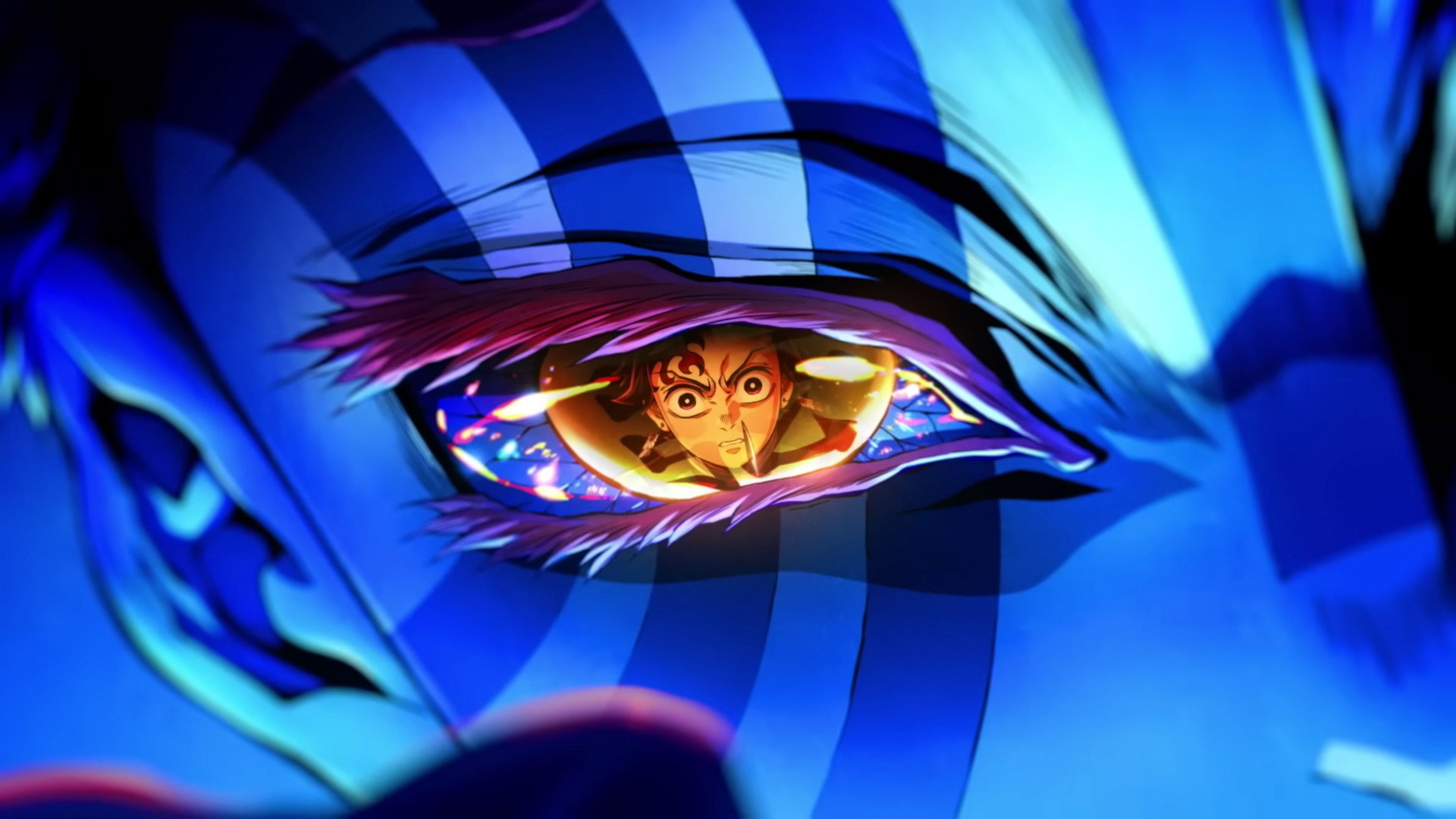
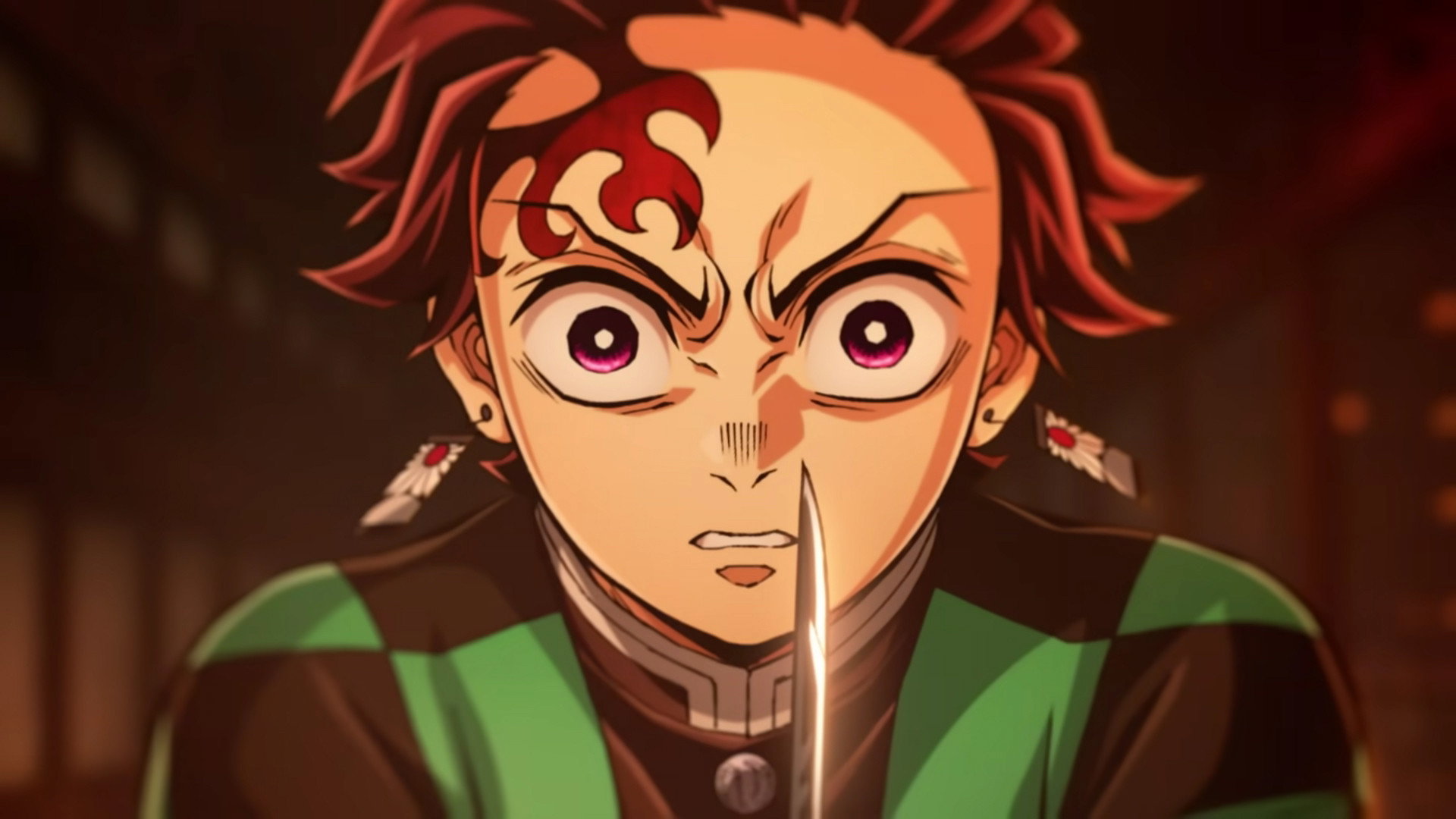
Haruo Sotozaki delivers inventive animated combat and gives the demons enough history to make their suffering matter. We recommend it to series followers, with a warning that repeated flashbacks make an already long film feel longer.
Haruo Sotozaki’s Demon Slayer: Kimetsu no Yaiba Infinity Castle is good action animation with an awkward habit of stopping to explain the people doing the fighting. We recommend it to those already invested in the series, provided they have some patience for repeated journeys into the past. As the first film in a concluding trilogy, it has plenty to get through and little interest in easing us into its mythology. At 156 minutes, the bursts of combat have to sustain a long evening.
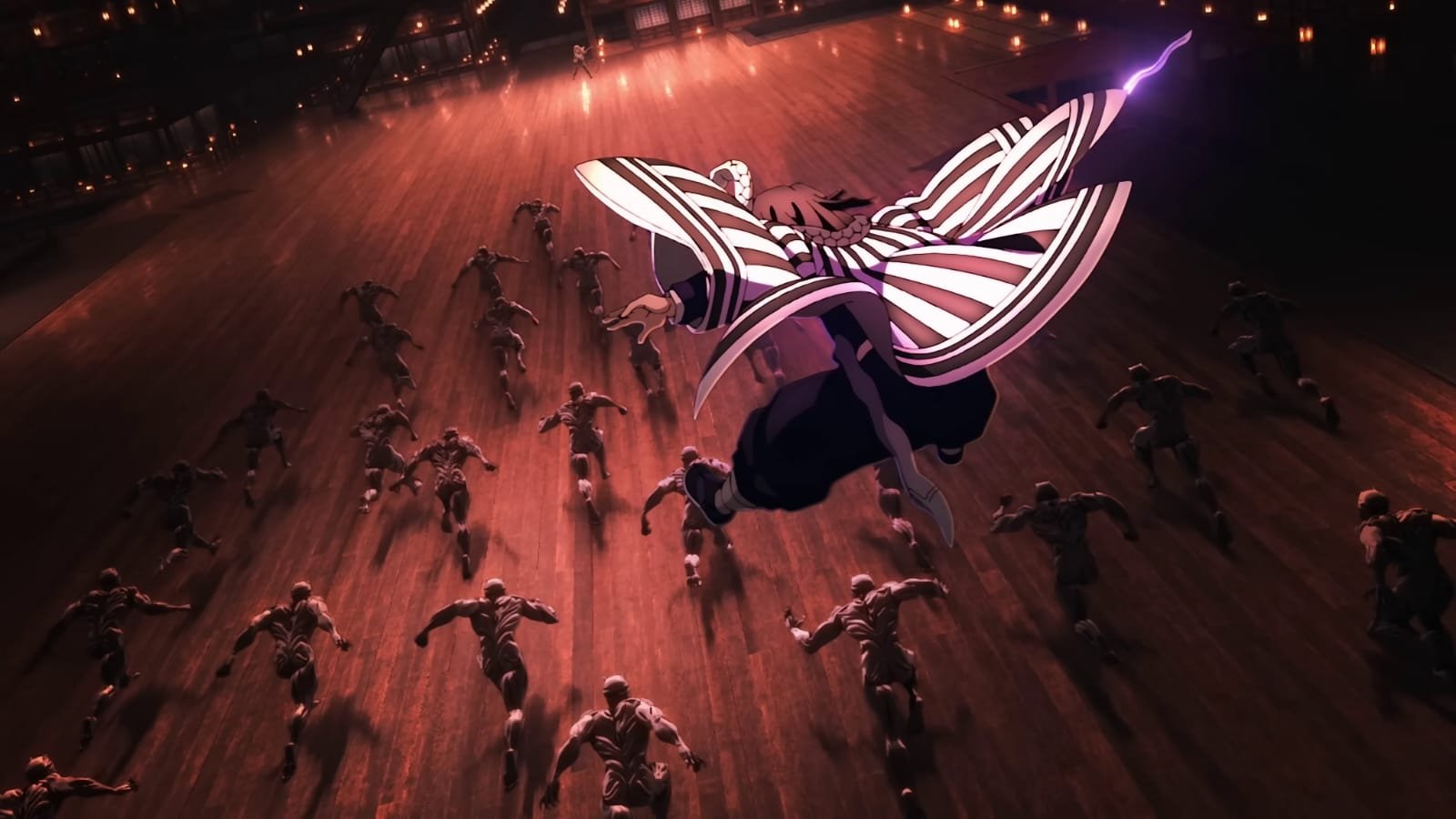
The castle earns a substantial share of that running time. Yuichi Terao’s cinematography follows the fights through a shifting labyrinth, so that keeping track of the space becomes part of the excitement. We were exhilarated by the way the fights carried on through those changes, with the building itself making each encounter less predictable. The setting also gives the duels variety, although the sheer amount of movement sometimes makes it difficult to decide where to look.
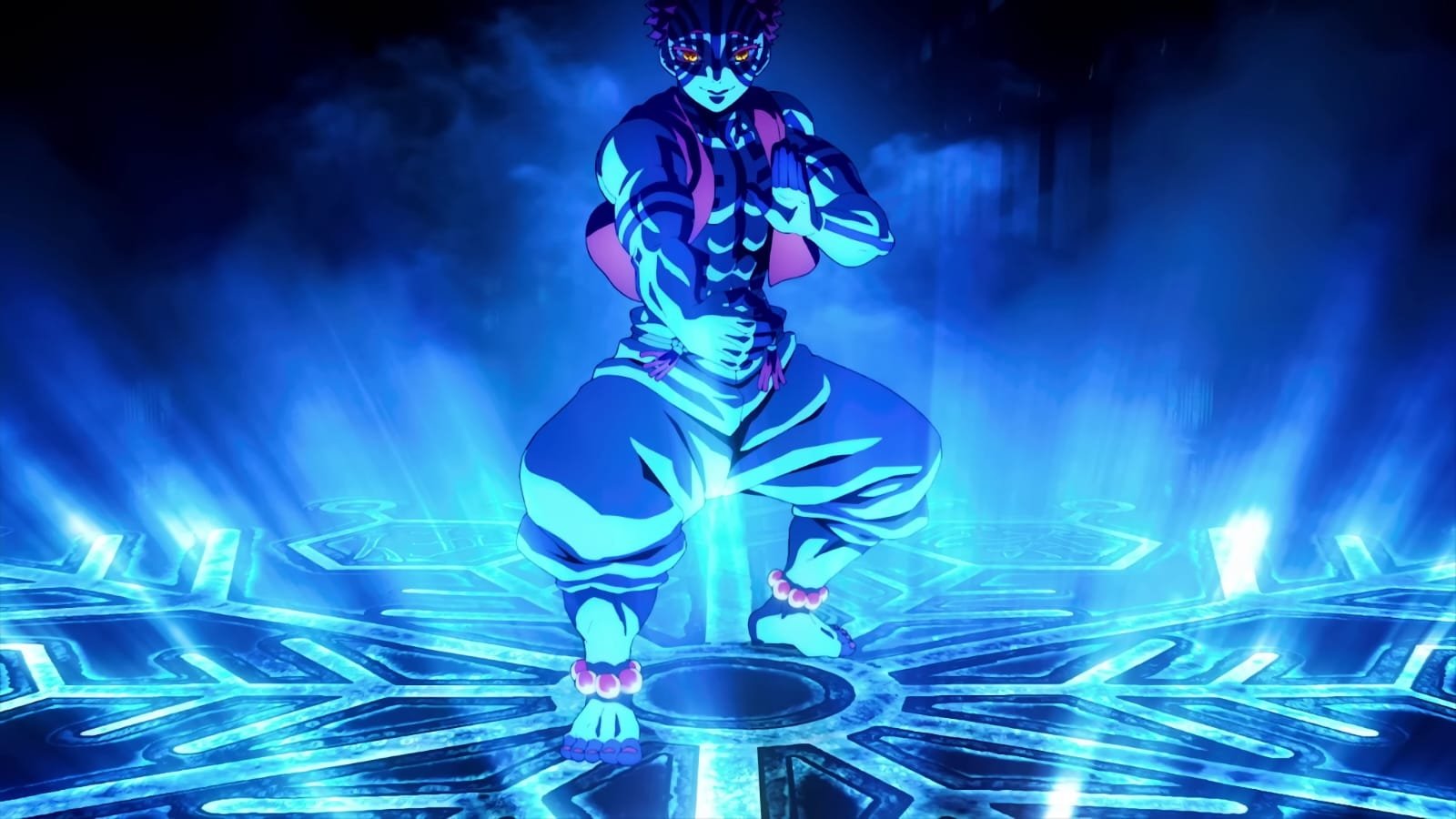
Sotozaki understands that an elaborate arena still needs combat worth following. The personal duels have enough invention to reward attention to individual moves, and resentment gives the violence a purpose beyond demonstrating what the animation can do. That matters in an action fantasy this long, where a succession of interchangeable opponents would quickly become a chore. There is low-key comedy among the melodrama, too, and those lighter moments are welcome when so much else demands an intense response.
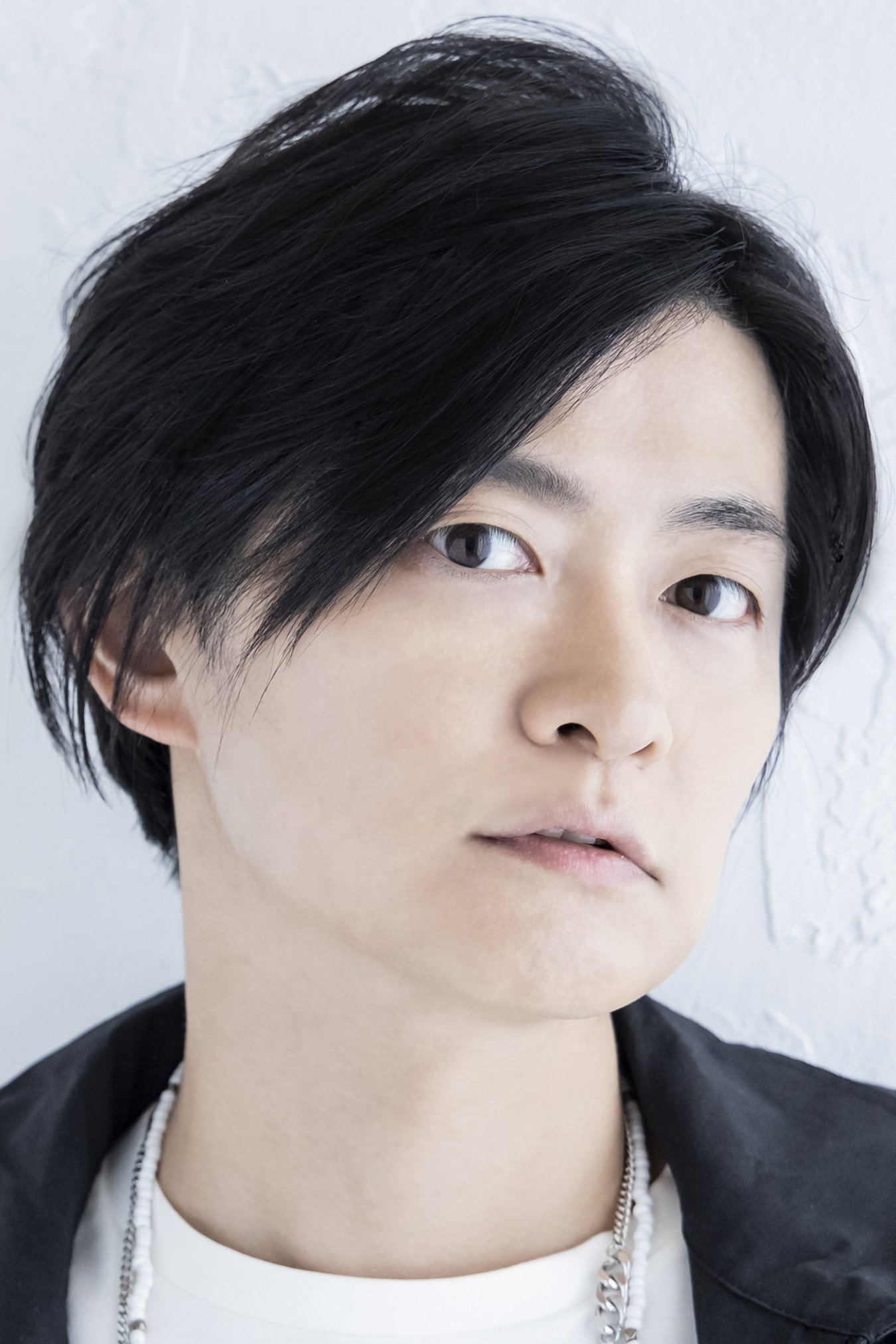
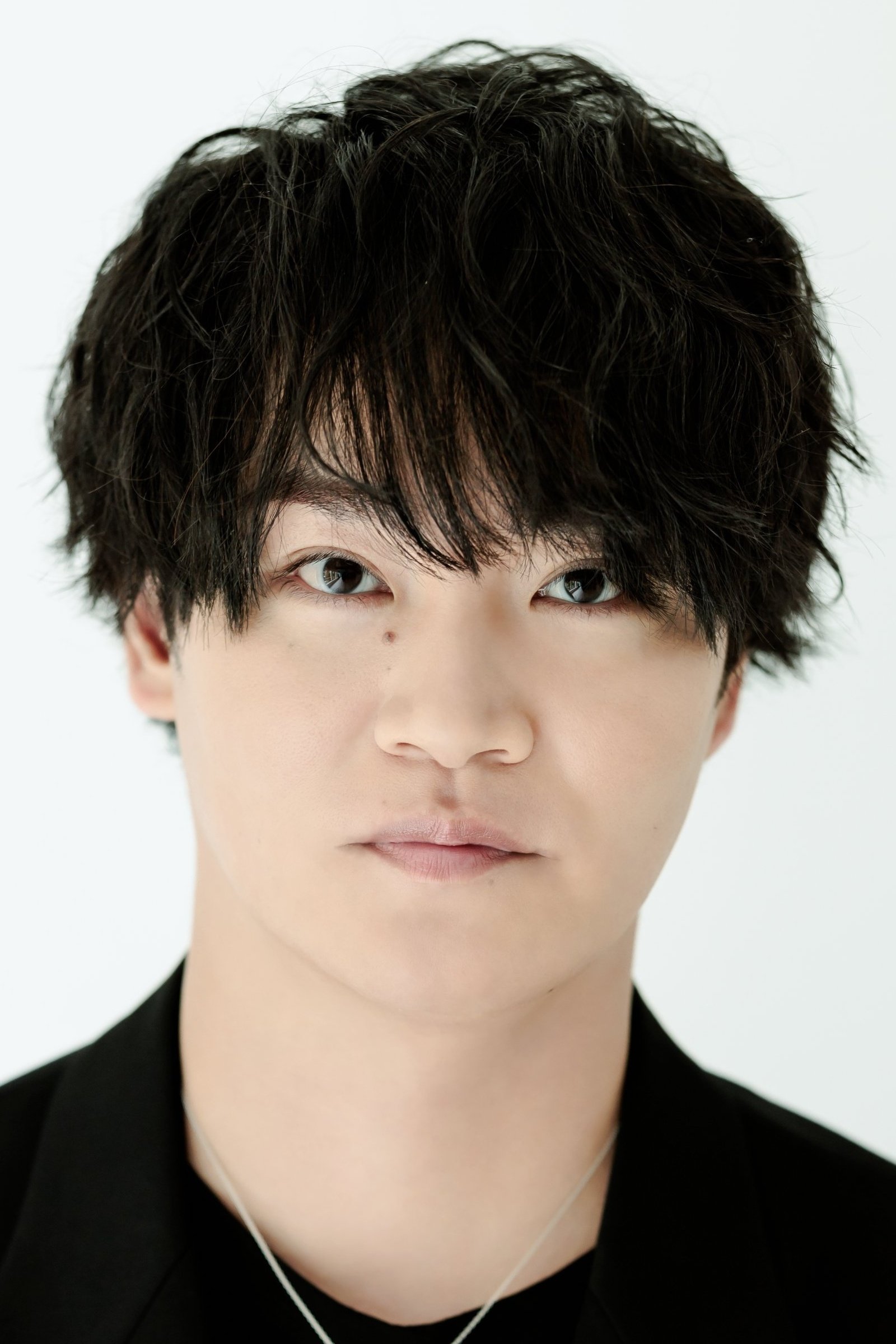
The demons benefit most from the attention paid to personal history. Akira Ishida voices Akaza and Mamoru Miyano voices Doma, and the performances give the antagonists enough presence to withstand the film’s busy imagery. The flashbacks ask us to reconsider people we have been watching as opponents, and some of that material is affecting. The trouble is that asking for sympathy becomes a familiar stage in the encounters, and familiarity starts to weaken the effect.
Manabu Kamino’s editing has the difficult task of holding these encounters together as one film. The repeated pattern of confrontation, recollection and combat gives it an episodic rhythm, and once that rhythm is established, another flashback can feel like a delay before the part we came for. Some histories deserve the time, especially when they deepen a demon’s character. Sotozaki lets too many of them interrupt the forward movement, making a film full of speed feel longer than it needs to.
Yuki Kajiura and Go Shiina’s music helps maintain the urgency, though it cannot solve that stop-start structure. The film also expects a fair amount of familiarity with the series, and its opening offers limited help with the mythology. Newcomers can follow the physical contests while still struggling to understand the weight attached to every grievance. The fights provide an immediate attraction, but they cannot supply all the missing context.
An action fantasy can get a long way on inventive combat, and Sotozaki supplies enough to make the interruptions worth tolerating. The sympathy for its enemies gives this one more to offer than a sequence of increasingly difficult fights. It still needs an audience willing to bring some knowledge and a fair amount of patience. Give it a large screen and an uninterrupted evening, but make your introduction to the series elsewhere.