Jean-François Richet makes confined action clear and forceful, and we value that practical skill. Mutiny also shows his limits: he can give a fight weight without making the conversations between fights worth the wait.
Fi1m perspective
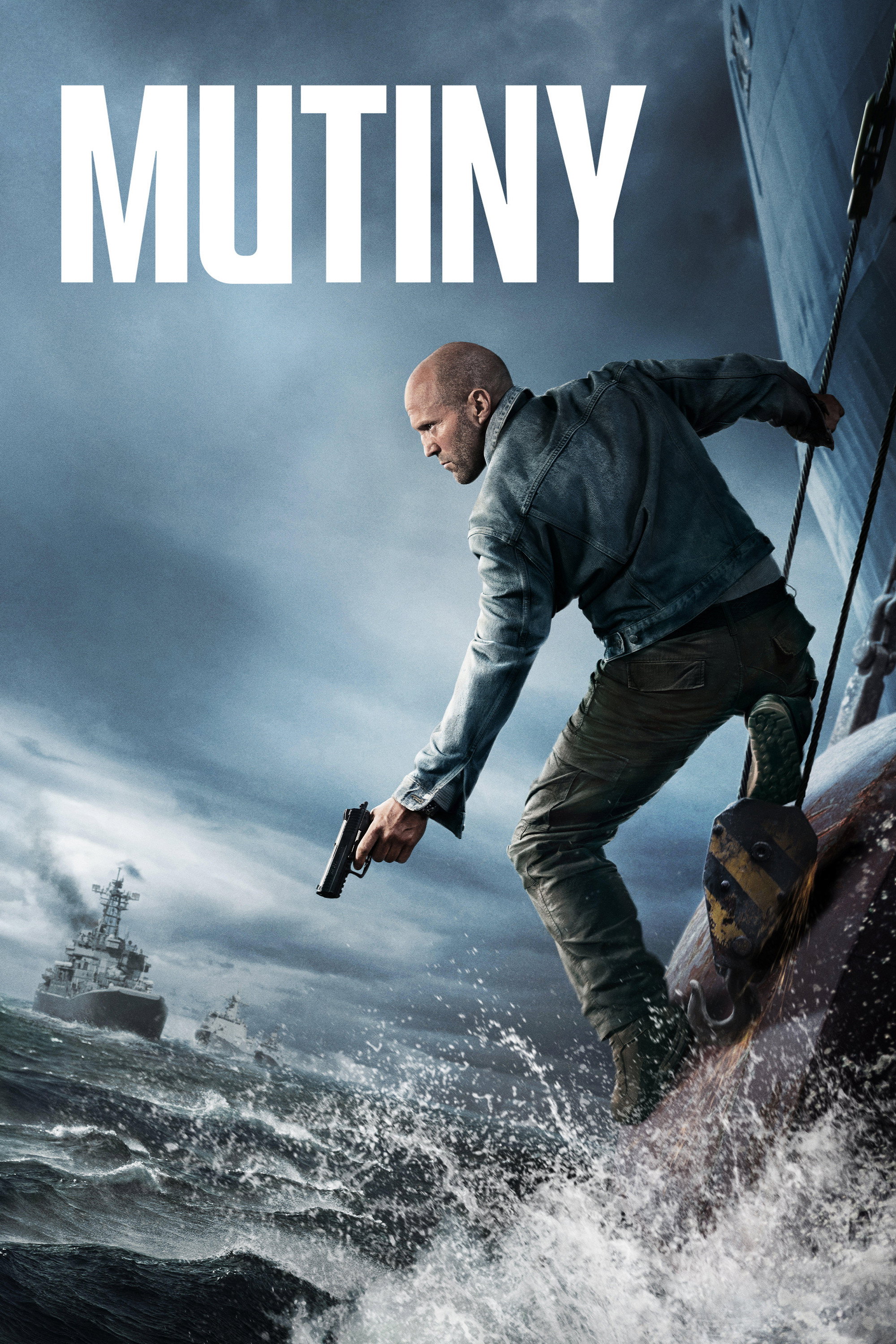
In Mutiny (2026), a cargo ship gives Jean-François Richet little room for a fight, and he makes good use of it. Jason Statham's blows are forceful, but we can still follow who is doing what. Richet lets the confines shape the action rather than pretending there is more space. We rate him as a capable action director whose staging can make weak material watchable, though Mutiny needs that help too often.
He began with working-class life in État des lieux (1995). Ma 6-T va crack-er (1997) cast non-professional actors from the suburbs it depicted in a story of gang violence. Assault on Precinct 13 (2005), his first English-language film and a remake of John Carpenter's siege thriller, moved him towards more conventional action. The two-part gangster biopic Mesrine: Killer Instinct / Public Enemy No. 1 (2008) also required him to manage a large ensemble.
Later action films paired him with Mel Gibson in Blood Father (2016), Gérard Butler in Plane (2023) and Statham in Mutiny. That gives the career a plainer commercial direction, though crime and survival have remained recurring subjects. In Mutiny, at least, he understands what his lead can supply and does not ask a straightforward revenge story to carry more importance than it can bear.
Brendan Galvin's cinematography keeps Mutiny's close-quarters fights intelligible, and Russell De Rozario's production design makes the ship feel cramped and unwelcoming. Richet puts both to work: the location changes how the fights play, rather than merely supplying a backdrop. We winced at the bloody impacts, then felt sheepish about enjoying them, because the staging makes each blow register without losing the absurdity of the spectacle.
The waiting is harder to defend. Mutiny takes too long over corporate espionage and betrayal, and its conversations cannot sustain the interest that its fights create. We would not excuse that simply because the film knows its audience. Choose Mutiny for Statham, with fair warning about the conversations.
Biography
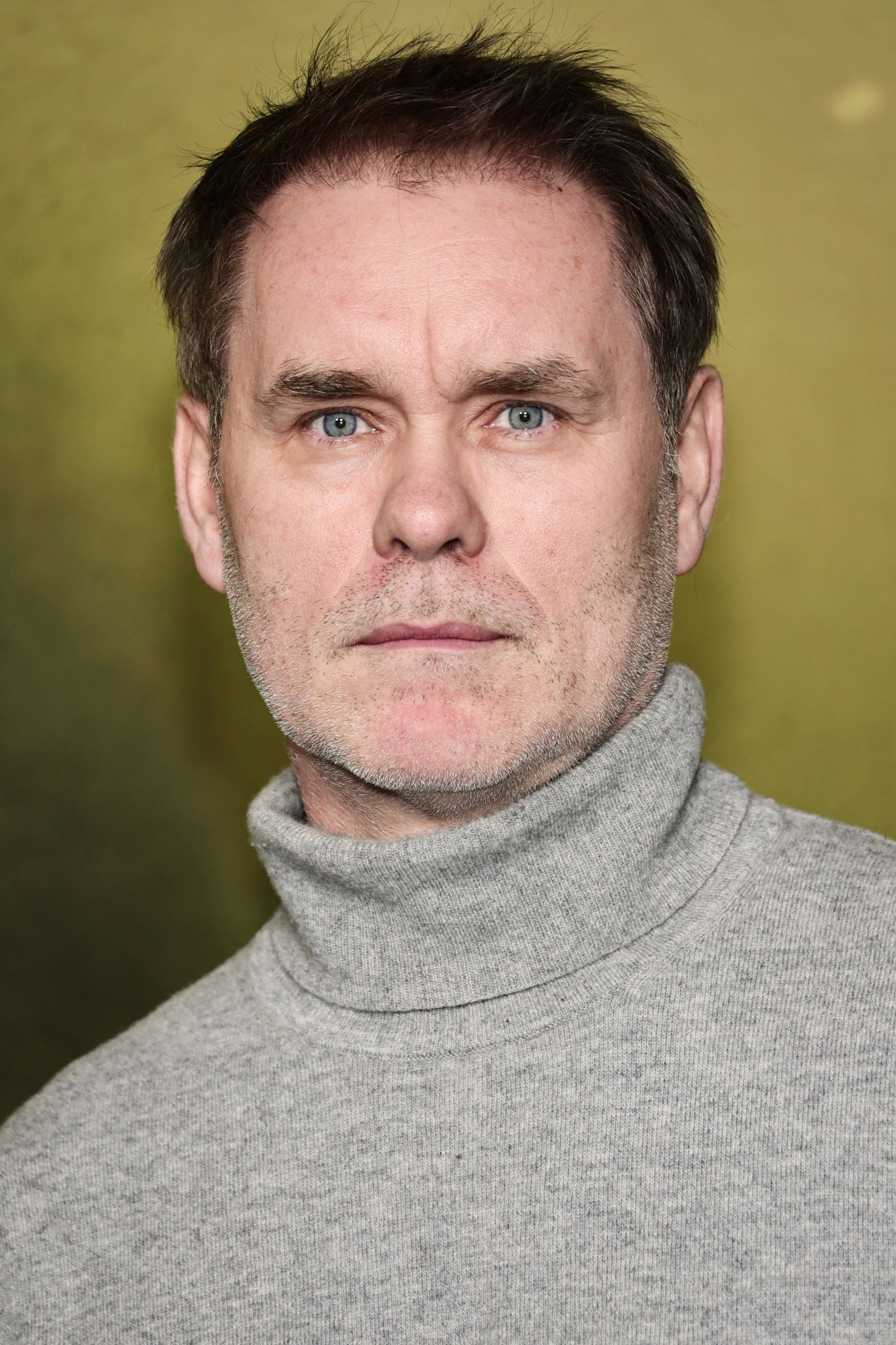
Jean-François Richet is a French film director and screenwriter. Born on 2 July 1966 in Paris, he began his career with the low-budget features État des lieux (1995) and Ma 6-T va crack-er (1997), both set in French housing projects.
He directed the English-language remake Assault on Precinct 13 (2005) and achieved wider recognition with the two-part crime biopic Mesrine: Killer Instinct and Mesrine: Public Enemy No. 1 (both 2008), for which he received the César Award for Best Director. Later credits include Blood Father (2016), The Emperor of Paris (2018), Plane (2023) and Mutiny (2026).