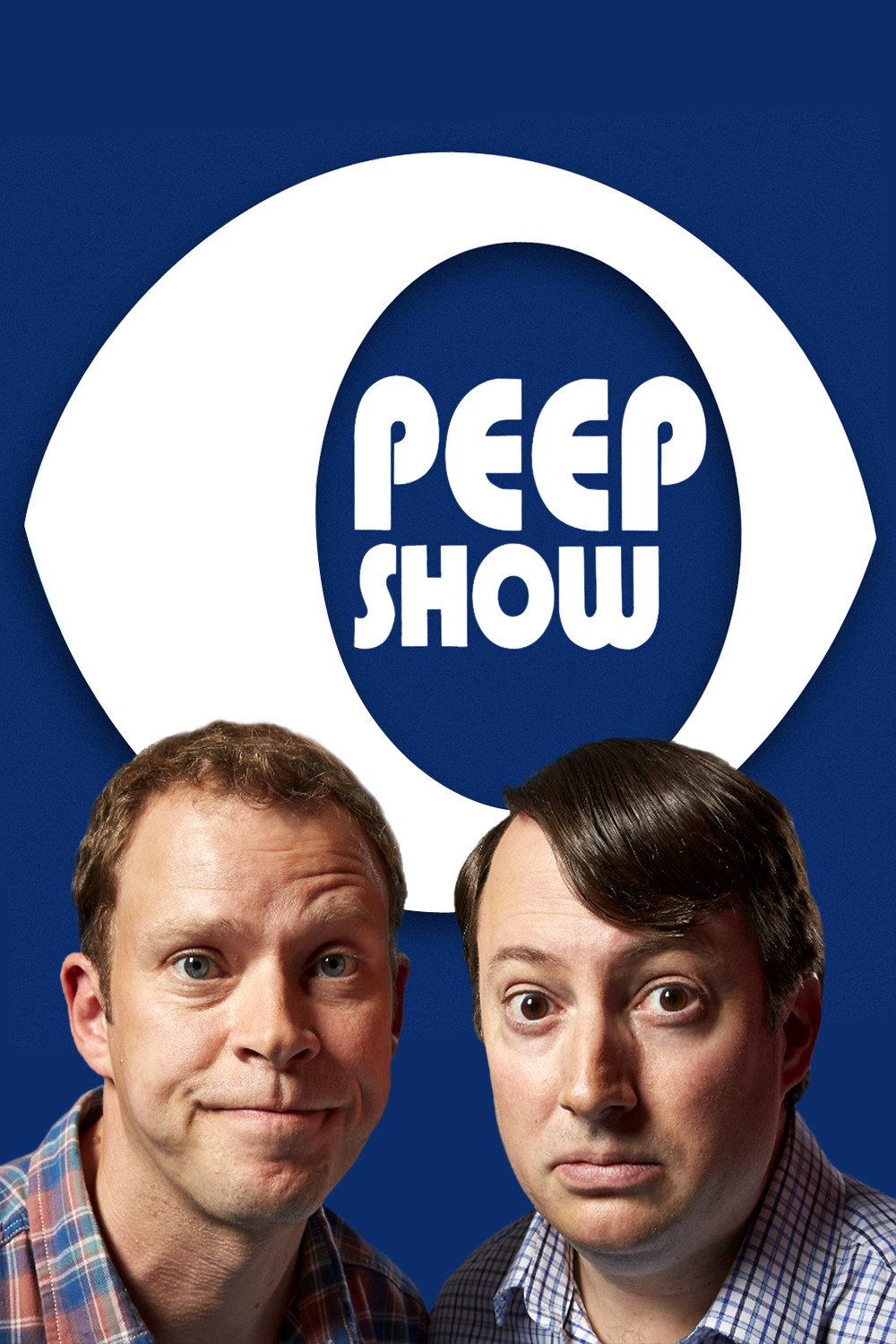
Jeremy Wooding helped make Peep Show's private excuses painfully public. We rate his handling of its point-of-view comedy highly; his features show a separate appetite for mixing genres.
Fi1m perspective
A face fills the view in Peep Show (2003), and an ordinary conversation starts to feel like an examination. The person looking has a private explanation for everything; the person being looked at cannot answer it. Wooding's contribution to the first series was to make that point-of-view filming and internal monologue work together in practice. We rate the result highly because the technique keeps changing how a joke lands throughout an exchange. Even a neutral expression can look hostile when the voice in our ear is determined to misunderstand it.
The route to that work began with DIY shorts in the late 1990s, including the London Love Trilogy. His feature debut, Bollywood Queen (2002), expanded his short Sari & Trainers into a cross-cultural musical romance. After Peep Show, a decade of television, including children's programmes, preceded a return to features with The Magnificent Eleven (2013). Blood Moon (2014) is a werewolf western, while Burning Men (2019), which he co-wrote, directed and produced, is a rock 'n' roll road film. The genres change often enough to make a single description of his cinema unhelpful.
The credit for Peep Show cannot belong to its camera alone. David Mitchell and Robert Webb give every excuse its due, while the writing keeps private cowardice painfully funny. Our praise for the direction extends to Tristram Shapeero as well as Wooding, both working within a format that gives faces an unusual amount to do. We laughed, then felt uncomfortable, because the close camera and private commentary make even a neutral face seem threatening. The sustained embarrassment can become tiring, though the writing and performances are strong enough to keep us watching.
His feature choices give us a reason to stay curious, but combining genres does not guarantee that the films work. The clearest case for Wooding remains the practical business of making that difficult comedy format hold together. Begin with the first six episodes of Peep Show, preferably without trying to endure them all in one sitting.
Biography
Jeremy Wooding is a British film and television director. He directed the first series of the Channel 4 sitcom Peep Show (2003), comprising its initial six episodes.
Wooding's other television credits include episodes of Dani's House (2008), The Legend of Dick and Dom (2009) and Bear Behaving Badly (2009–2010). His feature films as director include Bollywood Queen (2002), The Magnificent Eleven (2013), Blood Moon (2014) and Burning Men (2019). He also directed early episodes of Derren Brown: Mind Control (2000–2002).
Wooding was born in 1969 in Northampton, Northamptonshire.