José Padilha came out of documentaries and has never quite left them: he shoots fiction as if it were evidence, and cuts real footage against the staged. It gives his work on corruption and the drug trade a weight his American projects have rarely matched.
Fi1m perspective
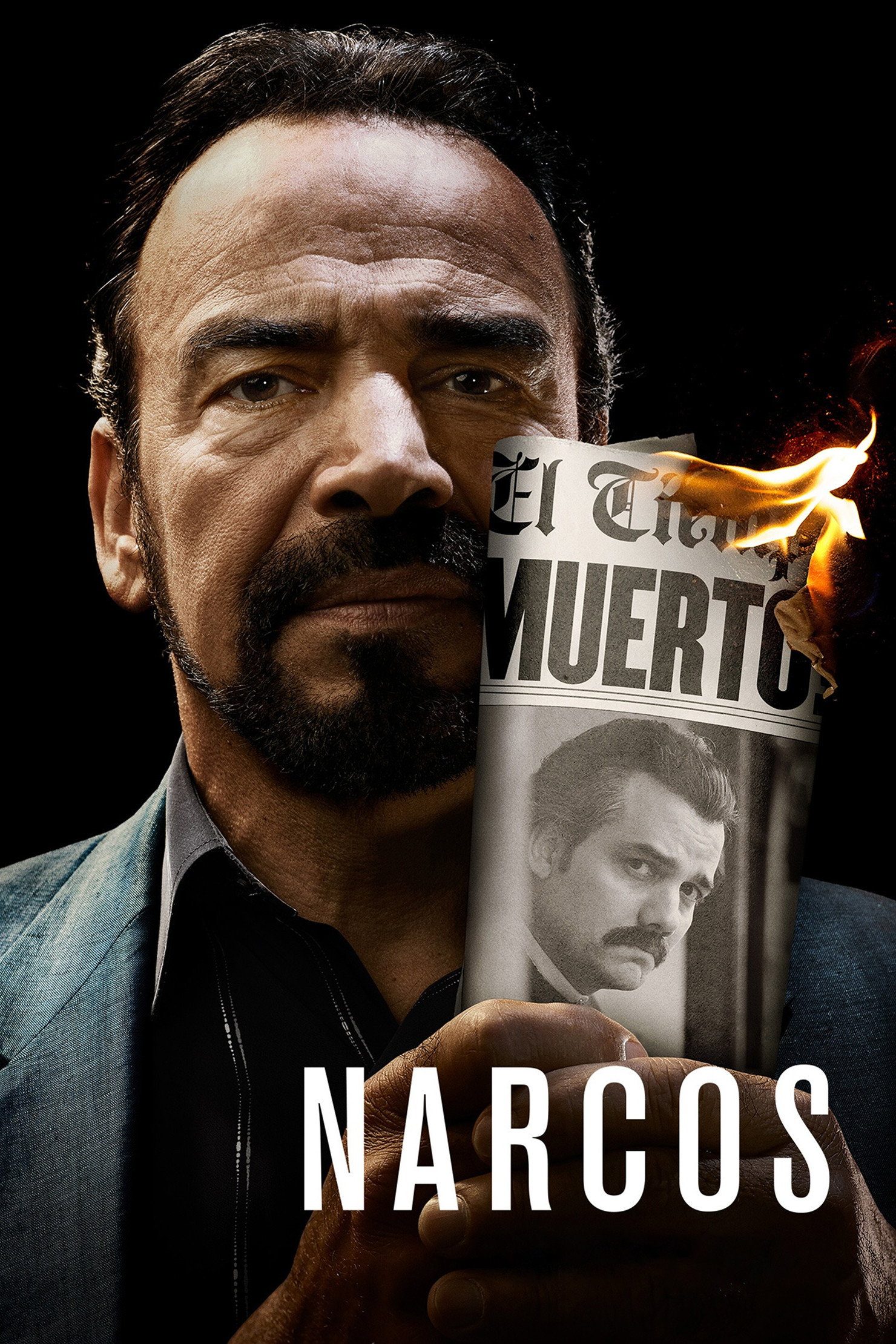
The thing to notice in the first two episodes of Narcos (2015), the ones Padilha directed himself, is the newsreel. Real footage of Colombia is cut straight into the drama, and the staged scenes are shot to sit beside it without embarrassment. That is the habit of a man who started with documentaries and kept the method when he moved to fiction, and it is why his work about police, cocaine and failing states feels reported rather than dreamed up. We found the archive material harder to shake than any of the staged violence; a photograph of a real body does what a squib cannot.
He co-founded Zazen Produções in 1997 with Marcos Prado and made his name with the documentary Bus 174 (2002). Elite Squad (2007) took the same subject, Rio's police and its drug war, and turned it into fiction, fast and furious about the state, and its sequel Elite Squad: The Enemy Within (2010) widened the target to systemic corruption. The first film started an argument in Brazil that has not ended: some critics thought it glorified the police violence it was showing. It is a fair question to put to a director who likes his action energetic and his cops in the frame.
Then came the international phase. RoboCop (2014) was his first Hollywood feature, a remake with corporate power and automated killing on its mind. Narcos followed in 2015, with Padilha as executive producer setting the tone, and then The Mechanism (2018) and 7 Days in Entebbe (2018). The American work was received more coolly, and the complaints were about tone and story rather than craft.
What holds up is the casting. Padilha has worked with Wagner Moura four times, and his own account of the job is that he needs an actor who knows what he is going to do and then needs to leave him alone. Moura's soft-voiced Escobar is the reason to watch Narcos, and that is a director's decision as much as an actor's. The weakness in the same series is instructive too: the American narration keeps explaining what the pictures have already shown, which is exactly the thing his documentary instincts should have stopped. By the third season the show had changed its subject and was running on habit, though by then Padilha had long since handed over the chair.
Start with Elite Squad, then the first two hours of Narcos, and you will have the measure of him. He has said that the script, not the director, is the soul of a film. It is a modest thing for a director to say, and on the evidence, a true one.
Biography
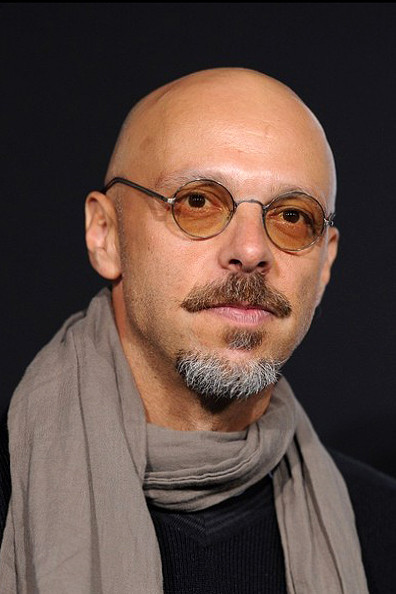
José Padilha, also credited as José Bastos Padilha Neto, is a Brazilian film director, producer and screenwriter. Born in Rio de Janeiro in 1967, he studied business administration at the Pontifícia Universidade Católica do Rio de Janeiro before attending Oxford University, where he studied literature and international politics. In 1997 he co-founded the production company Zazen Produções with Marcos Prado.
Padilha first gained attention with the documentary Bus 174 (2002). He directed the feature Elite Squad (2007), which won the Golden Bear at the Berlin International Film Festival in 2008, and its sequel Elite Squad: The Enemy Within (2010). His later credits include the RoboCop remake (2014), 7 Days in Entebbe (2018) and episodes of the Netflix series Narcos (2015), on which he also served as executive producer. He directed episodes of the series The Mechanism (2018).