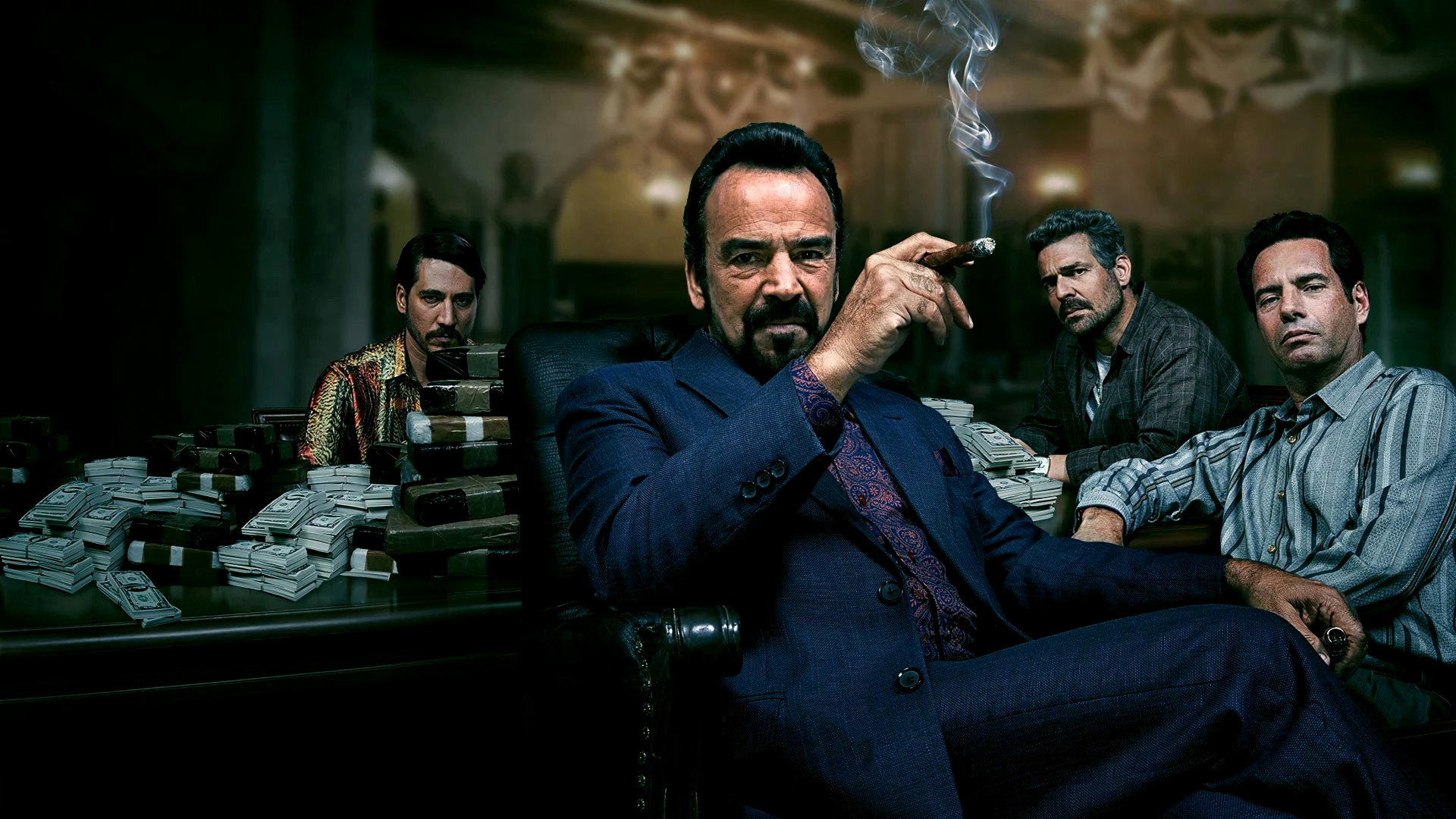
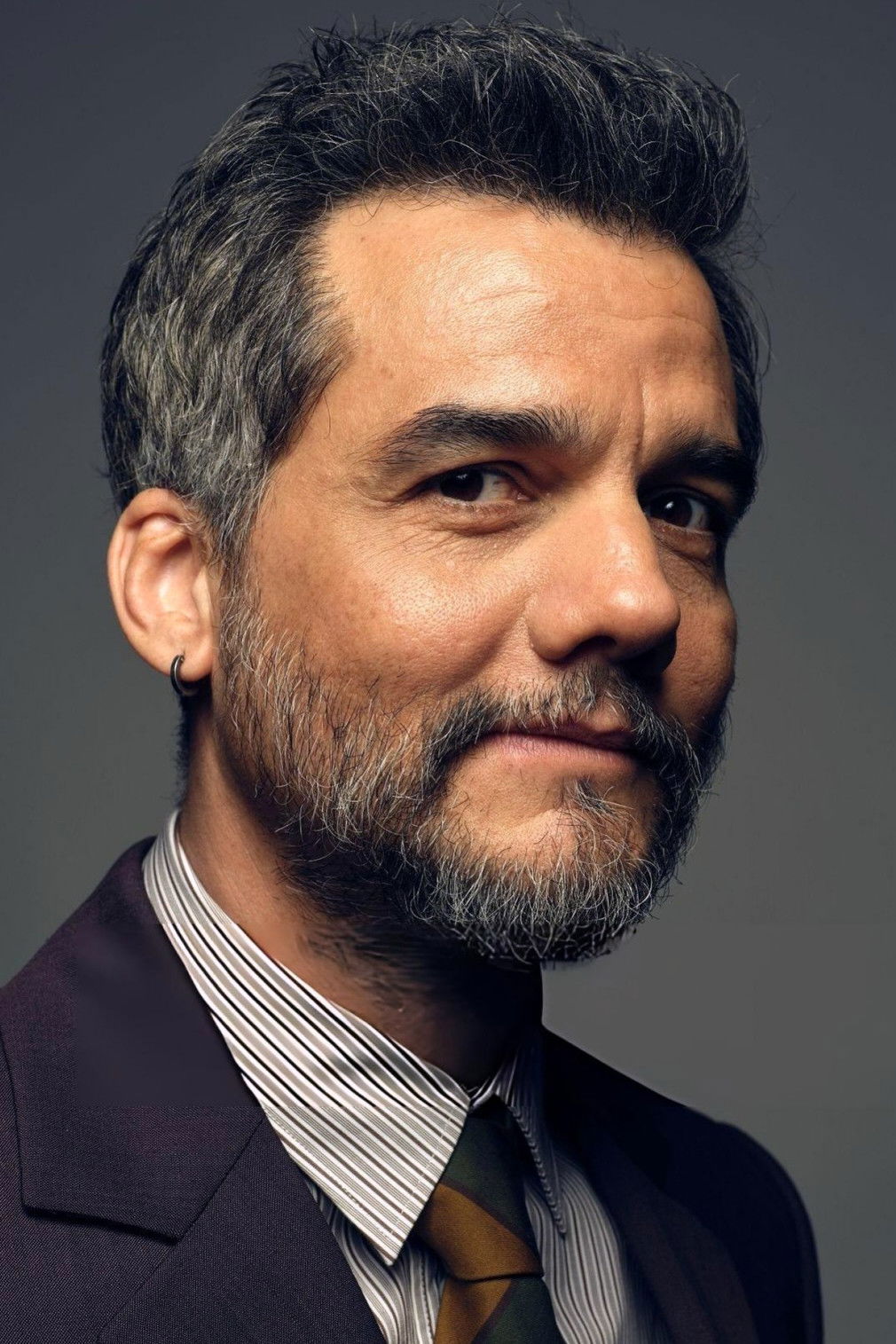
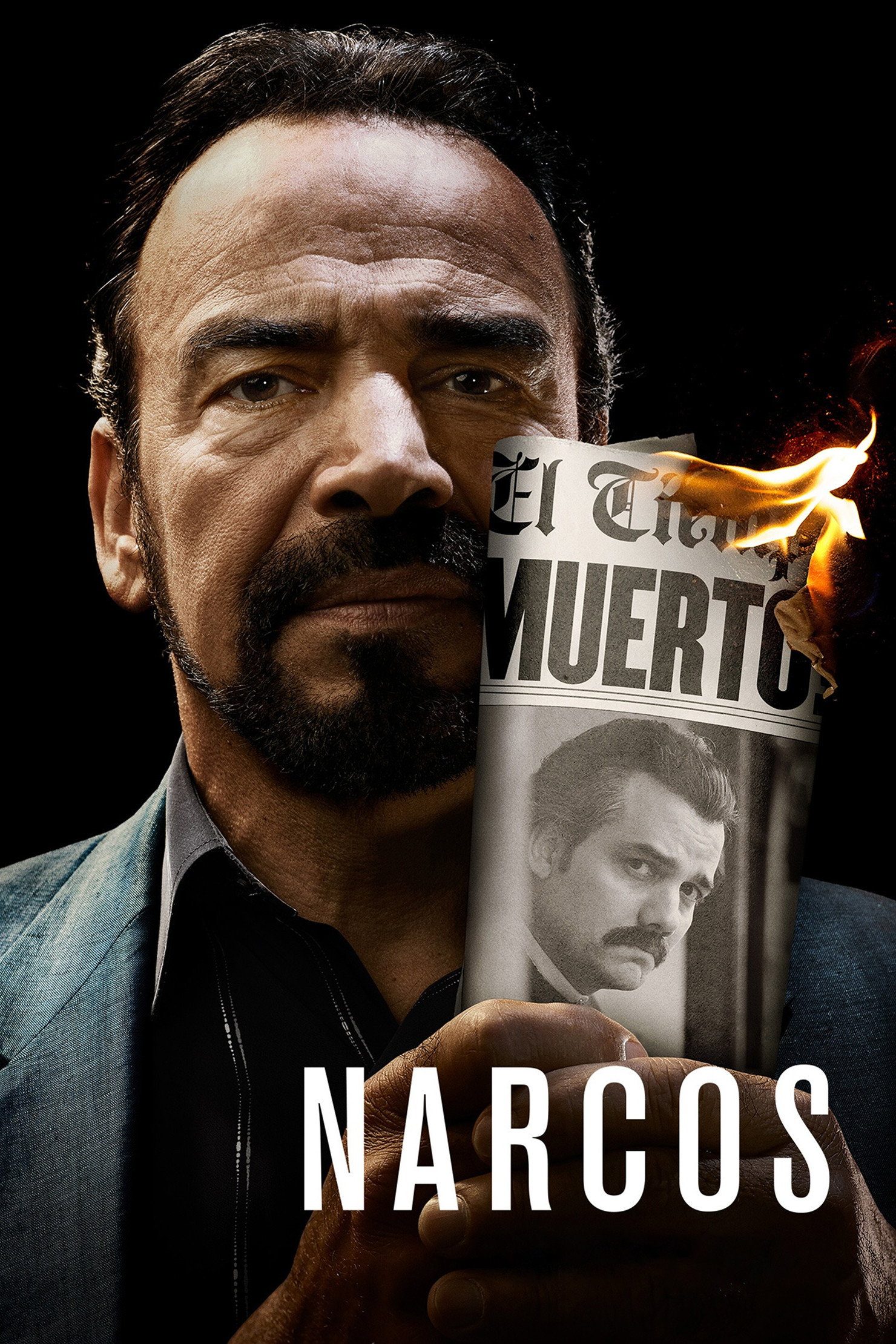
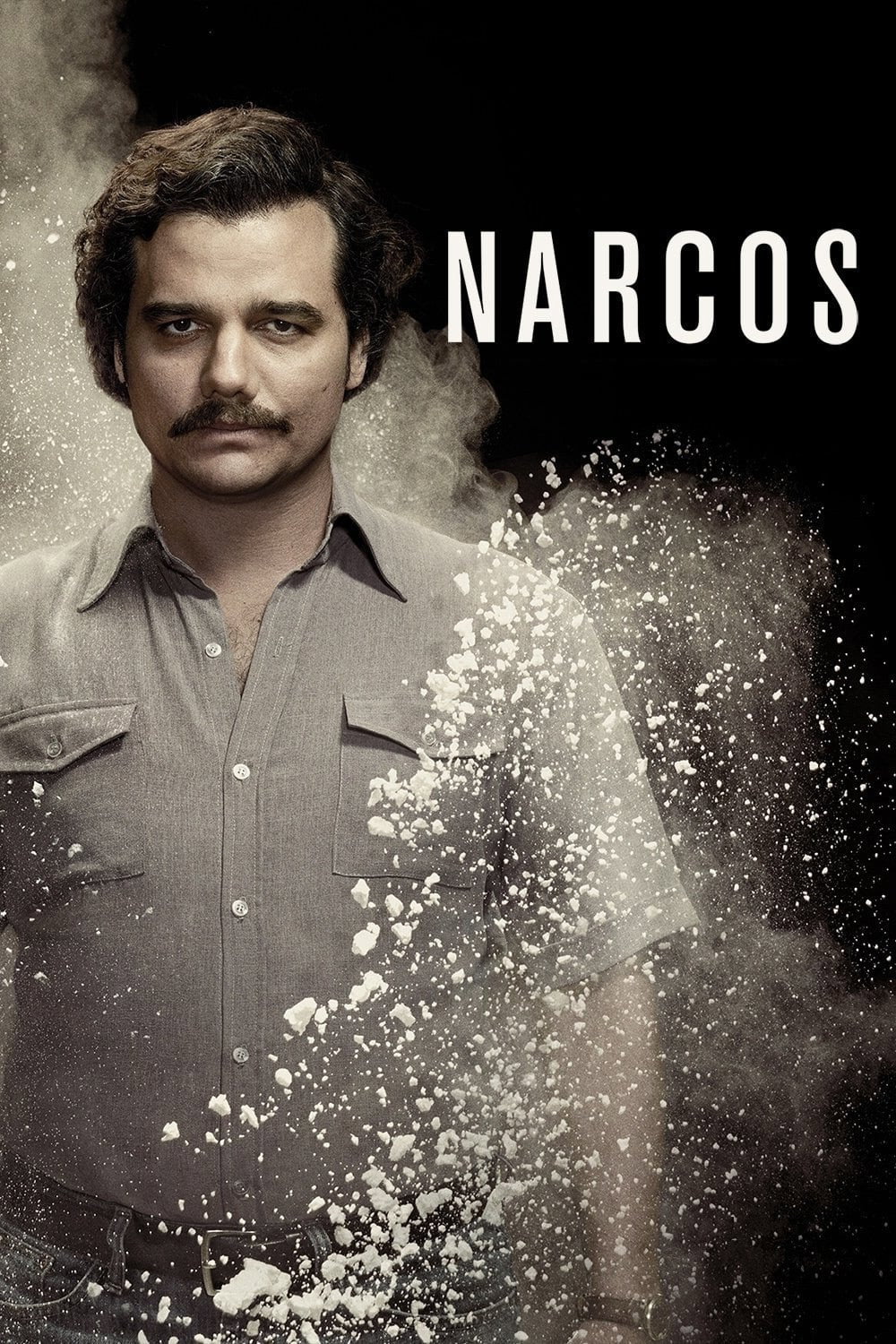
Wagner Moura’s soft-voiced Escobar is reason enough to watch, and the newsreel cut into the drama gives it weight. But the American narration explains what the pictures have shown, and by the third season the series has changed its subject and is running on habit.
Narcos sets out to tell the story of Pablo Escobar as history rather than legend, and it nearly does. Chris Brancato, Carlo Bernard and Doug Miro built it as three runs of ten episodes, starting in Medellín at the end of the 1970s. Real newsreel is cut into the drama every few minutes, so a face Wagner Moura has just invented is followed by the actual man on the actual news. It is good, and worth your evening if the genre is yours. The reason it is not better is a voice that will not stop talking.
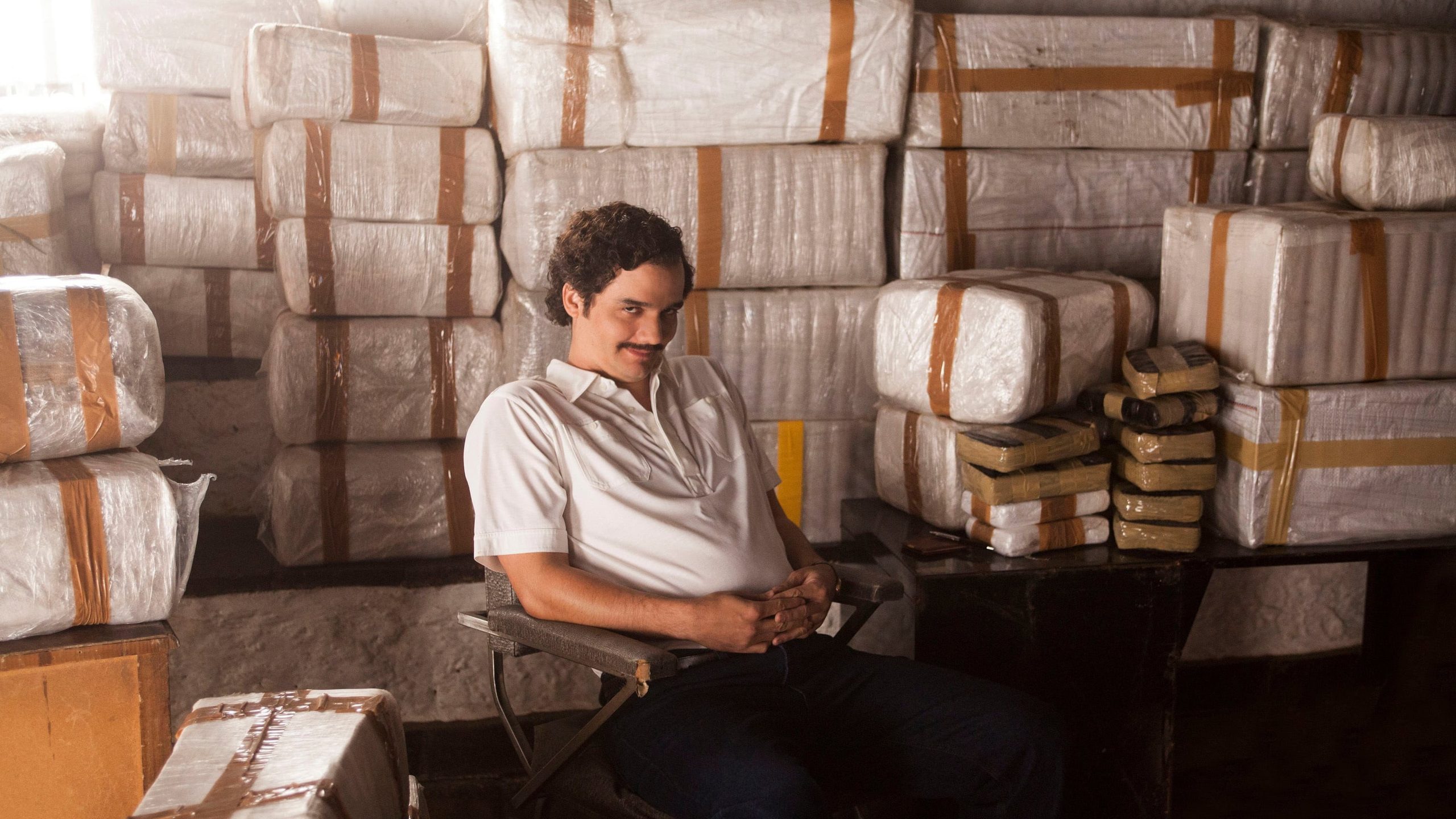
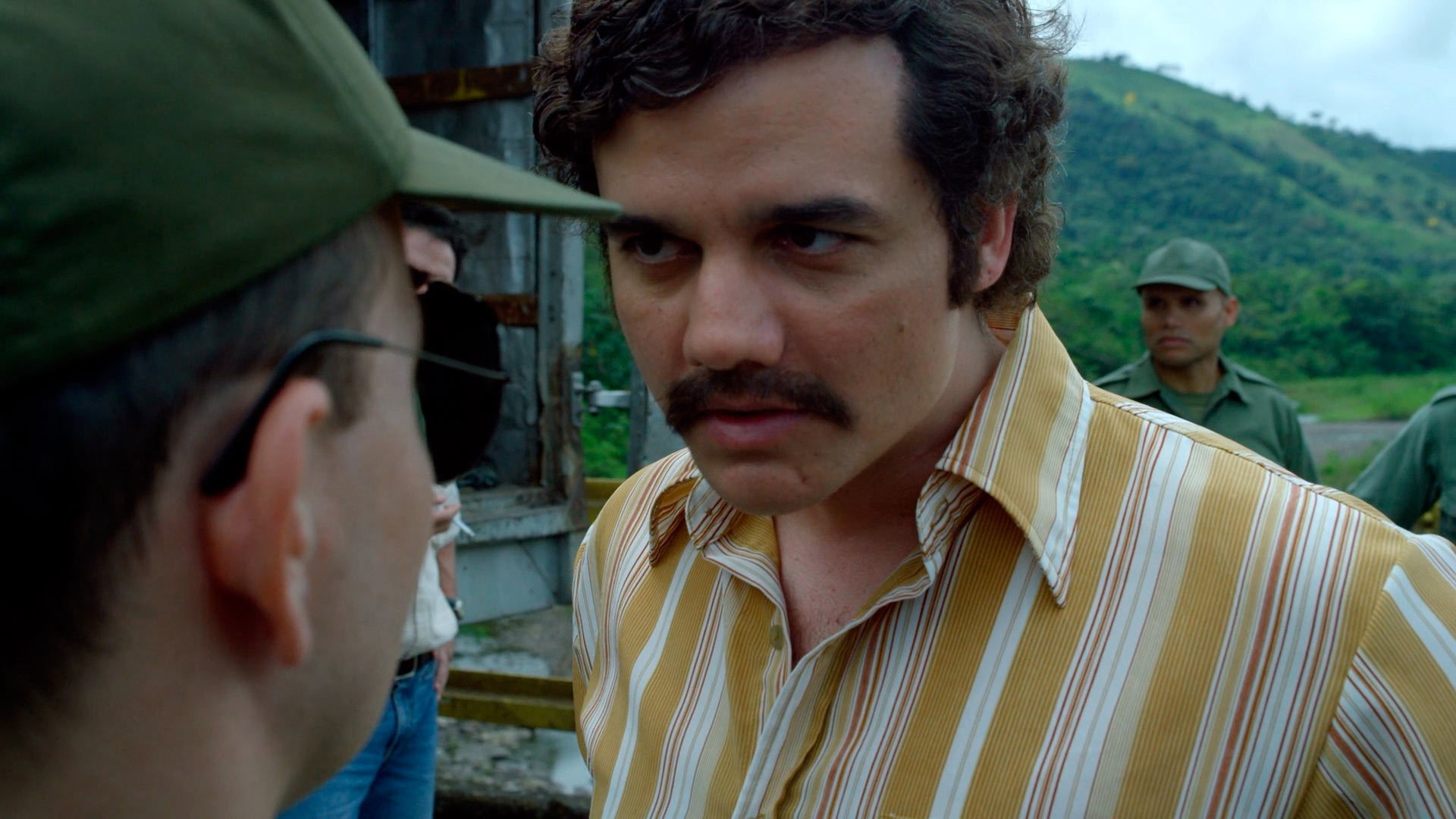
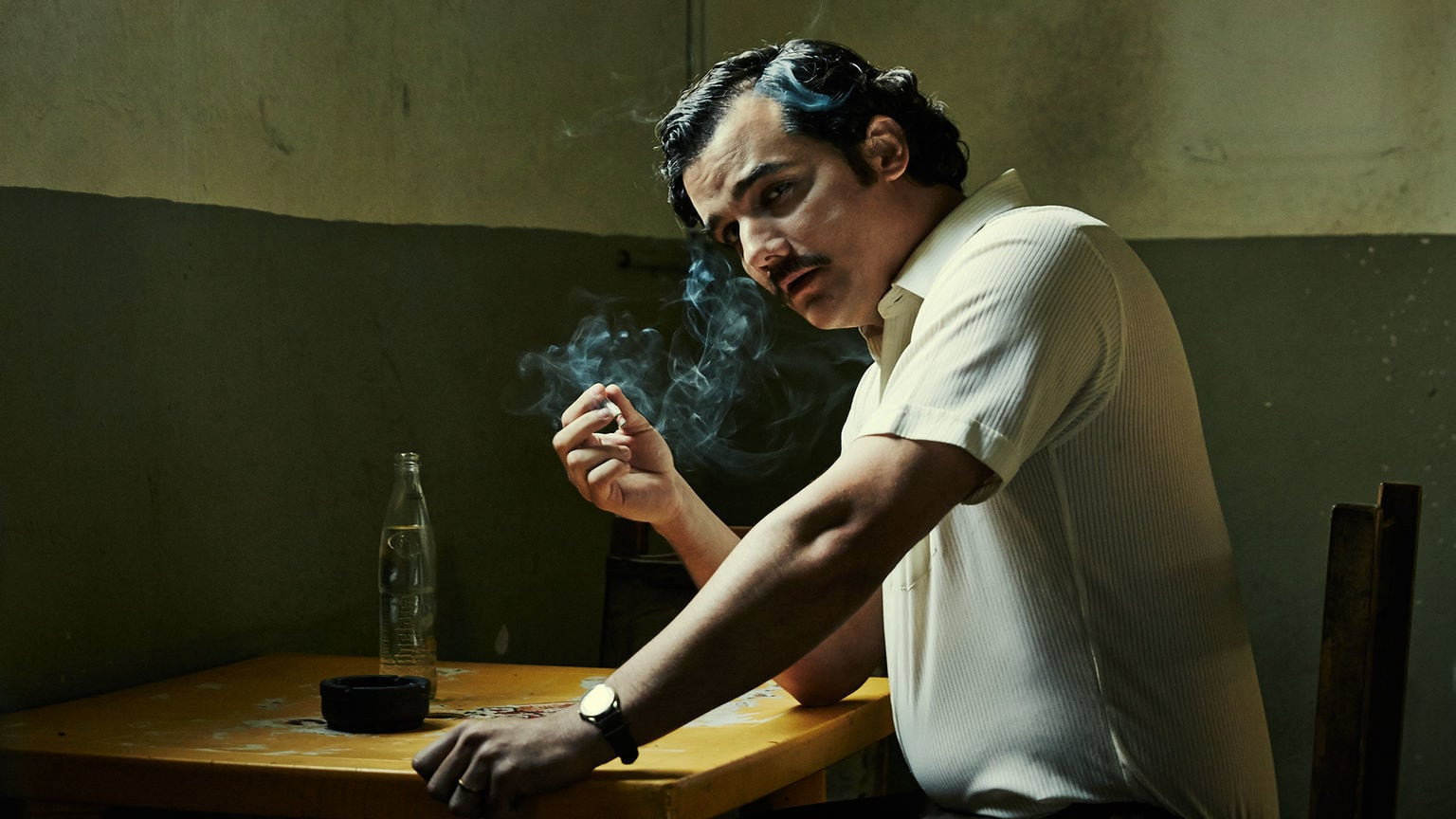
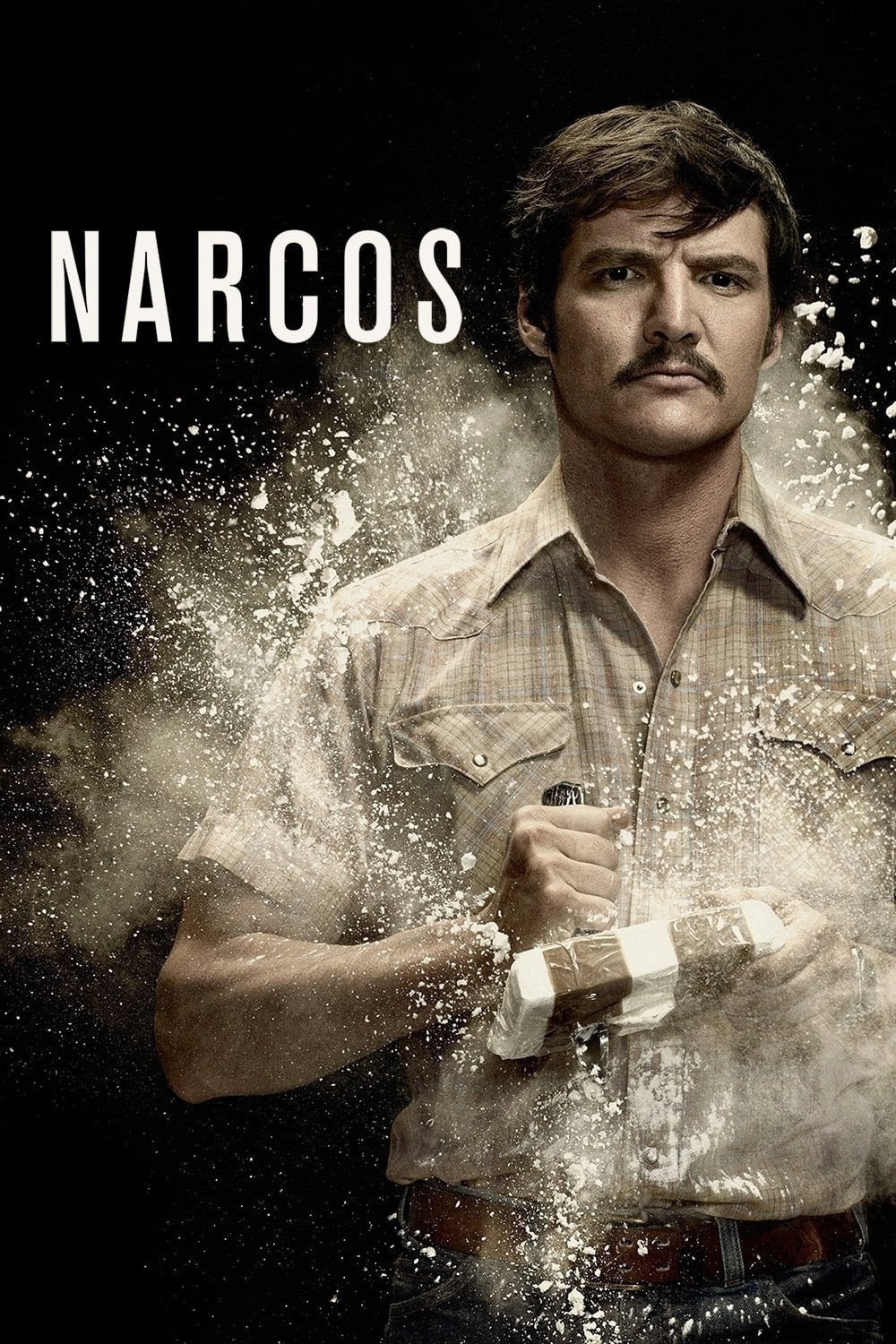
Moura is the reason to watch. He plays Escobar soft-spoken and heavy-lidded, a paunch under a knitted jumper, and he speaks with a slowness that reads as certainty. The scenes at home with Tata (Paulina Gaitán) are the best written in the first season: he is plainly fond of his wife and his mother and his children, and he has people killed between meals. We caught ourselves liking him, more than once, and were ashamed of it. The series has arranged that on purpose.
Luis David Sansans and Mauricio Vidal shoot Medellín handheld, grainy and yellowed by heat, so when the editor Nathan Gunn cuts to a 1980s news camera the join is nearly invisible. Anthony Medina’s production design gives Escobar a ranch with a zoo, an airstrip and furniture that cost a great deal and matches nothing. Bina Daigeler puts Javier Peña (Pedro Pascal) in aviators and tight jeans and Escobar in the pullovers of a provincial accountant. Pedro Bromfman’s score keeps to percussion and low guitar, and Rodrigo Amarante’s title song, a bolero sung by a man who already sounds sorry, is the best minute of every episode.
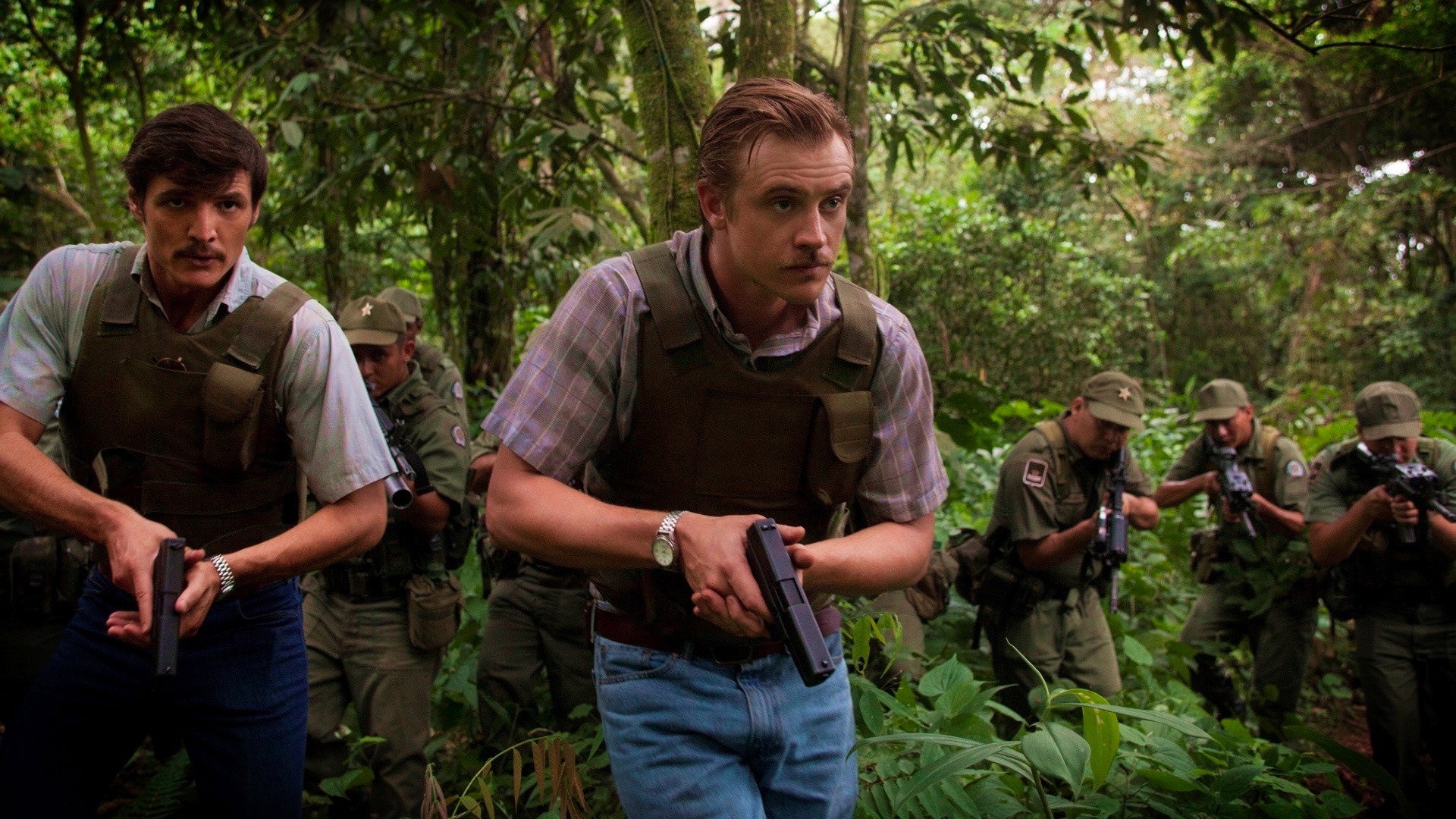
The trouble is Steve Murphy. Boyd Holbrook is fine on screen, but the series gives him a narration, and the narration does not trust us. It explains a scene we have just understood. We were bored by it and then annoyed, because each time the drama found a rhythm an American drawl stopped it to tell us the price of a kilo. Everyone reaches for Goodfellas, and fairly, but Scorsese’s narrator had done everything he described. Murphy is mostly reading the file.
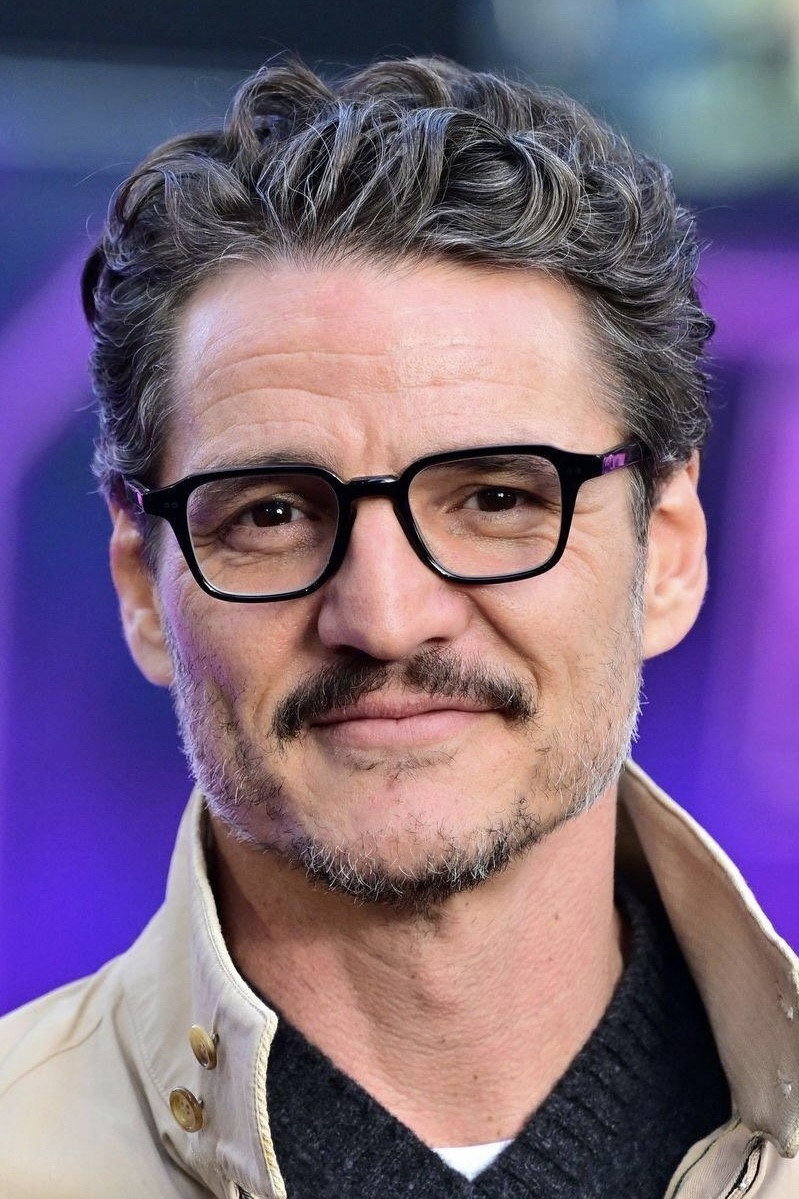
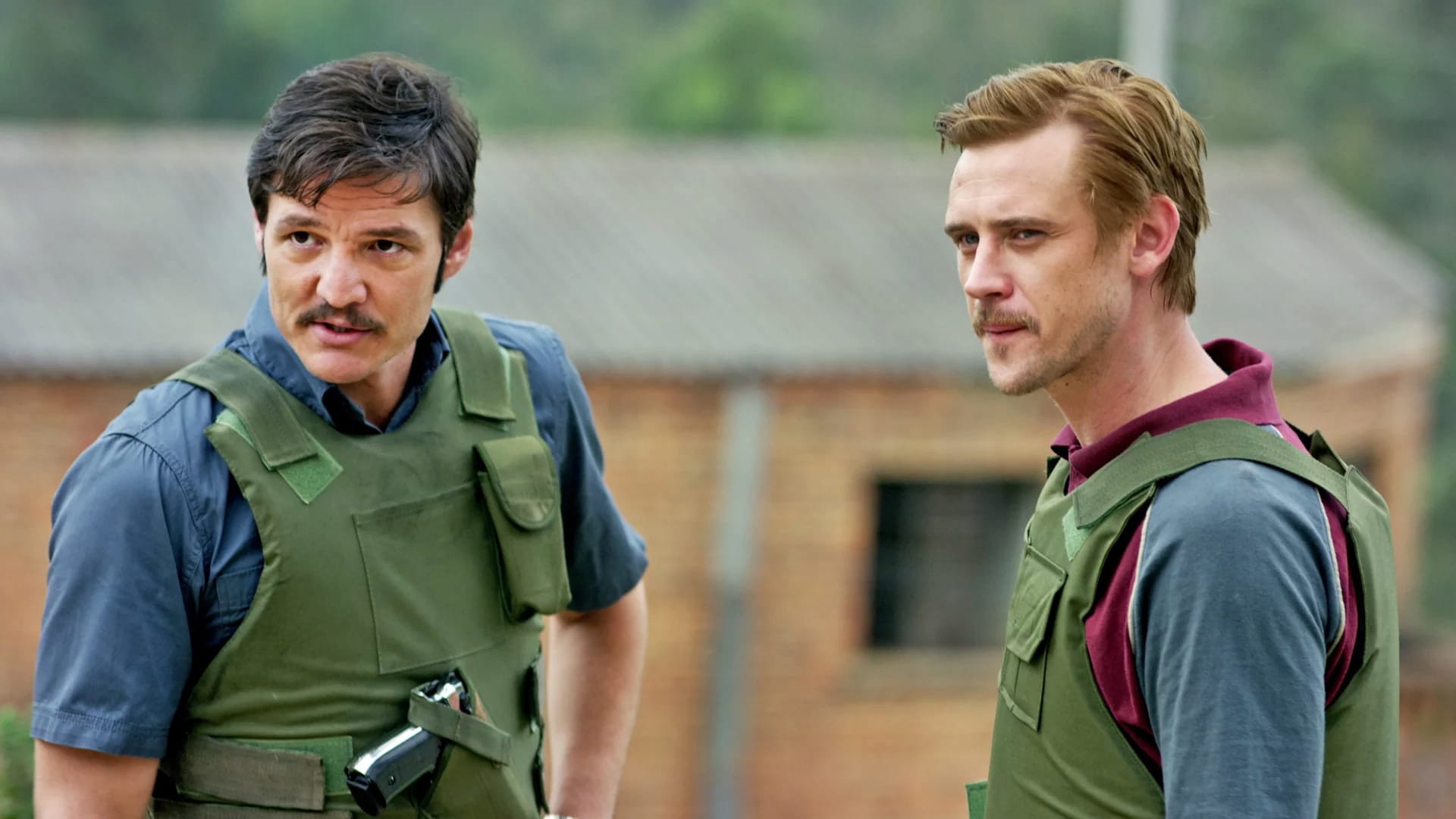
Pascal has the better part and knows it. Peña does his work in bars and bedrooms with informants he does not deserve, and Pascal plays him tired rather than cool, which is rarer. Maurice Compte’s Colonel Horacio Carrillo, who runs the police unit willing to shoot first, is the most frightening man in the first season who is not Escobar. Joanna Christie’s Connie Murphy is there to look worried at a window, and Christie does what can be done with that.
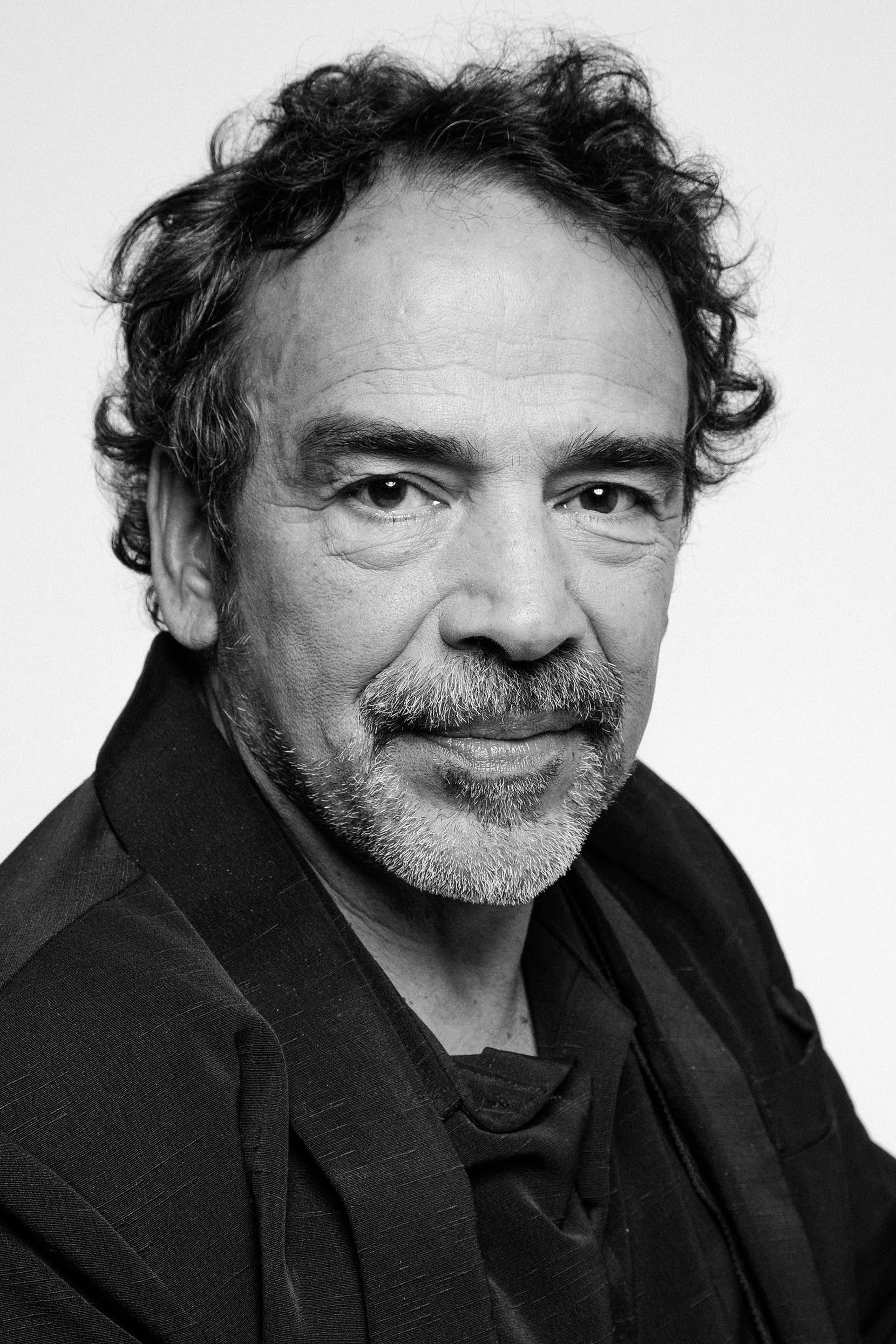
The first season is the rise, told at a gallop, and Gunn’s montages, a map, a song, a stack of notes, a plane, cover years in a minute and do it too often. The second is the hunt, and tighter. The third changes subject to the Cali cartel, the brothers Gilberto and Miguel Rodríguez Orejuela (Damián Alcázar and Francisco Denis) and their head of security Jorge Salcedo (Matias Varela). Varela gives the season what the first two lacked, a man in the middle who cannot get out. It is quieter and well made, and it is a series that has lost its centre and carried on.
Most critics have been warm and we are with them. One complaint deserves an answer: that the series is too fond of Escobar and too shy of what he did. It is fond of him. It is not shy. Policemen are shot in the street from a distance, flatly, without music, and that horrified us more than anything staged closer would have. The Americans are so thinly written that the villain is the only man on screen with a home.
Watch two episodes a night rather than ten, and give it your attention; it is not something to have on while you cook. The 15 certificate is about right: the violence is frequent and it is not dwelt on.