Julia Reichert spent fifty years pointing a camera at working people and letting them finish their sentences. The films are patient, fair and unnarrated, and their one recurring weakness is that they sometimes like their subjects a little too much to argue with them.
Fi1m perspective
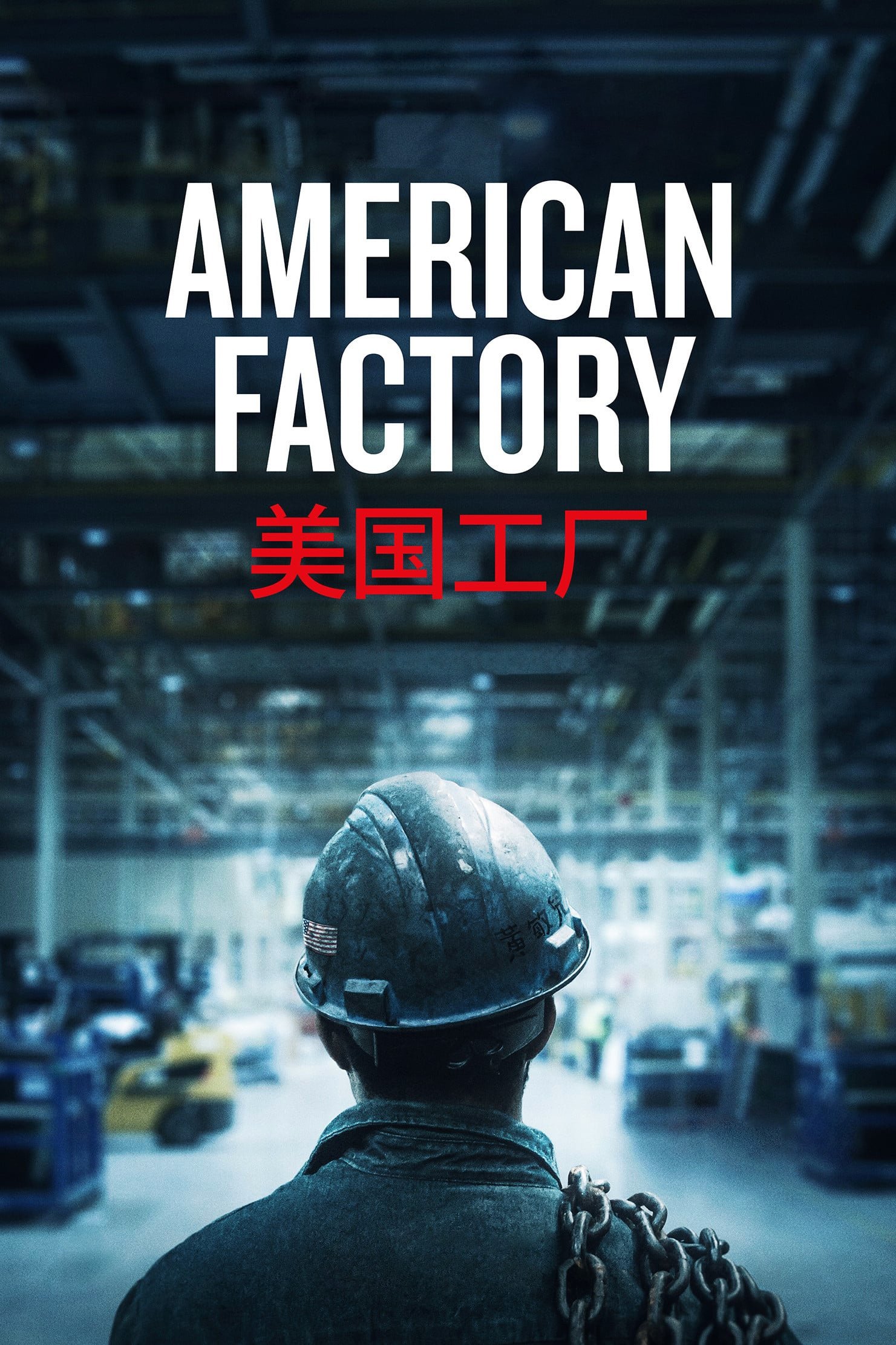
Late in American Factory (2019), American managers are flown to their Chinese parent company's New Year party, where workers in matching costumes sing about the firm, and one of the visitors weeps in the front row. Reichert and Steven Bognar hold on his face and do not cut away. Nobody explains what he is feeling and there is no narrator to tell us whether we are watching a celebration or a parade. That is the Reichert habit in one shot: find the person, stay with them, keep quiet.
She began as a student at Antioch College with Growing Up Female (1971), made with Jim Klein, and the two went on to Union Maids (1976), about three women who organised in the 1930s, and Seeing Red (1983), about American Communists. The method was already in place: long interviews, working-class subjects speaking for themselves, no voice-over. The charge made against those early films, that they take their subjects' idealism at face value and never build a view of their own, is not unfair, and Seeing Red is the one it sticks to. From the mid-2000s she worked with Bognar in Ohio, where she taught film production at Wright State University for 28 years. The Last Truck (2009) filmed the day the General Motors plant at Moraine built its last vehicle. Six years later a Chinese company bought the empty building to make glass, and the two of them went back and stayed.
American Factory is where the patience pays off. Fuyao let them into everything, including the meetings where the Americans are described as slow, and the film gives Wong He, a furnace engineer a long way from his family, the same time and the same seriousness it gives the locals. When his supervisor Rob Haerr invites the Chinese crew to Thanksgiving and then to fire guns in his garden, both sides are puzzled to find they like each other, and the film is puzzled with them. Reichert put it plainly herself: "We don't just interview people once. We developed the relationships with people from American Factory and Last Truck over months." Lindsay Utz cuts it without a narrator and almost without captions, and simply sets the American morning meeting, coffee and shuffling, beside the Chinese one, rows and a shouted slogan. We cried at that New Year party, and we were not sure the film wanted us to, which is exactly why we trusted it.
The softness has not gone entirely. Chad Cannon's score plays under people describing what they have lost and tells us things will be all right when the film has just shown us they will not, and 110 minutes is not enough for the number of people the filmmakers came to care about. Start with American Factory, then go back to Union Maids to see where the method came from. If Reichert had a fault it was that she liked the people she filmed, and very few documentary makers have erred in that direction.
Biography
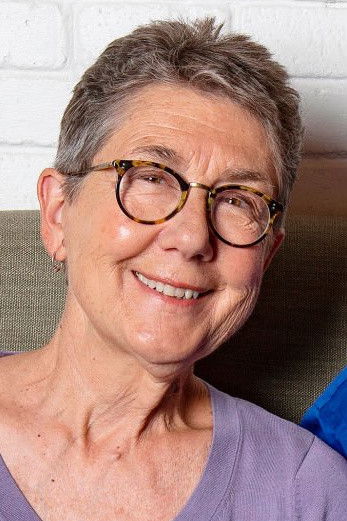
Julia Reichert was an American documentary filmmaker. She co-directed American Factory (2019) with Steven Bognar and also served as producer and cinematographer on the film. The documentary won the Academy Award for Best Documentary Feature.
Born on 16 June 1946 in New Jersey, Reichert graduated from Antioch College. Her earlier films include Growing Up Female (1971), Union Maids (1976) and Seeing Red (1983). She taught film production at Wright State University in Ohio for many years and frequently collaborated with Bognar on documentaries about working-class lives.
Reichert died on 1 December 2022 in Yellow Springs, Ohio.