Film review

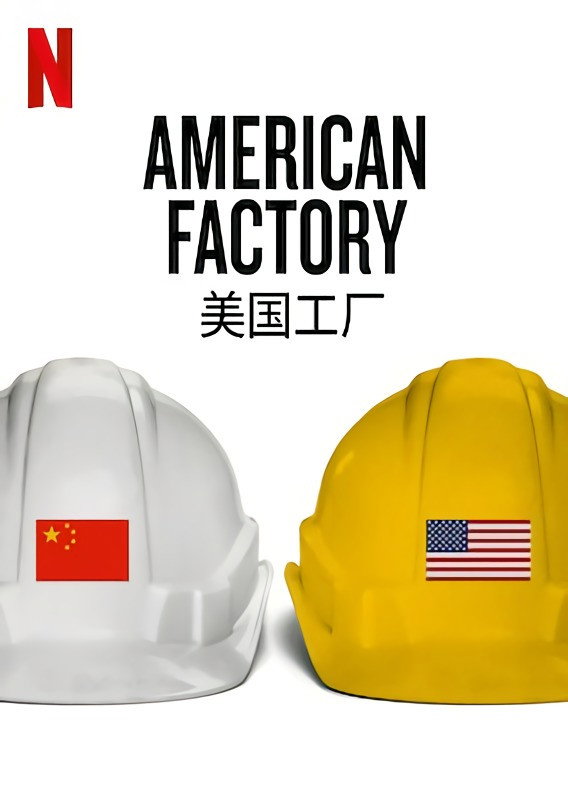
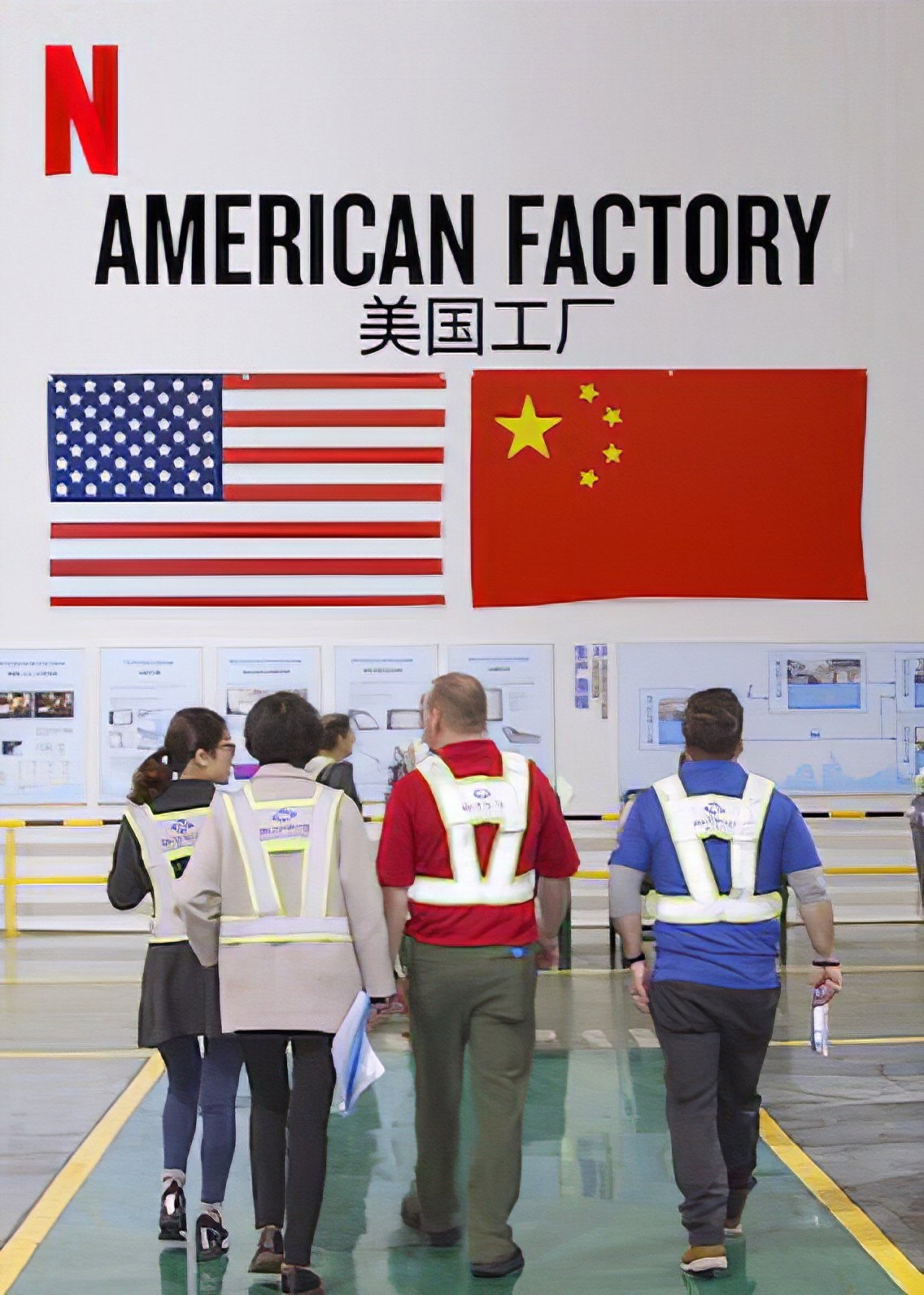
American Factory

2019 · Directed by Steven Bognar, Julia Reichert · 1h 50m · MPA NR

In a sentenceChinese staff are warned that Americans have fat fingers and hate heat; the Americans are warned about nothing at all

Documentary

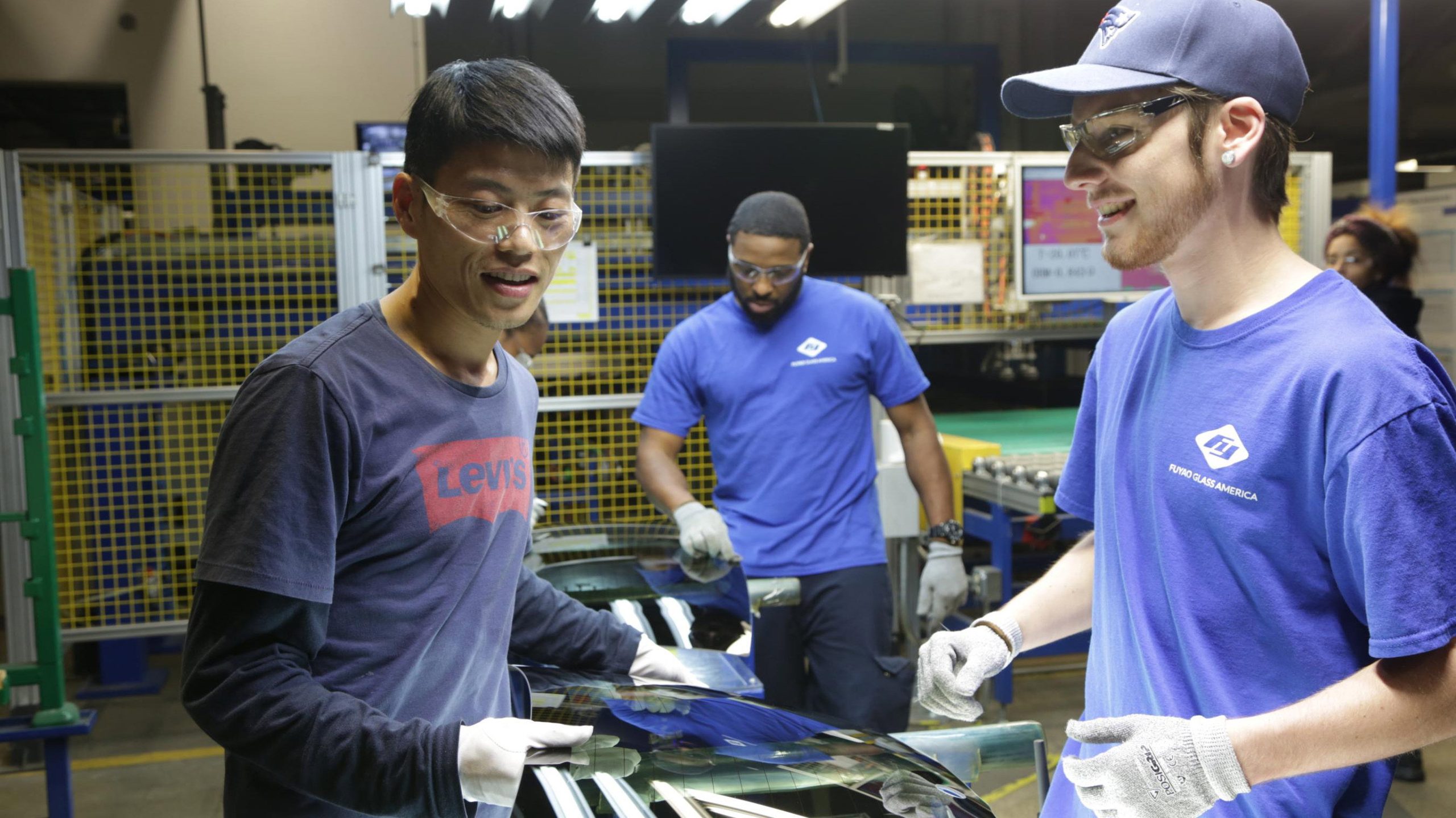
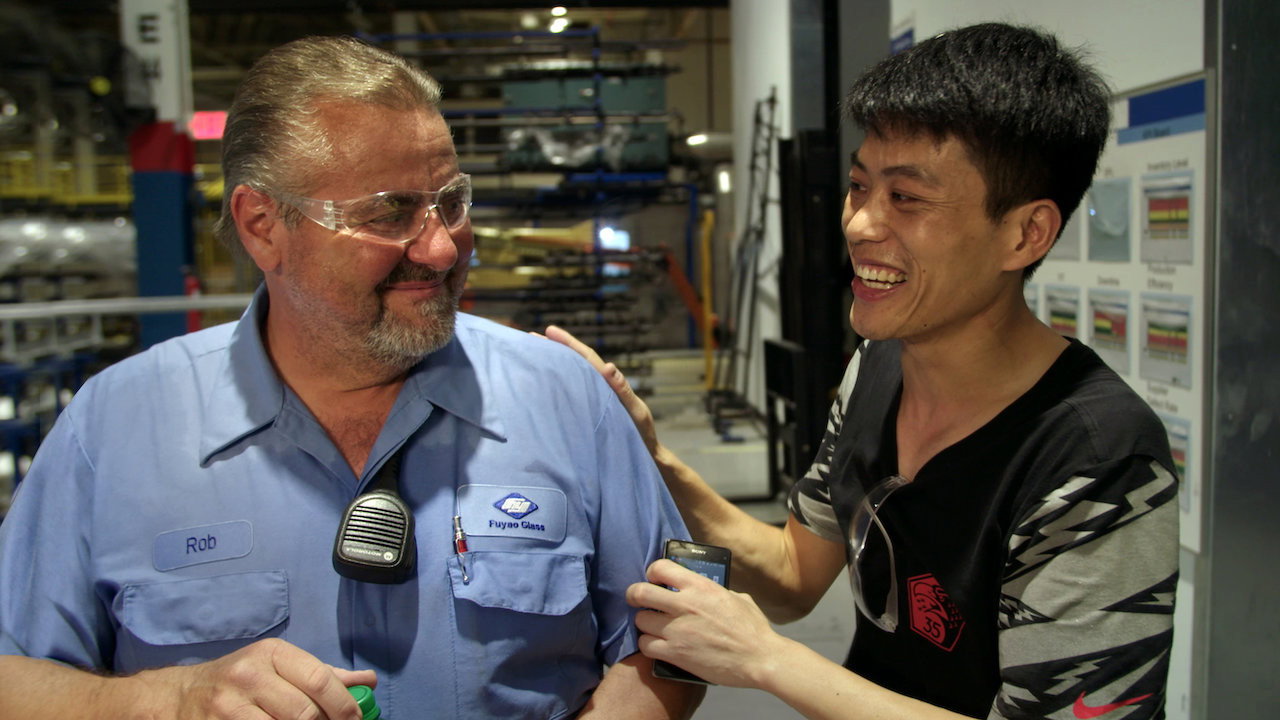
Moraine, Ohio, December 2008: the General Motors plant builds its last vehicle and closes. Six years later Fuyao, a Chinese glass company, buys the empty building to make car windscreens, hires local workers, many of them former GM staff, and flies in Chinese employees to train them. Vice president Junming ‘Jimmy’ Wang briefs the arrivals on how Americans think; Dave Burrows and John Gauthier, the American executives, try to hit production targets; Senator Sherrod Brown mentions unions at the opening ceremony and the platform goes cold. On the floor, glass inspector Shawnea Rosser and forklift operator Jill Lamantia compare their new wages with their old ones, while furnace engineer Wong He, far from home, gets to know his American supervisor Rob Haerr.

Plays from YouTube when you press play; nothing loads from them until then.

Fi1m review

Bognar and Reichert filmed inside a Chinese-owned Ohio plant and made a fair, patient film about two ways of working under one roof. It has more people than it has time for and a score that keeps consoling them, but it earns your evening.

In December 2008 the General Motors plant at Moraine, Ohio, built its last vehicle, and Steven Bognar and Julia Reichert filmed it; their short The Last Truck (2009) is about that day. Six years on a Chinese company called Fuyao bought the empty building to make car glass, and the filmmakers came back and stayed. American Factory is a good, patient, fair account of what happens when two ways of working are put under one roof. It has more stories than 110 minutes can hold, and Chad Cannon’s score is softer than it should be, but it is worth an evening.

The access is the first thing you notice. Fuyao let Bognar and Reichert into everything: the ribbon-cutting, where Senator Sherrod Brown mentions Ohio’s union history and the executives on the platform stop smiling; the meetings where Junming ‘Jimmy’ Wang, the vice president, tells newly arrived Chinese staff that Americans like to be praised and must be handled; a training session in which the locals are described as slow, with fat fingers. Dave Burrows and John Gauthier, the Americans hired to run the place, look more and more like men passing on instructions they do not agree with.

The Ohio workers are the heart of it. Shawnea Rosser inspects glass and compares what she earned at General Motors with what she earns now. Jill Lamantia drives a forklift and describes, without self-pity, how far her circumstances have fallen since. Cynthia Harper is asked to keep pace with machines that do not wait. These are fine, unforced portraits; we wanted more of them. The film keeps cutting away just as someone is about to say something new.

Bognar and Reichert do the same for the Chinese staff, which is where the film is unusual. Wong He, a furnace engineer, is a long way from his family and talks about it flatly, which is worse than tears. His American supervisor, Rob Haerr, invites the Chinese furnace crew to Thanksgiving and then to fire guns in his garden, and both men are puzzled to find they like each other. Later American managers are flown to the parent plant in China for the New Year party, where workers in matching costumes sing about the company. One of the visitors weeps in the front row. So, to our surprise, did we: the singing is sincere, the people are exhausted, and the film holds on their faces and lets you decide whether you are watching a party or a parade.

Lindsay Utz cuts it without a narrator and almost without captions. She sets the American morning meeting, where people shuffle in with coffee, against the Chinese one, where workers stand in rows and shout a slogan back at a supervisor, and leaves it there. The camerawork, shared between Bognar, Julia Reichert, Jeff Reichert, Erick Stoll and Aubrey Keith, is handheld and close, and the glass gets the best shots: orange sheets sliding out of the furnace. Cannon’s score is the one soft choice. It plays under people describing what they have lost and tells us, gently, that things will be all right, when the film has just shown us they will not.

The second half belongs to a campaign to unionise, which we will not describe past its start, and to Jimmy Wang, the most watchable person in the film: funny, frank, prone to saying on camera what most managers save for the car park, and then, by degrees, not funny at all. Rebecca Ruan-O’Shaughnessy, the company’s lawyer, appears with a smile that does not move. Some reviews have called the film’s treatment of the Chinese workers undifferentiated, even xenophobic. We think that is wrong; Wong He alone disproves it. But the film has room for one fully drawn Chinese worker and half a dozen Americans, and the imbalance shows.

Set against the observational documentaries it descends from, this is unusually even-handed and unusually easy to watch. It never bores. It never quite bites. See it with someone who has been told, at work, to be grateful, and see how long they stay quiet afterwards.
Critical consensus AI synthesised

74
Positive
11
Mixed
2
Negative
0

Most critics like American Factory, and for the same reasons. The praise clusters around the access Bognar and Reichert secured to a Chinese-owned plant on the site of a shuttered GM factory in Ohio, and around their refusal to take sides: the film is repeatedly described as even-handed, humane and free of villains. Several reviews single out the editing for holding a large cast of American and Chinese workers and managers in view, and the union campaign of the second half is widely thought its most dramatic stretch.

The reservations are narrower and come from a minority. Slant Magazine and The Hollywood Reporter both detect a xenophobic undertone in how the Chinese workers are handled; Slant also feels the film skims threads it ought to follow, while the Reporter finds the American characters underdrawn. The Playlist calls it layered but without a firm point of view. The spread is not wide: no negative reviews, two mixed, and even those credit the union sequences.

The AV Club
19 August 2019 · A- · Noel Murray
90

The critic praises the film's matter-of-fact, non-agitprop approach to labor and cultural clashes, reminiscent of Barbara Kopple documentaries, and its even-handed treatment of all parties involved. It singles out the fly-on-the-wall access and detailed depiction of differing work ethics and cultural divides for commendation.

Read the full review →
Vulture
23 August 2019
90*

The critic calls the film a great, expansive, deeply humanist work that is angry yet empathetic, effectively gesturing toward the decline of traditional manufacturing work. It singles out the intimate access to both American and Chinese perspectives and the vivid portrayal of cultural misunderstandings for praise.

Read the full review →
Film Comment
1 September 2019 · Eric Hynes
85*

The critic praises the film's balanced and expansive portrayal of the factory ecosystem, honoring multiple viewpoints without simplistic advocacy. It singles out the access granted by management and the editing for capturing the complexities of global labor and worker struggles.

Read the full review →
Los Angeles Times
20 August 2019 · Kenneth Turan
80*

Turan commends the film for its multifaceted look at U.S.-Chinese collaboration, emphasizing the empathetic depiction of cultural differences and the complexities of global economics rather than a simplistic narrative.

Read the full review →
Screen Daily
27 January 2019 · festival review
80*

The review praises the film's remarkably candid, fly-on-the-wall account of the culture clash and labor struggles at a Chinese-owned factory in Ohio. It highlights the skillful construction and topical access to personal stories and broader economic conflicts.

Read the full review →
Variety
26 April 2019 · festival review · Peter Debruge
80*

The critic praises the film's exploration of cultural clashes in a Chinese-owned factory reopening a GM plant, highlighting the nuanced portrayal of workers' struggles with wages, unions, and differing work ethics.

Read the full review →

Cast

Awards

Academy Awards, 2020

Won
Best Documentary Feature Film

Sundance U.S. Directing Award: Documentary, 2019

Won
Sundance U.S. Directing Award: Documentary

If you liked this, try…

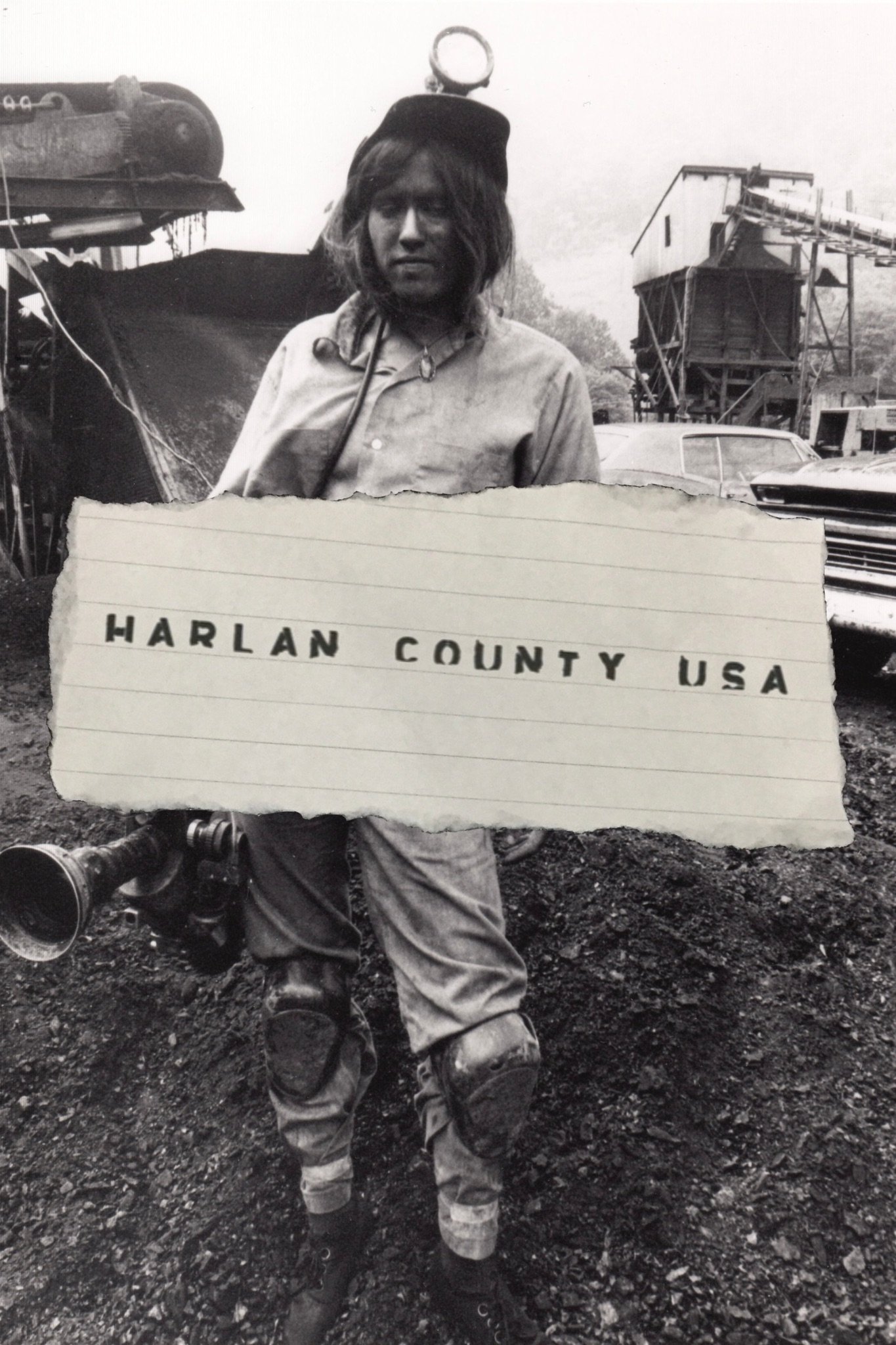
Harlan County, USA poster88

Harlan County, USA

1976 · Kopple’s Kentucky miners’ strike; the film this one learned its patience from

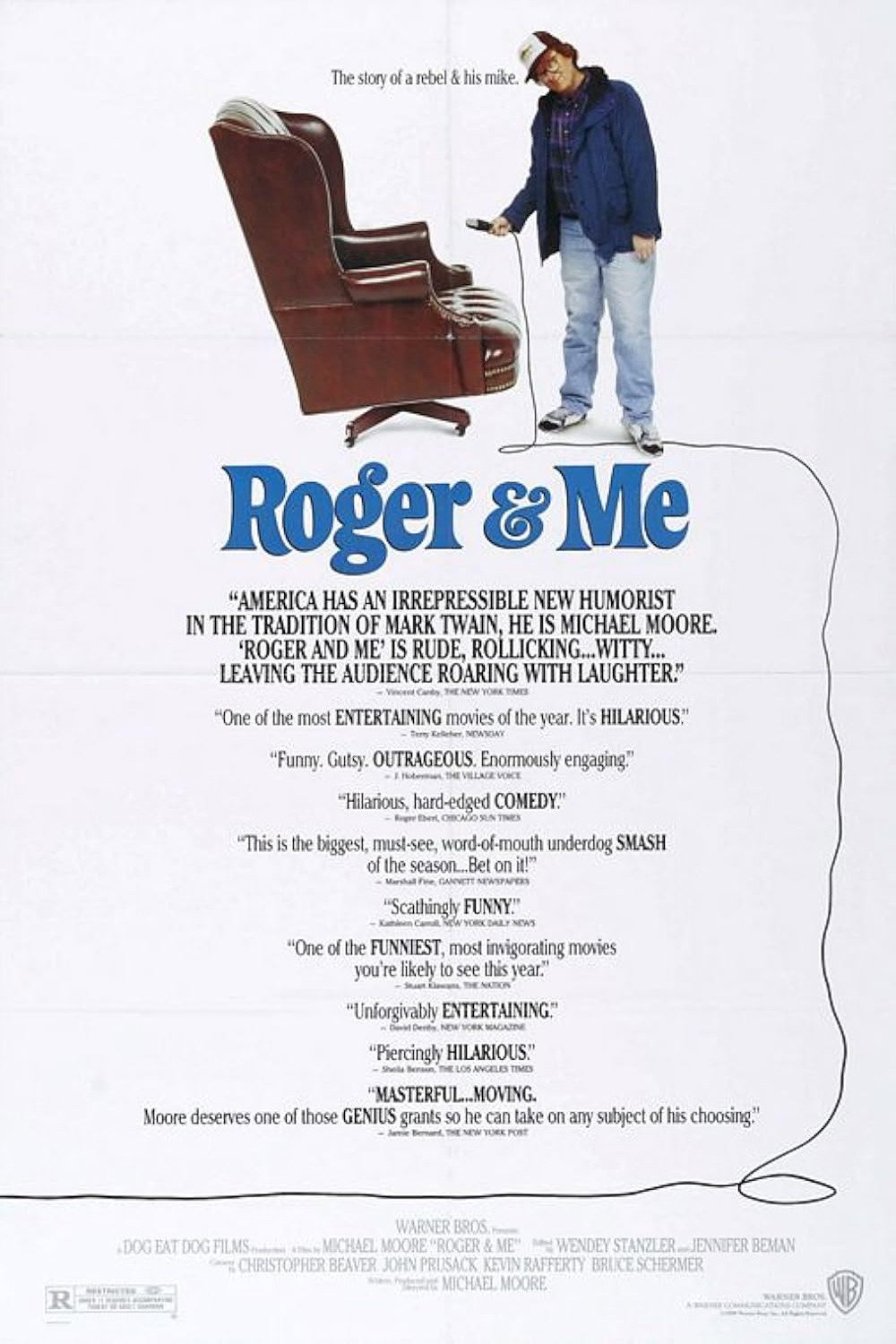
Roger & Me poster78

Roger & Me

1989 · Michael Moore chases General Motors round Flint; angrier, funnier, far less fair

Last Train Home poster

Last Train Home

2009 · Chinese factory workers ride home for New Year; the other side of the furnace

Ascension poster

Ascension

2021 · Chinese work and consumption filmed as a wordless ladder, floor by floor

Made in Dagenham poster

Made in Dagenham

2010 · Ford’s Essex machinists strike for equal pay; the cheerful fictional cousin