Film review

Harlan County U.S.A.

1976 · Directed by Barbara Kopple · 1h 44m

In a sentenceThe foreman has a pistol, the wives have a song, and the camera stands in the road with them

Documentary

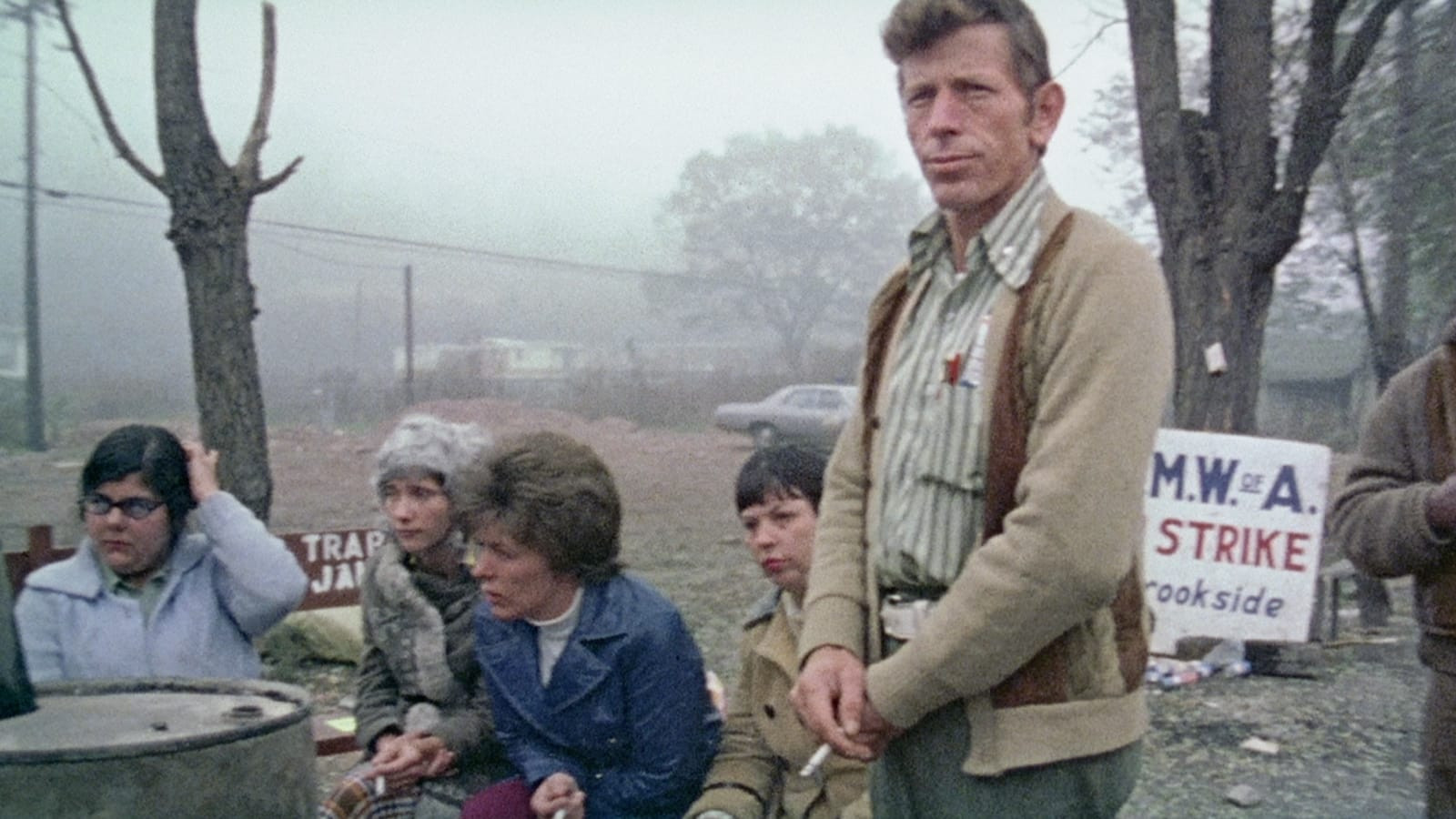
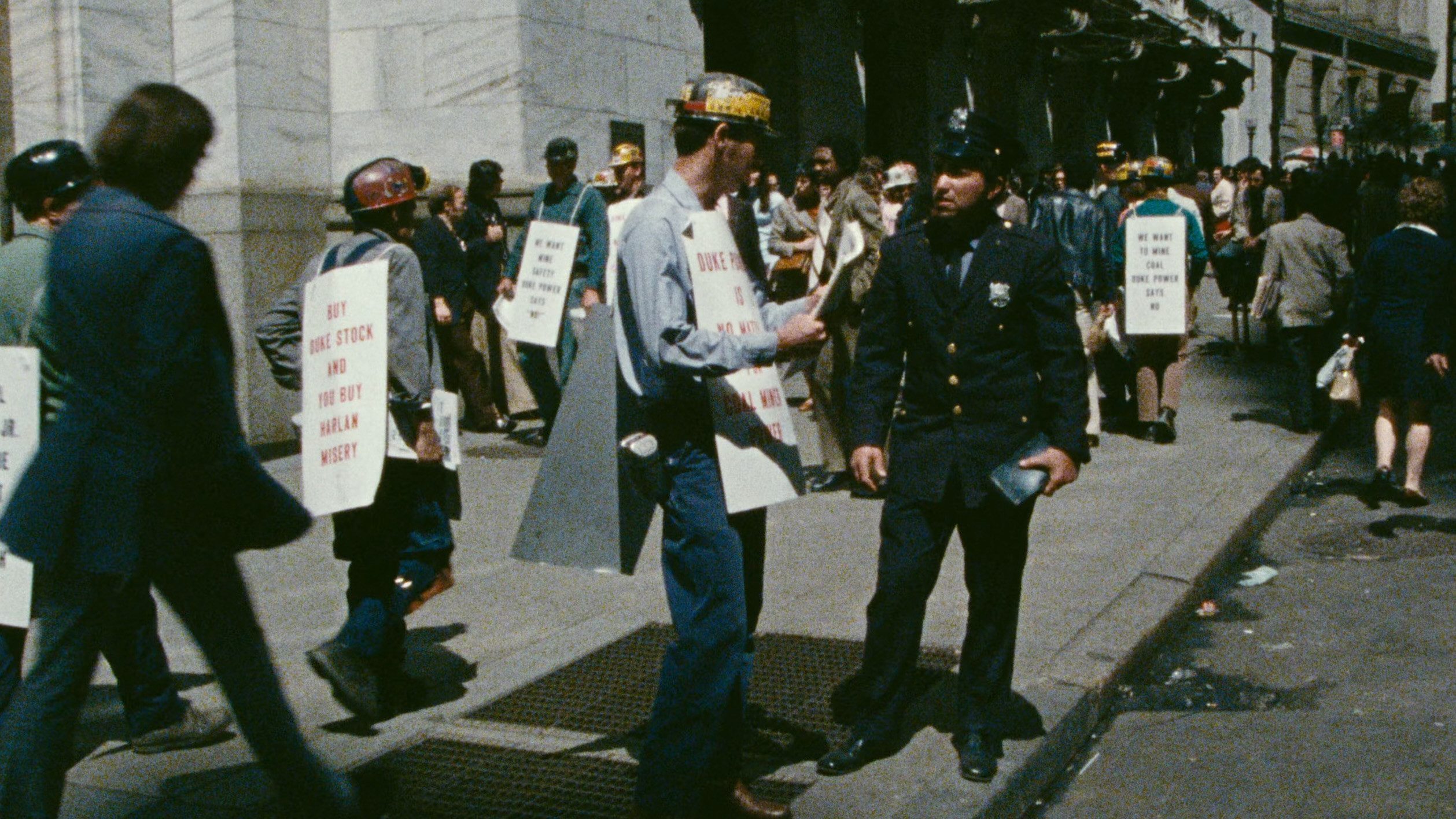
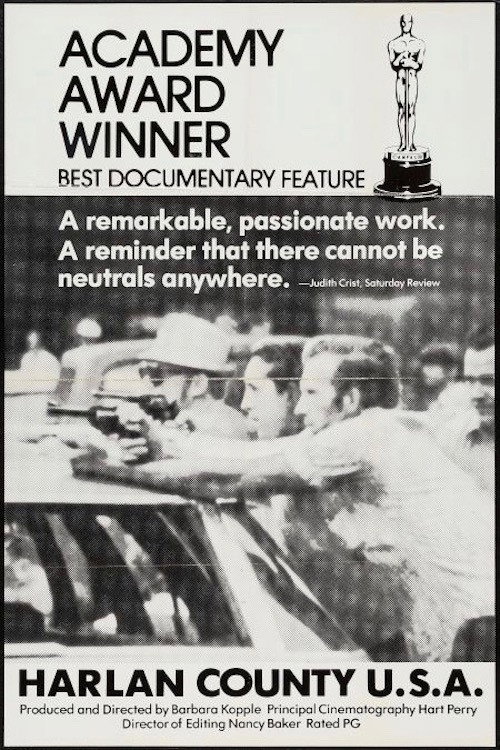
Harlan County, Kentucky. The miners at Eastover Mining’s Brookside mine have voted to join the United Mine Workers, and the company, speaking through its president (Norman Yarborough), will not sign the union’s contract. The men walk out. Each morning the company drives replacement workers up the road under armed escort, the mine foreman (Basil Collins) among them with a pistol on his hip, and each morning the strikers stand in the way. Their wives join them and then lead them: Lois Scott, Sudie Crusenberry and Bessie Lou Cornett Parker run the picket, argue in kitchens and lie down in the road. A UMW organiser (Houston Elmore) works the strike from the union side, and Florence Reece sings for the hall. Barbara Kopple’s crew films it all from the road.

Fi1m review

Barbara Kopple stood on a Kentucky picket line for a year and came back with the documentary every strike film since is measured against. It picks a side in its first minutes and never asks a hard question of its friends.

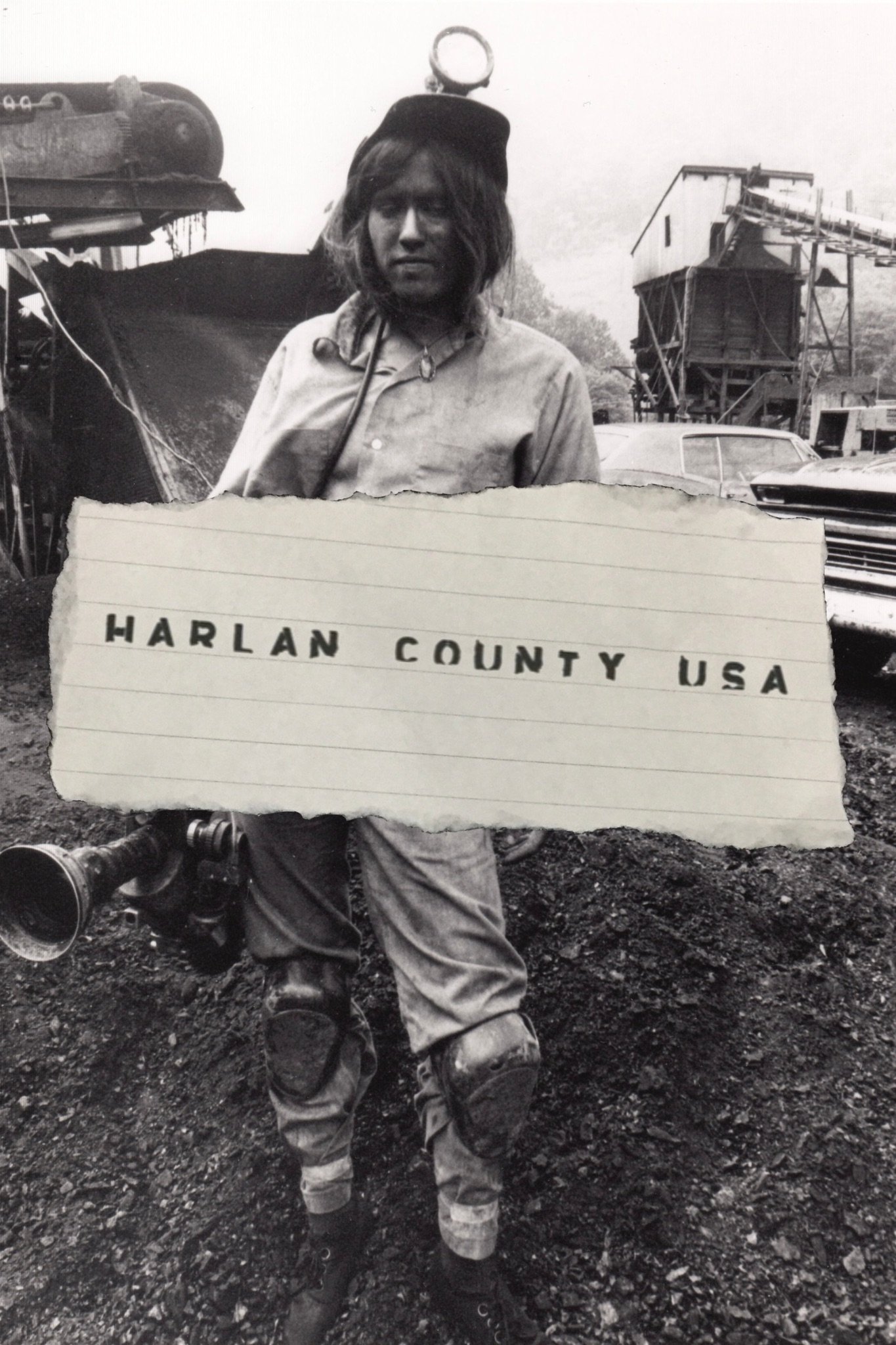
Barbara Kopple went to Harlan County, Kentucky, with a small crew and stayed through the year the strike lasted. The miners at the Brookside mine had voted to join the United Mine Workers, and the mine’s owner, Eastover Mining, would not sign the union’s contract, so the men went out. Kopple filmed from the picket line, at dawn, in the rain, and she does not pretend to have been anywhere else. This is the strike film other strike films are measured against, and it has earned that. Its one real weakness is that it trusts its own side as completely as it distrusts the other.

Kevin Keating and Hart Perry shoot most of the film on a stretch of road. Every morning the company brings its replacement workers in by car, escorted by armed men, and every morning the strikers and their wives stand in the way. Basil Collins, the mine foreman, walks the line with a pistol on his hip and a look of mild irritation. Then there is the dawn when the shooting starts. The camera is jolted, the image swings to the ground and the voices rise, and we were frightened, properly, the way a real gun frightens and a film one does not, because whoever was holding the camera plainly had no idea what would happen next.

The women carry the film. Lois Scott, Sudie Crusenberry, Bessie Lou Cornett Parker and Mary Lou Fergerson take over the picket, lie down in the road in front of the cars and go to jail for it. Kopple sits in their kitchens and their meetings and lets them argue with each other about who has done enough, and the arguments are as sharp as anything on the road. Nobody in these scenes is performing for the camera; they have too much to do.

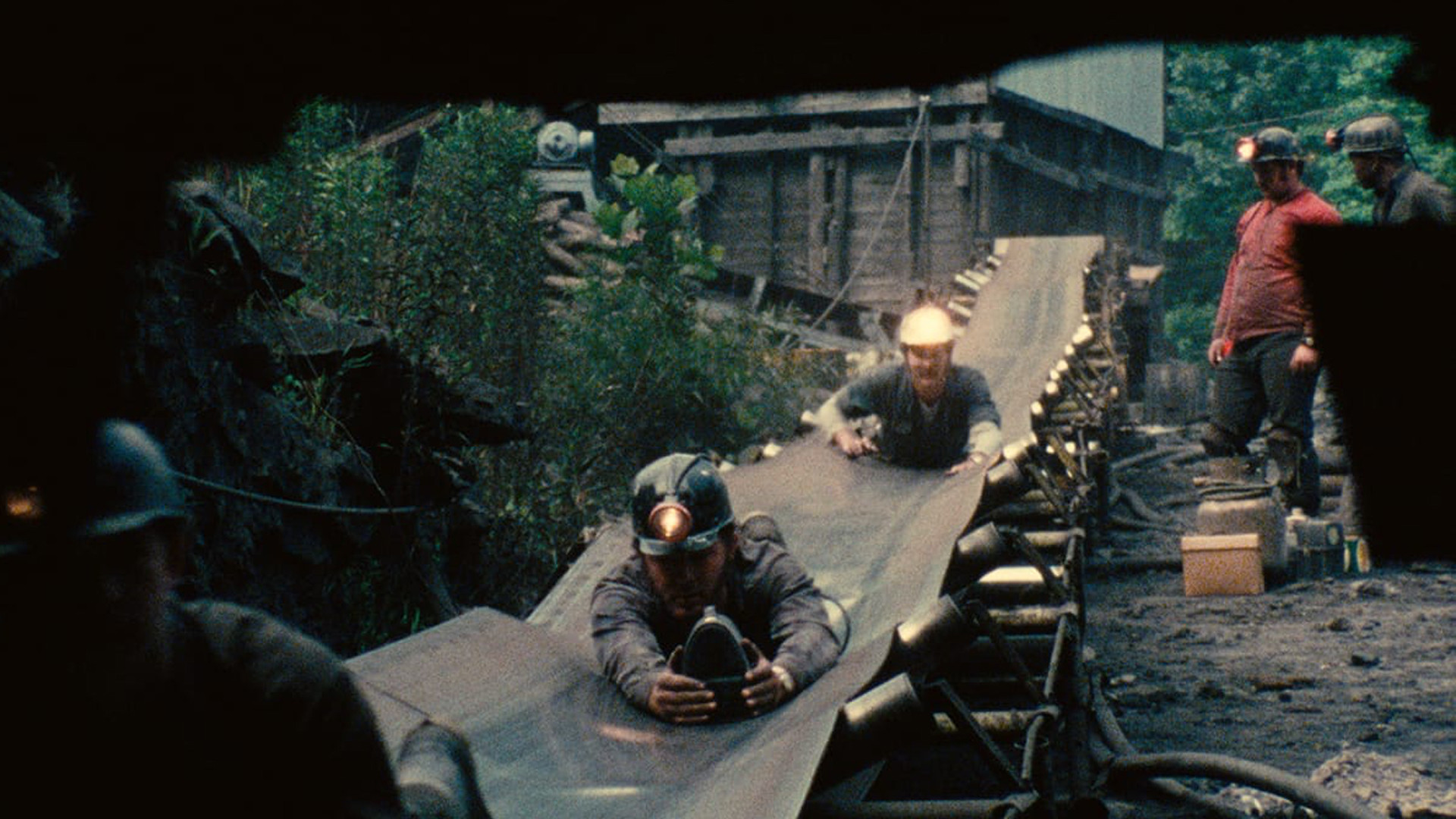
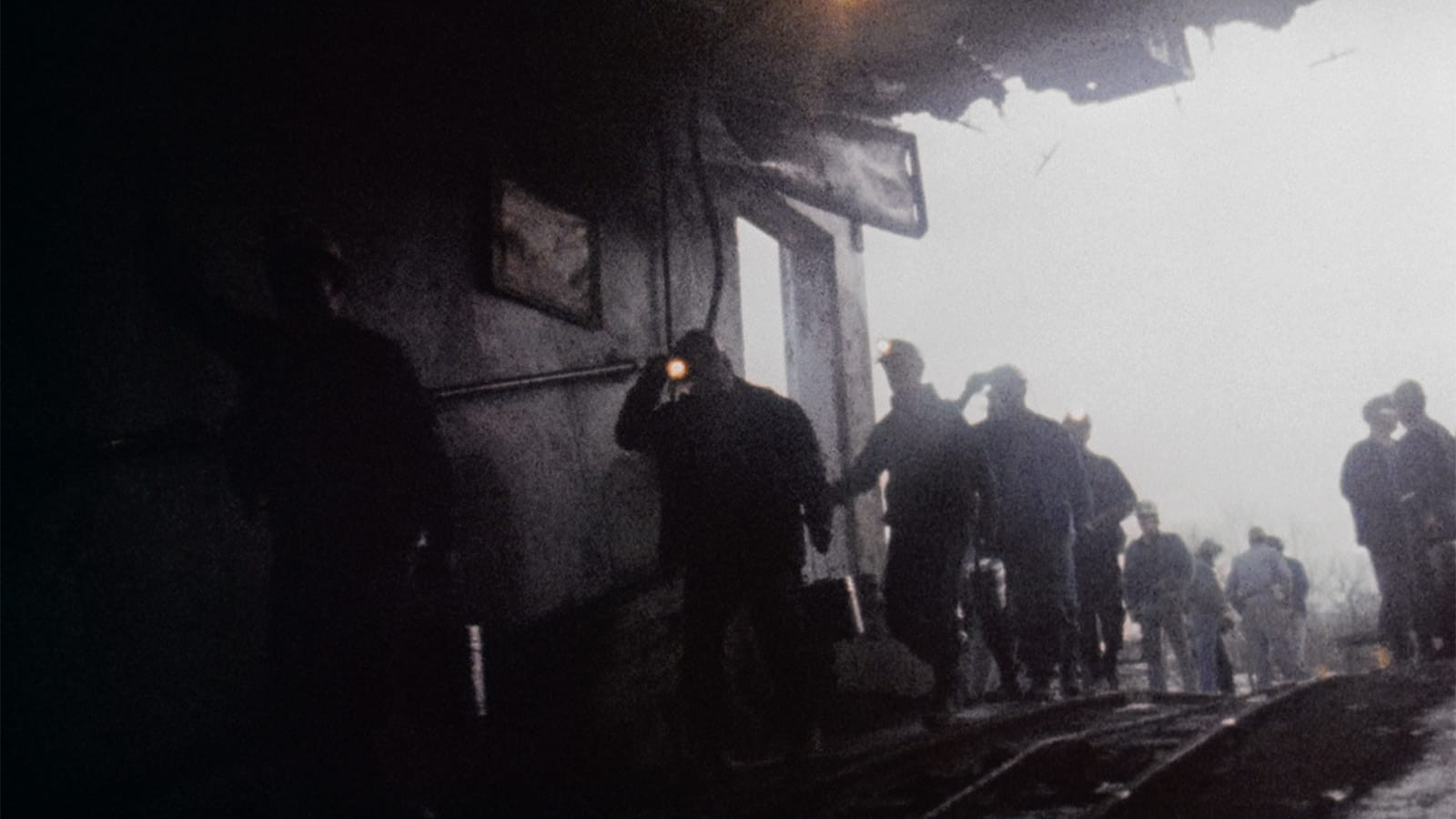
The music is the film’s other spine. Hazel Dickens sings unaccompanied over footage of men going down the shaft and old miners struggling to breathe, and her voice is high, hard and unlovely in exactly the right way. Merle Travis’s songs about the pits fill in around her. At a rally, Florence Reece, an old woman by now, stands up and sings Which Side Are You On?, and the hall sings it back to her. It moved us more than we expected a song to. Nothing about the moment is arranged; the hall knew the words before she stood up.

Mirra Bank, Nancy Baker, Mary Lampson and Lora Hays cut the material with a rising line, so that the year plays like a plotted feature: provocation, retreat, worse provocation. Title cards give the numbers on wages and profits, and they land where a fiction film would put its reversals. The company is not silenced. Norman Yarborough, president of Eastover, is interviewed at length and given every chance to make his case, and he makes it calmly. He comes off worse for the calm, which is what the film intends.

What it will not do is question its friends. Houston Elmore and Phil Sparks, the union’s men on the ground, are filmed with the same warmth as the strikers, and the union’s national politics, which the film leaves the county to follow for a stretch in the middle, are treated as a matter of good men against bad. That detour is where the 104 minutes sag; the film is weaker every minute it is away from Harlan. Near the end it also starts to explain what we have just watched, in speeches, when the pictures had already done the job. It has been accused of borrowing its shape from Hollywood. It has, a little. It also happened, and the camera was there.

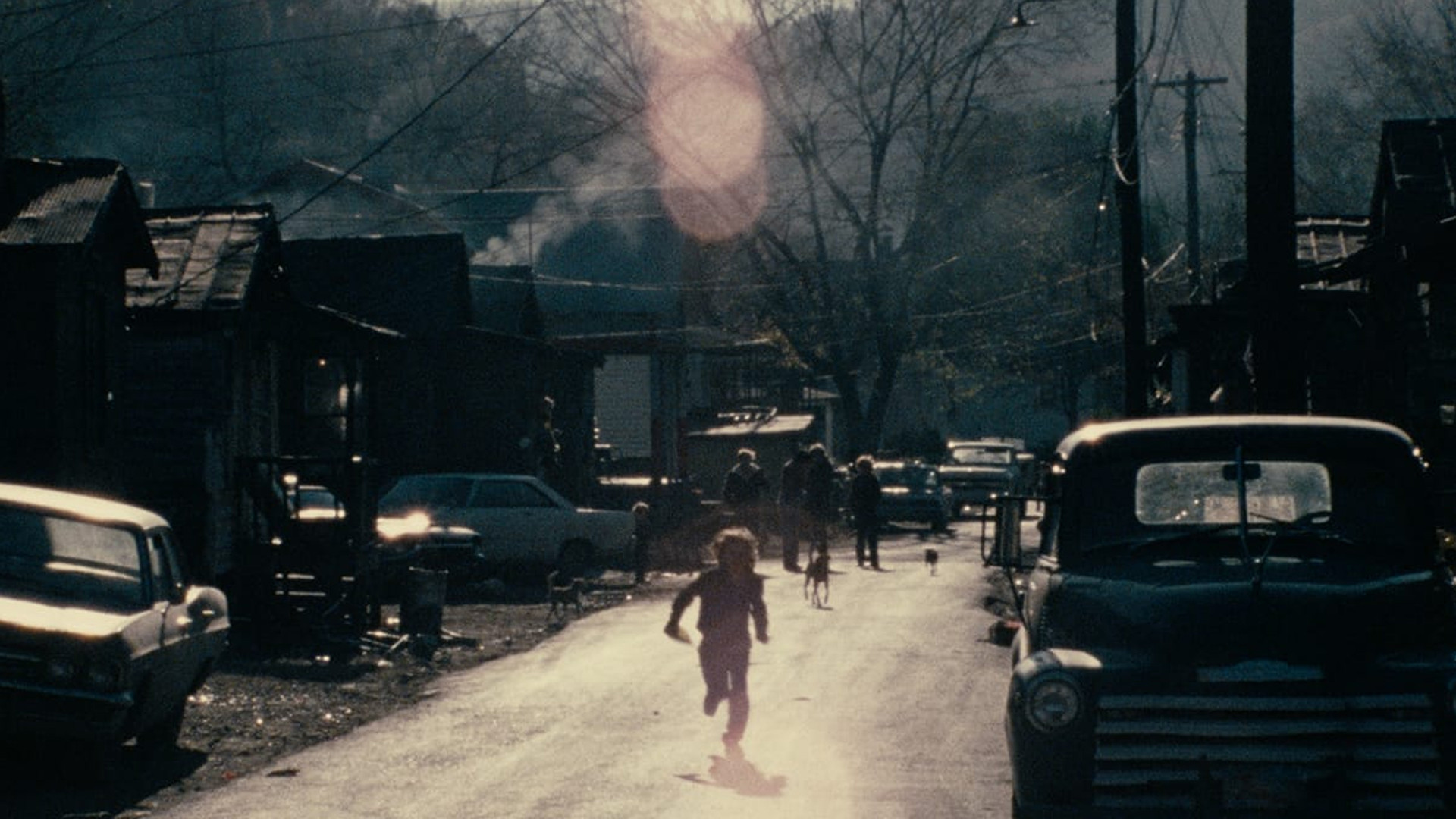
Half a century on, the cars still come up that road every morning, and the film has not aged a day in what it shows. Watch it with the sound up. Dickens’s voice is half the case, and it does not survive being turned down.
Critical consensus AI synthesised

81
Positive
5
Mixed
1
Negative
0

Most critics take Barbara Kopple’s account of the Brookside strike as a landmark of on-the-ground documentary, and the praise is unusually consistent about what works. Reviewers single out the footage itself: armed company men escorting strikebreakers past the picket line, and the miners’ wives proving the most effective organisers on it. Several note that Kopple treats the people of Harlan County as people rather than as mountain curiosities, and that her sympathy with them is earned by staying close for a year.

The reservations are minor and cluster around shape. Pauline Kael in The New Yorker finds the closing explanatory speeches imposed on material that did not need them. Variety observes that the strike has been arranged to land with the impact of a plotted fiction feature, and the one mixed notice, from Time Out, presses that harder, arguing the film leans on emotive effect and Hollywood conventions instead of analysis. The spread otherwise is narrow.

RogerEbert.com
16 February 2006 · ★★★★/4 · Roger Ebert
100

The film retains all of its power in depicting a Kentucky miners’ strike where armed company goons escort scabs and the miners’ wives prove the most effective picketers. Ebert highlights the courage of the participants and the lasting impact of Kopple’s on-the-ground filming.

Read the full review →
The AV Club
5 July 2006 · A · Noel Murray
95

The critic calls the film a landmark documentary that hasn't lost its power to grip and enlighten, highlighting its portrayal of the miners' strike and union struggles. Kopple is praised for developing deep sympathy with the subjects and backing their story with statistics on wage disparities.

Read the full review →
The New Yorker
17 January 1977 · Pauline Kael
85*

Kopple has a great subject and the taste not to betray it, conveying the material with directness and simplicity while capturing the miners’ folk culture and fierce belief in justice. The film excels in its rapport with the women and its respectful, uncondescending portrayal of the participants, though it occasionally imposes explanatory speeches at the end.

Read the full review →
The New York Times
15 October 1976 · festival review
80*

The documentary offers a fascinating and moving inside look at the year-long Brookside mine strike, illuminating the frightfulness and valor of coal mining life. It has some considerable flaws but succeeds as a brilliantly detailed report from one side of a violent labor battle.

Read the full review →
Variety
1 January 1976 · Variety Staff
75*

This is a straightforward cinema verite documentary about the coal miners’ strike in Kentucky, with emphasis on predictable elements that give it the impact of a carefully-plotted fiction feature. The stars are the men and women of Harlan County, portrayed as human beings rather than patronized mountain folks.

Read the full review →
Time Out
10 September 2012 · RM
50*

The film is required viewing for its extraordinary footage of the miners' strike and its refusal of impartiality, with strong praise for the role of women in the action, but it is criticised for relying too much on emotive effect and Hollywood-style narrative conventions rather than deeper analysis.

Read the full review →

Cast

If you liked this, try…

Salt of the Earth poster

Salt of the Earth

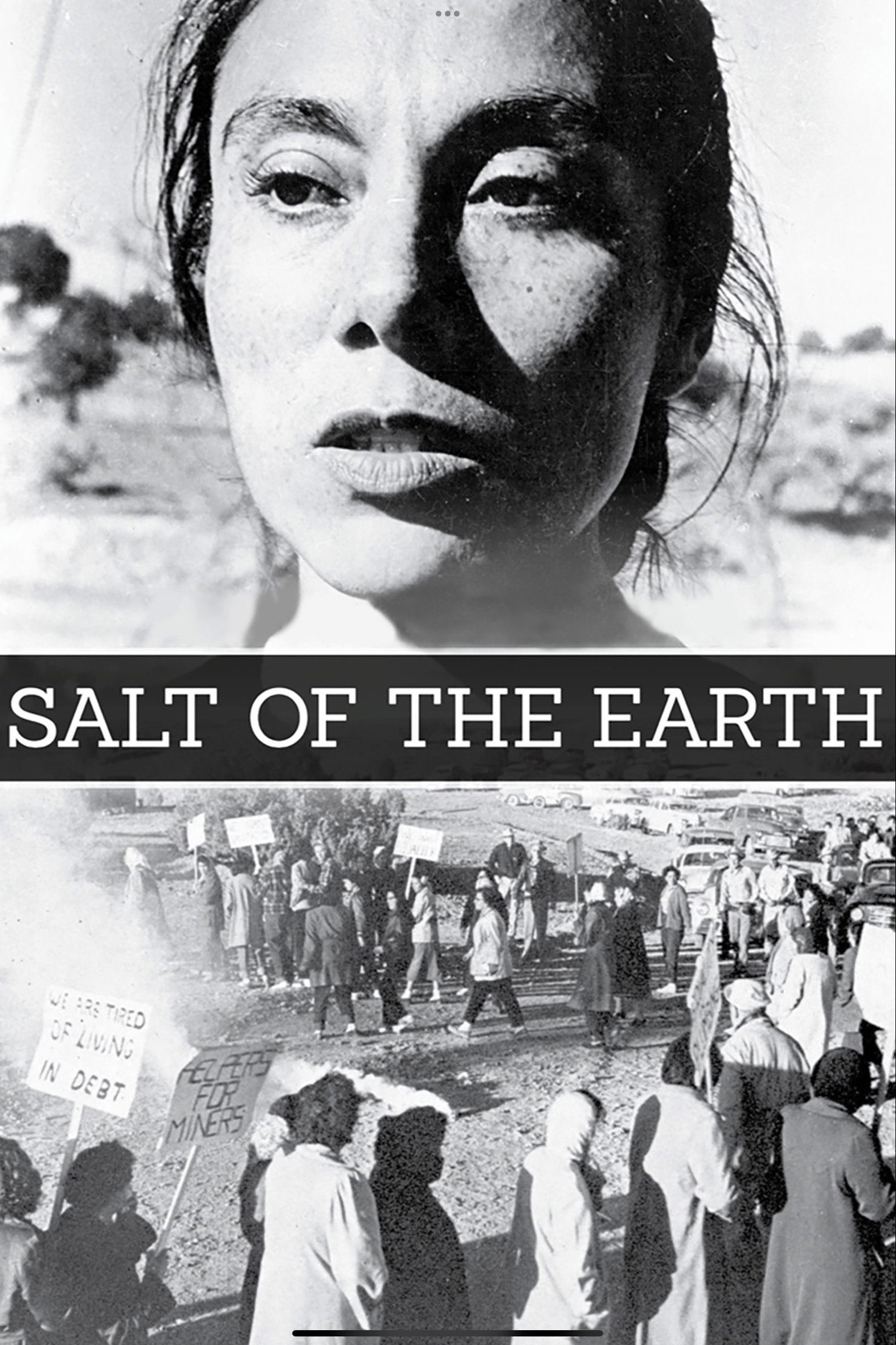
1954 · Blacklisted filmmakers stage a New Mexico miners’ strike with the miners’ wives out front.

Matewan poster

Matewan

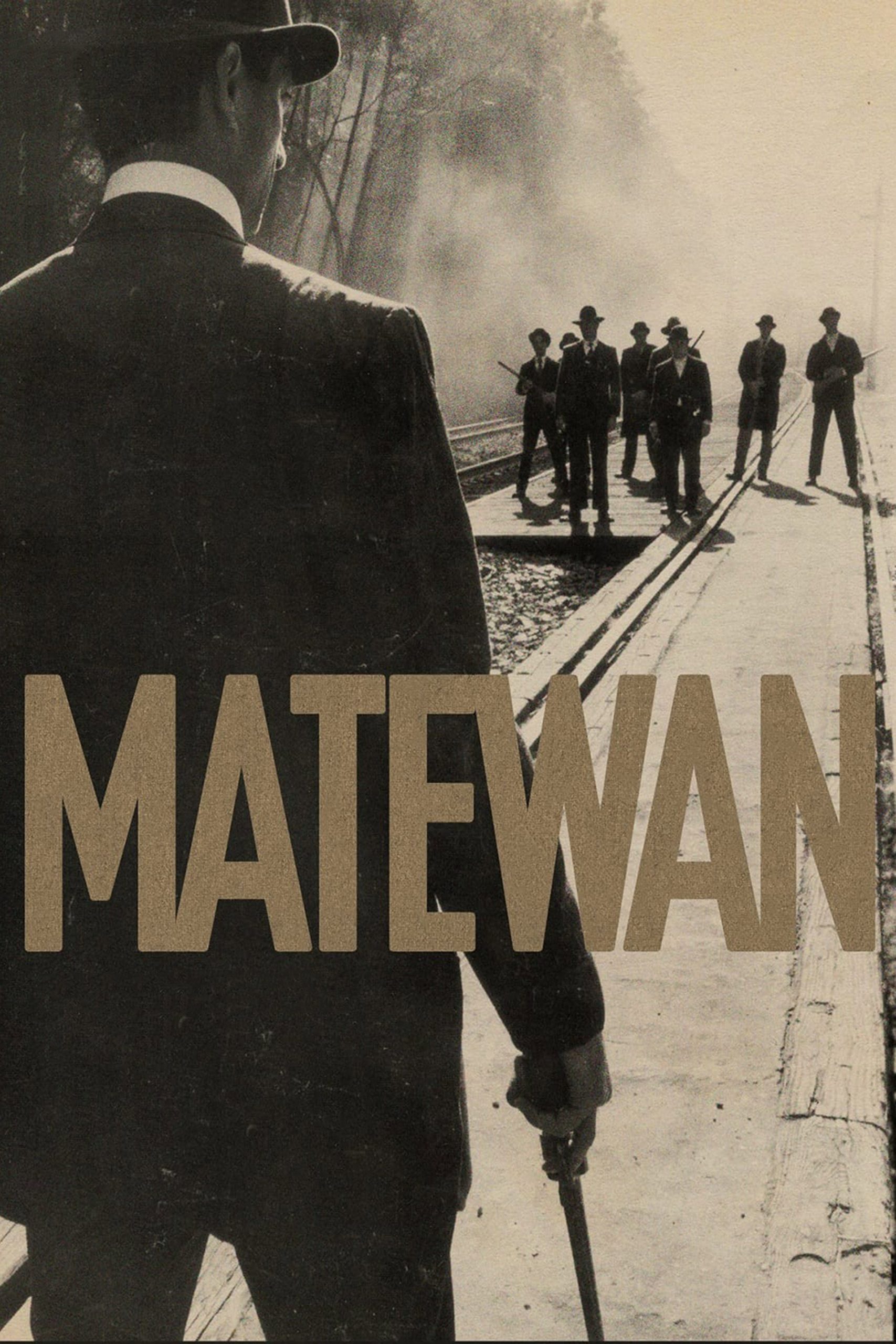
1987 · John Sayles dramatises a West Virginia coal war with the same road and the same guns.

American Dream poster

American Dream

1990 · Kopple returns to a strike, in Minnesota this time, and finds the union divided against itself.

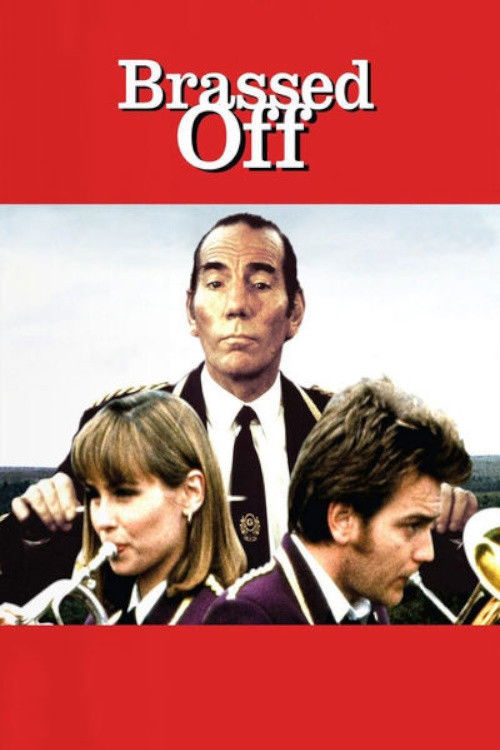
Brassed Off poster79

Brassed Off

1996 · A Yorkshire pit closes and the colliery band plays on; funnier, sadder, and English.

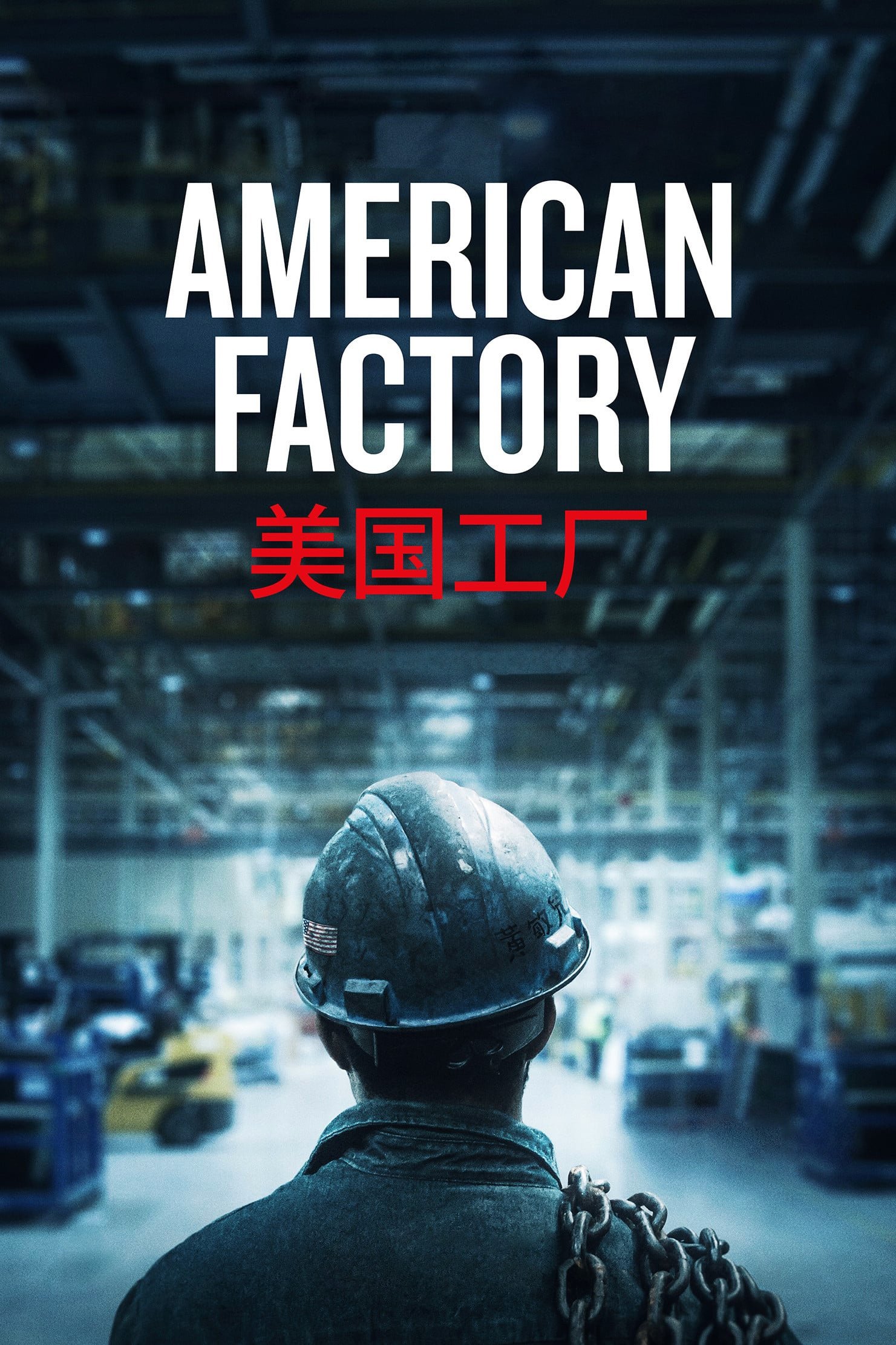
American Factory poster

American Factory

2019 · A Chinese firm reopens an Ohio plant and a union vote follows; patient, fair, and unsettling.