Film review

Roger & Me

1989 · Directed by Michael Moore · 1h 31m · MPA R

In a sentenceAsking the chairman a question apparently requires its own film crew

DocumentaryHistoryComedy

In Flint, Michigan, Michael Moore films the loss of factory work in his home town as General Motors closes plants and lays off thousands of workers. He sets out to question company chairman Roger B. Smith about the effects of those decisions, but getting access to him becomes a task in itself. The search runs alongside the daily difficulties of people whose town depends on the work that is disappearing. Rhonda Britton and Fred Ross are among those appearing as themselves as the documentary follows Flint’s residents trying to get by.

Fi1m review

Michael Moore’s account of Flint after the factory closures is funny, angry and often distressing. Its pursuit of a corporate villain simplifies the damage, but the people living with it make the film worth seeing.

Roger & Me is a funny, forceful documentary that becomes most affecting when Michael Moore stops being its chief attraction. His home town of Flint, Michigan, is losing factory jobs as General Motors closes plants, and he wants the company’s chairman, Roger B. Smith, to answer for the damage. The pursuit gives the film a simple task to follow. It also makes an enormous economic problem look rather too much like one man’s fault. The people in Flint make it worth seeing.

As director, writer and on-screen participant, Michael Moore makes no pretence of standing outside the story. The personal connection helps explain why he keeps asking, and why the closures cannot be treated as something unfortunate happening elsewhere. His presence gives an unfamiliar viewer someone to follow through the town’s troubles, without requiring a lecture before every encounter. It is an effective way into a documentary, although the hunt for the chairman is less absorbing than the encounters with residents.

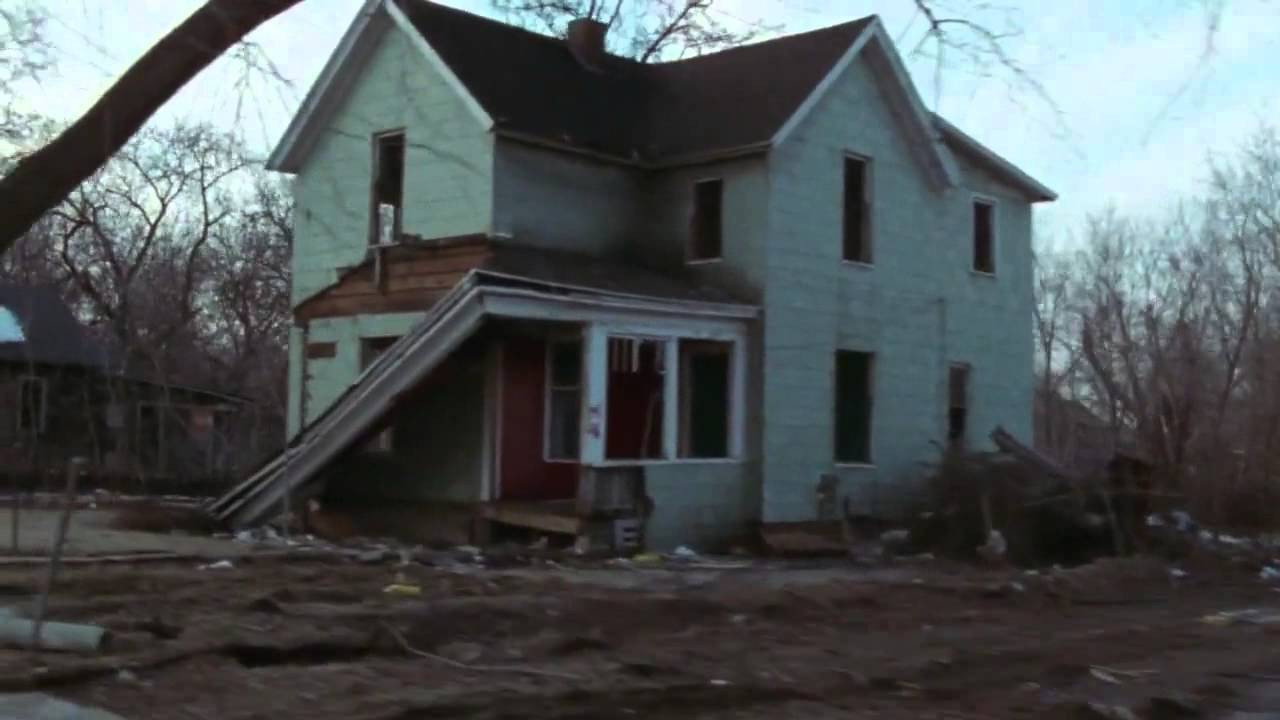
Kevin Rafferty’s cinematography is most valuable in the passages following evictions, where keeping the camera with the residents is enough. We found those sequences hard to watch. They show how the loss of factory work can threaten the place someone lives, and the film is right to give that consequence time. The local efforts to make a living, including rabbit farming, also bring the subject down to the practical business of finding money when the usual work has gone.

Editors Jennifer Beman White and Wendey Stanzler keep the pursuit moving while repeatedly bringing us back to Flint. The contrast between the chairman’s distance and the residents’ immediate difficulties supplies much of the comedy. Those changes of subject also prevent the film from settling into a succession of interviews about decline. The humour makes it easier to stay with painful material, although the speed of a well-timed cut can leave little room to think about whom we have just laughed at.

That is the qualification we would attach to the film’s humour. When local survival measures become comic material, the person struggling can end up seeming ridiculous alongside the circumstances that put them there. Michael Moore’s anger at the company is clear, but it does not make every laugh at an ordinary resident fair. The people facing these difficulties are interesting enough without having to provide another example of how absurd the town’s predicament has become.

Campaigning documentaries still have to explain how things happen. Here, the pursuit of Roger B. Smith gives the story a recognisable opponent, but it offers only a limited account of how corporate decisions are made. More explanation would have helped without turning the film into a lecture or weakening the residents’ stories. An interview with the chairman could never explain everything that has happened to Flint.

At 91 minutes, the film has the good sense not to keep restating its anger until we stop listening. Its residents remain more absorbing than the prospect of a confrontation with the chairman. Give it an evening if political documentaries are your sort of thing, but expect to question some of the jokes.

Critical consensus AI synthesised

72
Positive
7
Mixed
1
Negative
1

Most critics respond warmly to Roger & Me, praising the humour and anger of Moore’s account of Flint after General Motors’ plant closures. The praise centres on his personal connection to the town, his pursuit of chairman Roger Smith and the ironic juxtapositions that expose corporate indifference. The reviews find that black comedy makes the hardship more pointed rather than less serious. Several also value the attention to residents facing eviction or finding desperate ways to survive.

The disagreement concerns how Moore gets his laughs and arranges his evidence, producing a wide spread despite the positive majority. Even a favourable assessment finds the treatment sketchy and simplistic. The New York Times discusses criticisms of factual manipulation and compressed chronology. The New Yorker is the sharp dissent, arguing that Moore distorts history and makes ordinary people targets of ridicule while presenting himself as their political ally.

Empire
1 January 2000 · Mat Snow
85*

The critic praises Moore's debut documentary for charting the decline of his hometown Flint after GM factory closures and his persistent attempts to confront chairman Roger Smith. It highlights the film's effective use of ironic juxtapositions and light touch in balancing humor with harsh realities.

Read the full review →
Los Angeles Times
20 December 1989 · Peter Rainer
80*

The critic finds the film a terrific, entertaining piece of cockeyed outrage whose black comedy arises naturally from its serious subject, though it remains too sketchy and simple-minded to be great.

Read the full review →
The AV Club
5 October 2009 · Zack Handlen
80*

Roger & Me is the better of the two films reviewed, focusing tightly on the collapse of Flint, Michigan after GM plant closures. The critic singles out the film's strong sequences following evictions and desperate local survival measures like rabbit farming for praise, calling it excellent overall.

Read the full review →
Time Out
19 April 2012 · CM
80*

Moore's hilarious, scathing film traces the decline of his home town of Flint, Michigan, after General Motors systematically closed down plants and laid off thousands of workers. The critic praises the way it tellingly and ruthlessly presents the cumulative effects of industrial ruthlessness.

Read the full review →
The New York Times
1 February 1990 · Richard Bernstein
60*

The piece examines the film's massive popularity as a David-vs-Goliath satire while noting recent criticisms of its factual manipulations and chronological compression for dramatic effect.

Read the full review →
The New Yorker
8 January 1990 · Pauline Kael
20*

The review calls the film shallow, facetious gonzo demagoguery that compresses and distorts history for laughs and uses ordinary people as targets while posing as left-wing critique.

Read the full review →

Cast

Stills

If you liked this, try…

Harlan County U.S.A. poster

Harlan County U.S.A.

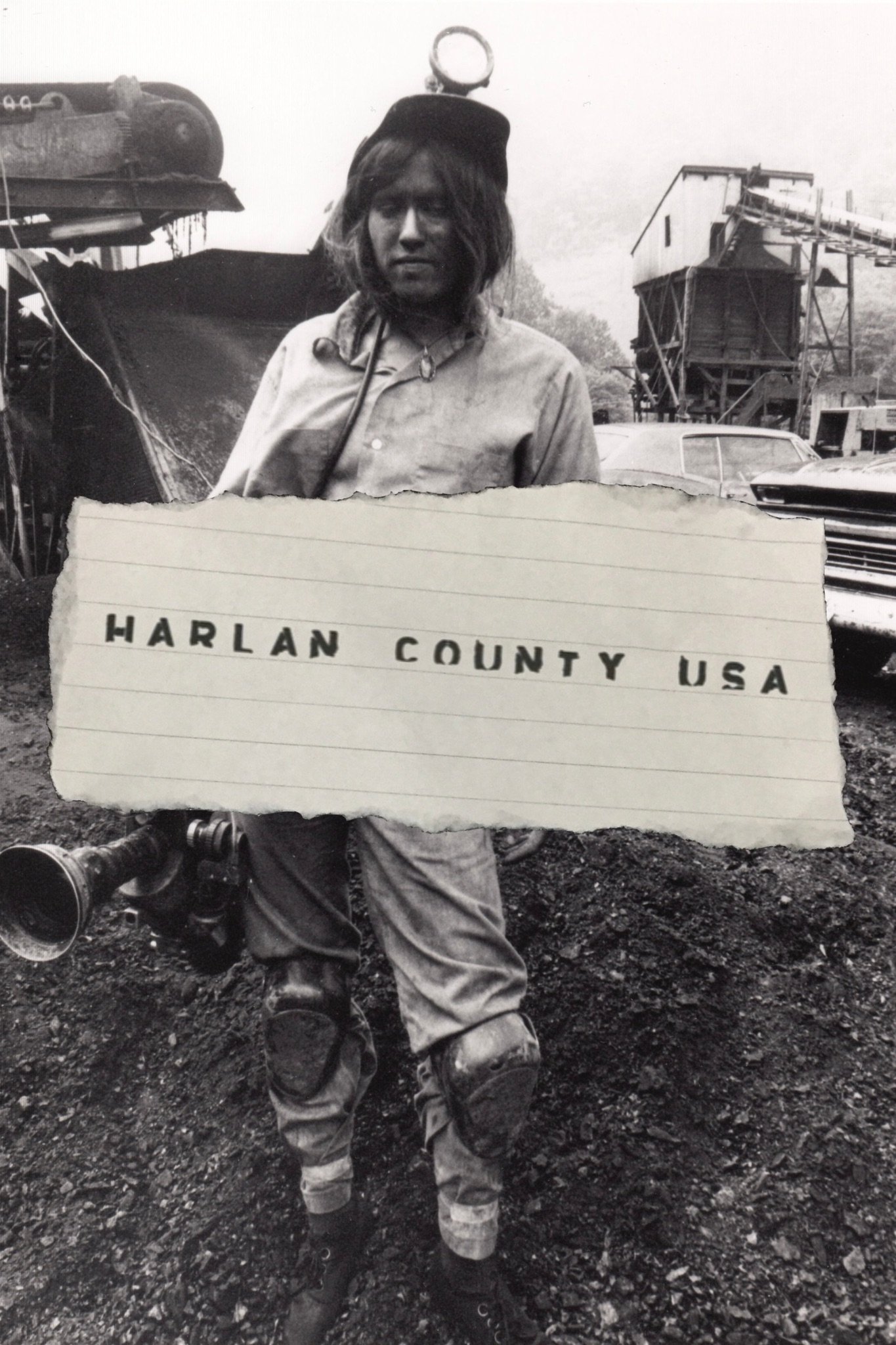
1976 · A labour documentary that keeps its attention firmly on workers and their families.

The Gleaners and I poster

The Gleaners and I

2000 · A warmer documentary about people making use of things others have thrown away.

Sorry We Missed You poster

Sorry We Missed You

2019 · Insecure work puts another household under pressure, with little room left for jokes.

The Corporation poster

The Corporation

2003 · A broader examination of corporate power, giving more time to how companies operate.

The Emperor's Naked Army Marches On poster

The Emperor's Naked Army Marches On

1987 · Another relentless documentary pursuit, with a questioner whose methods demand their own scrutiny.