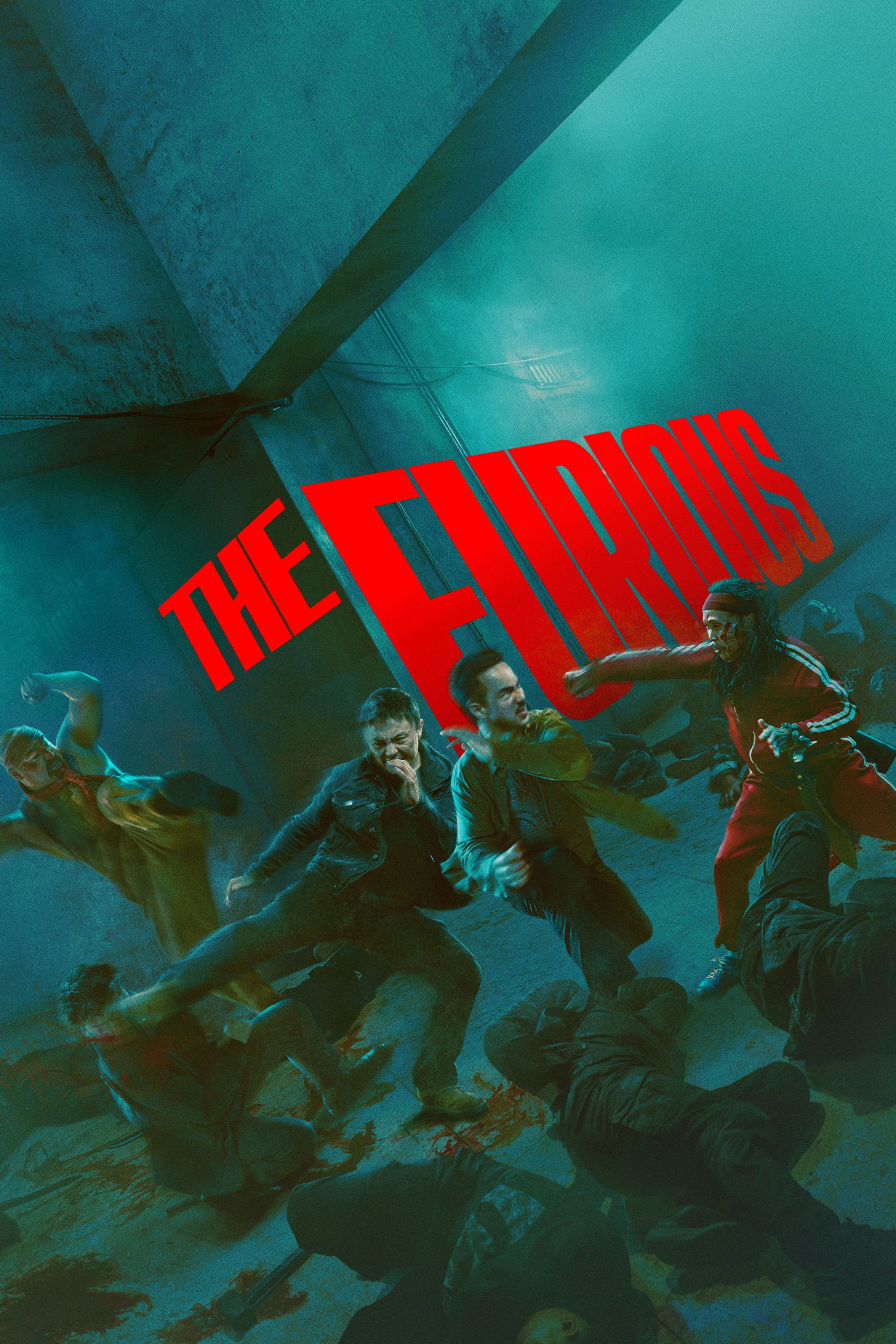
Kenji Tanigaki’s fights are inventive, punishing and clear enough for us to appreciate the skill involved. We rate his action direction highly; The Furious gives us rather less reason to look forward to the dialogue.
Fi1m perspective
A motorcycle becomes a weapon in The Furious (2026), and Kenji Tanigaki makes its weight part of the fight. We laughed, then winced, because swinging it at another person looks both ridiculous and painfully difficult. The pleasure comes from being able to follow the choreography, including how an object changes what the fighters can do. Tanigaki keeps finding fresh problems for his performers rather than merely asking them to hit harder. Even this absurd choice of weapon demands convincing physical work.
Years spent working with Donnie Yen help explain that confidence in performers, with SPL: Sha Po Lang (2005) and Flash Point (2007) among their collaborations. Wider recognition came through his action direction on the Rurouni Kenshin series (2012–2021). He had begun directing features with Legend of Seven Monks (2006), later co-directing Enter the Fat Dragon (2020) with Aman Chang. The move is welcome, though the ability to organise a fight does not automatically settle what should happen between fights.
In the Bill Kong-produced The Furious, Xie Miao and Joe Taslim are given a kidnapping and a trafficking network as their reason to join forces. The performers are allowed to hold our attention through the physical difficulty of the work, and both are persuasive in motion. Tanigaki understands the particular pleasure of watching people coordinate a brawl so precisely that it can look uncontrolled. Across 113 minutes, that skill and the variety of the fights are enough to keep the familiar set-up from spoiling the evening.
The awkward dialogue is the limitation we would most like him to overcome. Between bouts, The Furious can leave us waiting for the actors to stop talking, and that is a weakness in a film we otherwise recommend strongly. It also keeps us from assuming that his gift for choreography will solve every problem when he directs a whole feature. Give him a sharper script next time; the fights need little assistance.
Biography
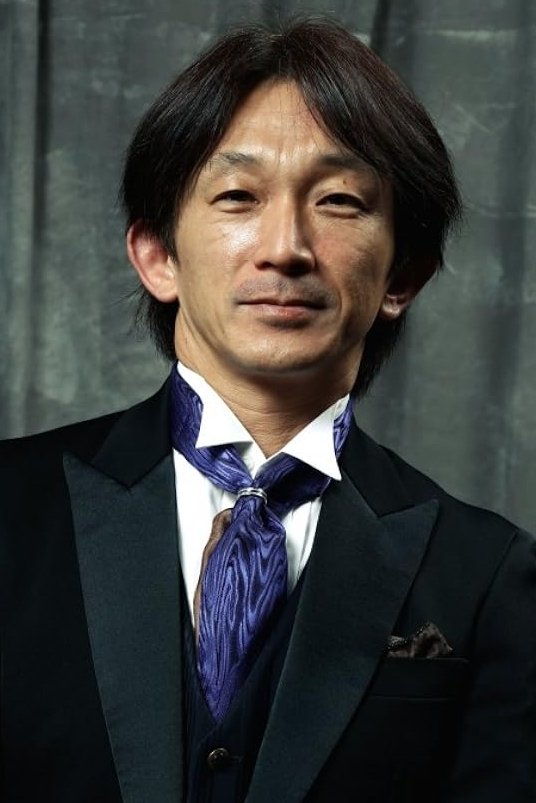
Kenji Tanigaki (谷垣 健治) is a Japanese action choreographer, stunt performer and film director. Born on 13 October 1970 in Nara Prefecture, he trained in Shorinji Kempo and at the Kurata Action school before moving to Hong Kong in 1993, where he joined the Hong Kong Stuntmen Association and worked extensively with Donnie Yen.
He served as stunt coordinator or action director on films including Bodyguards and Assassins (2009), the Rurouni Kenshin series (2012–2021), Snake Eyes: G.I. Joe Origins (2021) and Twilight of the Warriors: Walled In (2024). Tanigaki has also directed features such as Enter the Fat Dragon (2020) and The Furious (2025). He won the Golden Horse Award for Best Action Choreography for Hidden Man (2018).