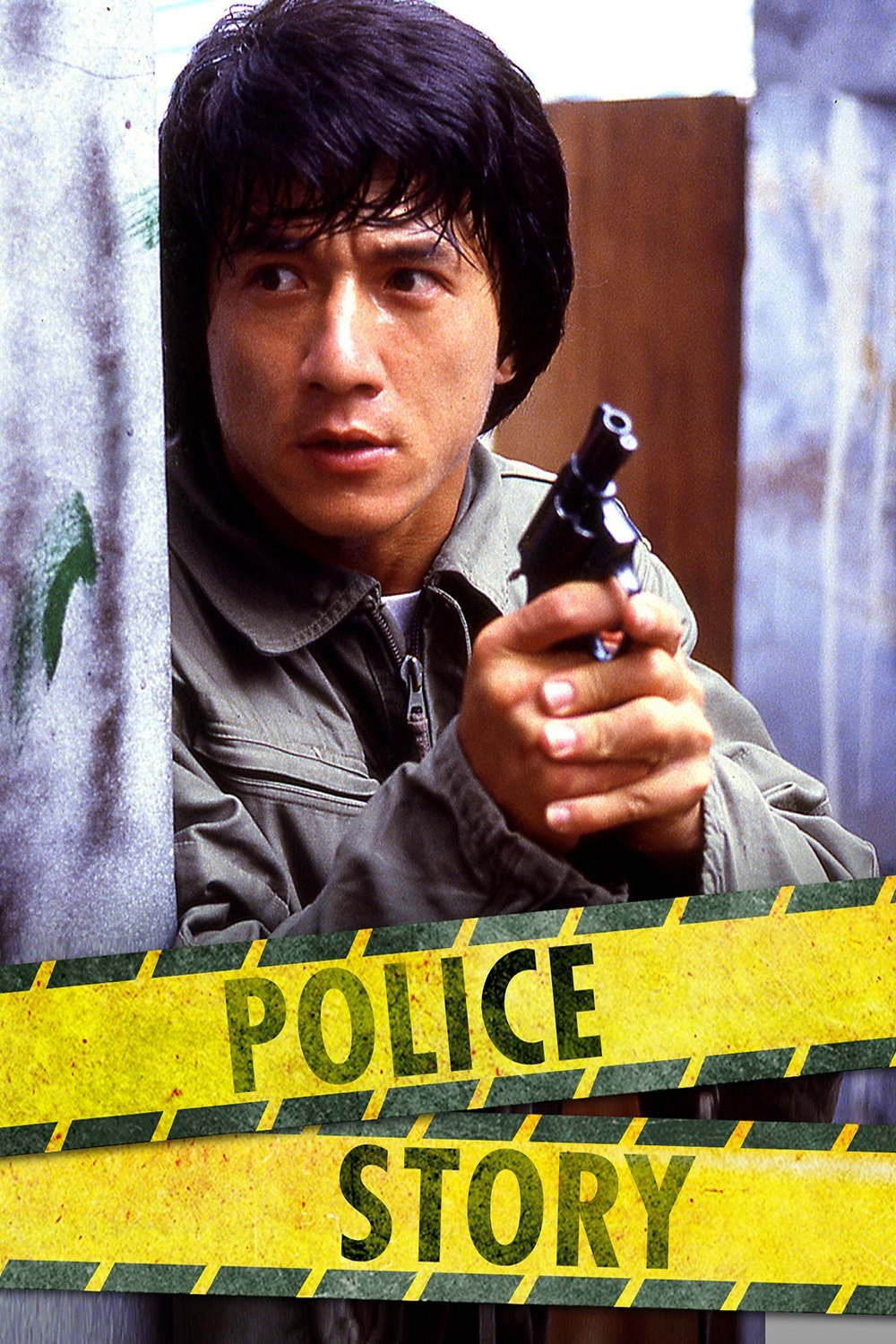
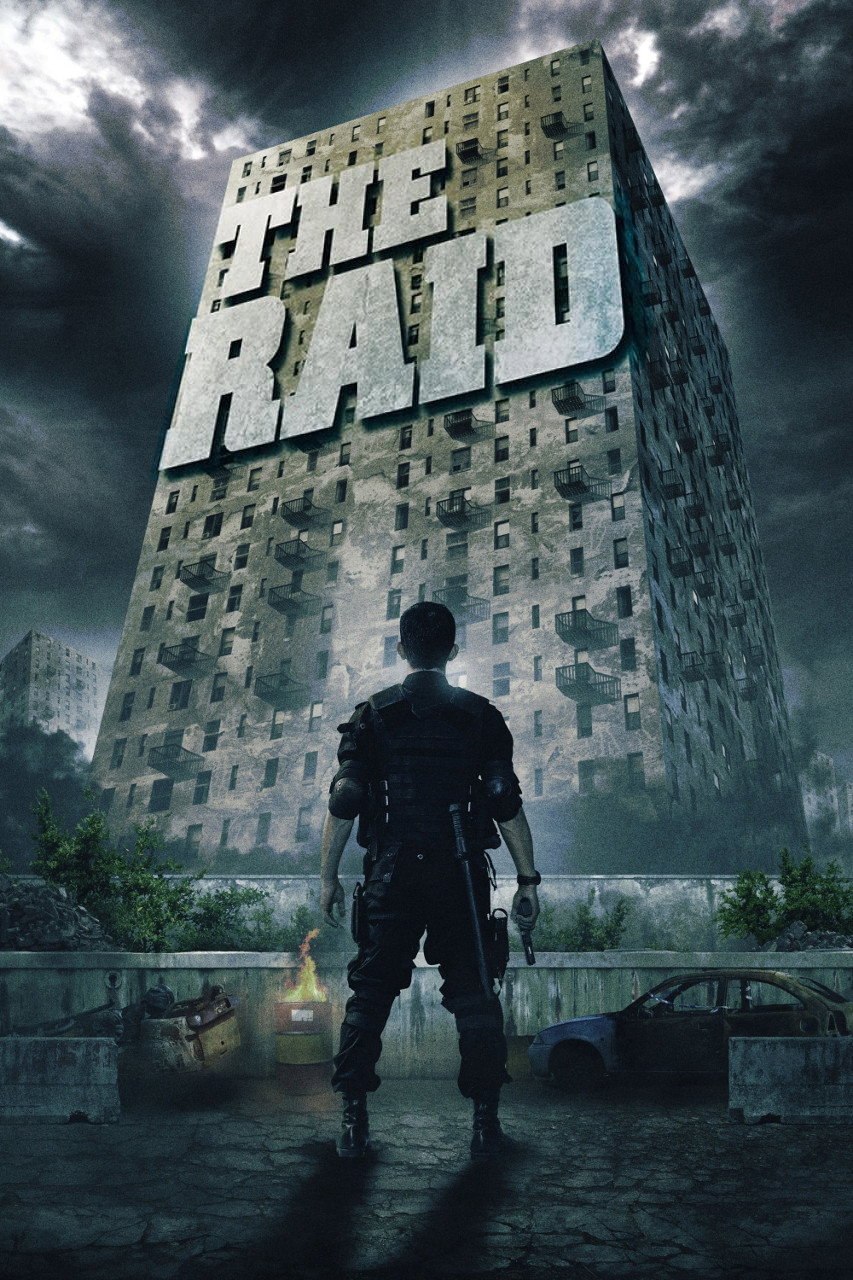
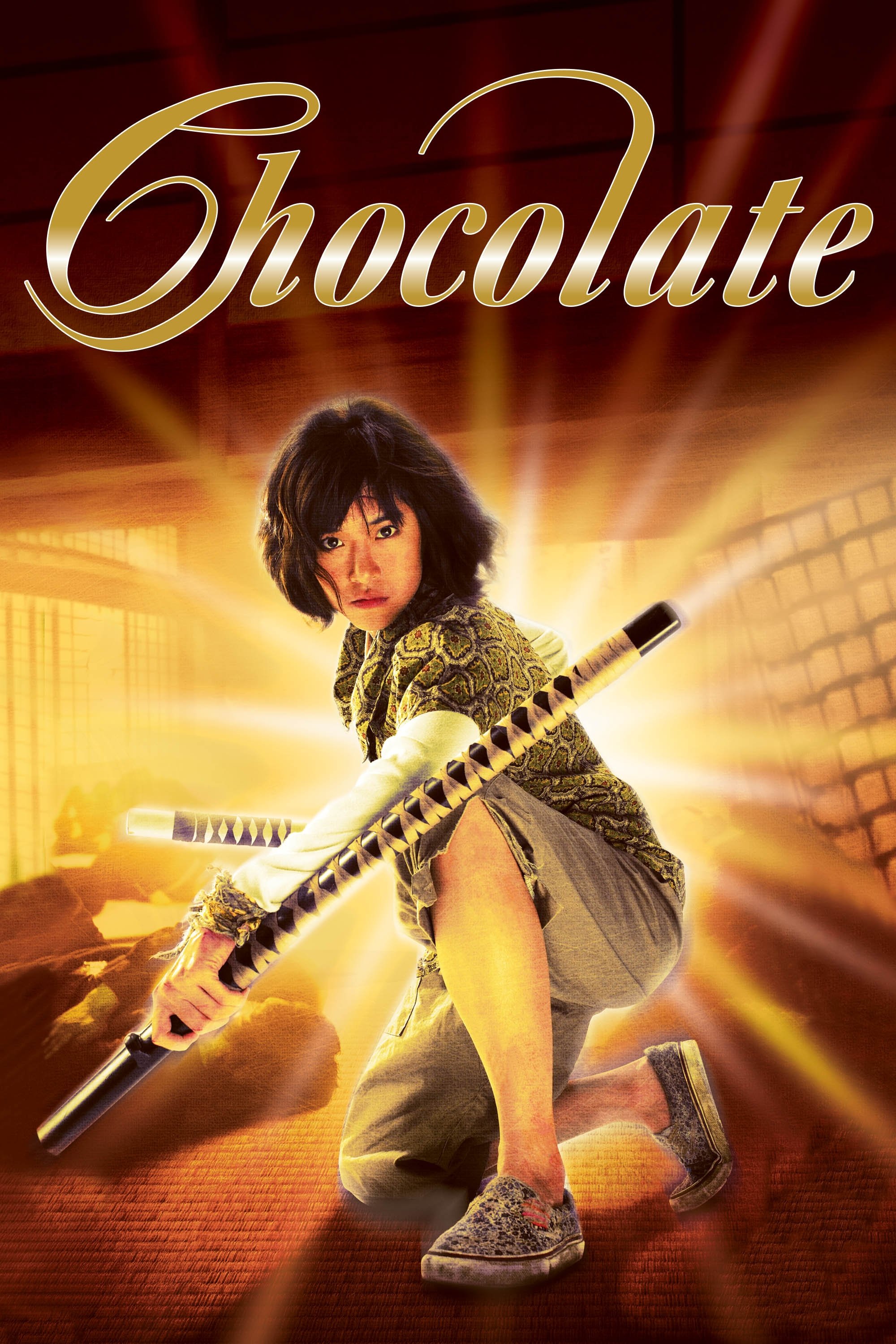
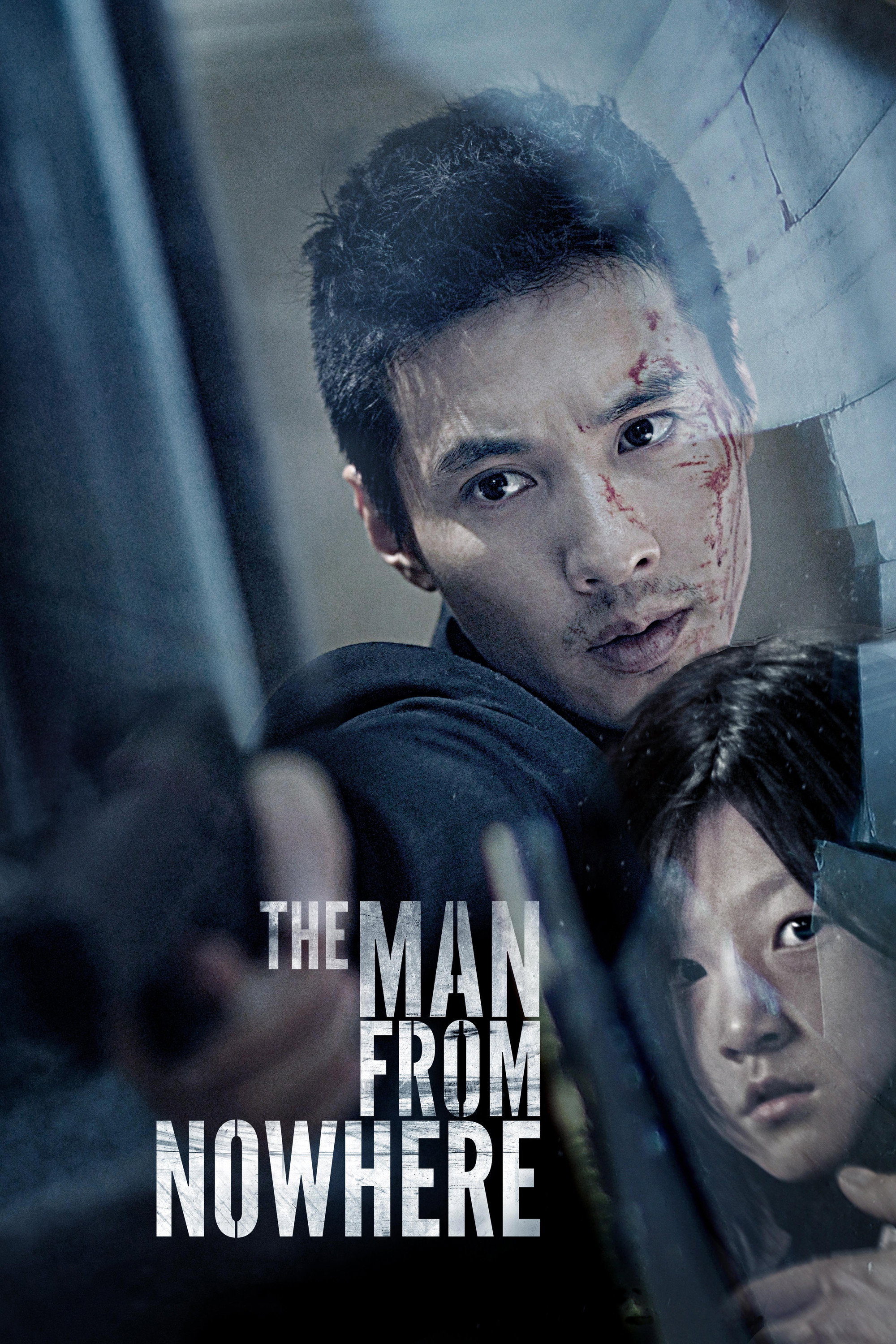
Kenji Tanigaki’s The Furious earns our recommendation through inventive, punishing fights and the clarity with which it shows them. The thin kidnapping story and awkward dialogue matter, but they seldom get long enough to spoil the evening.
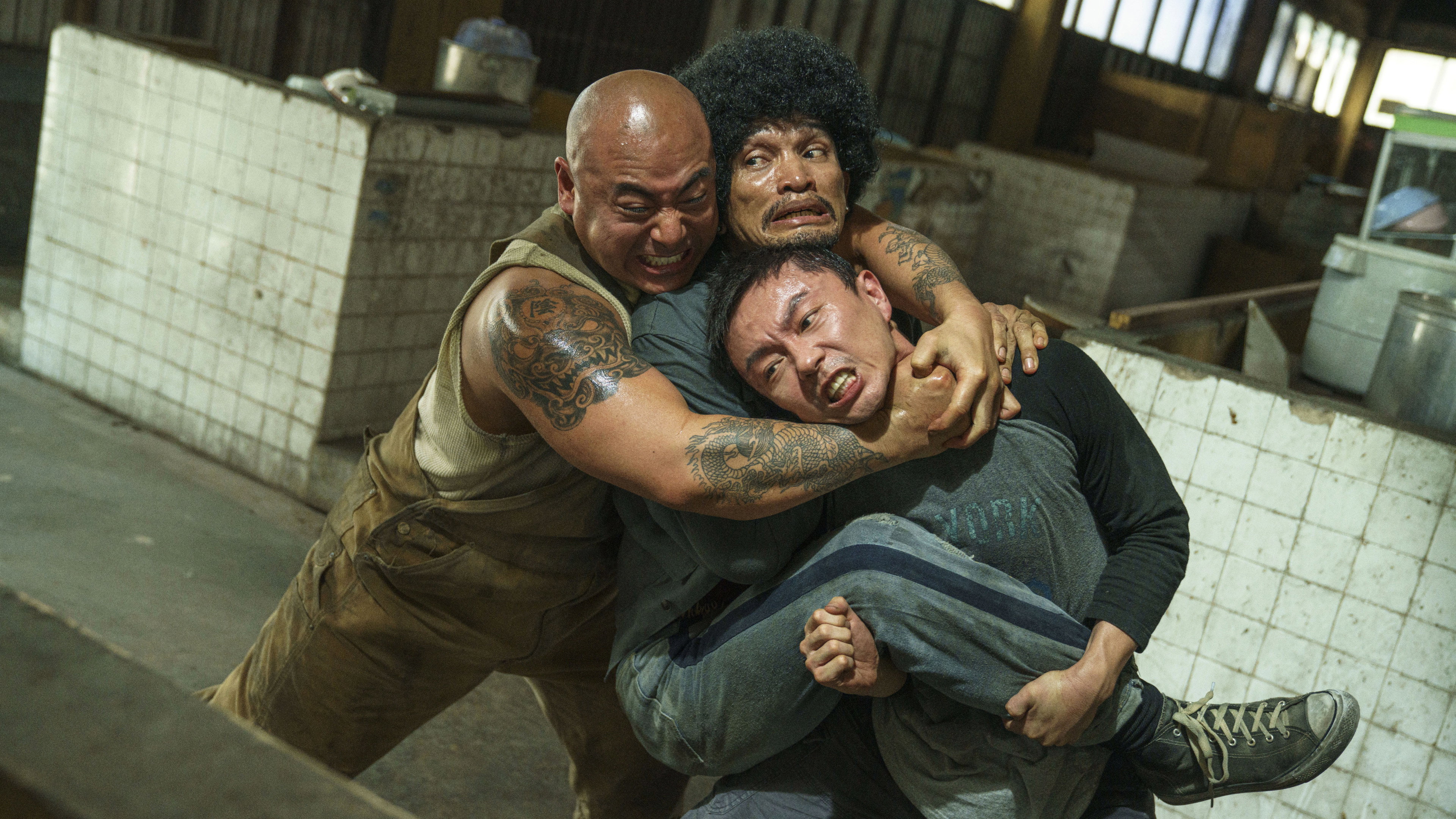
The Furious knows why most people have come, and Kenji Tanigaki gets on with providing it. A kidnapping and a trafficking network give Xie Miao and Joe Taslim a reason to join forces, with little time spent making that reason unusual. We recommend it for the fighting, which is inventive enough to sustain a film that runs for 113 minutes. The writing supplies less pleasure, and the pauses between bouts can feel like time spent waiting for the actors to stop talking.
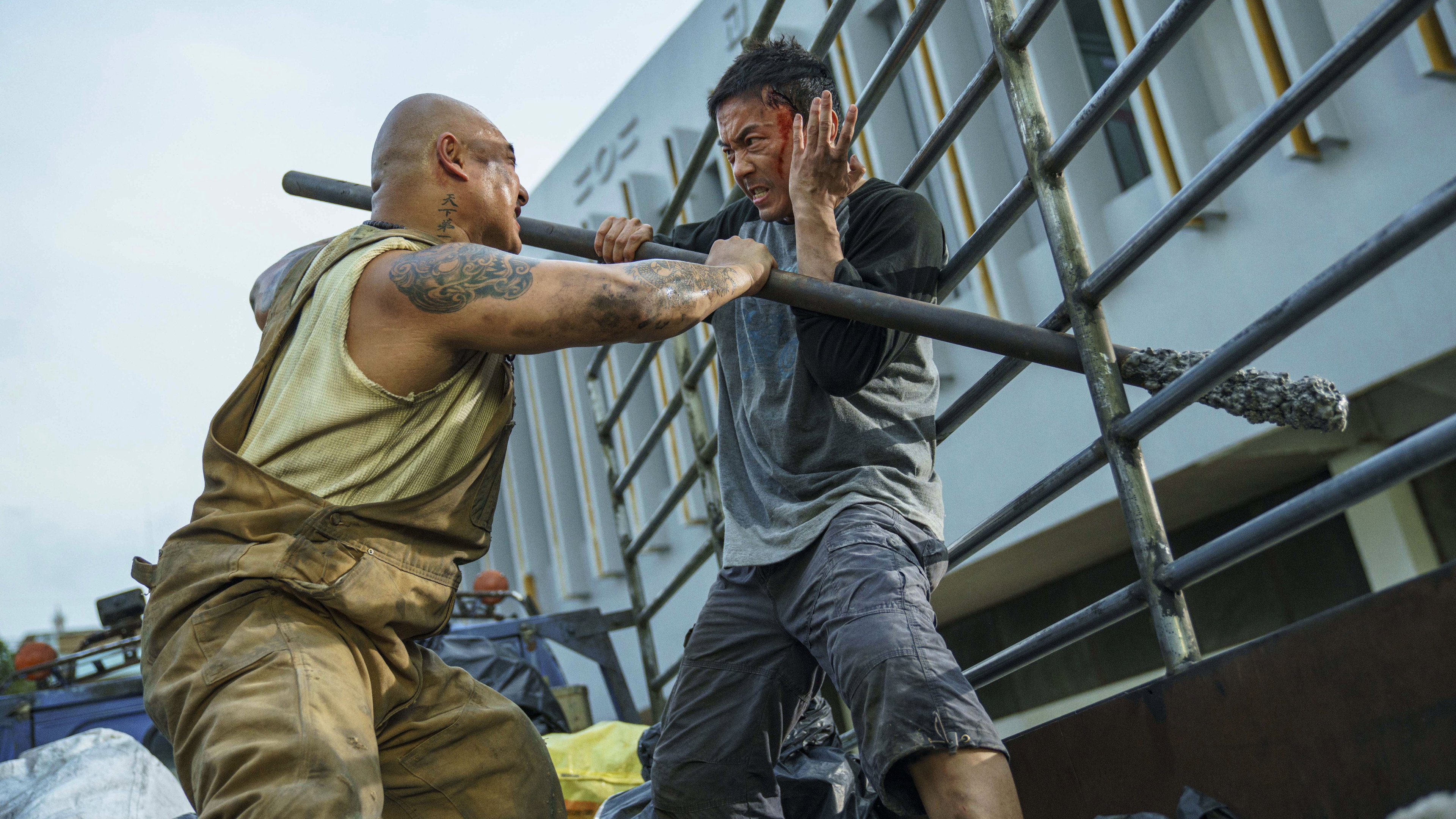
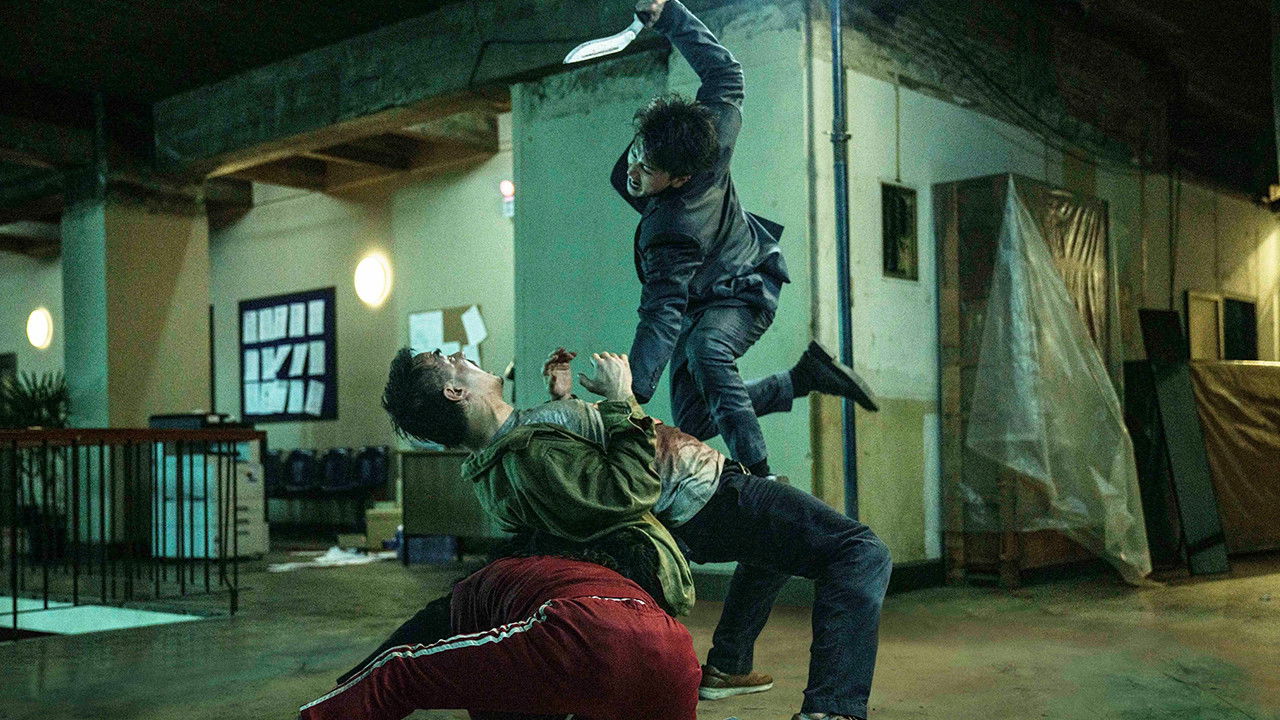
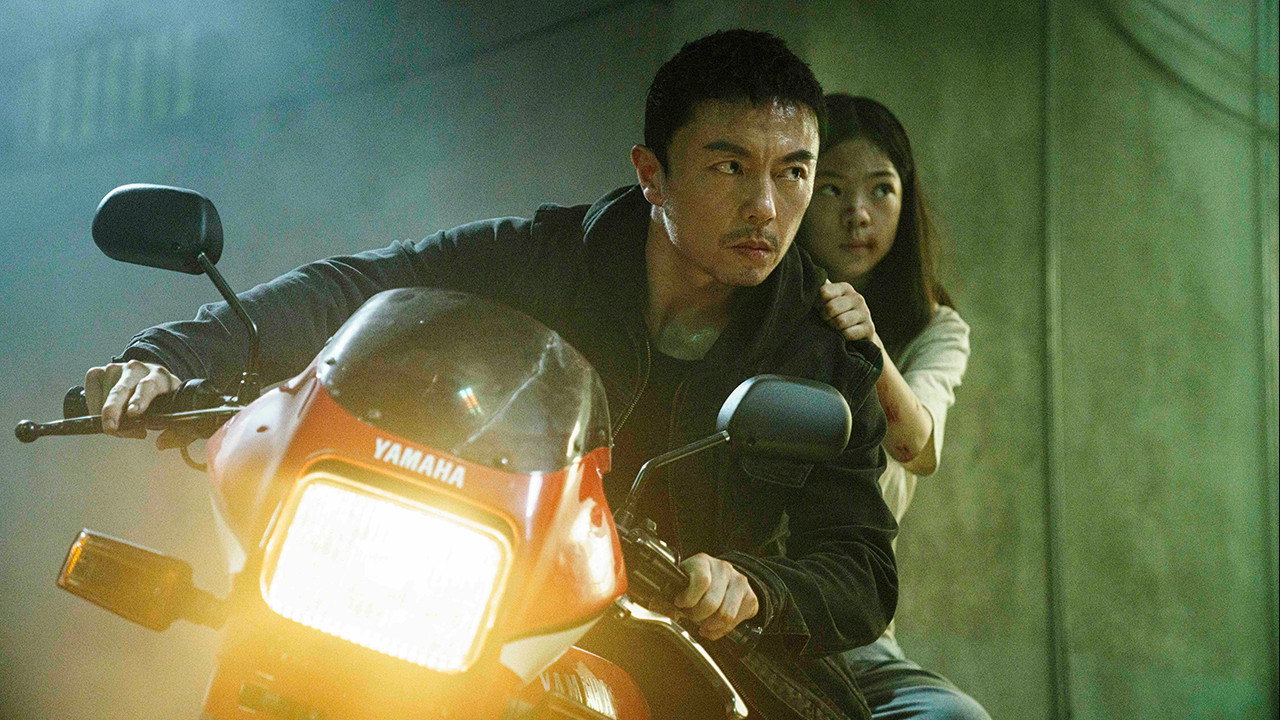
Tanigaki understands that a fight needs more than people hitting harder as it goes on. These sequences keep changing what the performers can do, particularly when objects are brought into the combat. A motorcycle becomes something to swing at an opponent, an absurd escalation carried off with enough physical conviction to make us wince. We laughed, then winced again. The joke works because the choreography makes the weight of the thing matter, even while the idea of using it this way remains ridiculous.
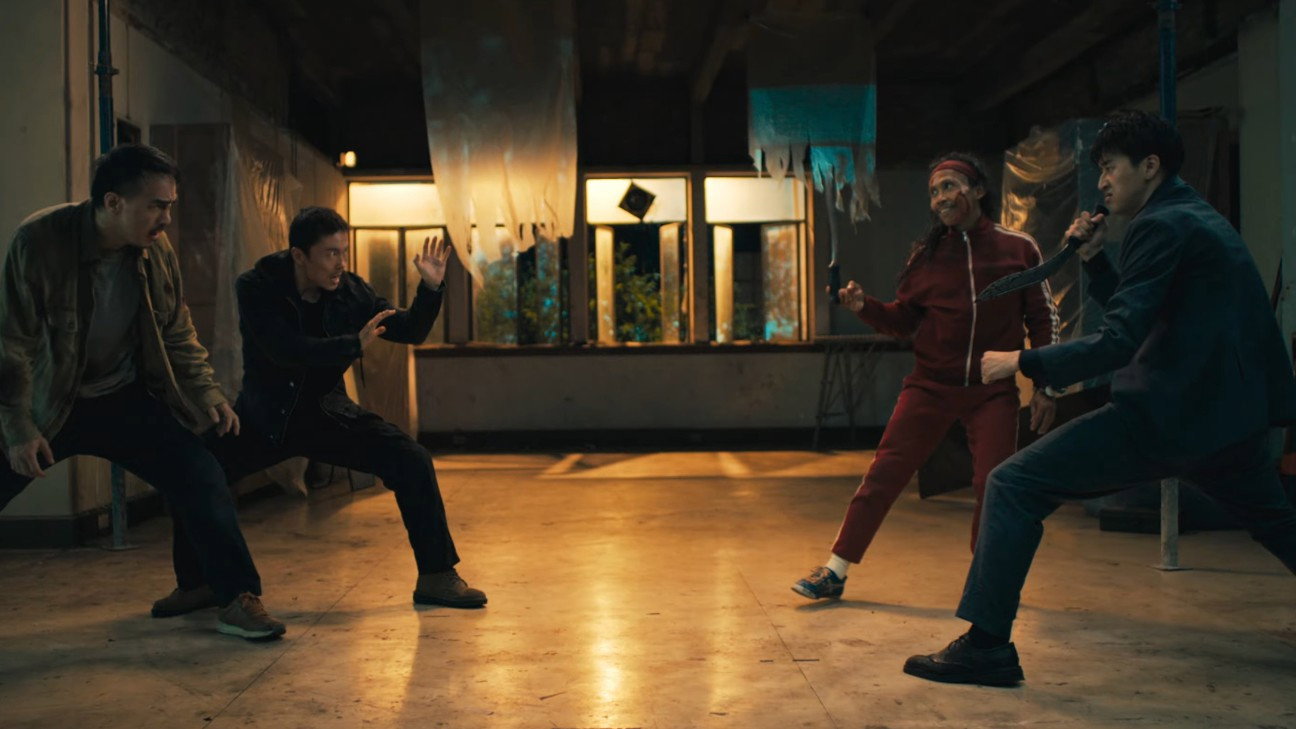
Meteor Cheung’s cinematography gives us wide views and extended takes, with room to follow the performers’ movements. There is pleasure in seeing the work, and in having enough space in the image to appreciate how one movement leads to another. Chris Tonick’s editing keeps the fights moving without making them difficult to read. That clarity is crucial: the choreography is busy enough without a cut requiring us to work out where everybody has gone.
The sound effects give the blows a nasty force of their own. Olivia Xiaolin and Flying Lotus are credited with the music, but the impacts are what stayed with us. This is violent entertainment that means to be felt physically, and the coordination of movement, cutting and sound largely makes that happen. There is a limit to how often another heavy blow can provide a fresh sensation, though, and the relentless tempo occasionally lets one fight blur into the next.
The weaknesses become harder to ignore when the film asks its characters to explain themselves. The screenplay, credited to Frank Hui, Shum Kwan-Sin, Lei Zhilong and Mak Tin-Shu, does little to make the kidnapping story feel particular to these people. Supporting characters remain sketchy, and the awkward dialogue is not helped by uneven dubbing. A familiar rescue plot can keep an action film brisk, but here the lack of definition also limits how much we care about anyone outside a fight.
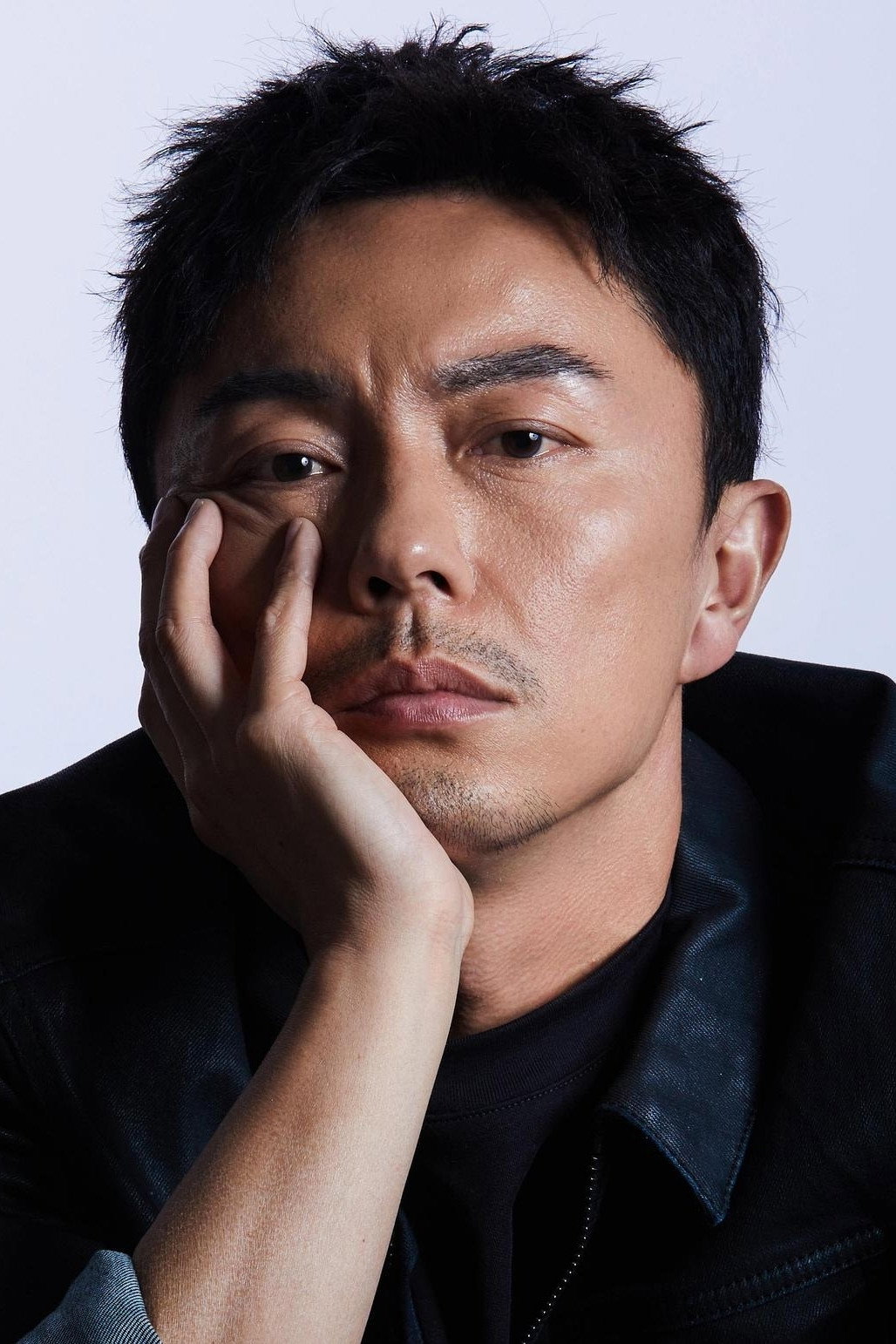
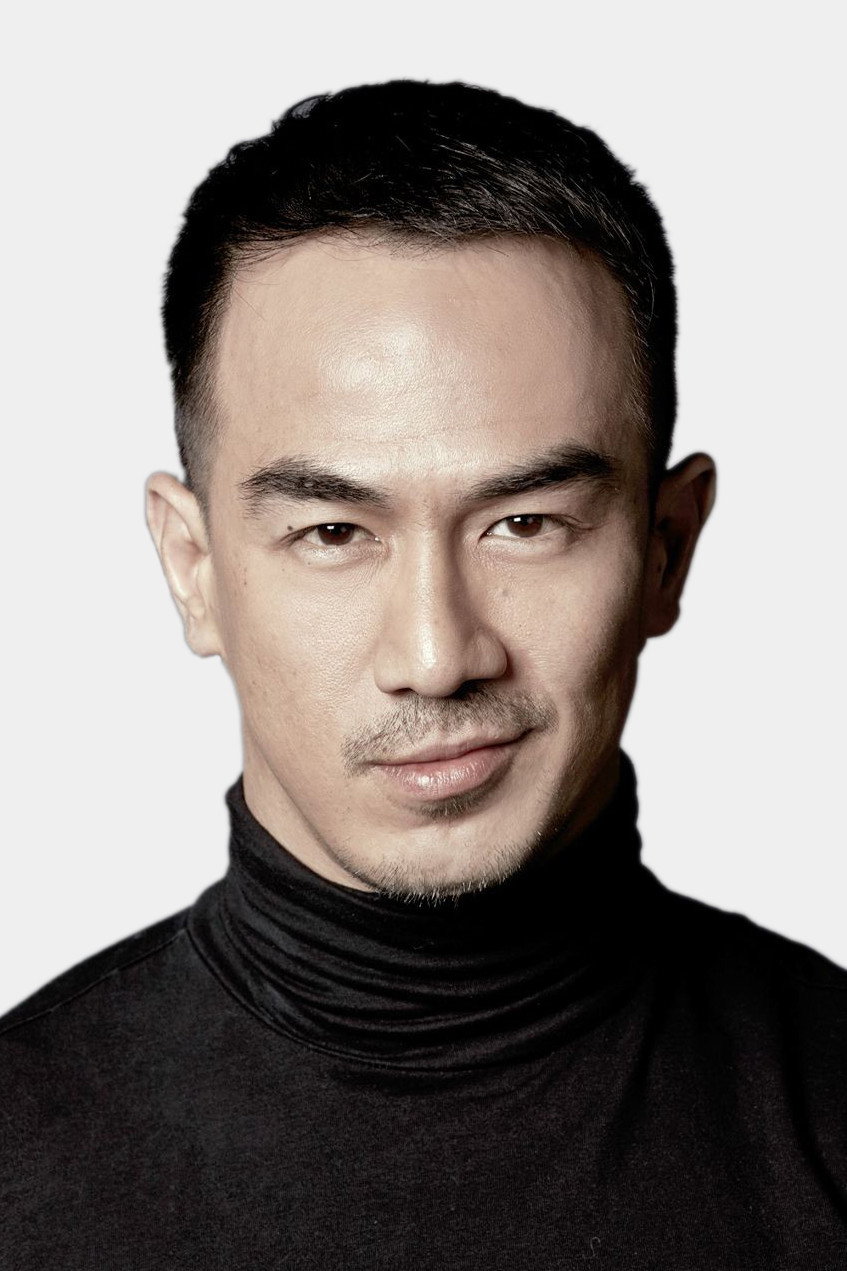
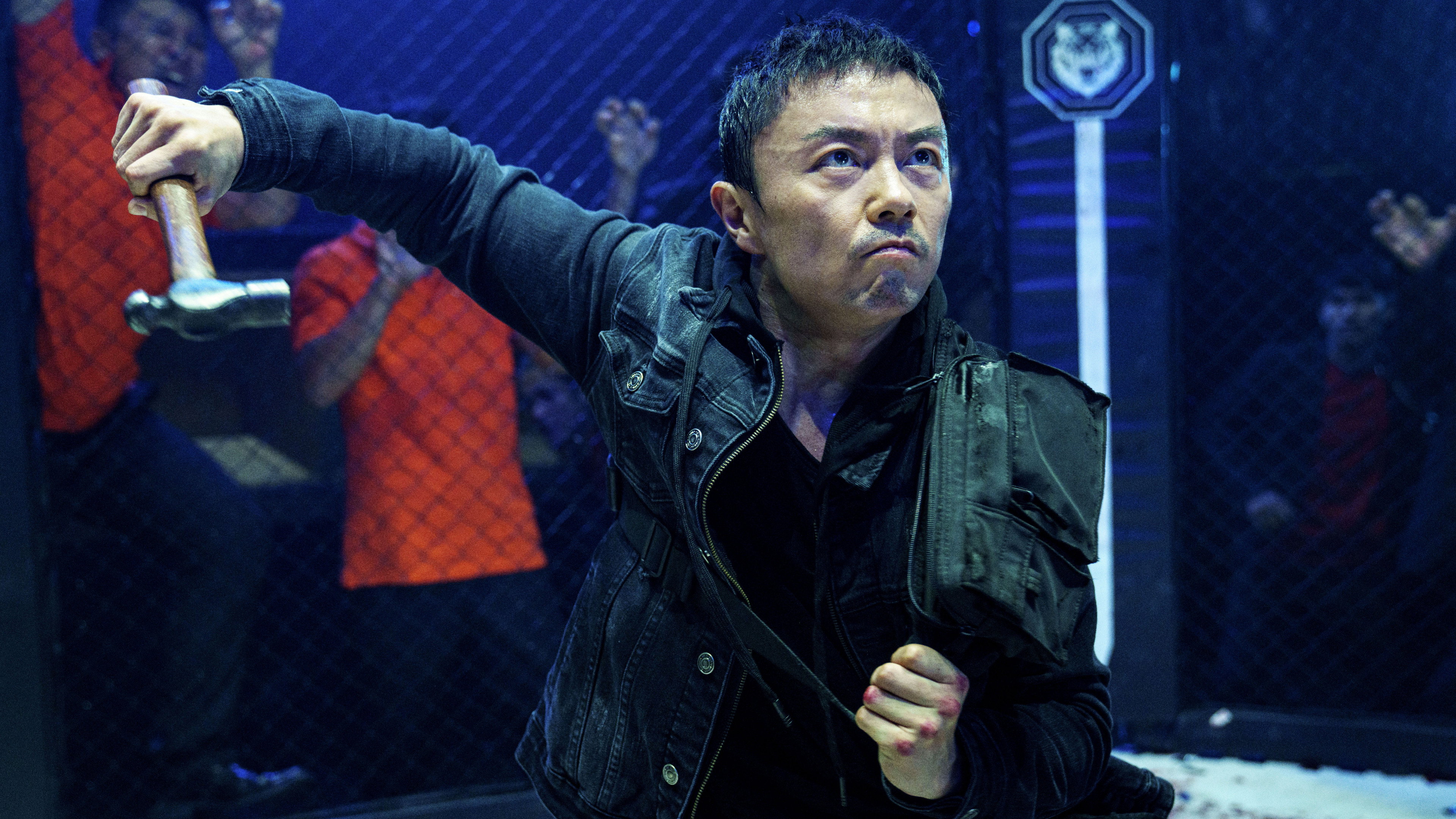
Against the standards of martial-arts cinema, this is a strong recommendation with a familiar reservation. Xie and Taslim are persuasive in motion, and Tanigaki allows the physical difficulty of what they are doing to hold our attention. He trusts the audience to enjoy coordination and timing as much as damage. That matters in a genre where the pleasure can come from recognising how much skill it takes to make a brawl look uncontrolled.
This is an 18-certificate film, and its brutality is a considerable part of the appeal. Anyone hoping the rescue story will provide much relief from the fighting should take that seriously. For an evening of martial arts, we recommend it with patience for the dialogue and a firm warning about the violence.