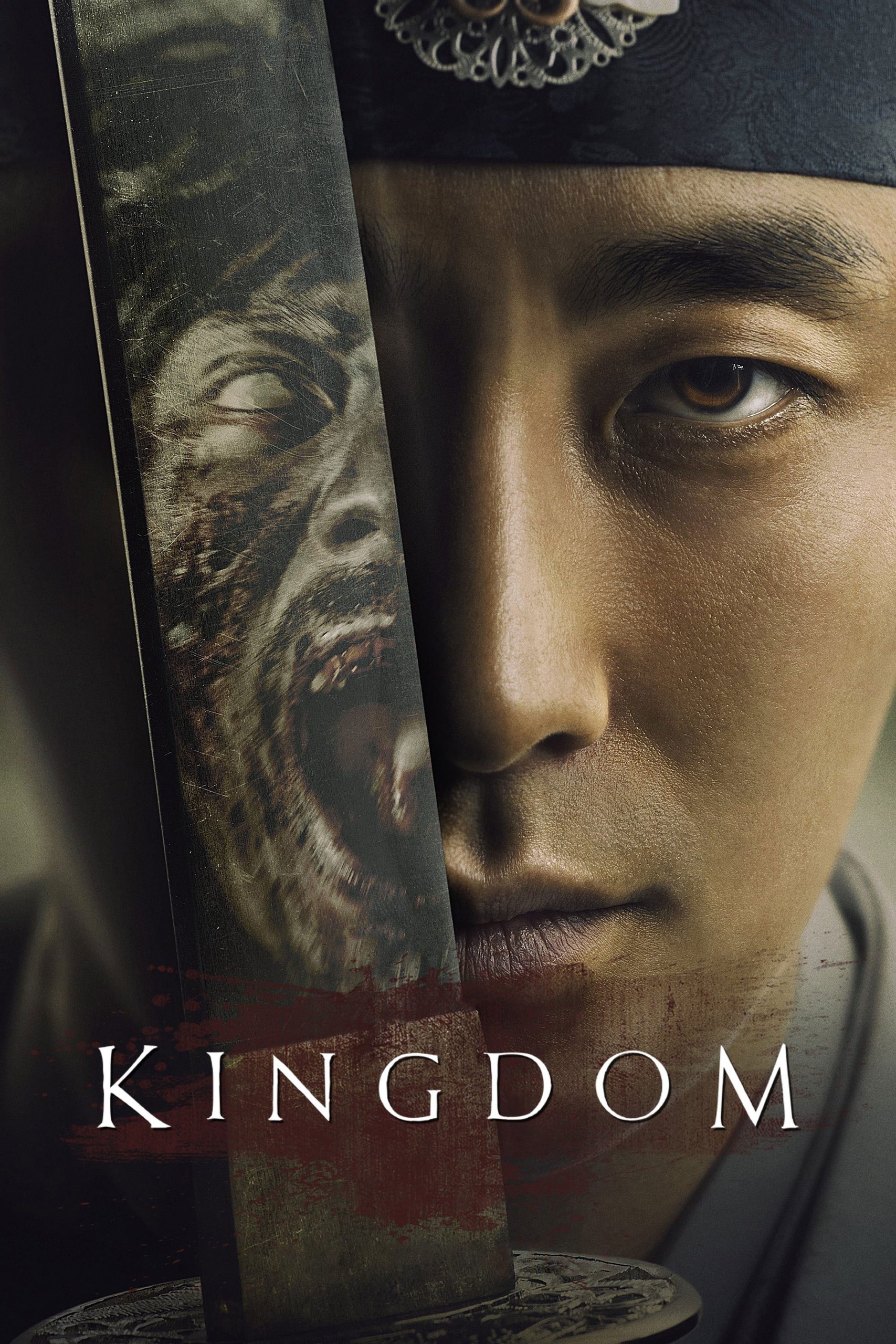
Kim Eun-hee writes genre television that uses the monster to get at the politics: the zombie plague in Kingdom (2019) is really a story about who eats and who does not. She is at her best in the countryside and slower at court.
Fi1m perspective
A magistrate's courtyard in the southern town of Dongnae, at dusk. The bodies are laid out under straw mats and the magistrate is arguing about the correct procedure for dealing with them while the light goes. That is Kim Eun-hee's method in one scene: the horror is under the mats, but the subject is the man who would rather follow the form than look. We knew one of those mats was going to move. We were frightened anyway, because the script had made the waiting the thing to fear, and the director Kim Seong-hun held on the row long enough for us to start counting.
She came up through television rather than film, starting in the early 1990s as an assistant writer in the SBS entertainment department. Her first film script was Once in a Summer (2006), her first series Golden House (2010), and from there she settled into the suspense dramas that made her name: Sign (2011), Phantom (2012), Three Days (2014) and Signal (2016), a time-bending crime procedural that is the one people mention first. Forensics, cybercrime, investigations with the clock running. Kingdom, announced in 2017 and launched in 2019, took that machinery into Joseon-era Korea and put the undead in it; a second season followed in 2020 and a feature-length prequel, Kingdom: Ashin of the North, in 2021. Since then there have been Jirisan (2021) and Revenant (2023), the latter working Korean folklore into a present-day story, neither of which we have reviewed.
What she does well is take a popular form and make it about who has power and who goes hungry. "I wanted to address politics through the zombies," she said in 2019, and in Kingdom she does: the rules of the outbreak are simple and kept to, and the plot runs on a court hiding what has happened to its king while the peasantry finds out the hard way. She goes to the records, the folklore and the real places before she writes, and it shows in the detail of rank, food and procedure. Bae Doona's nurse Seo-bi, watching her patients die and come back, is the sort of ordinary person Kim Eun-hee writes best, someone whose choices are made simple and awful by hunger.
Her weakness is the palace. In Hanyang characters explain their plans to one another and then explain them again to a servant, and the scenes slow to a walk; the countryside runs and the court stands still. She is also inclined to let her hero off. Ju Ji-hoon's prince is given almost nothing to get wrong, and a hero who is never wrong gets dull. The second season, directed by Park In-je, opens with a siege that runs past its point, which is the nearest thing to a reservation anyone else has raised about her: that a long genre story is hard to keep taut across seasons.
Still, a writer who can make a row of straw mats frightening and a grain shortage the engine of a horror plot is worth following. Our advice, for what it is worth, is to spend more time in the villages and less in the throne room.
Biography
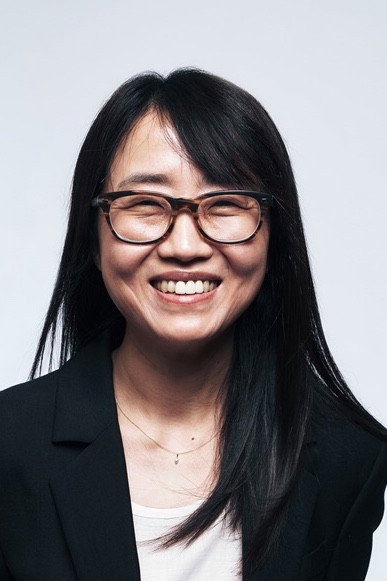
Kim Eun-hee (Korean: 김은희) is a South Korean screenwriter and playwright. She is known for writing the tvN series Signal (2016) and for creating and writing the Netflix series Kingdom (2019–2020).
Her other credits include the screenplay for Kingdom: Ashin of the North (2021), Revenant (2023) and Jirisan (2021). She began her career as an assistant writer at SBS and later contributed to series such as Sign (2011) and Phantom (2012). She is married to director and screenwriter Jang Hang-jun.