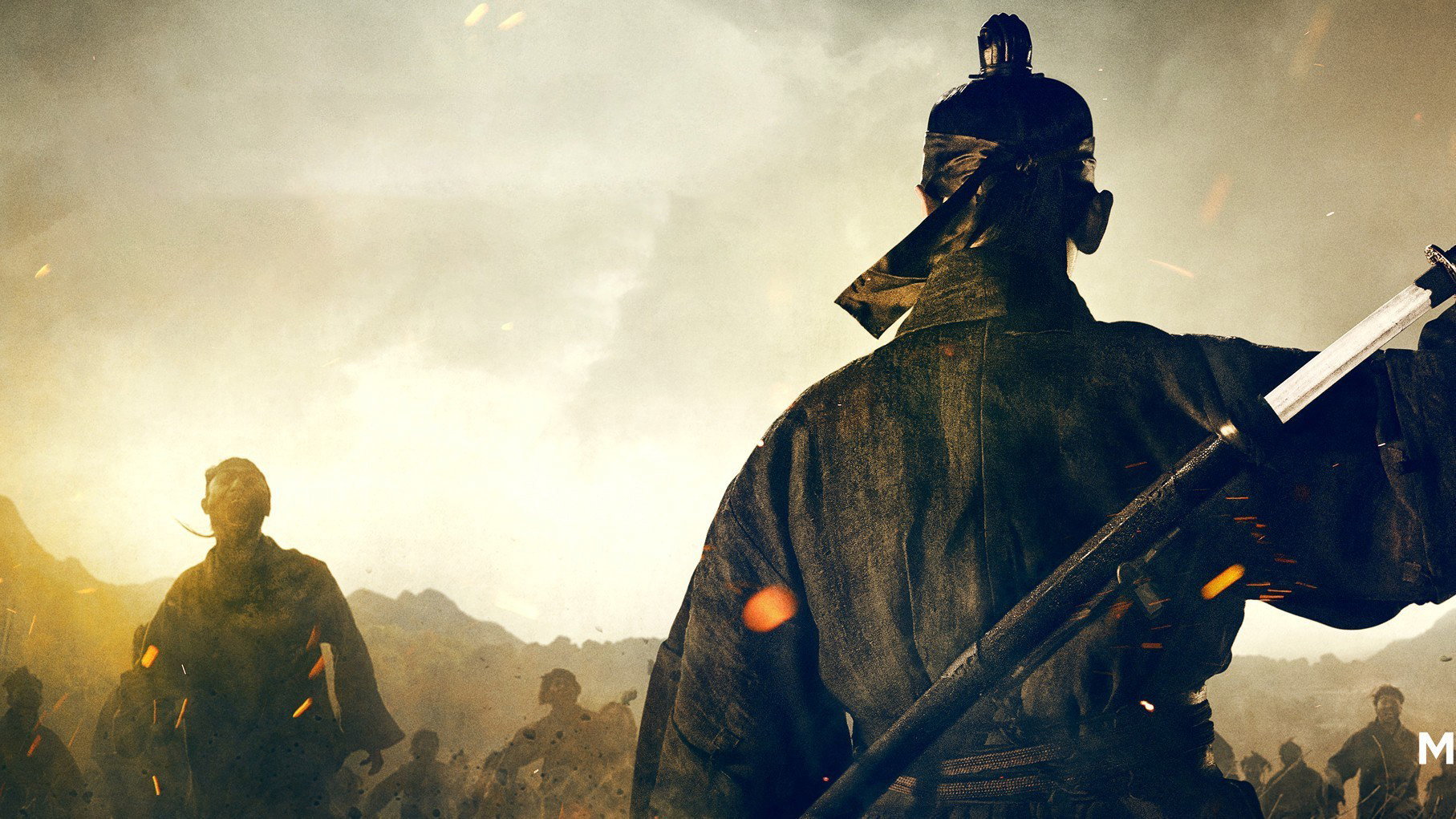
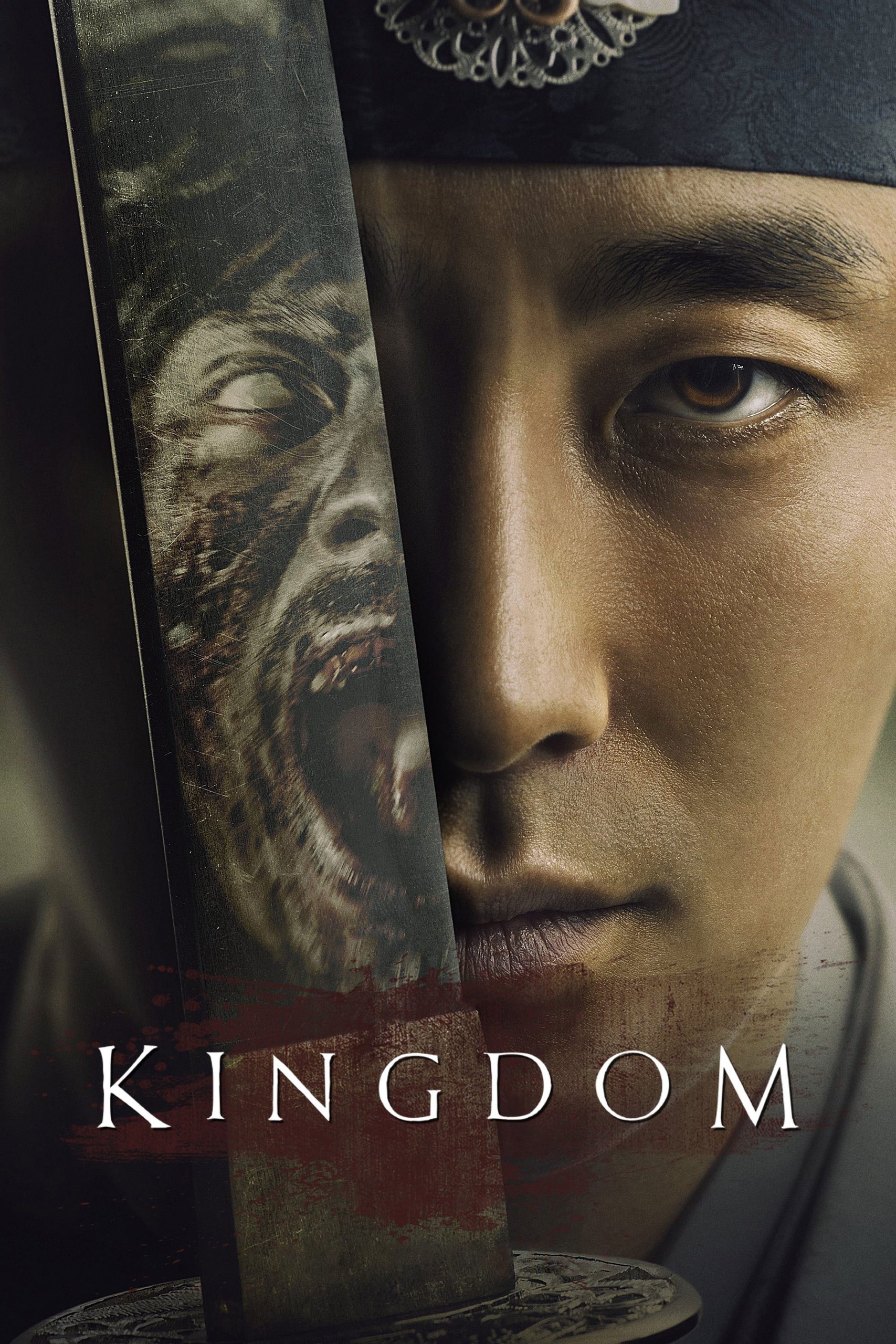
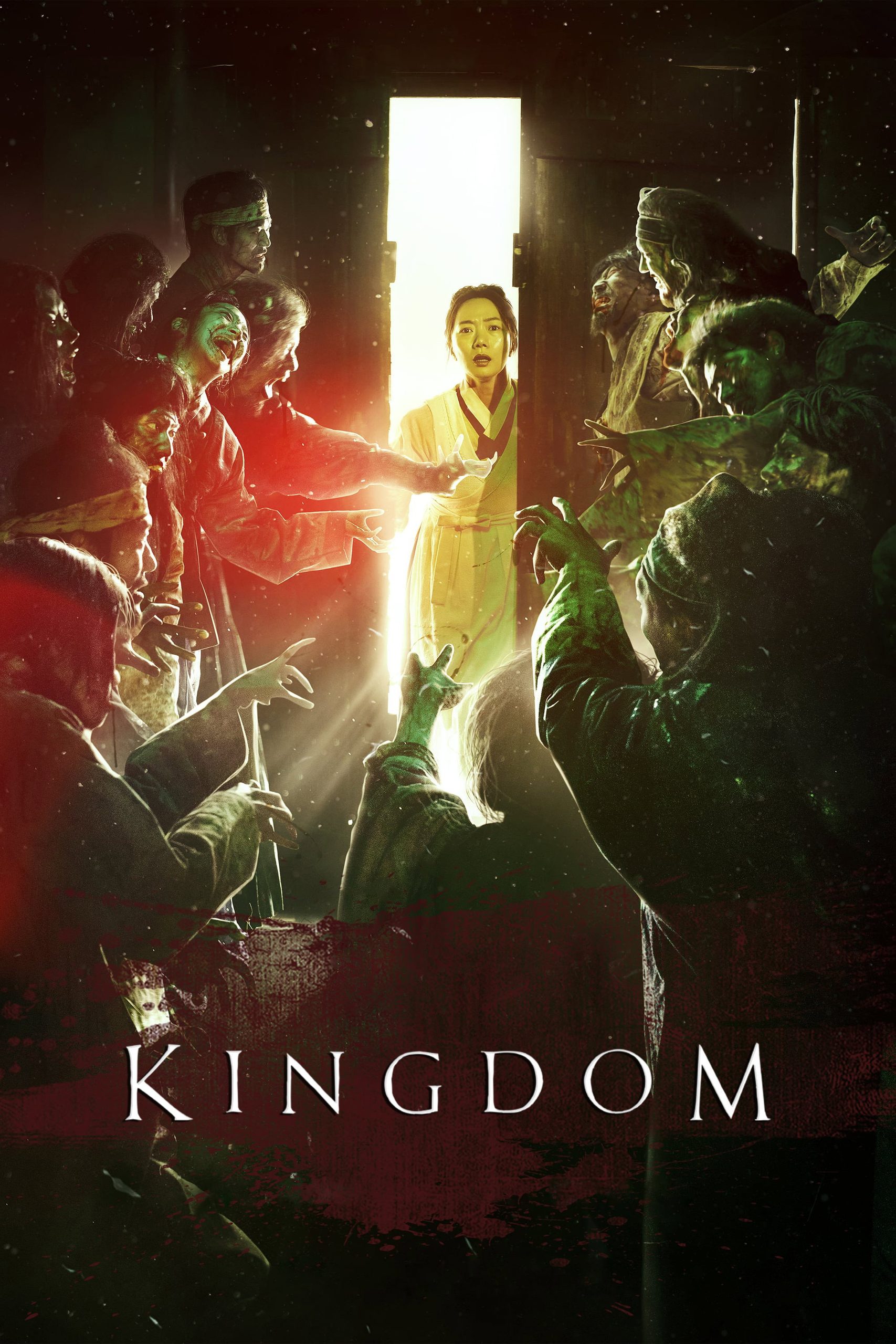
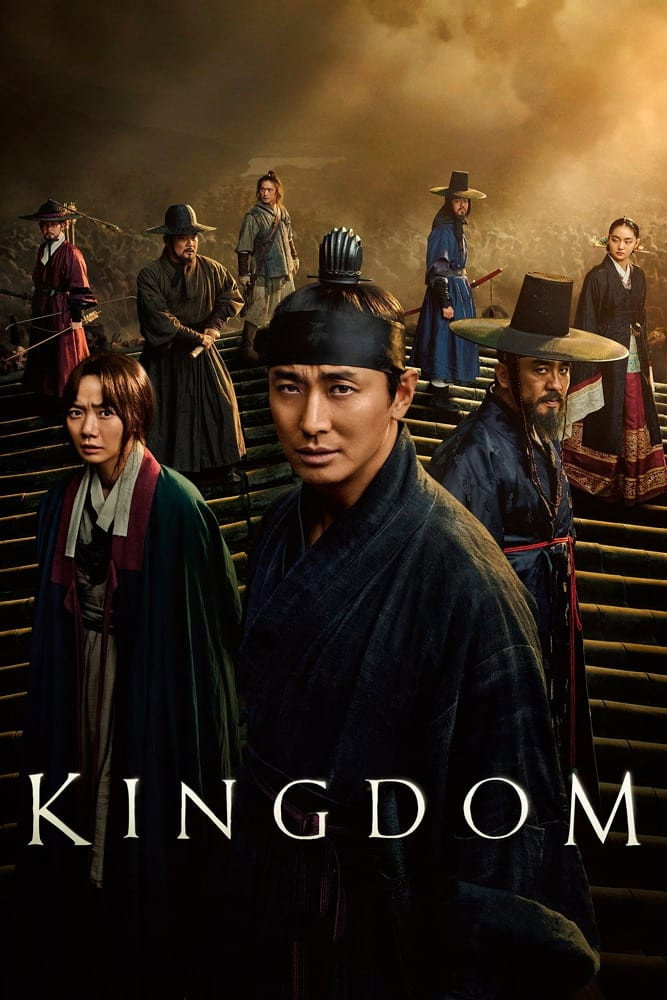
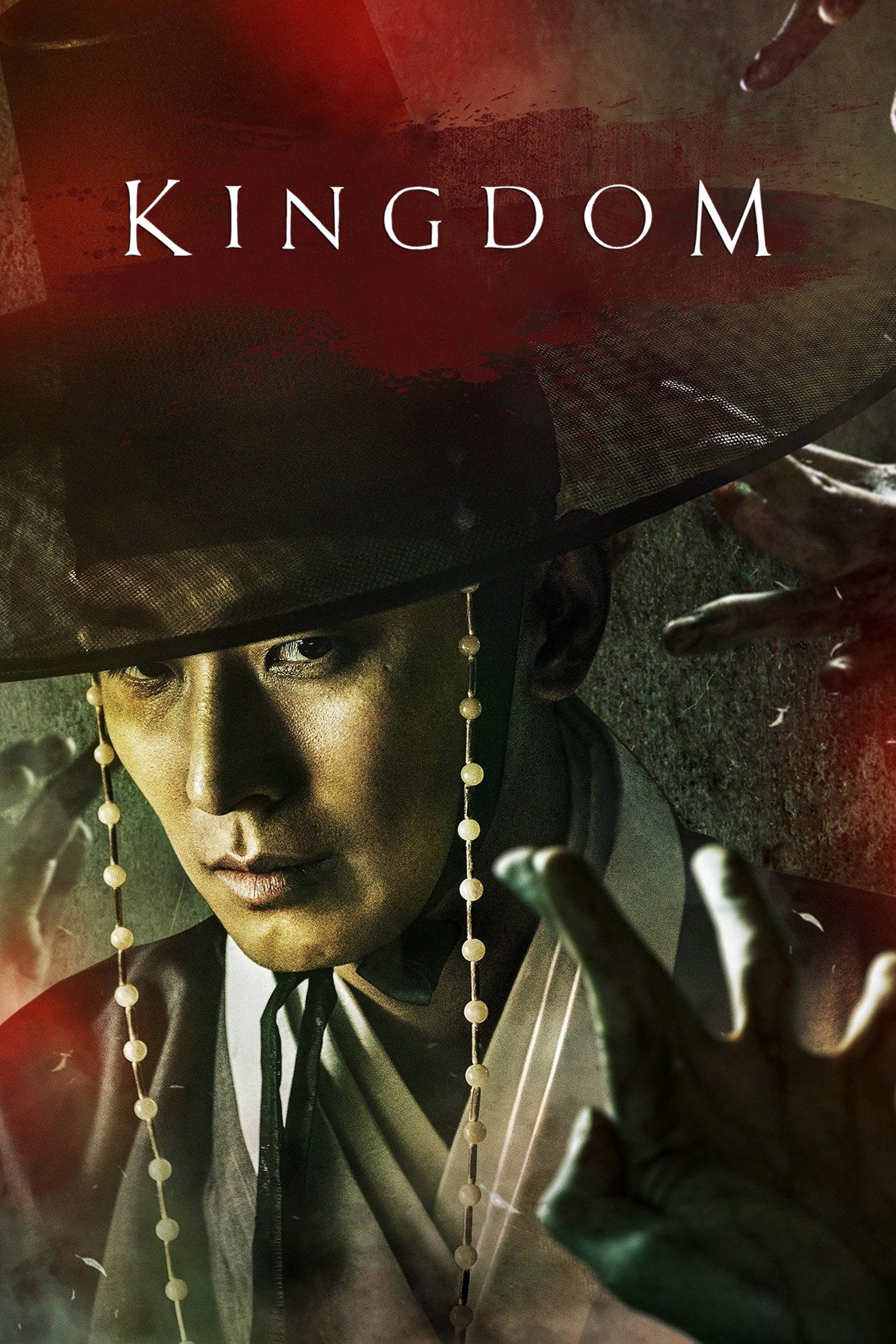
Kim Eun-hee’s series drops a plague of the undead into a Joseon court already rotten with hunger and ambition, and takes both threats equally seriously. Twelve tightly plotted, handsomely built episodes; the palace scenes stand still while the countryside runs for its life.
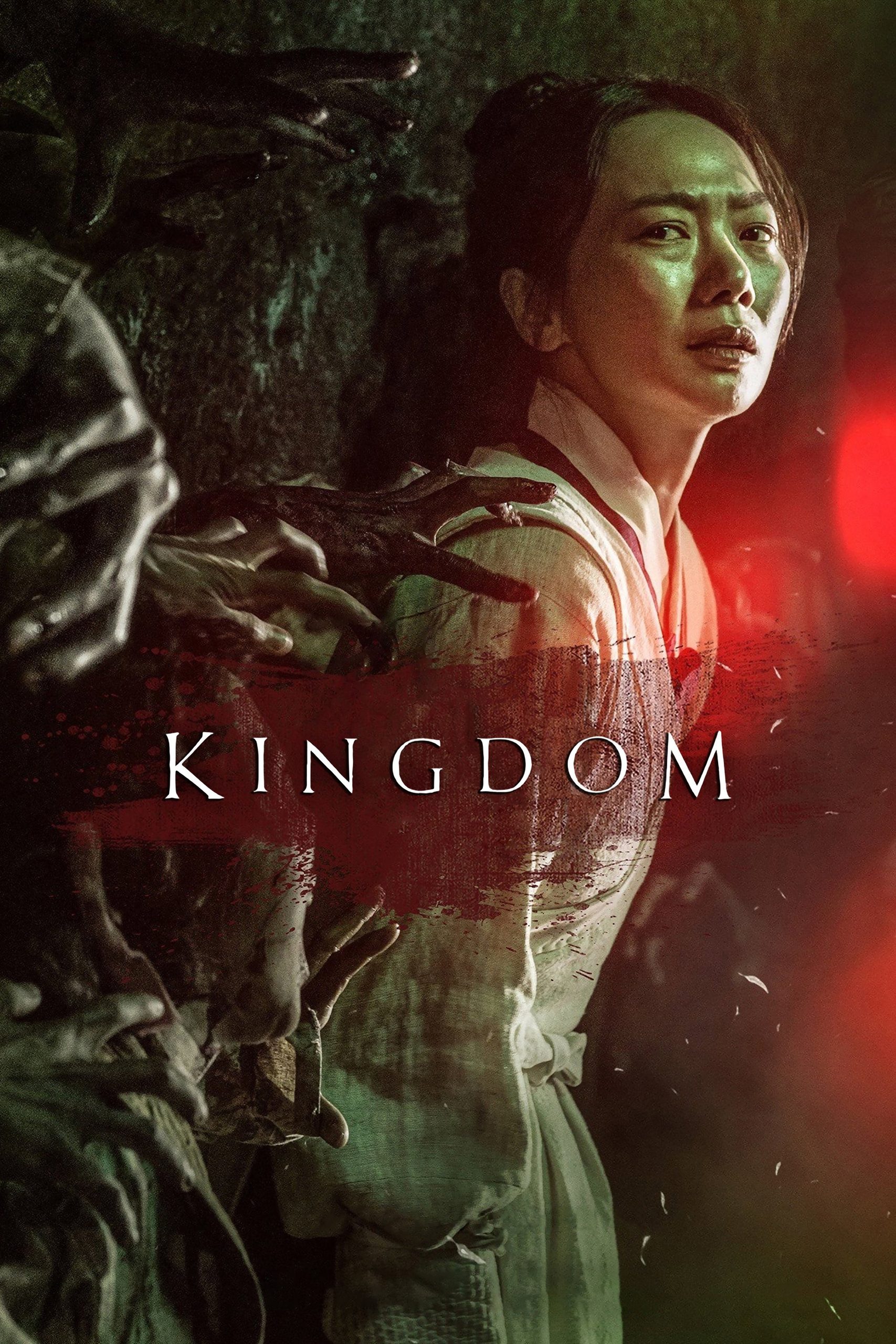
Kingdom is a Korean period drama about a court that will not tell the country what has happened to its king, and a plague of the undead that arrives to make the news public. Kim Eun-hee, who wrote it, has taken the oldest idea in the zombie genre, that the living are the real danger, and set it in Joseon-era Korea, where the nobility eat and the peasantry does not. It is good, and we recommend it with one caveat: whenever the story goes indoors to the palace it slows to a walk, and it goes indoors more than it should.
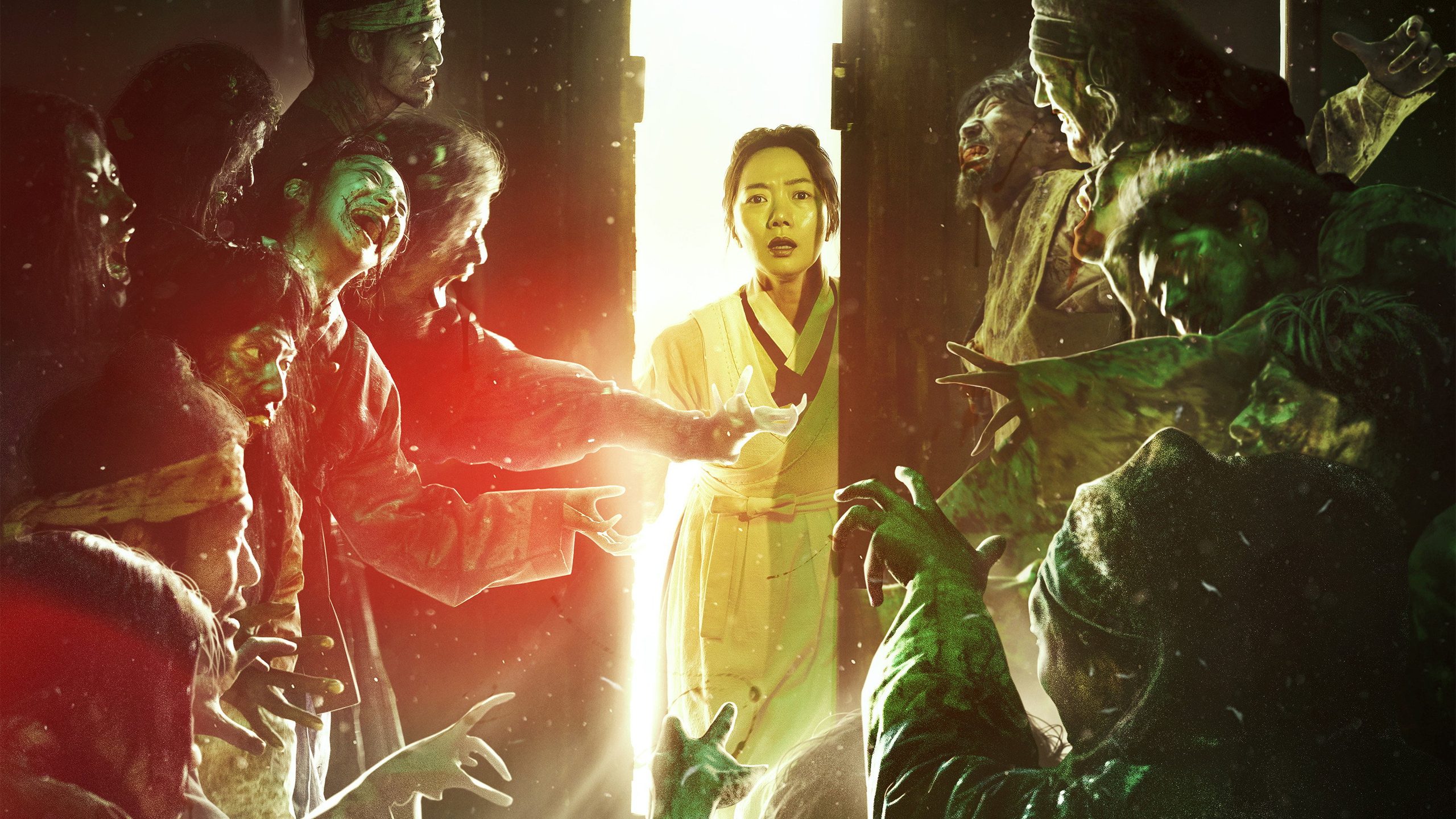
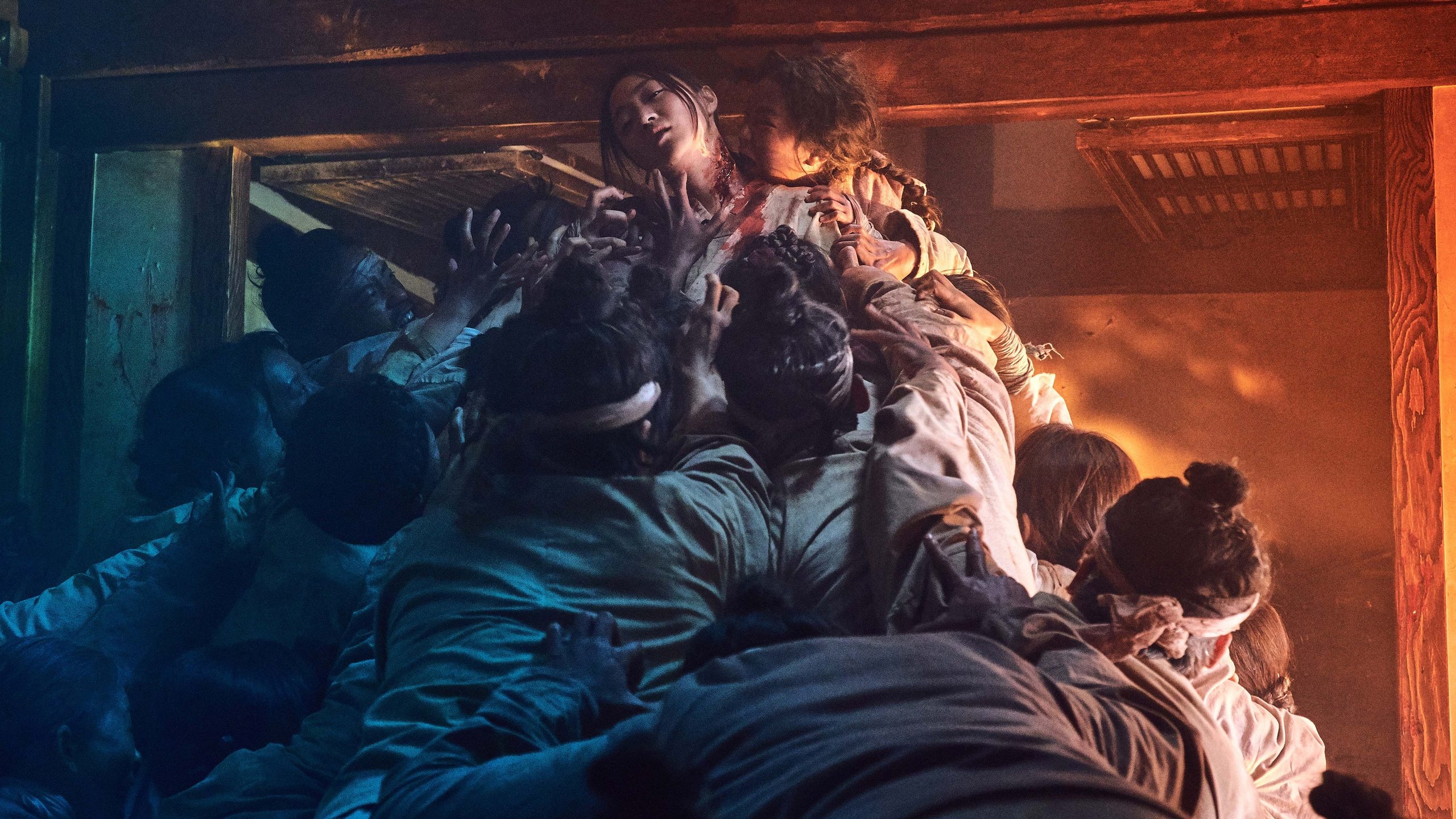
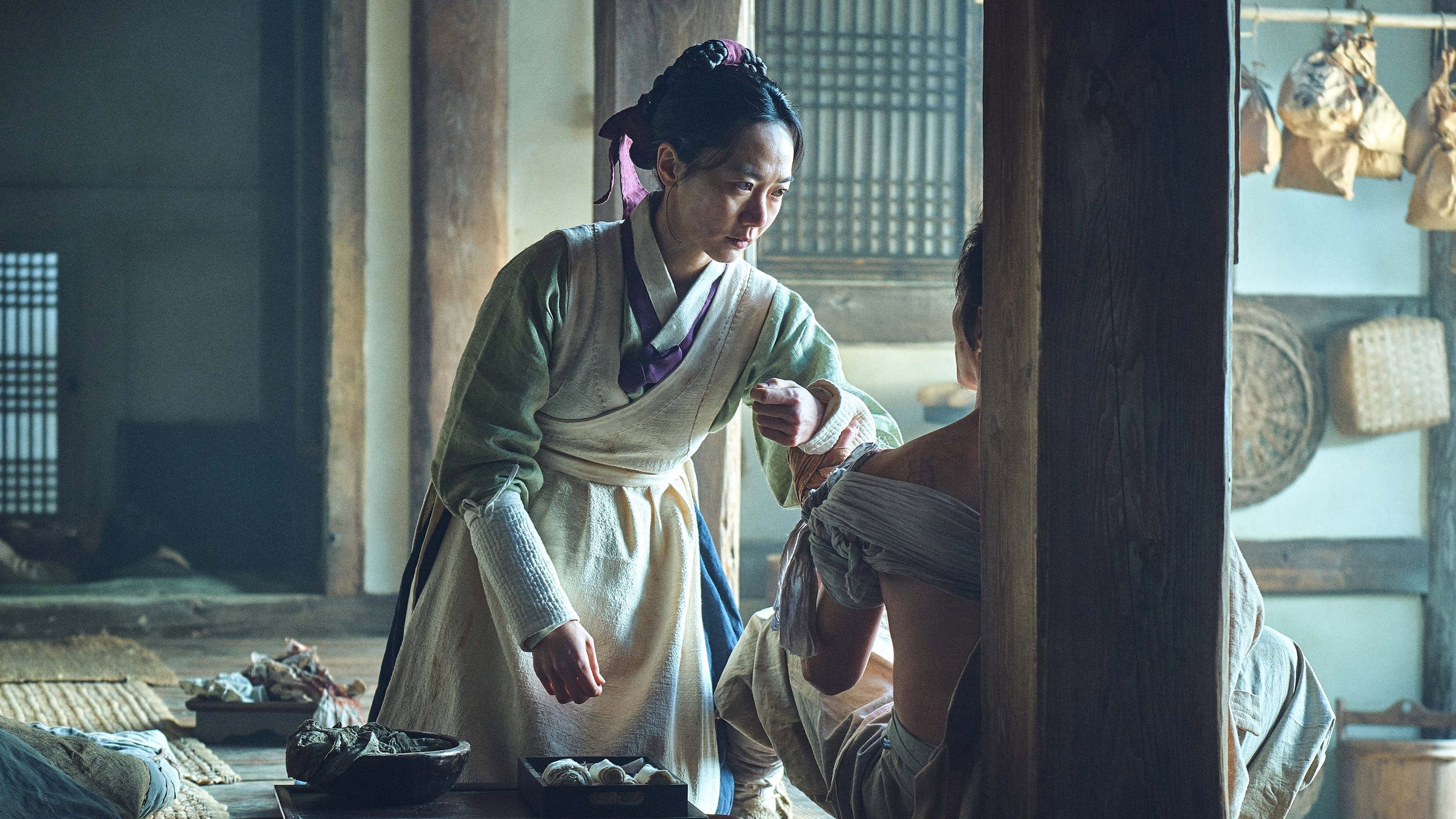
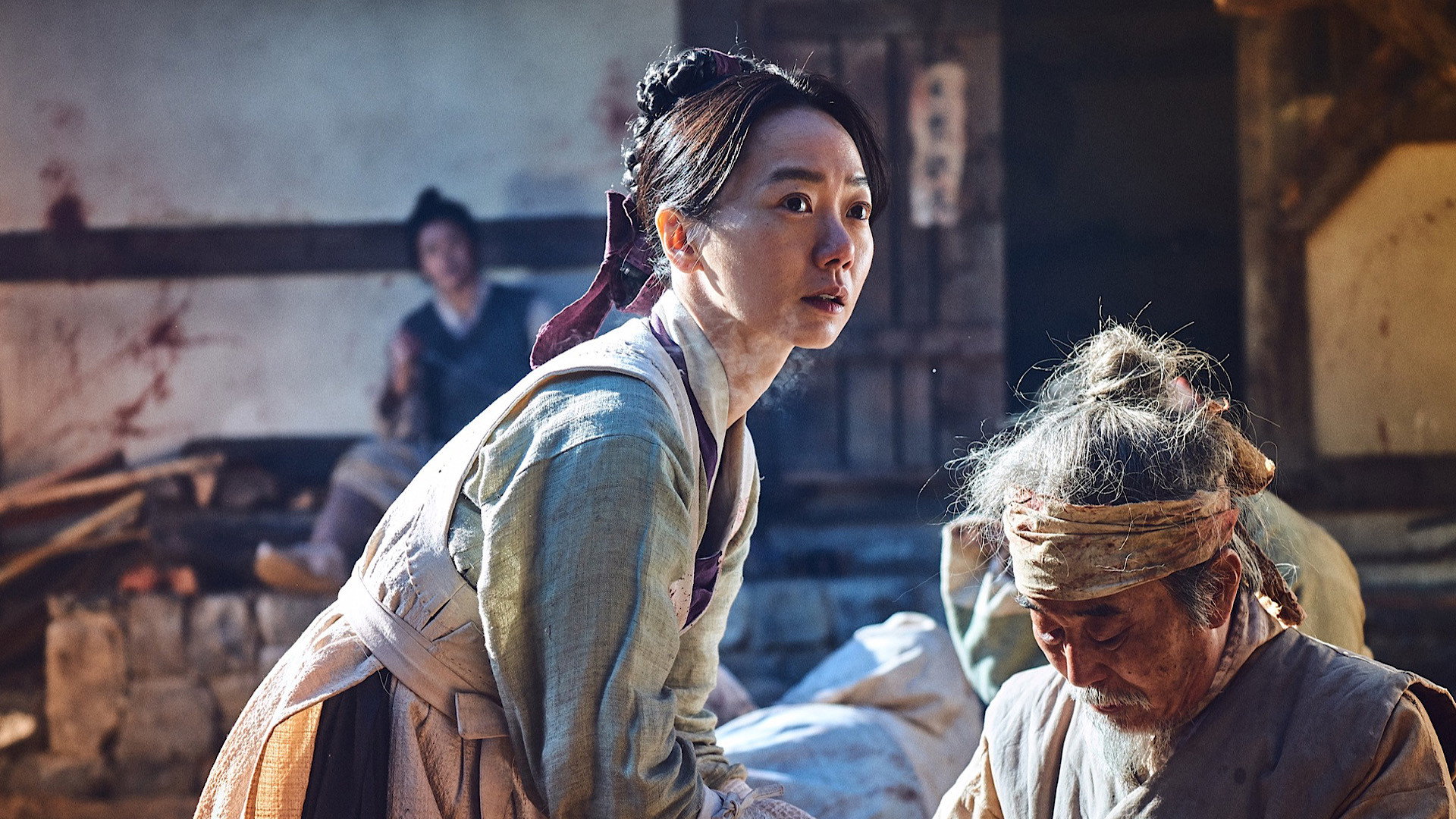
The rules of the outbreak are simple and Kim Eun-hee keeps to them. The infected hide from daylight and rise at dusk; they are fast, they are hungry, and one bite is enough. The first two episodes settle on a clinic in the southern town of Dongnae, where the nurse Seo-bi (Bae Doona) has watched her patients die and come back, and where the magistrate Cho Beom-pal (Jun Suk-ho) has the bodies laid out under straw mats in his courtyard and argues about procedure while the sun goes down. We knew what was coming. We were still frightened when it came, because the director Kim Seong-hun holds on the row of mats long enough for us to start counting them before one of them moves.
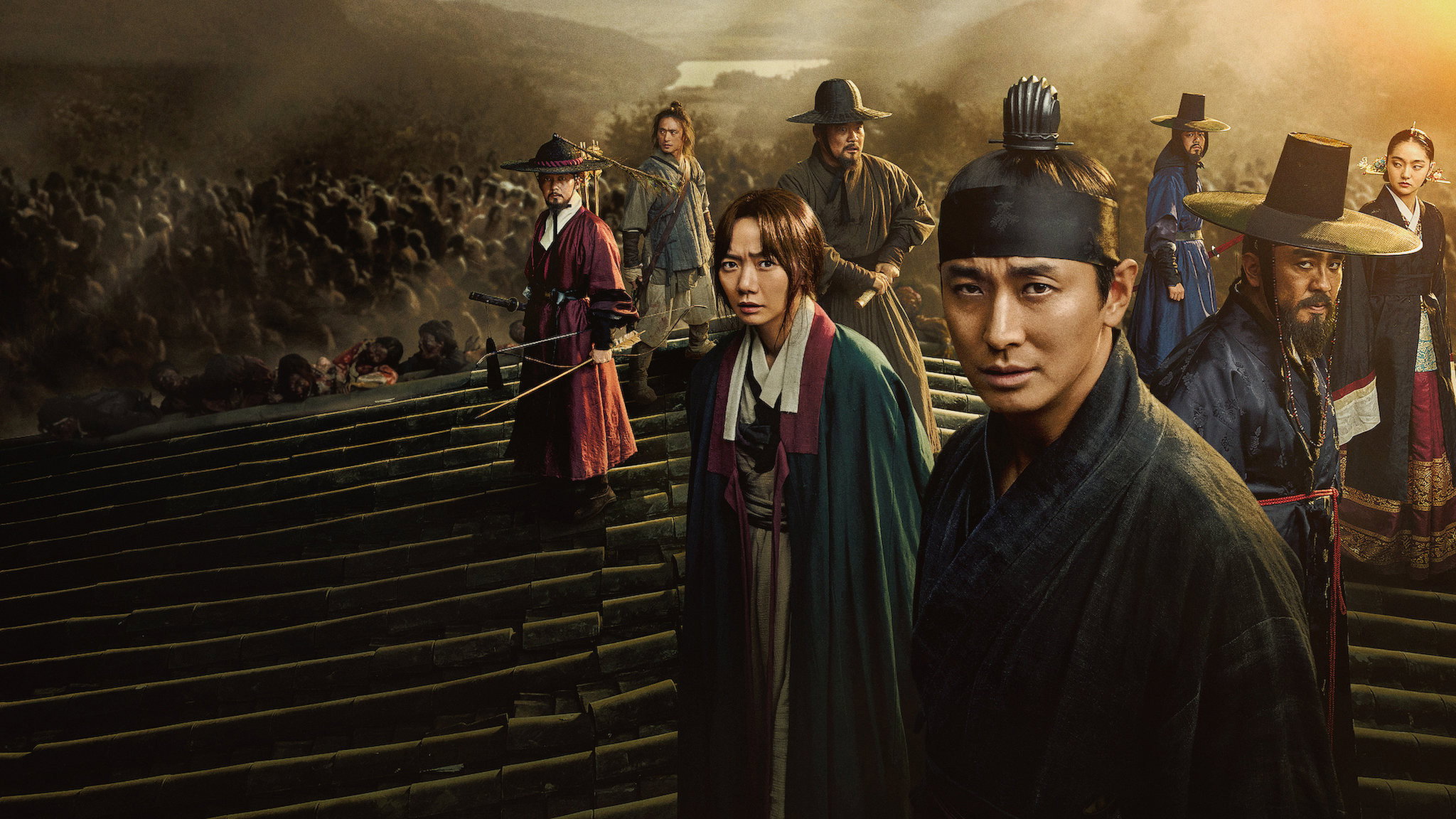
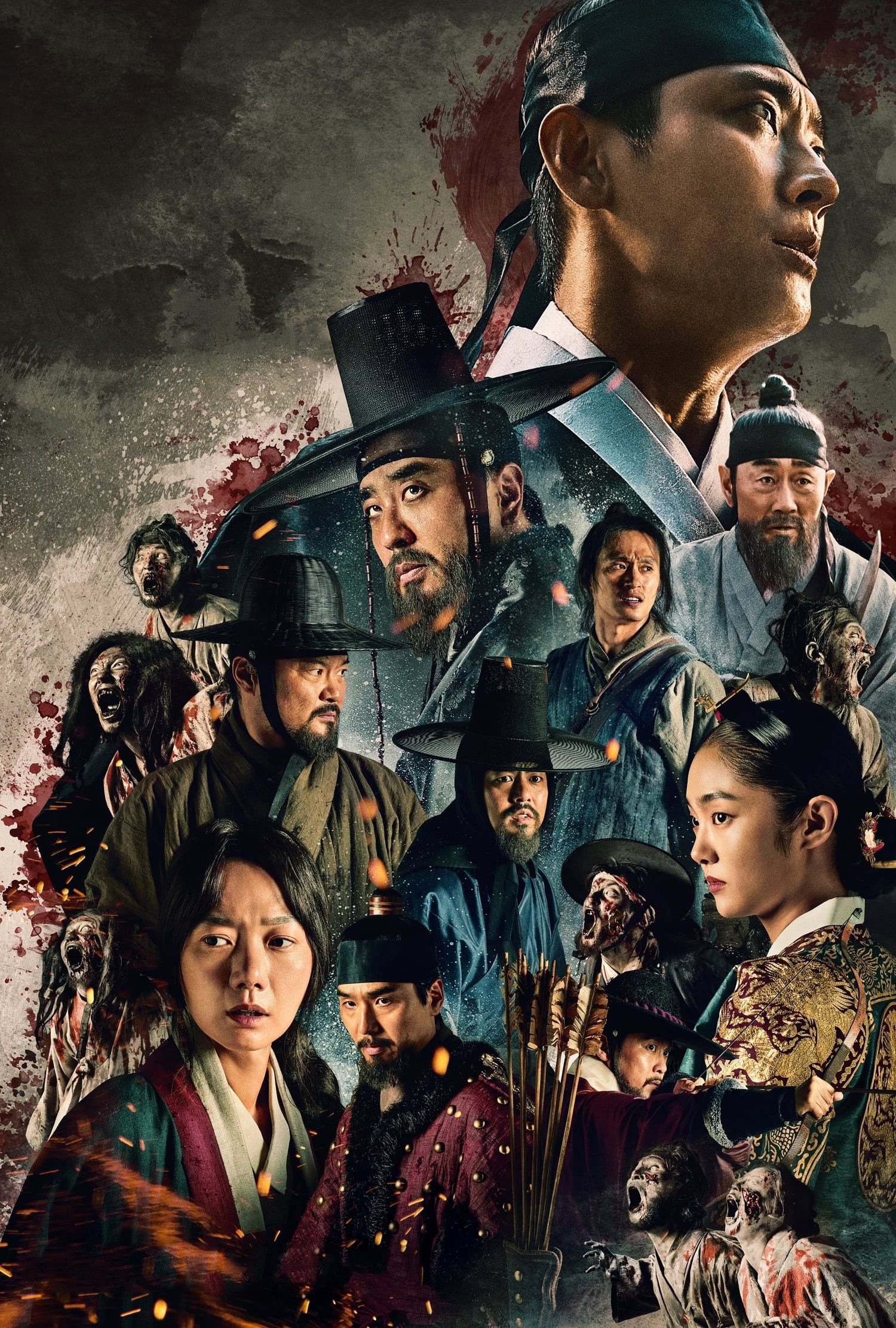
Ju Ji-hoon plays Crown Prince Chang as a young man kept useless on purpose who discovers, in a town full of corpses, that he can be of use. He is best when he is not being noble; asked to draw a bow, he picks it up and shoots without making a speech about it. Bae Doona gives Seo-bi a physician’s briskness and treats the outbreak as a problem to be solved, which nobody else on screen does. Kim Sang-ho’s bodyguard Moo-yeong provides most of the jokes and is, for a bodyguard, refreshingly bad at pretending to be brave. Kim Sung-kyu, as a musket-carrying stranger called Yeong-sin, glowers throughout and gets away with it.
The villains are better written than the hero. Ryu Seung-ryong’s Cho Hak-ju never raises his voice and treats the plague as an administrative matter to be turned to advantage, and the script is fair enough to let him be right about the prince’s inexperience while wrong about everything else. Kim Hye-jun’s Queen Cho, his daughter, is stiller and more alarming; she has worked out that the only power open to her is the child she is carrying, and she says so with her face.
Kim Tae-sung and Kim Jeong-won shoot the countryside in flat winter light and the palace in lacquer red and candle gold. The night attacks are lit by torches and little else, and the editors Kim Woo-hyun and Kim Chang-ju cut them fast without losing the geography: you always know where the gate is and who has not reached it. Lee Hwo-kyoung’s production design gives the buildings weight, and the costumes, by Kwon Yoo-jin, Chae Kyung-hwa and Cha Sun-young, do half the storytelling: wide black horsehair hats for the officials, layered silk for the court, rags for the villages, and the prince’s own robes, which get filthier by the episode. Dalpalan and Mok Yeong-jin score it with drums and low strings and know when to stop.
The faults are in Hanyang. The palace scenes are written for someone who has wandered in late; characters explain their plans to each other and then explain them again to a servant. Kim Eun-hee is surer among the peasants, where hunger makes every decision simple and awful. The second season, directed by Park In-je, opens with a siege that runs a while past its point, and the prince is a shade too good throughout; Ju Ji-hoon is given almost no failings to play, and a hero who is never wrong gets dull.
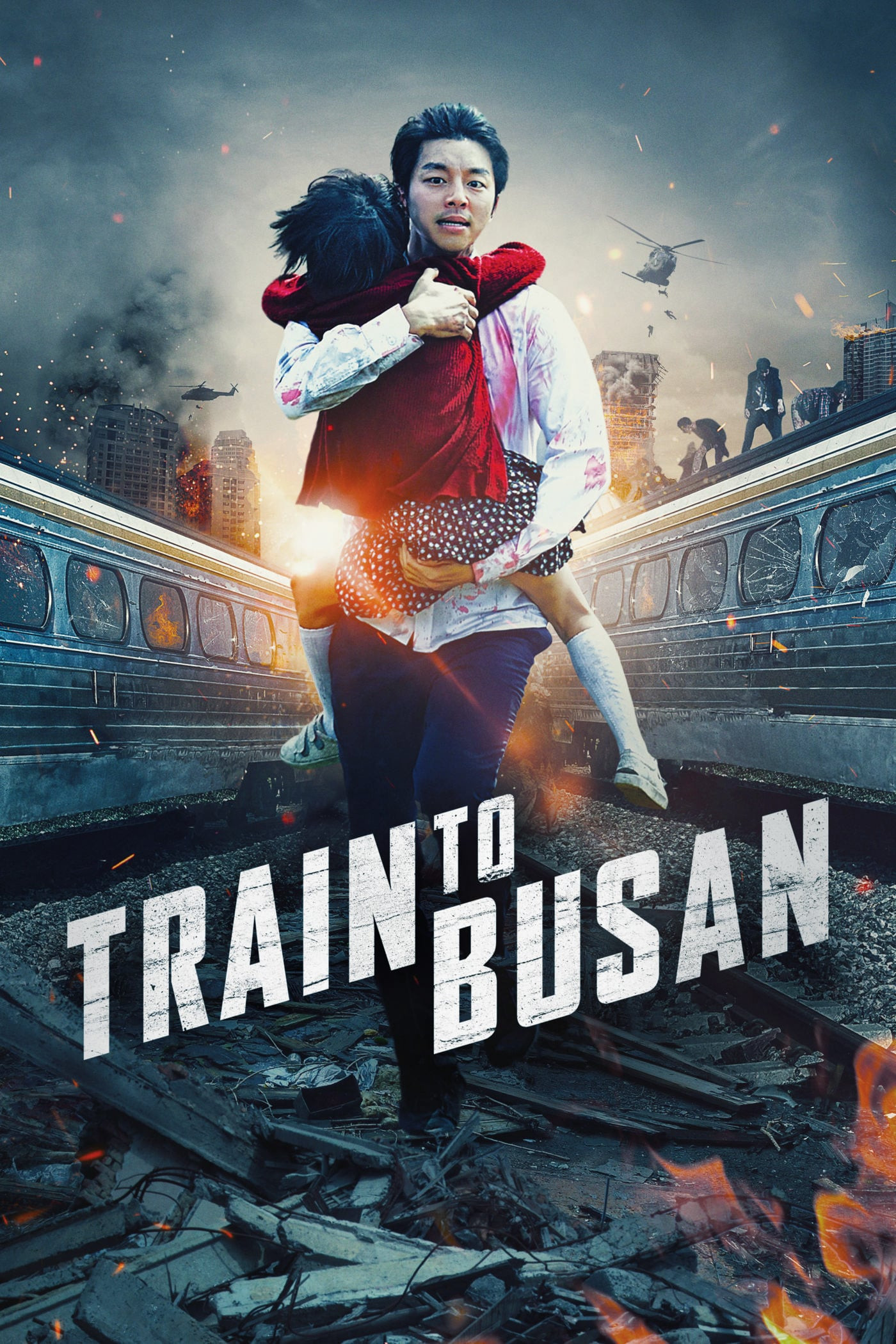
Train to Busan (2016) made the same argument about who gets fed and who gets eaten in a hundred minutes. Kingdom takes twelve hours and mostly earns them, because it cares about the machinery: who signs the order, who carries it, and who never hears that it was given. A sealed letter here is as tense as a horde.
Two seasons of six episodes each, an 18 certificate that the biting alone earns, and an ending to the second run that plainly expects a third. Watch it with the sound up and something to eat nearby; you will lose interest in the food.