Film review

28 Days Later

2002 · Directed by Danny Boyle · 1h 53m · MPA R

In a sentenceLondon is empty, and for once we would rather it were crowded

HorrorThrillerScience Fiction

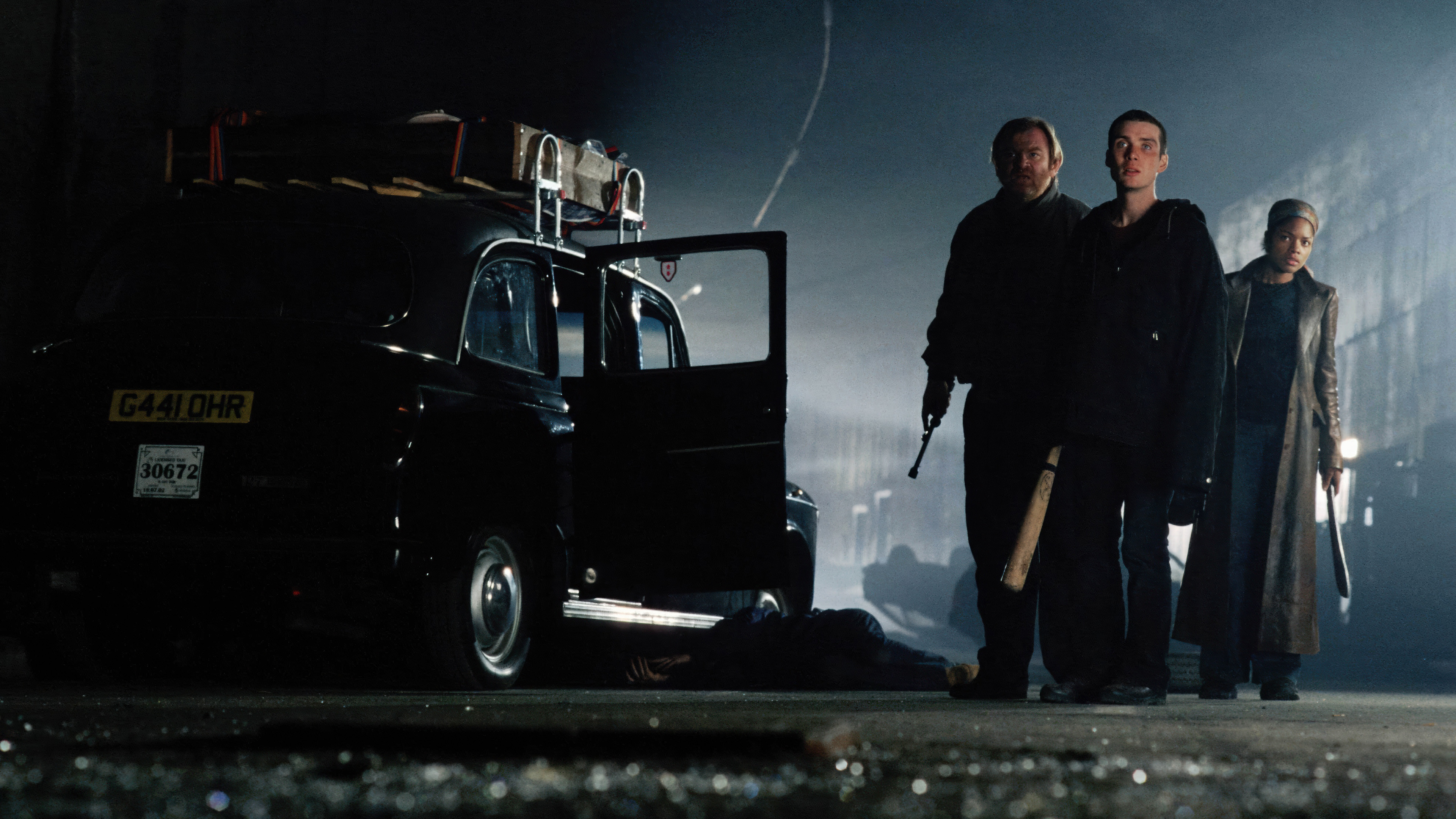
A rage virus spreads through Britain, turning people into violent attackers and leaving London deserted. For those still alive, the danger comes from the infected and from decisions made by other survivors. Cillian Murphy plays Jim, with Naomie Harris as Selena, Brendan Gleeson as Frank and Megan Burns as Hannah. Christopher Eccleston plays Major Henry West. Danny Boyle directs Alex Garland’s story of people trying to stay alive after ordinary life has collapsed. With the streets emptied and violence never far away, questions of trust become as pressing as the search for safety.

Plays from YouTube when you press play; nothing loads from them until then.

Fi1m review

Danny Boyle’s infection horror is frightening, brisk and attentive to the people trying to survive it. The later bloodshed is overdone, but the deserted London streets justify the trip on their own.

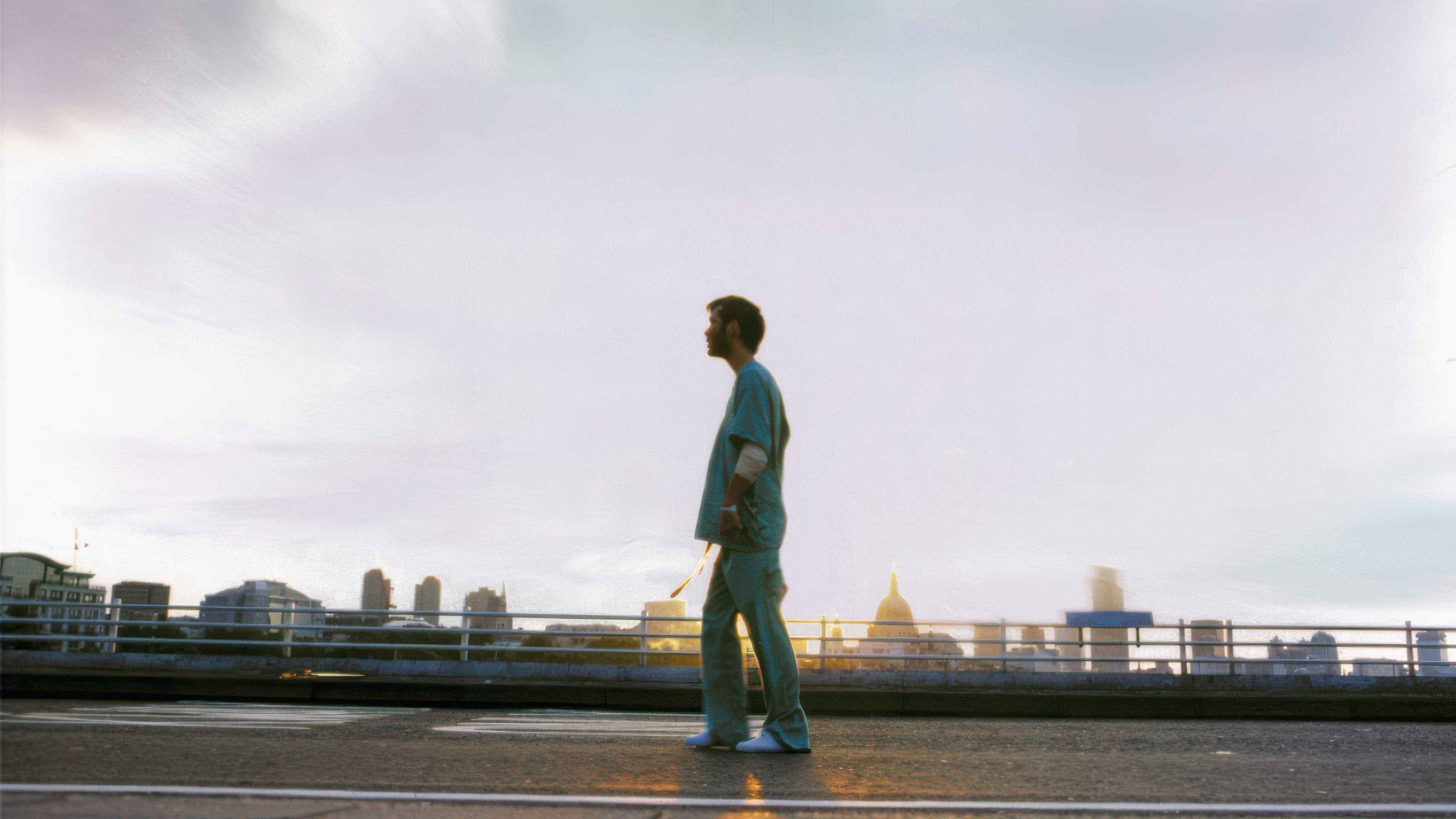
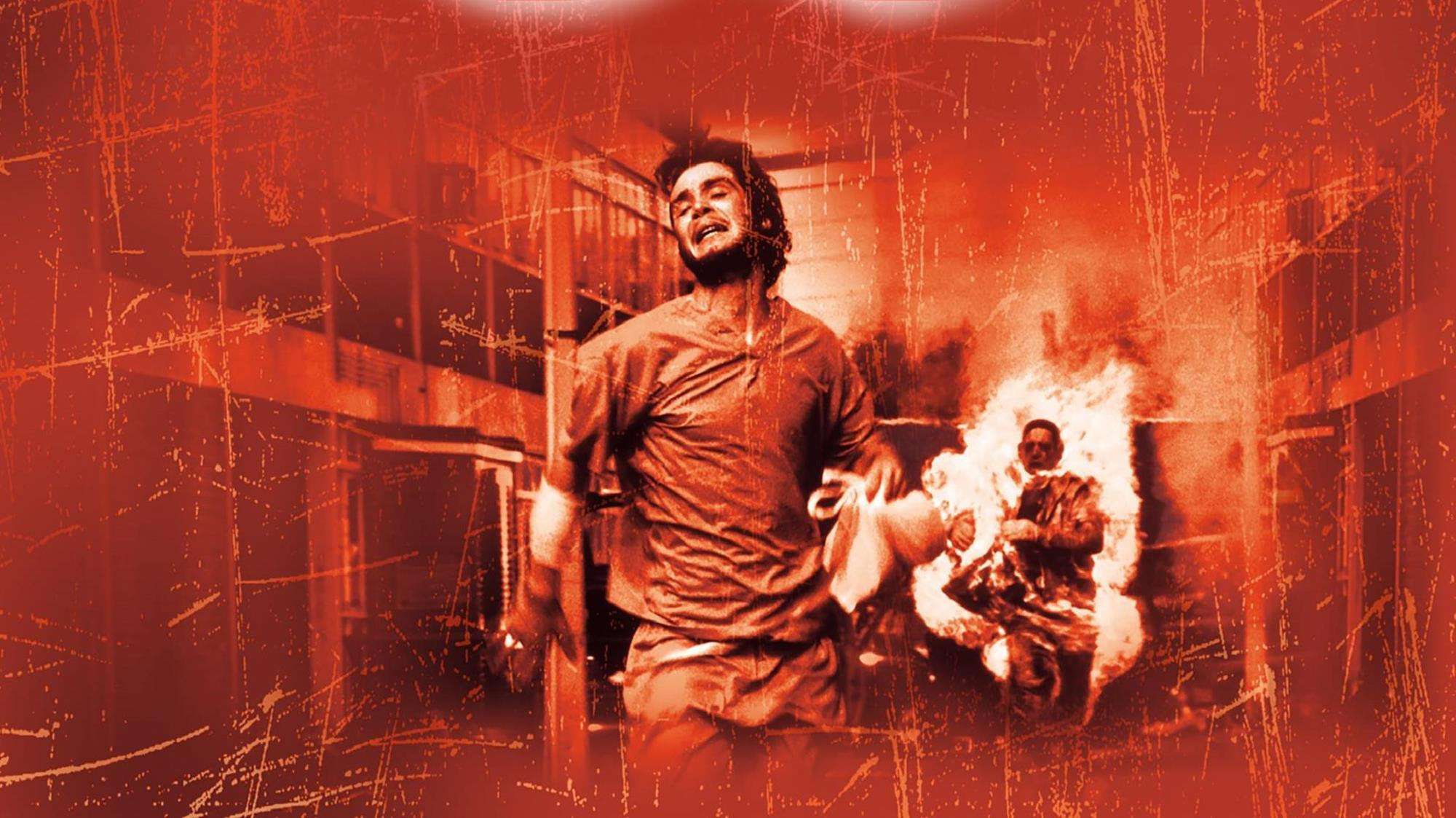
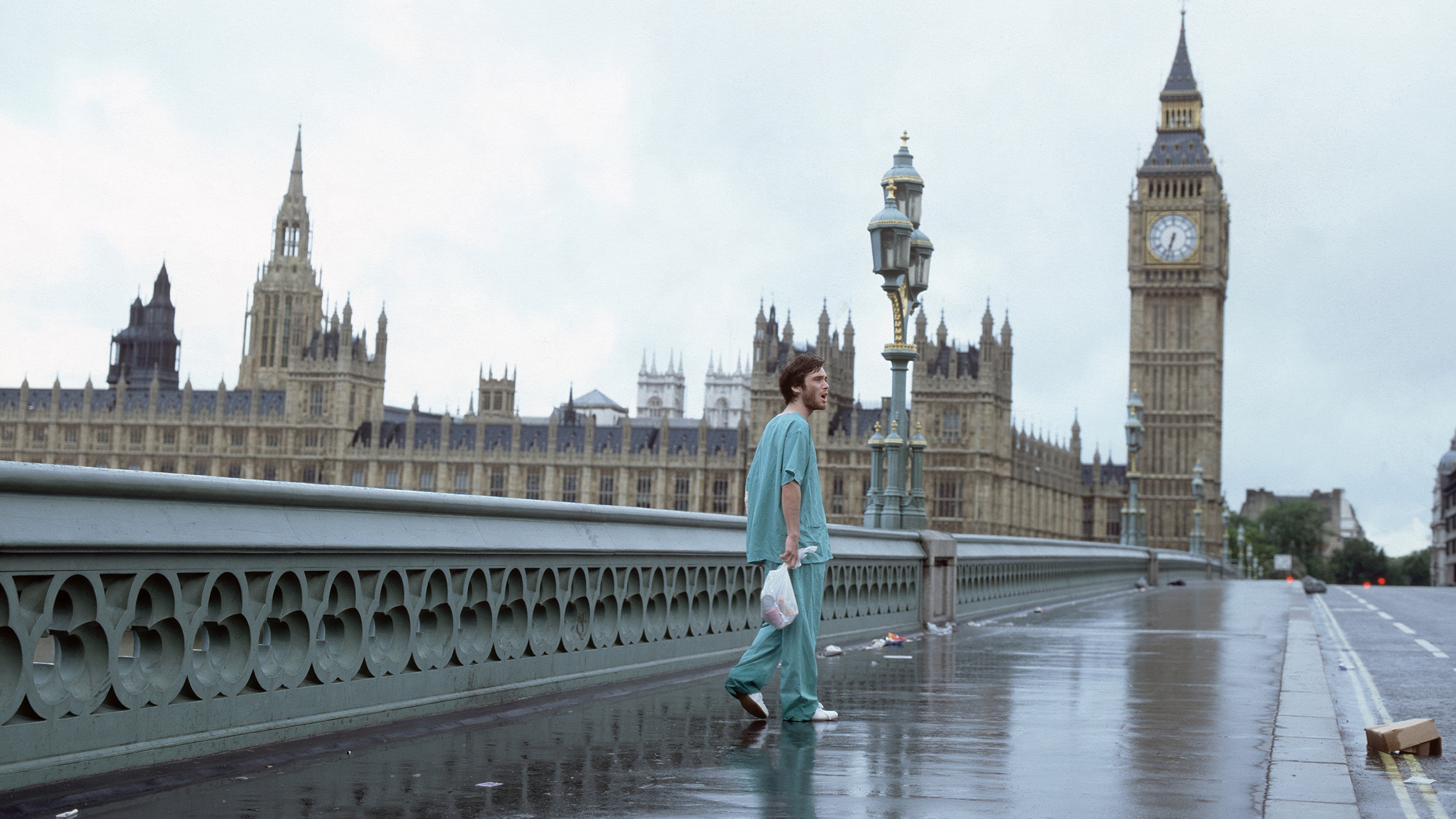
28 Days Later is a frightening, well-acted horror film whose later excesses cannot quite spoil its opening. Danny Boyle and writer Alex Garland start with a fear that needs little explaining: Britain has been devastated by a rage virus, and London is deserted. The infected move fast, but the film earns our attention before they get going. We have time to consider what living in this place would mean.

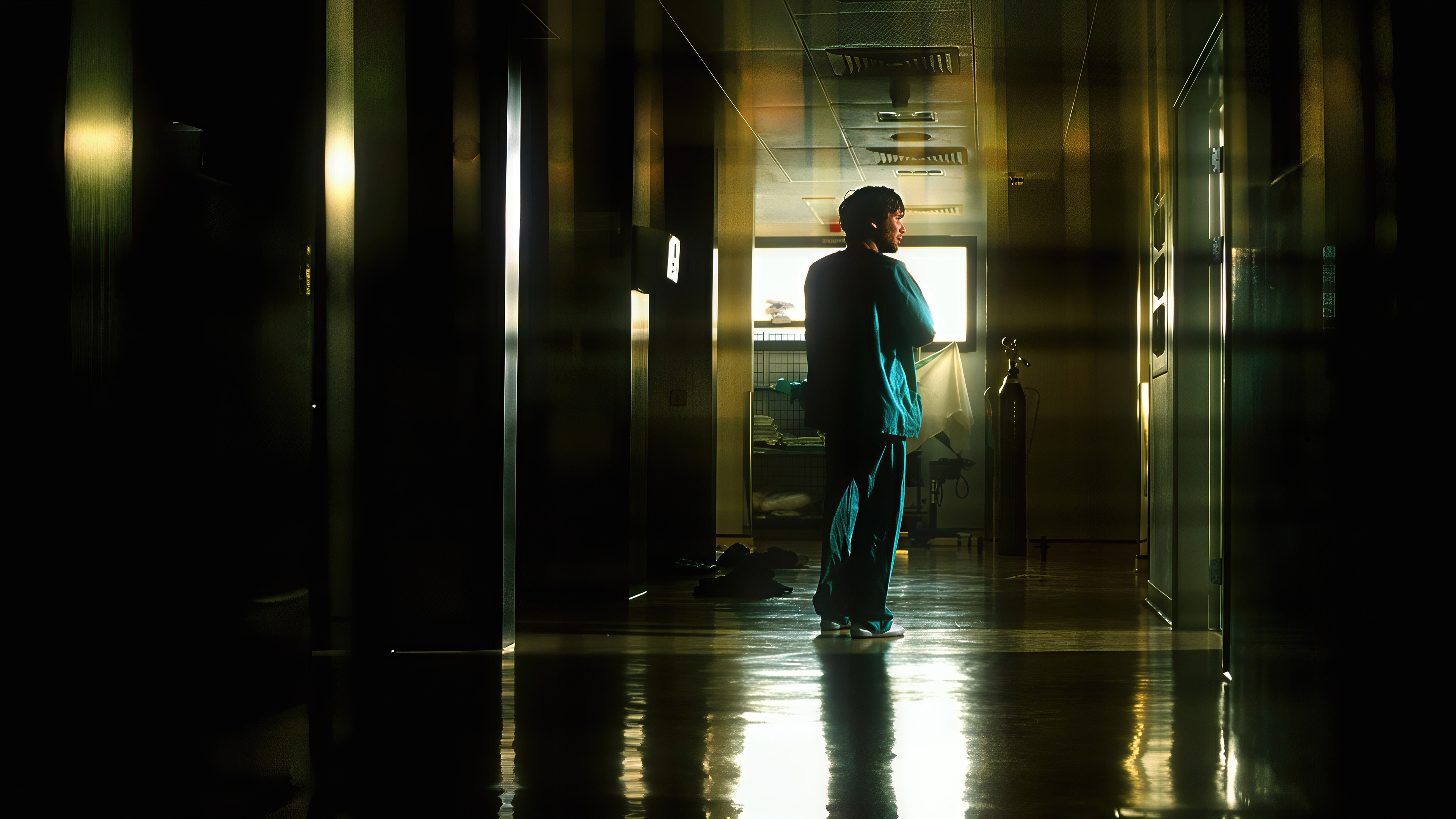
Anthony Dod Mantle’s digital-video photography makes those empty streets look unpleasantly plausible. The roughness suits a city that has lost its inhabitants; a cleaner, more polished image might have made the sight easier to dismiss. Mark Tildesley’s production design helps keep London recognisable, so the emptiness remains disturbing even before we know what might interrupt it. We were frightened by those vacant streets, and by the silence that makes us wait for someone to appear.

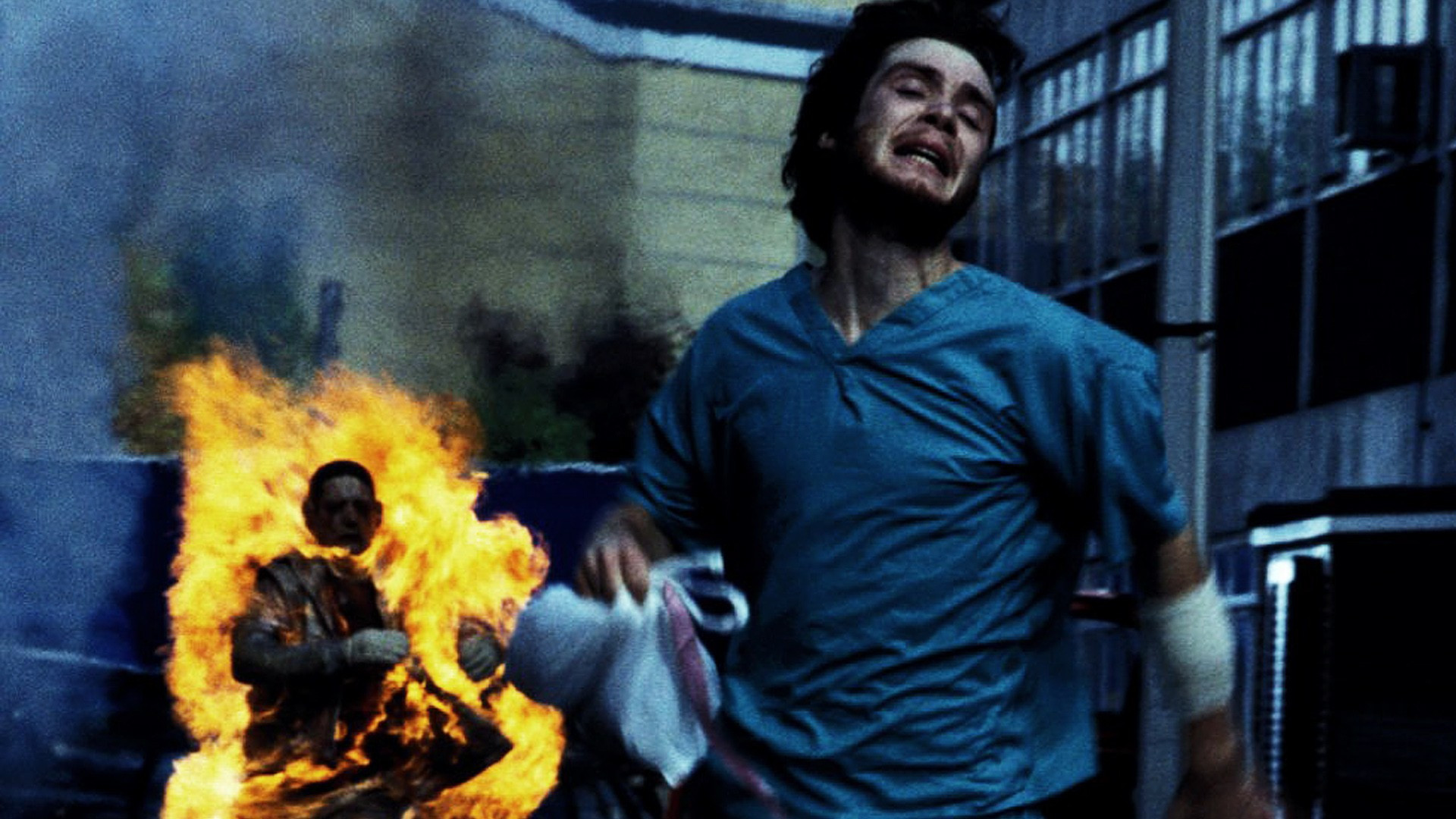
Chris Gill’s editing makes the shift from stillness to attack properly jarring, and Boyle uses the speed of the infected well. They leave little time for the comfortable business of watching a threat approach and planning an escape. Some of the digital-video action blurs beyond usefulness, however, making violence harder to follow without making it more frightening. John Murphy’s score adds urgency, though the early silence does more to unsettle us.

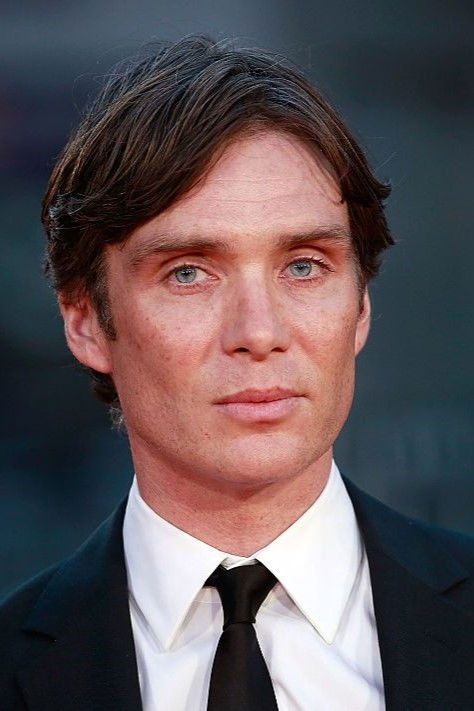
Cillian Murphy gives Jim enough uncertainty to let us share his alarm without tiring of his company. Naomie Harris is persuasive as Selena, and Brendan Gleeson gives Frank a warmth the film needs. Megan Burns’s Hannah helps make this group feel like people with something to lose, and the scenes between attacks benefit from her presence. Christopher Eccleston is particularly assured as Major Henry West, although some of the dialogue around him is less convincing. The cast keep us interested when Garland’s conversations become laboured.

Garland’s writing becomes less persuasive when it tries to spell out what the crisis says about human nature. The question of how much decency survives fear belongs in this kind of horror, and the film is right to ask it. But some conversations labour over ideas that the actors have already made clear, slowing a film otherwise good at getting to the point. As the violence grows more extravagant, Boyle also starts to lose the unnerving sense that this could be happening somewhere familiar.

Within zombie horror, the speed of these attackers gives a familiar problem a useful new pressure. Across its 113 minutes, the film also makes enough time for the survivors to keep the quieter stretches involving. We recommend it to horror viewers who can tolerate blunt writing and some untidy action in exchange for scares that hold up afterwards. This is one to watch with someone who will sit through the quiet bits without talking.
Critical consensus AI synthesised

4 of 6
Positive
2
Mixed
1
Negative
1
The Guardian
1 November 2002
80*

The critic praises Danny Boyle’s exhilarating new film as a muscular, virile piece of film-making, highlighting its use of locations and digital video shooting, while noting it flags during some scenes with redundant gore.

Read the full review →
Film Comment
· Cecilia Sayad
75*

The critic views the film as a timely post-apocalyptic tale of a rage virus turning people into cannibal killers in Britain, linking its themes to real-world anxieties around 9/11, biological threats, and SARS. Boyle is praised for blending fluid digital video camerawork with surreal, nightmarish imagery of the infected.

Read the full review →
The AV Club
30 June 2003 · Nathan Rabin
55*

The critic praises the terrifying start, inspired digital-video cinematography, and fresh fast zombies used sparingly for shock value. They single out the frustrating third-act shift into gory, over-the-top bloodshed and ham-fisted allegory that diminishes the earlier scary poignancy.

Read the full review →
Sight and Sound
1 January 2002 · Mark Kermode

The critic hails Boyle's return to form with a back-to-basics genre hybrid that delivers pacey entertainment on a modest budget. It singles out the striking use of digital video for its hauntingly poetic vision of a devastated London and strong performances, especially Christopher Eccleston's menacing soldier.

Read the full review →
Slant Magazine
5 June 2003 · Jeremiah Kipp

The critic calls it a genuinely scary post-apocalyptic zombie movie that works well on its own merits with economic storytelling and empathy for characters. They single out the hard-driving intensity and topical rage-virus metaphor while noting minor faults like blurry digital-video action and familiar army-base conflict.

Read the full review →
The New York Times
27 June 2003 · A. O. Scott

The critic finds the film an interesting and chilling parable on the fragility of civilization and human nature under duress after a rage virus outbreak. It is praised for its eerie emptiness in early scenes and its debt to George Romero's zombie films.

Read the full review →

Cast

Stills

Awards

European Film Award for Best Cinematographer, 2003

Won
European Film Award for Best Cinematographer

European Film Award - People's Choice Award for Best Director, 2003

Nominated
European Film Award - People's Choice Award for Best Director

If you liked this, try…

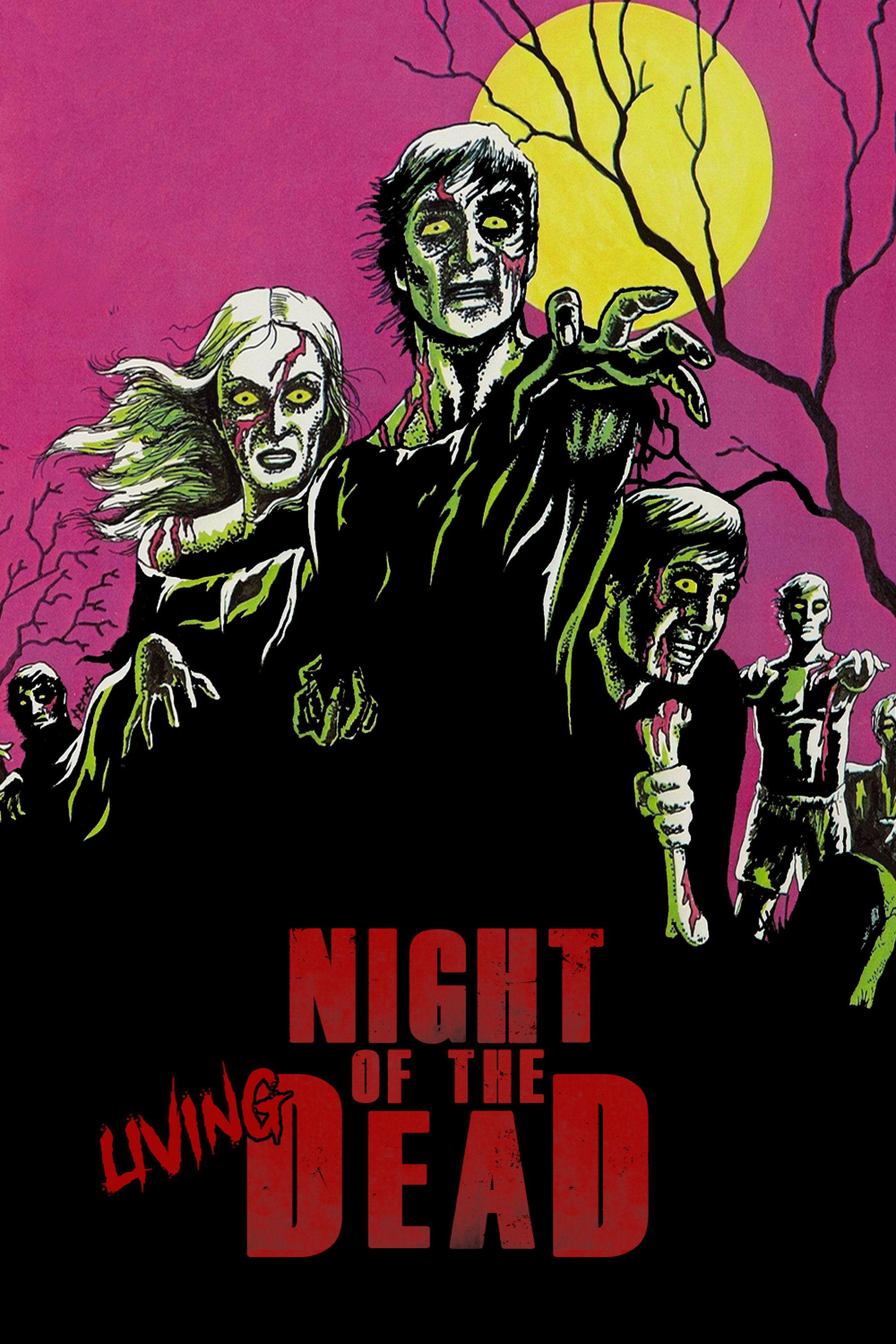
Night of the Living Dead poster

Night of the Living Dead

1968 · For another group discovering that shelter does not settle questions of trust

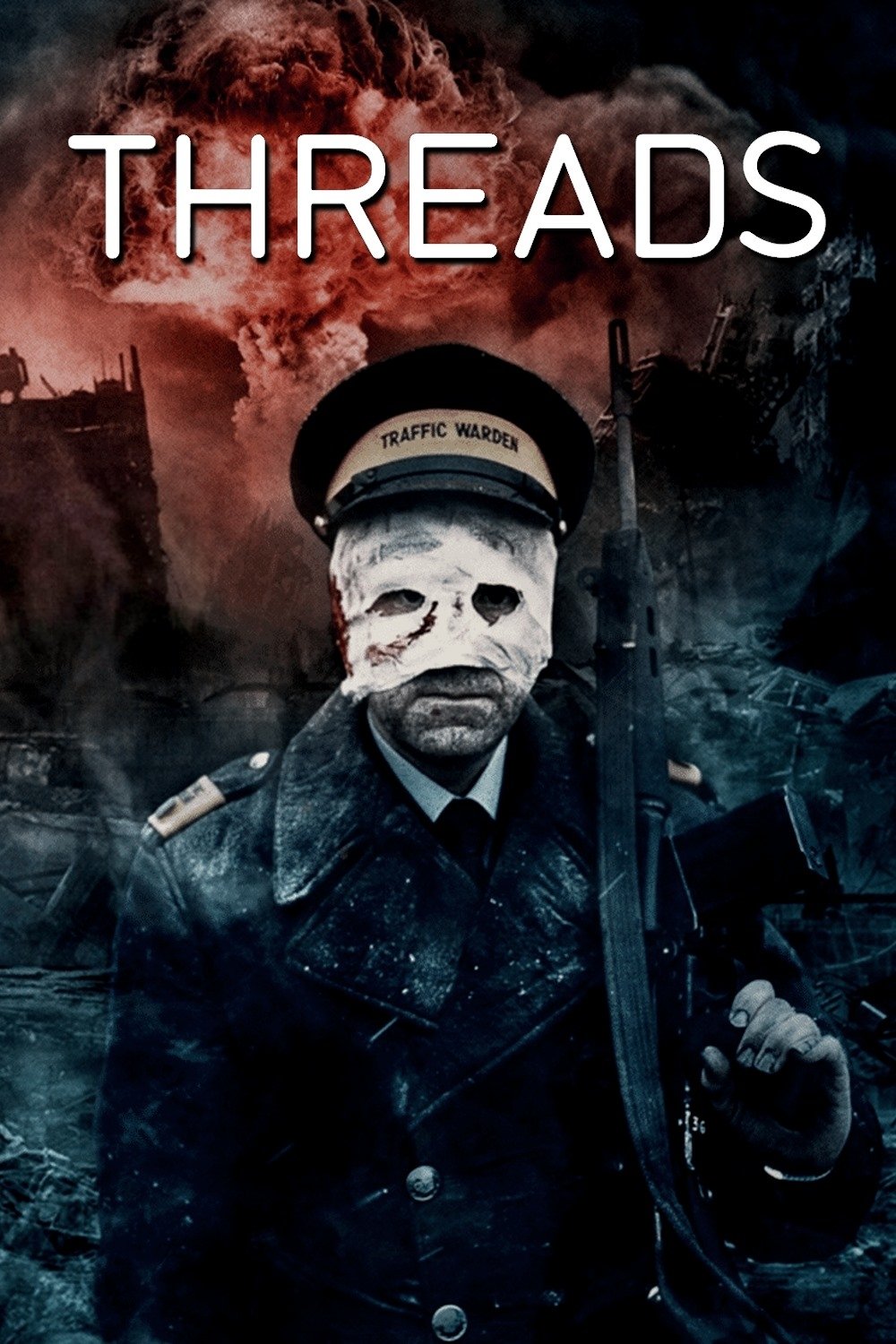
Threads poster

Threads

1984 · Britain loses its routines, and the ordinary details make the horror harder

[REC] poster

[REC]

2007 · Infection horror with even less room to move or think clearly

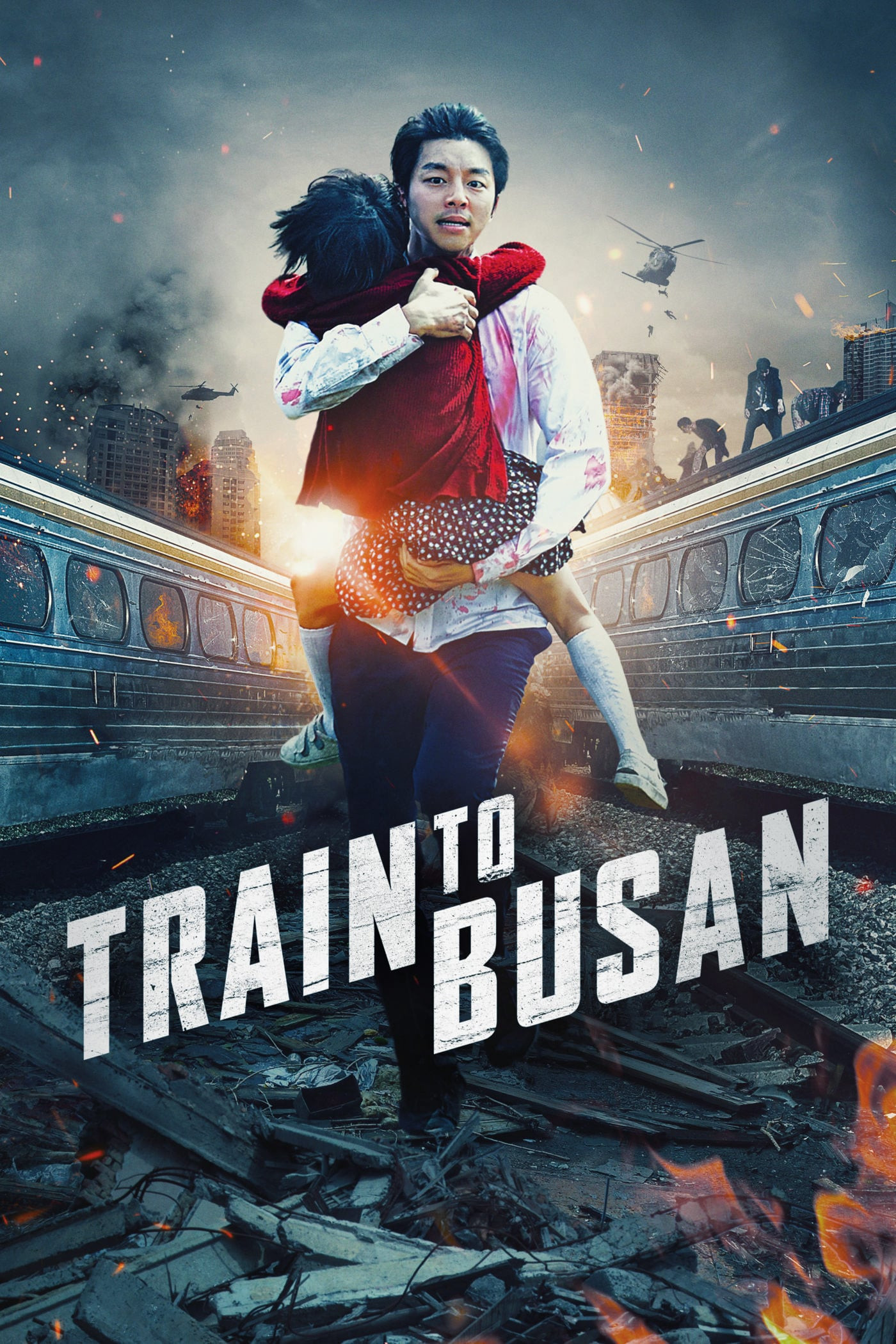
Train to Busan poster

Train to Busan

2016 · Fast infected, cramped escape routes and people worth worrying about between attacks

The Last Man on Earth poster

The Last Man on Earth

1964 · Empty streets and daily survival, with loneliness given time to become frightening